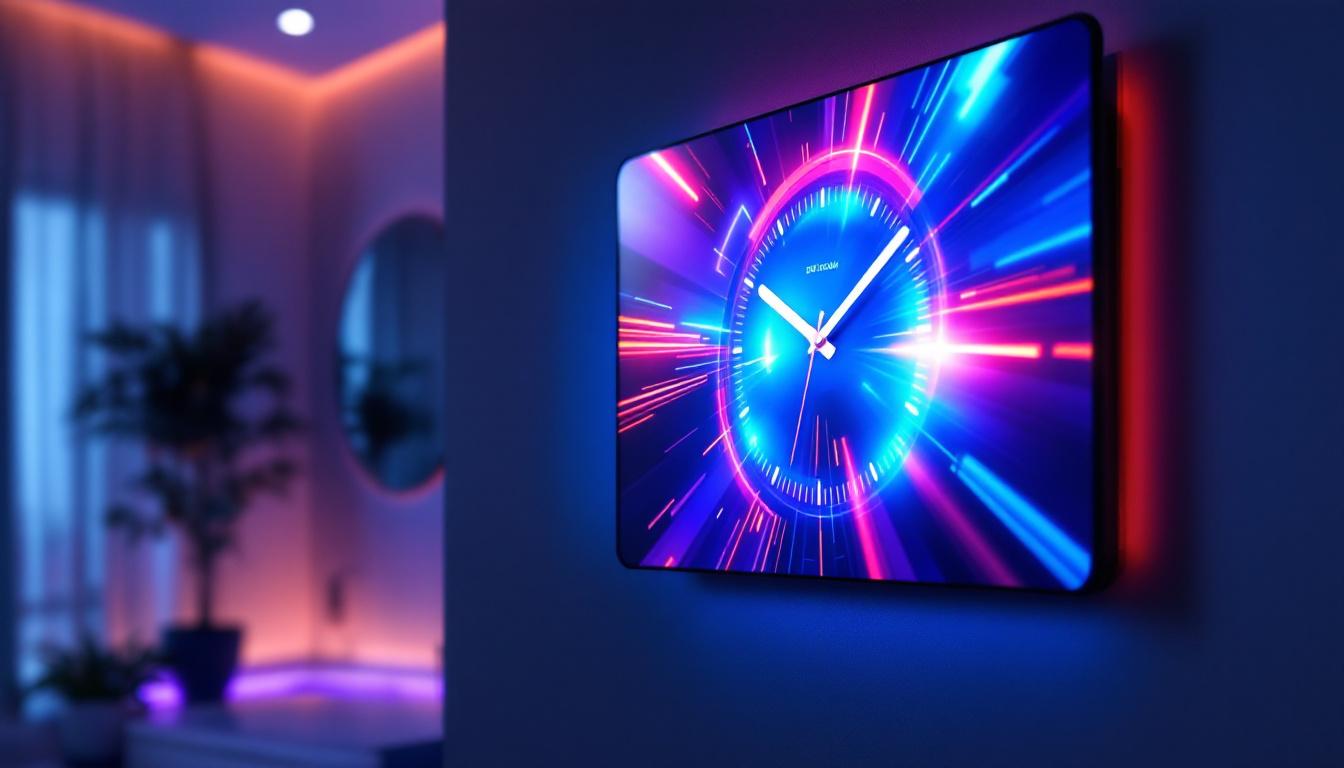
In modern interiors, where functionality meets style, the 32 inch wall clock with LED display has become a popular choice for both homes and commercial spaces. These clocks combine the traditional purpose of timekeeping with contemporary technology, offering clear visibility and a sleek design. Understanding the features, benefits, and technology behind these clocks can help consumers make informed decisions when selecting the perfect timepiece for their environment.
The Rise of LED Wall Clocks
LED technology has revolutionized many aspects of daily life, including how we display and read time. Unlike traditional analog clocks, LED wall clocks use light-emitting diodes to present the time digitally, making them highly visible even from a distance or in low-light conditions.
According to a 2023 report by the Consumer Electronics Association, sales of LED clocks have increased by over 40% in the last five years, driven by demand in offices, schools, hospitals, and public spaces. The 32 inch size, in particular, strikes a balance between being large enough for easy reading and compact enough to fit comfortably on most walls.
Why 32 Inches?
The size of a wall clock is crucial for visibility and aesthetic appeal. A 32 inch diameter is ideal for large rooms or spaces where the clock needs to be seen from multiple angles or distances. For example, in conference rooms or classrooms, a 32 inch LED clock ensures that everyone can clearly see the time without straining their eyes.
Moreover, this size allows for larger LED digits, which improves readability. The digits on a 32 inch LED clock typically range between 3 to 6 inches in height, making them visible from 50 feet or more under optimal lighting conditions.
In addition to their practical benefits, LED wall clocks are also becoming increasingly popular for their aesthetic versatility. Available in various colors and designs, these clocks can complement a wide range of interior decor styles, from modern minimalist to industrial chic. Some models even offer customizable features, allowing users to select different colors for the digits or even display the time in different formats, such as 12-hour or 24-hour. This personalization aspect not only enhances the visual appeal but also allows individuals to express their unique style through functional decor.
Furthermore, the energy efficiency of LED technology cannot be overlooked. Unlike traditional clocks that may consume more power, LED clocks are designed to use significantly less energy while providing bright, clear displays. This not only contributes to lower electricity bills but also aligns with the growing trend towards sustainable living. Many consumers are now more conscious of their energy consumption and are actively seeking out products that are both functional and environmentally friendly, making LED wall clocks an attractive choice for the eco-conscious buyer.
Understanding LED Display Technology
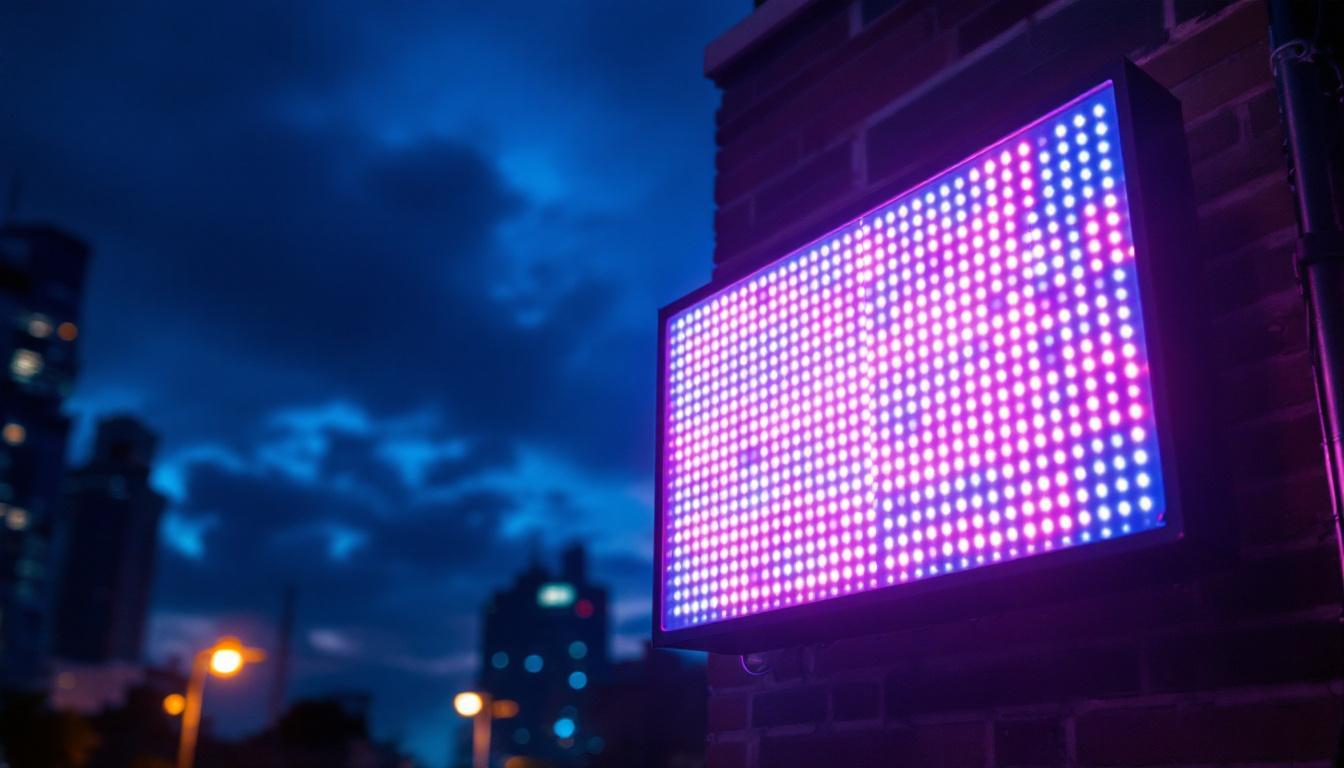
LED displays in wall clocks use arrays of tiny light-emitting diodes arranged to form numbers. These LEDs light up in patterns to represent digits, usually in a 7-segment configuration for each number.
Types of LED Displays in Wall Clocks
There are primarily two types of LED displays used in 32 inch wall clocks:
- Single-color LED displays: Usually red, green, or blue, these are the most common and cost-effective. Red LEDs are popular due to their high visibility and low power consumption.
- Multi-color or RGB LED displays: These allow for changing colors and can be customized for different visual effects or alerts. While more expensive, they offer enhanced versatility and aesthetic appeal.
The choice between these depends on the intended use and environment. For instance, a hospital might prefer red LEDs for clarity and urgency, while a modern office might opt for RGB LEDs to match branding colors. Additionally, the design of the clock itself can be a significant factor; sleek, minimalist designs often pair well with single-color displays, while vibrant, artistic designs may benefit from the dynamic nature of RGB options.
Brightness and Visibility
One of the primary advantages of LED clocks is their brightness. LEDs can be seen clearly in both daylight and darkness, unlike LCD displays which often require backlighting. Most 32 inch LED wall clocks come with adjustable brightness settings, allowing users to dim the display at night or increase brightness during the day.
Advanced models use ambient light sensors to automatically adjust brightness based on the surrounding light. This feature not only enhances visibility but also conserves energy and extends the lifespan of the LEDs. Furthermore, the technology behind these sensors is becoming increasingly sophisticated, allowing for more nuanced adjustments that can account for varying light conditions throughout the day, ensuring that the display remains legible without being overly harsh on the eyes.
Moreover, the placement of the clock can also influence visibility. For example, a clock positioned near a window may require a higher brightness setting during sunny days, while one in a dimly lit room can benefit from lower settings. This adaptability makes LED wall clocks not only practical but also user-friendly, catering to a wide range of environments and preferences.
Features to Look for in a 32 Inch LED Wall Clock
When selecting a 32 inch LED wall clock, several features can significantly impact usability and satisfaction. Understanding these features helps buyers choose a clock that fits their specific needs.
Time Accuracy and Synchronization
Accurate timekeeping is essential, especially in professional or institutional settings. Many LED wall clocks now come with radio-controlled or Network Time Protocol (NTP) synchronization.
Radio-controlled clocks receive signals from official timekeeping sources like the National Institute of Standards and Technology (NIST), ensuring the displayed time is always accurate to the second. NTP synchronization connects the clock to internet time servers, which is particularly useful in networked environments such as corporate offices or schools.
Power Source and Energy Efficiency
LED clocks typically run on either battery power or AC adapters. Battery-powered models offer flexibility in placement but require periodic battery replacement. AC-powered clocks provide continuous operation but need to be installed near power outlets.
Energy efficiency is another consideration. LEDs consume significantly less power than traditional incandescent bulbs, and many clocks incorporate power-saving modes. For example, some clocks enter a low-power state during off-hours or dim their displays automatically.
Additional Functionalities
Modern 32 inch LED wall clocks often include features beyond basic time display:
- Date and Day Display: Many clocks show the current date and day of the week, which is useful in office or classroom settings.
- Temperature Display: Integrated temperature sensors can display ambient room temperature, adding value for environments where climate monitoring is important.
- Alarm and Timer Functions: Some models include programmable alarms or countdown timers, ideal for meeting rooms or industrial applications.
- Connectivity: Clocks with Wi-Fi or Bluetooth connectivity allow for remote setting adjustments and integration with smart building systems.
Applications of 32 Inch LED Wall Clocks
The versatility of 32 inch LED wall clocks makes them suitable for a wide range of environments, each with unique requirements and benefits.
Commercial and Office Spaces
In offices, accurate and easily visible clocks help maintain punctuality and improve productivity. A 32 inch LED clock positioned in a common area or conference room ensures that employees and visitors can keep track of time effortlessly.
Additionally, LED clocks with synchronized time reduce confusion caused by discrepancies between different timepieces within the same building.
Educational Institutions
Schools and universities benefit from large LED clocks in classrooms and auditoriums. The clear digital display helps students and teachers manage class time efficiently, especially during timed exams or presentations.
Some educational facilities also use clocks with integrated countdown timers to signal the end of periods or breaks.
Healthcare Facilities
Hospitals and clinics require precise timekeeping for medication schedules, shift changes, and patient monitoring. The high visibility of LED clocks, even in dimly lit or emergency areas, supports these critical functions.
Moreover, clocks with temperature displays can assist in monitoring room conditions, which is important for patient comfort and safety.
Public Spaces and Transportation Hubs
Airports, train stations, and bus terminals often use large LED clocks to provide travelers with reliable and easily readable time information. The 32 inch size ensures visibility from long distances, helping passengers stay on schedule.
In such environments, synchronized clocks prevent confusion caused by inconsistent time displays across different areas.
Maintenance and Longevity of LED Wall Clocks
Proper maintenance can extend the life and performance of a 32 inch LED wall clock.
Cleaning and Care
LED clocks require minimal cleaning. Dust accumulation on the display can reduce brightness, so wiping the surface gently with a soft, dry cloth is recommended. Avoid using harsh chemicals or abrasive materials that could damage the LEDs or casing.
Battery Replacement and Power Management
For battery-operated models, regular battery checks and timely replacements prevent interruptions. Using high-quality batteries can also improve performance and longevity.
Clocks with AC power should be inspected periodically to ensure cords and plugs are in good condition, reducing the risk of electrical faults.
Software Updates and Calibration
Some advanced LED clocks with network connectivity may receive firmware updates to improve functionality or security. Keeping the clock’s software up to date ensures optimal performance.
Periodic calibration or synchronization checks, especially for clocks without automatic time updates, help maintain accuracy.
Conclusion
The 32 inch wall clock with LED display represents a fusion of practicality and modern technology. Its large size and bright, clear digital readout make it an excellent choice for diverse settings, from corporate offices to healthcare facilities. Understanding the technology behind LED displays, the key features to consider, and the appropriate applications ensures that buyers select a clock that meets their specific needs.
As LED technology continues to advance, these clocks will likely offer even more features and improved energy efficiency, solidifying their place as essential timekeeping tools in contemporary environments.
Discover LumenMatrix’s Advanced LED Display Solutions
Ready to elevate your space with a 32 inch LED wall clock that embodies both elegance and efficiency? Look no further than LumenMatrix, a pioneer in LED display technology. Our comprehensive range of products, from Indoor and Outdoor LED Wall Displays to innovative solutions like Vehicle LED Displays and LED Transparent Displays, is designed to meet the dynamic needs of any setting. Embrace the future of visual communication with LumenMatrix and experience how our LED display modules can transform your environment. Check out LumenMatrix LED Display Solutions today and step into a world where functionality and design converge seamlessly.