In recent years, ultra thin LED ceiling lights have revolutionized the way we illuminate indoor spaces. Combining sleek design with energy efficiency and advanced technology, these lighting solutions are rapidly becoming a staple in residential, commercial, and industrial environments. This article delves into the technology behind ultra thin LED ceiling lights, explores their benefits, and explains how LED displays integrate into modern lighting systems.
Understanding Ultra Thin LED Ceiling Lights
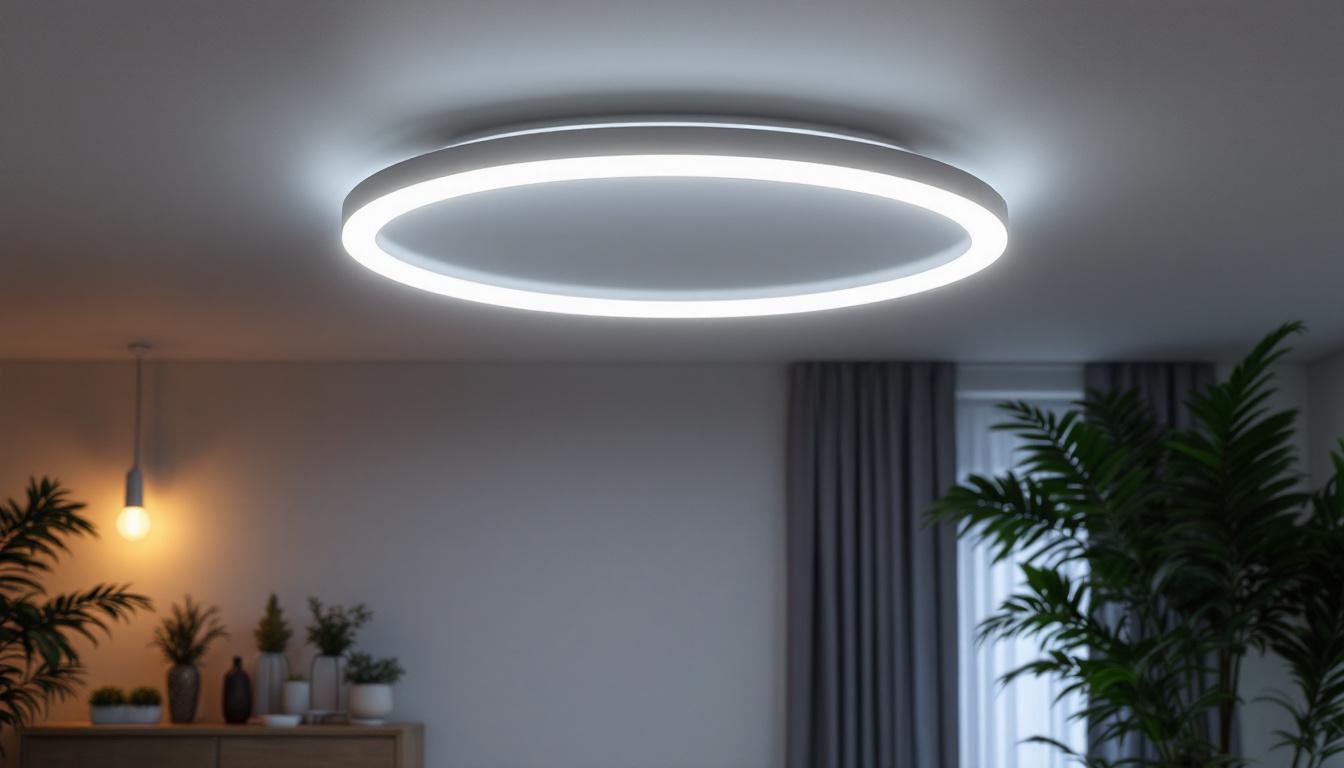
Ultra thin LED ceiling lights are lighting fixtures designed to be exceptionally slim, often measuring less than an inch in thickness. Unlike traditional bulky ceiling lights, these fixtures blend seamlessly into ceilings, providing a modern aesthetic while delivering high-quality illumination. Their sleek design not only enhances the visual appeal of a space but also maximizes headroom, making them an ideal choice for areas with low ceilings.
The core technology behind these lights is the light-emitting diode (LED), which offers a more efficient and durable alternative to incandescent or fluorescent bulbs. The ultra thin design is achieved through innovations in LED chip technology, heat dissipation methods, and compact driver circuits. This efficiency translates to lower energy consumption and longer lifespans, often exceeding 25,000 hours, which significantly reduces maintenance costs and the frequency of bulb replacements.
What Makes Them Ultra Thin?
The slim profile of these lights is primarily due to advancements in LED chip packaging and the use of surface-mounted device (SMD) LEDs. SMD LEDs are compact and can be arranged in dense arrays, allowing for uniform light distribution without the need for bulky diffusers or reflectors. This design not only enhances aesthetics but also improves the overall lighting experience by minimizing shadows and hotspots.
Additionally, manufacturers utilize thin printed circuit boards (PCBs) and low-profile drivers, which are essential for controlling the current and voltage supplied to the LEDs. Efficient thermal management techniques, such as aluminum heat sinks and thermal interface materials, ensure that the lights operate safely without overheating despite their thin form factor. This focus on thermal efficiency is crucial, as it helps maintain the performance and longevity of the fixtures, making them a reliable choice for both residential and commercial applications.
Common Types of Ultra Thin LED Ceiling Lights
There are several types of ultra thin LED ceiling lights available, each suited to different applications:
- Panel Lights: These are flat, square or rectangular fixtures that provide broad, even lighting. They are popular in offices, schools, and hospitals. Their minimalist design allows them to be installed in drop ceilings or directly on the surface, making them versatile for various architectural styles.
- Downlights: Circular and recessed, these lights focus illumination downward and are often used in residential spaces and retail environments. They can create a warm ambiance in living rooms or highlight merchandise in stores, showcasing products effectively.
- Linear Lights: Long and narrow, these fixtures are ideal for corridors, kitchens, and workspaces requiring directional lighting. Their elongated shape allows for continuous runs, providing seamless illumination along walls or ceilings, which can enhance the perception of space in narrow areas.
In addition to these common types, ultra thin LED ceiling lights are also available in various color temperatures, ranging from warm white to cool daylight, allowing users to customize the ambiance of their spaces. Furthermore, many modern fixtures come equipped with smart technology, enabling users to control brightness and color settings via mobile apps or voice commands, thus integrating seamlessly into smart home ecosystems. This adaptability not only caters to aesthetic preferences but also enhances energy efficiency by allowing users to adjust lighting based on the time of day or specific activities.
Energy Efficiency and Environmental Impact
One of the most compelling reasons to choose ultra thin LED ceiling lights is their exceptional energy efficiency. According to the U.S. Department of Energy, LEDs use at least 75% less energy than incandescent lighting and last 25 times longer. This translates into significant cost savings and reduced environmental impact over time. By reducing energy consumption, we not only lower our utility bills but also decrease the demand on power plants, which in turn reduces greenhouse gas emissions and other pollutants that contribute to climate change.
The ultra thin design further enhances efficiency by minimizing material use and enabling better heat dissipation, which improves the longevity and performance of the LEDs. Moreover, these lights do not contain hazardous substances like mercury, commonly found in fluorescent bulbs, making them safer to dispose of and recycle. This eco-friendly approach aligns with the growing global emphasis on sustainability and responsible consumption, encouraging consumers to make choices that benefit both their wallets and the planet.
Cost Savings Over Time
While the initial investment in ultra thin LED ceiling lights may be higher than traditional lighting options, the total cost of ownership is much lower. The extended lifespan reduces replacement frequency, and the lower energy consumption decreases electricity bills. Additionally, many utility companies offer rebates or incentives for switching to energy-efficient lighting, which can further offset the initial costs and encourage more households and businesses to make the switch.
For example, a typical 12-watt ultra thin LED panel light can replace a 40-watt fluorescent fixture, cutting energy use by 70%. In commercial settings with hundreds of fixtures, these savings multiply rapidly, making LEDs a financially sound choice. Furthermore, the improved quality of light provided by LEDs can enhance productivity in work environments and create a more inviting atmosphere in residential spaces, adding intangible value that goes beyond mere cost savings.
LED Display Technology in Ultra Thin Ceiling Lights
Beyond illumination, LED technology has expanded into display applications integrated into ceiling lights. These LED displays can serve various purposes, from providing dynamic information to enhancing ambiance with customizable lighting effects.
How LED Displays Work
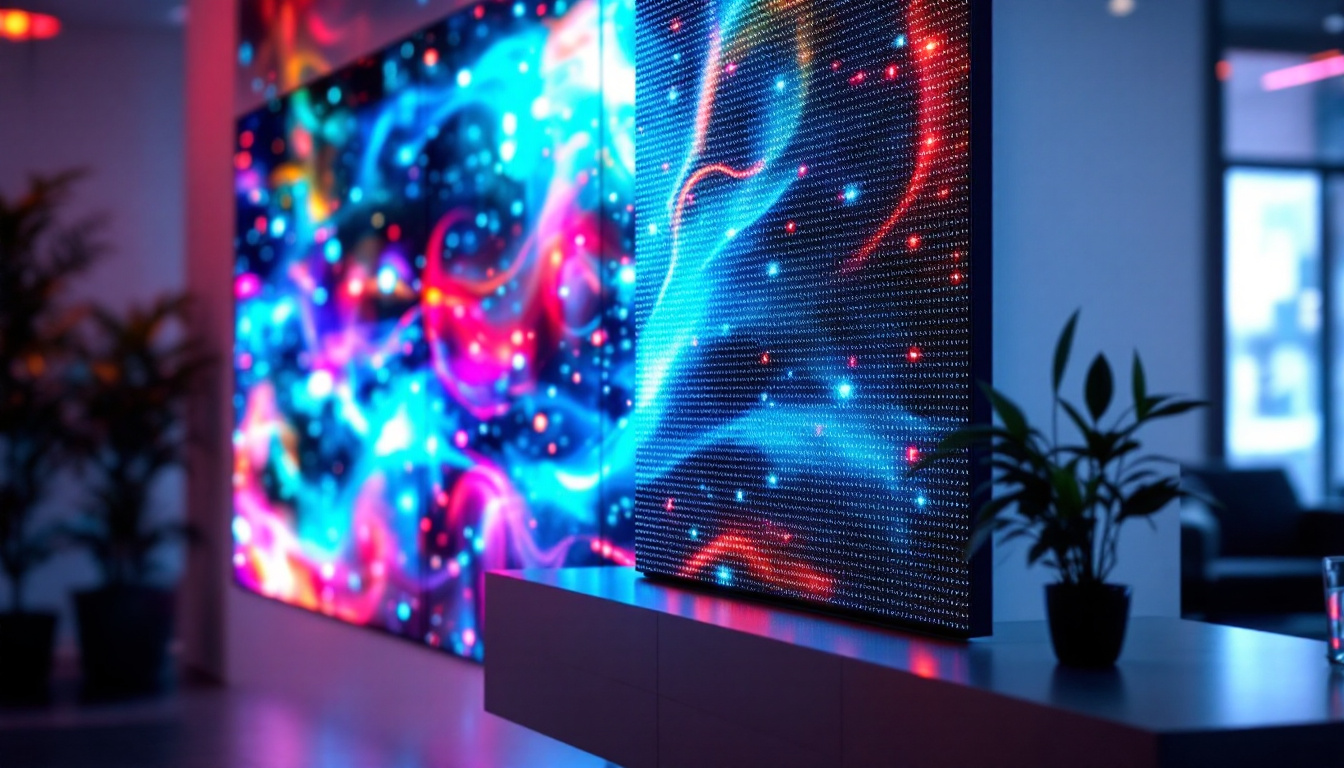
LED displays consist of an array of tiny LEDs that can be individually controlled to emit different colors and intensities. In ultra thin ceiling lights, these displays are embedded within or adjacent to the lighting panel, allowing for multifunctional use.
Modern LED displays utilize surface-mount technology and flexible circuit boards to maintain the slim profile of the fixture. The control systems are often connected to smart home or building automation platforms, enabling remote operation and programming.
Applications of LED Displays in Ceiling Lights
Integrating LED displays into ceiling lights opens up innovative applications, such as:
- Dynamic Ambient Lighting: Changing colors and patterns to suit moods or events.
- Information Displays: Showing time, weather updates, or notifications in public spaces.
- Advertising and Branding: Subtle logos or messages displayed in commercial environments.
- Interactive Controls: Touch-sensitive panels for adjusting lighting settings.
Installation and Maintenance Considerations
Installing ultra thin LED ceiling lights requires careful planning to ensure optimal performance and longevity. Their slim design often means they are surface-mounted or recessed into ceilings with minimal clearance.
Electrical compatibility is crucial; LED drivers must match the building’s power supply and lighting control systems. Many modern fixtures support dimming and connectivity with smart controls, which can enhance user experience but also add complexity to installation.
Maintenance Benefits
One of the advantages of ultra thin LED ceiling lights is their low maintenance requirements. LEDs have a lifespan ranging from 30,000 to 50,000 hours, significantly reducing the need for frequent replacements.
Additionally, their solid-state nature makes them more resistant to shock and vibration compared to traditional bulbs. Cleaning is straightforward due to their flat surfaces, and many models come with replaceable drivers to extend overall fixture life.
Choosing the Right Ultra Thin LED Ceiling Light
Selecting the appropriate ultra thin LED ceiling light depends on several factors, including the intended application, desired lighting quality, and budget.
Key Factors to Consider
- Lumens and Color Temperature: Lumens measure brightness, while color temperature affects the ambiance—ranging from warm white (2700K) to daylight (6500K).
- CRI (Color Rendering Index): A higher CRI (above 80) ensures colors appear natural and vibrant under the light.
- Size and Shape: Choose panels, downlights, or linear fixtures based on ceiling design and lighting needs.
- Smart Features: Consider integration with smart home systems for dimming, scheduling, and remote control.
Trusted Brands and Certifications
When investing in ultra thin LED ceiling lights, it’s important to select products from reputable manufacturers who comply with safety and performance standards. Look for certifications such as UL, CE, and Energy Star, which indicate rigorous testing and quality assurance.
Future Trends in Ultra Thin LED Ceiling Lighting
The evolution of LED technology continues to push the boundaries of ultra thin ceiling lighting. Emerging trends include:
- Micro-LEDs: Offering even thinner profiles and higher brightness with lower power consumption.
- Human-Centric Lighting: Adjusting light intensity and color temperature throughout the day to support circadian rhythms and wellbeing.
- Integration with IoT: Enhanced connectivity allowing for adaptive lighting based on occupancy, daylight harvesting, and user preferences.
- Advanced Materials: Use of graphene and other novel materials to improve heat dissipation and durability.
These innovations promise to make ultra thin LED ceiling lights even more versatile, efficient, and user-friendly in the years to come.
Conclusion
Ultra thin LED ceiling lights represent a significant advancement in lighting technology, combining aesthetic appeal with superior energy efficiency and functionality. Understanding the technology behind these fixtures, including the integration of LED displays, helps consumers and professionals make informed decisions when choosing lighting solutions.
With ongoing innovations and growing adoption, ultra thin LED ceiling lights are poised to become the standard for modern indoor lighting, offering benefits that extend beyond illumination to include smart features and environmental sustainability.
Illuminate Your Space with LumenMatrix
Ready to elevate your indoor lighting with the sleek design and advanced functionality of ultra thin LED ceiling lights? Discover how LumenMatrix, a pioneer in LED display technology, can transform your environment. From enhancing brand visibility with Indoor LED Wall Displays to creating immersive experiences with Custom LED Displays, LumenMatrix offers a comprehensive range of solutions tailored to your needs. Embrace the future of lighting and visual communication. Check out LumenMatrix LED Display Solutions today and see the difference for yourself.