Converting measurements between metric and imperial units is a common task in many fields, from construction and design to everyday life. One such conversion that often arises is translating centimeters into feet. For instance, understanding what 163 centimeters equates to in feet can be crucial when dealing with dimensions, especially in industries like manufacturing, interior design, and technology. This article will not only clarify the conversion of 163 cm into feet but also delve into the fascinating world of LED displays, explaining how size and measurement play a critical role in their design and application.
Understanding the Conversion: 163 Cm Into Feet
The Metric and Imperial Systems
The metric system, used globally, measures length in meters and centimeters, with 100 centimeters making up one meter. The imperial system, primarily used in the United States, measures length in feet and inches, with 12 inches in a foot. Converting between these systems requires a clear understanding of their basic units and the conversion factors. While the metric system is often praised for its simplicity and ease of use, the imperial system has its own historical significance and is deeply ingrained in the culture and practices of countries that utilize it. This duality can sometimes lead to confusion, particularly for those who are accustomed to one system over the other.
How to Convert 163 Cm to Feet
To convert centimeters to feet, the standard conversion factor is that 1 inch equals 2.54 centimeters, and 1 foot equals 12 inches. Using this, the conversion process is as follows:
- First, convert centimeters to inches: 163 cm ÷ 2.54 = 64.17 inches
- Then, convert inches to feet: 64.17 inches ÷ 12 = 5.35 feet
Therefore, 163 centimeters is approximately 5 feet and 4.2 inches. This conversion is particularly useful when specifying dimensions in environments where imperial units are standard. For instance, in fields such as architecture or interior design, professionals often need to communicate measurements in feet and inches to align with local building codes and client preferences. Additionally, sports and fitness industries frequently utilize these conversions, as height and reach measurements are commonly expressed in feet, impacting everything from equipment design to athlete training regimens.
Why Accurate Conversion Matters
Precision in measurement conversion is essential in many industries. For example, in manufacturing LED displays, the size of the screen must be exact to fit a specific space or to meet design requirements. Miscalculations can lead to costly errors, delays, or product incompatibility. In the realm of healthcare, accurate height measurements are crucial for assessing body mass index (BMI) and other health indicators, which can influence treatment plans and overall patient care. Furthermore, in the world of e-commerce, where products are often sold internationally, providing accurate size conversions can enhance customer satisfaction and reduce return rates, as buyers can make informed decisions based on precise measurements. This attention to detail can ultimately foster trust and reliability in a brand’s reputation.
The Role of Size in LED Displays
What is an LED Display?
LED (Light Emitting Diode) displays are screens that use an array of light-emitting diodes to produce images, videos, and other visual content. They are widely used in advertising, public information systems, televisions, and more. The size of an LED display is a critical factor influencing its visibility, resolution, and application. The versatility of LED technology allows for various configurations, including flexible displays that can be shaped to fit unique spaces, making them an increasingly popular choice in modern design.
How Size is Measured in LED Displays
LED display size is typically measured diagonally in inches or centimeters, similar to televisions and monitors. This measurement helps determine the overall area of the screen and influences the pixel pitch, which is the distance between individual LEDs. Pixel pitch affects image clarity and viewing distance. A smaller pixel pitch generally results in higher resolution, allowing for closer viewing without loss of detail, which is particularly important in environments like control rooms or high-end retail spaces where visual fidelity is paramount.
Example: A 163 Cm LED Display
Imagine an LED display with a diagonal size of 163 centimeters. Converting this to feet, as previously calculated, gives approximately 5.35 feet. This size is substantial and suitable for medium to large-scale installations, such as conference rooms, retail stores, or outdoor advertising panels. The display can effectively capture the attention of passersby or audience members, making it an ideal choice for impactful messaging. Furthermore, the placement of such a display can significantly enhance the overall aesthetic of a space, drawing in customers and creating an engaging atmosphere. In addition, larger displays often come equipped with advanced features such as higher brightness levels and enhanced color accuracy, ensuring that the content remains vibrant and visible even in bright daylight conditions.
Applications of a 163 Cm (5.35 Ft) LED Display
Retail and Advertising
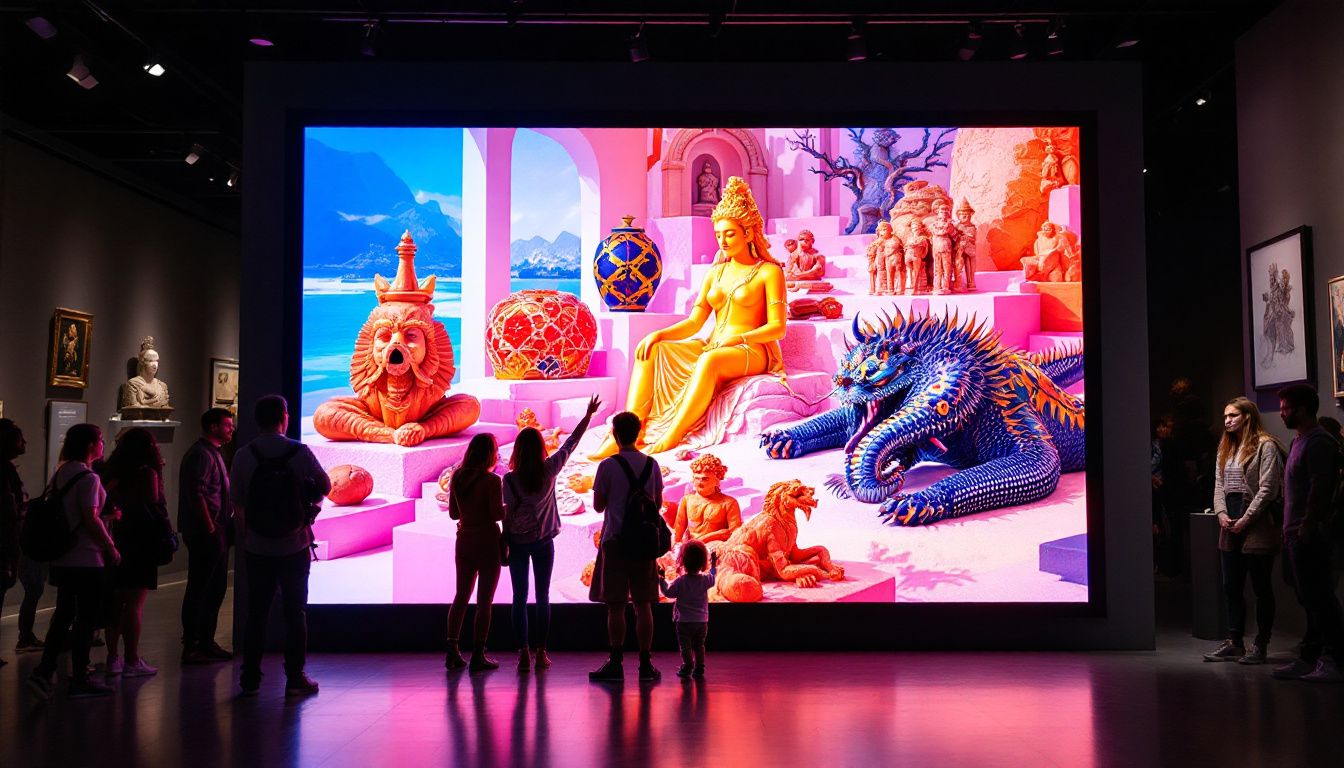
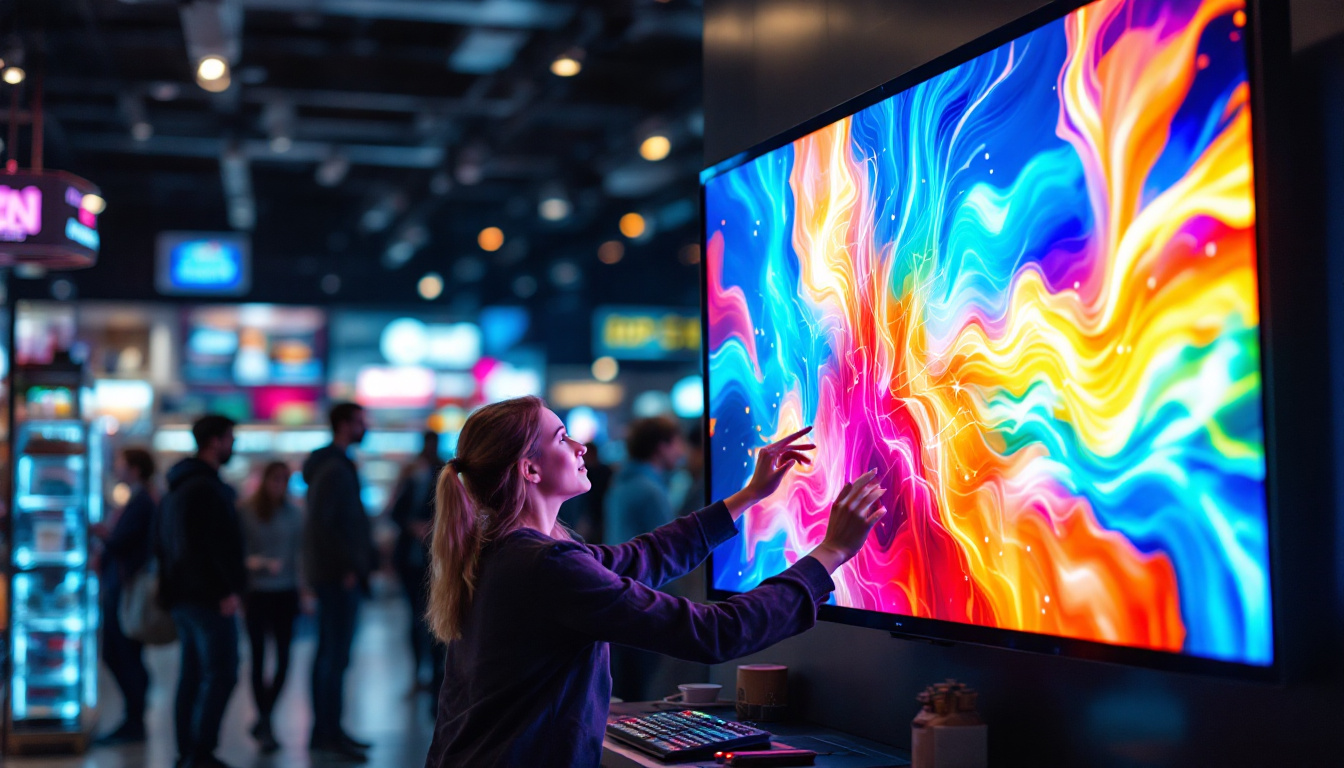
In retail environments, a 163 cm LED display provides an eye-catching platform for promotions and advertisements. Its size allows for clear visibility from a distance, making it ideal for showcasing dynamic content that attracts customers. The ability to convert size measurements accurately ensures that the display fits perfectly within designated spaces. Retailers can utilize the display to highlight seasonal sales, new arrivals, or special events, creating an engaging shopping experience. Furthermore, the vibrant colors and high-definition resolution of LED technology can significantly enhance product visibility, drawing in potential buyers and increasing foot traffic.
Additionally, the versatility of a 163 cm LED display means it can be easily updated with new content, allowing businesses to adapt their marketing strategies in real-time. This feature is particularly beneficial during flash sales or limited-time offers, where immediate visibility can lead to increased sales. Retailers can also integrate interactive elements, such as QR codes or touch-screen capabilities, encouraging customer engagement and providing a modern shopping experience that resonates with tech-savvy consumers.
Corporate and Educational Settings
In corporate boardrooms or educational institutions, a 163 cm LED display offers a balance between size and clarity. It is large enough to present detailed information to groups without overwhelming the room. Accurate size conversion helps planners and installers select the right display to match room dimensions and seating arrangements. In corporate settings, these displays can be used for presentations, video conferencing, or displaying key performance indicators, ensuring that all participants are engaged and informed. The ability to display high-quality graphics and videos can enhance the overall effectiveness of meetings and training sessions.
In educational environments, teachers can utilize the display to present multimedia lessons that cater to various learning styles. The interactive capabilities of modern LED displays can foster collaboration among students, allowing them to participate actively in discussions and group projects. Furthermore, the display can serve as a central hub for announcements, schedules, and educational resources, creating a more connected and informed school community.
Outdoor and Public Spaces
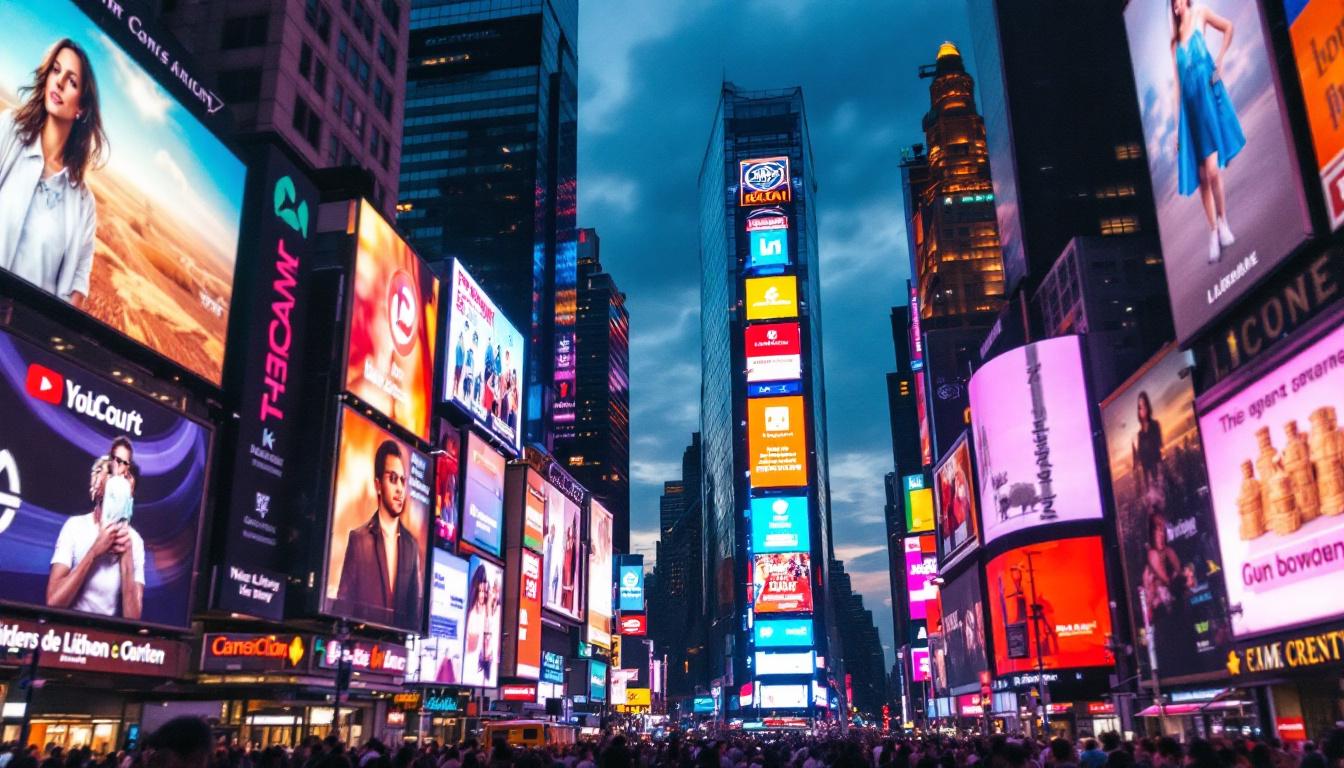
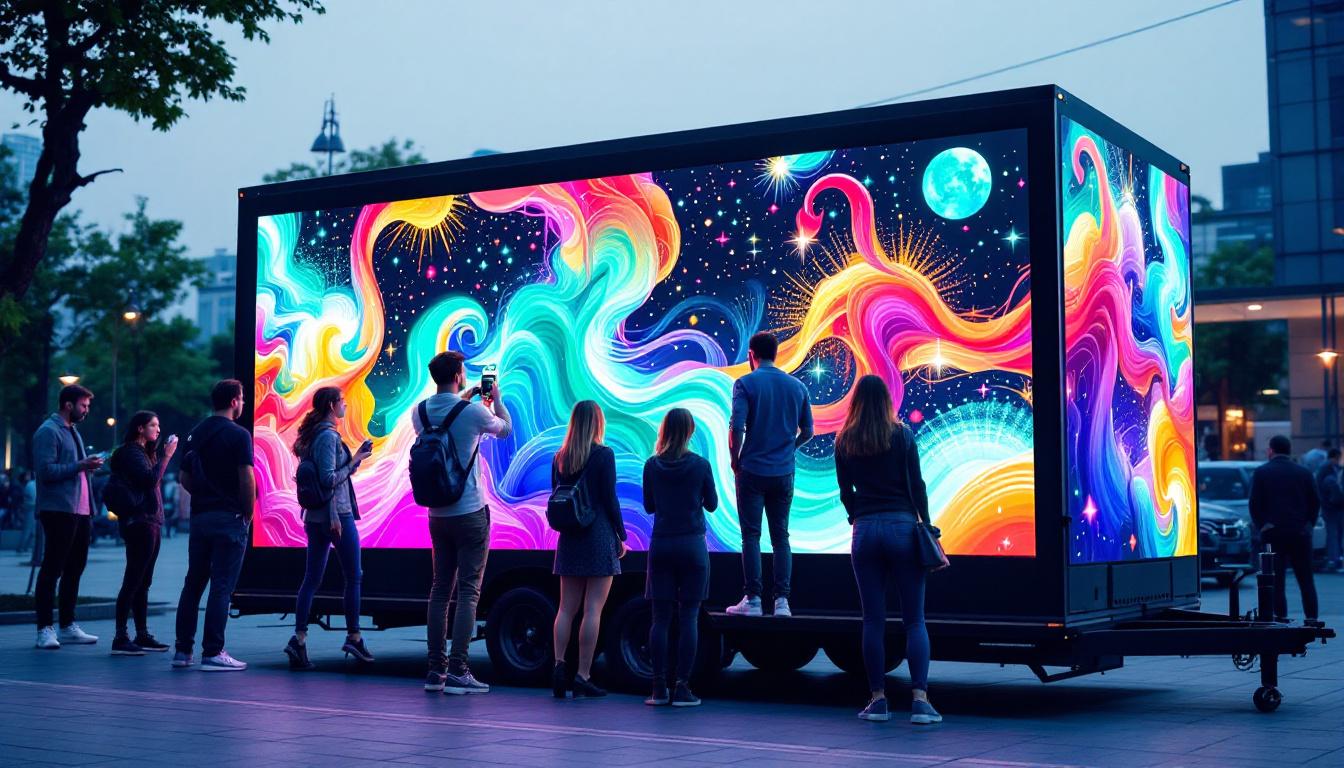
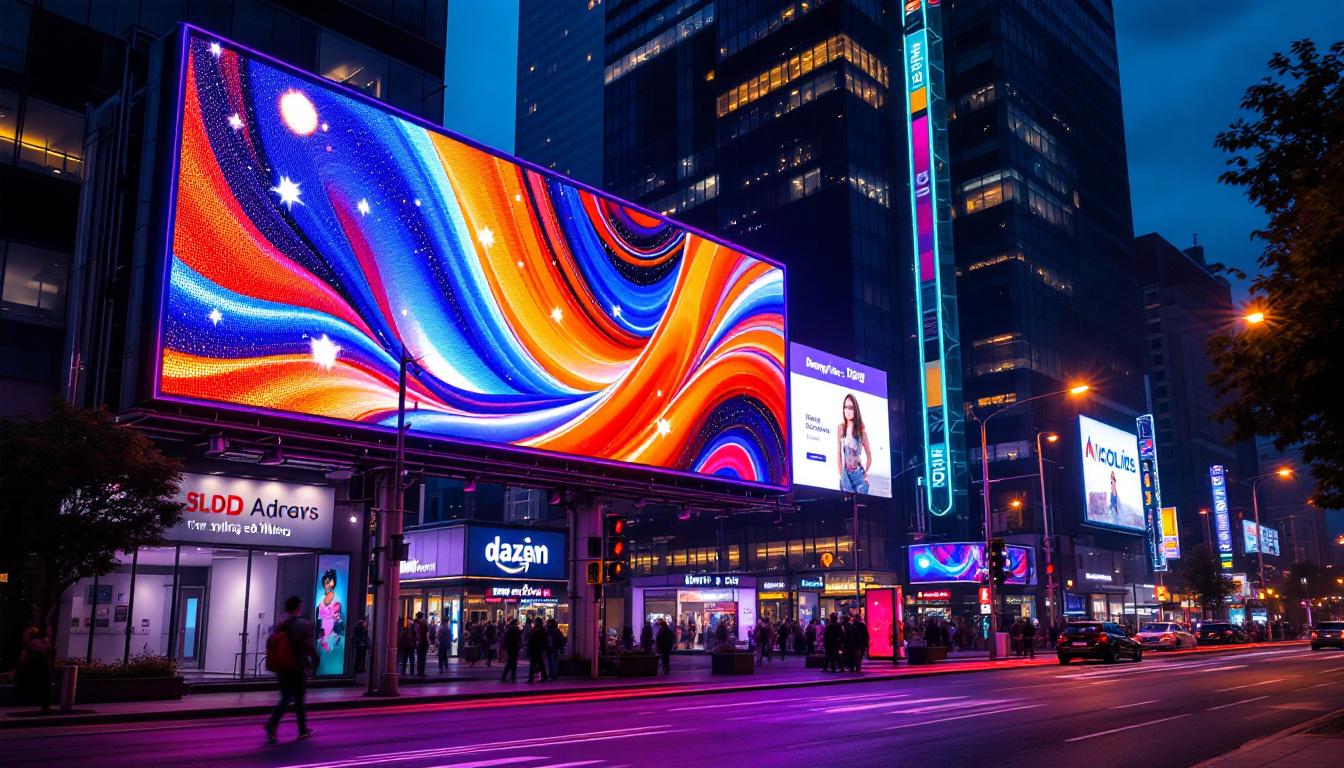
For outdoor advertising or public information systems, a display of this size is effective for delivering messages to passing pedestrians and drivers. The conversion from centimeters to feet aids in compliance with local regulations and standards, which often specify size limits in imperial units. These displays are particularly useful in high-traffic areas, where they can capture the attention of a diverse audience. Whether promoting local events, public service announcements, or community initiatives, a 163 cm LED display can convey important information quickly and effectively.
Moreover, the durability of LED technology makes it suitable for various weather conditions, ensuring consistent performance regardless of rain, sun, or snow. This reliability allows municipalities and businesses to maintain a constant presence in public spaces, reinforcing brand visibility and community engagement. Additionally, the potential for real-time updates means that information can be disseminated promptly, making these displays invaluable for emergency alerts or traffic updates, thereby enhancing public safety and awareness.
Technical Considerations in LED Display Design
Pixel Pitch and Resolution
The pixel pitch, measured in millimeters, determines the density of LEDs on the display. A smaller pixel pitch means higher resolution and sharper images, which is crucial for close-range viewing. For a 163 cm LED display, choosing the right pixel pitch balances cost and image quality based on intended use.
Brightness and Viewing Distance
Brightness levels must be tailored to the environment where the display will be used. Outdoor displays require higher brightness to combat sunlight, while indoor displays can operate at lower levels. The size of the display, such as one measuring 163 cm, influences the optimal brightness and viewing distance to ensure visibility without causing eye strain.
Power Consumption and Heat Management
Larger LED displays consume more power and generate more heat. Effective heat dissipation systems are necessary to maintain performance and longevity. Understanding the physical dimensions, including converting measurements accurately, helps engineers design appropriate cooling solutions.
How to Choose the Right LED Display Size
Assessing the Viewing Environment
Before selecting an LED display, consider the viewing distance, ambient lighting, and space constraints. A 163 cm display might be ideal for medium-sized rooms but could be too large or small for other settings. Accurate measurement conversion ensures that the chosen display size complements the environment.
Content Type and Resolution Needs
The nature of the content displayed also influences size choice. Detailed graphics and videos require higher resolution and possibly larger screens to maintain clarity. Understanding the relationship between size, pixel pitch, and resolution is key to making an informed decision.
Budget and Installation Considerations
Cost is always a factor. Larger displays generally cost more, not only for the screen itself but also for installation and maintenance. Converting measurements like 163 cm to feet can help in comparing product specifications and prices, especially when dealing with international suppliers.
Conclusion: The Importance of Measurement Conversion in LED Display Technology
Converting 163 centimeters into feet (approximately 5.35 feet) is more than a simple mathematical exercise—it is a critical step in ensuring precision in the design, selection, and installation of LED displays. Understanding these measurements helps professionals across various industries make informed decisions that affect the quality, functionality, and aesthetics of visual display technology.
As LED displays continue to evolve, with increasing demand for larger and higher-resolution screens, the ability to accurately interpret and convert measurements between metric and imperial systems remains essential. Whether for retail advertising, corporate presentations, or public information, the right size display enhances communication and engagement, making measurement conversion a foundational skill in the field.
Discover the Perfect LED Display with LumenMatrix
Ready to elevate your space with the precision and brilliance of LED technology? LumenMatrix offers a comprehensive range of LED display solutions tailored to meet your unique needs. From captivating Indoor LED Walls to dynamic Outdoor Displays, and from versatile Vehicle LED Displays to innovative Custom solutions, we have the cutting-edge technology to transform your visual communication. Experience the difference with our All-in-One LED Displays and LED Transparent Displays that are designed to engage and captivate your audience. Check out LumenMatrix LED Display Solutions today and share your message with the world in unparalleled clarity and impact.