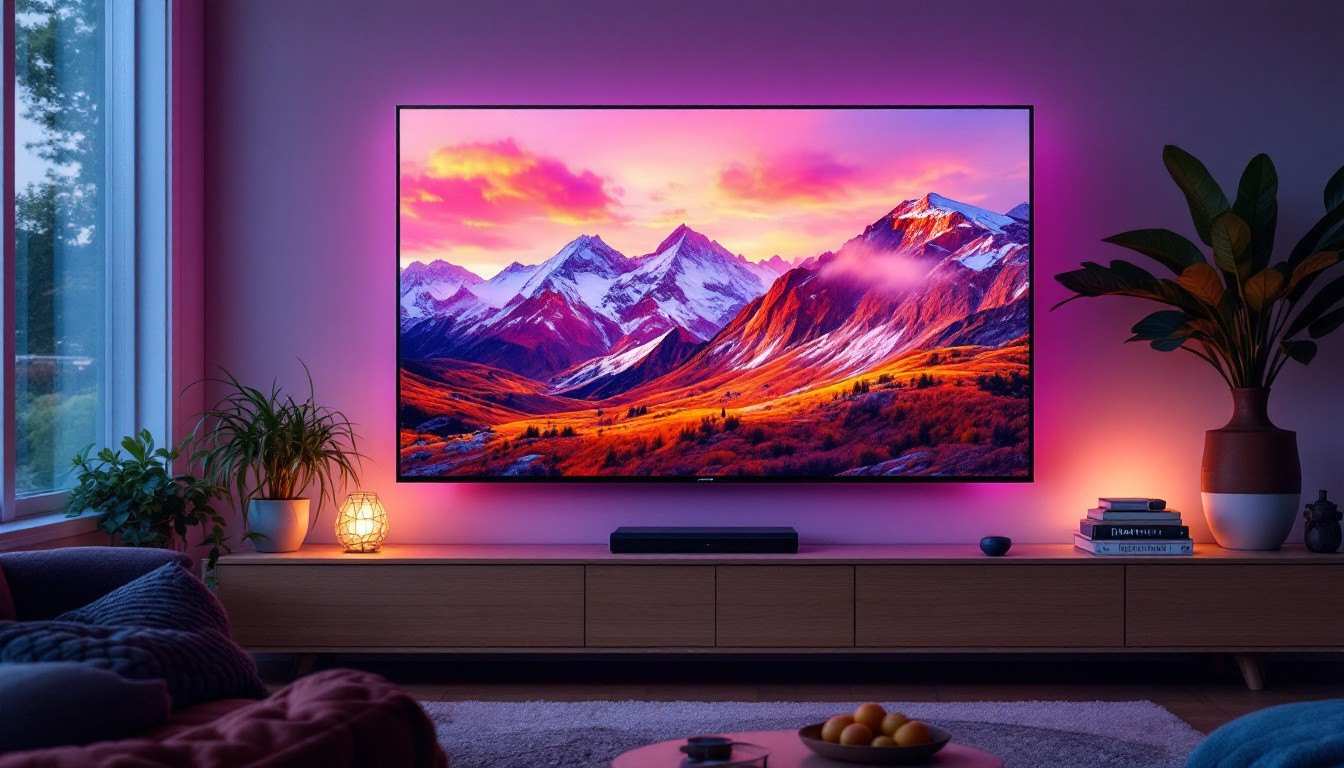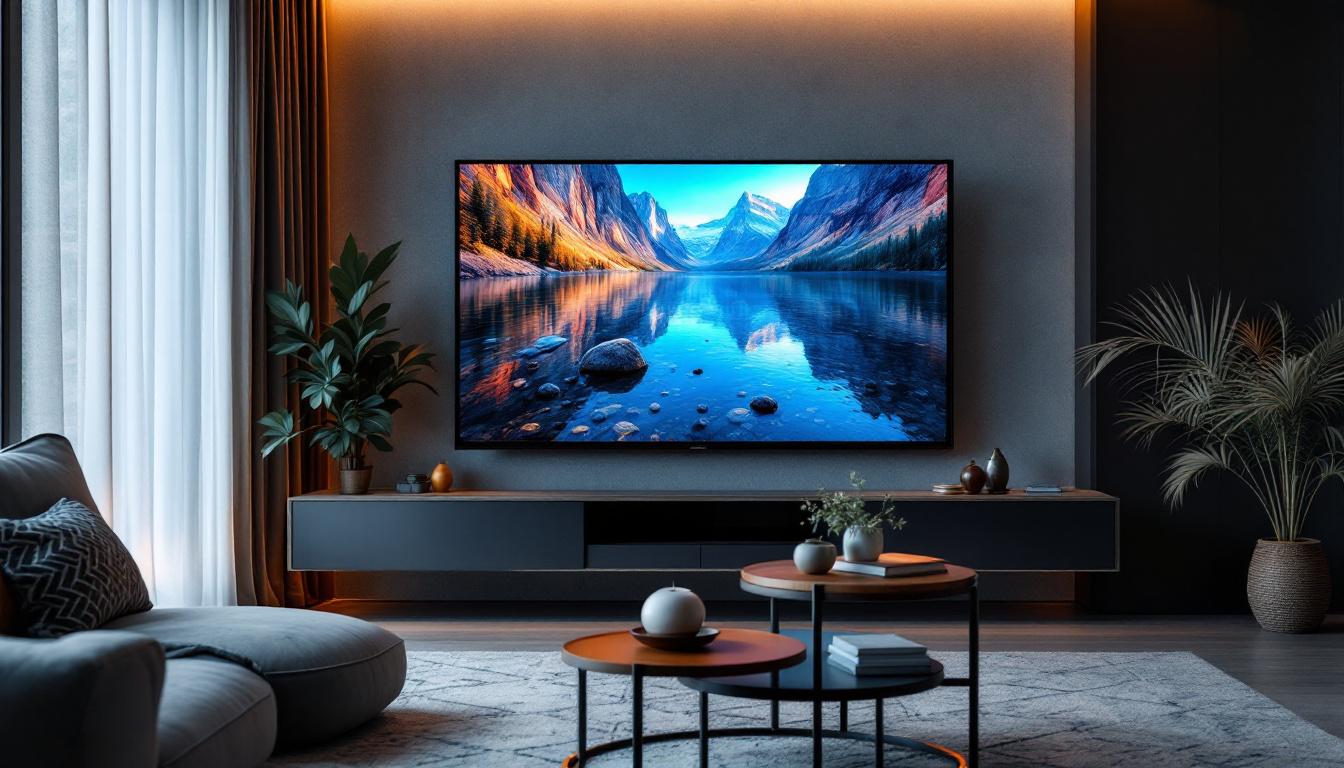
Choosing the right television size is crucial for an optimal viewing experience, especially when it comes to large screens like a 75-inch TV. Understanding the actual dimensions in feet, rather than just the diagonal screen size in inches, helps in planning your living space and ensuring the TV fits perfectly in your entertainment area. This article dives deep into the dimensions of a 75-inch TV, explains the LED display technology, and offers practical advice for selecting and positioning your TV.
Understanding TV Size: What Does 75 Inches Mean?
When a TV is labeled as “75 inches,” this measurement refers to the diagonal length of the screen, from one corner to the opposite corner. It does not indicate the width or height of the TV itself. This diagonal measurement is a standard way manufacturers describe screen size, but it can be misleading if you’re trying to visualize how much space the TV will occupy.
To better understand the actual size, it’s essential to convert this diagonal measurement into width and height, which are more practical for room planning. The aspect ratio of most modern TVs, including 75-inch models, is 16:9, meaning the width is 16 units for every 9 units of height. Using this ratio, one can calculate the precise width and height of the screen.
Calculating Width and Height of a 75-Inch TV
Using the Pythagorean theorem, the width (W) and height (H) can be derived from the diagonal (D) and the aspect ratio:
- Aspect ratio width component: 16
- Aspect ratio height component: 9
- Diagonal (D): 75 inches
The formulas are:
W = D × (16 / √(16² + 9²))
H = D × (9 / √(16² + 9²))
Calculating the denominator:
√(16² + 9²) = √(256 + 81) = √337 ≈ 18.36
Therefore:
W = 75 × (16 / 18.36) ≈ 75 × 0.8716 ≈ 65.37 inches
H = 75 × (9 / 18.36) ≈ 75 × 0.4903 ≈ 36.77 inches
Converting Inches to Feet
Since 1 foot equals 12 inches, the width and height in feet are:
Width: 65.37 inches ÷ 12 ≈ 5.45 feet
Height: 36.77 inches ÷ 12 ≈ 3.06 feet
So, a 75-inch TV screen measures approximately 5.45 feet wide and 3.06 feet tall.
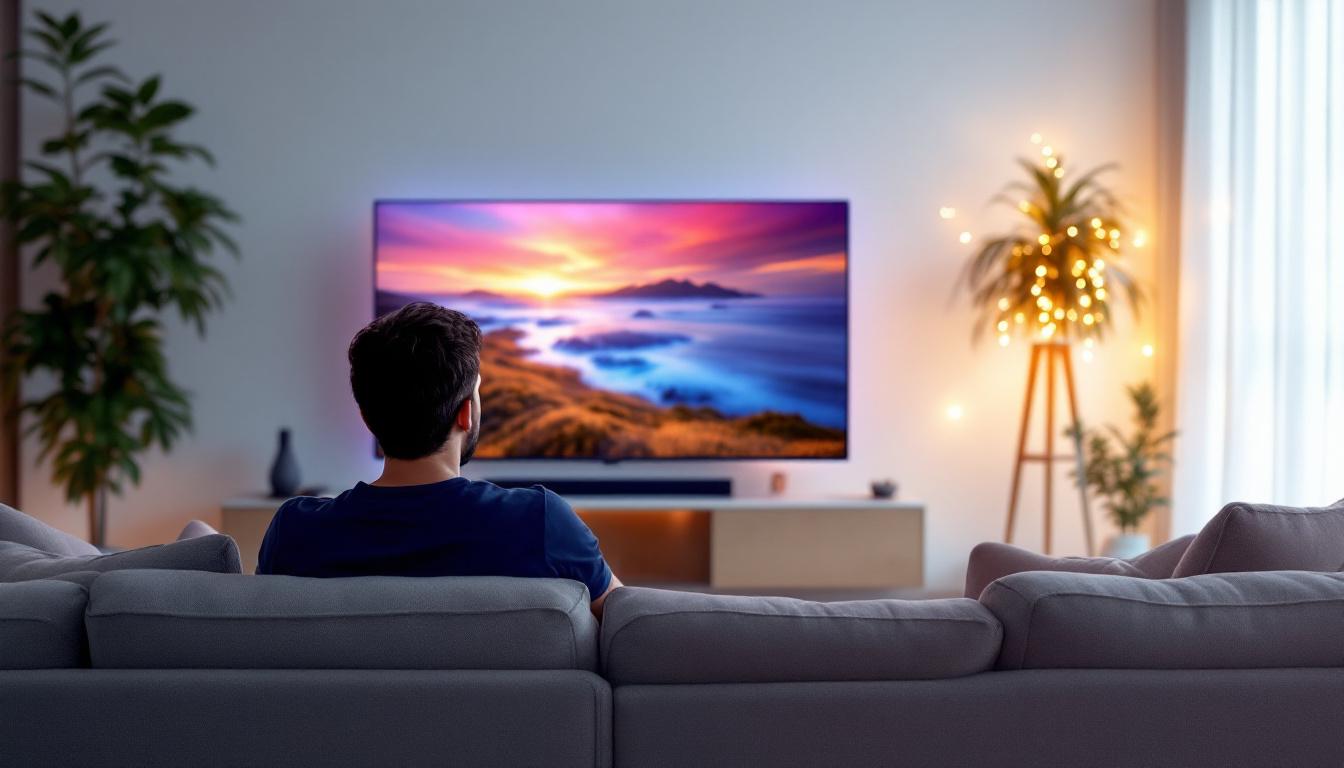
Understanding these dimensions is crucial not only for fitting the TV into your space but also for optimizing your viewing experience. A larger screen size can enhance immersion, especially when watching movies or playing video games. However, it’s important to consider the distance from which you’ll be viewing the TV. The ideal viewing distance for a 75-inch TV is generally recommended to be between 9.4 feet and 15.6 feet, depending on the resolution of the content being viewed. This ensures that you can enjoy a clear picture without straining your eyes.
Additionally, the placement of the TV can significantly impact your viewing experience. Wall mounting can save space and provide a clean look, while using a stand allows for flexibility in positioning. Consider factors such as glare from windows, the height at which the TV is mounted, and the arrangement of seating in the room. These elements can all contribute to a more enjoyable and comfortable viewing environment, making the most of your 75-inch investment.
Overall TV Dimensions: Beyond the Screen Size
While the screen size is a critical factor, the overall dimensions of the TV include the bezel (the frame around the screen) and the casing, which can add to the width, height, and depth. These extra dimensions vary by manufacturer and model, but generally add a few inches to each measurement.
For example, a typical 75-inch LED TV might have an overall width between 5.5 to 5.7 feet and a height of about 3.2 to 3.4 feet, depending on bezel thickness. The depth can range from less than 2 inches for ultra-thin models to around 4 inches or more for models with additional features like enhanced speakers or cooling systems.
Why Overall Dimensions Matter
Knowing the full dimensions helps in several ways:
- Space Planning: Ensures the TV fits on your media console or wall mount area.
- Viewing Comfort: Helps determine ideal seating distance and viewing angle.
- Aesthetic Integration: Assists in matching the TV size with room décor and furniture.
Moreover, understanding the overall dimensions can also play a crucial role in the installation process. For instance, if you are planning to wall-mount your TV, the weight and size will dictate the type of mount you need, as well as the wall’s ability to support it. Additionally, some TVs come with adjustable stands that can alter the height of the screen, allowing for more flexibility in terms of placement and viewing angles. This is particularly important in rooms with varying ceiling heights or furniture arrangements.
Furthermore, the overall dimensions can impact the acoustics of your viewing space. Larger TVs often come equipped with built-in sound systems that require more space for optimal sound projection. If the TV is too close to a wall or in a corner, it can lead to sound distortion. Therefore, considering the complete dimensions not only enhances the visual experience but also ensures that the auditory experience is equally immersive, creating a more enjoyable home theater environment.
LED Display Technology: What Makes 75-Inch TVs Popular?
LED (Light Emitting Diode) TVs have become the dominant technology in the television market, especially for large screens like 75 inches. LED TVs are essentially LCD TVs that use LED backlighting instead of the older CCFL (Cold Cathode Fluorescent Lamp) technology. This shift has brought several advantages that make large TVs more accessible and visually impressive.
Key Advantages of LED TVs
- Improved Brightness and Contrast: LED backlighting allows for brighter images and better contrast ratios, enhancing picture quality even in well-lit rooms.
- Energy Efficiency: LEDs consume less power compared to CCFL backlights, making them more environmentally friendly and cost-effective over time.
- Slim Design: LED technology enables thinner panels, which is crucial for large TVs where bulkiness can be a concern.
- Color Accuracy: Modern LED TVs often support advanced color technologies like HDR (High Dynamic Range), providing richer and more vibrant colors.
Types of LED Backlighting
Within LED TVs, there are different backlighting methods that affect picture quality:
- Edge-Lit LED: LEDs are placed along the edges of the screen, allowing for thinner designs but sometimes resulting in uneven brightness.
- Full-Array LED: LEDs are spread evenly behind the screen, offering better uniformity and contrast.
- Full-Array Local Dimming (FALD): An advanced version of full-array where specific zones of LEDs dim independently, improving black levels and contrast dramatically.
For a 75-inch TV, full-array local dimming is often preferred to maximize picture quality on such a large display.
Choosing the Right Viewing Distance for a 75-Inch TV
Once the size and technology are understood, the next important factor is how far to sit from the TV. Sitting too close or too far can negatively impact the viewing experience.
Recommended Viewing Distance
The ideal viewing distance depends on the resolution of the TV and the size of the screen. For a 75-inch 4K UHD TV, the recommended distance is generally between 6 to 9 feet. This range allows viewers to appreciate the high resolution without seeing individual pixels or straining their eyes.
For 1080p (Full HD) TVs, the optimal distance is slightly farther, around 9 to 12 feet, because of the lower pixel density.
Why Viewing Distance Matters
Proper viewing distance ensures:
- Comfort: Reduces eye strain and neck discomfort.
- Immersion: Enhances the sense of being “in” the content by filling more of the viewer’s field of vision.
- Picture Quality: Maintains sharpness and clarity without pixelation.
Practical Tips for Setting Up a 75-Inch LED TV
Measure Your Space Carefully
Before purchasing, measure the intended spot for the TV, including the width, height, and depth available. Remember to account for any furniture, wall mounts, or shelving units. Leave some clearance space around the TV for ventilation and ease of installation.
Consider Wall Mounting vs. Stand Placement
Wall mounting a 75-inch TV can save floor space and provide a sleek look, but it requires a sturdy wall and proper mounting hardware. Stand placement offers flexibility in positioning but requires a media console or table that can support the TV’s weight and size.
Optimize Lighting Conditions
LED TVs perform best in rooms with controlled lighting. Avoid placing the TV opposite large windows where glare can wash out the picture. Use curtains or blinds to reduce reflections and consider bias lighting behind the TV to reduce eye strain during dark scenes.
Sound Considerations
Large TVs often have built-in speakers that may not fill a big room adequately. Consider external soundbars or home theater systems to complement your 75-inch TV for an immersive audio experience.
Conclusion: Is a 75-Inch LED TV Right for You?
A 75-inch LED TV offers an impressive cinematic experience with its large screen and advanced display technology. Understanding the actual dimensions in feet—approximately 5.45 feet wide by 3.06 feet tall—helps in planning your space effectively. LED technology ensures vibrant colors, high brightness, and energy efficiency, making these TVs a popular choice for modern homes.
When selecting a 75-inch TV, consider the viewing distance, room size, and setup options to maximize comfort and picture quality. With the right preparation, a 75-inch LED TV can transform your entertainment experience, delivering stunning visuals and immersive sound for movies, sports, gaming, and more.
Explore Cutting-Edge LED Displays with LumenMatrix
Ready to elevate your viewing experience with the latest in LED display technology? LumenMatrix offers a wide array of innovative solutions tailored to your needs. From immersive Indoor LED Wall Displays to dynamic Outdoor LED Wall Displays, and even specialized options like Vehicle LED Displays and LED Sports Displays, we have everything to transform your space. Discover the perfect LED display to complement your new 75-inch TV and create the ultimate entertainment environment. Check out LumenMatrix LED Display Solutions today and step into the future of visual excellence.