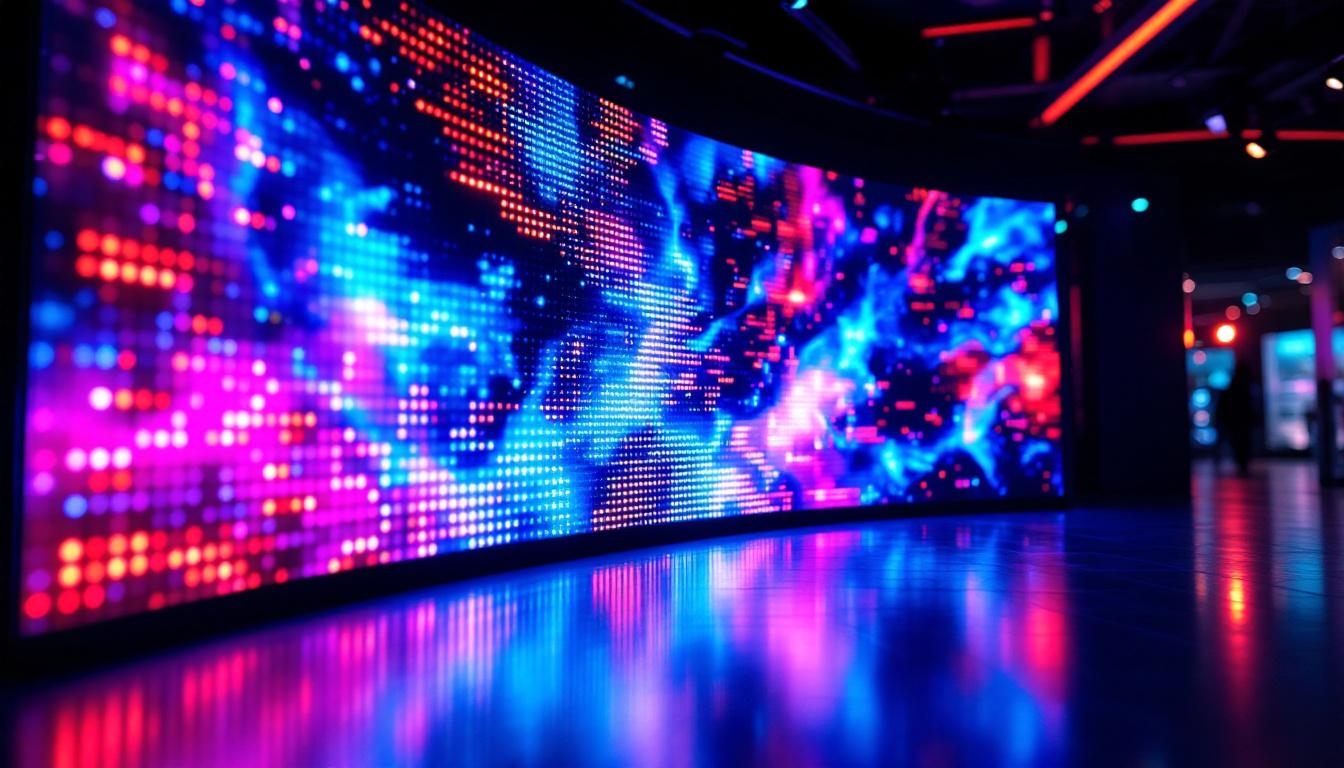
In an era where visual communication dominates marketing and information sharing, LED displays have become a cornerstone technology. From vibrant billboards in bustling city centers to sleek digital signage in retail stores, LED displays offer unmatched brightness, clarity, and versatility. This article dives deep into the world of LED displays, explaining their technology, types, applications, and the factors driving their growing popularity across industries.
Understanding LED Display Technology
At its core, an LED display is a flat panel that uses light-emitting diodes (LEDs) as pixels to create images and videos. Unlike traditional LCD or plasma screens, LED displays rely on tiny semiconductor devices that emit light when an electric current passes through them. This fundamental difference leads to several advantages, including higher brightness, better contrast ratios, and energy efficiency.
LEDs are incredibly small and can be arranged in dense matrices, allowing for high-resolution displays that remain visible even under direct sunlight. This makes them ideal for both indoor and outdoor environments. The technology behind LED displays has evolved significantly since the first commercial LED signs appeared in the 1960s, with modern displays now capable of rendering millions of colors and dynamic content at high refresh rates.
How LEDs Work in Displays
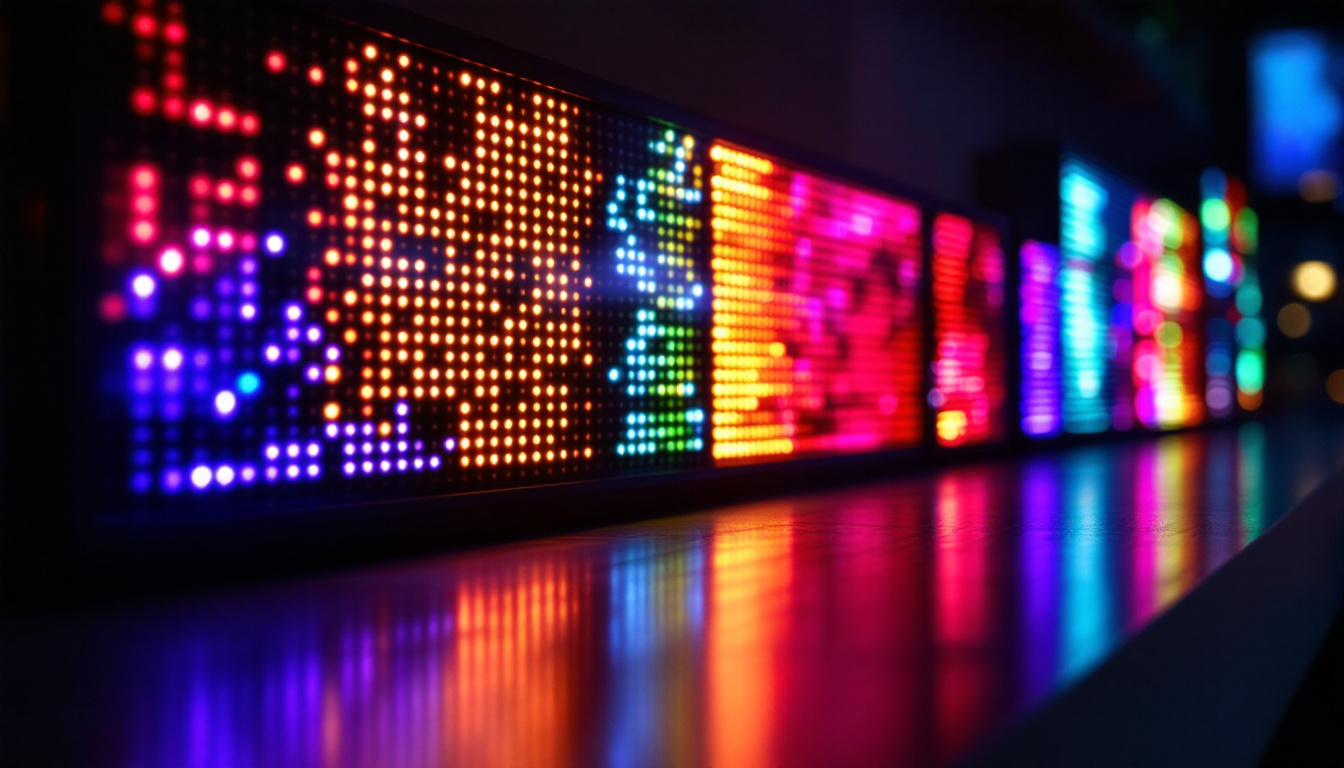
Each pixel in an LED display is composed of one or more LEDs, typically red, green, and blue (RGB), which combine to produce a full spectrum of colors. By adjusting the intensity of each LED within a pixel, the display can render images with remarkable color accuracy and vibrancy. This process is known as additive color mixing.
Modern LED displays often use surface-mounted device (SMD) technology, where tiny LEDs are mounted directly onto the circuit board. This allows for thinner panels and higher pixel densities, resulting in sharper images and smoother video playback. Additionally, advancements in LED technology have led to the development of organic light-emitting diodes (OLEDs), which offer even greater contrast and color depth by allowing each pixel to emit its own light, eliminating the need for a backlight. This innovation has paved the way for flexible displays and new applications in various fields, from consumer electronics to automotive displays.
Furthermore, LED displays have become increasingly popular in advertising and public information systems due to their ability to showcase dynamic content. Digital billboards and signage can easily be updated in real-time, allowing businesses to promote sales, events, or important announcements without the need for physical changes. The integration of smart technology into LED displays, such as sensors and connectivity features, has also enabled interactive experiences, allowing users to engage with the content in innovative ways. This adaptability and interactivity are driving the growth of LED technology in various sectors, including retail, entertainment, and transportation.
Types of LED Displays
LED displays come in various forms, each tailored to specific applications and environments. Understanding the differences can help businesses and consumers choose the right display for their needs.
Indoor LED Displays
Indoor LED displays are designed for use in controlled lighting environments such as retail stores, conference rooms, and entertainment venues. They typically have a smaller pixel pitch—the distance between individual LEDs—ranging from 0.9mm to 4mm. This close spacing allows for high-resolution images that look crisp even from short viewing distances.
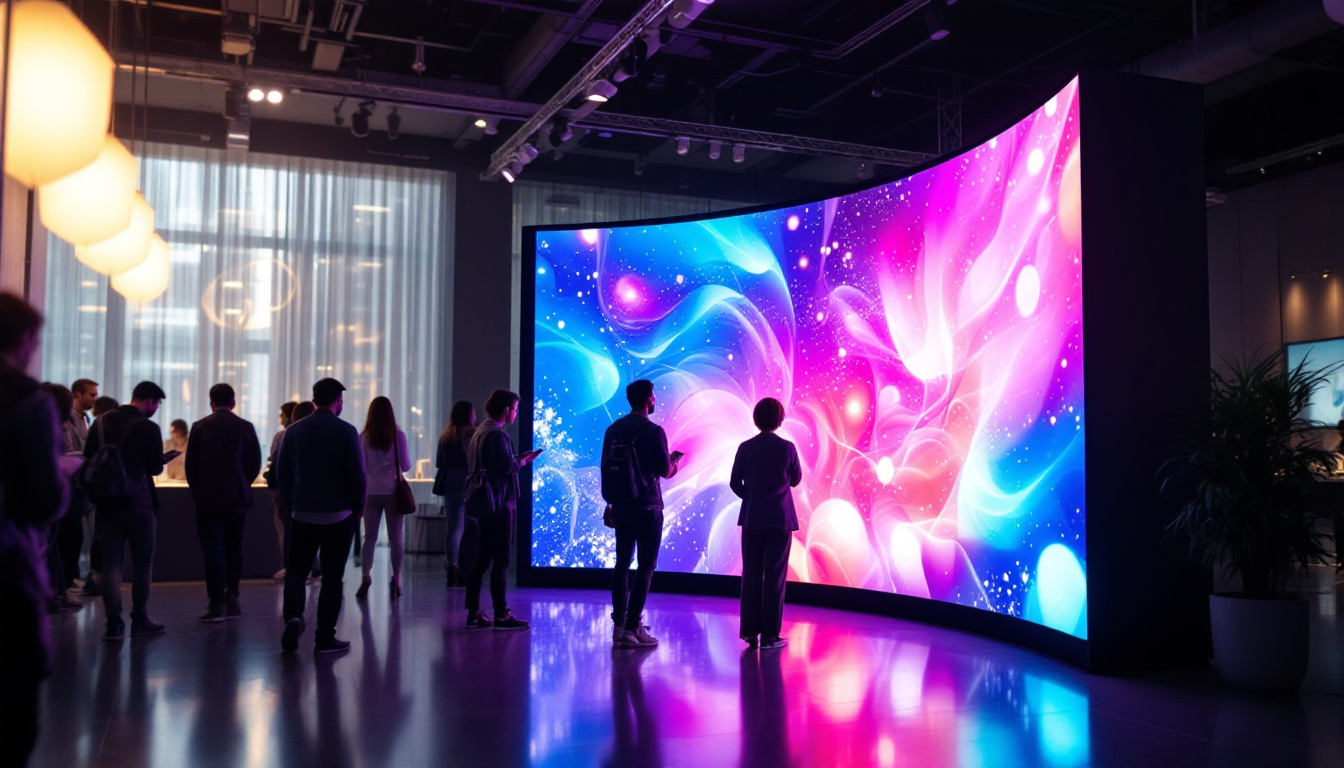
These displays are often used for digital signage, video walls, and interactive kiosks. Their brightness levels are optimized for indoor lighting conditions, usually between 800 and 1,500 nits, which is sufficient to ensure clear visibility without causing glare.
Outdoor LED Displays
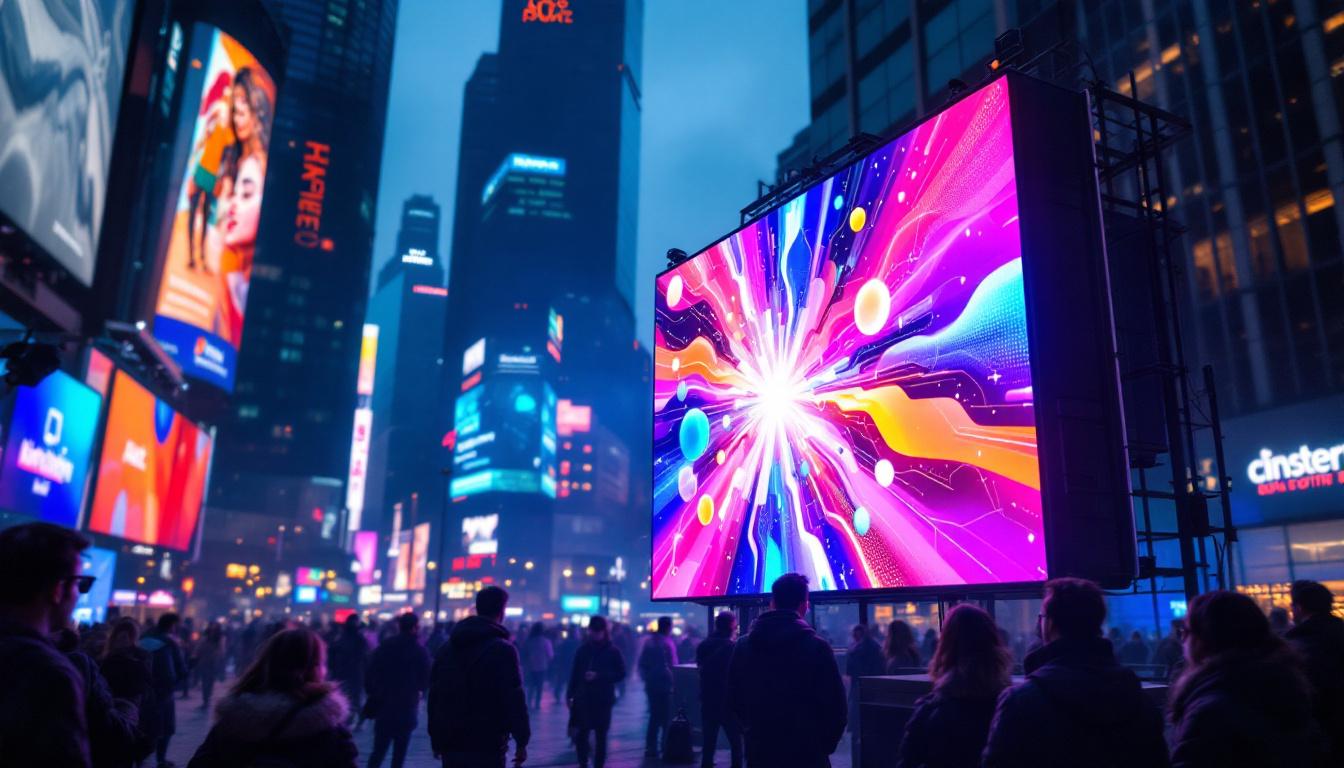
Outdoor LED displays are built to withstand harsh weather conditions and intense sunlight. They feature larger pixel pitches, typically between 4mm and 20mm, which makes them visible from greater distances. Brightness levels for outdoor displays can exceed 5,000 nits, ensuring the content remains vibrant and readable even in direct sunlight.
Common applications include billboards, stadium screens, transportation signage, and public information boards. These displays are also ruggedized with waterproof and dustproof enclosures to ensure durability and longevity.
Flexible and Transparent LED Displays
Recent advancements have introduced flexible and transparent LED displays, expanding the possibilities for creative installations. Flexible LED panels can be curved or bent, making them ideal for architectural features, wearable technology, and immersive environments. Transparent LED displays allow light to pass through, enabling their integration into glass windows or storefronts without obstructing the view.
These innovative displays are gaining traction in retail and advertising sectors, where eye-catching and novel presentation methods can significantly enhance customer engagement.
Applications of LED Displays Across Industries
The versatility of LED displays has led to widespread adoption in numerous sectors. Their ability to deliver dynamic, high-impact visuals makes them invaluable tools for communication and marketing.
Advertising and Marketing
LED billboards and digital signage have revolutionized outdoor advertising. According to a 2023 report by Grand View Research, the global digital signage market is expected to reach $32.84 billion by 2028, with LED displays accounting for a significant share due to their superior performance and cost-effectiveness.
Businesses use LED displays to capture attention with vibrant animations and real-time content updates. The flexibility to change messaging instantly allows for targeted campaigns and timely promotions, increasing return on investment.
Retail and Hospitality
In retail environments, LED displays enhance customer experience by showcasing products, promotions, and interactive content. Stores use video walls and digital price tags to create engaging shopping atmospheres that drive sales.
Hotels, restaurants, and event venues employ LED displays for wayfinding, event schedules, and ambiance creation. The ability to customize content in real-time helps these businesses maintain a modern and dynamic image.
Sports and Entertainment
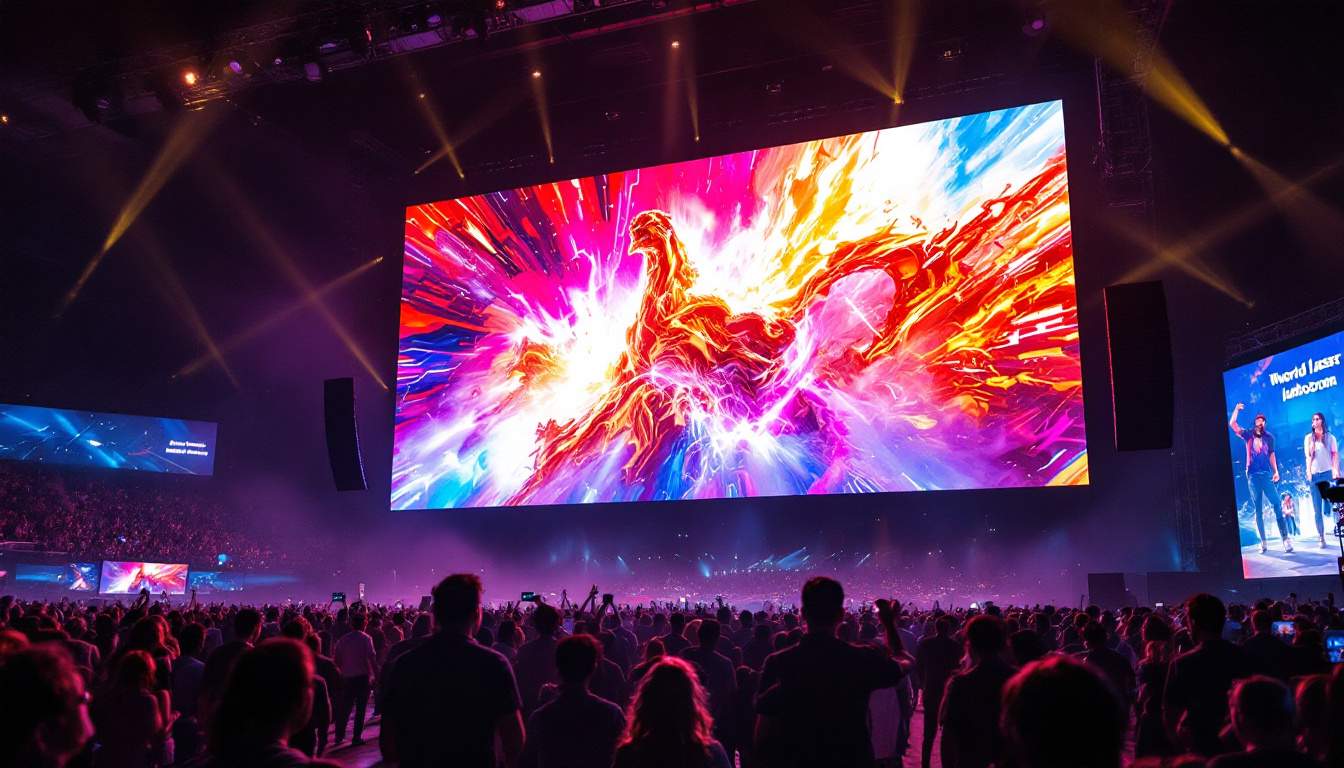
Stadiums and arenas rely heavily on large-scale LED displays to provide spectators with live action replays, scores, and advertisements. These displays must deliver high brightness and fast refresh rates to keep up with fast-paced events.
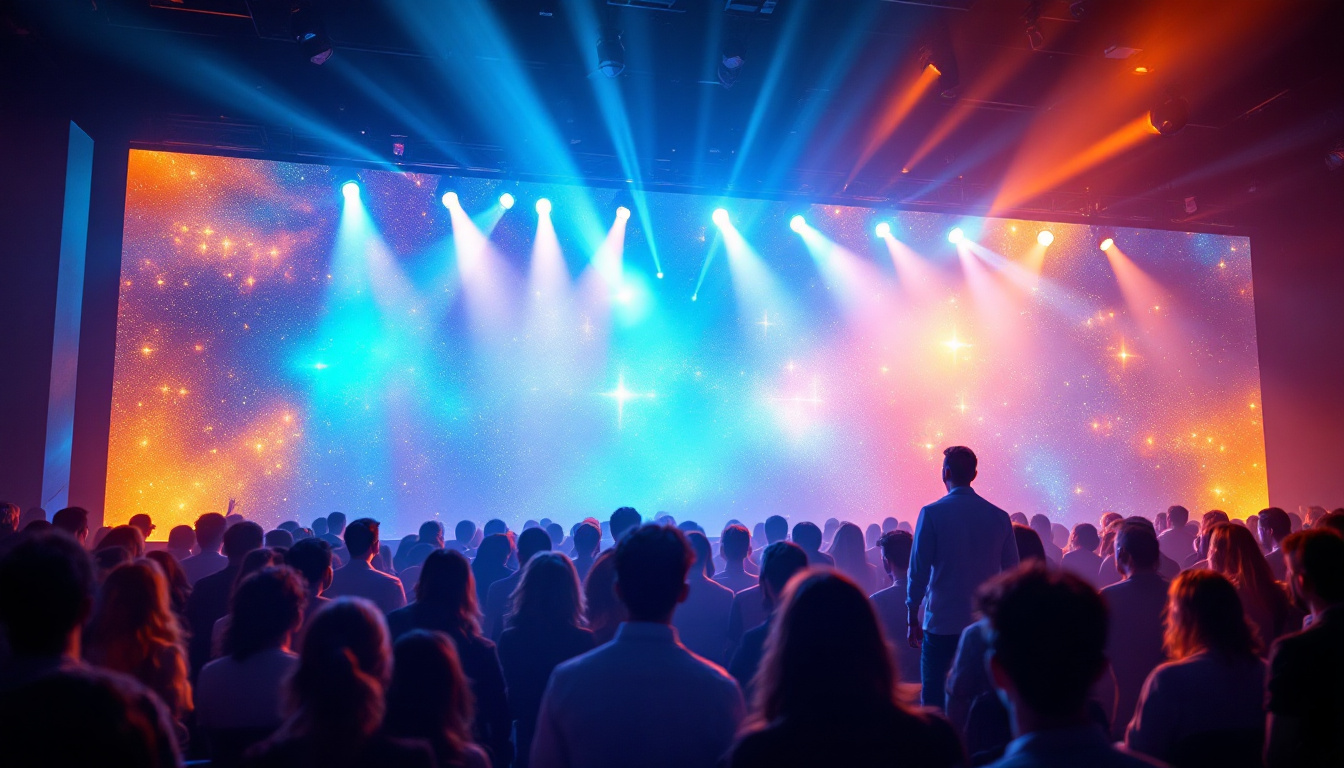
Concerts and theaters use LED walls as backdrops, offering immersive visual effects that enhance performances. The adaptability and scalability of LED technology make it a preferred choice for live events.
Transportation and Public Information
LED displays are integral to modern transportation hubs, providing schedules, alerts, and wayfinding information. Airports, train stations, and bus terminals utilize LED signage to improve passenger experience and operational efficiency.
Municipalities use LED boards for public announcements, emergency alerts, and traffic management. Their visibility and reliability are critical for effective communication in public spaces.
Key Advantages of LED Displays
The widespread adoption of LED displays is driven by several compelling benefits that make them superior to alternative display technologies.
High Brightness and Visibility
LED displays can achieve brightness levels far exceeding those of LCD or plasma screens, making them easily visible in bright environments. This is especially important for outdoor applications where sunlight can wash out less luminous displays.
Energy Efficiency and Longevity
LEDs consume significantly less power compared to traditional lighting and display technologies. This energy efficiency translates to lower operating costs and a smaller environmental footprint. Additionally, LED displays have long lifespans, often exceeding 100,000 hours of operation before noticeable dimming occurs.
Durability and Weather Resistance
Outdoor LED displays are engineered to withstand rain, wind, dust, and temperature extremes. Their robust construction ensures reliable performance in challenging conditions, reducing maintenance costs and downtime.
Flexibility and Customization
LED displays can be manufactured in various shapes, sizes, and resolutions, allowing for tailored solutions that meet specific needs. Whether it’s a massive stadium screen or a compact indoor sign, LED technology can be adapted to fit the application.
Choosing the Right LED Display: Factors to Consider
Selecting an LED display requires careful consideration of multiple factors to ensure optimal performance and return on investment.
Pixel Pitch and Resolution
The pixel pitch determines the viewing distance and image clarity. Smaller pixel pitches provide higher resolution and are suitable for close-up viewing, while larger pitches are better for distant viewing. For example, a retail store might opt for a 1.5mm pitch display, whereas a highway billboard might use 10mm or greater.
Brightness and Contrast
Brightness should be matched to the installation environment. Outdoor displays require higher nits to combat sunlight, while indoor displays can operate at lower brightness levels. Contrast ratio affects image depth and color richness, impacting overall visual quality.
Size and Installation Location
The physical size of the display must fit the available space and intended viewing angle. Installation considerations include mounting options, power supply access, and environmental protection requirements.
Content Management and Connectivity
Modern LED displays often come with integrated content management systems that allow remote updates and scheduling. Connectivity options such as Wi-Fi, Ethernet, and USB support seamless content delivery and integration with other digital platforms.
Future Trends in LED Display Technology
The LED display industry continues to innovate, with emerging trends shaping the future of visual communication.
MicroLED and MiniLED Displays
MicroLED technology, which uses even smaller LEDs than traditional SMDs, promises ultra-high resolution, improved brightness, and better energy efficiency. MiniLED backlighting is also enhancing LCD displays, offering deeper blacks and higher contrast.
Integration with AI and IoT
Artificial intelligence and Internet of Things (IoT) integration enable smarter displays that can adapt content based on audience demographics, environmental conditions, or real-time data. This creates more personalized and effective communication strategies.
Eco-Friendly Materials and Manufacturing
As sustainability becomes a priority, manufacturers are focusing on eco-friendly materials and energy-saving designs. Recyclable components and reduced hazardous substances are becoming standard in new LED display products.
Conclusion
LED displays have transformed the way businesses and organizations communicate visually. Their superior brightness, versatility, and durability make them indispensable tools across advertising, retail, entertainment, transportation, and public information sectors. By understanding the technology, types, and applications of LED displays, decision-makers can select solutions that maximize impact and efficiency. With ongoing advancements in LED technology, the future holds even more exciting possibilities for dynamic and immersive visual experiences.
Illuminate Your Space with LumenMatrix
Ready to elevate your visual communication with unparalleled brightness and clarity? Discover LumenMatrix’s innovative LED display solutions, designed to captivate and engage your audience. Whether you’re looking to enhance your retail space, make an impact in advertising, or create unforgettable entertainment experiences, LumenMatrix has the technology to bring your vision to life. From Indoor and Outdoor LED Wall Displays to specialized solutions like Vehicle and Sports Displays, our offerings are tailored to meet your unique needs. Check out LumenMatrix LED Display Solutions today and transform your brand’s visibility with cutting-edge digital signage.