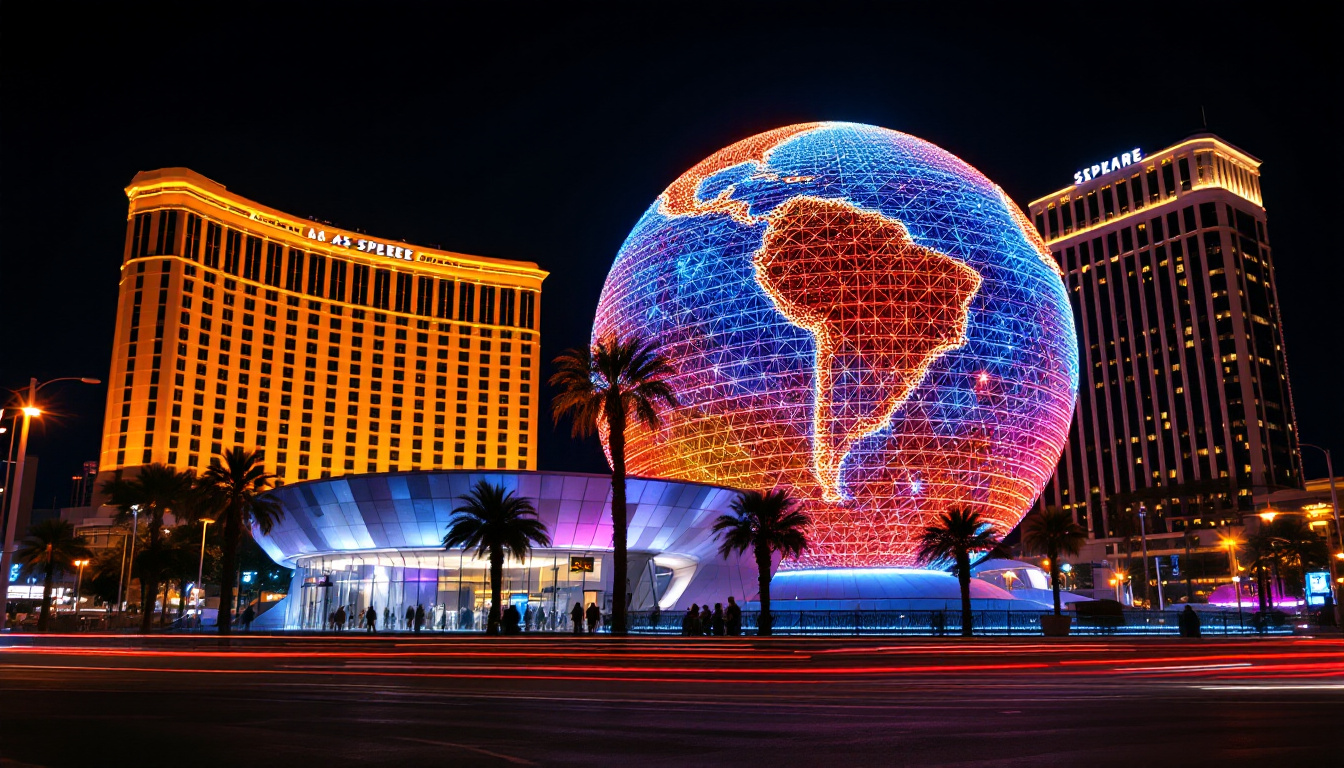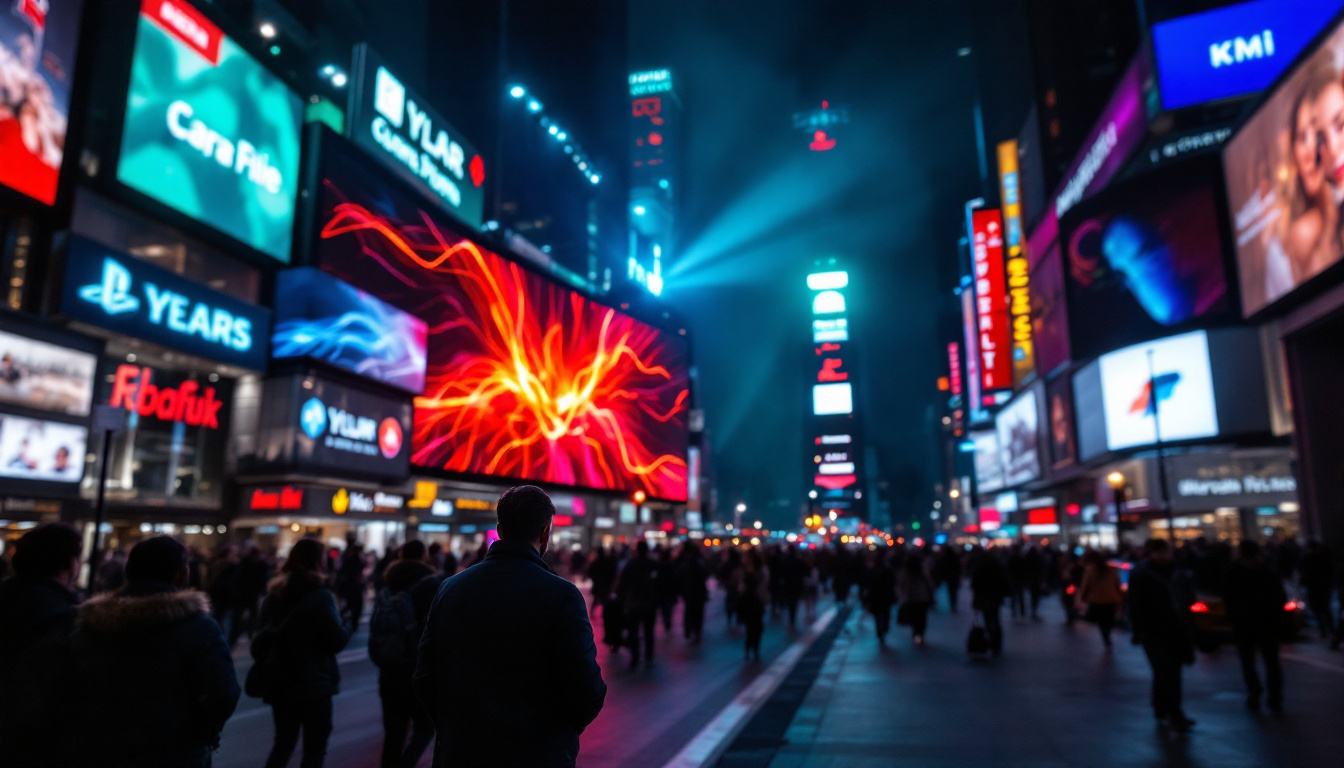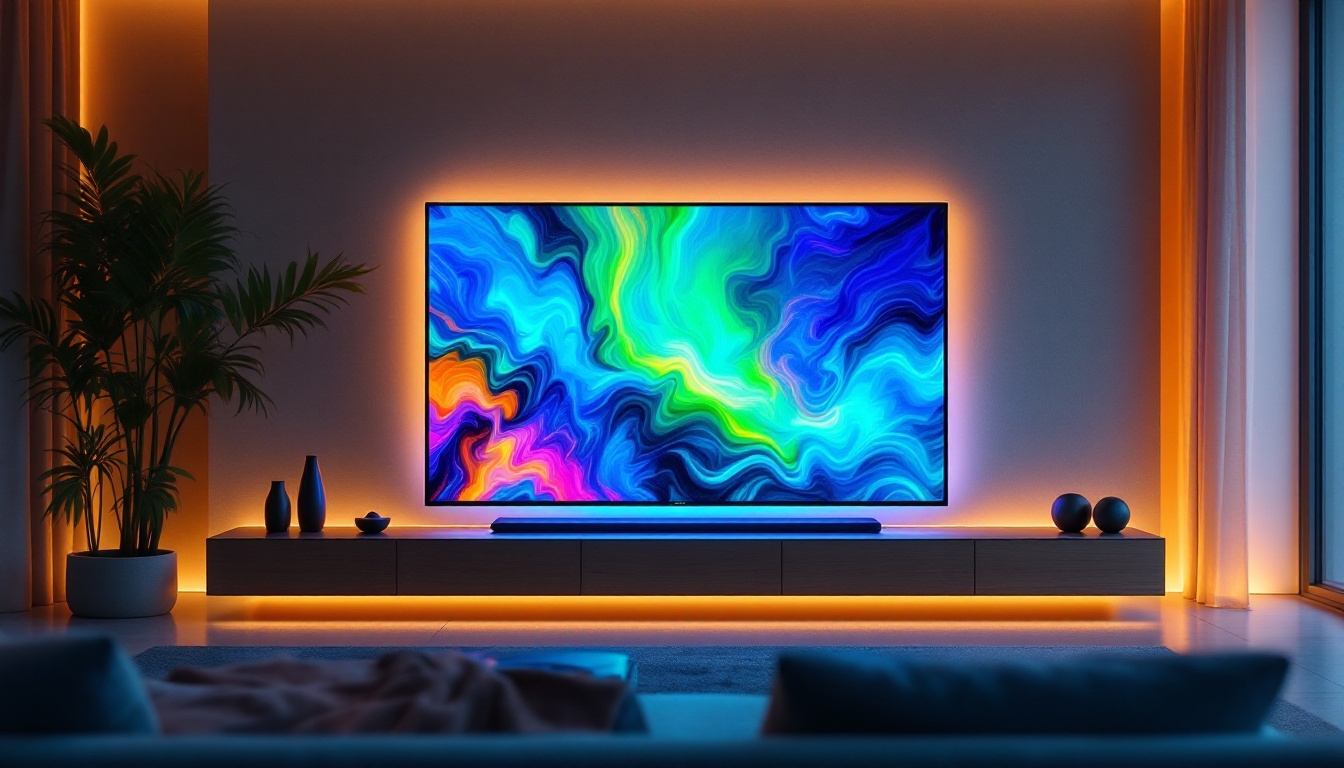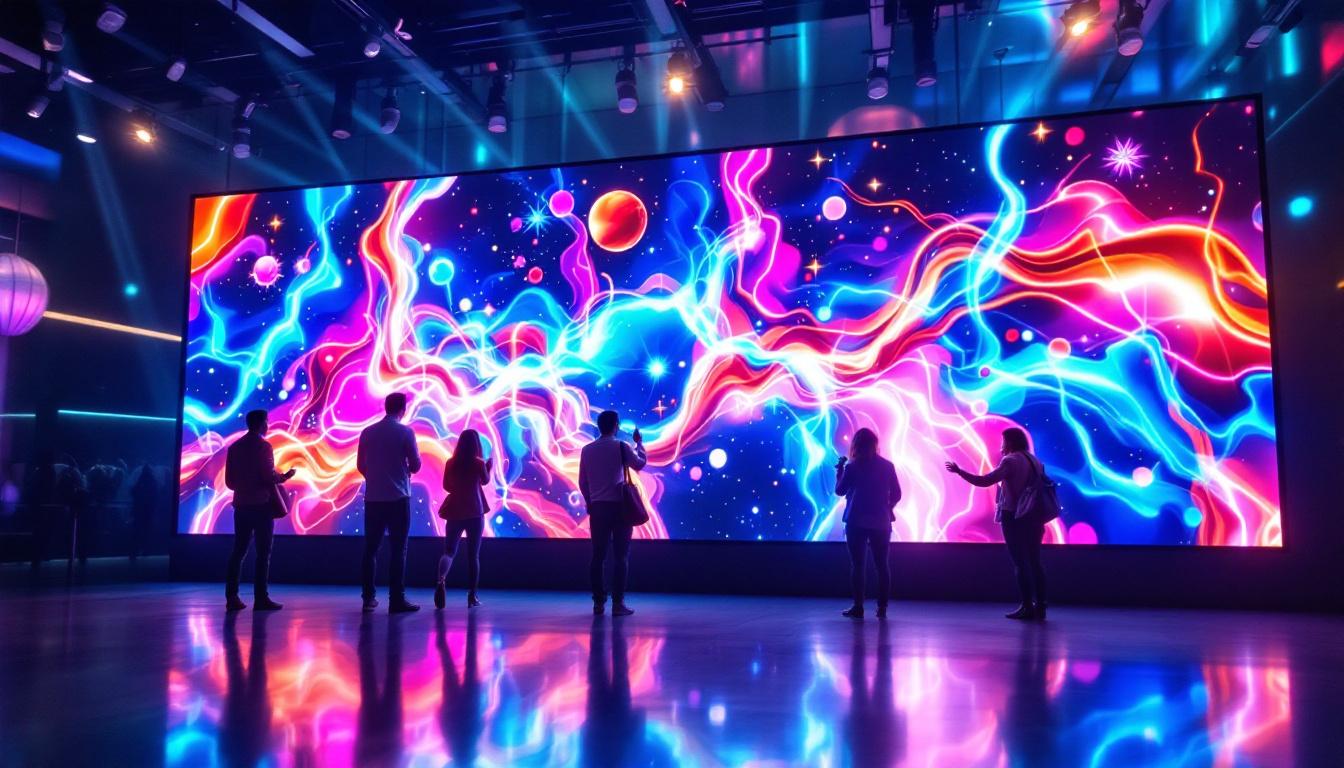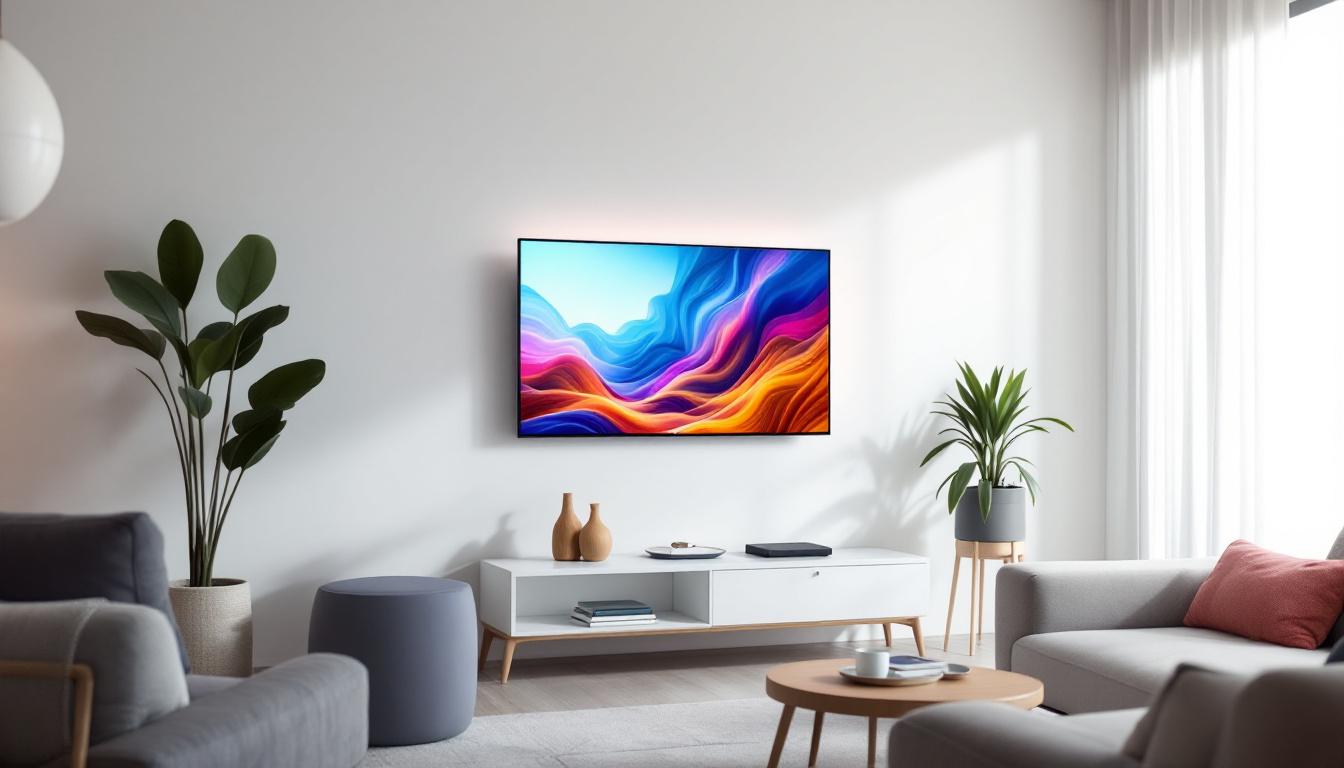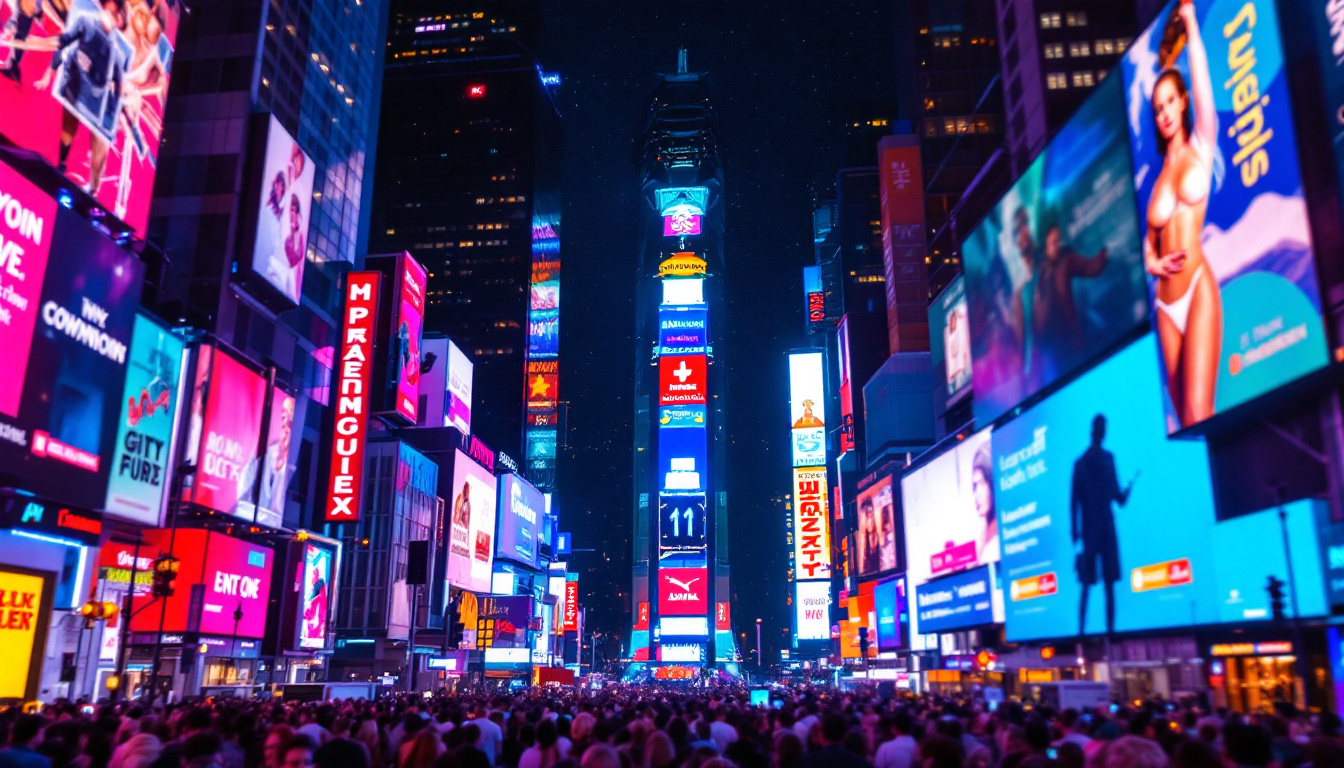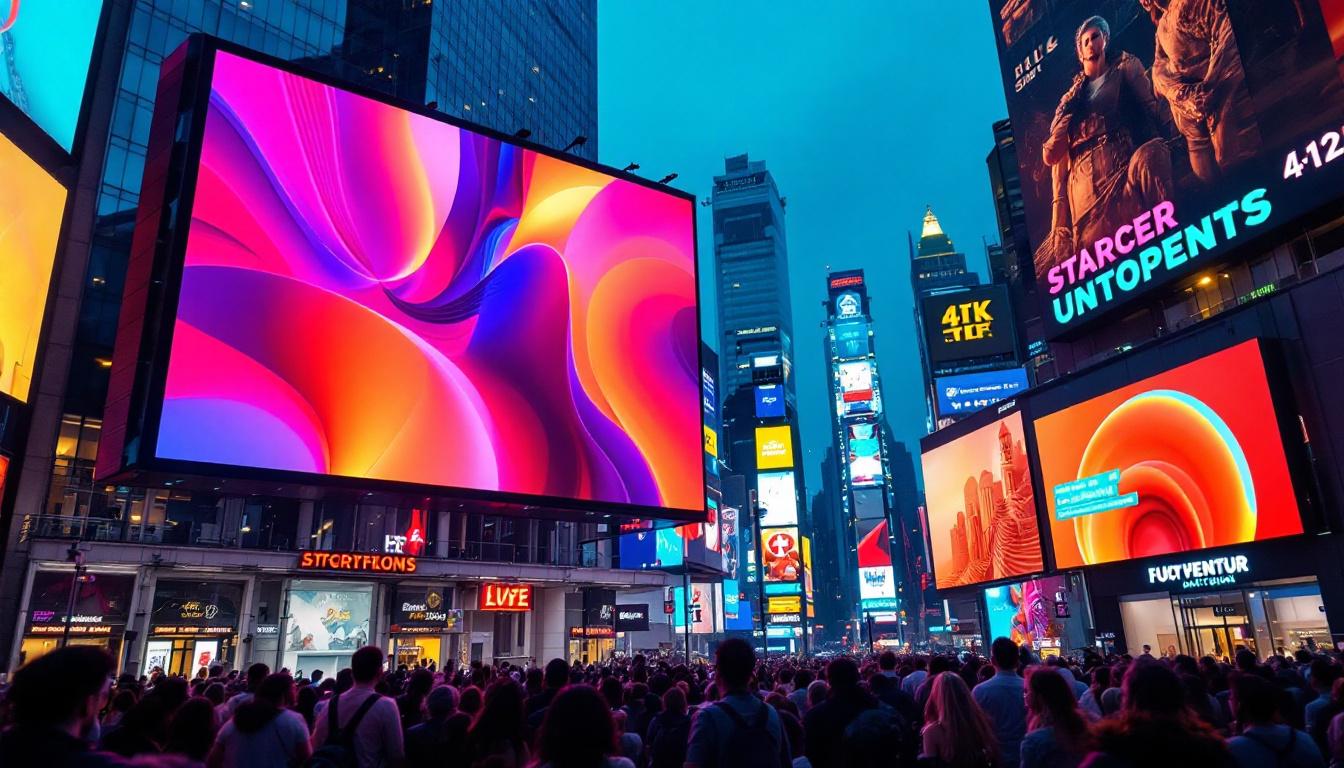
In today’s fast-paced digital world, large LED screens have become a ubiquitous part of public spaces, events, and advertising strategies. From Times Square’s dazzling billboards to stadium scoreboards and corporate presentations, LED displays captivate audiences with their vibrant colors and dynamic content. But what exactly makes these large LED screens work, and why have they become the preferred choice for so many applications? This article dives deep into the technology, types, benefits, and considerations surrounding large LED screens, offering a comprehensive understanding of LED displays.
Understanding the Basics of LED Displays
What is an LED Screen?
An LED screen, or Light Emitting Diode display, is a flat panel display technology that uses an array of light-emitting diodes as pixels to produce images and videos. Unlike traditional LCD or projection screens, LED displays generate their own light, which allows for higher brightness levels and better contrast ratios. This self-illumination is a key factor behind their superior visibility, especially in outdoor or brightly lit environments.
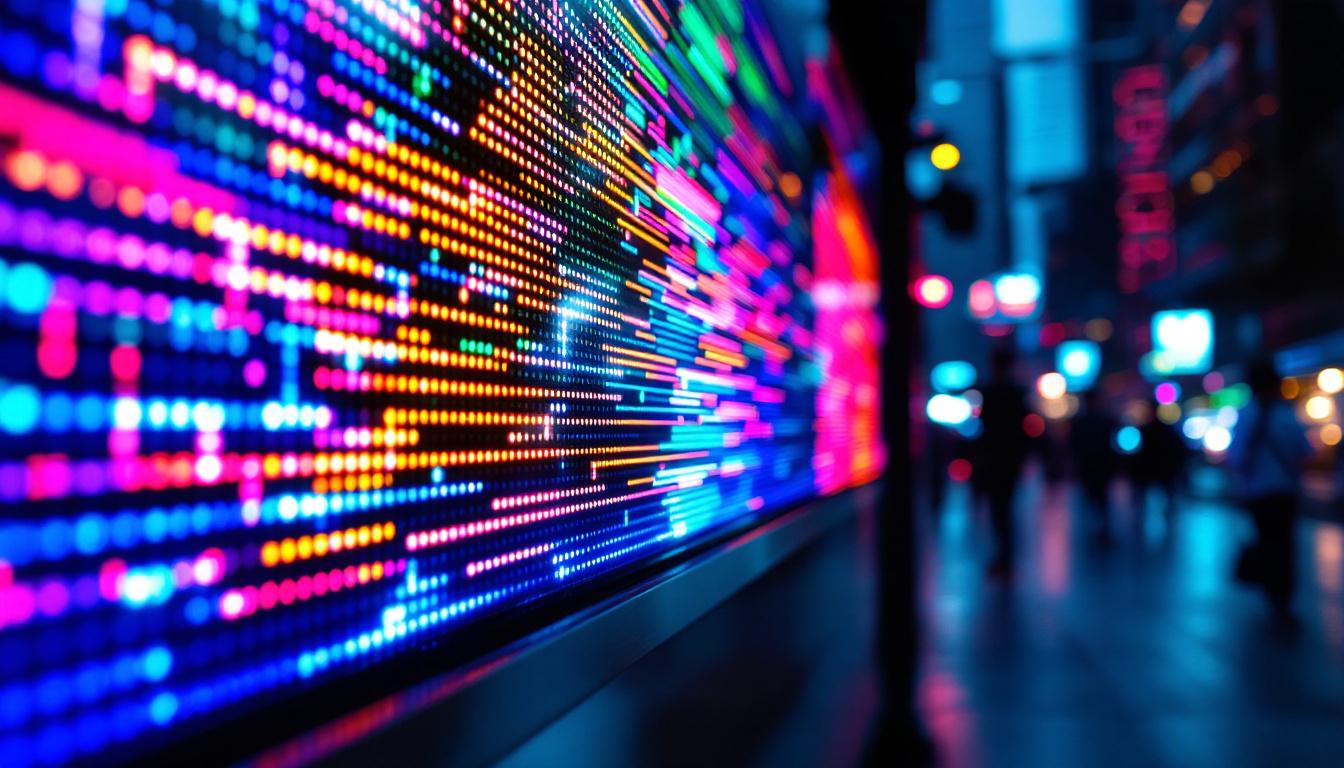
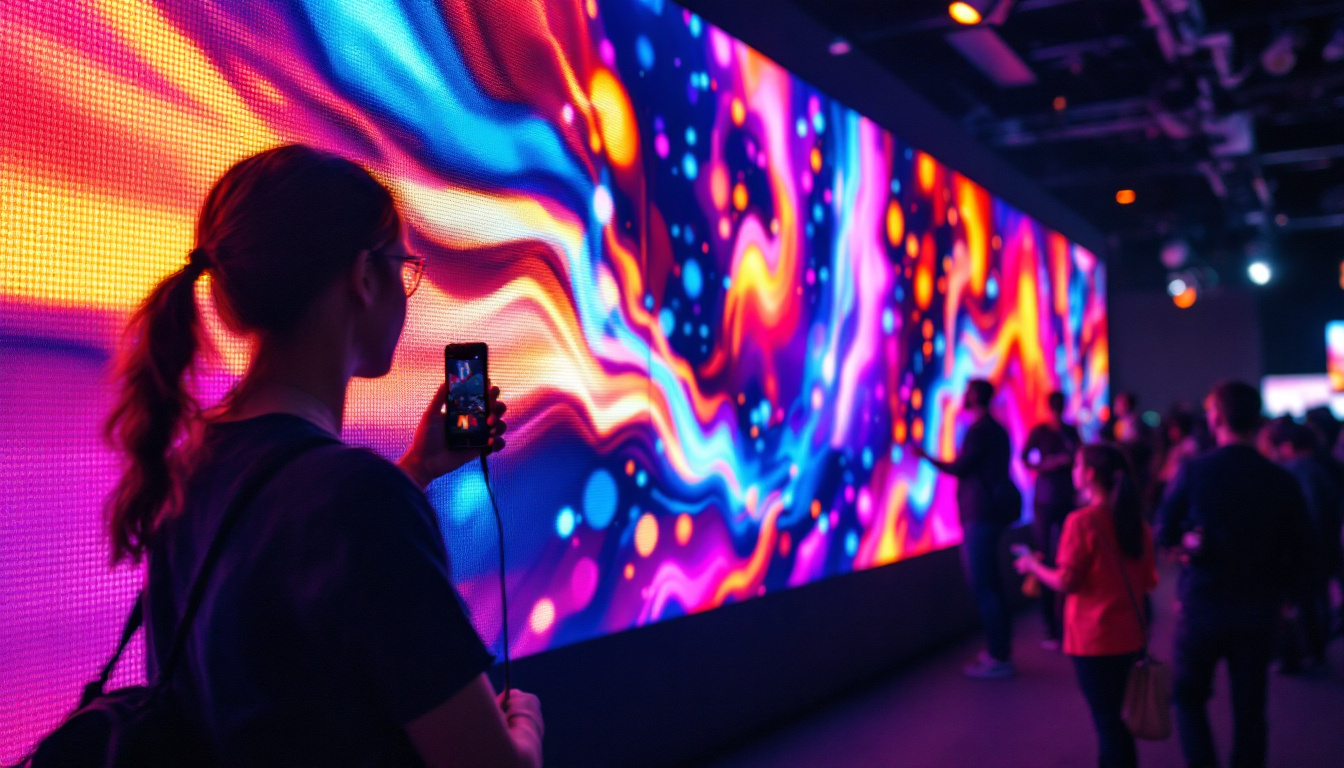
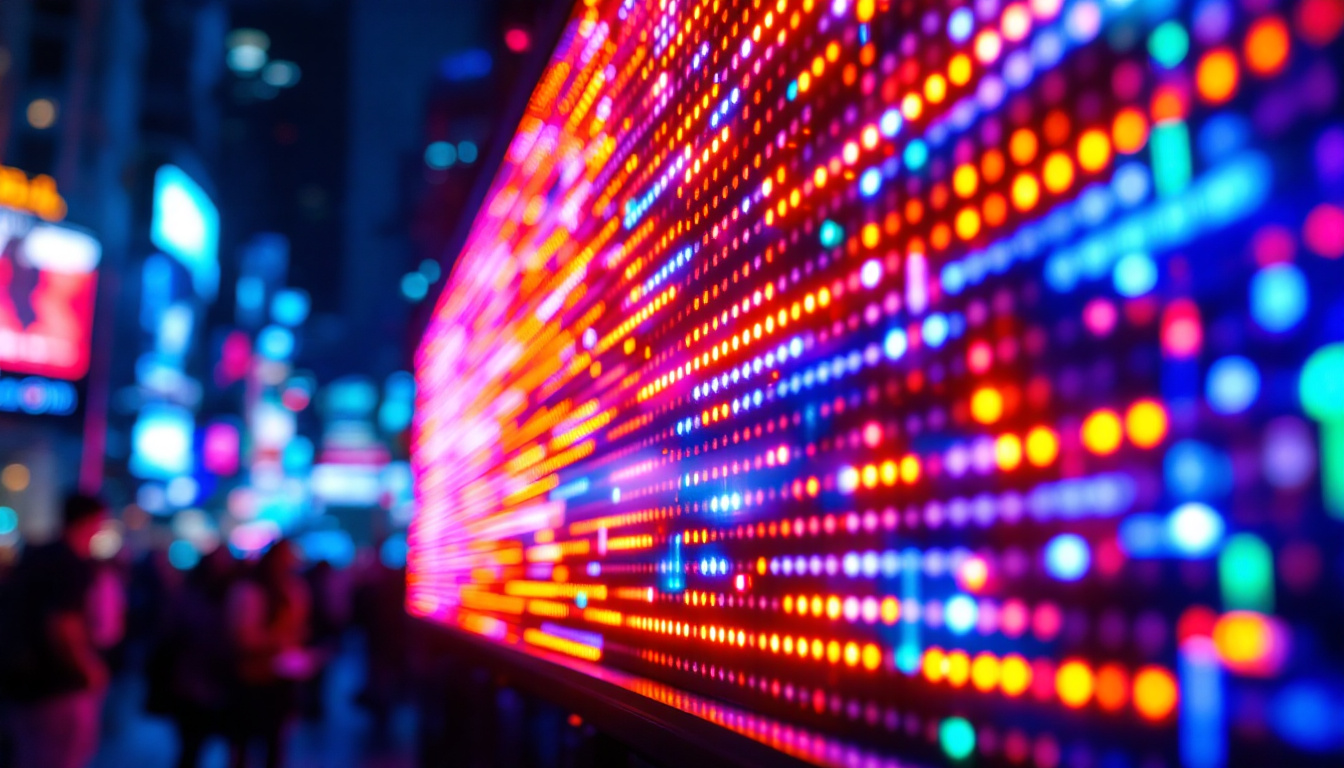
Large LED screens are essentially composed of thousands, sometimes millions, of these tiny LEDs arranged in a grid. Each LED can emit red, green, or blue light, and by combining these colors at varying intensities, the screen can display a full spectrum of colors. The precision and density of these LEDs determine the resolution and image quality of the display. This capability makes LED screens ideal for a variety of applications, from large-scale advertising billboards to intricate digital art installations, where vibrant colors and sharp details are essential.
How Do Large LED Screens Work?
The operation of a large LED screen involves several components working together. At the core are the LED modules, which contain clusters of red, green, and blue LEDs. These modules are connected to a control system that processes video input signals, translating them into electrical signals that regulate each LED’s brightness and color output.
Modern LED screens use advanced driver ICs (Integrated Circuits) to control the LEDs with high accuracy and refresh rates, ensuring smooth motion and vivid images. The screen’s control system can be managed remotely, allowing content to be updated in real-time, which is particularly useful for advertising and live event broadcasting. Furthermore, many LED displays are equipped with sensors that adjust brightness based on ambient light conditions, optimizing visibility and energy consumption. This adaptability not only enhances the viewer experience but also contributes to the longevity of the display by reducing unnecessary wear on the LEDs.
In addition to their technical prowess, LED screens are often designed with durability in mind. Many outdoor models are built to withstand harsh weather conditions, featuring protective coatings against UV rays, rain, and extreme temperatures. This resilience makes them a popular choice for sports arenas, concert venues, and public spaces where they can deliver dynamic content to large audiences. Moreover, the modular nature of LED screens allows for easy repairs and upgrades, ensuring that they can evolve alongside technological advancements without needing complete replacement.
Types of Large LED Screens
Indoor vs. Outdoor LED Displays
One of the primary distinctions in large LED screens is whether they are designed for indoor or outdoor use. Indoor LED displays typically have a smaller pixel pitch—the distance between individual LEDs—allowing for higher resolution and sharper images at close viewing distances. These are commonly found in conference halls, retail stores, and concert venues.
Outdoor LED screens, on the other hand, prioritize brightness and weather resistance. They are built to withstand harsh environmental conditions such as rain, wind, and sunlight. To combat glare and maintain visibility in direct sunlight, outdoor LED displays often have brightness levels exceeding 5,000 nits, compared to indoor displays that usually operate around 800 to 1,000 nits.
Direct View LED vs. LED Backlit LCD
It’s important to differentiate between direct view LED screens and LED-backlit LCD displays. Direct view LED screens use LEDs as the actual pixels, making them capable of producing true black levels and vibrant colors. This technology is ideal for large-scale displays because it offers superior brightness and viewing angles.
In contrast, LED-backlit LCD screens use LEDs only as a backlight behind an LCD panel. While these can be large, they generally don’t match the brightness or contrast of direct view LED displays, especially in outdoor or large venue settings.
Flexible and Transparent LED Screens
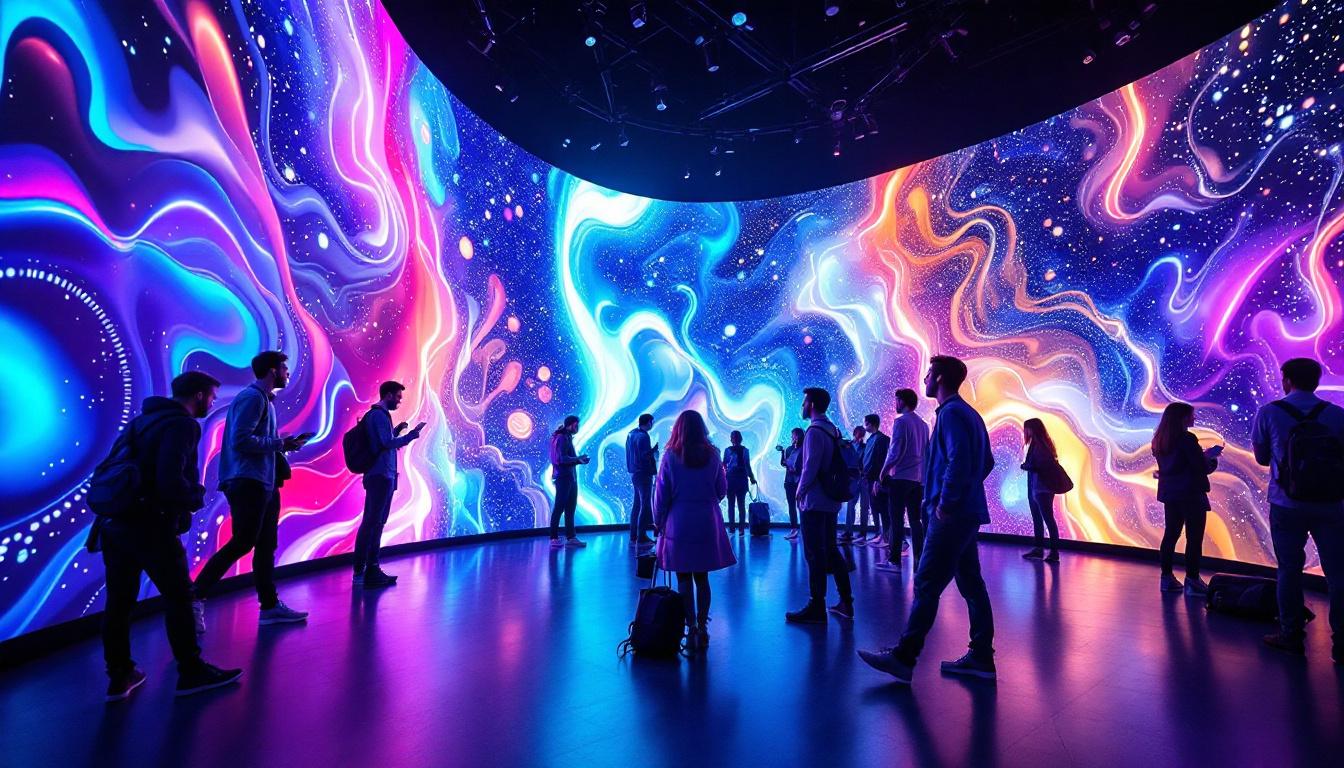
Recent innovations have introduced flexible and transparent LED screens, expanding the possibilities for creative installations. Flexible LED displays can curve around surfaces or be shaped into unique forms, making them popular for architectural applications and immersive experiences.
Transparent LED screens allow light to pass through the display, enabling them to be installed on glass windows or facades without obstructing the view. This technology is gaining traction in retail storefronts and corporate buildings, combining advertising with aesthetic appeal.
Advantages of Large LED Screens
Superior Brightness and Visibility
One of the most significant advantages of large LED screens is their exceptional brightness. With the ability to reach thousands of nits, LED displays remain visible even under direct sunlight, making them ideal for outdoor advertising, sports arenas, and public information boards. This high brightness also enhances color vibrancy and overall image quality.
Energy Efficiency and Longevity
Compared to traditional lighting and display technologies, LEDs are highly energy-efficient. They consume less power for the same level of brightness, which translates to lower operating costs over time. Additionally, LED screens have a long lifespan, often exceeding 100,000 hours of operation before significant brightness degradation occurs.
Flexibility in Content and Size
Large LED screens offer unparalleled flexibility in terms of content delivery. They can display static images, videos, animations, and live feeds, all controlled remotely and updated instantly. The modular nature of LED panels allows for custom sizes and shapes, enabling tailored solutions for diverse environments and requirements.
Wide Viewing Angles and High Refresh Rates
LED displays provide wide viewing angles, ensuring that images remain clear and vibrant from various perspectives. This is crucial in public spaces where audiences view the screen from different locations. High refresh rates, often exceeding 1,000 Hz, reduce flicker and motion blur, enhancing the viewing experience for fast-moving content such as sports or live broadcasts.
Applications of Large LED Screens
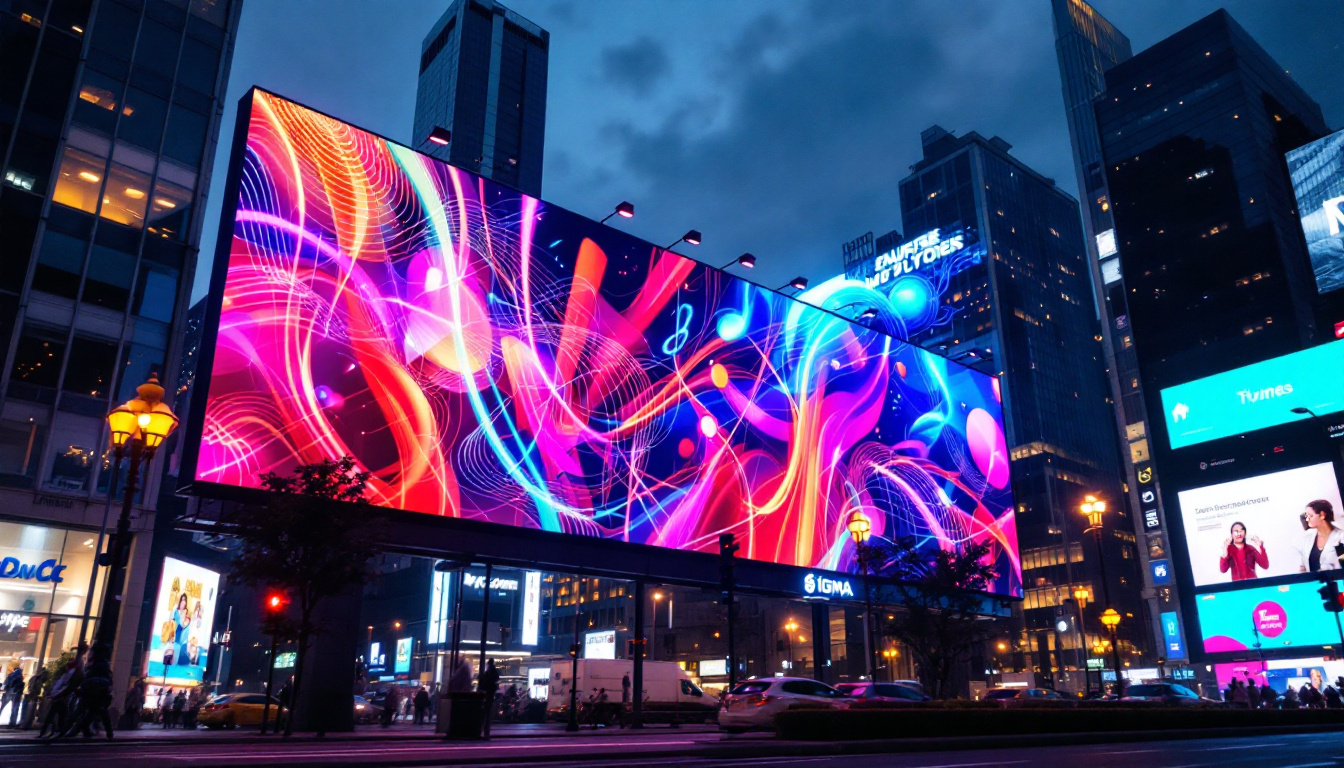
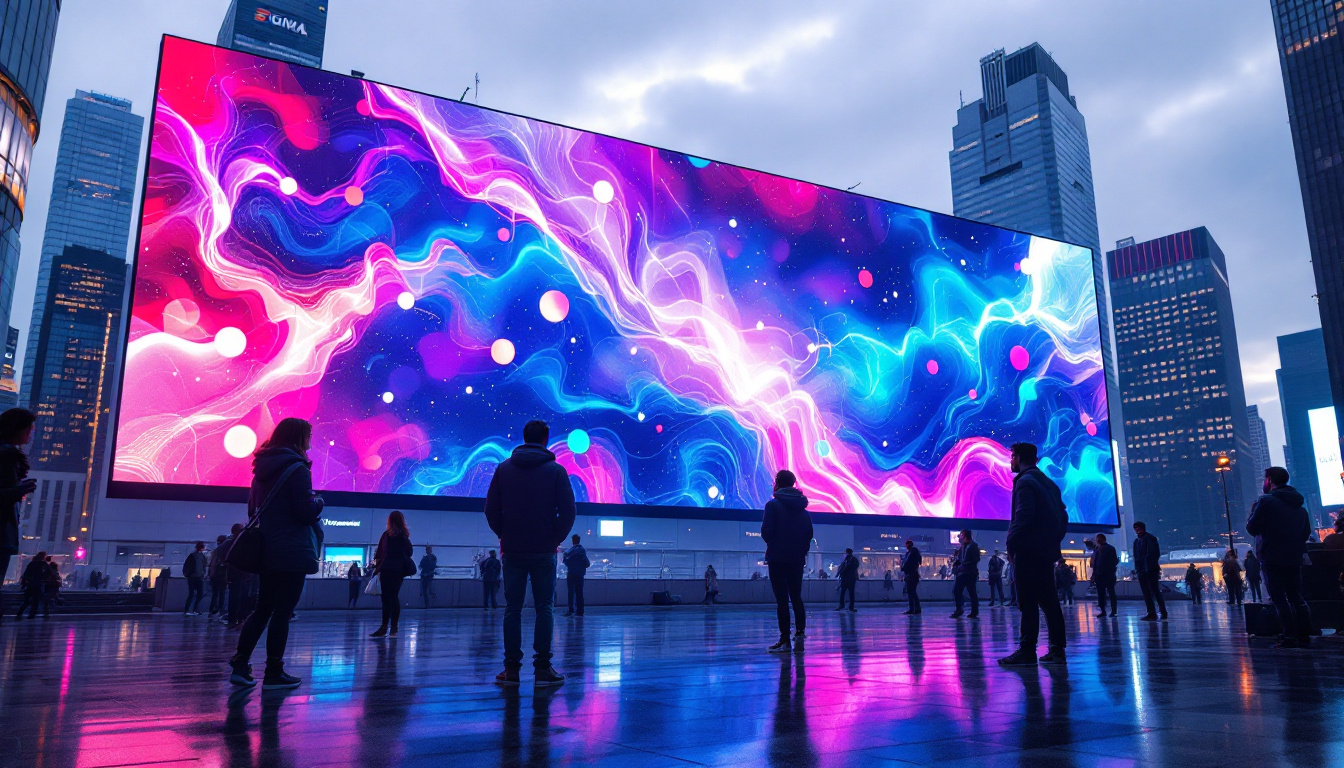
Advertising and Digital Billboards
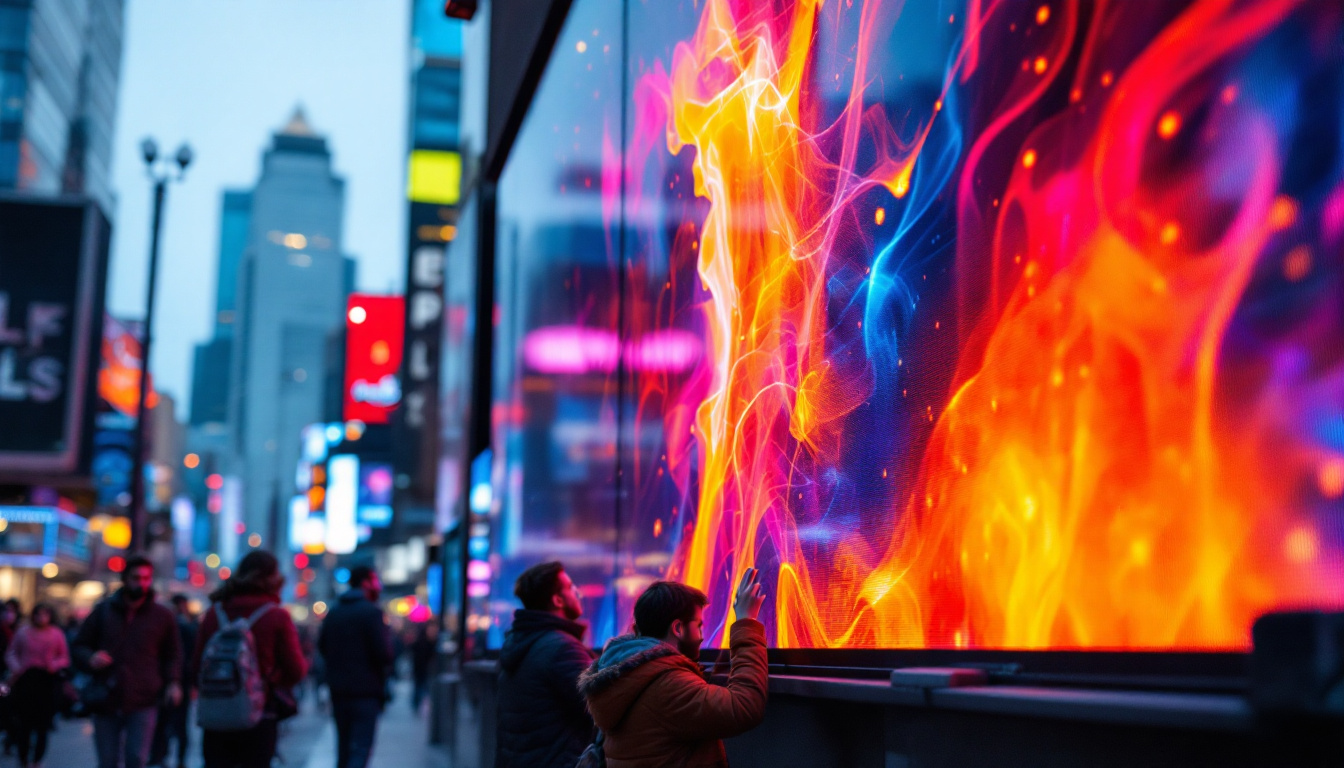
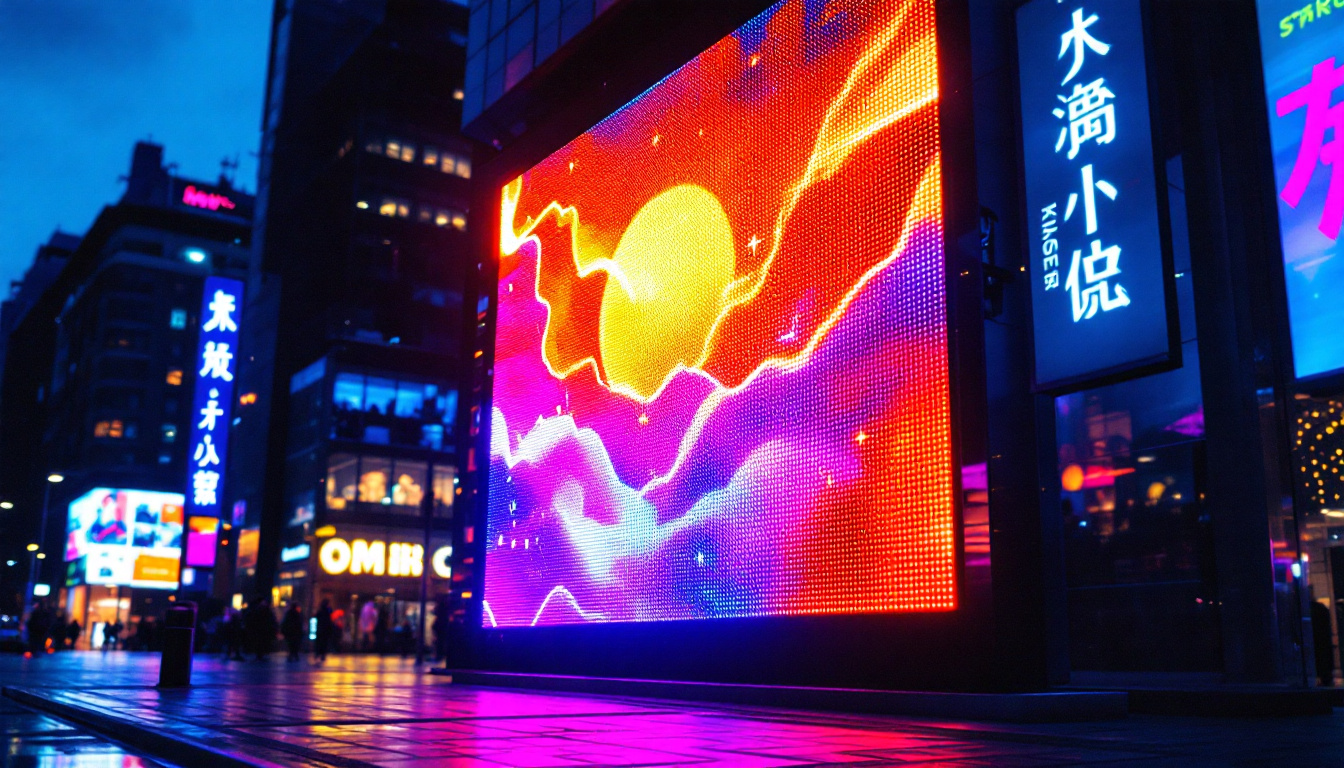
Large LED screens have revolutionized outdoor advertising by enabling dynamic, eye-catching content that can be changed instantly. Digital billboards in urban centers attract more attention than traditional static signs, offering advertisers the ability to run multiple campaigns on a single screen throughout the day. According to industry reports, digital out-of-home advertising is expected to grow at a compound annual growth rate (CAGR) of over 10% through 2027, driven largely by LED display technology.
Sports and Entertainment Venues
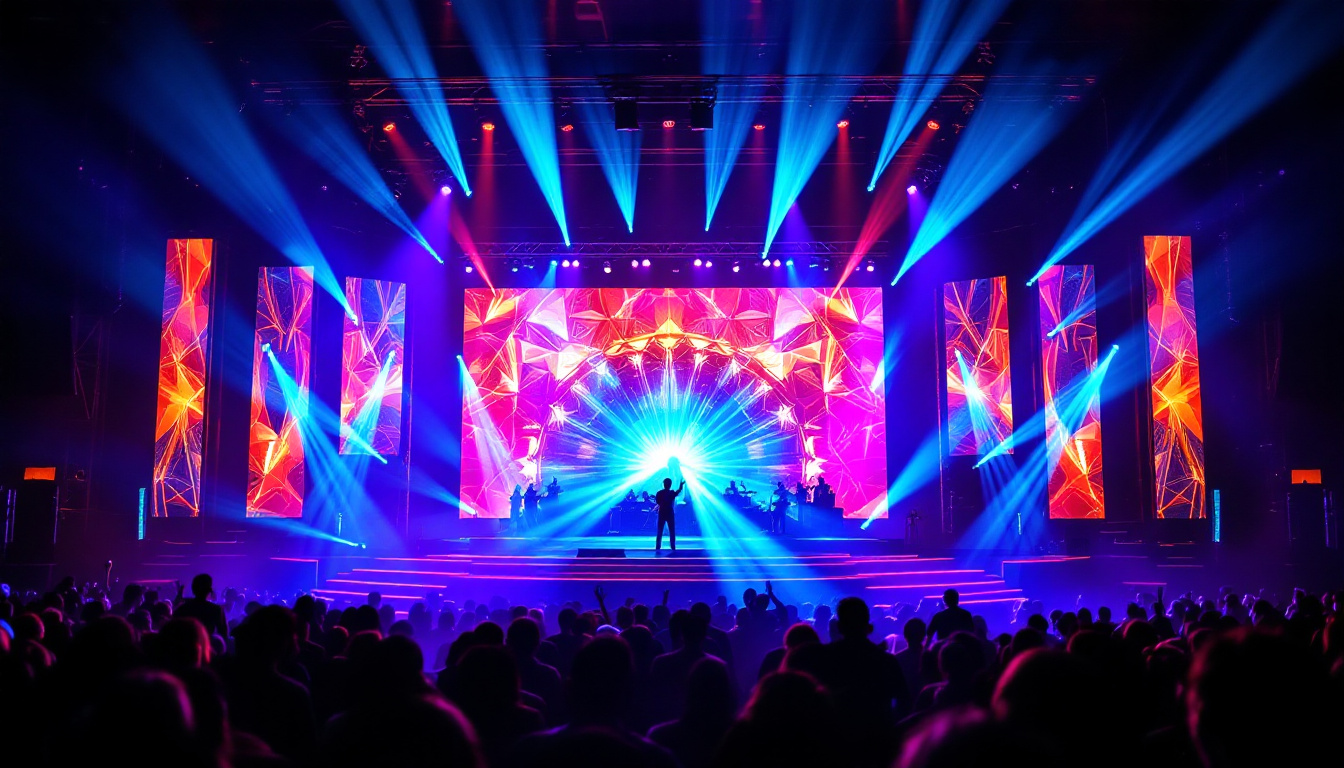
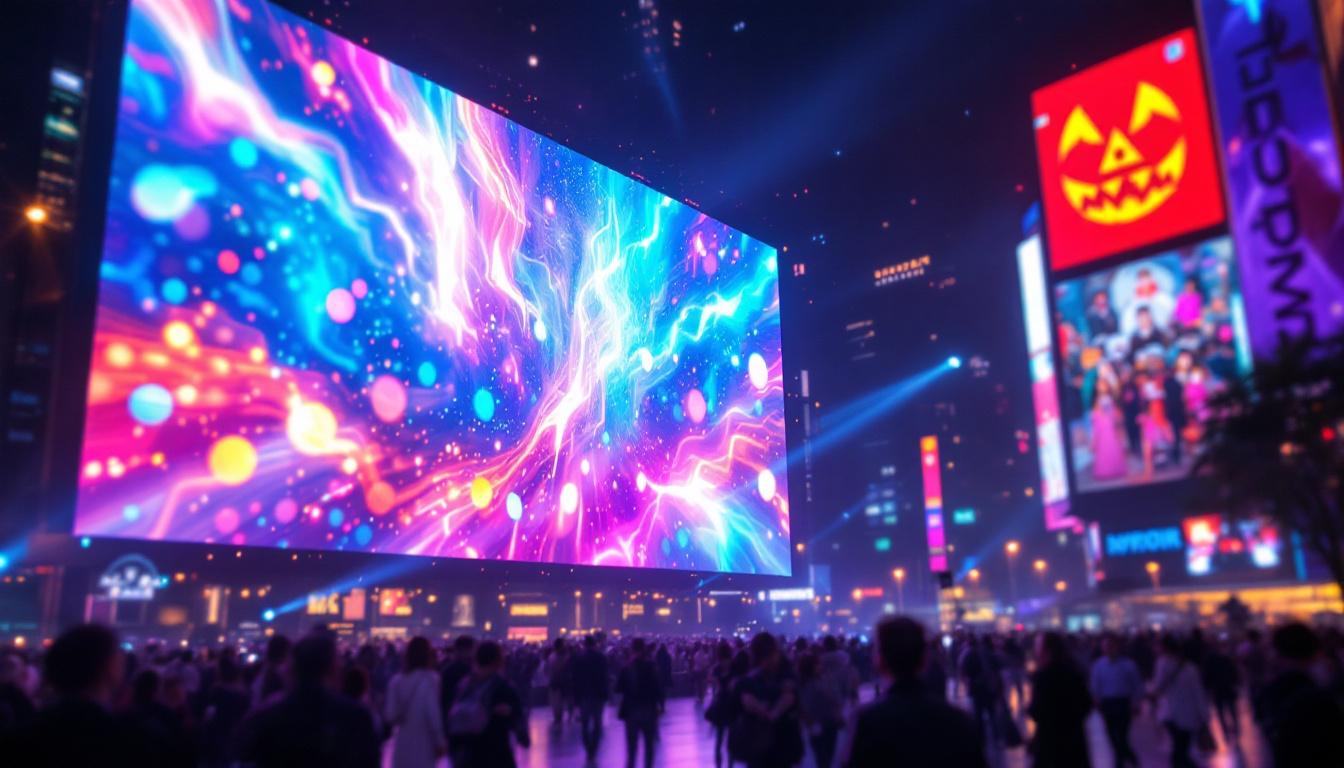
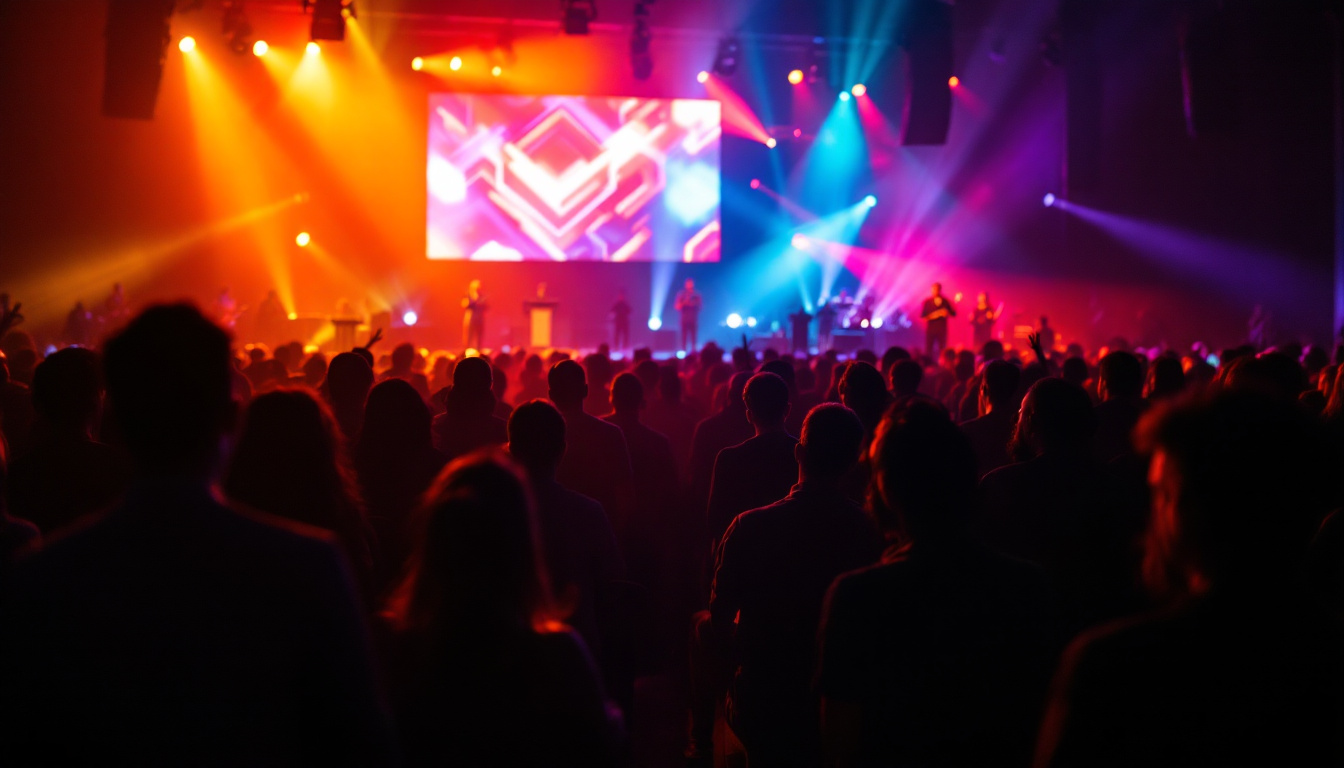
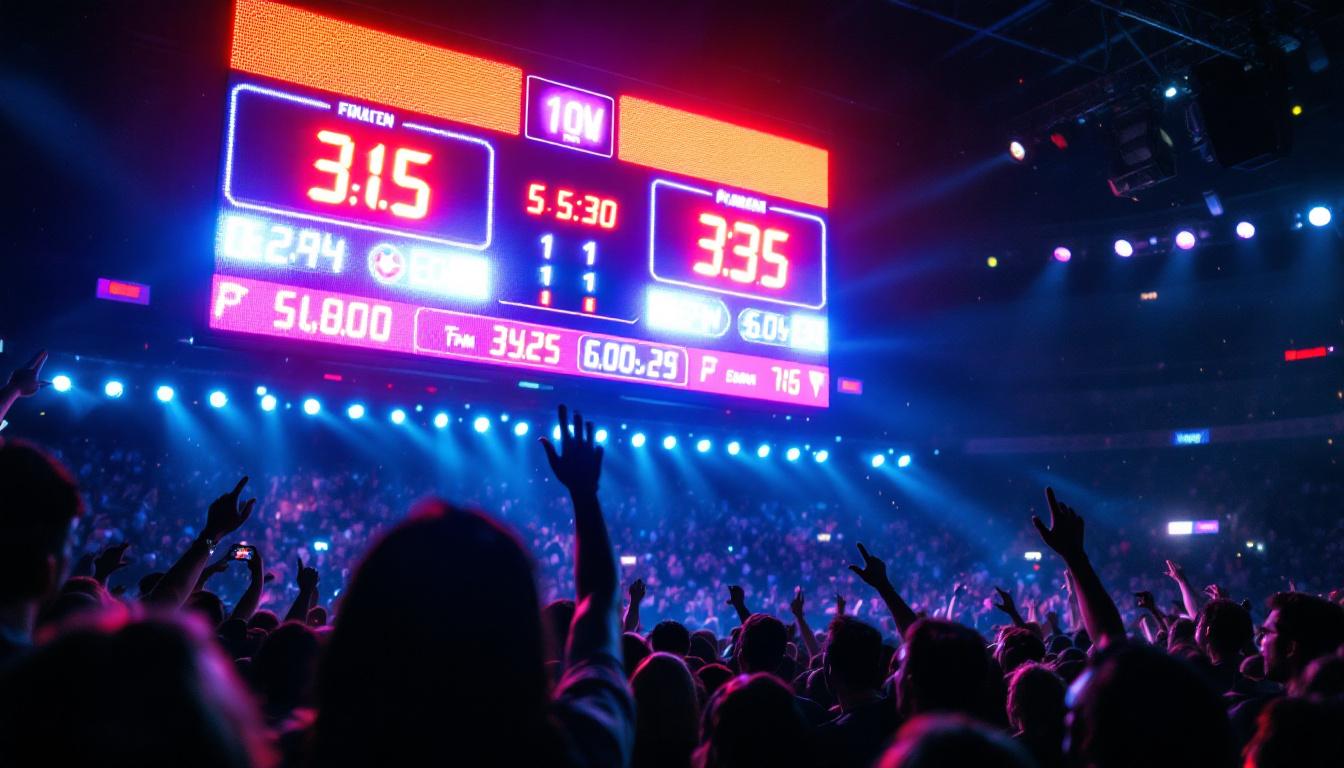
Stadiums and arenas rely heavily on large LED screens for scoreboards, instant replays, and fan engagement. These displays enhance the spectator experience by providing real-time information and immersive visuals. Concerts and festivals also use LED walls as backdrops, creating stunning visual effects synchronized with performances.
Corporate and Event Use
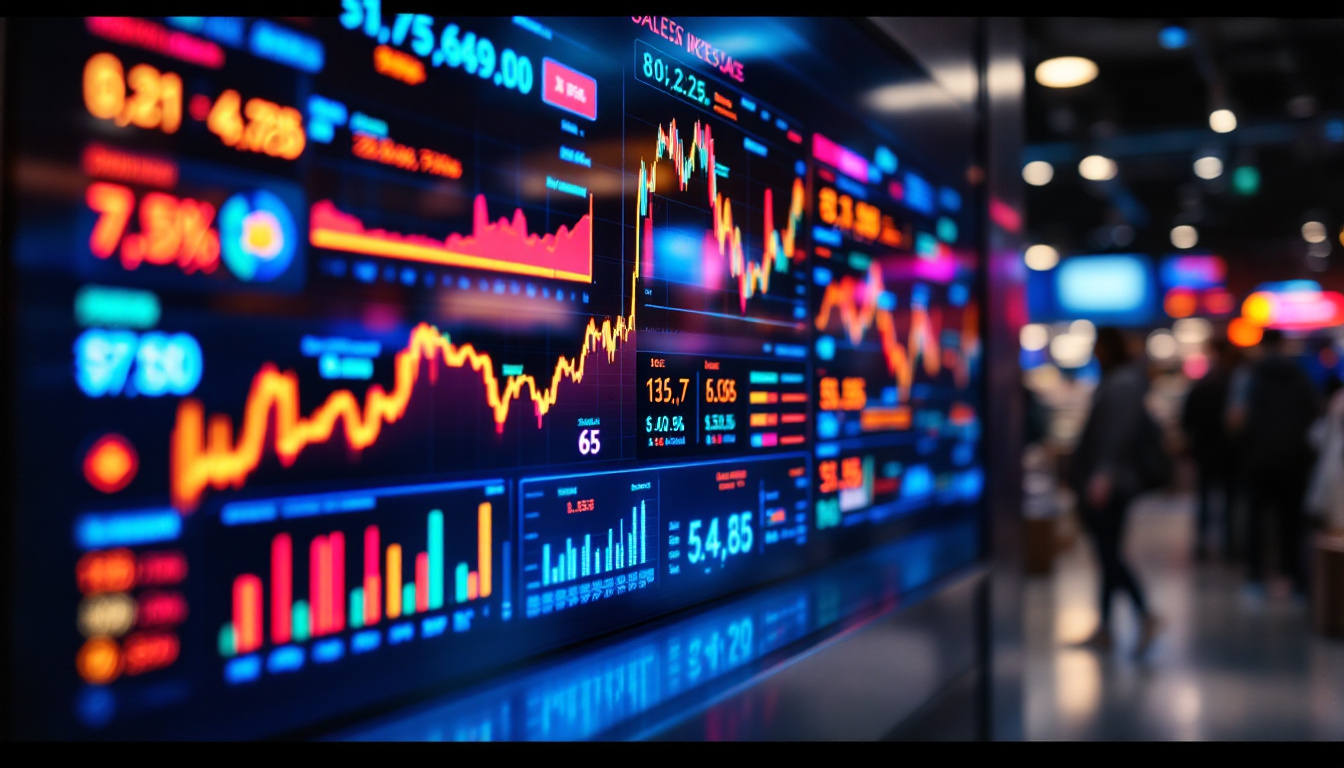
In the corporate world, LED screens are used for presentations, trade shows, and conferences. Their ability to display high-resolution content and adapt to various sizes makes them ideal for communicating messages clearly to large audiences. Event organizers also utilize LED screens for live streaming, interactive sessions, and branding.
Public Information and Transportation Hubs
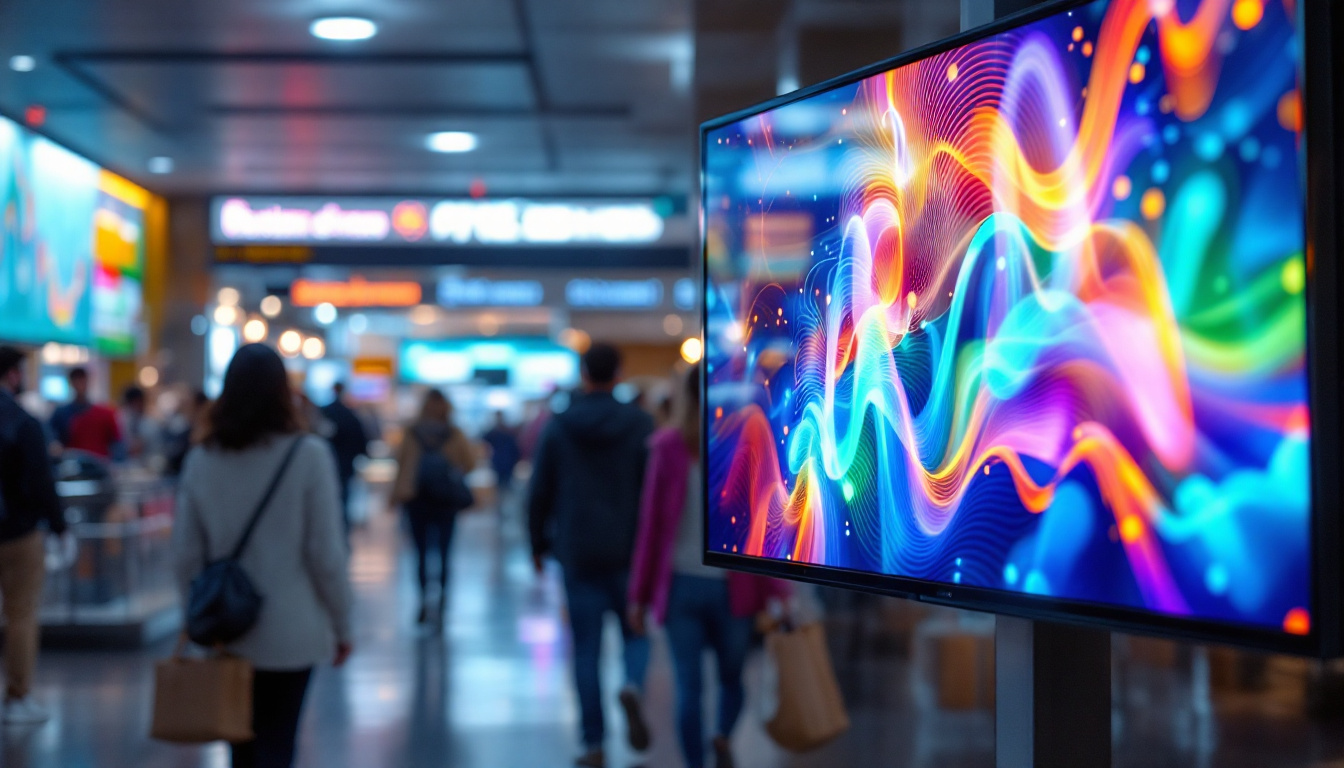
Airports, train stations, and city centers use large LED displays to provide real-time information such as arrival and departure times, weather updates, and emergency alerts. The clarity and brightness of LED screens ensure that critical information is easily accessible to travelers and the public.
Key Considerations When Choosing a Large LED Screen
Pixel Pitch and Resolution
Pixel pitch is a fundamental factor in determining the image quality of an LED screen. It refers to the distance between the centers of two adjacent pixels, usually measured in millimeters. A smaller pixel pitch means higher resolution and sharper images, which is essential for close viewing distances, such as indoor installations.
For outdoor screens viewed from a distance, a larger pixel pitch is acceptable and often more cost-effective. Selecting the right pixel pitch depends on the intended viewing distance and content type.
Brightness and Contrast Requirements
Assessing the environment where the LED screen will be installed is crucial. Outdoor screens require higher brightness levels to combat sunlight, while indoor screens can operate at lower brightness to reduce eye strain. Contrast ratio impacts the depth of colors and the ability to display dark scenes effectively, enhancing overall image quality.
Durability and Environmental Protection
Outdoor LED screens must be weatherproof and resistant to dust, moisture, and temperature fluctuations. Look for screens with appropriate IP (Ingress Protection) ratings, such as IP65 or higher, to ensure longevity and reliable performance in harsh conditions.
Installation and Maintenance
Consider the ease of installation and ongoing maintenance when selecting a large LED screen. Modular designs simplify assembly and repairs, reducing downtime. Additionally, access to technical support and warranty services can be critical for long-term operation.
The Future of Large LED Screens
As LED technology continues to evolve, large LED screens are becoming more energy-efficient, higher resolution, and increasingly versatile. Innovations such as microLED and miniLED promise even better image quality and thinner, lighter displays. Integration with AI and IoT technologies will enable smarter content management and interactive experiences.
Moreover, sustainability is becoming a priority, with manufacturers focusing on recyclable materials and reducing power consumption. As urban environments become more digitized, large LED screens will play an essential role in shaping the visual and informational landscape of cities worldwide.
Conclusion
Large LED screens have transformed the way information and advertising are presented in public and private spaces. Their superior brightness, flexibility, and durability make them an ideal choice for a wide range of applications, from outdoor billboards to indoor corporate displays. Understanding the technology behind LED displays, as well as the key factors to consider when choosing a screen, is essential for making informed decisions that maximize impact and return on investment.
With ongoing advancements and expanding use cases, large LED screens will continue to illuminate our environments, delivering vibrant, dynamic content that engages and informs audiences around the globe.
Discover LumenMatrix LED Display Solutions
Ready to elevate your space with the vibrant, dynamic capabilities of large LED screens? Look no further than LumenMatrix, a pioneer in LED display technology. Whether you’re seeking to enhance brand visibility or create immersive visual experiences, our extensive range of products, including Indoor and Outdoor LED Wall Displays, Vehicle LED Displays, LED Poster Displays, LED Sports Displays, Floor LED Displays, Custom LED Displays, All-in-One LED Displays, and LED Transparent Displays, are designed to meet your unique needs. Embrace the future of visual communication with LumenMatrix and let us help you captivate your audience. Check out LumenMatrix LED Display Solutions today and transform your message into an unforgettable visual journey.