In the rapidly evolving world of digital displays, LED walls have become a cornerstone technology for delivering vibrant, large-scale visuals in a variety of settings. From concerts and sports arenas to corporate events and public advertising, LED walls provide unmatched brightness, flexibility, and impact. However, the installation and maintenance of these impressive displays require specialized infrastructure, particularly when it comes to ground support systems. This article delves into the essentials of LED wall ground support, explaining the technology behind LED displays and the critical role that ground support plays in ensuring safety, stability, and performance.
Understanding LED Display Technology
What is an LED Wall?
An LED wall is a large-scale display composed of numerous light-emitting diode (LED) modules arranged in a grid. Each module contains thousands of tiny LEDs that can emit red, green, and blue light. By controlling the intensity of these LEDs, the display can produce a full spectrum of colors to render images and videos with high brightness and contrast.
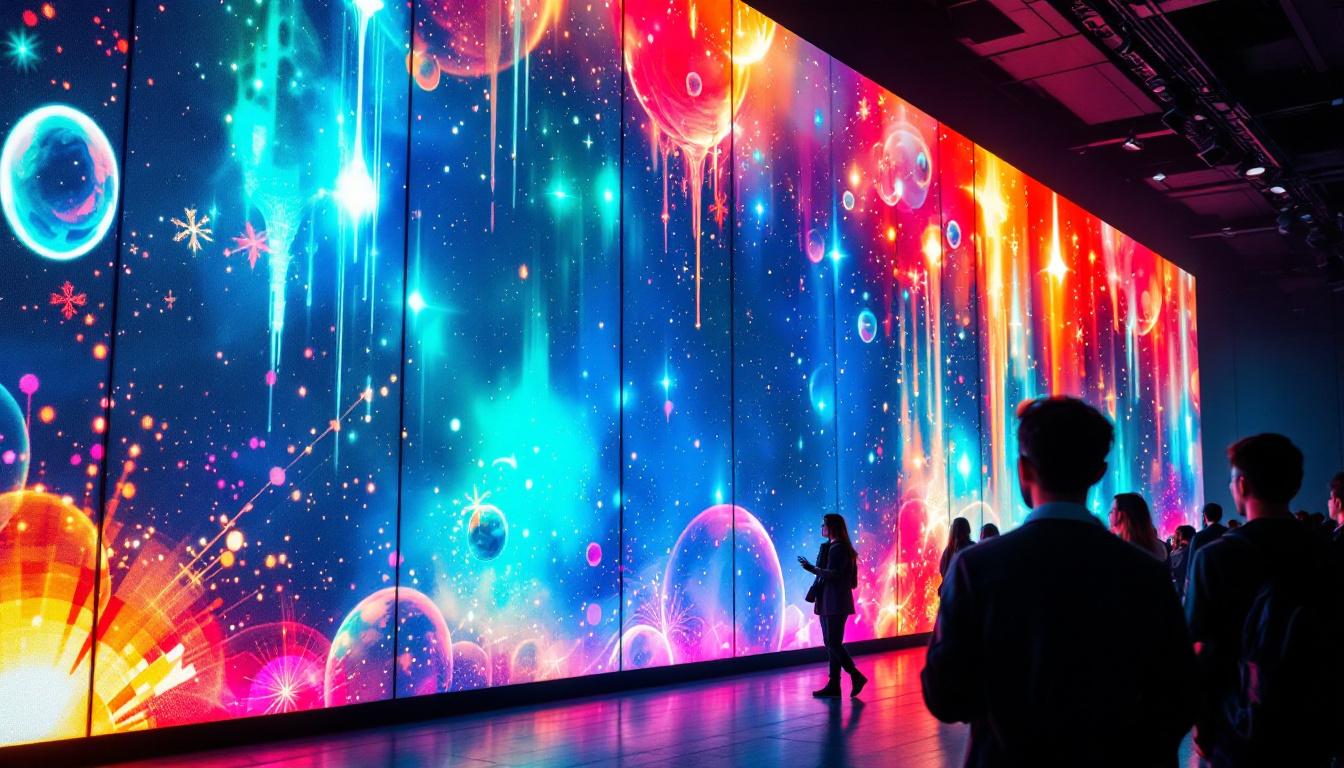
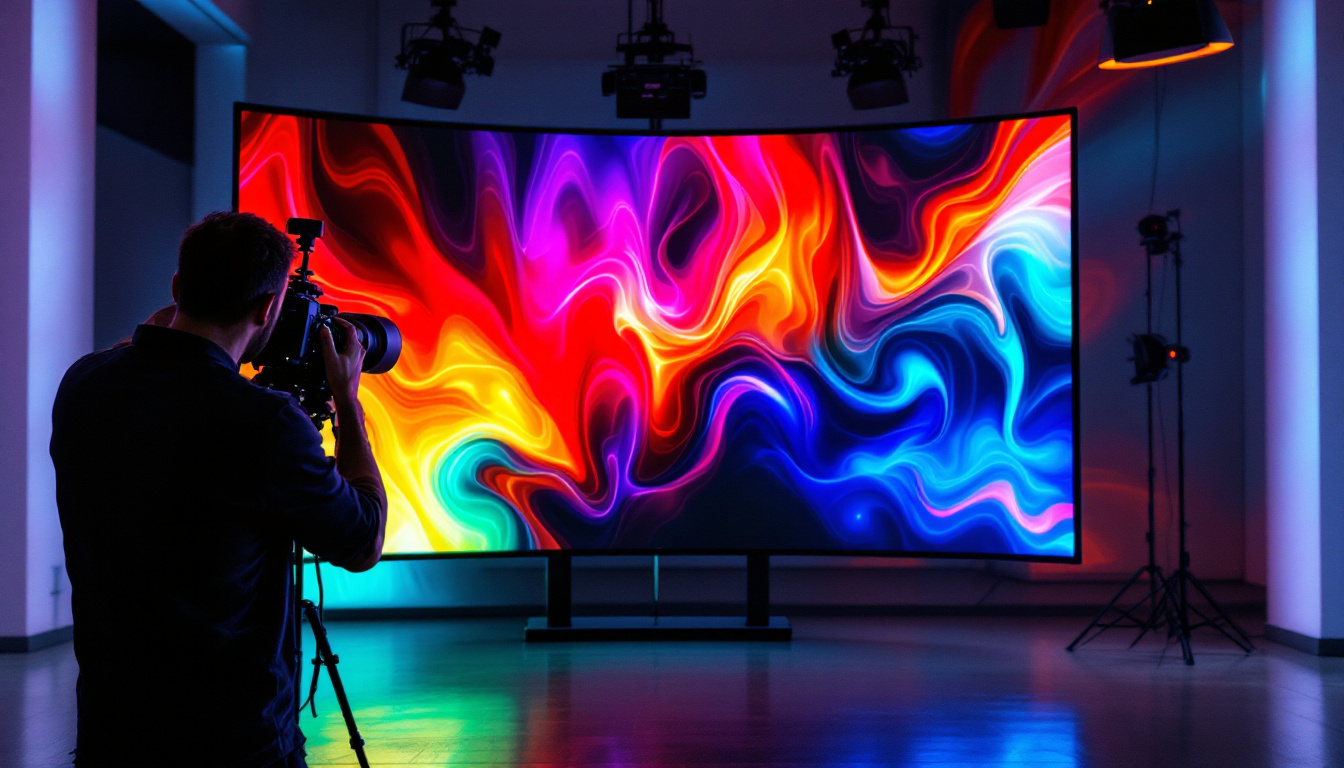
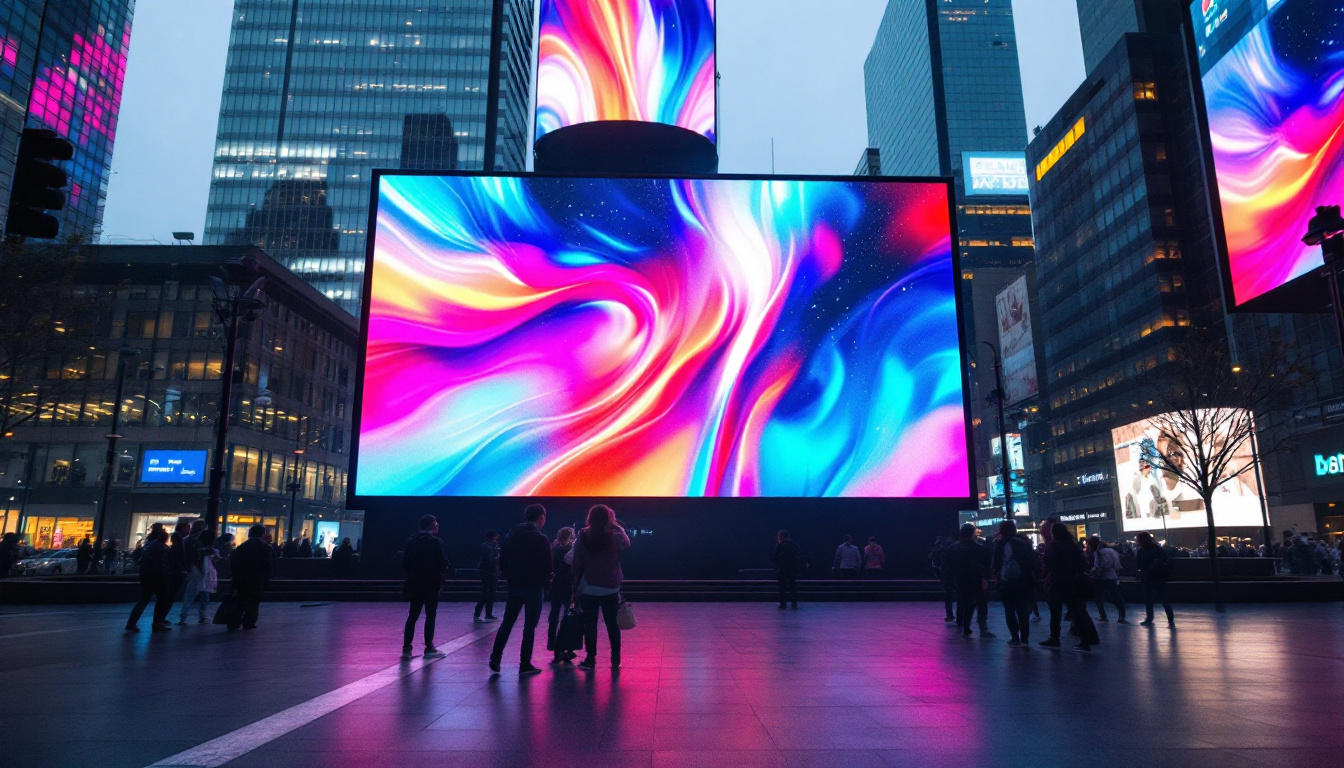
Unlike traditional LCD or projection screens, LED walls are self-emissive, meaning each diode emits its own light. This results in superior visibility even in bright ambient conditions, making LED walls ideal for outdoor and large indoor venues. Modern LED walls can range from small indoor panels to massive outdoor installations covering thousands of square feet. Their versatility allows them to be used in various settings, from concert stages and sports arenas to corporate events and art exhibitions, where dynamic visuals can enhance the overall experience.
Key Advantages of LED Walls
LED walls offer several advantages that have driven their widespread adoption:
- Brightness: LED walls can achieve brightness levels exceeding 5,000 nits, ensuring clear visibility in direct sunlight.
- Color Accuracy: The ability to finely tune RGB LEDs enables vibrant, true-to-life colors.
- Scalability: Modular design allows for virtually unlimited screen sizes and aspect ratios.
- Durability: LED modules are robust and weather-resistant, suitable for long-term outdoor use.
- Energy Efficiency: Advances in LED technology have reduced power consumption compared to older display types.
These benefits make LED walls a preferred choice for applications ranging from live events and advertising to control rooms and retail displays. Additionally, their ability to create stunning visual effects has made them popular in artistic installations, where they can be programmed to interact with sound and movement, creating immersive environments that captivate audiences. The integration of smart technology has further enhanced their functionality, allowing for real-time content updates and remote management, which is particularly advantageous for businesses looking to maintain a dynamic presence without the need for constant physical adjustments.
The Importance of Ground Support Systems for LED Walls
Why Ground Support Matters
While LED walls are technologically advanced, their physical installation is equally critical. Ground support systems provide the structural foundation that holds the LED panels securely in place, especially when the display is freestanding or mounted at height. Proper ground support ensures:
- Safety: Prevents collapse or tipping, protecting people and equipment nearby.
- Stability: Maintains the integrity of the display under wind loads, vibrations, and other environmental forces.
- Alignment: Keeps the panels perfectly aligned to maintain image quality and prevent gaps.
Neglecting ground support can lead to catastrophic failures, costly downtime, and liability issues. This is why professional-grade ground support systems are a non-negotiable component of any LED wall installation.
Types of Ground Support Systems
Ground support systems for LED walls vary depending on the installation environment, display size, and usage duration. The most common types include:
- Truss Systems: Aluminum or steel trusses form a rigid frame that supports the LED panels. These are popular for temporary event setups due to their modularity and ease of assembly.
- Ground Stands: Heavy-duty stands or bases that anchor the display directly to the ground. These are often used for smaller or medium-sized LED walls in fixed locations.
- Scaffolding Structures: Custom scaffolding can be engineered to support very large or irregularly shaped LED walls, particularly in outdoor environments.
- Wall Mounts with Ground Bracing: For installations attached to existing walls, additional ground bracing may be required to counterbalance the weight and wind forces.
Each system is designed to meet specific engineering requirements, including load capacity, wind resistance, and ease of transport or reconfiguration.
Engineering Considerations for LED Wall Ground Support
Load and Weight Distribution
LED walls can weigh several tons, especially when composed of hundreds of modules. Ground support systems must be engineered to distribute this weight evenly to avoid undue stress on any single component. Engineers calculate the total load, including the weight of the panels, trusses, cabling, and any additional equipment such as speakers or lighting fixtures.
Proper load distribution is essential to prevent structural deformation and ensure the longevity of the installation. In many cases, ground supports incorporate adjustable feet or pads to compensate for uneven terrain.
Wind and Environmental Forces
Outdoor LED walls are exposed to wind, rain, and temperature fluctuations. Wind load is a critical factor in ground support design. For example, a 20-foot by 10-foot LED wall can experience wind forces exceeding 1,000 pounds during gusty conditions. Ground support systems must be anchored securely, often with ballast weights or ground stakes, to resist these forces.
Additionally, environmental considerations include corrosion resistance of materials, drainage to prevent water pooling, and thermal expansion allowances to accommodate temperature changes without compromising structural integrity.
Safety Standards and Regulations
Compliance with local and international safety standards is mandatory for LED wall ground support systems. Standards such as the Occupational Safety and Health Administration (OSHA) regulations in the United States, and the European EN standards, provide guidelines on load testing, anchoring, and emergency procedures.
Professional installation teams conduct rigorous inspections and certifications to ensure the ground support meets these standards. This includes verifying the quality of welds, bolts, and connections, as well as conducting wind load simulations and structural analyses.
Installation Best Practices for LED Wall Ground Support
Site Assessment and Preparation
Before installation, a thorough site assessment is essential. This includes evaluating ground conditions, available space, proximity to power sources, and potential obstructions. Soil type and compaction affect the choice of anchoring methods and ballast requirements.
Preparing the site may involve leveling the ground, installing concrete pads, or laying protective mats to distribute weight and prevent damage to sensitive surfaces.
Modular Assembly and Alignment
LED walls are typically assembled in modules to facilitate transport and installation. Ground support systems are designed to accommodate this modularity, allowing panels to be hung or mounted sequentially. Precision alignment tools and laser leveling devices ensure that the display surface is flat and seamless.
Proper alignment is crucial for image quality, as even slight misalignments can cause visual distortions or gaps between panels.
Electrical and Cable Management
Ground support systems often integrate cable management solutions to protect power and data lines from damage and tangling. Organized routing of cables reduces the risk of electrical faults and simplifies maintenance.
Additionally, grounding and surge protection are implemented to safeguard the LED wall and connected equipment from electrical hazards.
Maintenance and Longevity of LED Wall Ground Support
Routine Inspections and Repairs
Regular inspections of the ground support structure are vital for long-term safety and performance. Technicians check for signs of wear, corrosion, loose bolts, and structural fatigue. Early detection of issues prevents costly failures and extends the lifespan of the installation.
Maintenance schedules typically align with the usage pattern of the LED wall—more frequent checks for outdoor or event-based installations, and periodic inspections for permanent setups.
Upgrades and Adaptability
As LED technology advances, ground support systems may require upgrades to accommodate new panel designs or increased sizes. Modular ground supports offer flexibility to adapt to changing requirements without complete replacement.
Investing in adaptable ground support infrastructure can save significant costs over time and enable seamless integration of future LED wall innovations.
Applications and Case Studies
Concerts and Live Events
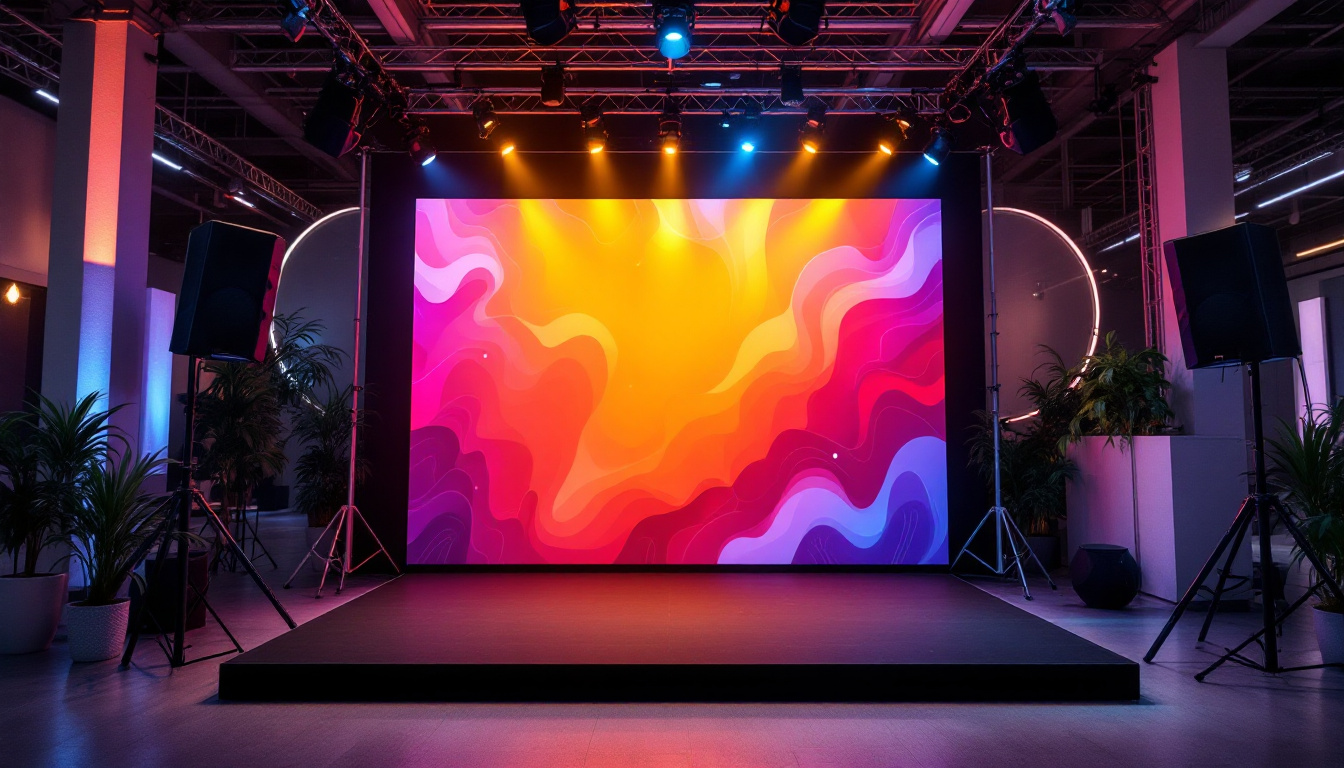
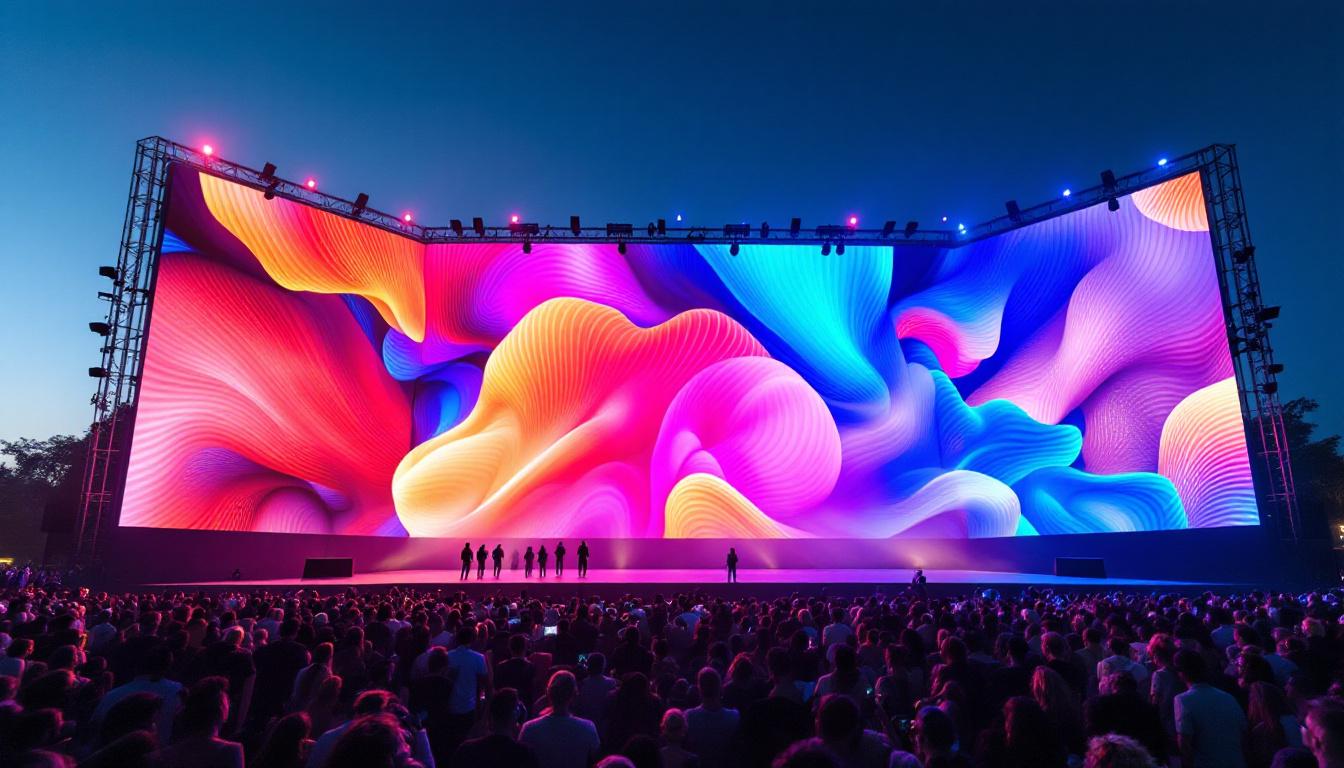
In the entertainment industry, LED walls have revolutionized stage design by providing dynamic backdrops and immersive visuals. Ground support systems for touring LED walls must be robust yet portable, capable of rapid assembly and disassembly. For example, major music festivals deploy truss-based ground supports that can withstand high winds and heavy equipment loads while ensuring performer and audience safety.
Sports Arenas and Stadiums
LED walls in stadiums serve as scoreboards, advertising platforms, and fan engagement tools. Ground support here often involves permanent or semi-permanent structures engineered to hold massive displays securely. The stability and durability of these supports are critical given the size of the screens and the large crowds present.
Corporate and Retail Installations
Indoor LED walls in corporate lobbies or retail environments enhance branding and customer experience. Ground support systems in these settings prioritize aesthetics and minimal footprint, often integrating with interior design elements. Lightweight stands or wall mounts with ground bracing are common solutions.
Conclusion
LED walls represent a powerful medium for visual communication, combining cutting-edge technology with impressive scale and brightness. However, the success of any LED wall installation hinges not only on the quality of the display panels but also on the integrity of the ground support system. Properly engineered and maintained ground support ensures safety, stability, and optimal performance, enabling LED walls to captivate audiences across diverse applications.
As LED technology continues to advance and demand for larger, more immersive displays grows, the importance of robust ground support infrastructure will only increase. Understanding the fundamentals of LED wall ground support equips event organizers, engineers, and venue operators with the knowledge to execute safe and effective installations that stand the test of time.
Discover LumenMatrix’s Advanced LED Display Solutions
Ready to elevate your visual experience with the latest in LED technology? LumenMatrix offers a comprehensive range of LED display modules designed to bring your vision to life. Whether you’re looking for Indoor LED Wall Displays for corporate events, Outdoor LED Wall Displays for stadiums, or innovative solutions like Vehicle LED Displays and LED Transparent Displays, LumenMatrix has you covered. Our mission is to transform your visual communication with displays that engage and captivate. Check out LumenMatrix LED Display Solutions today and see how we can help you make a lasting impression.