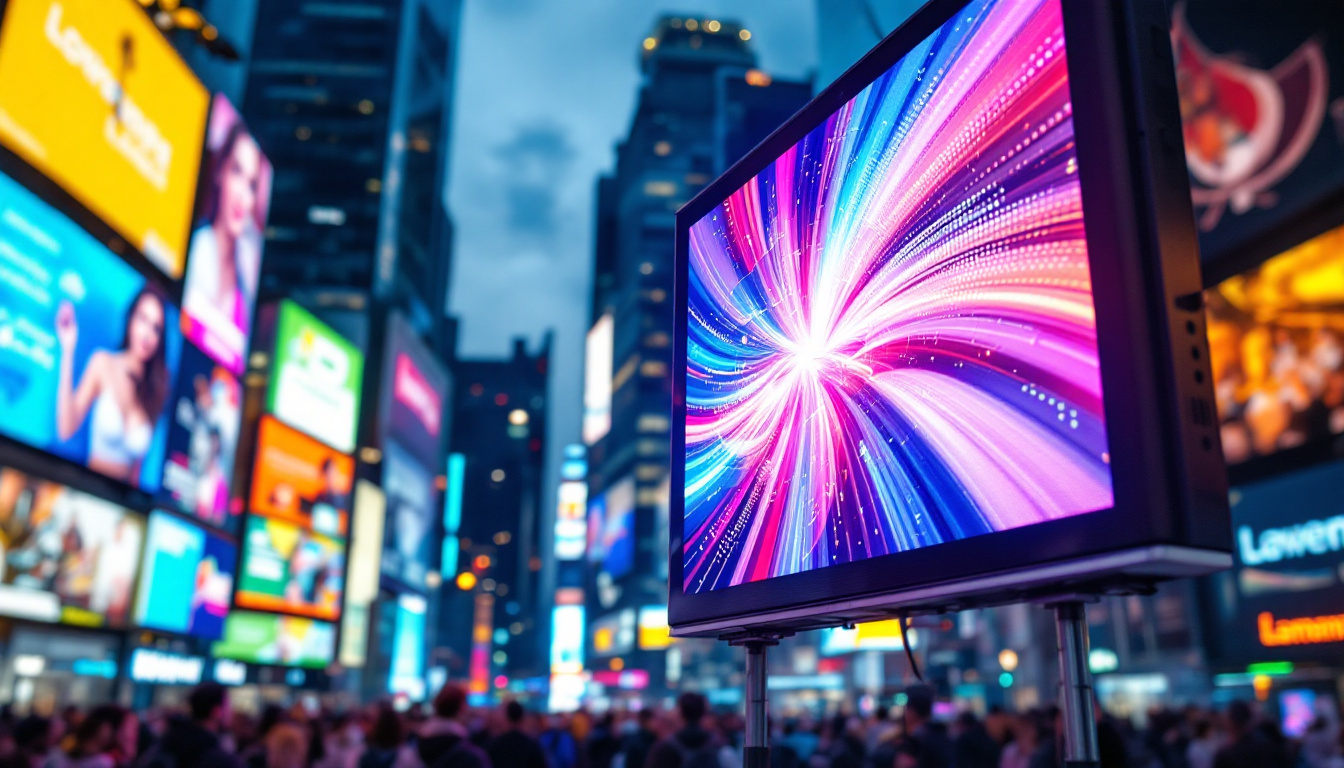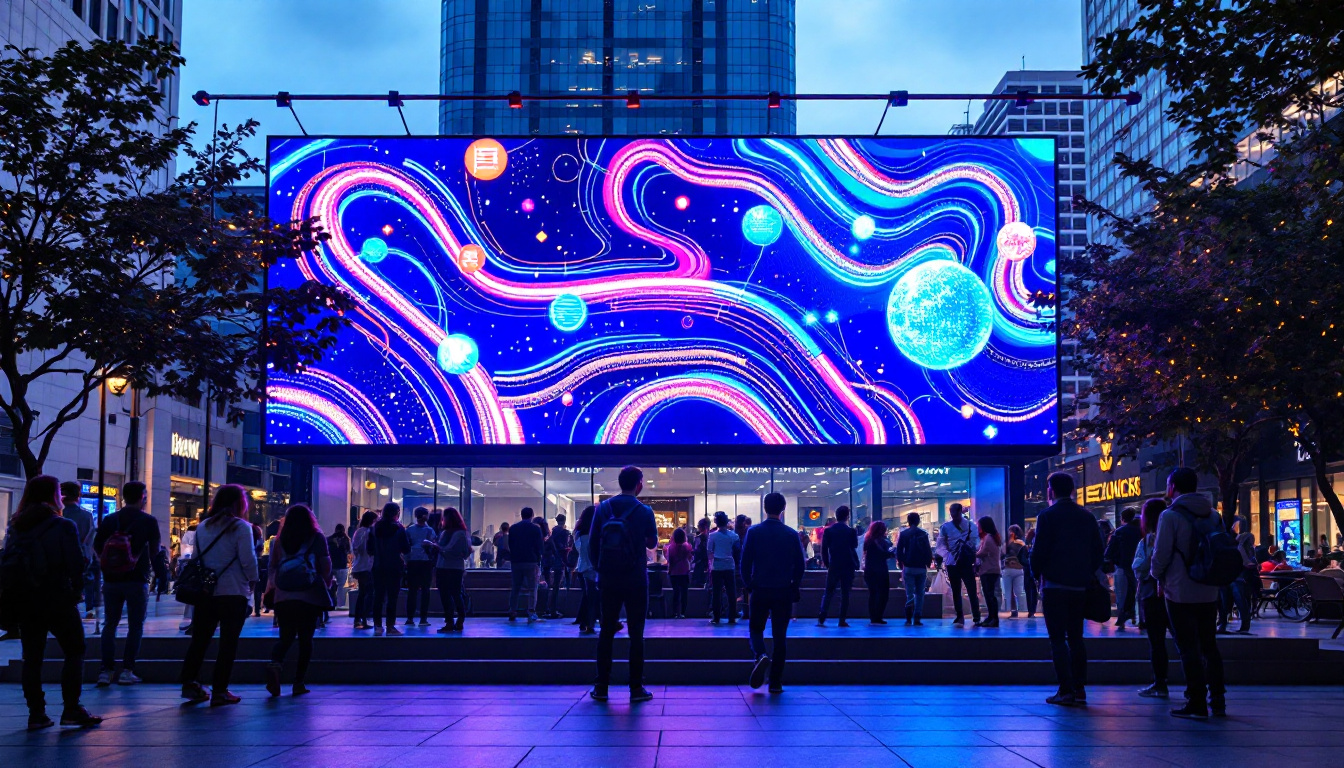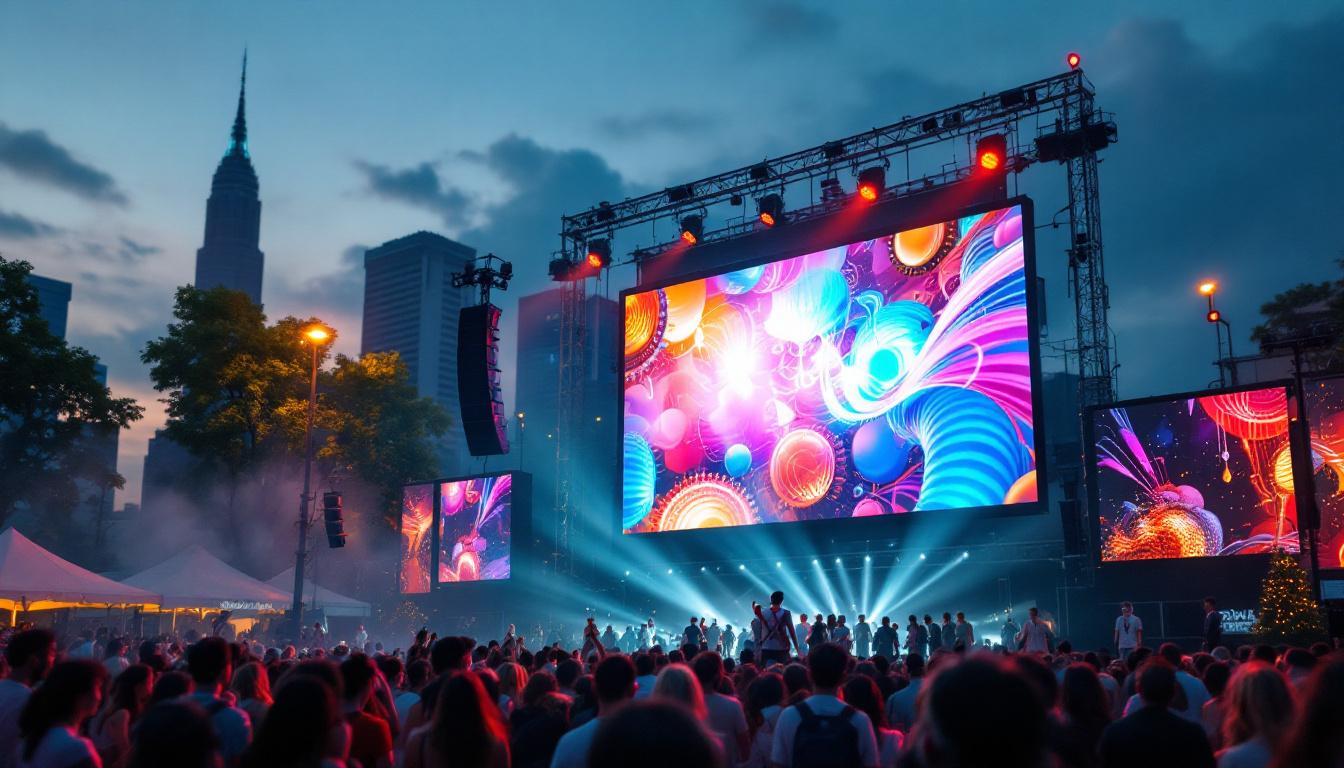
In an era where visual communication is paramount, outdoor large screen LED displays have become indispensable tools for advertising, public information dissemination, and entertainment. These vibrant, dynamic screens captivate audiences in bustling city centers, sports arenas, transportation hubs, and event venues worldwide. But what exactly makes these LED displays so effective, and how do they work? This article delves into the technology behind outdoor large screen LED displays, their advantages, applications, and considerations for deployment.
Understanding Outdoor Large Screen LED Displays
What Is an Outdoor LED Display?
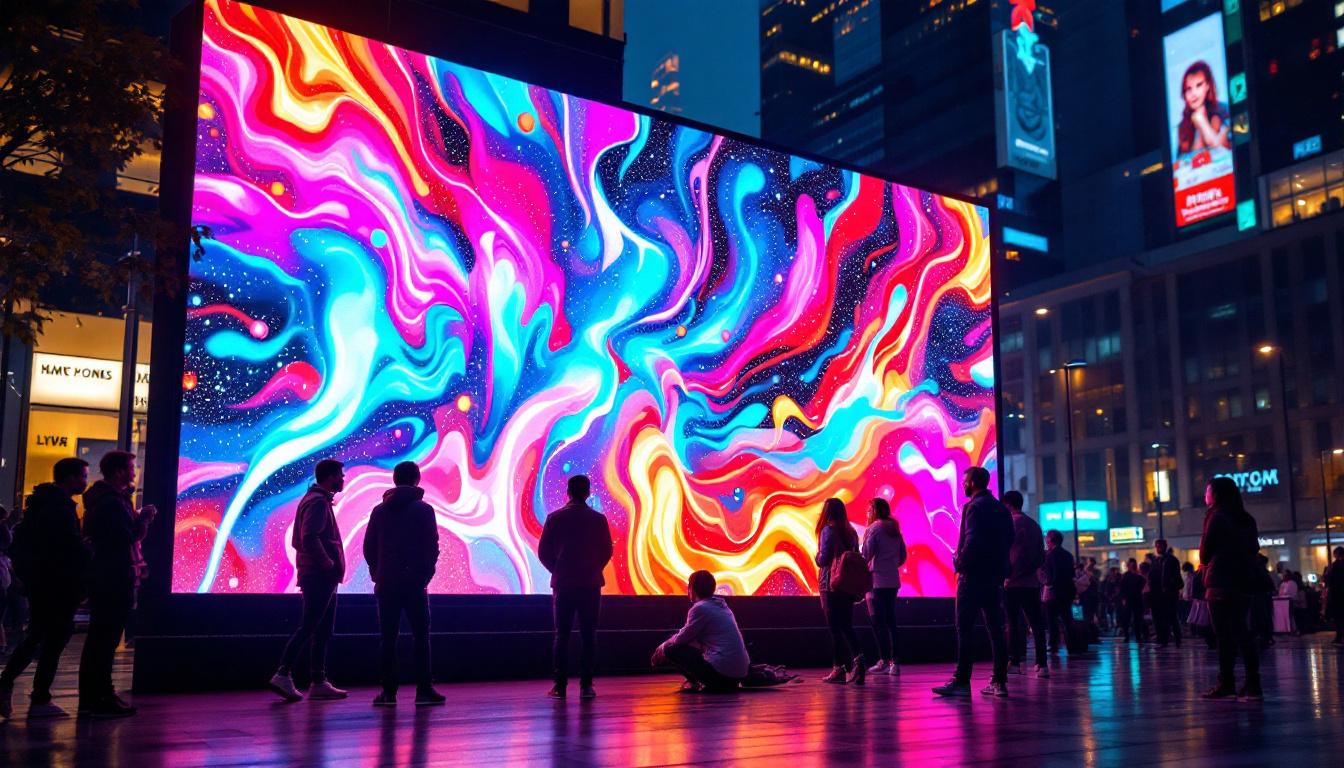
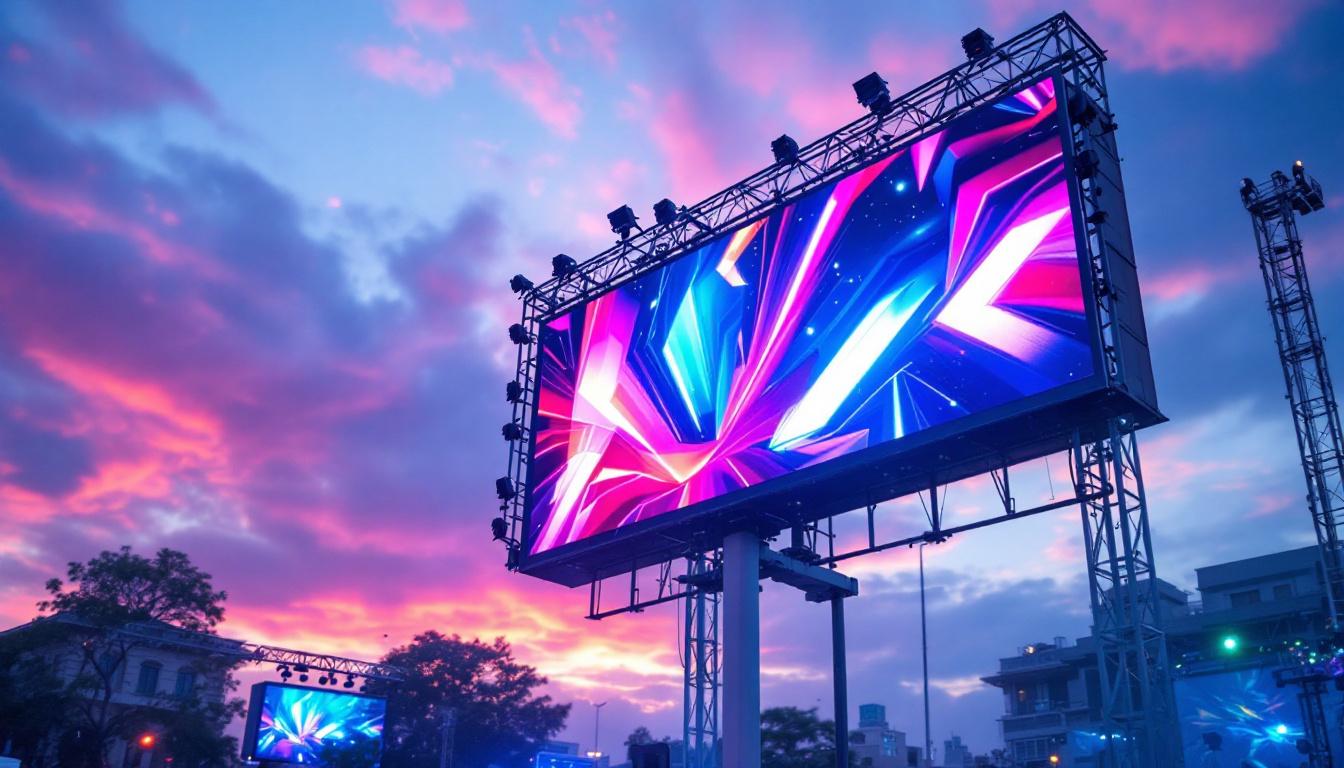
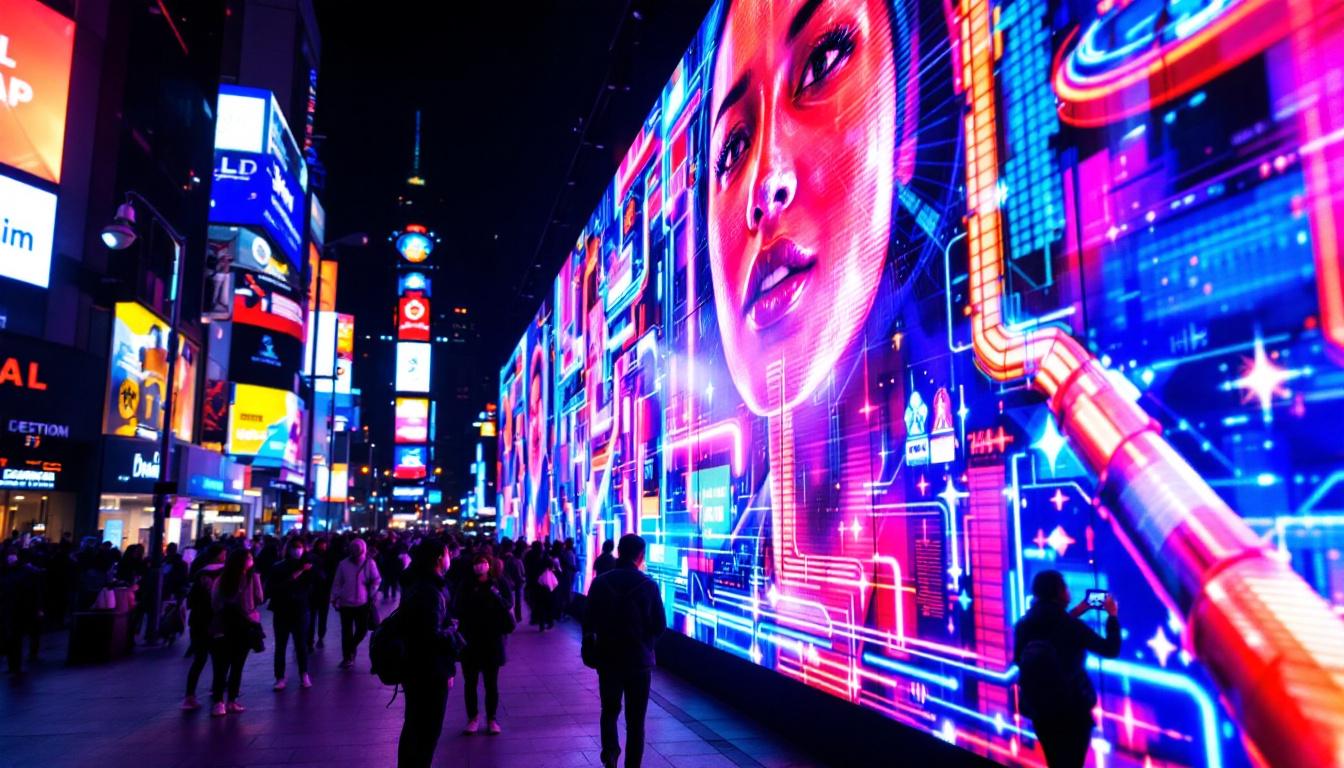
Outdoor LED displays are large-format digital screens composed of numerous light-emitting diodes (LEDs) arranged in a grid to form images, videos, and text. Unlike traditional billboards or posters, these screens are dynamic, capable of showing changing content with high brightness and vivid colors. Their design specifically caters to outdoor environments, ensuring visibility even under direct sunlight and resistance to weather elements such as rain, wind, and dust.
These displays vary in size, from small digital signage boards to massive screens towering over city squares or stadiums. The pixel pitch—the distance between individual LEDs—determines the resolution and clarity of the image. Outdoor LED displays typically have a larger pixel pitch compared to indoor screens, balancing visibility from a distance with cost-effectiveness. This adaptability makes them ideal for a variety of applications, including advertising, event broadcasting, and public information dissemination. As cities become more digital, the presence of these displays is increasingly common, transforming urban landscapes into vibrant hubs of information and entertainment.
How Do LED Displays Work?
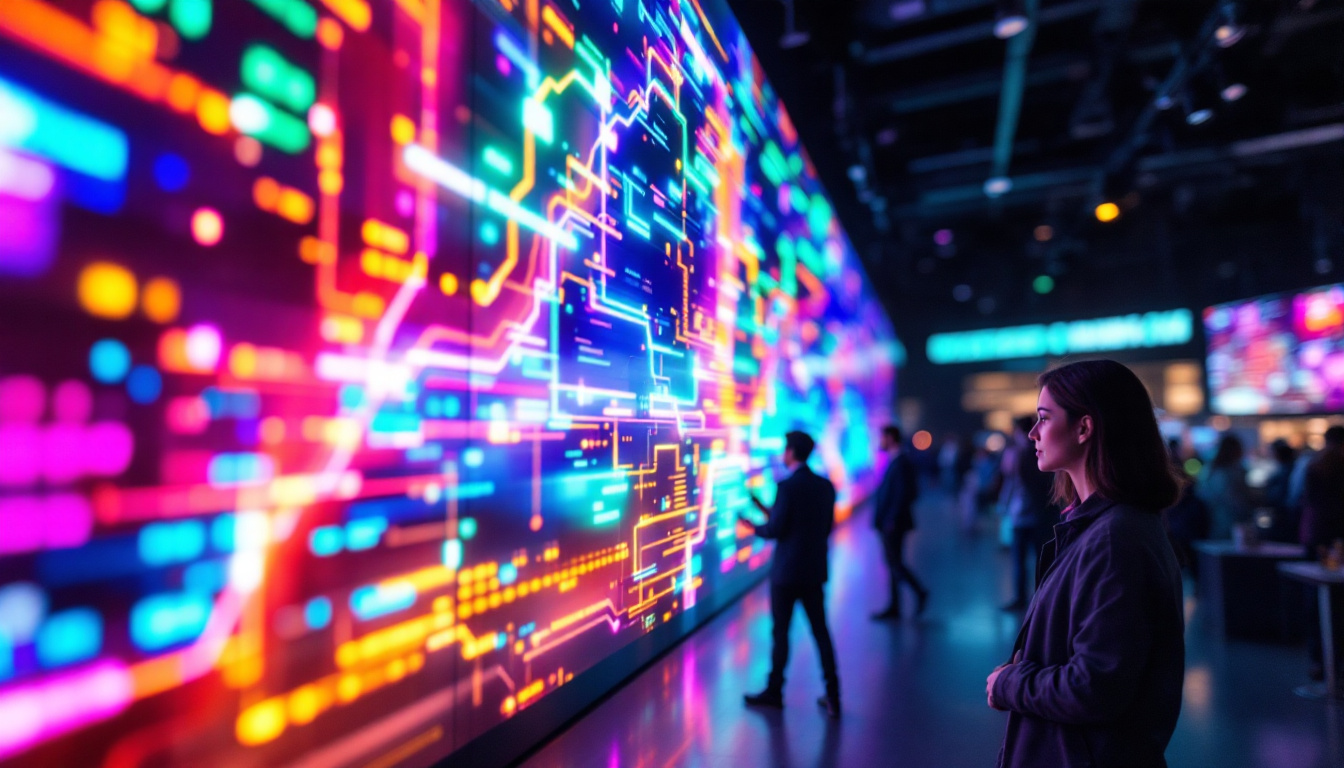
At the core of an LED display are thousands to millions of tiny LEDs, each capable of emitting light in red, green, and blue wavelengths. By varying the intensity of these three colors, the display can produce a full spectrum of colors, creating vibrant and detailed images.
LEDs are arranged in modules, which are then combined to form the entire display panel. The content is controlled by a processing system that sends signals to each LED module, dictating color and brightness in real-time. This system allows for seamless transitions, animations, and video playback. The technology behind these displays also includes advanced software that can manage scheduling, content updates, and even remote monitoring, ensuring that the displays are always showing the most relevant information. This capability is particularly beneficial for businesses looking to engage customers with timely promotions or for event organizers who need to keep audiences informed about schedules and updates.
Outdoor LED displays are designed with high brightness levels, often exceeding 5,000 nits, to ensure visibility even in direct sunlight. Additionally, they incorporate protective enclosures and cooling systems to maintain performance and longevity in harsh outdoor conditions. The durability of these displays is further enhanced by the use of high-quality materials that resist fading and damage from UV exposure, ensuring that the visuals remain striking over time. This resilience not only contributes to lower maintenance costs but also enhances the overall return on investment for businesses and organizations that utilize these displays for advertising or public service announcements.
Key Advantages of Outdoor Large Screen LED Displays
High Visibility and Brightness
One of the most significant benefits of outdoor LED displays is their exceptional brightness. With luminance levels far surpassing traditional display technologies, LED screens remain clear and readable regardless of ambient light conditions. This feature is crucial for outdoor advertising, where messages must compete with natural light and urban glare.
Moreover, the high contrast ratio and wide viewing angles ensure that content is visible from various distances and perspectives, making these screens ideal for large crowds and busy public spaces. This capability is particularly beneficial during events such as concerts, sports games, or festivals, where thousands of attendees may be positioned at different angles. The vibrant colors and sharp images produced by LED technology not only capture attention but also enhance the overall experience of the audience, drawing them into the displayed content.
Durability and Weather Resistance
Outdoor LED displays are engineered to withstand the elements. Their enclosures are typically rated with an IP65 or higher standard, signifying protection against dust ingress and water jets. This durability means that the displays can operate reliably through rain, snow, heat, and cold without degradation in performance.
Additionally, many outdoor LED screens incorporate temperature control systems such as fans or air conditioning units to prevent overheating during hot weather, further enhancing their lifespan and reliability. The robust construction of these displays often includes reinforced glass and anti-reflective coatings, which not only protect against physical damage but also minimize glare, ensuring that the content remains visible even in direct sunlight. This level of resilience makes outdoor LED displays a smart investment for businesses looking to maintain a consistent presence in any weather condition.
Energy Efficiency and Cost-Effectiveness
Compared to other large-format display technologies like LCD or projection systems, LED displays are more energy-efficient. LEDs consume less power while delivering superior brightness, which translates to lower operating costs over time.
Although the initial investment for an outdoor LED screen can be substantial, the combination of durability, low maintenance, and energy savings often results in a favorable return on investment. Furthermore, the ability to update content instantly without printing or installation costs adds to their economic advantage. This flexibility allows businesses to adapt their messaging in real-time, responding to market trends or audience engagement without incurring additional expenses. Additionally, many LED displays come equipped with smart technology that enables remote monitoring and management, further streamlining operations and reducing the need for on-site maintenance, which can be a significant cost saver in the long run.
Applications of Outdoor Large Screen LED Displays
Advertising and Marketing
Outdoor LED displays have revolutionized advertising by enabling dynamic and eye-catching campaigns. Brands can broadcast high-impact visuals, animations, and real-time promotions to attract attention and engage consumers effectively.
According to a 2023 report by the Outdoor Advertising Association of America (OAAA), digital out-of-home (DOOH) advertising, which includes LED displays, is projected to grow by 10% annually, reaching over $5 billion in revenue. This growth underscores the increasing reliance on LED screens to deliver targeted and flexible marketing messages.
Public Information and Safety
Municipalities and transportation authorities utilize outdoor LED displays to provide real-time information such as traffic updates, weather alerts, and emergency notifications. Their high visibility and immediate content update capability make them invaluable tools for public safety and communication.
For example, during large-scale events or emergencies, LED screens can quickly disseminate critical instructions to crowds, enhancing safety and coordination.
Sports and Entertainment Venues
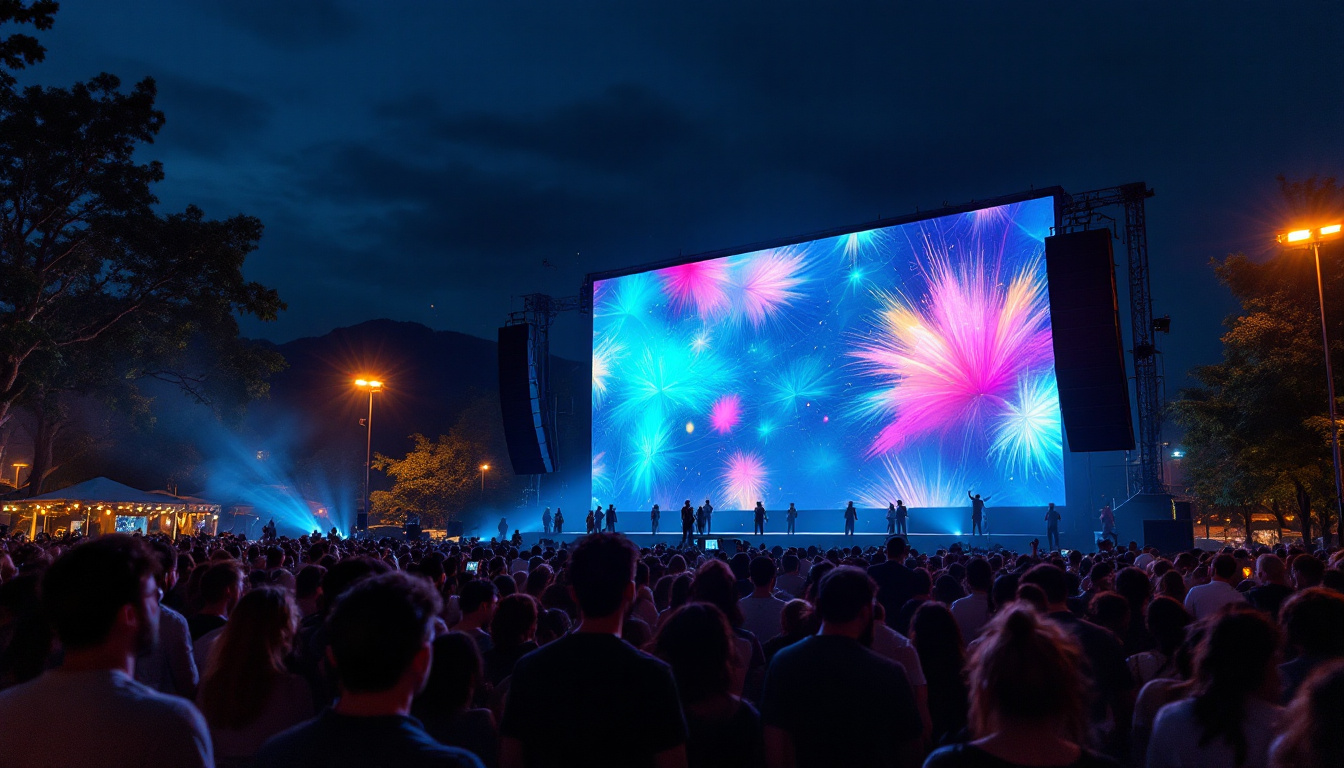
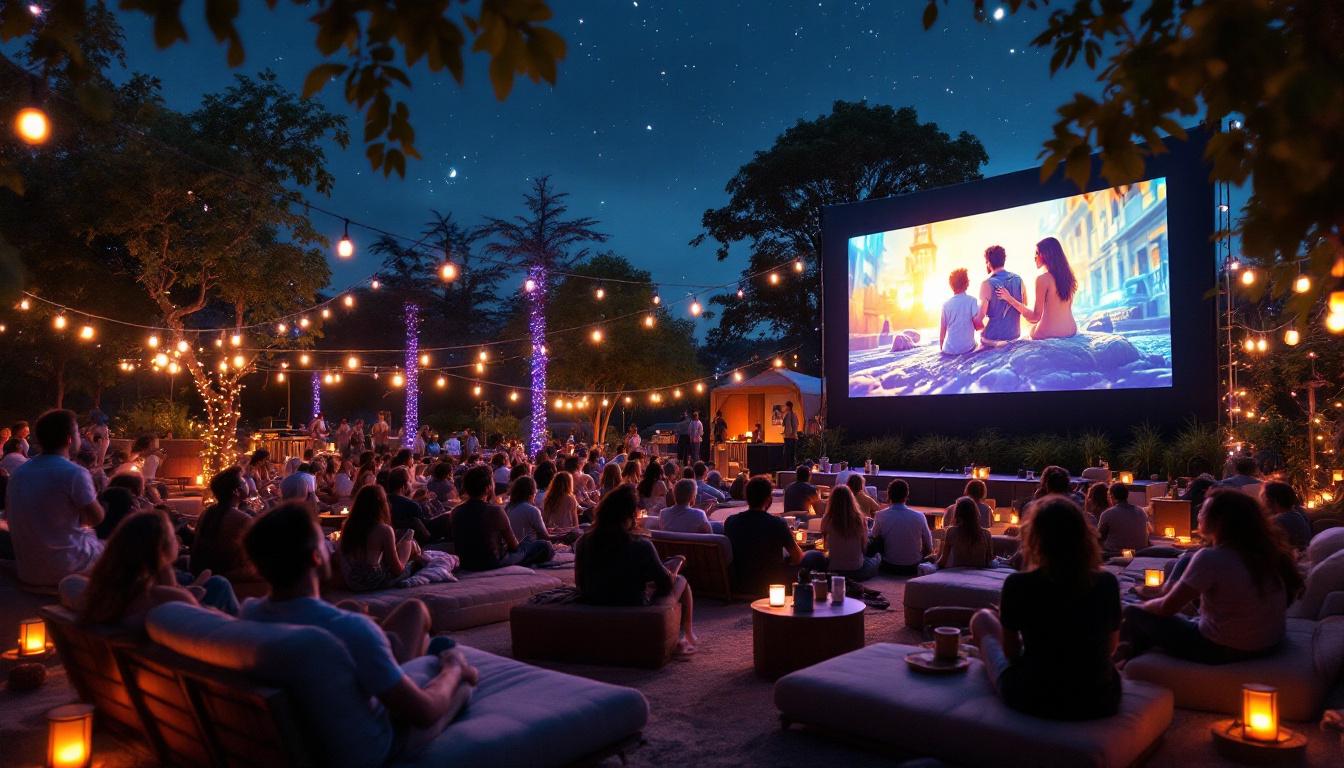
Stadiums and concert arenas employ massive LED screens to enhance the spectator experience. These displays show live action replays, scores, advertisements, and interactive content, contributing to an immersive environment.
The 2022 FIFA World Cup showcased some of the most advanced outdoor LED screens, with ultra-high-definition displays providing crisp visuals visible to tens of thousands of fans simultaneously.
Technical Considerations for Outdoor LED Display Deployment
Pixel Pitch and Resolution
Choosing the appropriate pixel pitch is critical for ensuring image clarity and cost efficiency. Outdoor LED screens typically have pixel pitches ranging from 4mm to 20mm or more. A smaller pixel pitch offers higher resolution but increases cost and power consumption.
For example, a screen with a 10mm pixel pitch is suitable for viewing distances of 10 meters or more, making it ideal for roadside billboards or building facades. Conversely, screens intended for close viewing, such as in outdoor retail spaces, may require finer pixel pitches.
Brightness and Color Calibration
Brightness levels must be carefully calibrated to balance visibility and energy use. Overly bright displays can cause light pollution and discomfort, while insufficient brightness reduces effectiveness.
Color calibration ensures consistent and accurate color reproduction across the entire display, which is essential for brand integrity and viewer engagement. Advanced LED controllers and software facilitate precise calibration and content management.
Installation and Maintenance
Proper installation is vital for safety, performance, and longevity. Structural supports must accommodate the weight and wind load of large LED screens, especially in high-rise or exposed locations.
Regular maintenance, including cleaning, inspection, and component replacement, helps prevent failures and prolongs the display’s service life. Modular design of LED panels simplifies maintenance by allowing quick replacement of faulty sections.
Future Trends in Outdoor LED Display Technology
Mini-LED and Micro-LED Innovations
Emerging technologies like Mini-LED and Micro-LED promise even higher resolution and brightness with improved energy efficiency. These advancements will enable outdoor displays to deliver sharper images and richer colors, further enhancing viewer experience.
Integration with Smart Technologies
Integration with IoT devices and AI-driven content management systems is transforming how outdoor LED displays operate. Smart displays can adapt content based on environmental conditions, audience demographics, or real-time data, offering personalized and context-aware messaging.
Sustainability and Eco-Friendly Designs
As environmental concerns grow, manufacturers are focusing on eco-friendly materials, energy-saving components, and recyclable designs. Solar-powered LED displays and advanced energy management systems are becoming more common, aligning outdoor advertising with sustainability goals.
Conclusion
Outdoor large screen LED displays have become a cornerstone of modern visual communication, offering unparalleled brightness, durability, and flexibility. Their ability to deliver dynamic content in diverse environments makes them invaluable across advertising, public safety, and entertainment sectors.
Understanding the technology, benefits, and deployment considerations is essential for organizations looking to leverage these powerful tools effectively. As LED technology continues to evolve, outdoor displays will become even more impactful, interactive, and sustainable, shaping the future of public visual experiences.
Illuminate Your Space with LumenMatrix
Ready to elevate your visual communication with the brilliance of LED technology? LumenMatrix is at the forefront of innovation, offering a diverse range of LED display solutions tailored to your needs. From vibrant outdoor displays that withstand the elements to immersive indoor experiences, our products are designed to captivate and engage. Discover how LumenMatrix can transform your space and bring your vision to life. Check out LumenMatrix LED Display Solutions and start making an unforgettable impact today.