In today’s fast-paced digital world, capturing attention quickly and effectively is crucial for businesses, event organizers, and public service providers alike. One of the most dynamic and versatile tools available for visual communication is the LED signage board. These displays have revolutionized the way information is presented in public spaces, offering bright, vivid, and customizable content that can adapt to a variety of needs. This article delves into the world of LED signage boards, explaining what they are, how they work, their benefits, and considerations for choosing the right LED display solution.
What Are LED Signage Boards?
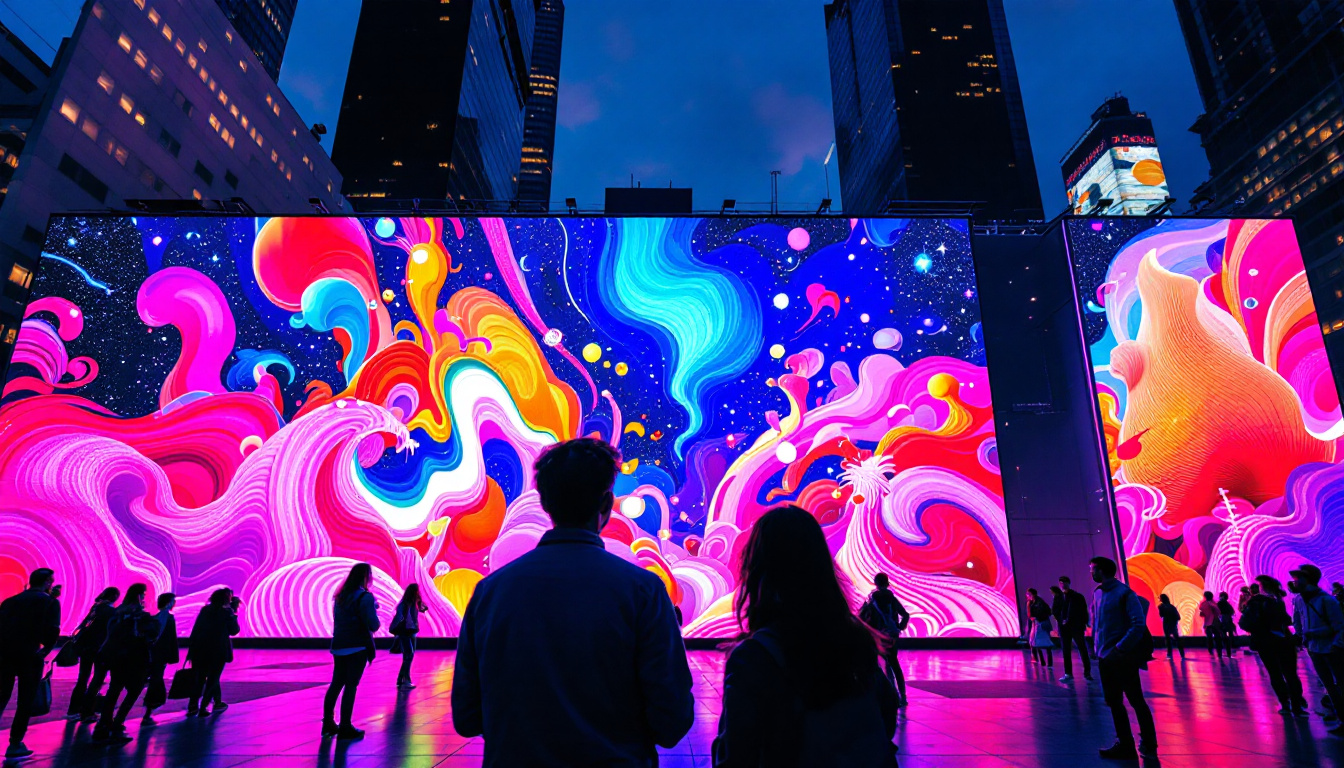
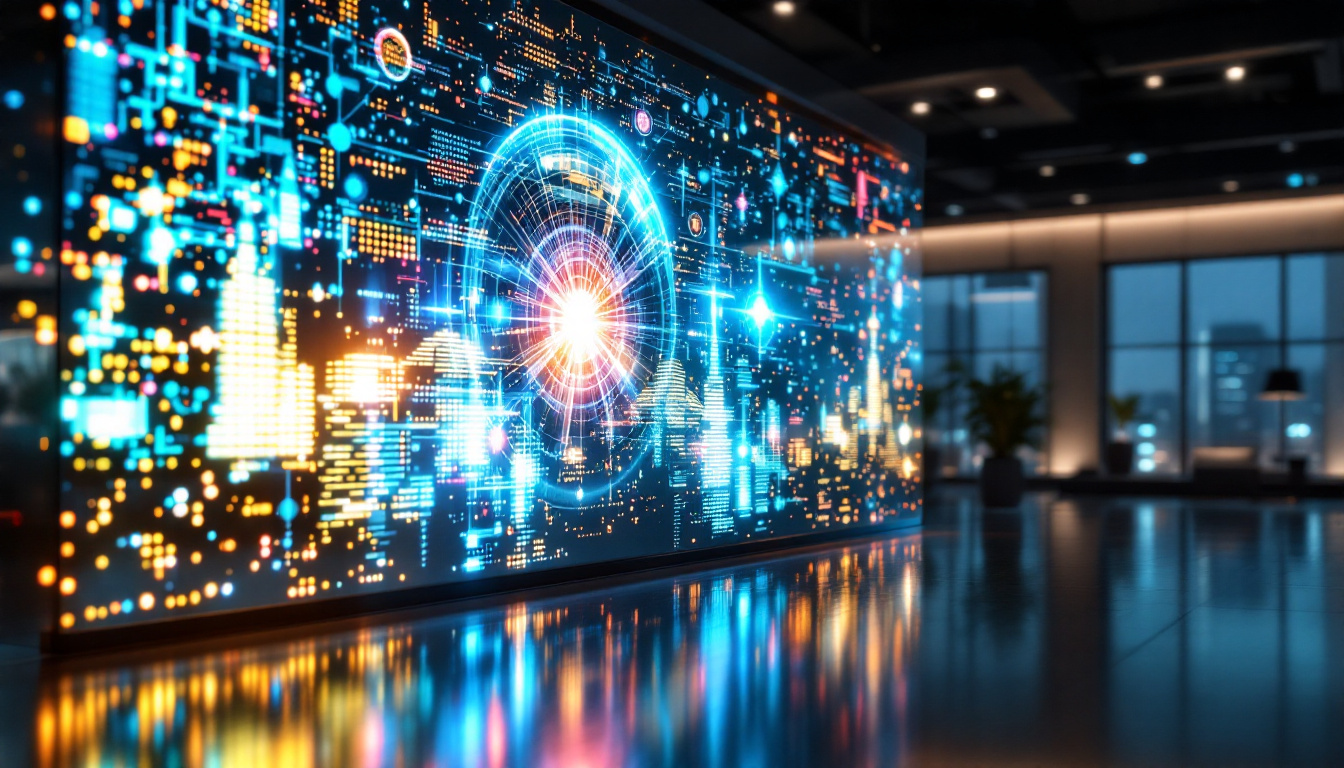
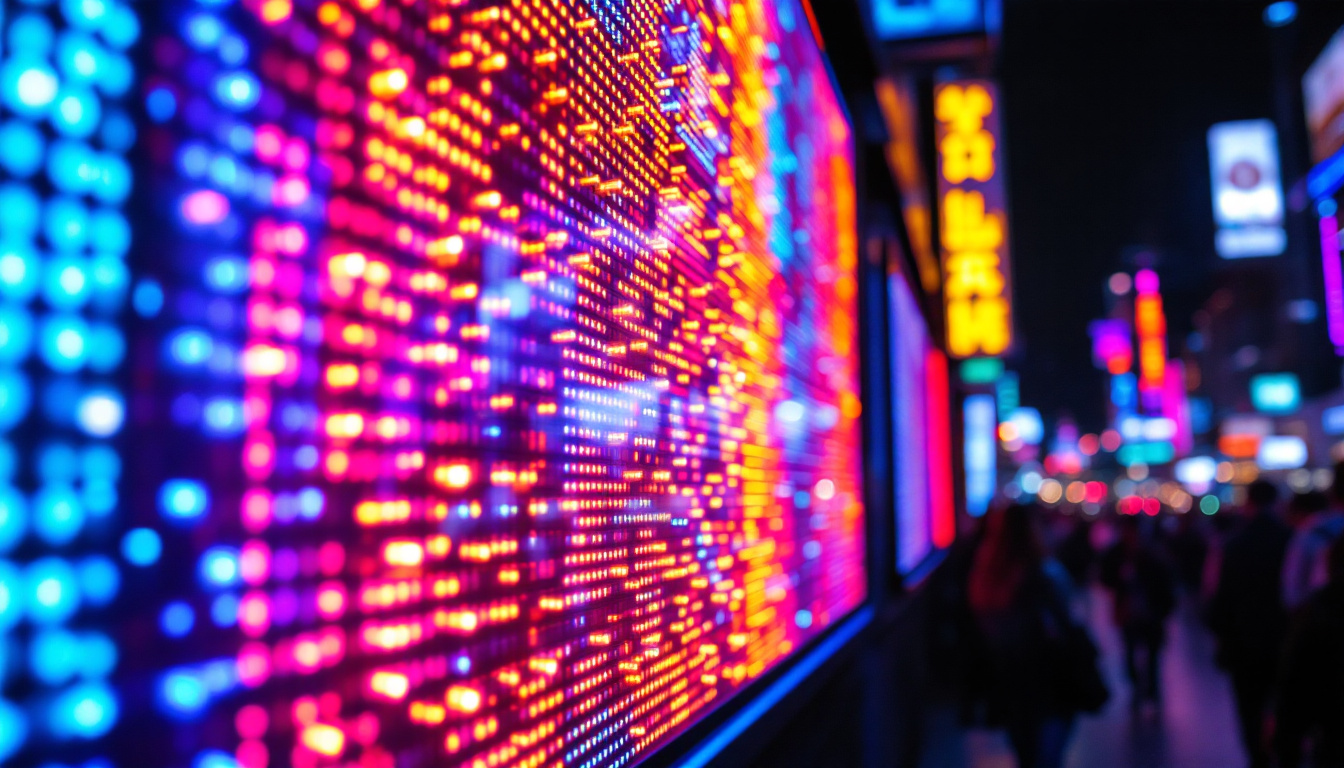
LED signage boards are digital display panels made up of light-emitting diodes (LEDs) that form images, videos, or text. Unlike traditional static signs, LED boards can change their content dynamically, allowing for real-time updates and interactive messaging. These boards are widely used in advertising, transportation hubs, retail environments, sports arenas, and public information systems.
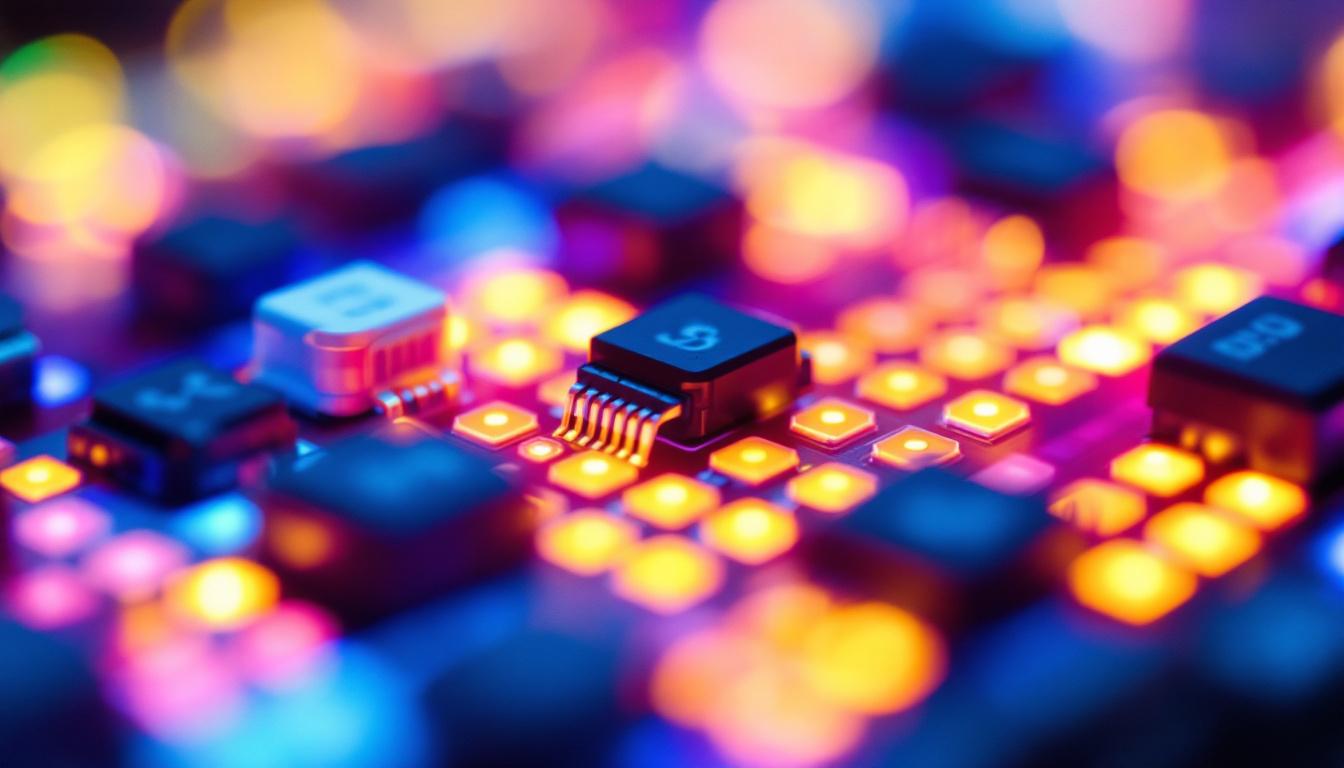
The core technology behind LED signage involves tiny semiconductor devices that emit light when an electric current passes through them. By arranging thousands of these LEDs in a matrix, the display can produce a wide range of colors and brightness levels, creating high-resolution images and animations visible even in bright daylight. This versatility makes LED signage an essential tool for businesses looking to capture attention and convey messages effectively.
Moreover, LED signage boards are energy-efficient compared to traditional lighting solutions, consuming significantly less power while providing superior brightness and clarity. This not only reduces operational costs for businesses but also contributes to a lower carbon footprint, making them a more sustainable choice in the long run. As technology continues to evolve, the lifespan of these boards has also improved, with many models now offering over 100,000 hours of operational time before requiring replacement, further enhancing their cost-effectiveness.
Types of LED Signage Boards
LED signage boards come in several types, each suited to different applications:
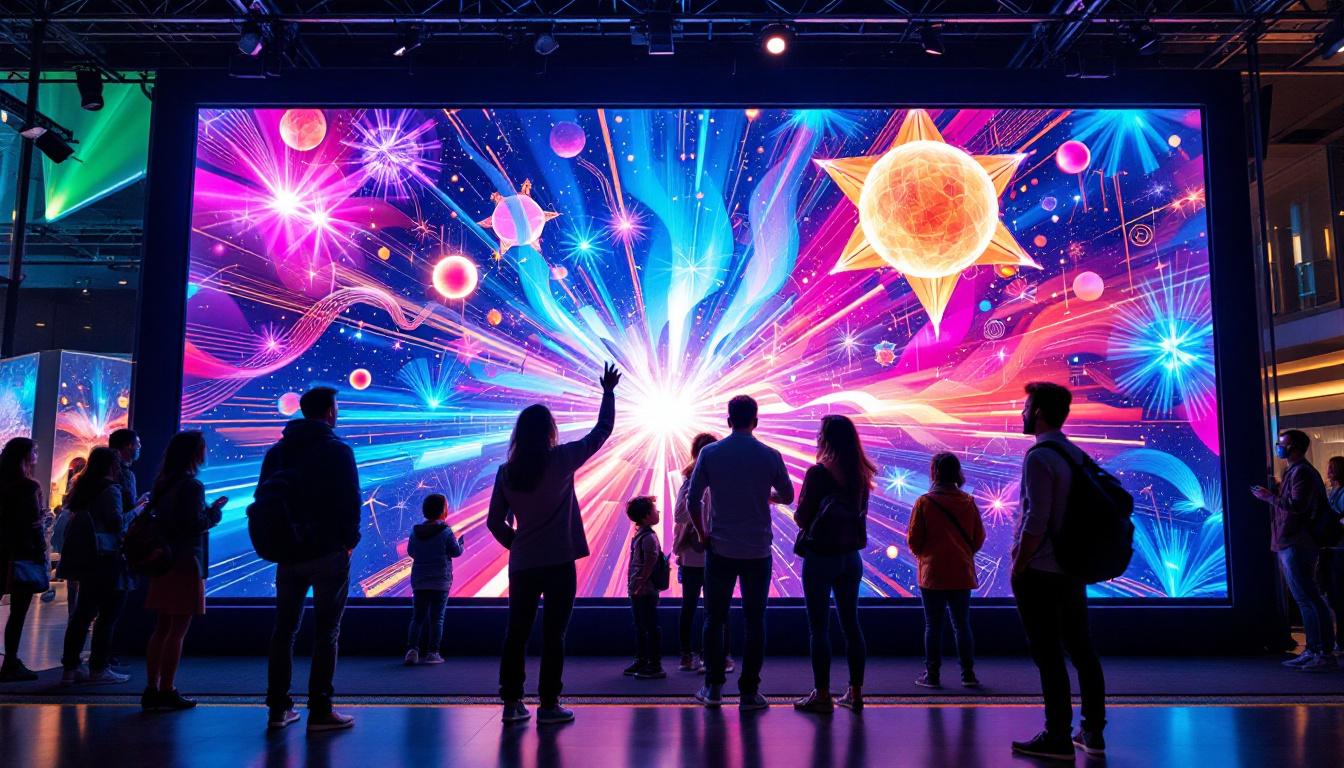
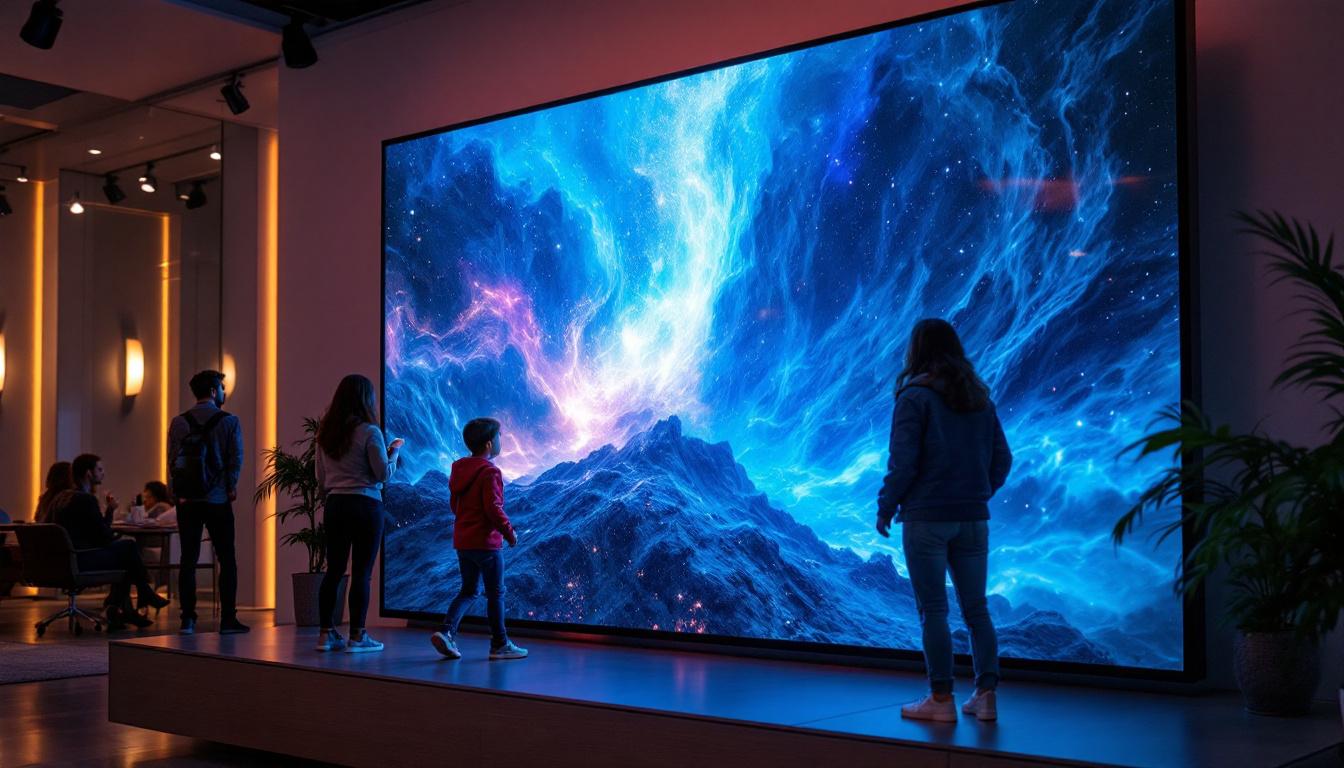
- Indoor LED Displays: Designed for environments like shopping malls, conference halls, and retail stores, these displays prioritize high resolution and color accuracy over brightness since they are viewed in controlled lighting. They often feature advanced technologies such as high refresh rates, ensuring smooth video playback and vibrant visuals that engage customers and enhance the shopping experience.
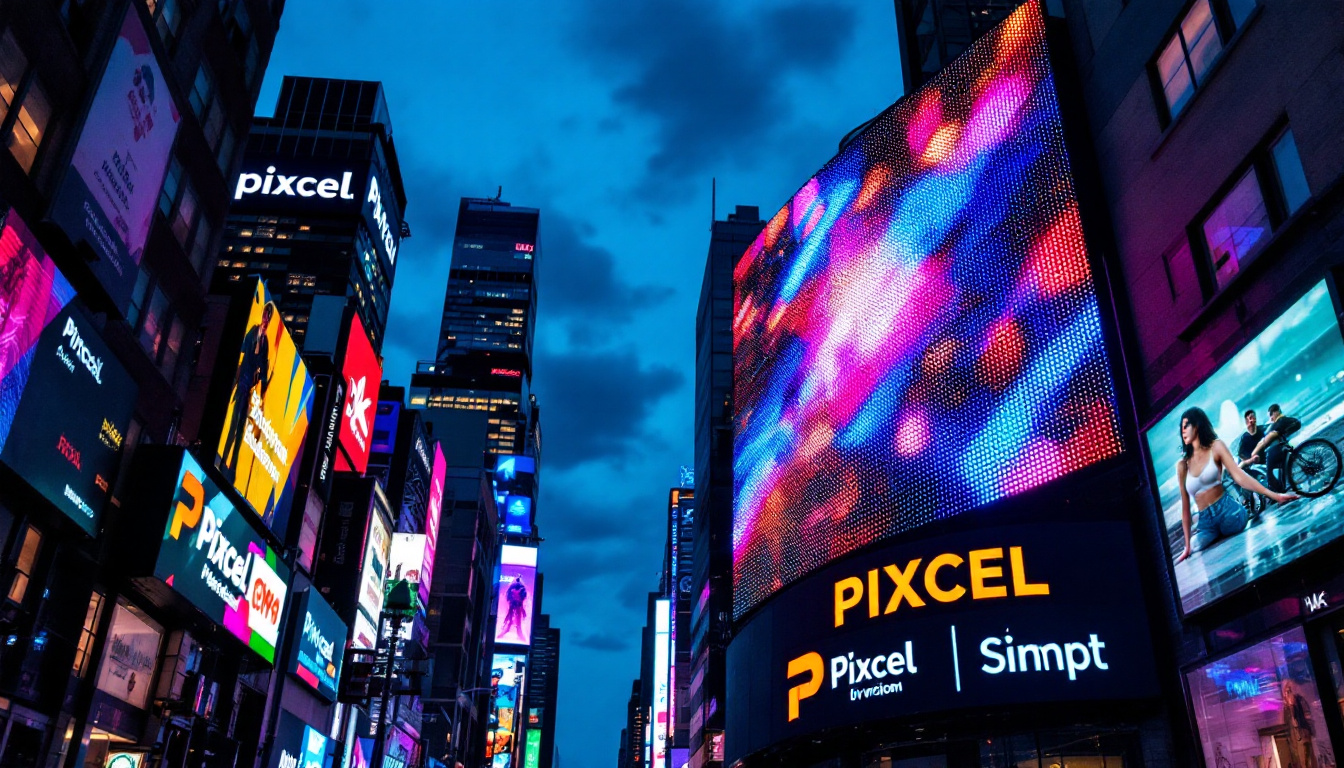
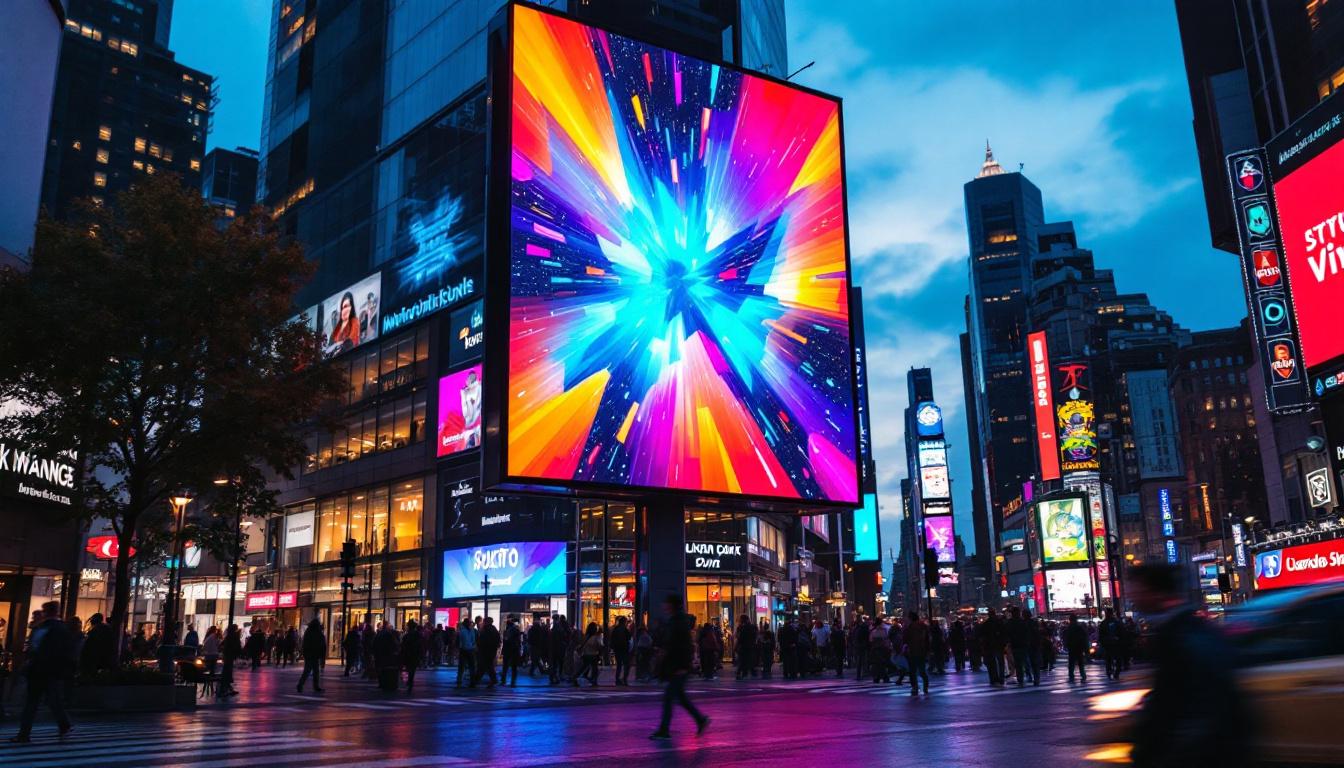
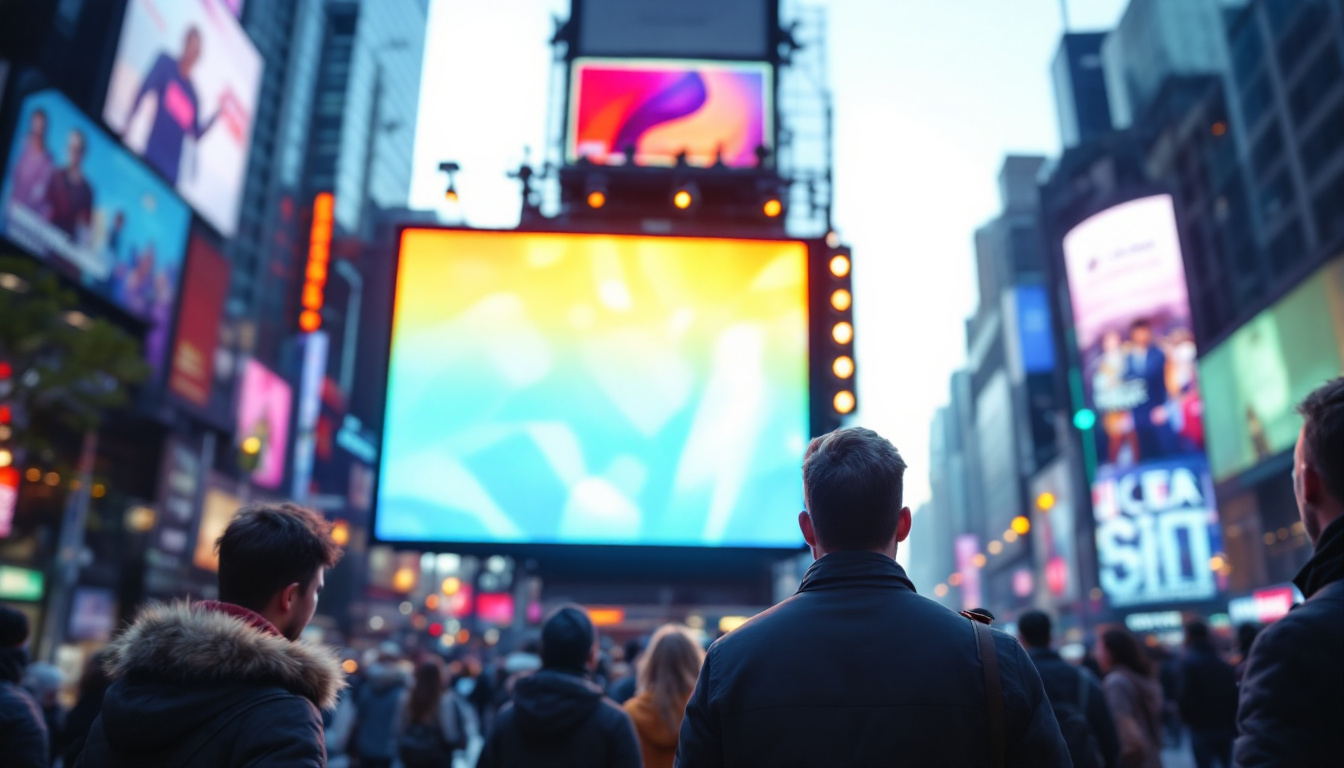
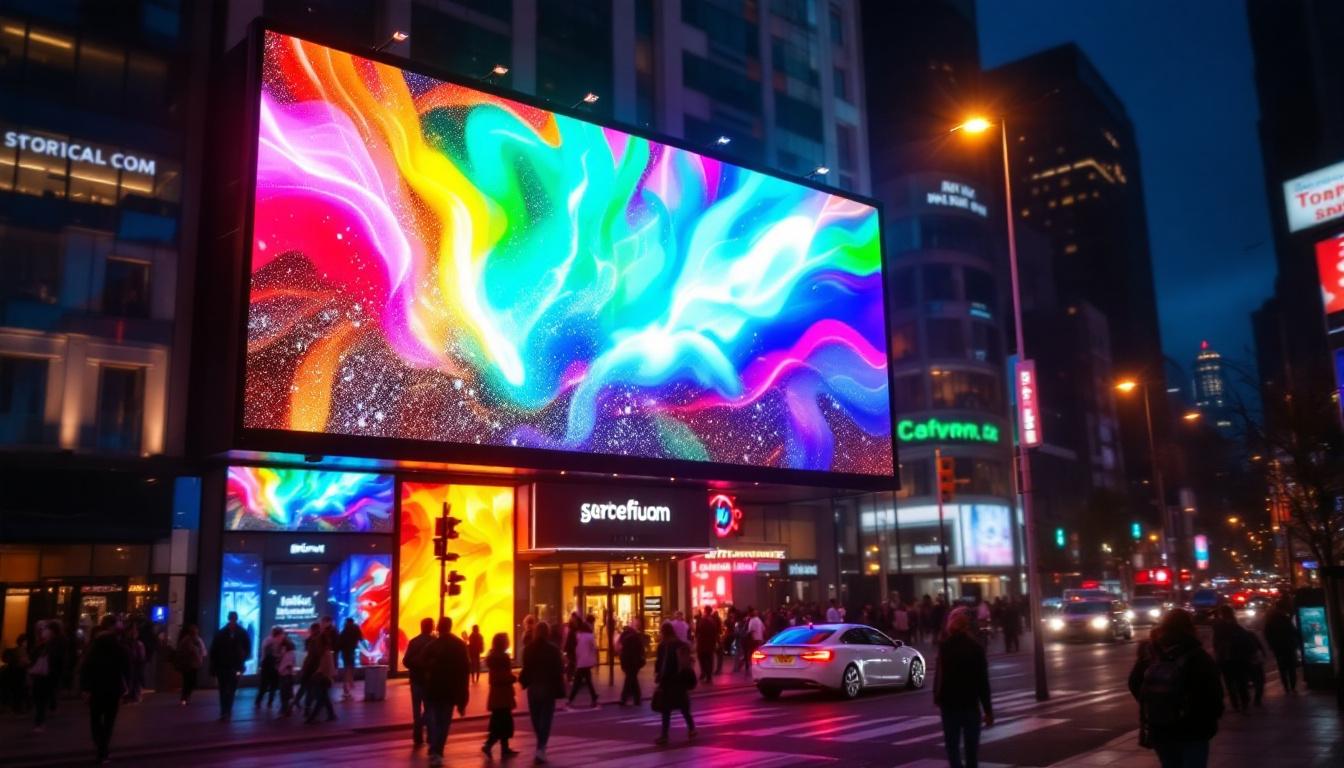
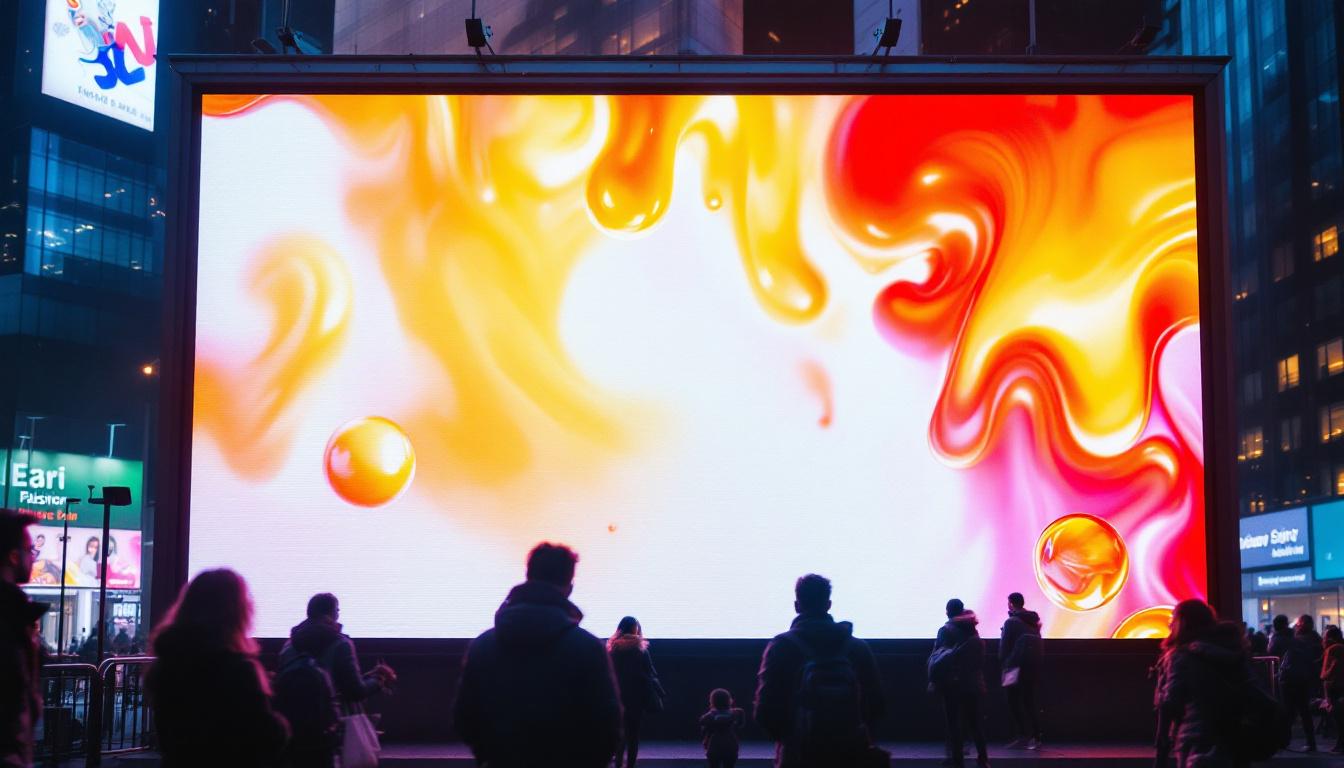
- Outdoor LED Displays: Built to withstand weather conditions and direct sunlight, outdoor boards are significantly brighter and often feature weatherproof casings. They are commonly used for billboards, stadium screens, and traffic signs. These displays are engineered to maintain visibility under varying environmental conditions, ensuring that messages are conveyed effectively regardless of the time of day or weather.
- Transparent LED Displays: These innovative boards allow light to pass through the screen, making them ideal for storefront windows where visibility both inside and outside is desired. This unique feature enables businesses to showcase products while simultaneously displaying advertisements, creating a seamless blend of functionality and aesthetics.
- Flexible LED Displays: Utilizing bendable substrates, these boards can be curved or shaped to fit unique architectural designs, offering creative display options. This flexibility allows for innovative installations that can adapt to various environments, from artistic installations in galleries to dynamic displays in modern retail spaces.
How LED Displays Work: The Technology Behind the Glow
Understanding the technology behind LED signage boards helps appreciate their capabilities and limitations. At the heart of these displays are LEDs, which are semiconductor devices that emit light when energized. The specific arrangement and control of these LEDs determine the quality and type of content displayed.
Pixel Structure and Resolution
Each LED or cluster of LEDs represents a pixel on the screen. The resolution of an LED display is defined by the number of pixels it contains horizontally and vertically. Higher resolution means more pixels and finer detail, which is particularly important for indoor displays viewed up close.
Outdoor LED boards often have lower resolution but compensate with larger pixel pitch — the distance between individual pixels — to maintain visibility from a distance. For example, a billboard might have a pixel pitch of 10mm or more, while an indoor display could have a pitch as small as 1mm. This difference in pixel structure not only affects the clarity of the images but also influences the overall design and placement of the displays in various environments, ensuring that they serve their intended purpose effectively.
Color and Brightness Control
Modern LED displays use red, green, and blue (RGB) LEDs to create a full spectrum of colors through additive color mixing. By varying the intensity of each color LED, the display can produce millions of colors, enabling vibrant and eye-catching visuals.
Brightness is measured in nits (candelas per square meter). Outdoor LED displays often reach brightness levels of 5,000 to 10,000 nits to remain visible in direct sunlight, whereas indoor displays typically operate between 800 to 1,500 nits. This capability not only enhances visibility but also allows for dynamic content that can adapt to different lighting conditions, ensuring that advertisements and information are always legible and engaging, regardless of the time of day or weather conditions.
Refresh Rate and Viewing Angle
The refresh rate refers to how many times per second the display updates its image. Higher refresh rates reduce flicker, which is essential for video content and camera compatibility, especially in broadcasting environments.
Viewing angle is another critical factor, describing how well the display can be seen from different positions. Wide viewing angles ensure that the content remains clear and consistent even when viewed from the side, which is important in public spaces. This feature is particularly beneficial for large venues like stadiums or concert halls, where audiences are spread out over a wide area. The combination of high refresh rates and optimal viewing angles contributes to a more immersive experience, allowing viewers to enjoy high-quality visuals no matter where they are located in relation to the display.
Benefits of Using LED Signage Boards
LED signage boards offer numerous advantages over traditional signage and other digital display technologies, making them a preferred choice for many applications.
Dynamic Content and Real-Time Updates
One of the most significant benefits of LED signage is the ability to change content instantly. This flexibility allows businesses to tailor messages based on time of day, audience demographics, or current promotions. For public service announcements or emergency alerts, real-time updates can be critical.
Energy Efficiency and Longevity
LED technology is known for its energy efficiency compared to incandescent or fluorescent lighting. LEDs consume less power, reducing operational costs over time. Additionally, LED signage boards have long lifespans, often exceeding 100,000 hours of use, minimizing maintenance and replacement expenses.
High Visibility and Impact
The brightness and color vibrancy of LED displays ensure that messages stand out in crowded or visually noisy environments. Whether it’s a roadside billboard or a retail window display, LED signage captures attention effectively, increasing engagement and brand recall.
Customization and Interactivity
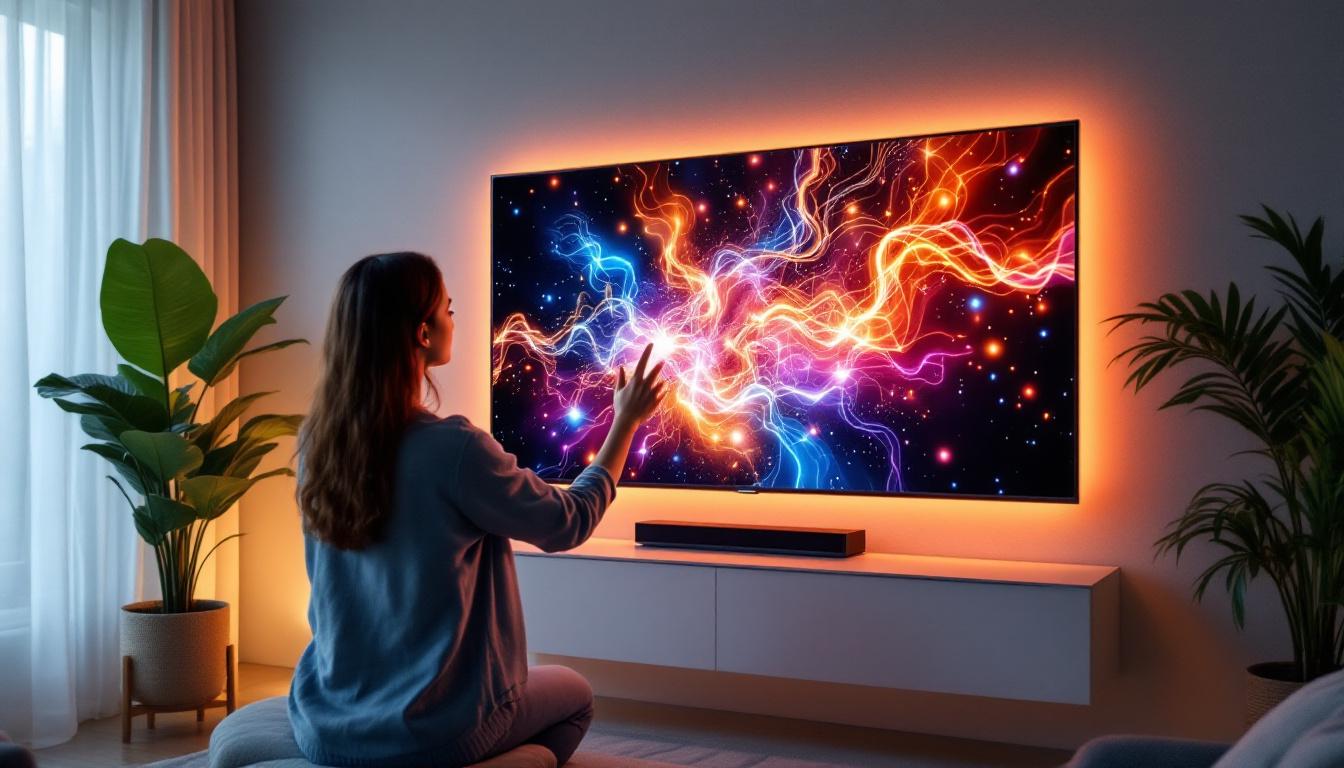
Modern LED signage systems can integrate with software platforms that enable scheduling, remote management, and even interactive features like touch screens or motion sensors. This adaptability opens up creative possibilities for marketing campaigns and customer engagement.
Choosing the Right LED Signage Board
Selecting an LED signage board involves considering several factors to ensure the display meets specific needs and delivers the desired impact.
Assessing the Application Environment
Understanding where the display will be installed is crucial. Indoor environments require different specifications than outdoor settings. For example, an outdoor board must be weather-resistant and bright enough to combat sunlight, while indoor boards focus on resolution and color accuracy.
Determining Viewing Distance and Angle
The distance from which the audience will view the display influences pixel pitch and size. For viewers close to the screen, a smaller pixel pitch is necessary for clarity. Conversely, larger pixel pitches are acceptable for distant viewing, such as highway billboards.
Content Type and Complexity
The nature of the content—whether static images, scrolling text, video, or interactive media—affects the choice of display technology and software. High-motion video requires higher refresh rates and processing power, while simple text displays may not.
Budget and Total Cost of Ownership
While LED signage boards can be a significant investment, considering the total cost of ownership—including installation, maintenance, energy consumption, and potential upgrades—is essential. High-quality LED displays may have higher upfront costs but offer better durability and performance.
Emerging Trends in LED Signage Technology
The LED signage industry continues to evolve, driven by advancements in technology and changing user expectations. Staying informed about emerging trends can help businesses make future-proof decisions.
MicroLED and MiniLED Displays
MicroLED and MiniLED technologies represent the next generation of LED displays, offering even higher resolution, improved brightness, and better energy efficiency. MicroLEDs, in particular, promise OLED-like image quality without the drawbacks of organic materials, such as burn-in.
Integration with IoT and Smart Systems
LED signage boards are increasingly integrated with Internet of Things (IoT) platforms, allowing for smarter content management and data-driven advertising. For example, displays can adjust content based on real-time weather, traffic conditions, or audience demographics collected through sensors.
Eco-Friendly and Sustainable Solutions
As sustainability becomes a priority, manufacturers are focusing on eco-friendly materials and energy-saving designs. Some LED displays incorporate solar power or use recyclable components, aligning with corporate social responsibility goals.
Conclusion
LED signage boards have transformed the landscape of visual communication by offering bright, flexible, and engaging displays suitable for a wide range of applications. Understanding the technology, benefits, and factors involved in selecting the right LED display can empower businesses and organizations to maximize their impact and connect effectively with their audiences.
As LED technology continues to advance, the possibilities for creative and interactive signage will expand, making LED displays an indispensable tool in modern marketing and information dissemination.
Discover LumenMatrix’s Innovative LED Display Solutions
Ready to elevate your visual communication strategy with the latest in LED technology? Look no further than LumenMatrix, a pioneer in crafting LED display modules that bring your brand to life. From the vibrancy of an Indoor LED Wall Display to the robustness of an Outdoor LED Wall Display, and from the mobility of a Vehicle LED Display to the creativity of a Custom LED Display, LumenMatrix offers a comprehensive range of solutions designed to captivate and engage your audience. Embrace the future of digital signage with LumenMatrix and transform your space into a dynamic visual experience. Check out LumenMatrix LED Display Solutions today and start making a lasting impression.