In today’s fast-paced industrial and manufacturing environments, clear and efficient communication of production data is essential. One of the most effective tools for achieving this is the planer board line equipped with LED displays. These systems provide real-time, easily visible information to workers and management alike, enhancing operational efficiency and decision-making. This article delves into the intricacies of planer board lines with LED displays, explaining their function, benefits, and applications.
Understanding the Planer Board Line
A planer board line is a visual management tool used primarily in manufacturing and assembly environments to display key production metrics. Traditionally, these boards were simple chalkboards or whiteboards where supervisors manually updated data such as production targets, actual output, downtime, and quality issues. However, with advancements in technology, modern planer boards have evolved into sophisticated electronic displays, often using LED technology.
The main purpose of a planer board line is to provide an at-a-glance overview of production status, enabling workers and supervisors to quickly assess performance against targets. This promotes transparency, accountability, and rapid response to any issues that may arise on the production floor. By fostering a culture of continuous improvement, these boards encourage teams to collaborate and innovate, ultimately leading to enhanced productivity and efficiency.
Historical Context and Evolution
Before the digital era, production teams relied heavily on manual record-keeping and verbal communication to track progress. This method was prone to errors, delays, and misinterpretations. The introduction of electronic displays, particularly LED-based systems, revolutionized this process by automating data visualization and ensuring information was always up-to-date and visible from a distance. The shift from analog to digital not only improved accuracy but also allowed for the integration of advanced analytics, enabling teams to identify trends and make data-driven decisions.
Today’s planer board lines integrate with manufacturing execution systems (MES) and other industrial software, allowing seamless data flow and real-time updates without manual intervention. This integration has paved the way for more advanced features, such as predictive analytics and machine learning algorithms, which can forecast potential production bottlenecks and suggest corrective actions before issues escalate. Furthermore, the ability to customize displays according to specific production needs means that each team can tailor their visual management tools to best suit their operational goals, enhancing both engagement and performance on the shop floor.
What is an LED Display?
LED stands for Light Emitting Diode, a semiconductor device that emits light when an electric current passes through it. LED displays use arrays of these diodes to create bright, clear images or text. Their high visibility, energy efficiency, and durability make them ideal for industrial environments. The technology behind LEDs has evolved significantly over the years, leading to advancements in brightness, color range, and efficiency. This evolution has made LED displays not only a practical choice for industrial applications but also a popular option in consumer electronics, advertising, and public information systems.
Types of LED Displays Used in Planer Boards
LED displays come in various forms, each suited to different applications:
- Segment Displays: These are numeric or alphanumeric displays composed of segments that can be turned on or off to form characters. Commonly used for simple numerical data such as production counts or time, they are often found in clocks, counters, and basic indicators.
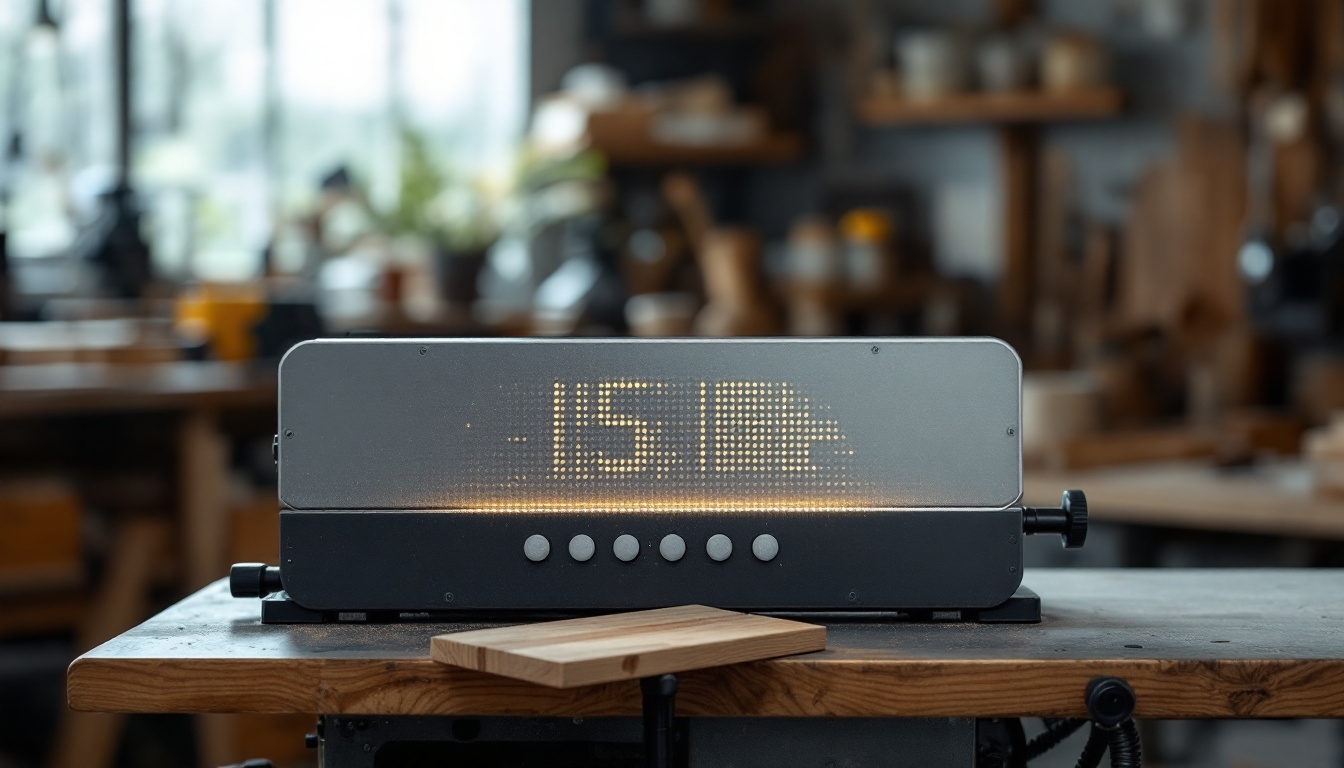
- Dot Matrix Displays: These consist of a grid of LEDs that can display more complex characters, symbols, or even simple graphics. They offer greater flexibility in the type of information displayed, making them ideal for environments where more detailed messages or alerts are necessary.
- Full-Color LED Panels: Although less common for planer boards, these can display detailed graphics and color-coded alerts, enhancing visual communication. Their ability to convey information through color can significantly improve response times in critical situations, allowing for immediate recognition of status changes or alerts.
Advantages of LED Displays in Industrial Settings
LED displays offer several key benefits that make them suitable for planer board lines:
- High Visibility: LEDs are bright and can be seen clearly even in brightly lit factory environments or from a distance, ensuring that information is accessible to all relevant personnel. This visibility is crucial in fast-paced industrial settings where quick decision-making is essential.
- Durability: LED displays are robust and can withstand harsh industrial conditions such as dust, vibration, and temperature fluctuations. Their solid-state construction means they are less prone to breakage compared to traditional glass displays.
- Energy Efficiency: Compared to other display technologies like LCDs or incandescent bulbs, LEDs consume less power, reducing operational costs. This energy efficiency not only contributes to lower electricity bills but also aligns with sustainability goals by reducing the overall carbon footprint of industrial operations.
- Longevity: LEDs have a long operational life, minimizing maintenance and replacement frequency. This longevity translates to less downtime and disruption in production, which is critical for maintaining efficiency in industrial processes.
Additionally, LED displays can be easily integrated with various control systems, allowing for real-time updates and monitoring. This capability is particularly beneficial in environments where conditions change rapidly, as it enables operators to respond swiftly to any issues that arise. Furthermore, the versatility of LED technology means that displays can be customized to fit specific needs, whether that involves size, shape, or functionality, thus providing tailored solutions for diverse industrial applications.
How Planer Board Lines with LED Displays Work
Modern planer board lines integrate LED displays with data input systems and software platforms to provide real-time production information. The process typically involves several components working in harmony:
Data Collection and Integration
Data is gathered from various sources such as machine sensors, barcode scanners, operator inputs, and enterprise resource planning (ERP) systems. This data is then transmitted to a central controller or computer system that processes and formats the information for display.
Integration with MES or ERP systems ensures that the data displayed on the planer board is accurate, consistent, and updated automatically without manual intervention.
Display and Visualization
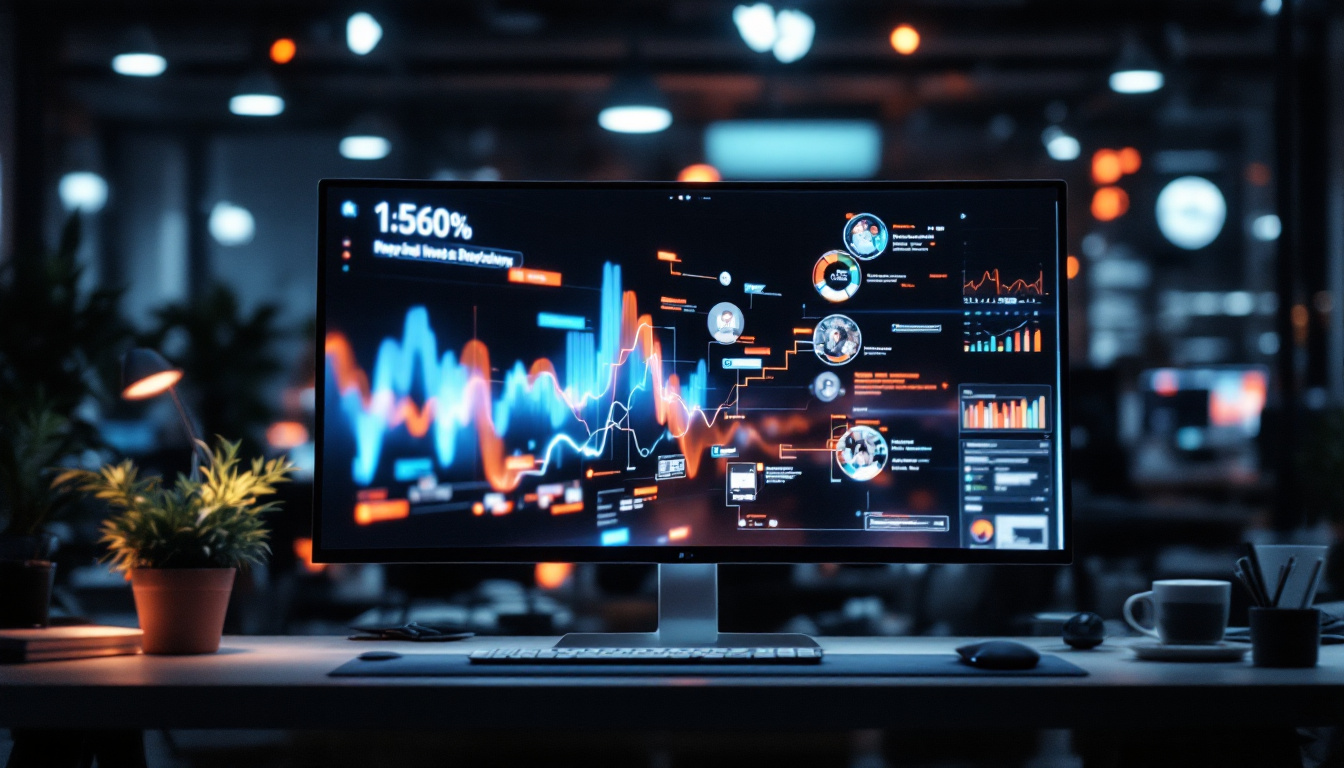
The processed data is sent to the LED display units, which visually present the information in a clear and organized manner. Common metrics shown on planer boards include:
- Production targets vs. actual output
- Cycle times and takt time
- Downtime and reasons for stoppages
- Quality metrics such as defect rates
- Safety alerts and messages
Color coding and flashing LEDs can be used to draw attention to critical issues or deviations from targets.
User Interaction and Feedback
Some planer board systems allow operators to input data directly via touchscreens or connected devices, enabling immediate updates on issues such as machine faults or quality concerns. This two-way communication enhances responsiveness and problem-solving on the shop floor.
Benefits of Using Planer Board Lines with LED Displays
Implementing LED-based planer board lines offers numerous advantages for manufacturing operations, contributing to improved productivity and workplace culture.
Improved Operational Transparency
By displaying real-time data openly, all team members gain visibility into production performance. This transparency fosters a culture of accountability and continuous improvement, as workers can see how their efforts impact overall goals.
Faster Decision Making
Instant access to up-to-date information allows supervisors and managers to identify bottlenecks, quality issues, or downtime causes quickly. Prompt decisions can be made to address these challenges, minimizing disruptions and maintaining smooth production flow.
Enhanced Employee Engagement
When workers see clear targets and progress indicators, motivation often increases. LED planer boards can also be used to recognize achievements or communicate safety messages, contributing to a positive and engaged workforce.
Reduced Errors and Miscommunication
Automated data display reduces the likelihood of errors associated with manual updates. Clear visual cues help prevent misunderstandings and ensure that everyone is aligned on production goals and status.
Applications Across Industries
Planer board lines with LED displays are versatile and find applications in various sectors beyond traditional manufacturing.
Automotive Manufacturing
In automotive assembly plants, where precision and timing are critical, LED planer boards track assembly line progress, quality checks, and part availability. This helps maintain just-in-time production schedules and reduces downtime.
Electronics Production
Electronics manufacturers use these systems to monitor complex assembly processes, ensuring that defect rates remain low and production targets are met. Real-time alerts on the planer board can signal issues such as component shortages or equipment failures.
Food and Beverage Industry
In food processing plants, LED displays on planer boards communicate hygiene status, batch counts, and safety compliance metrics. This supports regulatory adherence and product quality assurance.
Pharmaceutical Manufacturing
Strict quality control is paramount in pharmaceuticals. Planer boards with LED displays help track production parameters, batch traceability, and environmental conditions, ensuring compliance with industry standards.
Choosing the Right Planer Board LED Display System
Selecting an appropriate LED display system for a planer board line involves considering several factors to ensure it meets operational needs.
Display Size and Visibility
The size of the LED display should be chosen based on the viewing distance and the amount of information to be shown. Larger displays with higher resolution are suitable for bigger production areas or where more complex data is presented.
Environmental Considerations
Industrial environments can be harsh, so the display must be rated for dust, moisture, temperature extremes, and vibration. IP-rated enclosures and ruggedized components enhance durability.
Integration Capabilities
Compatibility with existing MES, ERP, and sensor systems is crucial for seamless data flow. Open communication protocols like OPC UA, Modbus, or Ethernet/IP facilitate integration.
User Interface and Customization
Ease of programming and customization allows the display to be tailored to specific production metrics and visual preferences. Some systems offer remote management and cloud connectivity for centralized control.
Future Trends in Planer Board LED Displays
As Industry 4.0 and smart manufacturing continue to evolve, planer board lines with LED displays are also advancing.
Integration with IoT and AI
Internet of Things (IoT) sensors and artificial intelligence (AI) analytics are increasingly integrated with planer boards to provide predictive insights and automated alerts. This proactive approach helps prevent downtime and optimize production.
Enhanced Interactivity
Touchscreen LED displays and mobile app interfaces enable greater interaction, allowing operators to input data, acknowledge alerts, and access detailed reports directly from the planer board.
Energy-Efficient and Sustainable Designs
New LED technologies focus on reducing energy consumption further and using environmentally friendly materials, aligning with corporate sustainability goals.
Conclusion
Planer board lines equipped with LED displays represent a significant advancement in industrial communication and production management. By providing real-time, visible, and accurate data, these systems enhance operational transparency, improve decision-making, and foster a culture of continuous improvement. As technology progresses, their role in smart manufacturing environments will only grow, making them an indispensable tool for modern production facilities.
For organizations aiming to boost productivity and maintain competitive advantage, investing in a well-designed planer board line with LED displays is a strategic move that delivers tangible benefits across multiple facets of manufacturing operations.
Discover LumenMatrix’s Advanced LED Solutions
Ready to elevate your production management to the next level? Explore LumenMatrix’s comprehensive range of LED display solutions, designed to bring your planer board line into the future of smart manufacturing. From Indoor and Outdoor LED Wall Displays to specialized solutions like Vehicle, Sports, and Floor LED Displays, LumenMatrix has the technology to transform your visual communication. Embrace the power of LED innovation and create an environment that not only informs but also engages. Check out LumenMatrix LED Display Solutions today and see the difference cutting-edge displays can make in your operations.