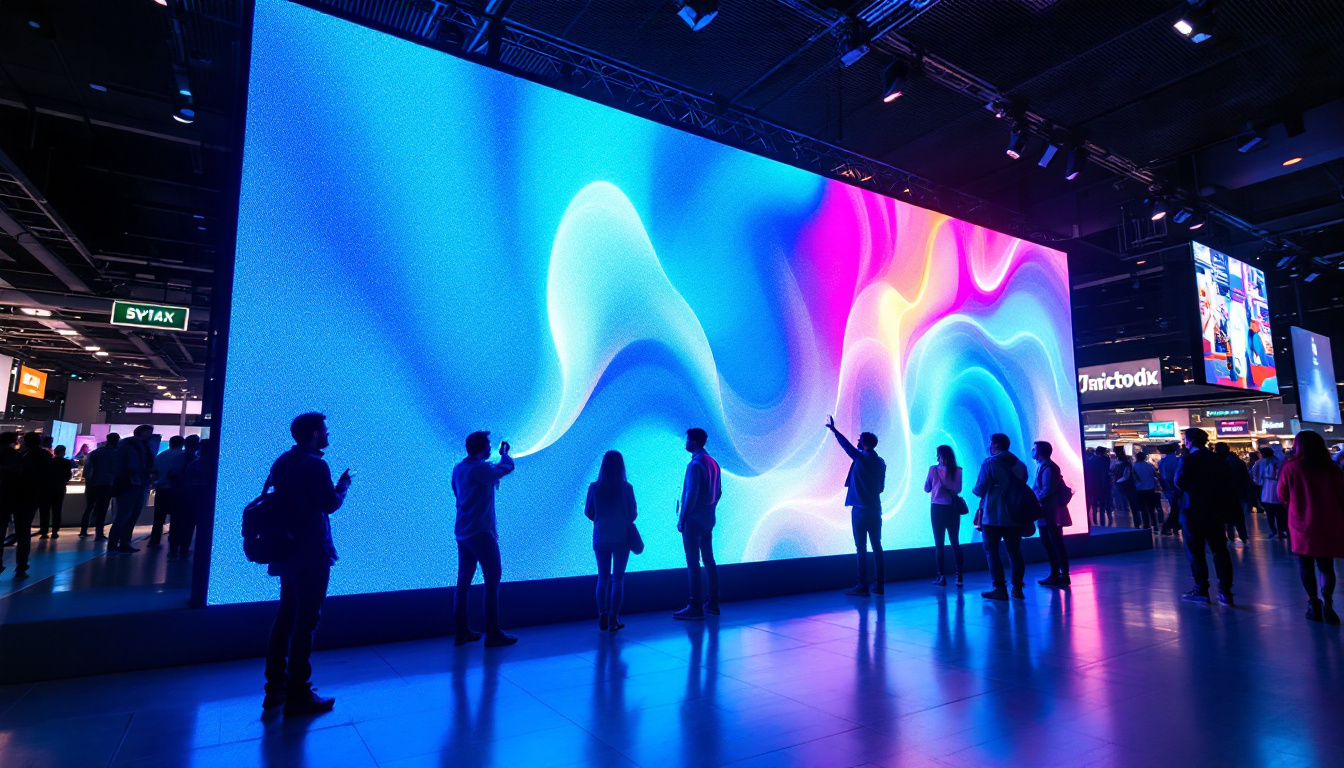
In the rapidly evolving world of display technology, understanding the components and mechanisms behind modern screens is essential for consumers, designers, and engineers alike. One of the most common and widely used display types today is the LCD panel with LED backlighting. This technology combines the precision of liquid crystal displays with the efficiency and brightness of LED lighting to deliver crisp, vibrant images across numerous devices—from smartphones and laptops to televisions and digital signage.
This article delves into the intricacies of LCD panels with LED backlights, explaining how they work, their advantages, and why they have become the standard in display technology. Whether you’re a tech enthusiast, a professional in the electronics industry, or simply curious about what makes your screen shine, this comprehensive guide will illuminate the subject clearly and thoroughly.
Understanding LCD Technology
What is an LCD Panel?
LCD stands for Liquid Crystal Display, a technology that uses liquid crystals to modulate light and produce images. Unlike traditional CRT displays that rely on electron beams, LCDs use a backlight and a matrix of liquid crystals sandwiched between two layers of glass or plastic. These crystals do not emit light themselves but instead control the passage of light to create images.
The liquid crystals in an LCD panel can be aligned in different ways when voltage is applied, allowing them to block or allow light to pass through color filters. This selective blocking and passing of light create the pixels that form the images on the screen. The precision in the alignment of these crystals is crucial, as it directly affects the clarity and color accuracy of the display, making it essential for applications ranging from televisions to computer monitors and mobile devices.
Moreover, advancements in LCD technology have led to the development of various types of LCD panels, such as Twisted Nematic (TN), In-Plane Switching (IPS), and Vertical Alignment (VA). Each type has its own strengths and weaknesses, with IPS panels generally offering better color reproduction and wider viewing angles, while TN panels are often favored for their faster response times, making them popular in gaming monitors.
How LCD Panels Work
At the core of an LCD panel is the manipulation of light polarization. The panel contains polarizing filters and liquid crystals that twist or untwist light waves based on electrical signals. When aligned correctly, light passes through color filters—red, green, and blue—to form the desired color output for each pixel.
However, because liquid crystals do not emit light, the panel requires a backlight to illuminate the display. This is where LED backlighting comes into play, providing the necessary light source behind the LCD panel. The use of LED backlighting not only enhances the brightness and contrast of the display but also contributes to energy efficiency compared to traditional fluorescent backlights. This shift has allowed manufacturers to create thinner and lighter displays, which are increasingly important in the design of portable devices.
In addition to backlighting advancements, modern LCD technology has also seen improvements in refresh rates and response times, which are critical for reducing motion blur in fast-moving images. This is particularly beneficial for gaming and high-definition video playback, where smooth transitions and vibrant colors can significantly enhance the viewing experience. Furthermore, with the rise of 4K and even 8K resolutions, LCD panels have evolved to accommodate higher pixel densities, allowing for sharper and more detailed images that bring content to life in ways previously unattainable.
The Role of LED Backlighting in LCD Displays
What is LED Backlighting?
LED backlighting refers to the use of Light Emitting Diodes (LEDs) as the source of illumination behind an LCD panel. Before LEDs became the standard, Cold Cathode Fluorescent Lamps (CCFLs) were commonly used as backlights. LEDs offer several advantages over CCFLs, including higher energy efficiency, longer lifespan, thinner form factors, and better color accuracy. The shift to LED technology has not only improved the performance of displays but has also contributed to a significant reduction in energy consumption, making devices more environmentally friendly. This transition has been particularly important in a world increasingly focused on sustainability and reducing carbon footprints.
Types of LED Backlighting
There are primarily two types of LED backlighting used in LCD displays:
- Edge-Lit LED: LEDs are placed along the edges of the screen, and light is distributed across the panel using light guides. This design allows for thinner displays but can sometimes result in uneven brightness or light bleed. Despite these potential drawbacks, edge-lit technology has enabled manufacturers to create sleek and stylish devices that appeal to consumers who prioritize aesthetics.
- Direct or Full-Array LED: LEDs are placed directly behind the LCD panel in a grid pattern. This configuration provides more uniform brightness and supports local dimming, which enhances contrast by dimming specific screen areas independently. Full-array backlighting is particularly advantageous for viewing high dynamic range (HDR) content, as it allows for deeper blacks and brighter highlights, significantly enhancing the overall viewing experience.
Each type has its own applications, with edge-lit displays being common in ultra-thin devices like laptops and smartphones, while direct LED backlighting is preferred for high-end televisions and monitors requiring superior image quality. Furthermore, the advancements in LED technology have led to the development of mini-LED and micro-LED backlighting, which promise even greater improvements in brightness, contrast, and color performance. Mini-LEDs, for example, utilize smaller diodes that allow for more precise local dimming zones, while micro-LED technology takes this a step further by eliminating the need for a backlight altogether, as each pixel emits its own light. This evolution in display technology is paving the way for a new generation of screens that deliver unparalleled visual fidelity and energy efficiency.
Advantages of LCD Panels with LED Backlight
Energy Efficiency and Environmental Impact
One of the most significant benefits of LED backlighting is its energy efficiency. LEDs consume considerably less power than CCFLs, contributing to longer battery life in portable devices and reduced electricity consumption in larger displays. According to recent studies, LED-backlit LCDs can use up to 40% less energy than their CCFL counterparts, making them a more environmentally friendly choice.
Additionally, LEDs do not contain mercury, a toxic element present in CCFLs, which simplifies disposal and reduces environmental hazards.
Improved Display Quality
LED backlighting enhances display brightness, contrast, and color accuracy. The ability to implement local dimming in full-array LED backlit panels allows for deeper blacks and more vivid colors, significantly improving the viewing experience. This is especially important for high dynamic range (HDR) content, which demands a wide range of luminance levels.
Moreover, LED backlights enable thinner and lighter display designs, which are crucial for modern mobile devices and sleek televisions.
Longer Lifespan and Durability
LEDs have a longer operational lifespan compared to CCFLs, often lasting tens of thousands of hours without significant degradation. This durability reduces the need for frequent replacements and maintenance, making LED-backlit LCDs a reliable choice for both consumers and commercial applications.
Applications of LCD Panels with LED Backlight
Consumer Electronics
LCD panels with LED backlighting dominate the consumer electronics market. Smartphones, tablets, laptops, and desktop monitors predominantly use this technology due to its balance of image quality, energy efficiency, and cost-effectiveness. For example, the vast majority of smartphones released in 2023 feature LCD or OLED displays with LED backlighting, underscoring its widespread adoption.
Television and Home Entertainment
LED-backlit LCD TVs have largely replaced older plasma and CCFL-backlit models. The ability to produce large, bright screens with excellent contrast and color fidelity has made this technology the preferred choice for home entertainment. According to market research, LED-backlit LCD TVs accounted for over 85% of global TV shipments in 2023, reflecting their dominant market position.
Commercial and Industrial Displays
In digital signage, medical imaging, and industrial control panels, LCDs with LED backlighting provide reliable, high-quality displays that perform well under various lighting conditions. Their energy efficiency and long lifespan are particularly valuable in commercial environments where displays operate continuously.
Comparing LCD with LED Backlight to Other Display Technologies
LCD with LED Backlight vs. OLED
Organic Light Emitting Diode (OLED) displays differ fundamentally from LCDs by emitting light at the pixel level, eliminating the need for a backlight. OLEDs offer superior contrast ratios, deeper blacks, and faster response times. However, they tend to be more expensive and can suffer from burn-in over time.
LCDs with LED backlighting remain popular due to their lower cost, higher brightness levels (especially in direct LED configurations), and longer lifespan. For many applications, especially where budget and brightness are priorities, LED-backlit LCDs are the preferred choice.
LCD with LED Backlight vs. CCFL-Backlit LCD
Compared to CCFL-backlit LCDs, LED-backlit models provide better energy efficiency, thinner designs, and improved color performance. CCFLs also have slower startup times and contain mercury, posing environmental concerns. These factors have led to the near-complete replacement of CCFL backlighting by LEDs in modern LCD displays.
Future Trends in LCD and LED Display Technology
Mini-LED and Micro-LED Innovations
Recent advancements have introduced mini-LED and micro-LED backlighting, which use thousands of tiny LEDs to provide even more precise local dimming and superior contrast. Mini-LED backlights are already appearing in premium monitors and televisions, offering performance closer to OLED at a lower cost.
Micro-LED technology, which integrates microscopic LEDs directly into the display pixels, promises the ultimate combination of brightness, efficiency, and durability. Although still emerging, micro-LED displays are expected to revolutionize the market in the coming years.
Integration with Quantum Dot Technology
Quantum dot enhancement films (QDEF) are often combined with LED backlighting to boost color accuracy and brightness. By converting blue LED light into highly pure red and green wavelengths, quantum dots allow LCDs to achieve a wider color gamut and more vibrant images, rivaling OLED performance in some cases.
Conclusion
The LCD panel with LED backlighting represents a mature, versatile, and widely adopted display technology that balances performance, efficiency, and cost. Its ability to deliver bright, colorful images in thin, energy-efficient packages has made it the backbone of modern display devices across consumer, commercial, and industrial sectors.
As innovations like mini-LED, micro-LED, and quantum dot enhancements continue to evolve, the future of LCD displays with LED backlighting looks promising. These advancements will push the boundaries of image quality and efficiency, ensuring that LED-backlit LCDs remain a vital part of the display landscape for years to come.
Discover Cutting-Edge LED Display Solutions
As you’ve seen, the world of display technology is constantly advancing, with LCD panels with LED backlighting at the forefront. If you’re inspired by the potential of these displays and looking to elevate your visual communication, look no further than LumenMatrix. As a pioneer in LED display technology, LumenMatrix offers an extensive range of innovative solutions, from Indoor and Outdoor LED Wall Displays to specialized options like Vehicle LED Displays and Custom LED Displays. Embrace the future of vibrant, energy-efficient displays and check out LumenMatrix LED Display Solutions to transform your space with captivating visual experiences.