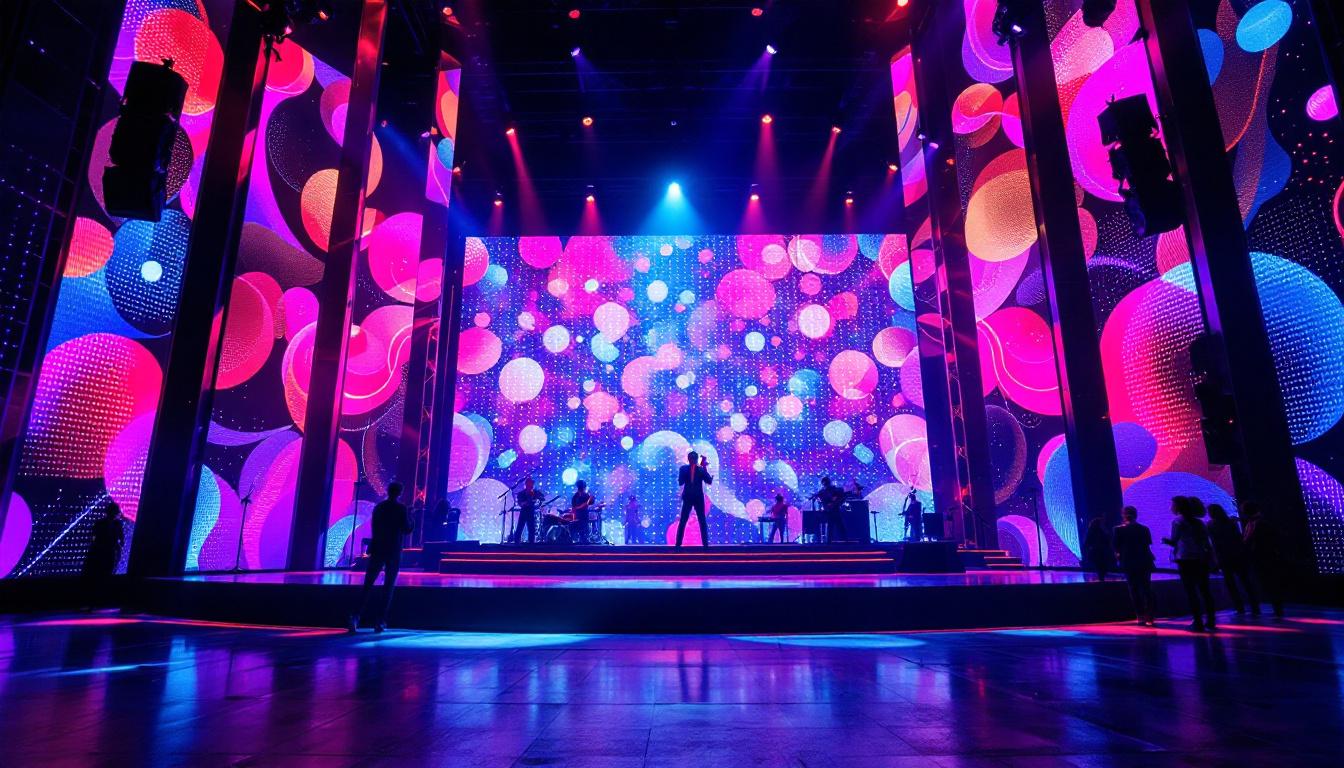
The world of theatrical production has witnessed remarkable technological advancements in recent years, transforming how stories are told on stage. Among these innovations, LED displays have emerged as a game-changer for theatrical backdrops, offering unparalleled flexibility, vibrancy, and creative potential. This article explores the ins and outs of LED display backdrops, their benefits, technical considerations, and why they are becoming the preferred choice for theaters, event producers, and rental companies worldwide.
Understanding LED Displays in Theatrical Settings
What Are LED Displays?
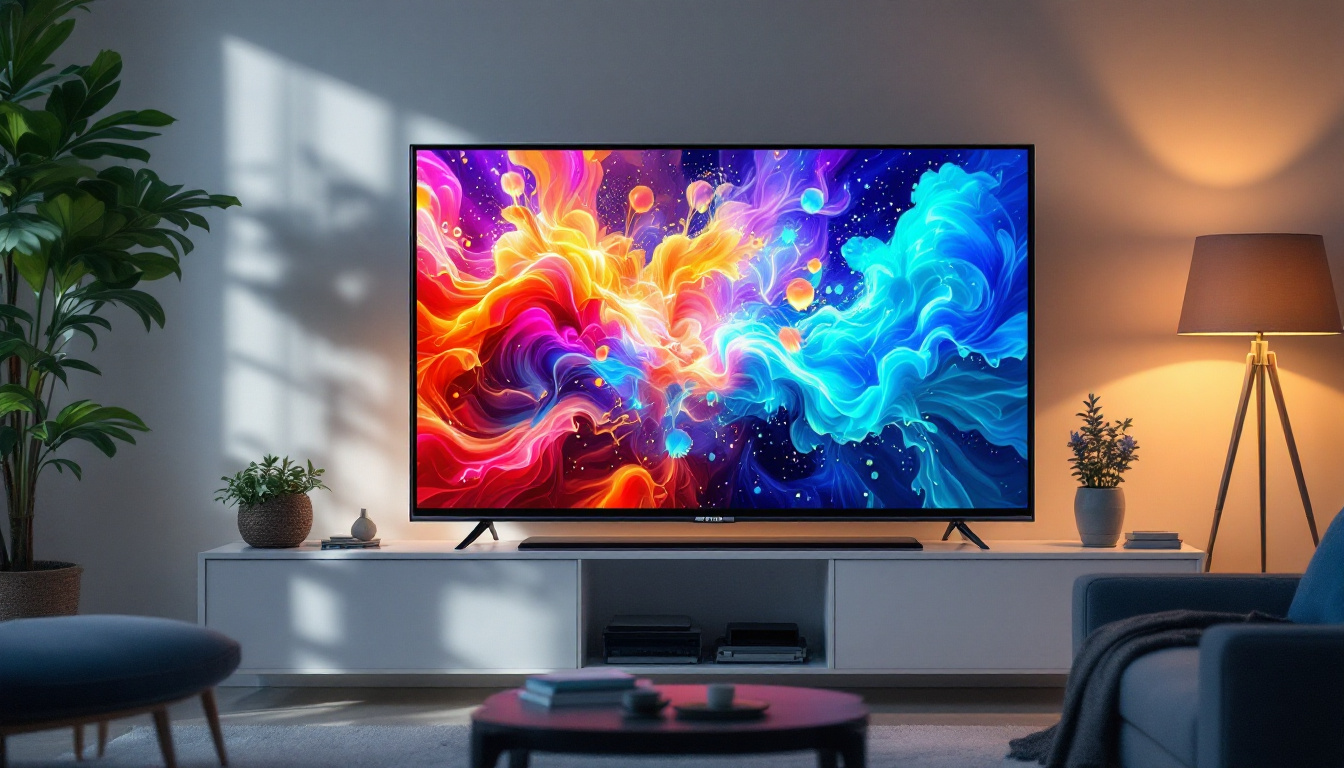
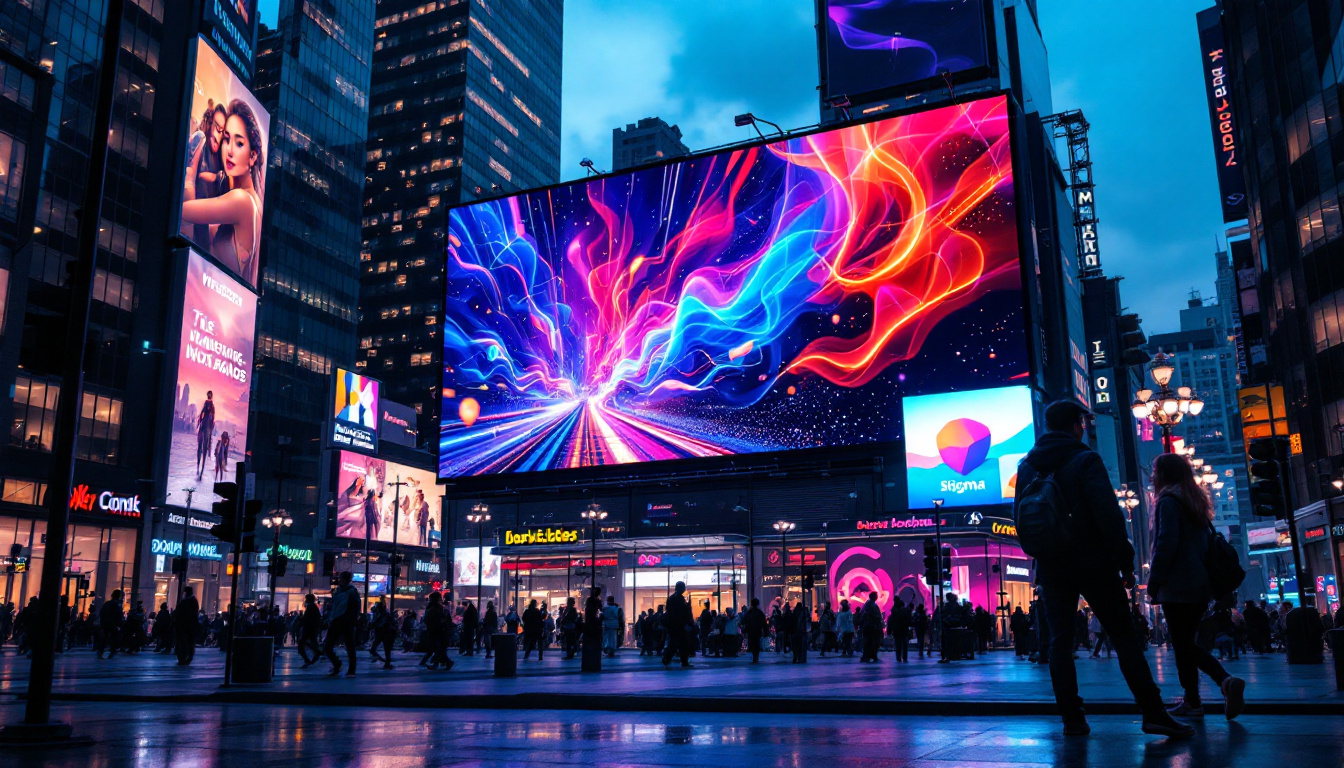
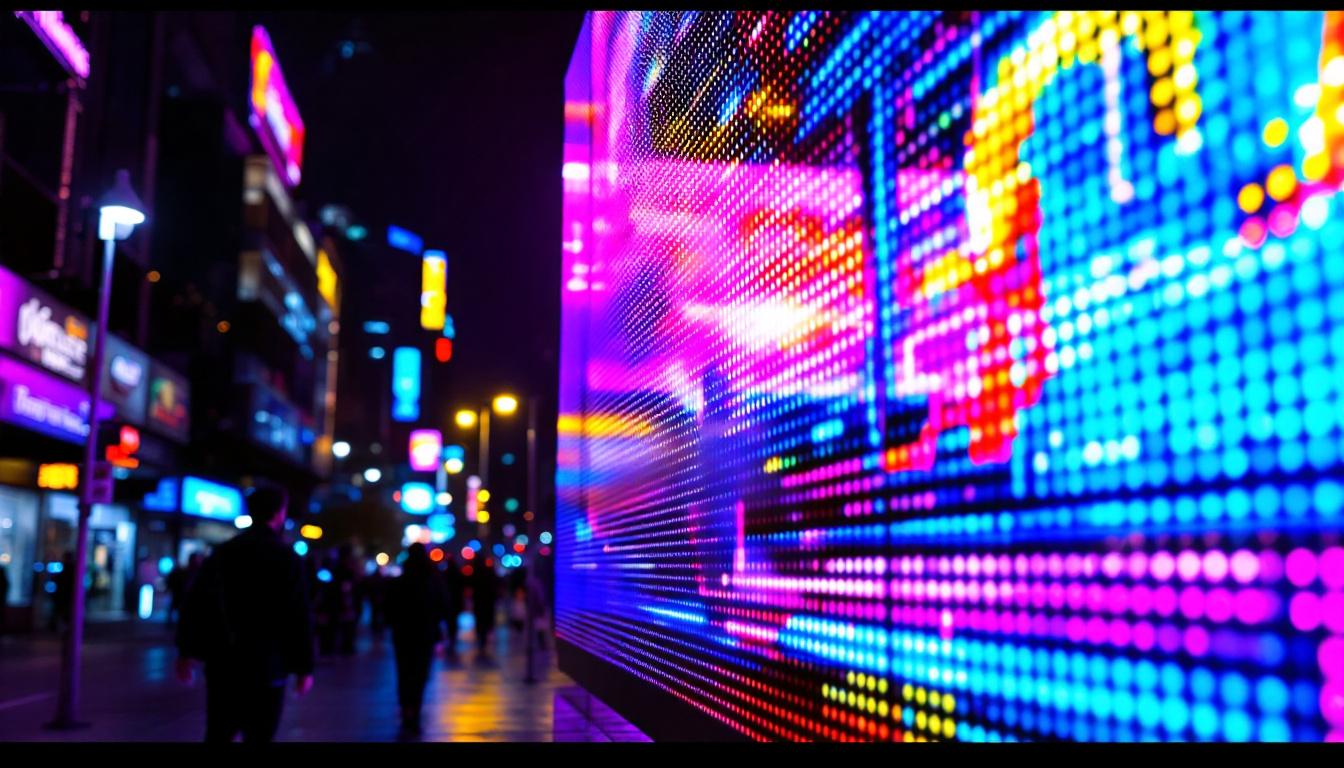
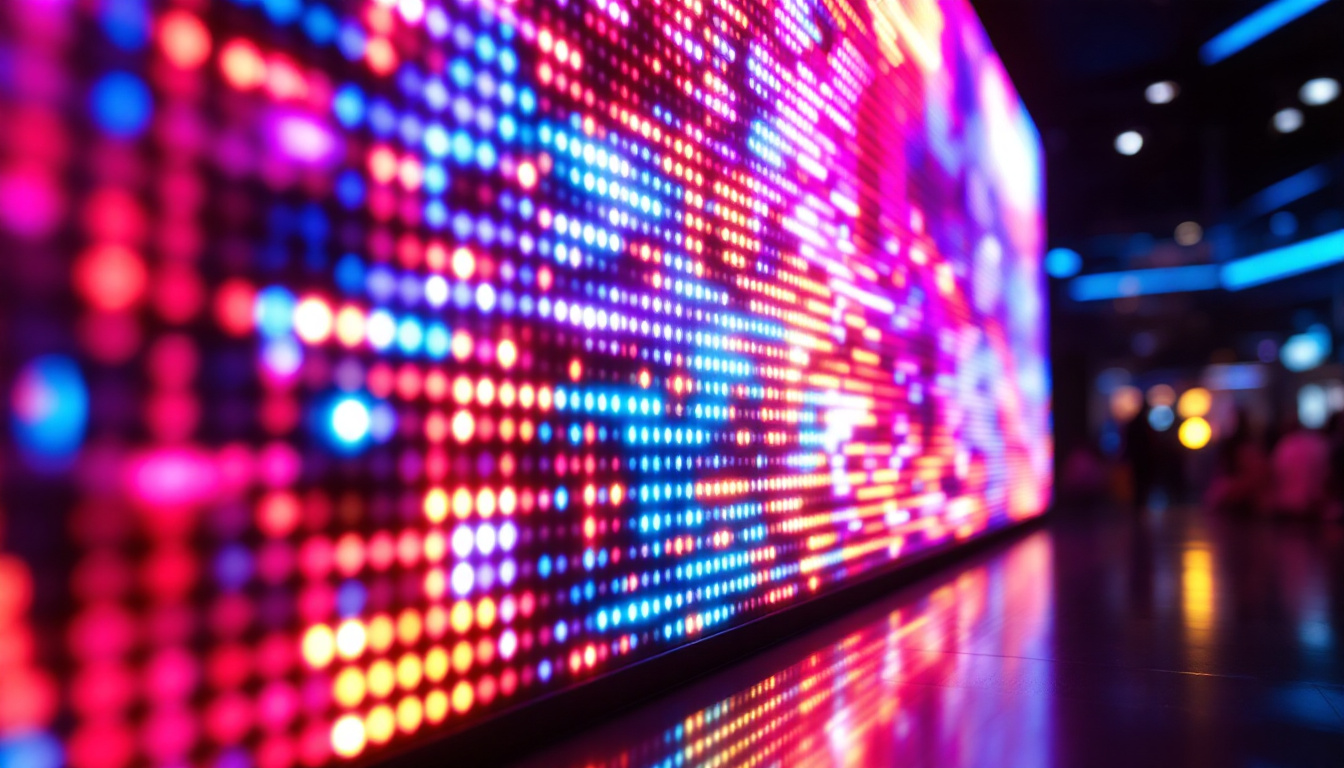
LED (Light Emitting Diode) displays consist of numerous tiny light sources arranged in a grid to create images, videos, or dynamic visual effects. Unlike traditional painted or printed backdrops, LED screens can change content instantly, allowing for versatile scene changes and immersive environments.
In theatrical contexts, these displays serve as digital canvases that can project anything from realistic landscapes to abstract animations, enhancing storytelling with vivid colors and motion. The modular nature of LED panels means they can be assembled in various sizes and shapes, fitting the unique spatial demands of different stages. This adaptability not only allows for seamless integration into existing stage designs but also opens up new creative possibilities for directors and designers, enabling them to craft visually stunning narratives that captivate audiences.
Moreover, LED displays can be synchronized with sound and lighting effects, creating a fully immersive experience that engages multiple senses. This synchronization can be particularly powerful during climactic moments in a performance, where the visual spectacle of the LED display aligns perfectly with the emotional peaks of the music or dialogue, enhancing the overall impact of the production.
Types of LED Displays for Theater
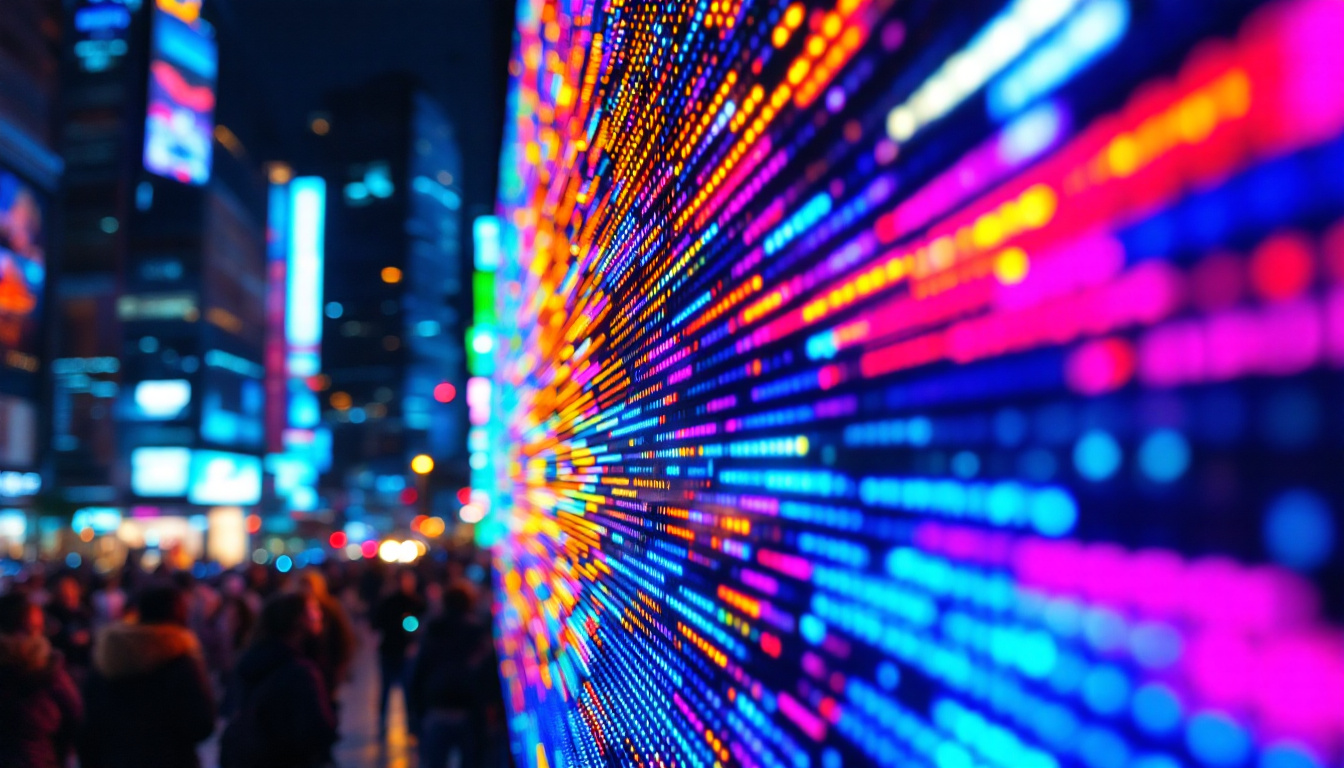
There are several types of LED displays suited for theatrical use, primarily differentiated by pixel pitch — the distance between individual LEDs. Smaller pixel pitches (e.g., 1.5mm to 3mm) offer higher resolution and are ideal for close viewing distances typical in theaters. Larger pixel pitches (above 4mm) are more suited for bigger venues where viewers are farther away.
Additionally, LED displays can be categorized as indoor or outdoor, with indoor models optimized for brightness and color accuracy under controlled lighting conditions. Flexible and curved LED panels are also available, allowing for creative stage designs that break away from flat backdrops. These flexible panels can be bent or shaped to fit unconventional spaces, enabling designers to create dynamic environments that enhance the storytelling process. For instance, a curved LED display can mimic the contours of a natural landscape, adding depth and dimension to the visual narrative.
Furthermore, advancements in LED technology have led to the development of transparent LED screens, which can be used to overlay visuals on physical sets without obstructing the view of the actors. This innovation allows for a layered storytelling approach, where the physical and digital worlds coexist and interact, providing audiences with a richer and more complex theatrical experience. As the technology continues to evolve, the potential for LED displays in theater is boundless, offering new avenues for artistic expression and audience engagement.
Advantages of LED Backdrops Over Traditional Methods
Dynamic Visual Storytelling
Traditional backdrops, whether painted or printed, are static and require manual changes between scenes, which can be time-consuming and limit creative possibilities. LED displays enable instant scene transitions, animated backgrounds, and interactive effects that respond to actors or music, creating a more immersive experience for the audience.
This dynamic capability allows directors and designers to experiment with lighting, mood, and narrative elements without the constraints of physical set changes, often reducing production time and costs. For instance, a single LED backdrop can seamlessly transition from a serene forest to a bustling cityscape with just a click, allowing for a fluid storytelling experience that captivates the audience’s imagination. The ability to incorporate real-time data, such as live video feeds or audience interactions, further enhances the storytelling potential, making each performance unique and engaging.
Superior Image Quality and Brightness
Modern LED technology delivers exceptional brightness and color accuracy, ensuring that visuals remain vivid even under intense stage lighting. This is particularly important for theaters that rely on complex lighting designs, as LED backdrops maintain their clarity without washing out or fading.
Furthermore, LED displays offer high contrast ratios and wide viewing angles, so every seat in the house enjoys a clear and vibrant view of the backdrop, enhancing overall audience engagement. The pixel density of LED screens allows for intricate details and textures to be displayed, making it possible to create realistic environments that draw the audience deeper into the narrative. Additionally, the ability to adjust brightness levels dynamically means that scenes can be tailored to evoke specific emotions, whether it’s the soft glow of a sunset or the harsh glare of a neon-lit street, further enriching the visual storytelling.
Cost Efficiency and Longevity
While the initial investment in LED backdrops can be higher than traditional painted sets, the long-term savings are significant. LED panels are durable, require minimal maintenance, and can be reused across multiple productions. Their modular design also means damaged sections can be replaced individually, reducing repair costs.
Moreover, the ability to store and reuse digital content eliminates the need for storage space and materials associated with physical backdrops, contributing to sustainability and operational efficiency. This adaptability not only allows for a quicker turnaround between productions but also encourages creativity, as designers can easily update visuals to keep the content fresh and relevant. In an era where environmental considerations are paramount, the reduced waste associated with LED backdrops positions them as a forward-thinking choice for productions aiming to minimize their ecological footprint while maximizing artistic expression.
Technical Considerations When Purchasing LED Theatrical Backdrops
Resolution and Pixel Pitch
Choosing the right resolution is critical to ensure the LED backdrop looks sharp and detailed from the audience’s perspective. Pixel pitch directly influences resolution; a smaller pitch means more LEDs per square meter and a clearer image.
The optimal pixel pitch depends on the viewing distance and stage size. For example, a 2mm pixel pitch is suitable for theaters where viewers are seated relatively close to the stage, while larger venues can opt for 4mm or 5mm pitches without compromising perceived image quality.
Brightness and Contrast
Brightness is measured in nits (cd/m²), and theatrical LED displays typically range from 800 to 1500 nits, balancing visibility and comfort under stage lighting. Excessive brightness can cause glare or discomfort, while insufficient brightness may render images dull.
Contrast ratio is equally important, especially for displaying dark scenes or subtle lighting effects. High contrast ratios ensure deep blacks and vibrant colors, contributing to the overall visual impact.
Refresh Rate and Color Depth
The refresh rate, measured in Hertz (Hz), indicates how often the image updates per second. A higher refresh rate (above 1920Hz) reduces flicker, which is crucial for high-definition video playback and live broadcasts, ensuring smooth visuals without distracting artifacts.
Color depth determines the range of colors the display can produce. A 16-bit or higher color depth is recommended for theatrical applications to accurately reproduce complex color gradients and subtle shading.
Installation and Integration
LED backdrops require careful planning for installation, including considerations of weight, rigging, power supply, and ventilation. Modular panels should be compatible with existing stage infrastructure and support quick assembly and disassembly for touring productions.
Integration with lighting, sound, and control systems is also essential. Many LED displays support DMX or Art-Net protocols, allowing synchronized control with other stage elements for cohesive production design.
Popular Applications of LED Backdrops in Theater and Events
Musical Theater and Concerts
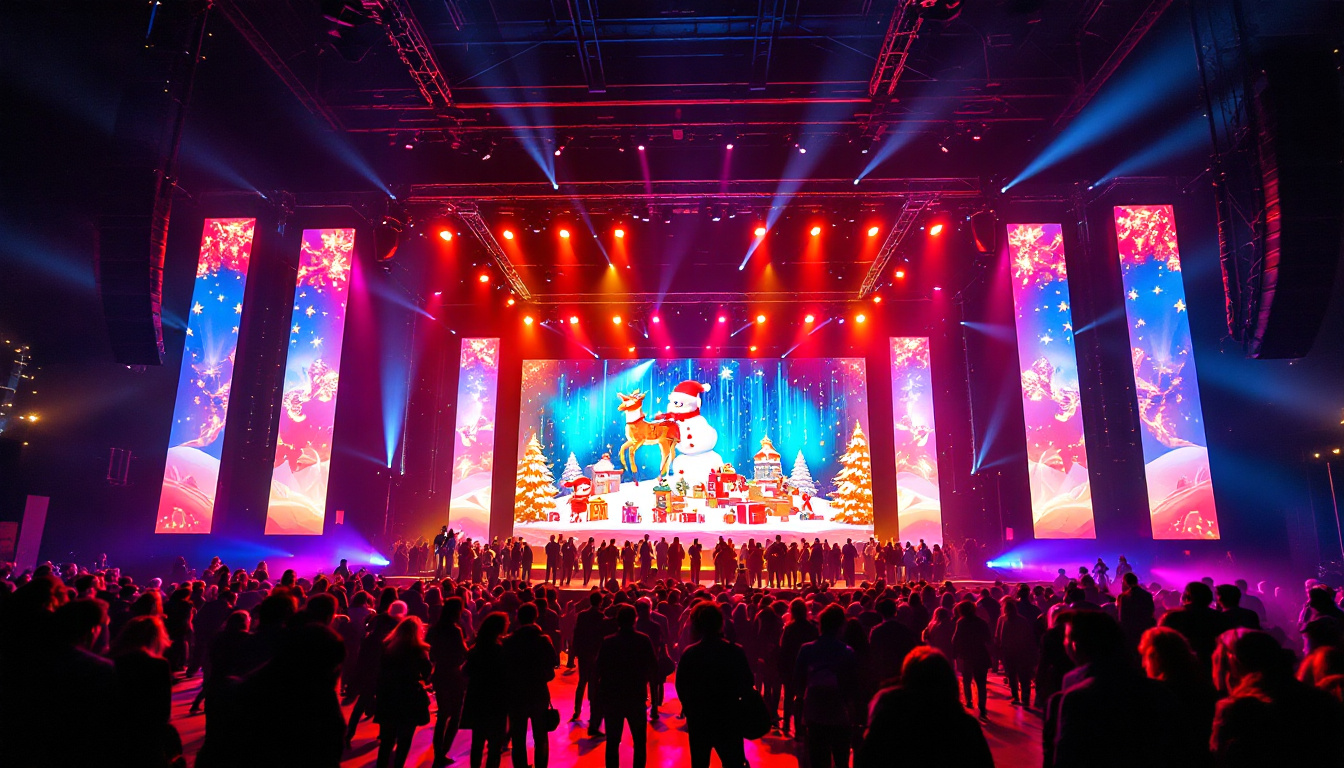
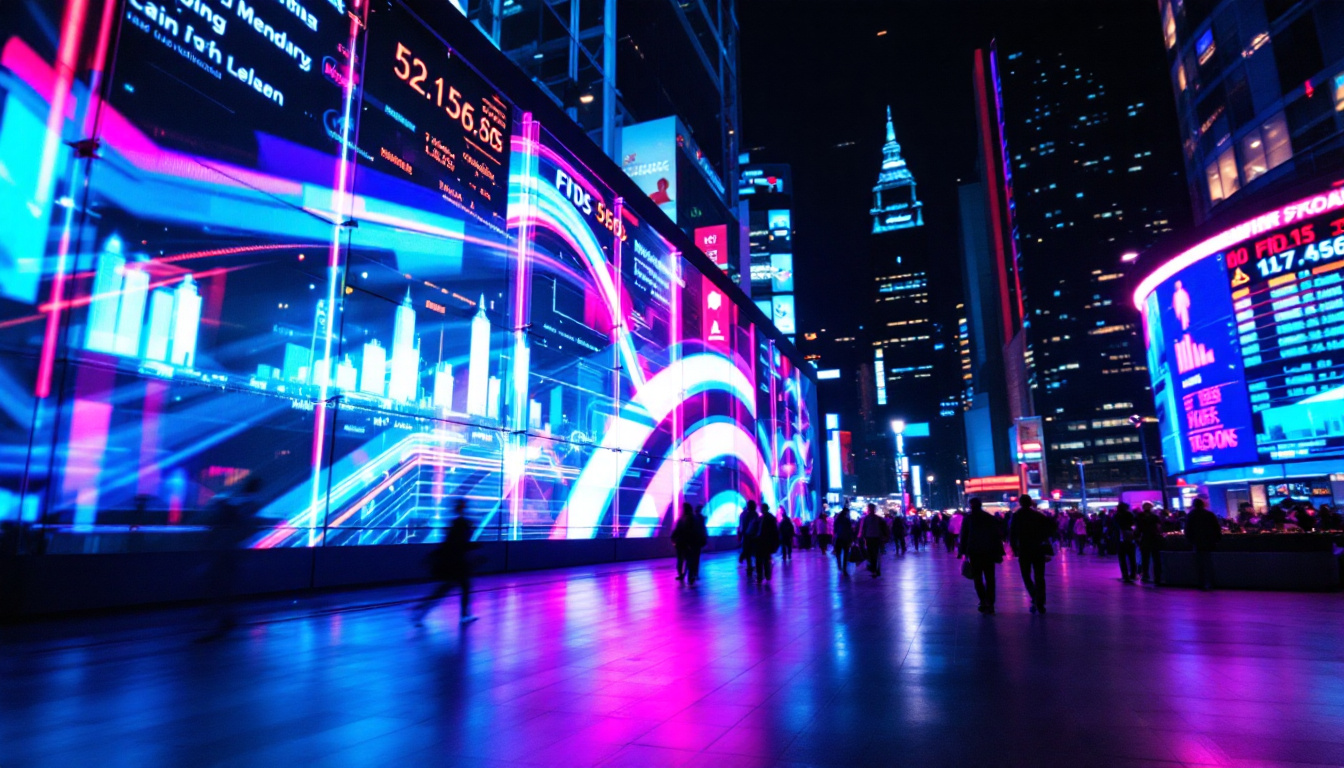
Musical productions benefit immensely from LED backdrops, which can shift scenes seamlessly and add dynamic visual layers to performances. Concerts use large LED screens to engage audiences with live video feeds, animations, and interactive effects, enhancing the overall sensory experience.
Corporate Events and Conferences
Beyond traditional theater, LED backdrops are increasingly popular in corporate settings for presentations, product launches, and award ceremonies. Their ability to display high-resolution graphics and videos makes them ideal for branding and communication purposes.
Touring Productions and Festivals
For touring shows and festivals, portability and quick setup are paramount. LED panels designed for easy transport and modular assembly allow productions to maintain high-quality visuals across multiple venues without compromising on artistic vision.
Where to Find Theatrical LED Backdrops for Sale
Specialized Manufacturers and Suppliers
Several companies specialize in manufacturing LED displays tailored for theatrical and event use. When selecting a supplier, it is important to consider product quality, after-sales support, warranty, and customization options. Reputable manufacturers often provide consultation services to help clients choose the right specifications for their needs.
Rental Companies with Purchase Options
Many rental companies offer LED backdrops for sale, often providing flexible financing or leasing arrangements. This can be a cost-effective way to acquire high-end equipment with the option to upgrade or exchange panels as technology evolves.
Online Marketplaces and Industry Trade Shows
Online platforms and trade shows dedicated to audiovisual and theatrical technologies are excellent venues to explore the latest LED display products. These events offer opportunities to see demonstrations, compare models, and network with industry professionals.
Future Trends in Theatrical LED Backdrops
Higher Resolution and Miniaturization
As LED technology advances, pixel pitches continue to shrink, enabling even crisper images suitable for smaller stages and closer viewing distances. MicroLED technology promises to revolutionize the industry with improved brightness, energy efficiency, and lifespan.
Interactive and Augmented Reality Integration
Emerging trends include the integration of interactive elements and augmented reality (AR) with LED backdrops, allowing audiences to engage with performances in novel ways. Motion tracking and real-time content adjustment are becoming increasingly feasible, pushing the boundaries of immersive theater.
Eco-Friendly and Energy-Efficient Solutions
Environmental considerations are driving the development of more energy-efficient LED panels and sustainable manufacturing practices. Theatrical productions are increasingly prioritizing green technologies to reduce their carbon footprint while maintaining high production values.
Conclusion
Theatrical LED backdrops represent a significant leap forward in stage design, offering unmatched versatility, visual impact, and operational efficiency. For theaters and event producers seeking to elevate their productions, investing in LED display technology can unlock new creative possibilities and enhance audience engagement.
By understanding the technical specifications, benefits, and applications of LED backdrops, decision-makers can make informed purchases that align with their artistic vision and budget. As technology continues to evolve, LED displays will undoubtedly play an increasingly central role in the future of theatrical storytelling.
Discover the Future of Theatrical Storytelling with LumenMatrix
Ready to transform your theatrical productions with the vibrancy and dynamism of LED technology? LumenMatrix is at the forefront of LED display innovation, offering a diverse range of solutions that bring your creative visions to life. From the intimacy of indoor performances to the grandeur of outdoor events, our Indoor and Outdoor LED Wall Displays, along with specialized options like Vehicle, Poster, Sports, Floor, Custom, All-in-One, and Transparent LED Displays, are designed to captivate and engage. Elevate your audience’s experience and communicate your narrative with unparalleled clarity. Check out LumenMatrix LED Display Solutions today and join the revolution in visual storytelling.