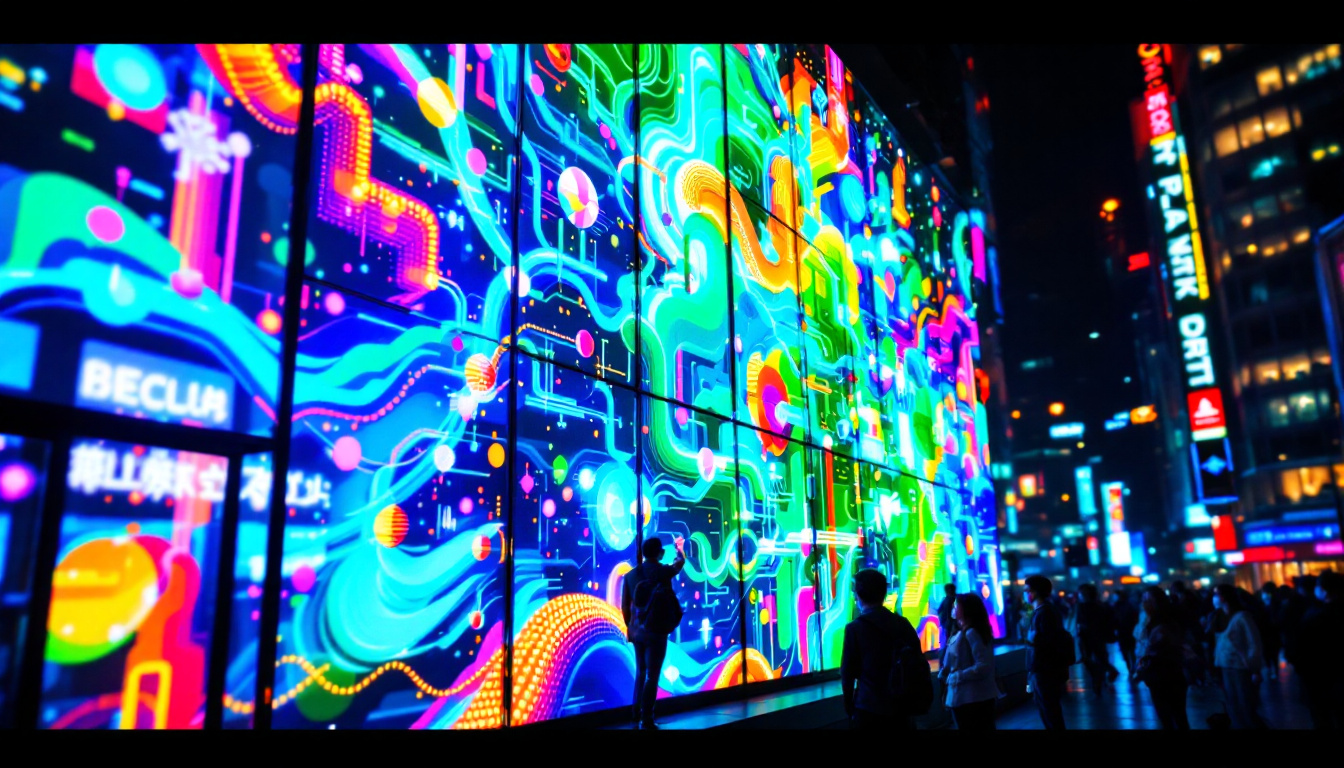
In the rapidly evolving world of audiovisual (AV) technology, LED displays have become a cornerstone for businesses aiming to captivate audiences with vibrant, dynamic visuals. From retail storefronts to corporate events, and from stadiums to control rooms, LED displays offer unparalleled brightness, flexibility, and durability. This article delves into the technology behind LED displays, their applications in the AV business, and the factors that make them a preferred choice for professionals worldwide.
Understanding LED Display Technology
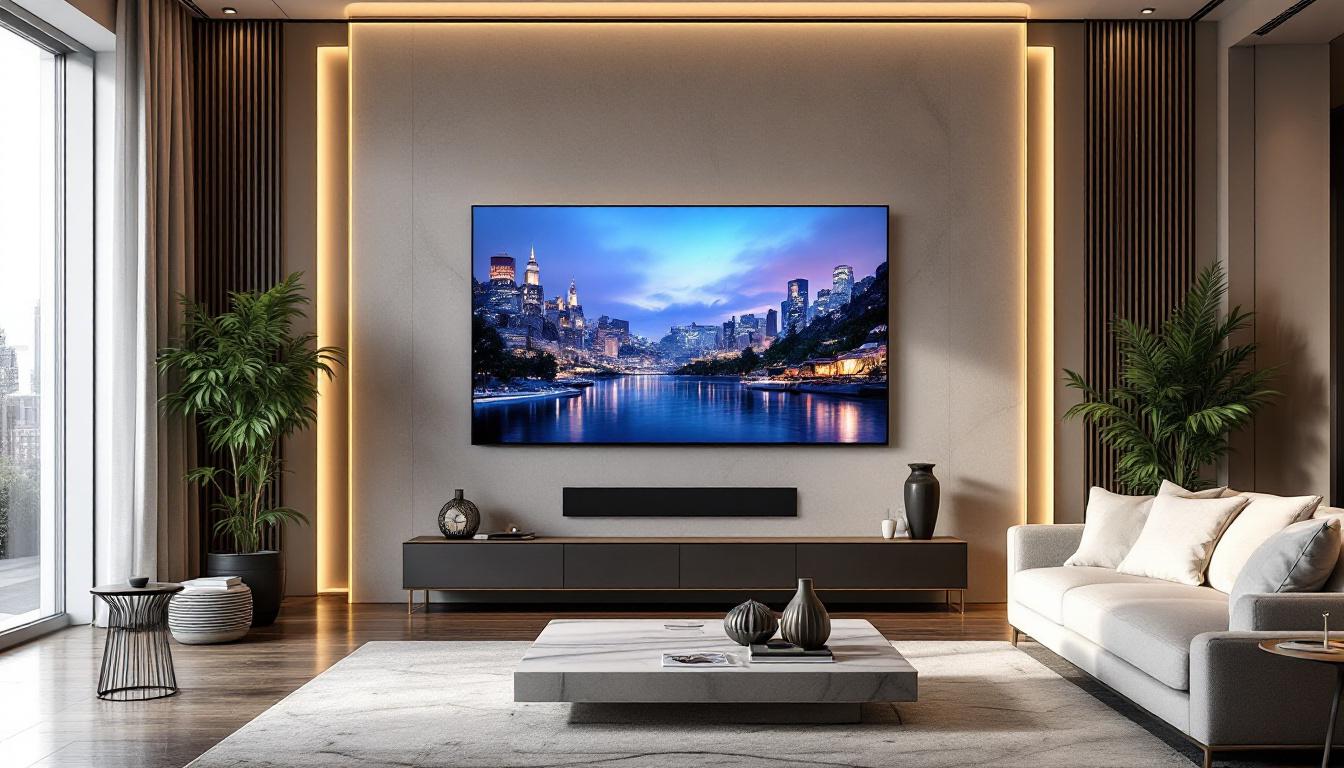
At its core, an LED display is a screen that uses light-emitting diodes (LEDs) as pixels to produce images. Unlike traditional LCD or projection screens, LED displays emit their own light, resulting in higher brightness levels and better contrast ratios. This self-illuminating capability allows for vibrant colors and deep blacks, making LED displays particularly appealing for various applications, from home entertainment systems to large-scale advertising.
LEDs are semiconductor devices that convert electrical energy into light. When arranged in a matrix, they form the pixels that make up the display. Each pixel typically consists of red, green, and blue LEDs, which combine to produce a full spectrum of colors through varying intensities. The ability to control each individual LED allows for dynamic content and stunning visual effects, enhancing the viewer’s experience whether in a cinema, a concert, or a sports venue.
Types of LED Displays
LED displays come in various forms, primarily categorized into indoor and outdoor types, each optimized for specific environments:
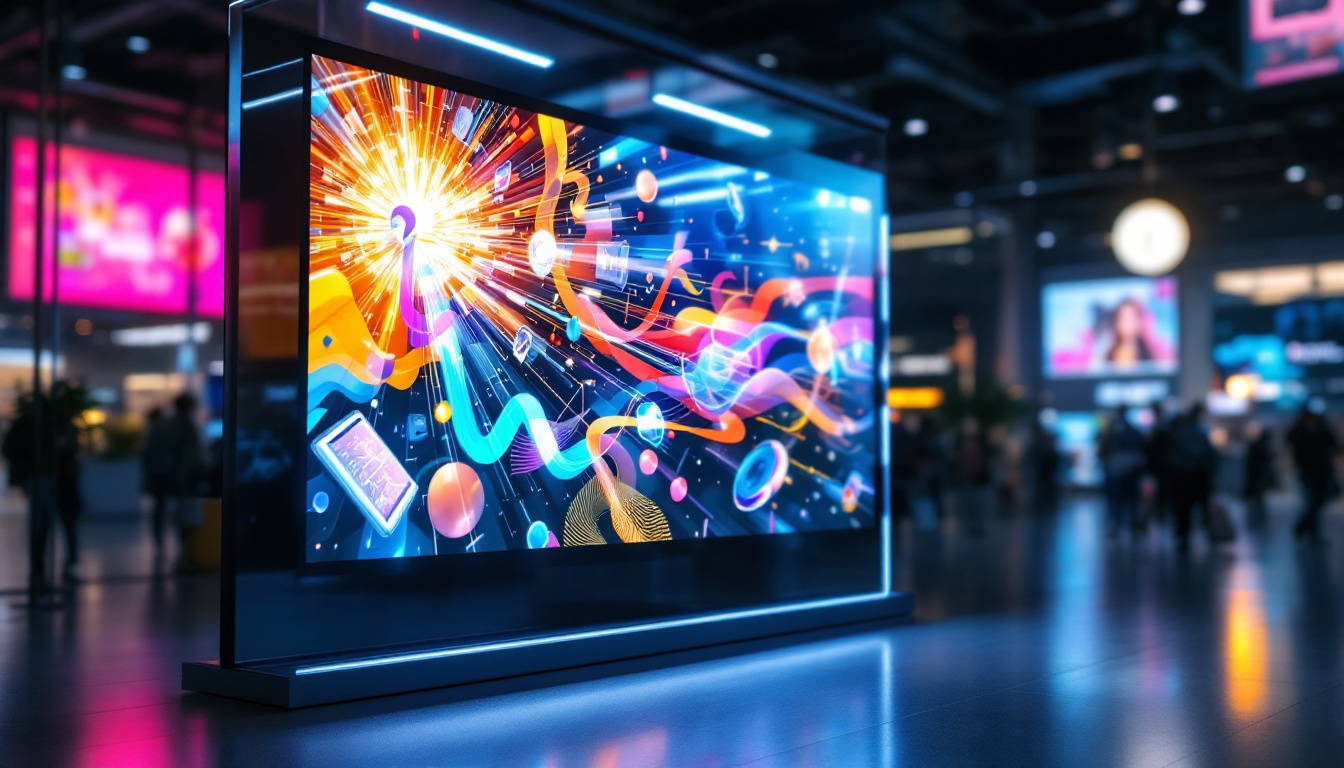
- Indoor LED Displays: Designed for controlled lighting environments, these displays feature smaller pixel pitches (distance between individual LEDs), often ranging from 0.9mm to 4mm. This tight spacing allows for high resolution and crisp images suitable for conference rooms, retail spaces, and broadcast studios. The flexibility in design also enables creative configurations, such as curved or modular displays, which can adapt to various architectural settings.
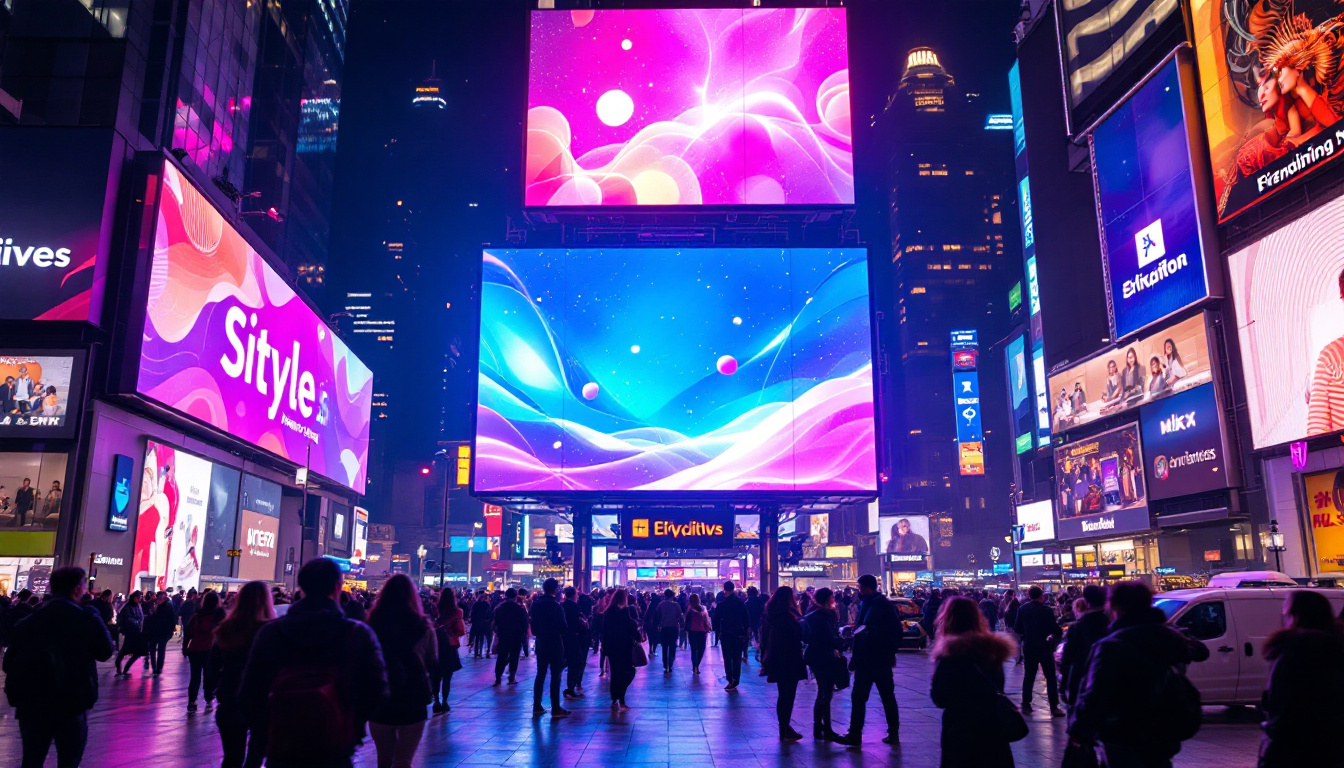
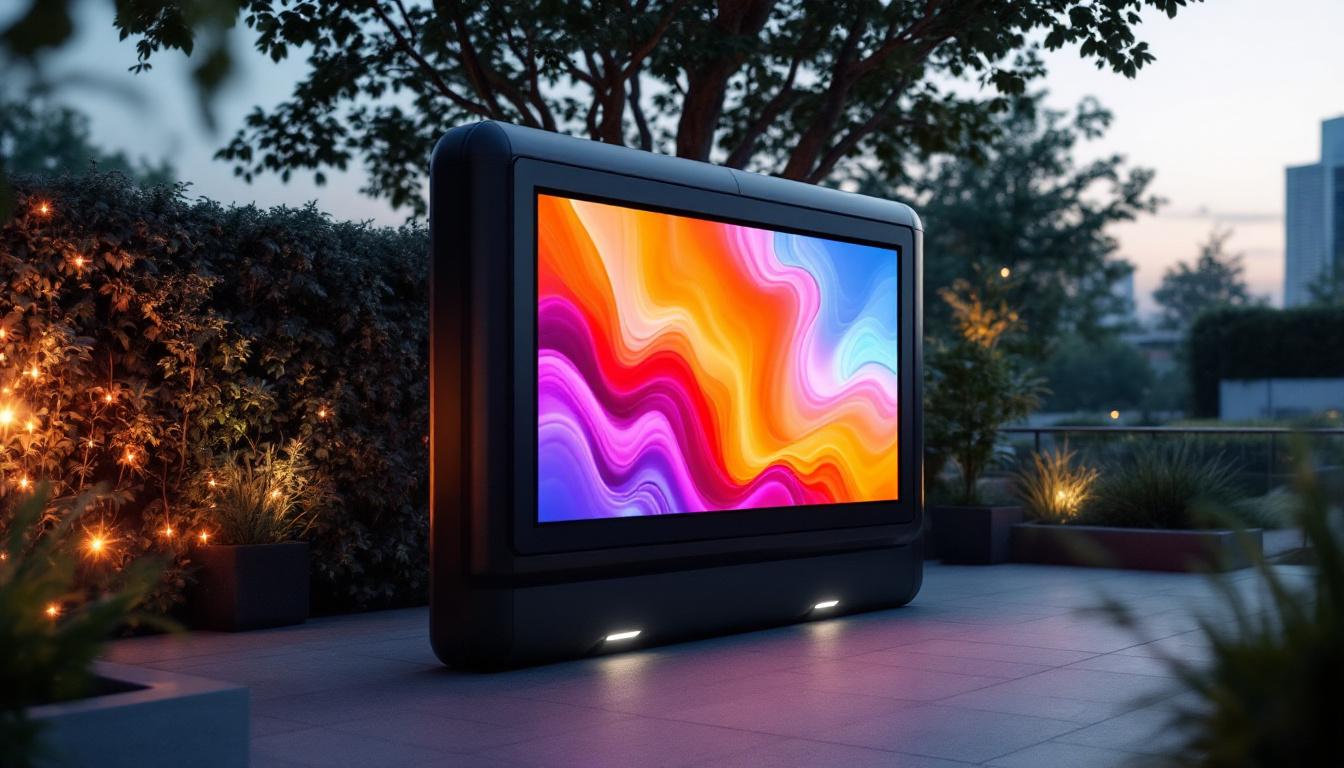
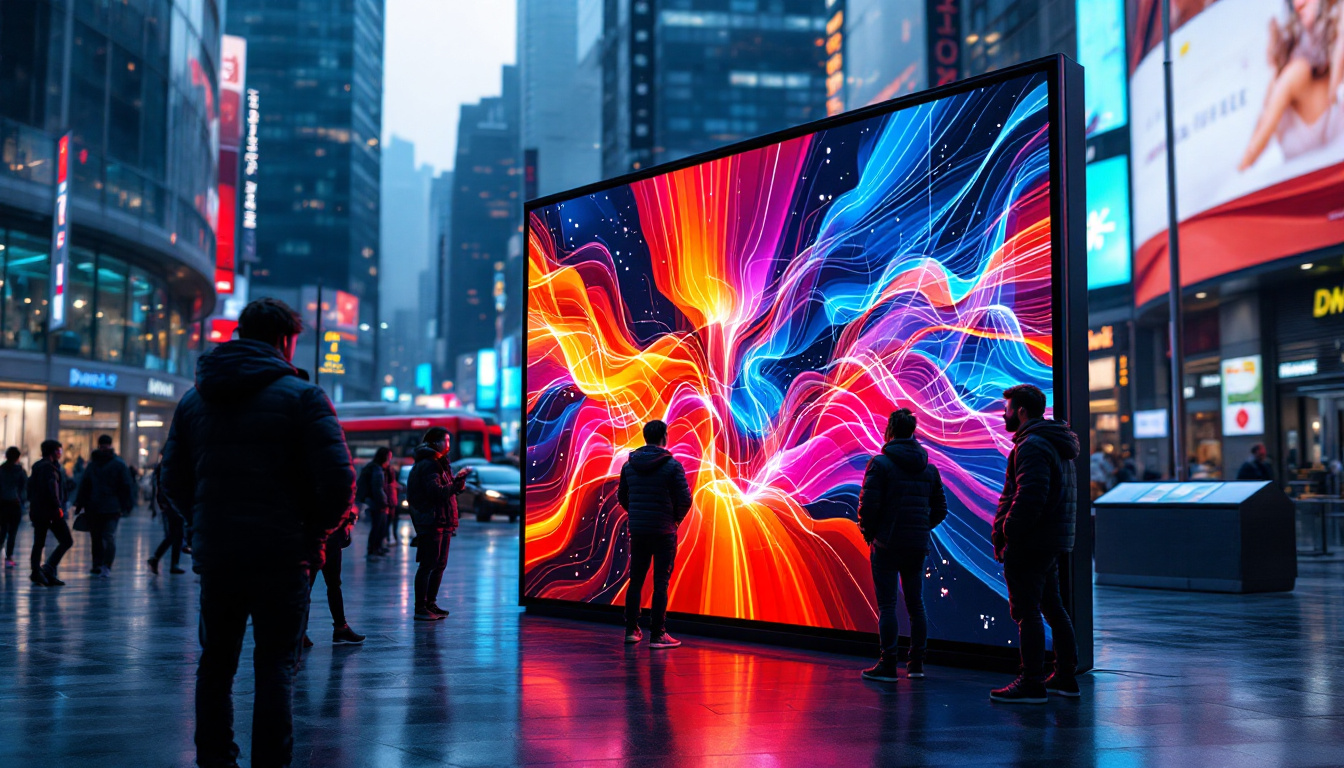
- Outdoor LED Displays: Built to withstand harsh weather conditions, these displays have larger pixel pitches, usually between 4mm and 20mm, to maintain visibility from greater distances. They are commonly used for billboards, sports arenas, and public information boards. Many outdoor displays also incorporate advanced technologies such as anti-glare coatings and high brightness levels to ensure readability in direct sunlight, making them effective tools for advertising and public messaging.
Pixel Pitch and Resolution
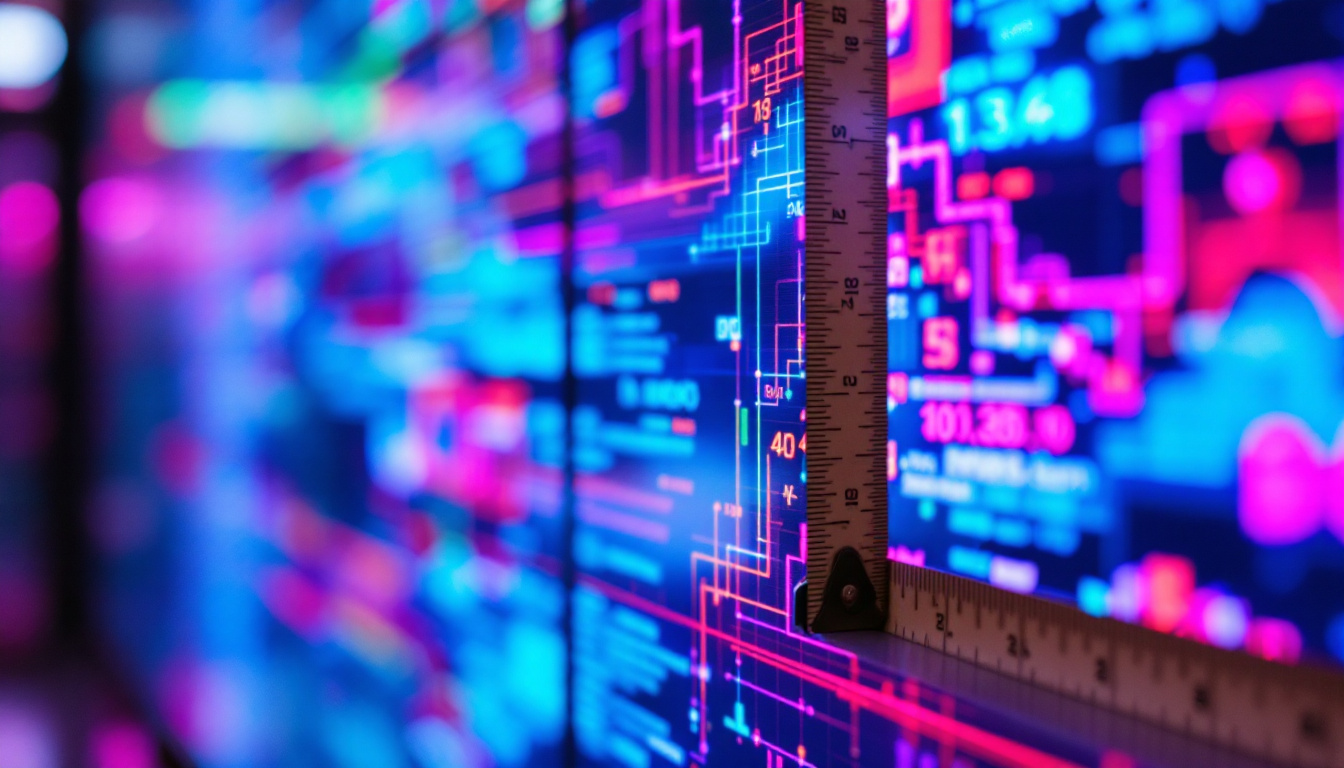
Pixel pitch is a critical specification in LED displays, representing the distance between the centers of two adjacent pixels. A smaller pixel pitch means more LEDs per square meter, resulting in higher resolution and finer image detail. For example, a 1.5mm pixel pitch display is ideal for close-up viewing, while a 10mm pitch works well for large-scale outdoor signage viewed from afar. This versatility in pixel pitch allows designers to choose the right display for their specific needs, balancing cost and performance.
Resolution, measured in pixels (width x height), depends on the pixel pitch and the physical size of the display. A higher resolution ensures sharper images, which is essential for applications like digital signage in retail or detailed data visualization in control rooms. Additionally, advancements in technology have led to the development of 4K and even 8K LED displays, pushing the boundaries of visual fidelity. These high-resolution displays are increasingly being adopted in environments where detail is paramount, such as medical imaging, high-end gaming, and immersive virtual reality experiences. As the demand for clearer and more engaging visuals continues to grow, LED display technology is evolving rapidly to meet these expectations.
Applications of LED Displays in the AV Business
The versatility of LED displays has driven their adoption across numerous sectors within the AV industry. Their ability to deliver bright, vivid images in various lighting conditions makes them ideal for both indoor and outdoor uses.
Corporate and Event Spaces
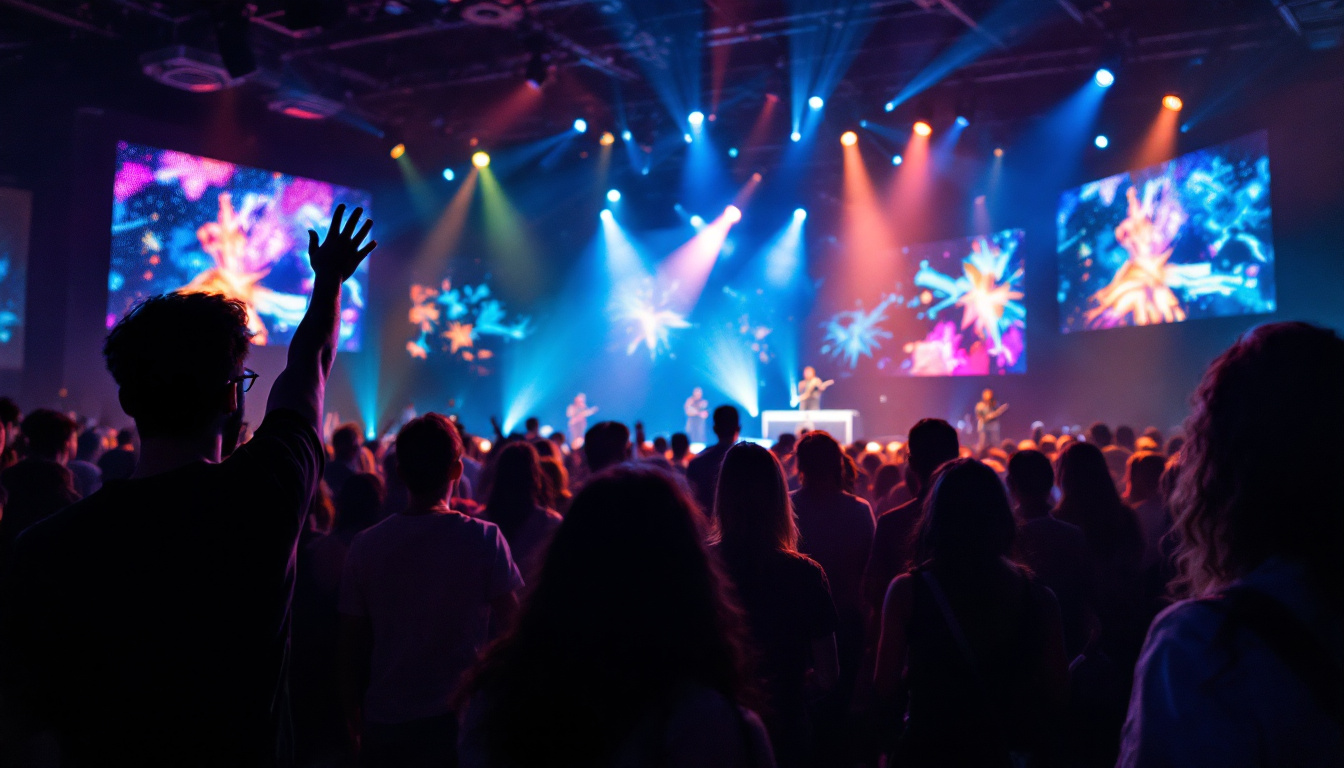
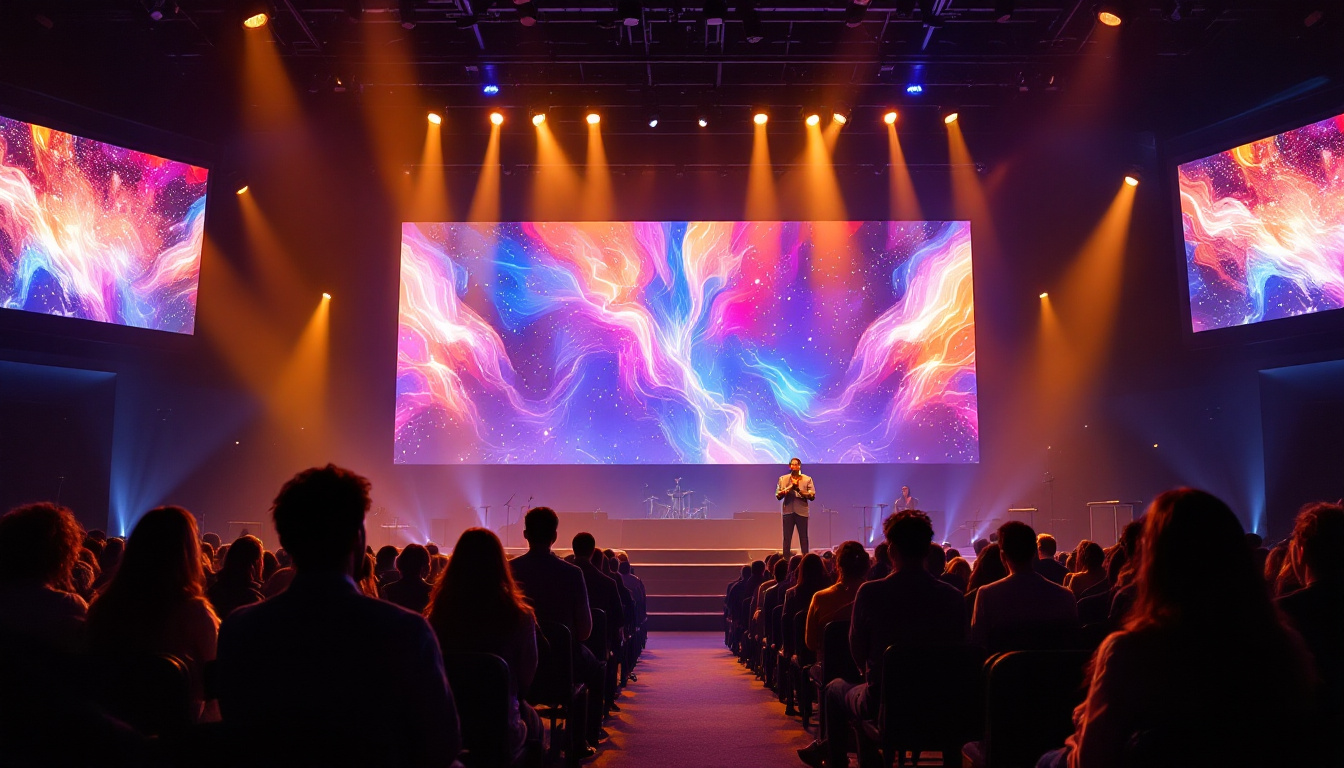
In corporate environments, LED displays are used for presentations, video conferencing, and digital signage. Their high brightness and color accuracy enhance the clarity of content, making meetings and events more engaging. For large-scale events such as conferences, trade shows, and concerts, LED video walls provide immersive backdrops and real-time content display, elevating the attendee experience. Moreover, the integration of interactive features, such as touch capabilities or augmented reality, allows presenters to engage audiences in innovative ways, transforming traditional presentations into dynamic experiences that foster collaboration and creativity.
Retail and Advertising
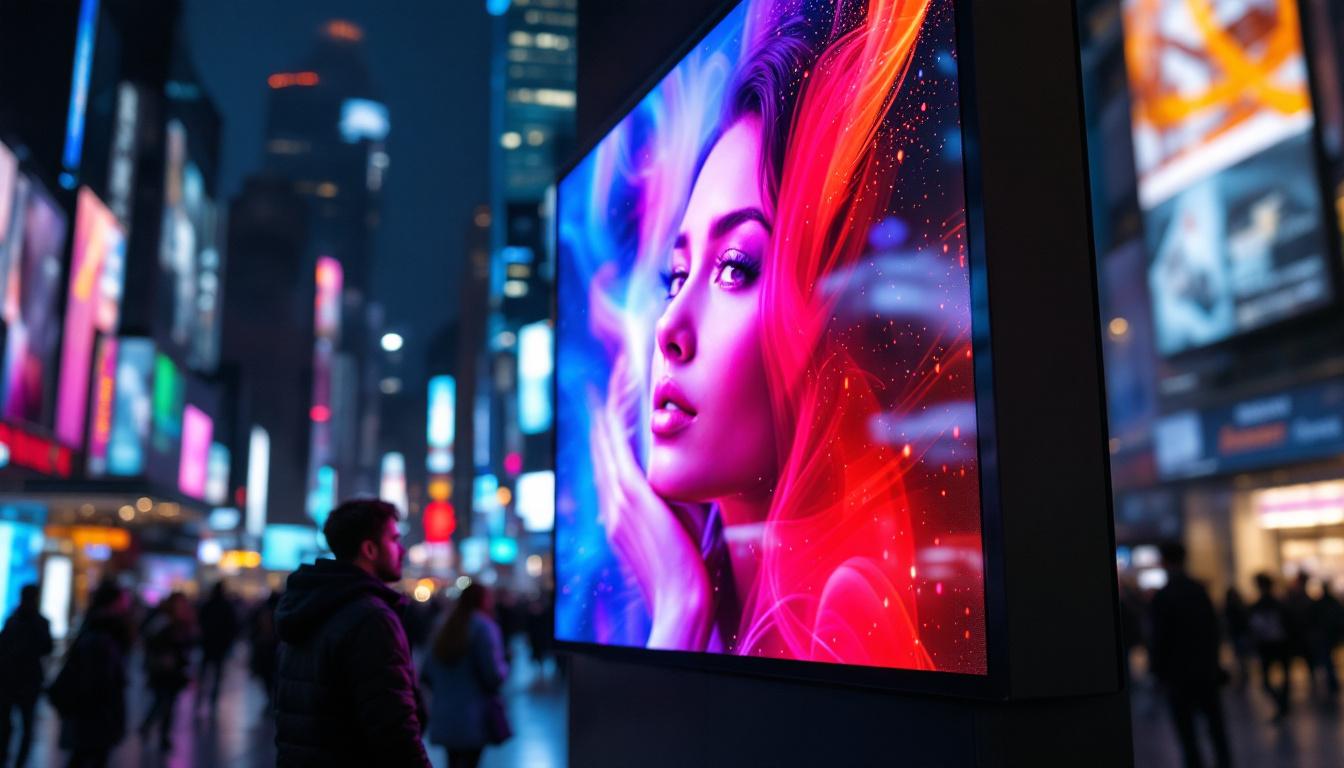
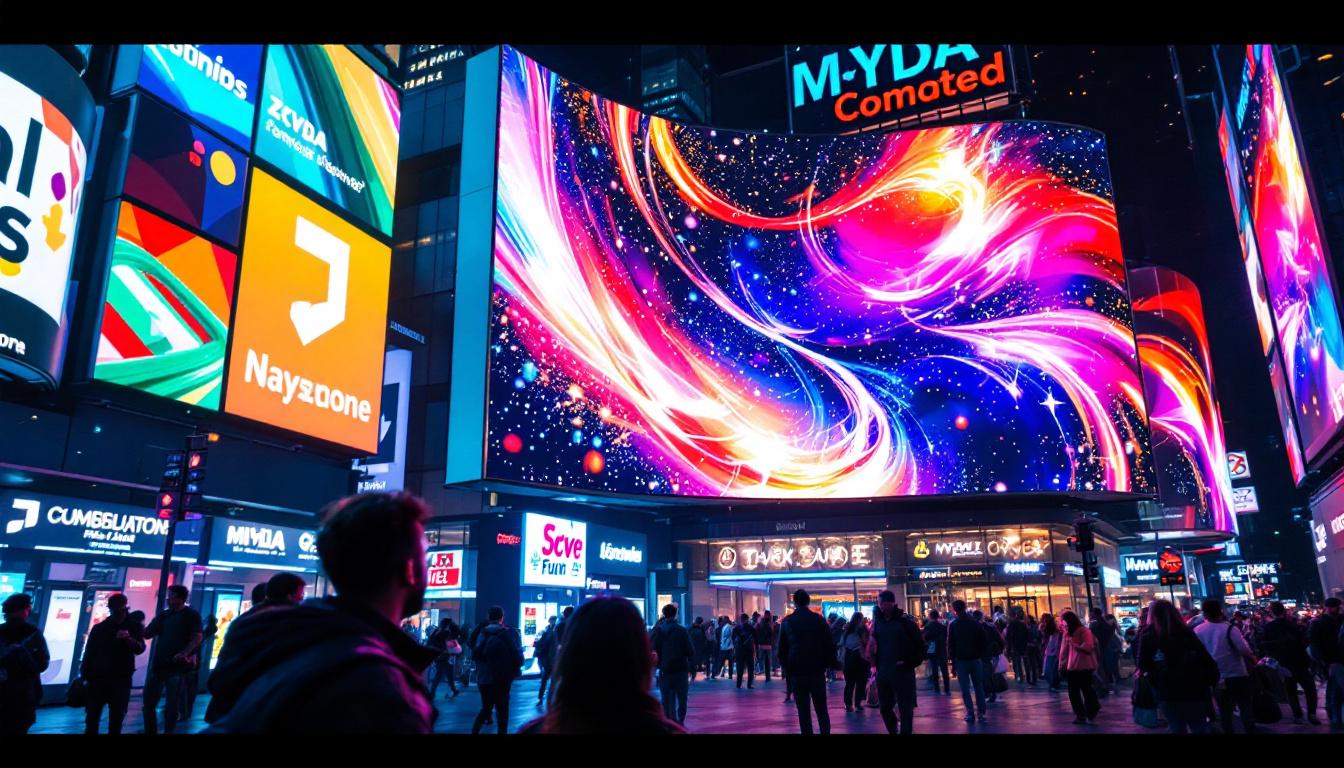
Retailers leverage LED displays to attract customers and promote products through dynamic digital signage. Studies show that digital signage can increase customer engagement by up to 30%, with LED displays offering superior visibility even in brightly lit storefronts. Outdoor LED billboards have revolutionized advertising by enabling real-time content updates and targeted messaging, which traditional static billboards cannot match. Additionally, the ability to customize content based on time of day or audience demographics allows businesses to optimize their marketing strategies, ensuring that the right message reaches the right audience at the right moment. This adaptability not only enhances brand visibility but also drives foot traffic and sales conversions.
Sports and Entertainment Venues
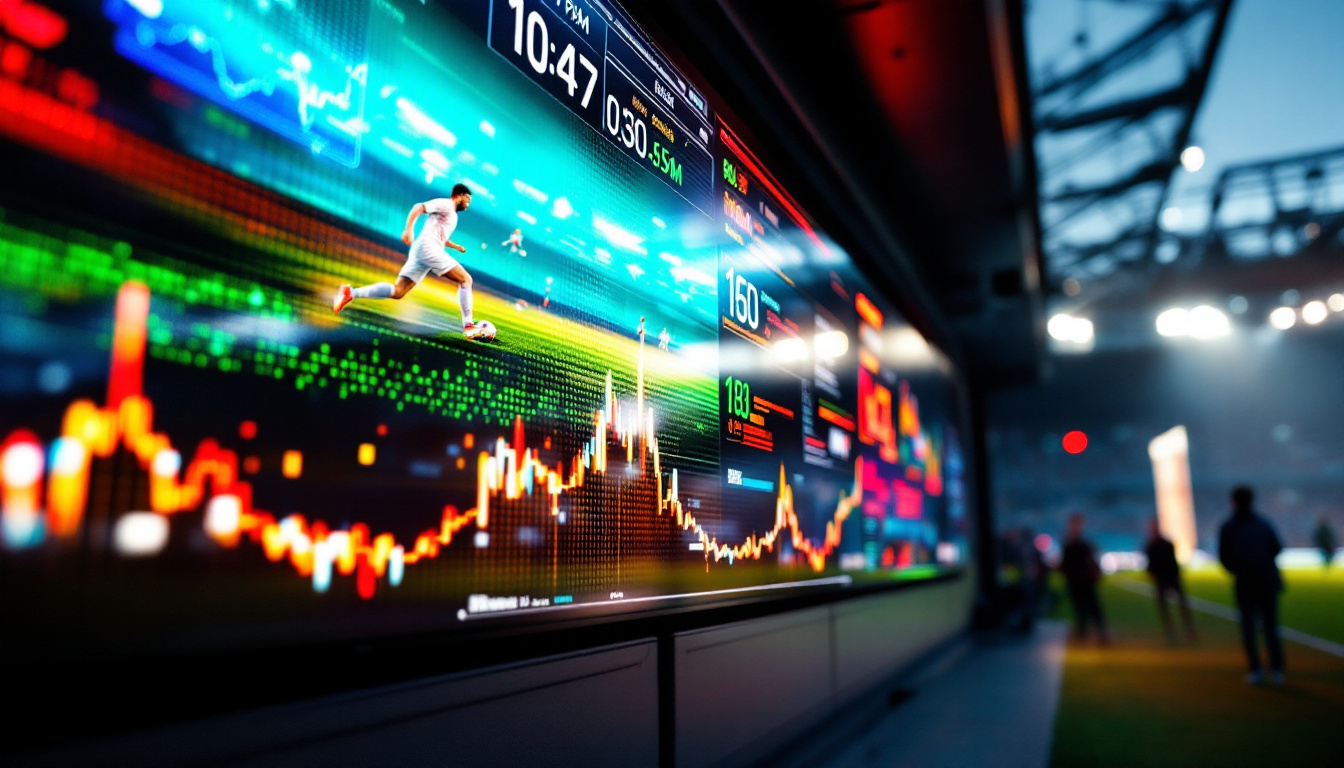
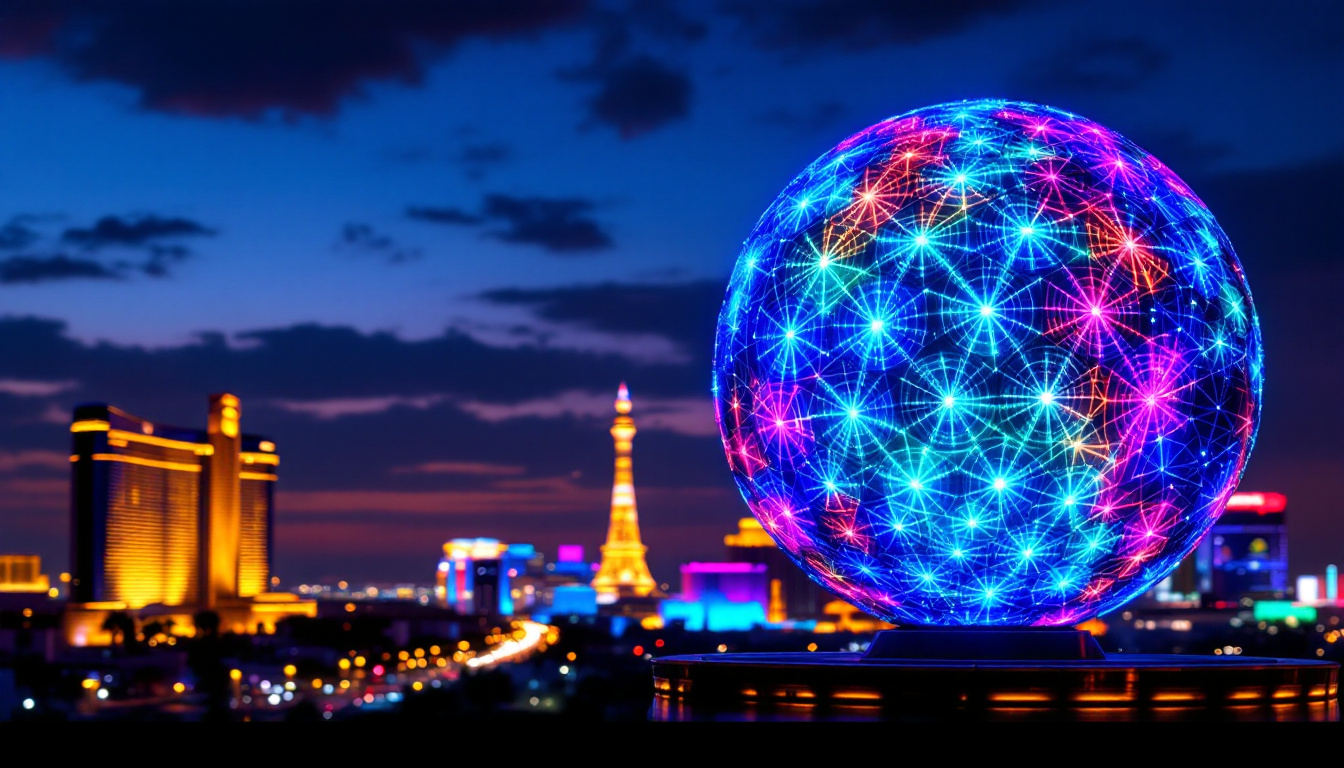
Stadiums and arenas utilize large-format LED displays to deliver live game footage, replays, and interactive content to thousands of spectators. The durability and brightness of outdoor LED displays ensure visibility regardless of weather or lighting conditions. Additionally, LED perimeter boards and scoreboards enhance the fan experience while providing valuable advertising space. These displays often feature advanced graphics and animations that keep fans engaged during breaks in play, while also serving as platforms for social media integration, allowing spectators to share their experiences in real-time. This not only amplifies the excitement within the venue but also extends the event’s reach beyond the physical location, engaging fans who are unable to attend in person.
Control Rooms and Command Centers
In mission-critical environments such as control rooms, LED video walls display complex data streams and real-time information. Their high resolution and seamless design allow operators to monitor multiple data sources simultaneously, improving situational awareness and decision-making. Furthermore, the scalability of LED technology means that these systems can be tailored to fit the specific needs of various operations, from emergency response teams to transportation management centers. The ability to quickly switch between different data feeds and visualizations enhances the responsiveness of teams during critical situations, ensuring that they can act swiftly and effectively. This adaptability is crucial in environments where every second counts, underscoring the essential role of LED displays in modern operational frameworks.
Key Advantages of LED Displays for AV Professionals
LED technology offers several benefits that make it the preferred choice for AV integrators and businesses alike. Understanding these advantages helps stakeholders make informed decisions when selecting display solutions.
Brightness and Visibility
One of the most significant advantages of LED displays is their exceptional brightness. With luminance levels often exceeding 1,000 nits for indoor displays and up to 8,000 nits for outdoor models, LED screens remain clearly visible even under direct sunlight. This capability is crucial for outdoor advertising and venues where ambient light conditions vary.
Energy Efficiency and Longevity
LEDs consume less power compared to traditional display technologies like LCD or plasma. This energy efficiency translates into lower operating costs, which is especially important for large-scale installations. Additionally, LED displays boast long lifespans, often rated for 50,000 to 100,000 hours of operation, reducing maintenance and replacement expenses.
Flexibility and Customization
LED displays can be manufactured in various shapes and sizes, including curved, flexible, and transparent panels. This adaptability enables creative installations tailored to specific architectural or branding needs. Modular design also allows for easy scaling and maintenance, as individual panels can be replaced without dismantling the entire display.
Color Accuracy and Contrast
Thanks to their self-emissive nature, LEDs provide superior contrast ratios and color saturation compared to backlit displays. This results in vivid, lifelike images that enhance viewer engagement. High dynamic range (HDR) capabilities further improve the visual experience by delivering deeper blacks and brighter highlights.
Considerations When Choosing an LED Display
Selecting the right LED display involves evaluating several factors to ensure the solution meets the specific needs of the application.
Viewing Distance and Environment
Understanding the typical viewing distance is essential for determining the appropriate pixel pitch. For close-up viewing, such as in retail or conference rooms, a smaller pixel pitch is necessary to avoid pixelation. Conversely, for outdoor billboards or stadium screens, a larger pixel pitch is acceptable since viewers are farther away.
Environmental conditions also influence the choice. Outdoor displays must have high ingress protection (IP) ratings to resist dust and water, while indoor displays prioritize slim profiles and aesthetic integration.
Content Type and Resolution Requirements
The nature of the content—whether static images, video, or real-time data—affects resolution and refresh rate needs. High-resolution video playback demands displays with fast refresh rates and high pixel density to avoid motion blur and ensure smooth visuals.
Budget and Total Cost of Ownership
While LED displays may have higher upfront costs compared to other technologies, their durability and energy efficiency often result in lower total cost of ownership over time. It is important to consider installation, maintenance, and operational expenses alongside initial purchase price.
Future Trends in LED Display Technology
The LED display market continues to innovate, driven by advancements in materials, manufacturing, and integration with emerging technologies.
MicroLED and MiniLED Innovations
MicroLED and MiniLED technologies represent the next generation of LED displays, offering even smaller pixel pitches and improved brightness with lower power consumption. MicroLED, in particular, promises OLED-like contrast and color performance without the risk of burn-in, making it an exciting prospect for high-end AV applications.
Integration with IoT and AI
Smart LED displays are increasingly integrated with Internet of Things (IoT) platforms and artificial intelligence (AI) to enable dynamic content adaptation based on audience demographics, weather conditions, or real-time analytics. This capability enhances the effectiveness of advertising and information dissemination.
Eco-Friendly and Sustainable Designs
Manufacturers are focusing on sustainability by developing LED displays with recyclable materials, reduced power consumption, and longer lifecycles. These eco-friendly initiatives align with corporate social responsibility goals and regulatory requirements.
Conclusion
LED displays have transformed the AV business by providing versatile, high-performance visual solutions that meet the demands of diverse industries. Their superior brightness, energy efficiency, and adaptability make them indispensable tools for communication and engagement in today’s digital landscape. As technology advances, LED displays will continue to evolve, offering even more innovative features and applications for AV professionals and businesses worldwide.
For companies looking to invest in LED display technology, understanding the technical specifications, application requirements, and future trends is essential to making informed decisions that maximize impact and return on investment.
Discover LumenMatrix’s Innovative LED Display Solutions
Ready to elevate your AV capabilities with cutting-edge LED technology? Explore LumenMatrix’s comprehensive range of LED display solutions, from vibrant Indoor LED Wall Displays to robust Outdoor LED Wall Displays, and from dynamic Vehicle LED Displays to sleek LED Poster Displays. Whether you’re looking to engage fans with LED Sports Displays, create interactive environments with Floor LED Displays, or customize your message with Custom LED Displays, LumenMatrix has the expertise to bring your vision to life. Embrace the future of visual communication with our All-in-One LED Displays and LED Transparent Displays. Check out LumenMatrix LED Display Solutions today and transform how you connect with your audience.