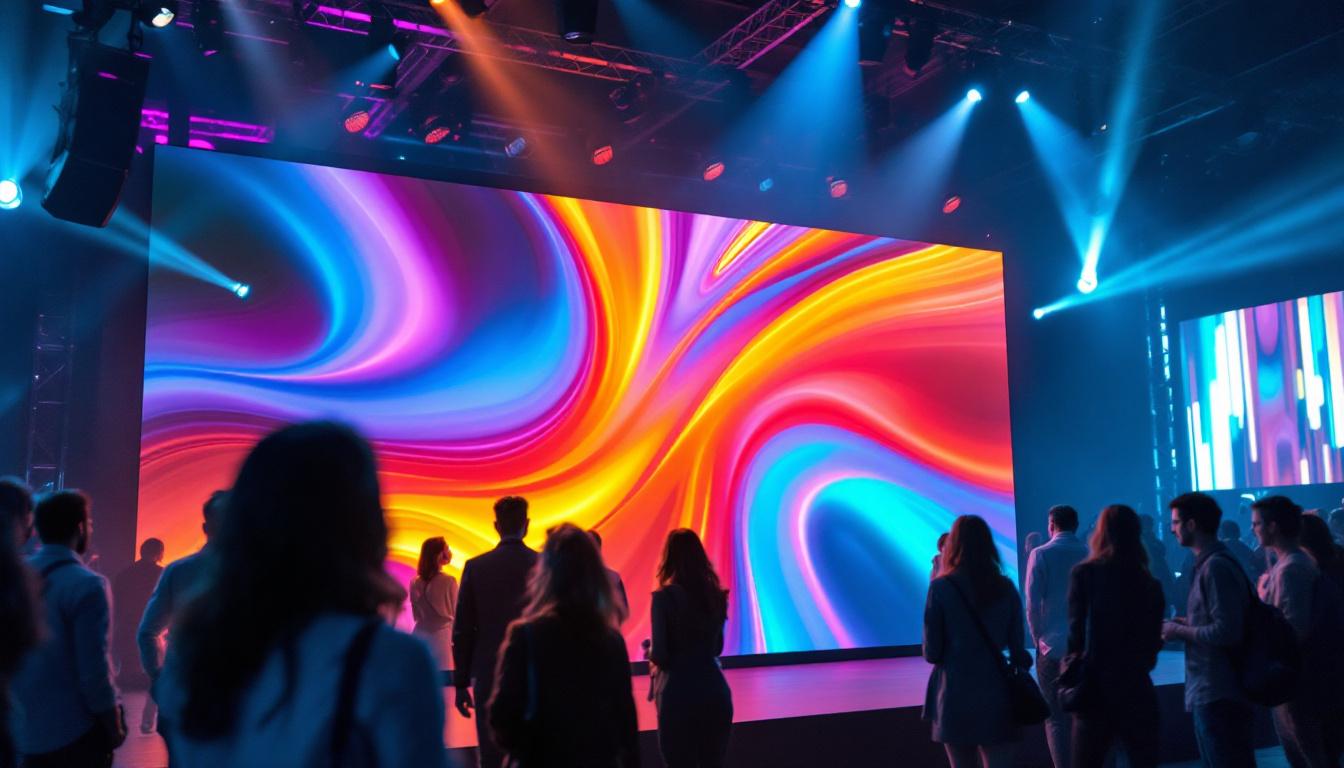
In today’s fast-paced world, visual communication plays a crucial role in capturing attention and conveying messages effectively. LED displays have emerged as one of the most dynamic and versatile tools for this purpose. Whether it’s a corporate event, concert, trade show, or outdoor advertising, LED display rental services offer a flexible and impactful solution. This article delves deeply into what LED displays are, how they work, their benefits, and why renting them can be a smart choice for businesses and event organizers.
Understanding LED Displays: What Are They?
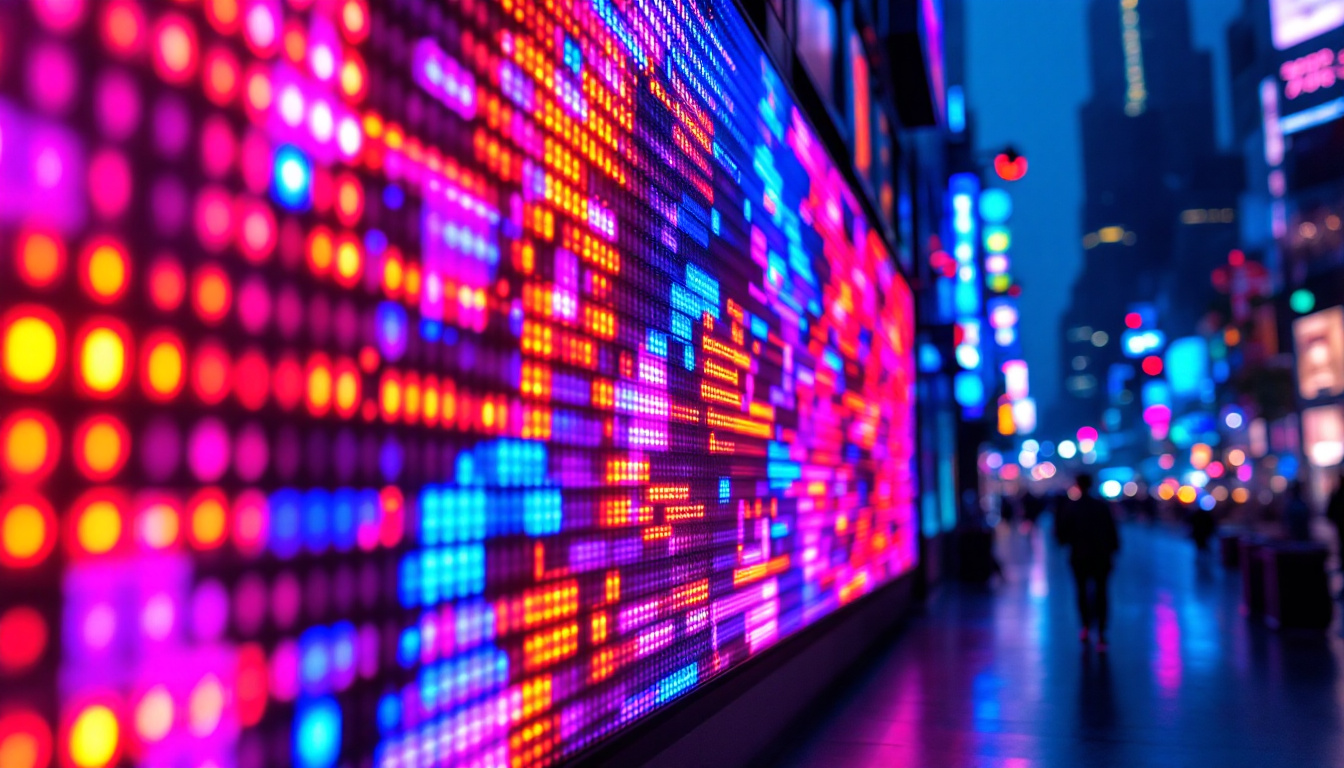
LED stands for Light Emitting Diode, a semiconductor device that emits light when an electric current passes through it. LED displays are large screens made up of thousands of these tiny diodes arranged in a matrix. Each diode acts as a pixel, and together they create vivid images, videos, and animations. The technology behind LEDs has evolved significantly, leading to advancements in color accuracy and refresh rates, which enhance the viewing experience across various applications.
Unlike traditional display technologies such as LCD or plasma, LED displays offer superior brightness, contrast, and energy efficiency. This makes them highly visible even in bright daylight conditions, which is why they are widely used for outdoor advertising and events. Furthermore, the longevity of LED technology means that these displays can operate for tens of thousands of hours, reducing maintenance costs and the frequency of replacements, which is a significant advantage for businesses and organizations investing in display solutions.
Types of LED Displays
LED displays come in various forms, each suited to different applications:
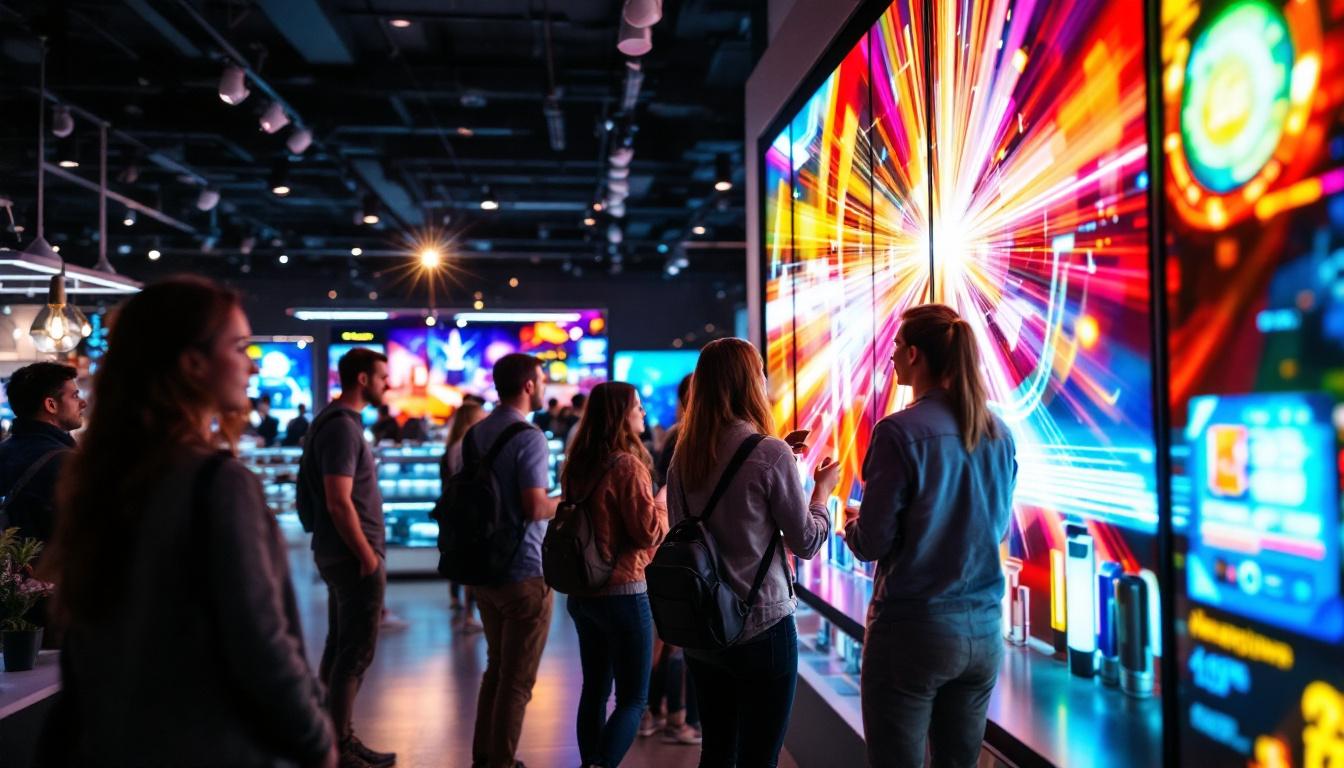
- Indoor LED Displays: Designed for controlled lighting environments like conference halls, retail stores, and indoor events. They typically have a higher pixel density for sharper images at close viewing distances. These displays are often used for presentations, advertising, and entertainment, providing an immersive experience for audiences.
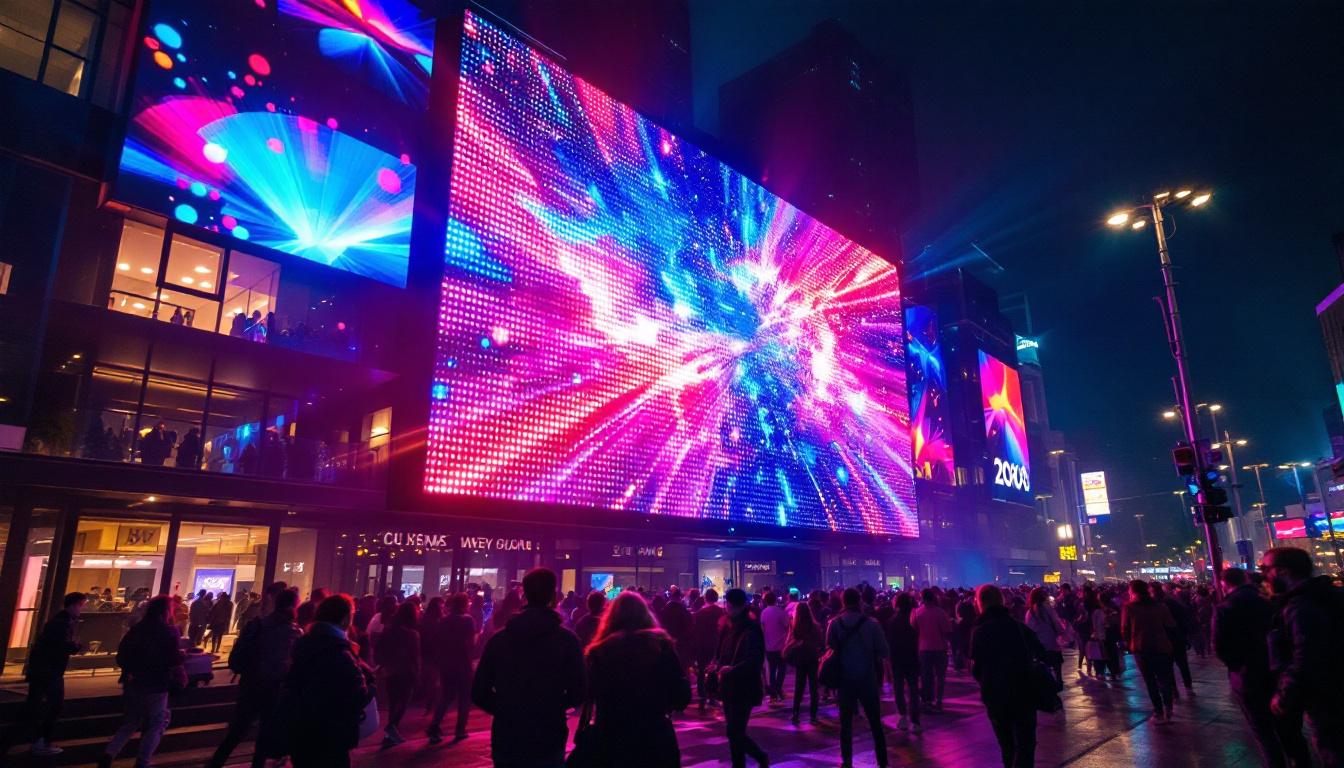
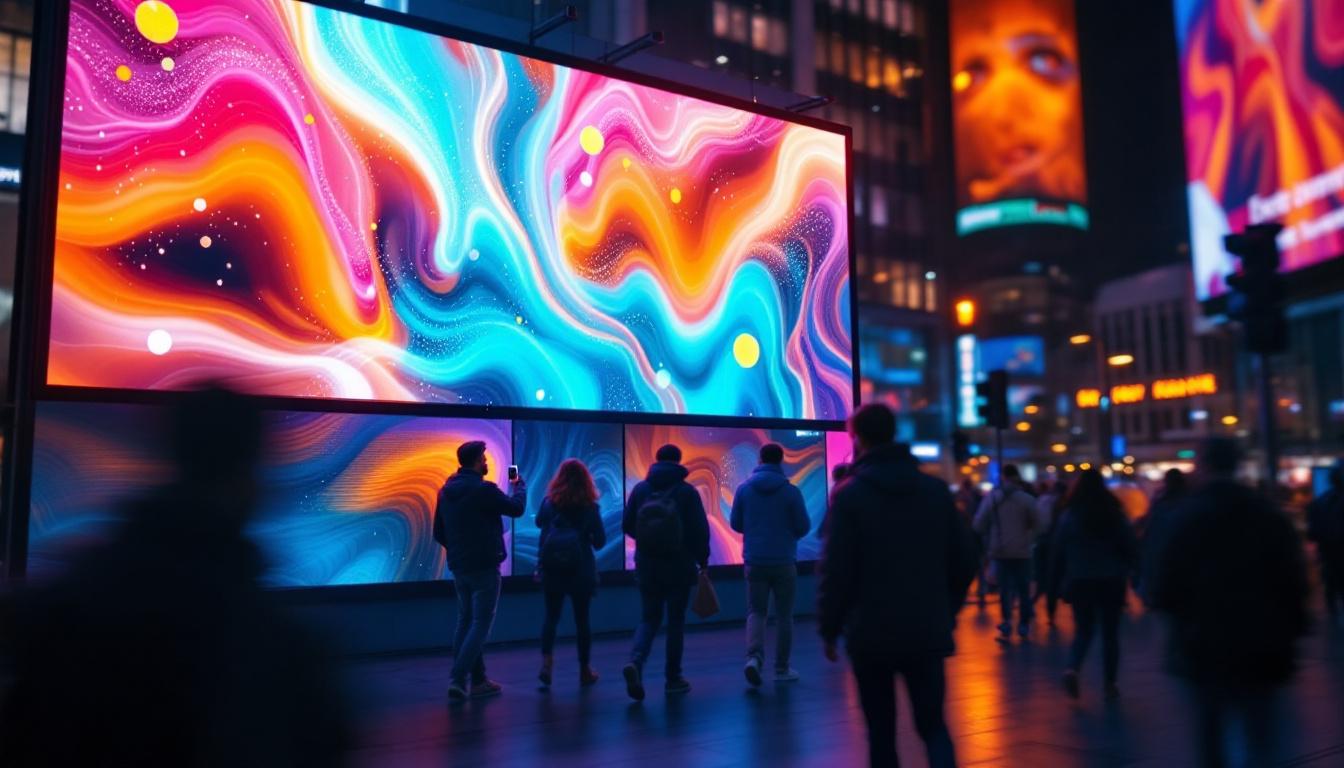
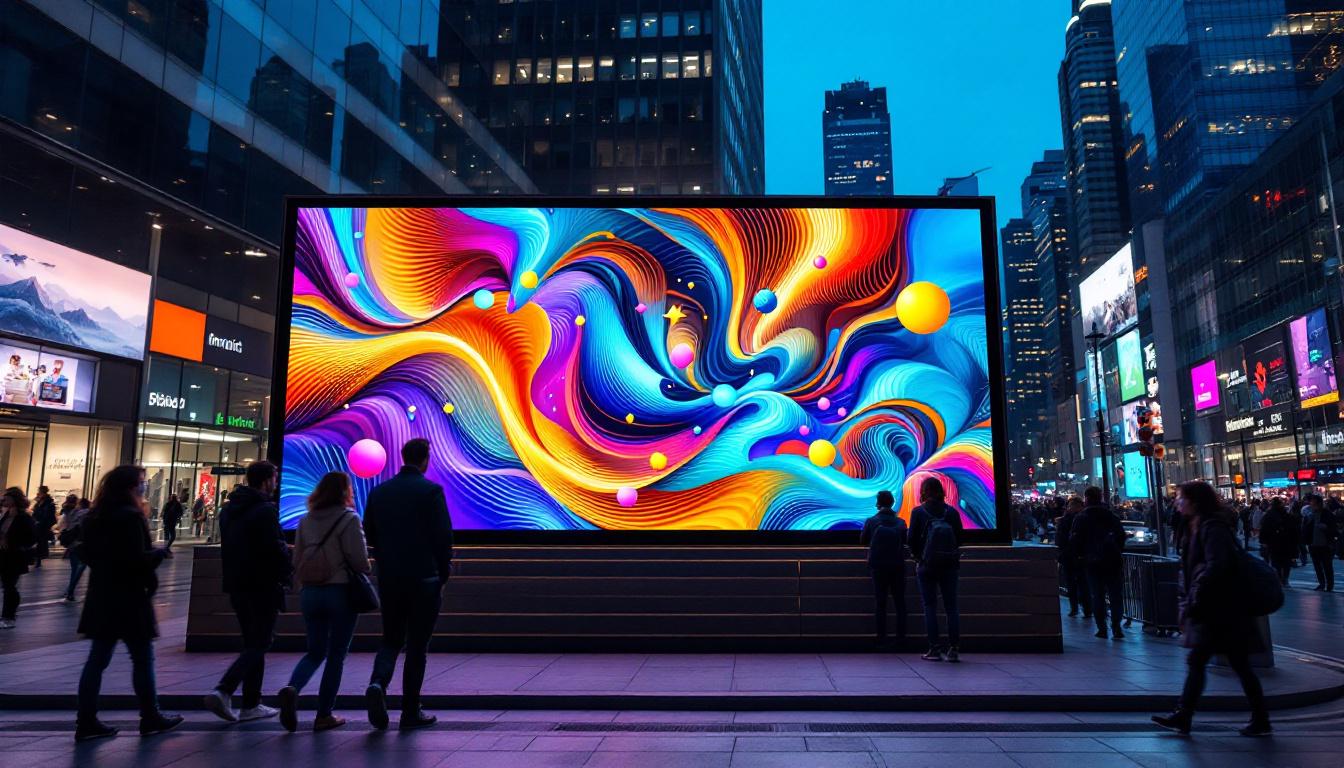
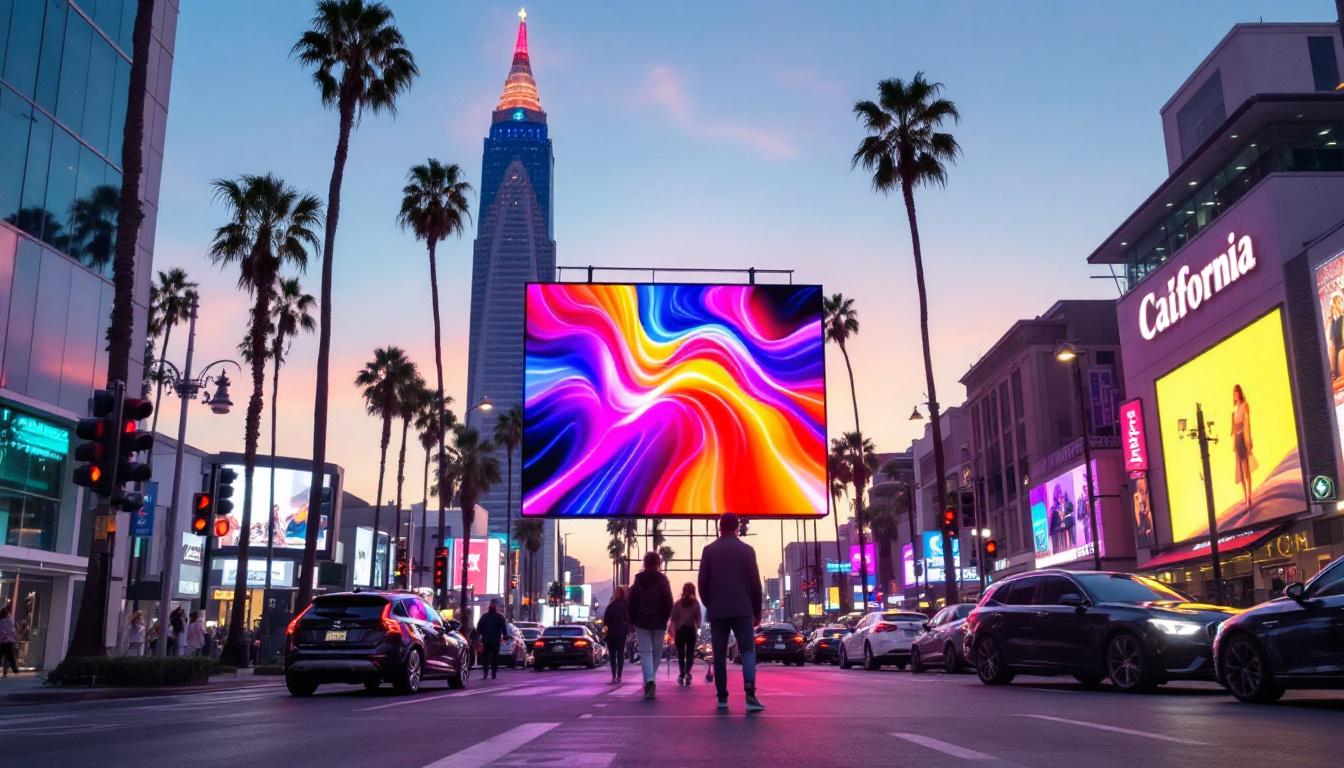
- Outdoor LED Displays: Built to withstand harsh weather conditions with waterproof and dustproof features. They have higher brightness levels to remain visible under direct sunlight. Outdoor displays are commonly found in stadiums, billboards, and public transport stations, capturing the attention of passersby with dynamic content and vibrant colors.
- Flexible and Curved LED Displays: These innovative screens can bend or curve, allowing creative installations on unconventional surfaces. Their adaptability makes them popular in modern architecture and design, enabling unique visual experiences that can transform spaces.
- Transparent LED Displays: These allow light to pass through, making them ideal for glass windows or storefronts without blocking the view. This type of display is increasingly used in retail environments, where businesses want to showcase products while maintaining an open and inviting atmosphere.
In addition to these types, there are also specialized LED displays such as high-definition (HD) and ultra-high-definition (UHD) screens, which provide even greater clarity and detail. These displays are particularly beneficial in environments where precision is critical, such as medical imaging or high-end video production. As technology continues to advance, we can expect to see even more innovative uses for LED displays, further enhancing their role in communication, advertising, and entertainment.
How LED Displays Work: The Technology Behind the Scenes
The core technology behind LED displays involves the control of individual diodes to produce the desired colors and brightness. Each pixel in an LED screen is typically made up of three sub-pixels: red, green, and blue (RGB). By adjusting the intensity of these sub-pixels, the display can render a full spectrum of colors. This RGB model is foundational in digital imaging, allowing for millions of color combinations to be created, which is essential for producing vivid and lifelike images. The precision with which these diodes can be controlled is what sets modern LED technology apart from older display technologies.
Modern LED displays use advanced control systems and software to manage the content being displayed. These systems handle everything from image processing to synchronization across multiple panels, ensuring seamless and high-quality visuals. Additionally, the integration of smart technology has enabled features like automatic brightness adjustment based on ambient light conditions, which enhances the viewing experience while conserving energy. The flexibility of LED displays allows them to be used in a variety of settings, from large outdoor billboards to intimate indoor screens, adapting to the specific needs of each environment.
Pixel Pitch and Resolution
One of the key technical terms related to LED displays is pixel pitch, which refers to the distance between the centers of two adjacent pixels. A smaller pixel pitch means more pixels per unit area, resulting in higher resolution and sharper images. For indoor displays where viewers are close, pixel pitches can be as small as 1mm to 2mm. Outdoor displays usually have larger pixel pitches, ranging from 4mm to 20mm, since they are viewed from a distance. The choice of pixel pitch is crucial for ensuring that the display meets the needs of its intended audience; for instance, a concert venue may require a finer pixel pitch for close-up viewing, while a stadium can utilize a coarser pitch due to the distance from the audience.
Brightness and Viewing Angles
Brightness is measured in nits, and LED displays can achieve levels exceeding 5,000 nits for outdoor use, making them visible even in direct sunlight. Viewing angles are also important; high-quality LED displays maintain color accuracy and brightness across wide angles, ensuring that the audience gets a consistent experience regardless of their position. This is particularly beneficial in environments like sports arenas or large auditoriums, where spectators may be seated at various angles. Furthermore, advancements in technology have led to the development of displays with enhanced anti-glare coatings and improved diffusion techniques, which help to minimize reflections and enhance visibility in challenging lighting conditions. As a result, LED displays have become a preferred choice for advertising, entertainment, and information dissemination across diverse settings.
Benefits of Renting LED Displays
For many businesses and event organizers, purchasing an LED display outright can be prohibitively expensive and impractical. LED display rental services provide a cost-effective alternative that offers flexibility without compromising on quality.
Cost Efficiency and Flexibility
Renting an LED display eliminates the large upfront capital expenditure associated with buying one. It also reduces ongoing maintenance costs since the rental provider typically handles installation, operation, and technical support. This makes LED display rental particularly attractive for short-term events or campaigns.
Additionally, rental services offer a variety of screen sizes and configurations, allowing clients to select the perfect display for their specific needs. Whether it’s a small indoor screen for a corporate presentation or a massive outdoor billboard for a festival, rental companies can provide tailored solutions.
Access to Latest Technology
Technology in the LED display industry evolves rapidly. By renting, clients gain access to the latest advancements without worrying about obsolescence. Rental providers frequently update their inventory with cutting-edge models featuring improved resolution, brightness, and energy efficiency.
Professional Support and Installation
LED display rental companies usually offer comprehensive support services, including site surveys, installation, content management, and technical troubleshooting. This ensures that the display operates flawlessly throughout the event, allowing organizers to focus on delivering their message.
Common Applications of LED Display Rentals
LED display rentals are used across a broad spectrum of industries and events, demonstrating their versatility and effectiveness.
Corporate Events and Conferences
Large-scale corporate events often require dynamic visual aids to engage attendees and communicate key messages. LED displays provide crisp, bright visuals that can showcase presentations, videos, live feeds, and branding elements. Their modular design allows for custom configurations that fit any venue size.
Concerts and Festivals
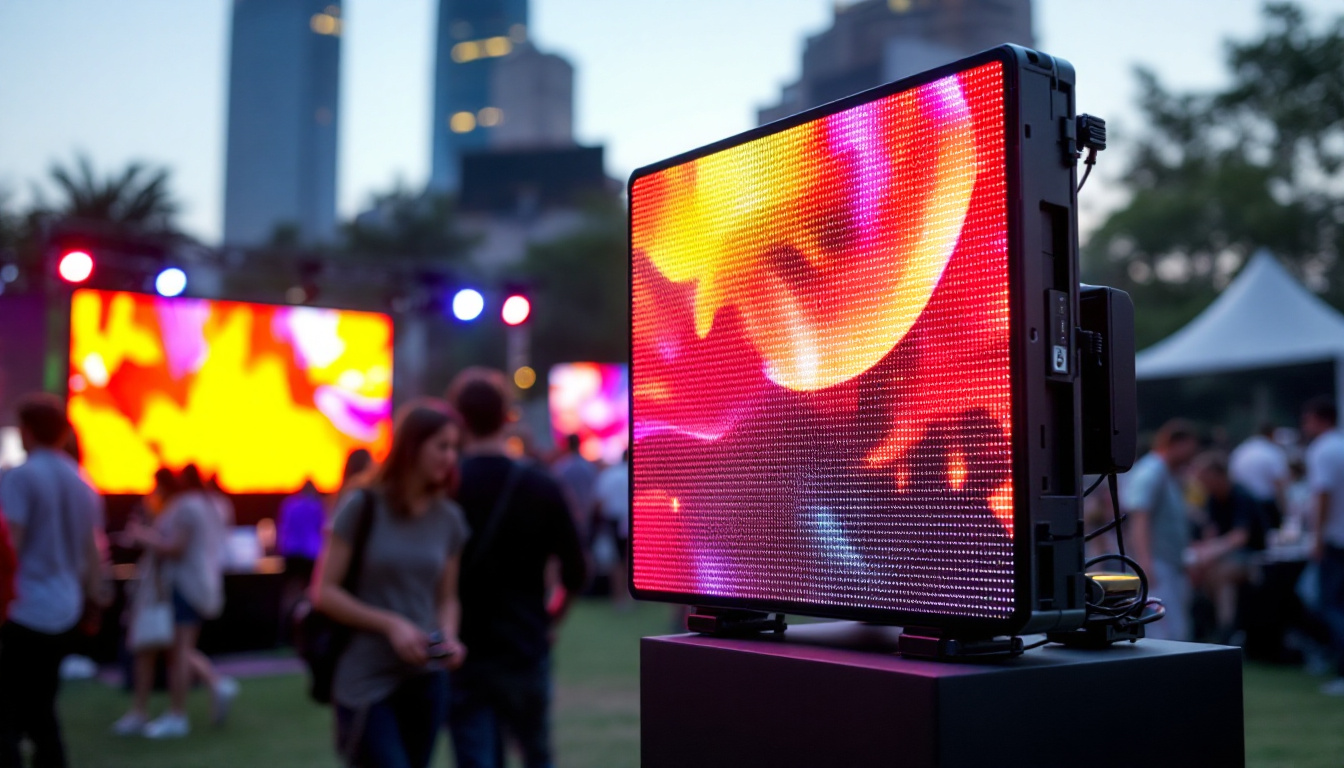
In entertainment, LED screens are indispensable for enhancing audience experience. They deliver live video feeds, graphics, and special effects that complement performances. Outdoor LED displays are especially valuable at music festivals, where visibility and durability are critical.
Trade Shows and Exhibitions
Trade show booths benefit from LED displays that attract visitors and highlight products or services with vibrant visuals. Interactive LED walls can also be used to engage attendees and create memorable brand experiences.
Sports Events and Stadiums
From scoreboards to advertising panels, LED displays are integral to modern sports venues. They provide real-time information, replays, and promotional content, enhancing the spectator experience both in the stadium and on broadcasts.
Outdoor Advertising and Digital Billboards
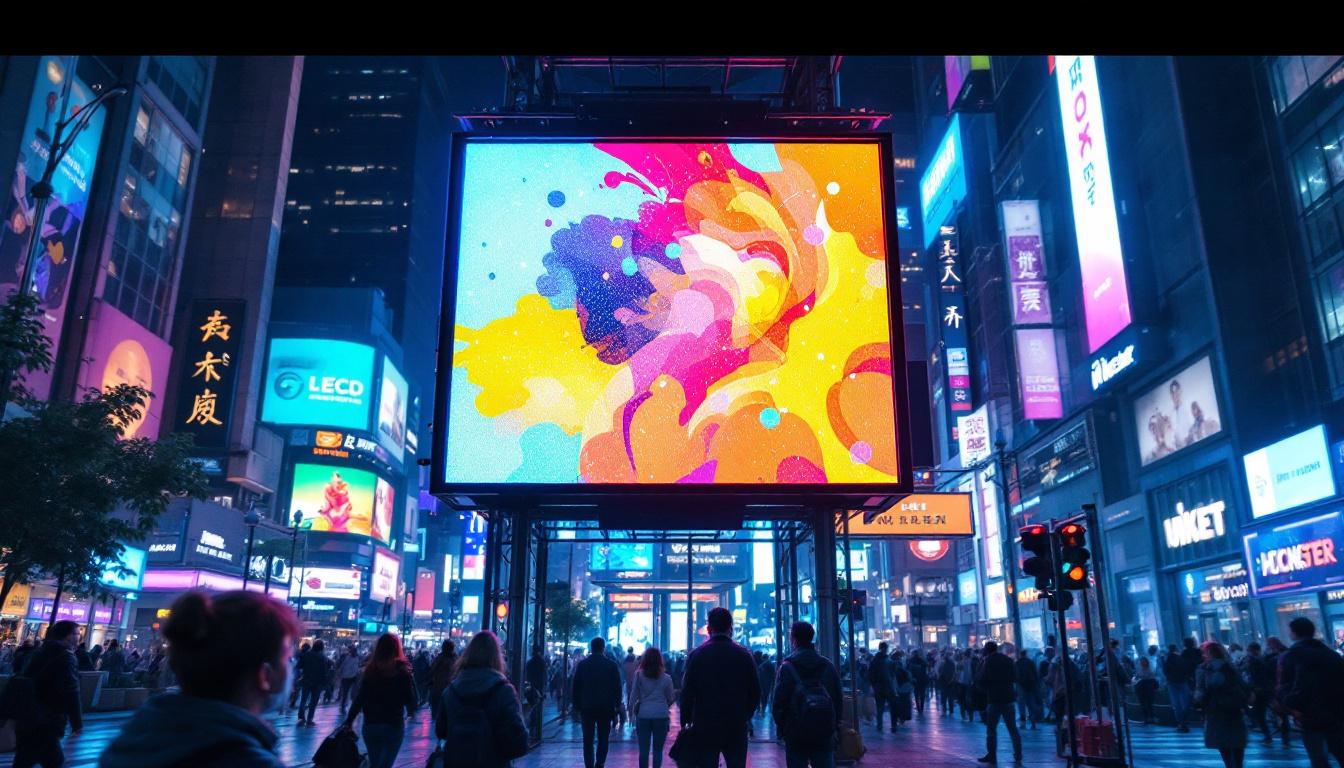
LED displays have revolutionized outdoor advertising by enabling dynamic, eye-catching content that can be updated remotely and frequently. This flexibility allows advertisers to tailor messages based on time of day, audience demographics, or special promotions.
Key Considerations When Renting an LED Display
Choosing the right LED display rental service involves several important factors to ensure the best outcome for your event or campaign.
Assessing Your Needs
Start by defining the purpose of the display, the venue environment, and the expected audience size. Consider whether the display will be indoors or outdoors, the viewing distance, and the type of content to be shown. This information guides the selection of screen size, resolution, and brightness.
Quality and Reliability
Partner with rental providers that have a proven track record and offer high-quality equipment. Ask about the specifications of their LED panels, including pixel pitch, brightness, and refresh rates. Reliable service and technical support are also critical to avoid disruptions.
Content Management and Compatibility
Ensure that the rental company provides user-friendly content management systems compatible with your media formats. Some providers offer creative services to help design and schedule content, which can be a valuable asset for complex events.
Installation and Logistics
Discuss installation requirements, lead times, and any venue restrictions. Professional installation ensures safety and optimal performance. Also, clarify transportation and setup costs to avoid unexpected expenses.
The Future of LED Displays
LED display technology continues to advance rapidly, driven by innovations in materials, design, and software. Mini-LED and micro-LED technologies promise even higher resolutions and better energy efficiency. Transparent and flexible LED displays are opening new creative possibilities for architects and advertisers alike.
Integration with augmented reality (AR) and artificial intelligence (AI) is also on the horizon, enabling more interactive and personalized visual experiences. As these trends develop, LED display rental services will become even more essential for delivering cutting-edge visual communication.
Conclusion
LED displays have transformed the way businesses and event organizers communicate visually. Their brightness, versatility, and ability to deliver dynamic content make them indispensable in many settings. Renting LED displays offers a practical and cost-effective way to leverage this technology without the burden of ownership.
By understanding the technology, benefits, and applications of LED displays, decision-makers can make informed choices that maximize impact and engagement. Whether for a one-time event or ongoing advertising campaigns, LED display rental remains a powerful tool in the modern visual communication arsenal.
Discover LumenMatrix’s Innovative LED Display Solutions
Ready to elevate your visual communication with unparalleled brightness and versatility? Explore LumenMatrix’s comprehensive range of LED display solutions, designed to captivate your audience and amplify your message. From Indoor and Outdoor LED Wall Displays to specialized solutions like Vehicle LED Displays, LED Sports Displays, and Custom LED Displays, LumenMatrix is committed to revolutionizing the industry with cutting-edge technology. Check out LumenMatrix LED Display Solutions today and experience the future of dynamic visual storytelling.