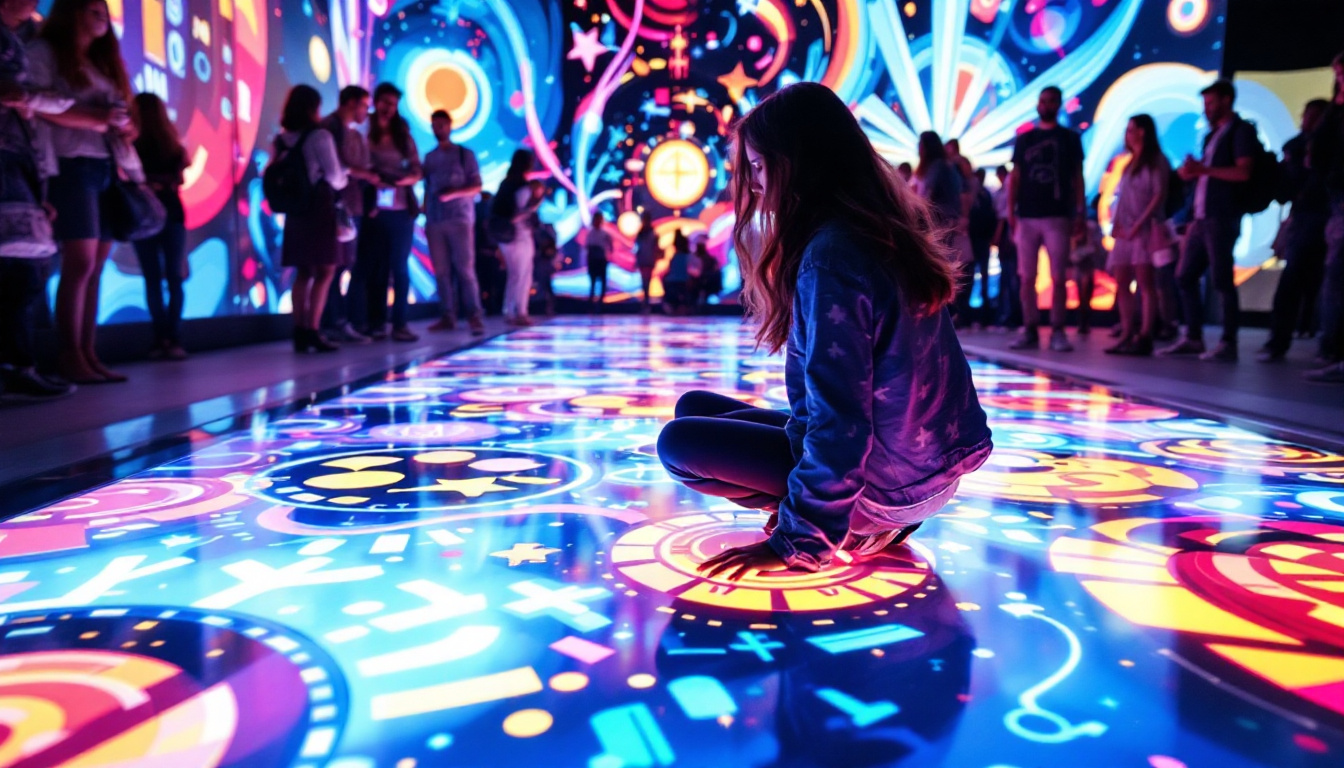
In the world of live events, concerts, theatrical performances, and corporate presentations, stage design plays a crucial role in creating memorable experiences. Among the various elements that contribute to an immersive environment, LED displays have emerged as a transformative technology. These vibrant, dynamic screens have revolutionized how visual content is presented on stage, offering unparalleled flexibility, brightness, and engagement.
This article explores the fundamentals of LED displays in stage design, their types, advantages, and practical applications. Whether you are an event organizer, a stage designer, or simply curious about the technology behind modern performances, understanding LED displays is essential to appreciating their impact on contemporary stagecraft.
Understanding LED Displays: The Basics
What is an LED Display?
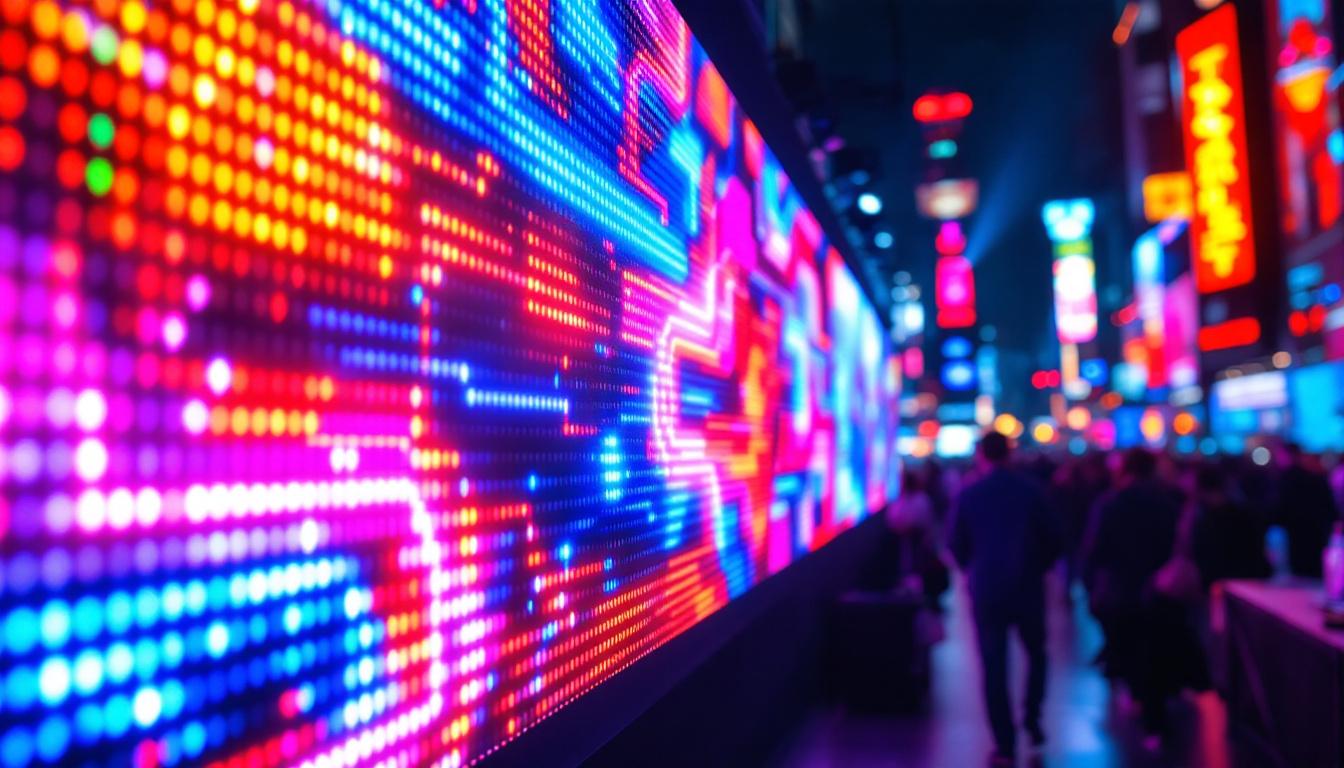
LED stands for Light Emitting Diode, a semiconductor device that emits light when an electric current passes through it. An LED display consists of numerous tiny LEDs arranged in a matrix to form pixels, which collectively create images, videos, or animations. Unlike traditional projection or LCD screens, LED displays are self-illuminating, meaning each pixel emits its own light, resulting in superior brightness and contrast.
In stage design, LED displays are typically constructed as modular panels that can be combined to create screens of various sizes and shapes. This modularity allows for customization to fit the unique spatial and aesthetic requirements of each event.
Types of LED Displays Used in Stage Design
LED displays come in several varieties, each suited for different applications. The most common types include:
- Indoor LED Displays: Designed for environments with controlled lighting, these displays have a higher pixel density for sharper images and are often used in theaters, conference halls, and indoor concerts.
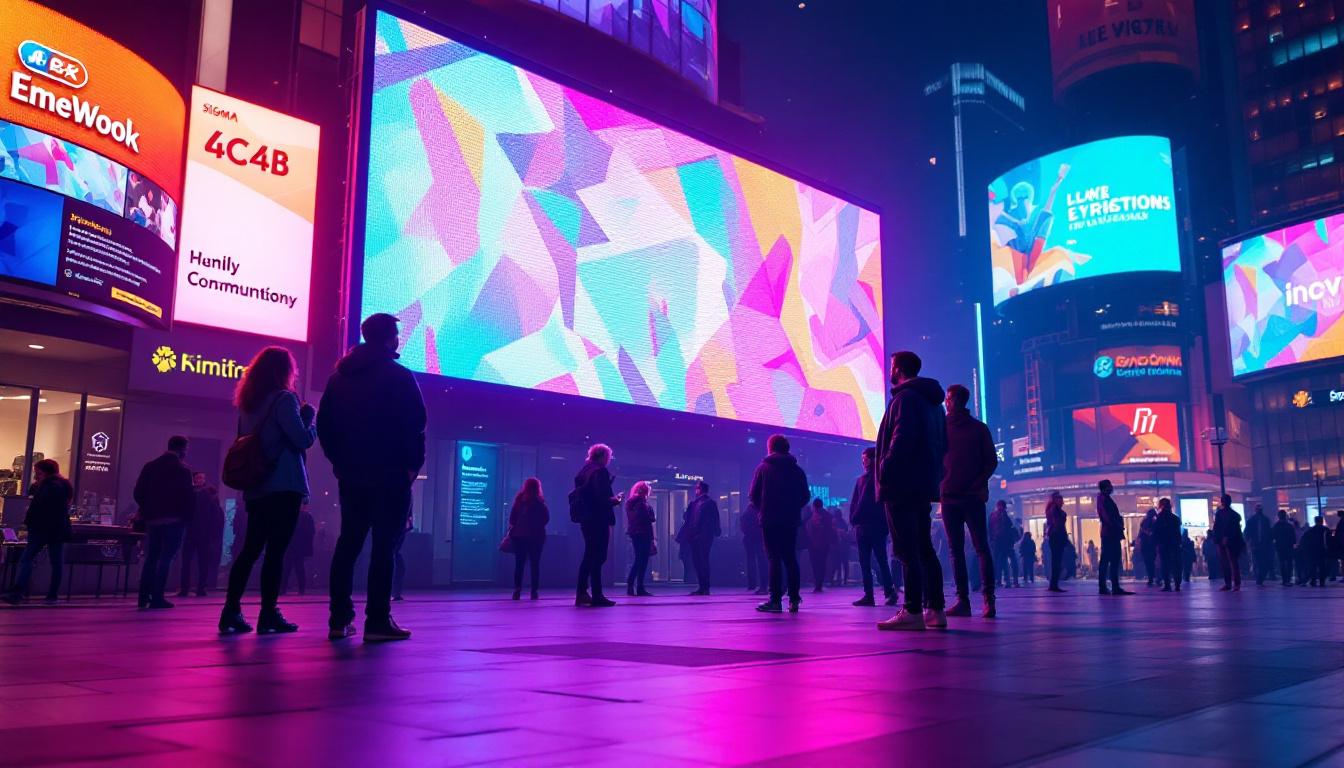
- Outdoor LED Displays: Built to withstand weather conditions, these screens are brighter to combat sunlight and have protective coatings to resist moisture and dust, making them ideal for outdoor festivals and large-scale events.
- Flexible LED Displays: These are bendable or curved panels that allow creative stage designs, such as wrapping around columns or forming dynamic shapes.
- Transparent LED Displays: Offering see-through capabilities, these displays can be integrated into glass surfaces or windows without obstructing the view, adding a futuristic element to stage design.
The Advantages of LED Displays in Stage Design
Vivid Visual Impact and Brightness
One of the most compelling reasons for using LED displays on stage is their exceptional brightness and color vibrancy. LEDs can produce intense light levels, often exceeding 5,000 nits, which ensures visibility even under powerful stage lighting or outdoor sunlight. This brightness enhances the visual impact, making images and videos pop with vivid colors and deep blacks.
Compared to traditional projection screens, LED displays maintain clarity and color accuracy regardless of ambient lighting conditions, which is critical for maintaining audience engagement throughout a performance.
Flexibility and Customization
LED panels are highly modular, allowing stage designers to configure screens in virtually any size or shape. This flexibility supports innovative stage concepts, such as curved backdrops, immersive environments, and interactive installations.
For example, at major music festivals, LED walls often wrap around the stage or form dynamic shapes that change during the event, enhancing the storytelling and thematic elements of the performance. This adaptability also extends to content, as LED displays can showcase live video feeds, animations, graphics, and real-time social media interactions.
Durability and Longevity
LED technology is known for its robustness and long operational life, often exceeding 100,000 hours of use. This durability is especially important for touring productions and rental companies that require reliable equipment that can withstand frequent setup, teardown, and transport.
Additionally, LED displays are less prone to damage from physical impact compared to projection equipment or LCD screens, making them a practical choice for high-energy environments like concerts and theatrical performances.
Energy Efficiency
Despite their brightness, LED displays are relatively energy-efficient compared to other lighting and display technologies. They consume less power than traditional incandescent or halogen stage lights and projectors, contributing to lower operational costs and a reduced environmental footprint.
As sustainability becomes a priority in event production, the energy efficiency of LED displays aligns well with green initiatives and corporate social responsibility goals.
Applications of LED Displays in Modern Stage Design
Concerts and Music Festivals
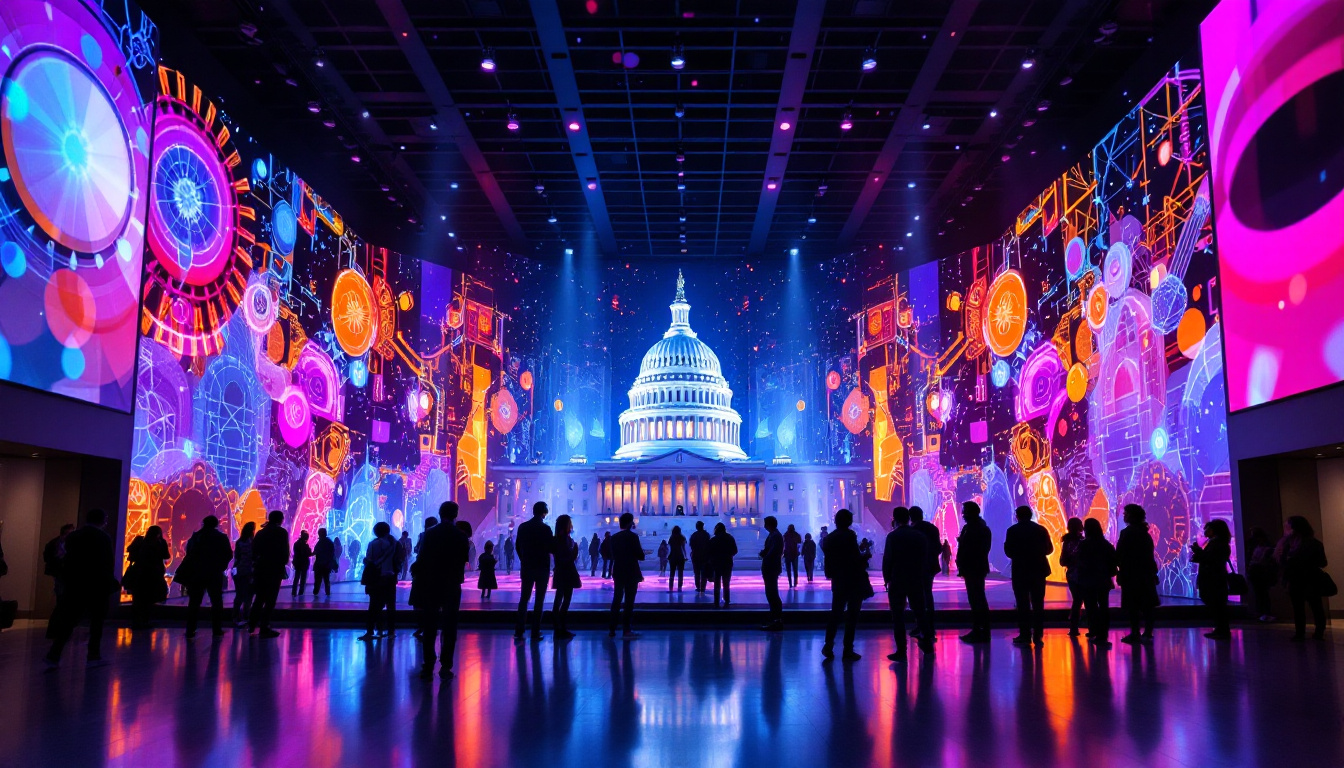
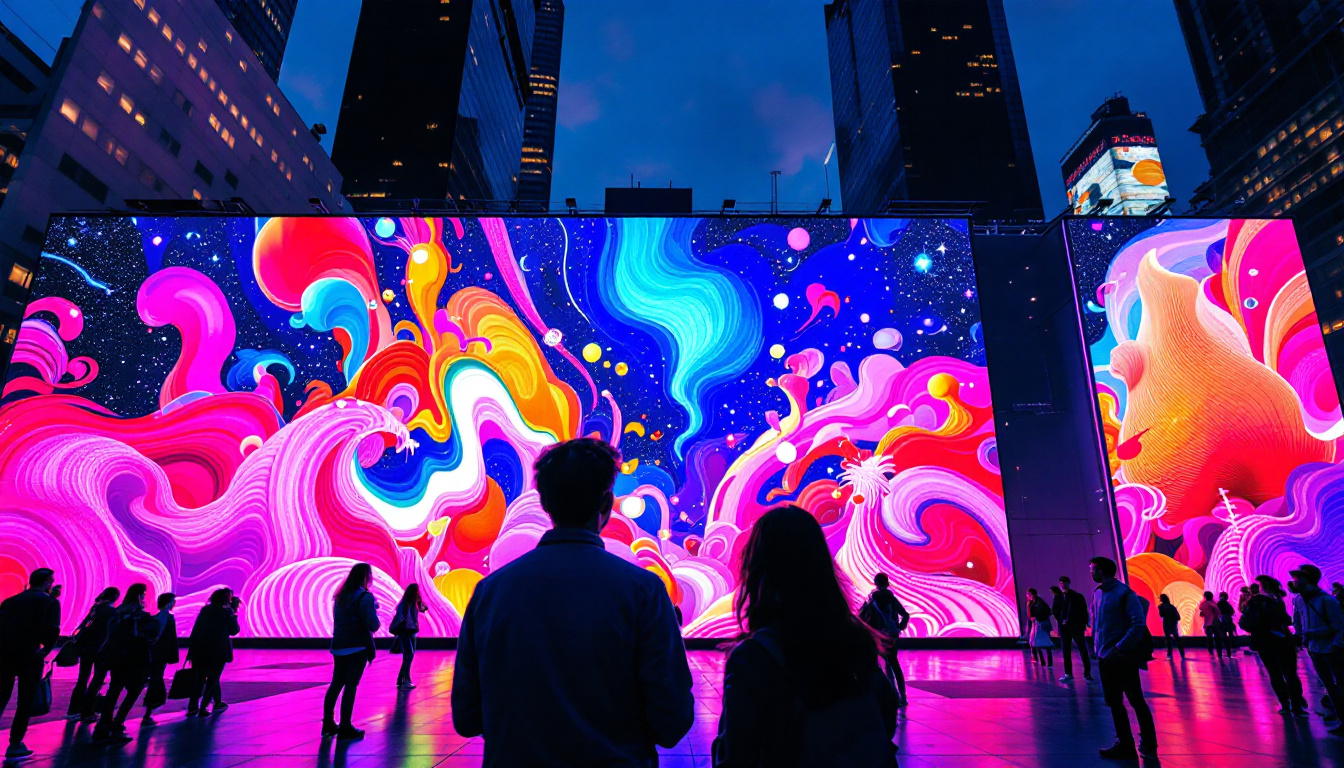
LED displays have become a staple in live music events, from intimate club gigs to massive stadium tours. They serve multiple functions, such as providing close-up views of performers, displaying dynamic visuals synchronized with music, and creating immersive atmospheres that elevate the audience experience.
For instance, artists like Beyoncé and Coldplay utilize massive LED walls and floors to create visually stunning performances that blend lighting, video, and stage movement. These displays also enable real-time interaction with the audience, such as displaying fan messages or live social media feeds.
Theatrical Productions and Musicals
In theater, LED displays offer new possibilities for set design and storytelling. Instead of relying solely on physical props and painted backdrops, productions can use LED screens to create changing environments, from realistic cityscapes to fantastical worlds, all within seconds.
This capability reduces the need for complex set changes and allows for more fluid scene transitions. Productions like “The Lion King” and “Harry Potter and the Cursed Child” have incorporated LED technology to enhance visual storytelling and create immersive experiences that captivate audiences.
Corporate Events and Conferences
Corporate events increasingly leverage LED displays to deliver impactful presentations, product launches, and brand activations. Large LED screens provide clear visibility for attendees regardless of venue size and enable the display of high-resolution graphics, videos, and live streams.
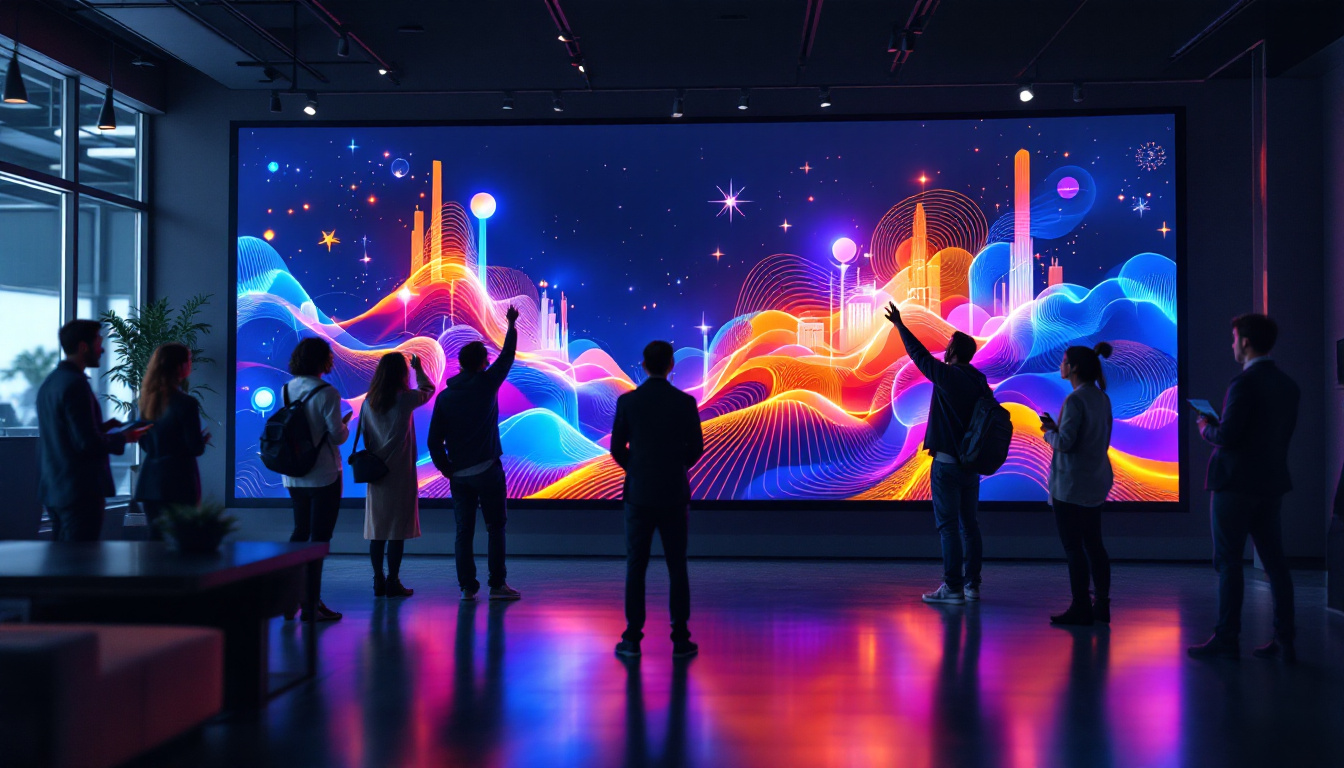
Interactive LED installations can also engage participants through touch-sensitive panels or motion-triggered content, fostering networking and collaboration. The versatility of LED displays helps companies create memorable events that reinforce their messaging and professionalism.
Sporting Events and Arenas
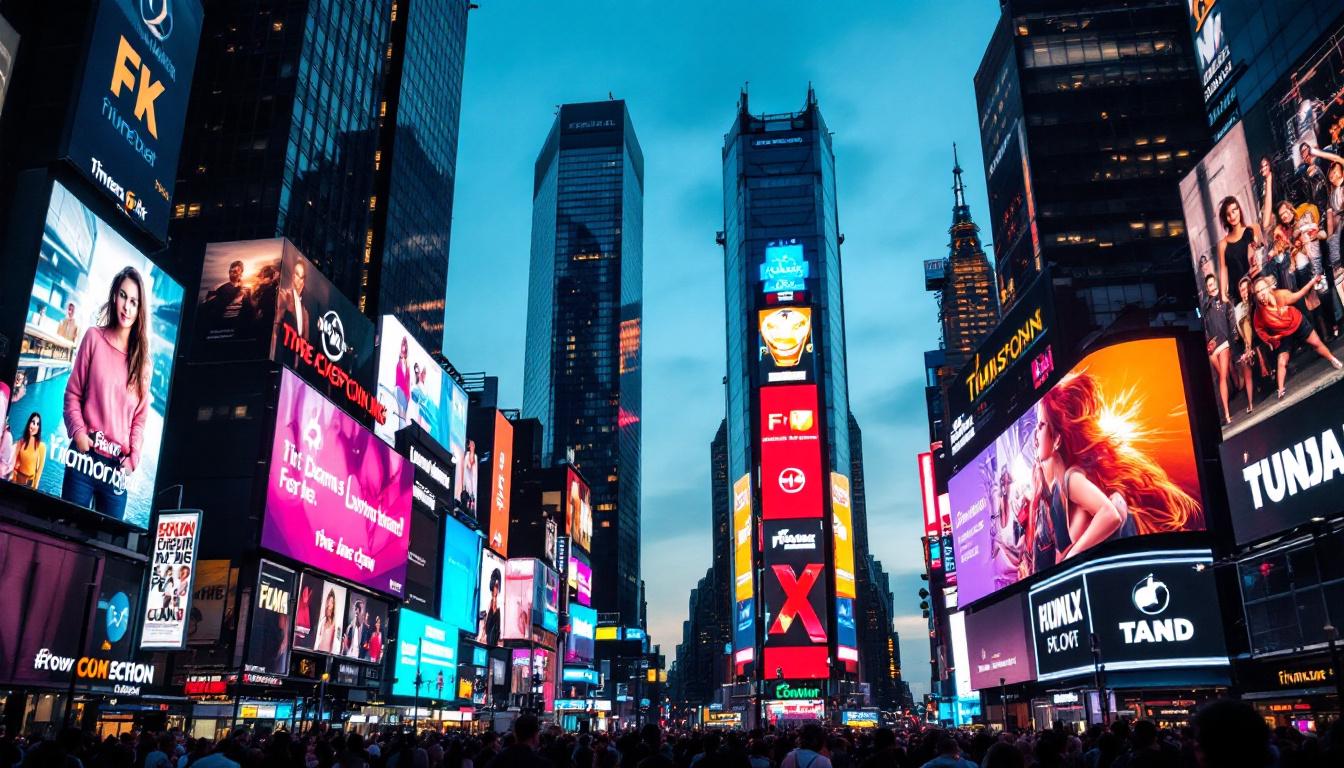
LED technology is widely used in sports venues for scoreboards, advertising, and immersive fan experiences. Around the arena, LED ribbon boards and giant screens display live game footage, replays, statistics, and interactive content that keep fans engaged.
Modern stadiums often incorporate LED displays into architectural elements, such as facades and concourses, enhancing the overall atmosphere and branding opportunities.
Technical Considerations When Choosing LED Displays for Stage Design
Pixel Pitch and Resolution
Pixel pitch refers to the distance between individual LEDs on a display, typically measured in millimeters. A smaller pixel pitch means higher pixel density, resulting in sharper images and finer detail. For indoor stages where viewers are close to the screen, pixel pitches of 1.2mm to 2.5mm are common.
For large outdoor events where the audience is farther away, pixel pitches can range from 4mm to 10mm or more, balancing resolution with cost and brightness requirements. Selecting the appropriate pixel pitch is critical to ensuring optimal image quality without unnecessary expense.
Brightness and Contrast Ratio
Brightness is measured in nits and determines how well the display performs under various lighting conditions. For outdoor stages, displays with 5,000 to 7,000 nits or higher are recommended to overcome sunlight glare. Indoor displays typically require lower brightness levels, around 800 to 1,500 nits, to avoid eye strain and preserve color accuracy.
Contrast ratio—the difference between the darkest black and brightest white a display can produce—also affects image quality. High contrast ratios enhance depth perception and color vibrancy, contributing to a more engaging visual experience.
Refresh Rate and Viewing Angle
The refresh rate, measured in hertz (Hz), indicates how many times per second the display updates its image. Higher refresh rates (above 3,000 Hz) prevent flickering and are essential for smooth video playback and live camera feeds, especially when filming the stage with broadcast cameras.
Viewing angle defines the range from which the screen can be viewed without significant color or brightness degradation. Wide viewing angles (up to 160 degrees horizontally and vertically) ensure that audience members seated at various locations enjoy consistent image quality.
Installation and Maintenance
LED displays require careful planning for installation, including considerations for weight support, power supply, ventilation, and cable management. Modular panels facilitate easier assembly and maintenance but demand precise calibration to ensure uniform brightness and color across the entire screen.
Routine maintenance involves cleaning, firmware updates, and occasional repairs of individual LED modules. Working with experienced technicians and rental companies can help maintain display performance and longevity.
Future Trends in LED Stage Displays
MicroLED and MiniLED Technologies
Emerging display technologies like MicroLED and MiniLED promise even higher resolution, brightness, and energy efficiency. MicroLEDs are significantly smaller than traditional LEDs, enabling ultra-fine pixel pitches below 1mm, which could revolutionize indoor stage displays with near-retina quality visuals.
These advancements will allow for more seamless integration of LED displays into stage elements, pushing the boundaries of immersive design.
Interactive and Augmented Reality Integration
As interactive technologies evolve, LED displays are increasingly combined with augmented reality (AR) and motion tracking to create responsive environments. For example, performers can trigger visual effects on LED screens through movement, or audiences can interact with content via mobile devices, blurring the line between physical and digital experiences.
Energy-Efficient and Sustainable Solutions
With growing environmental concerns, the LED display industry is focusing on sustainability. Innovations include the use of recyclable materials, lower power consumption, and smart control systems that adjust brightness based on ambient light to conserve energy.
These initiatives align with the broader event industry’s push towards greener production practices.
Conclusion
LED displays have fundamentally transformed stage design by offering unparalleled brightness, flexibility, and visual impact. Their modular nature and technological advancements enable creative freedom, allowing designers and producers to craft immersive, dynamic experiences that captivate audiences across diverse event types.
Understanding the technical specifications and practical applications of LED displays is essential for anyone involved in live event production. As technology continues to evolve, LED displays will remain at the forefront of stage design innovation, shaping the future of live entertainment and communication.
Illuminate Your Stage with LumenMatrix
Ready to elevate your live event production with the brilliance of LED technology? LumenMatrix is at the forefront of LED display innovation, offering a diverse range of solutions from Indoor and Outdoor LED Wall Displays to specialized options like Vehicle, Sports, and Floor LED Displays. Our mission is to transform your visual storytelling with displays that captivate and engage. Don’t just take our word for it; experience the difference yourself. Check out LumenMatrix LED Display Solutions and see how we can illuminate your next event with clarity and impact.