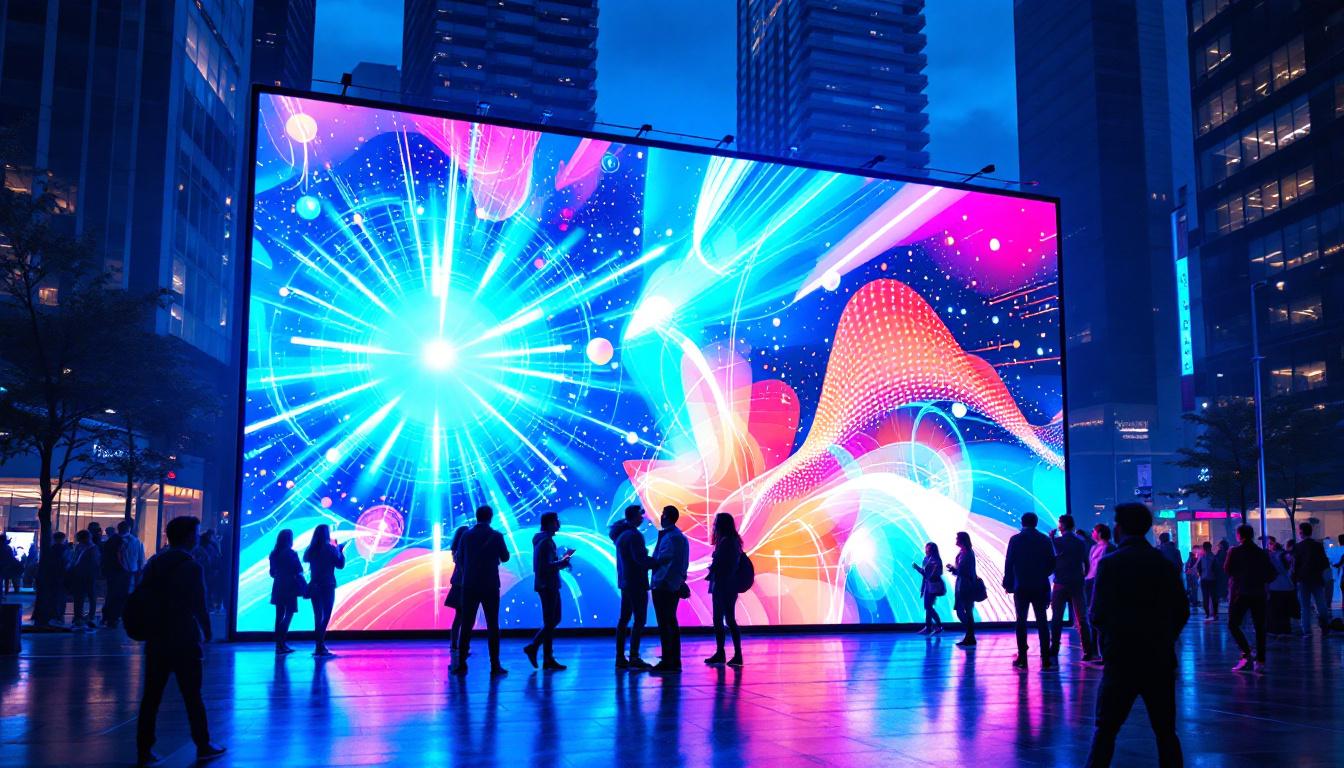
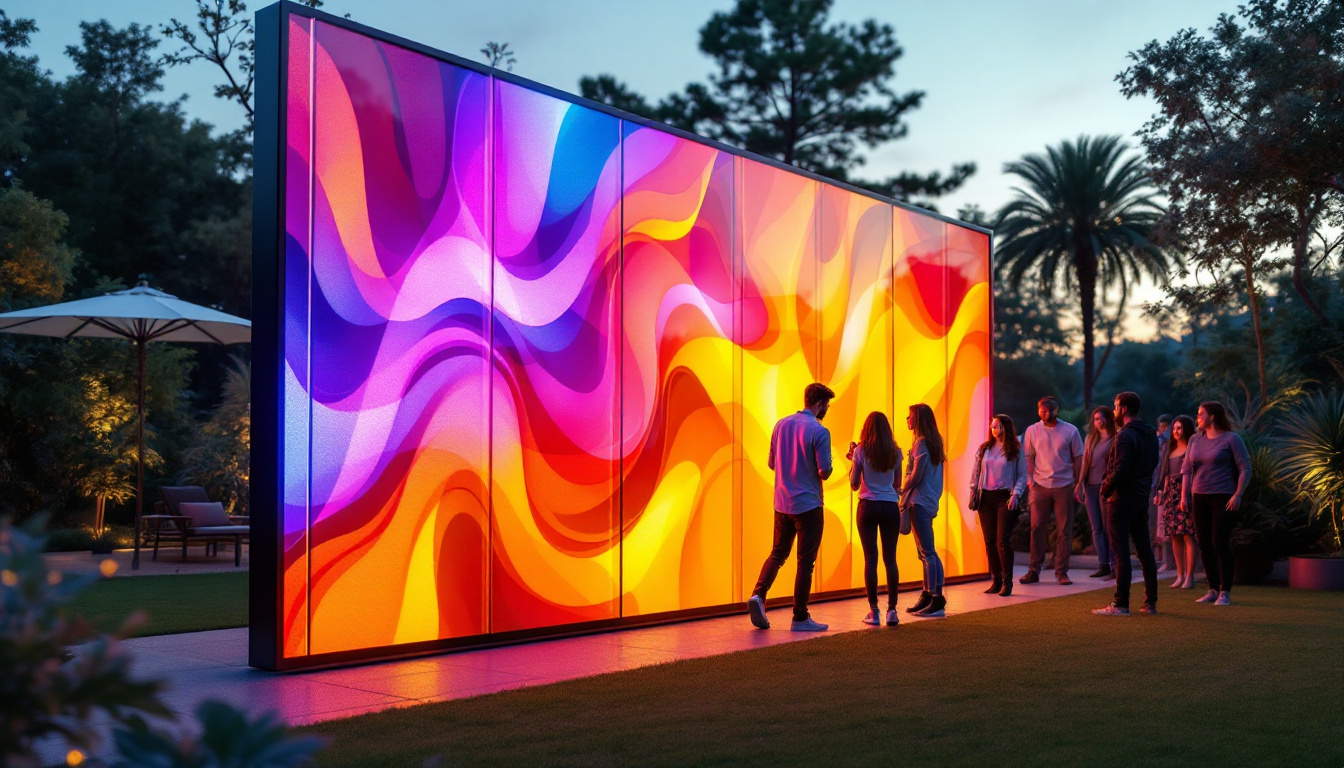
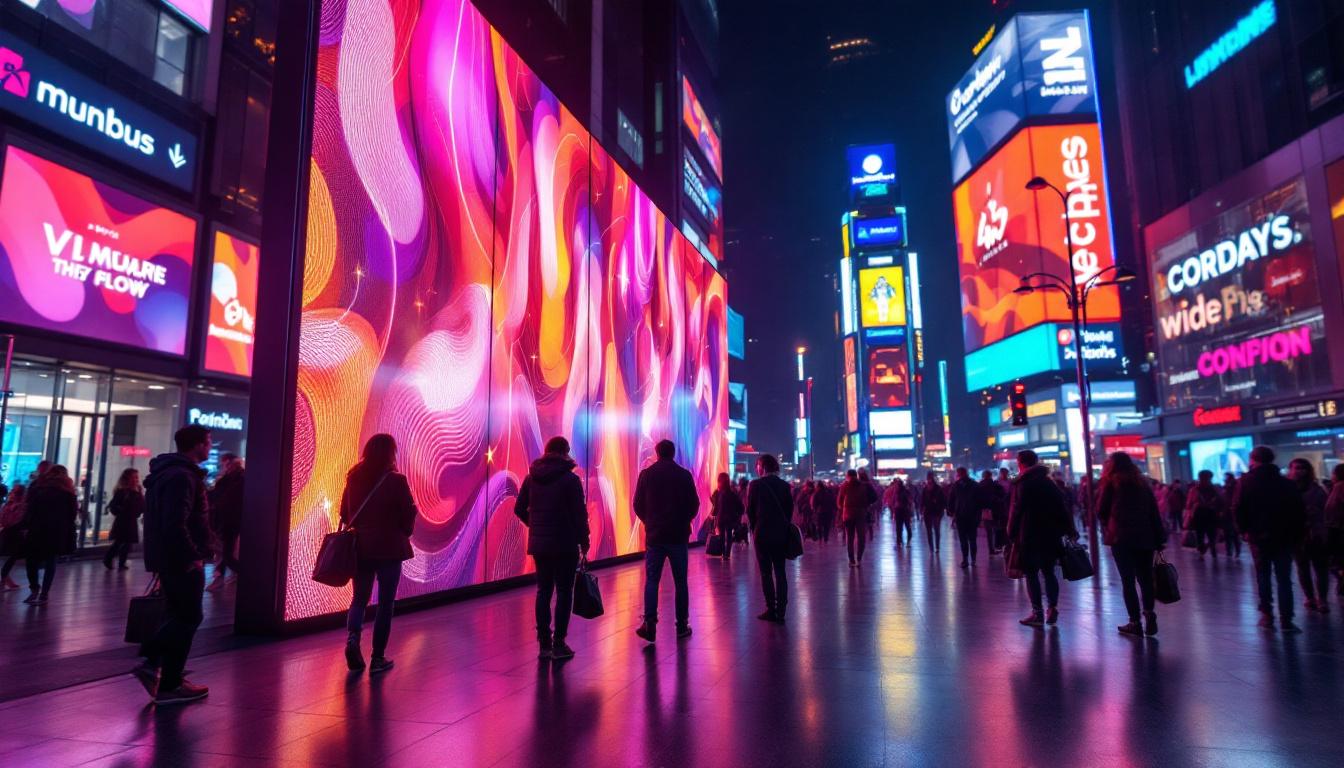
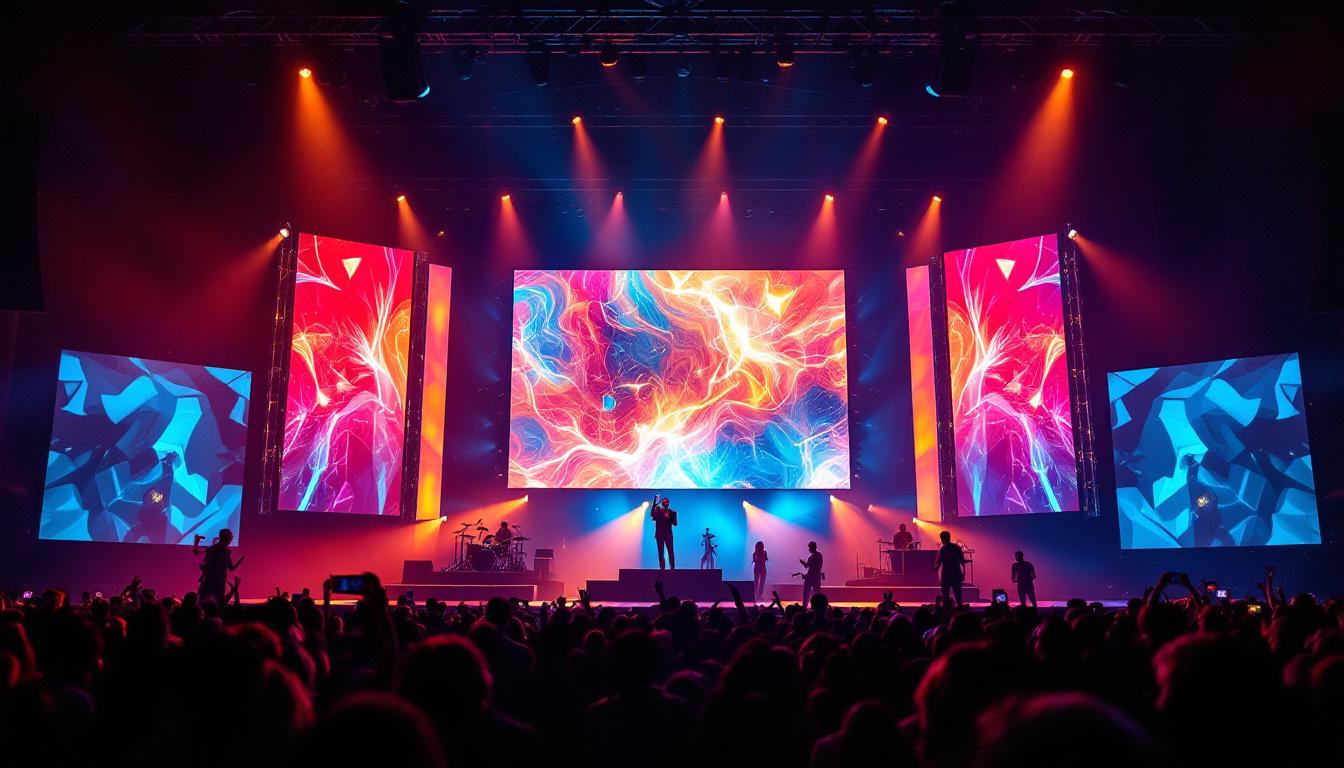
In today’s digital age, LED displays have become a cornerstone technology for advertising, entertainment, and information dissemination. From towering billboards in Times Square to dynamic stadium screens and vibrant retail signage, LED screens captivate audiences with their brightness, versatility, and clarity. But what exactly is an LED display, and how does it create such compelling visual effects? This article delves into the technology behind LED screens, explores their applications, and explains why they have become the preferred choice for modern digital displays.
Understanding LED Display Technology
What is an LED Screen?
LED stands for Light Emitting Diode, a semiconductor device that emits light when an electric current passes through it. An LED screen is essentially a large matrix of these tiny diodes arranged in rows and columns. By controlling the intensity of each diode, the screen can display images, videos, and text with remarkable brightness and color accuracy.
Unlike traditional LCD or plasma screens, LED displays generate their own light, which means they do not require a backlight. This self-illumination results in higher contrast ratios and better visibility in bright environments, making LED screens ideal for outdoor use. Furthermore, the energy efficiency of LED technology contributes to lower operational costs, as these displays consume significantly less power than their predecessors. This not only benefits businesses economically but also aligns with growing environmental concerns, as reduced energy consumption leads to a smaller carbon footprint.
Types of LED Displays
LED screens come in various forms, each suited to different applications:
- Indoor LED Displays: Designed for controlled lighting environments, indoor LED screens typically have smaller pixel pitches (distance between LEDs), allowing for higher resolution and finer detail. They are commonly used in conference rooms, retail stores, and indoor events. The versatility of indoor displays also extends to creative installations, where they can be used to enhance ambiance and engage audiences through interactive content.
- Outdoor LED Displays: Built to withstand weather conditions, these displays have higher brightness levels (often exceeding 5,000 nits) to remain visible in direct sunlight. They are used for billboards, sports arenas, and public information boards. Additionally, outdoor LED screens often incorporate advanced technologies such as automatic brightness adjustment, ensuring optimal visibility regardless of changing light conditions throughout the day.
- Transparent LED Screens: These innovative displays allow light to pass through, making them perfect for shop windows and architectural installations where maintaining visibility through the screen is important. Their unique design not only enhances aesthetic appeal but also enables retailers to showcase products behind the display, creating a seamless blend of digital and physical marketing.
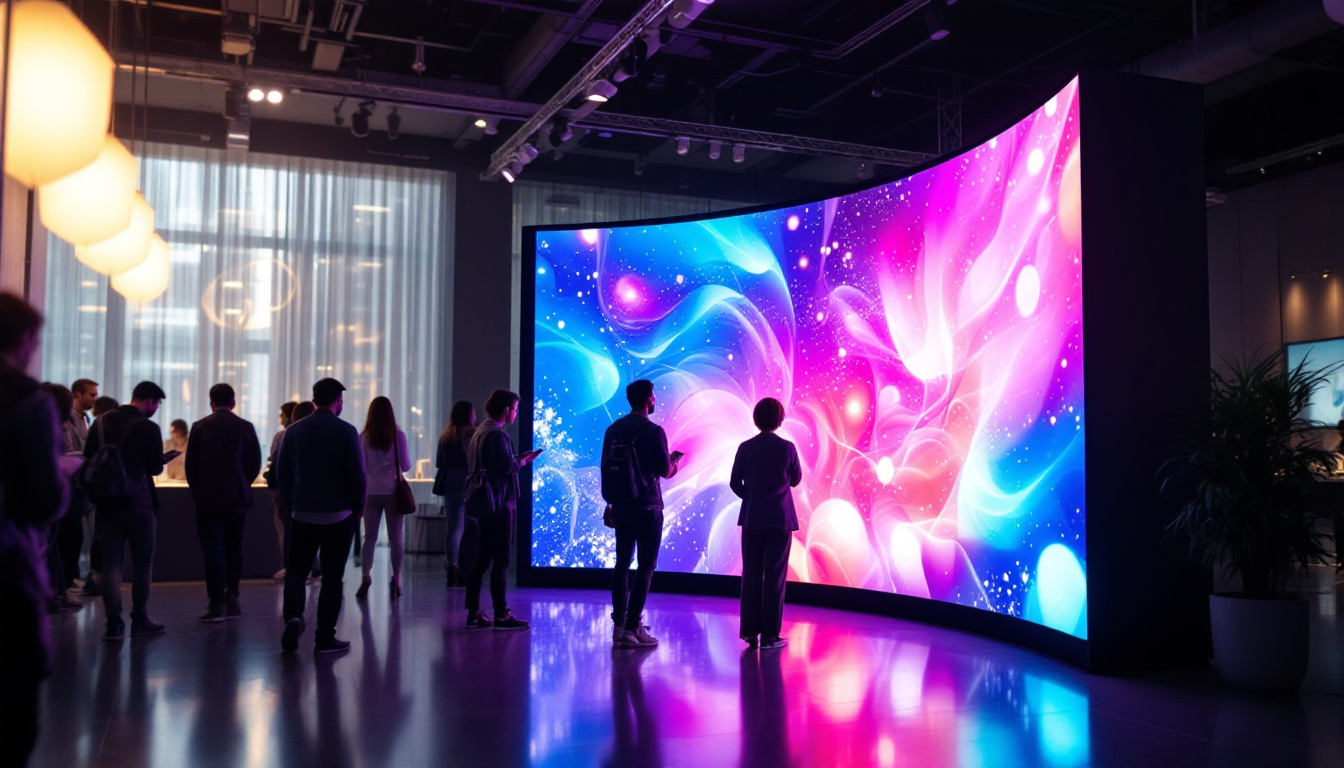
- Flexible and Curved LED Screens: Utilizing flexible substrates, these screens can be shaped to fit unique surfaces, offering creative possibilities for branding and immersive experiences. This adaptability allows for innovative designs in venues such as museums, theaters, and corporate lobbies, where traditional flat screens may not suffice.
How LED Screens Create Visual Effects
The magic of LED displays lies in their ability to control each diode’s brightness and color independently. Modern LED screens use red, green, and blue (RGB) diodes grouped into pixels. By varying the intensity of these three colors, a wide spectrum of colors can be produced through additive color mixing.
Advanced processing units manage the input signal, converting digital content into precise electrical signals that drive individual LEDs. This process enables smooth video playback, dynamic animations, and vivid imagery that can be seen clearly from great distances. Additionally, many LED screens now incorporate features such as high refresh rates and low latency, which are crucial for applications like live sports broadcasting and gaming, where every millisecond counts. The integration of smart technology also allows for real-time content updates, making LED displays an essential tool for advertisers and event organizers looking to capture audience attention effectively.
Key Advantages of LED Displays
Brightness and Visibility
One of the most significant advantages of LED screens is their exceptional brightness. With luminance levels often reaching 10,000 nits or more, LED displays outperform most other display technologies, especially in outdoor settings. This brightness ensures content remains visible even under direct sunlight, a critical factor for outdoor advertising and public information systems. Furthermore, the ability to adjust brightness levels dynamically allows these displays to maintain optimal visibility at all times, whether it’s a bright sunny day or a dimly lit evening. This adaptability not only enhances viewer engagement but also ensures that important messages are communicated effectively, regardless of the time of day or weather conditions.
Energy Efficiency and Longevity
LED technology is inherently energy-efficient because LEDs convert most of the electrical energy into light rather than heat. Compared to traditional lighting and display technologies, LED screens consume less power, reducing operational costs. Additionally, LEDs have a long lifespan—typically around 50,000 to 100,000 hours—meaning they can operate for years with minimal maintenance. This longevity not only translates to lower replacement costs but also contributes to a reduced environmental footprint, as fewer displays need to be manufactured and disposed of over time. Many businesses are now leveraging this energy efficiency as part of their sustainability initiatives, showcasing their commitment to eco-friendly practices while enjoying the financial benefits of lower energy bills.
Durability and Weather Resistance
Outdoor LED displays are engineered to endure harsh environmental conditions, including rain, wind, dust, and extreme temperatures. High-quality LED screens feature protective coatings and robust enclosures with IP65 or higher ratings, ensuring reliable performance in all weather scenarios. This durability is particularly crucial for installations in areas prone to severe weather events, where other display technologies might fail. Additionally, many LED screens are designed to withstand impacts and vibrations, making them suitable for high-traffic areas or locations where they may be subject to physical stress. This resilience not only extends the life of the display but also ensures that businesses can maintain a consistent presence without the interruptions that come from frequent repairs or replacements.
Scalability and Customization
LED screens are highly modular, allowing for scalable installations from small indoor panels to massive outdoor video walls spanning hundreds of square meters. This flexibility enables businesses and event organizers to tailor displays to their specific spatial and visual requirements. The modular nature of LED technology also means that as needs change, displays can be easily expanded or reconfigured without significant investment. For instance, a retail store might start with a single LED panel for promotions and later expand to a larger array for a special event. Furthermore, the customization options available with LED technology extend beyond size; users can choose from various pixel pitches, colors, and resolutions to create a display that perfectly aligns with their branding and messaging goals. This level of personalization ensures that every installation is unique and effectively captures the audience’s attention.
Applications of LED Screens Across Industries
Advertising and Marketing
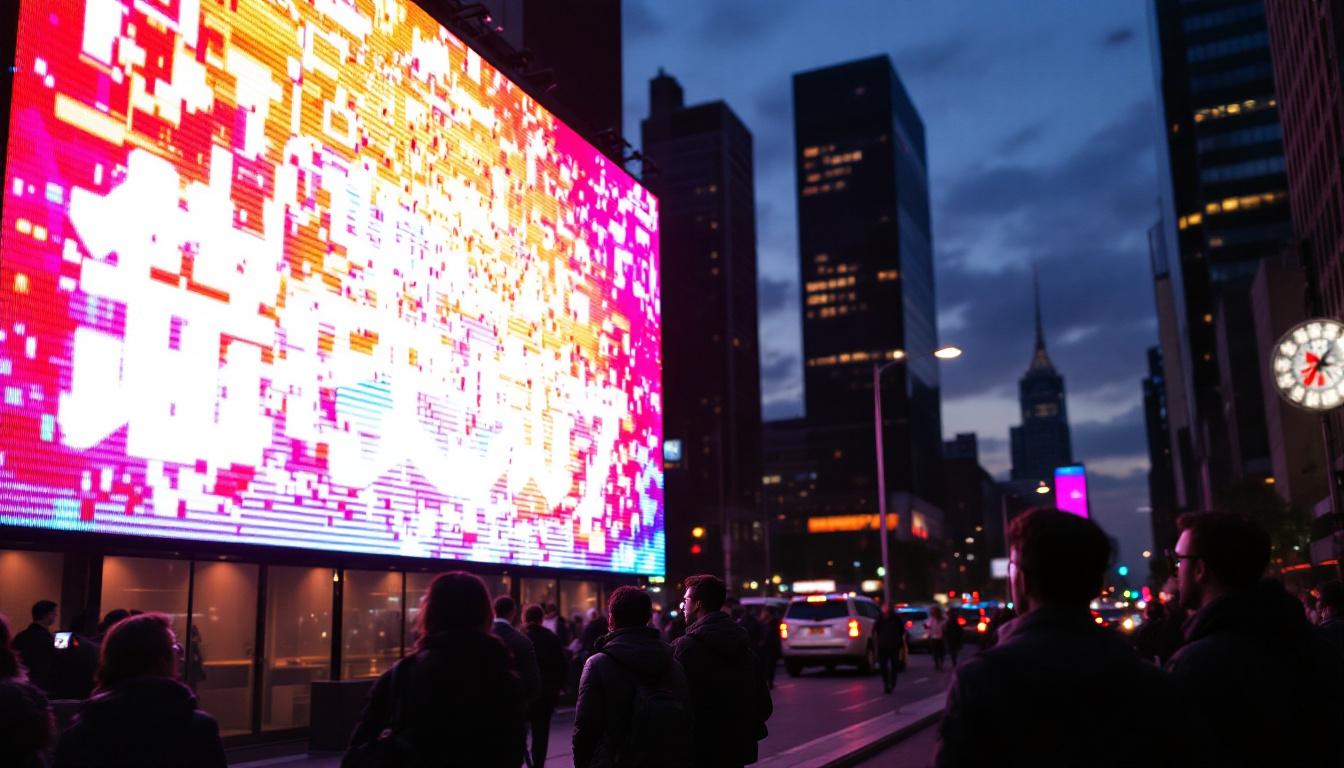
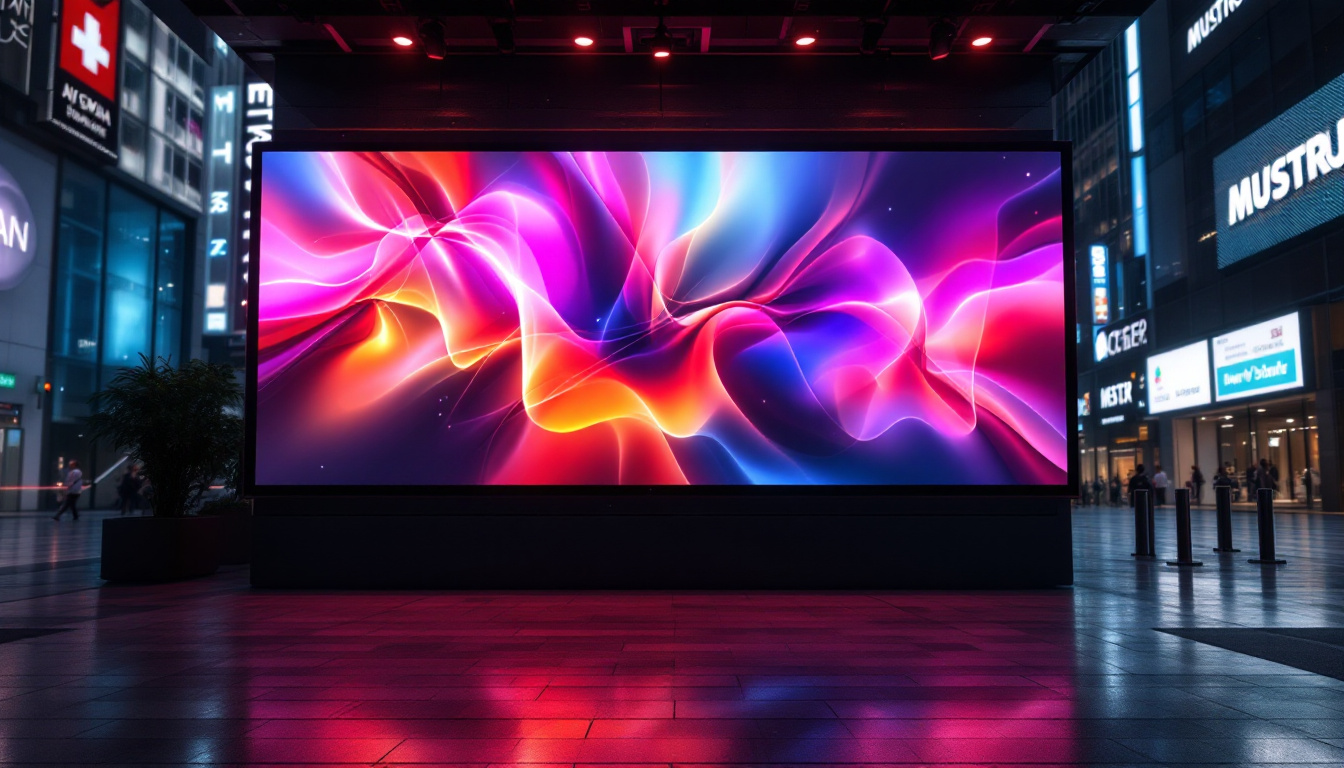
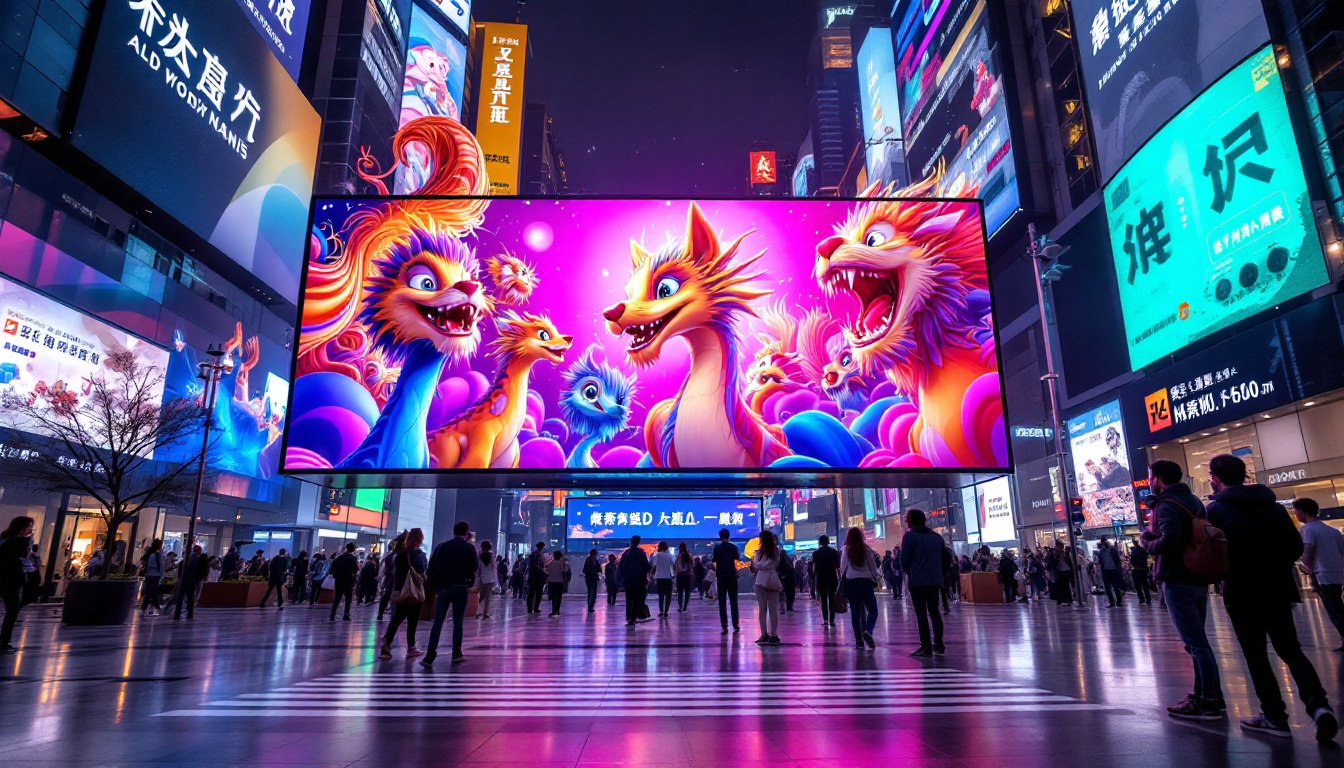
LED billboards have revolutionized the advertising industry by enabling dynamic, eye-catching campaigns that can be updated in real-time. Brands leverage LED screens for product launches, promotions, and interactive experiences that engage consumers more effectively than static signage.
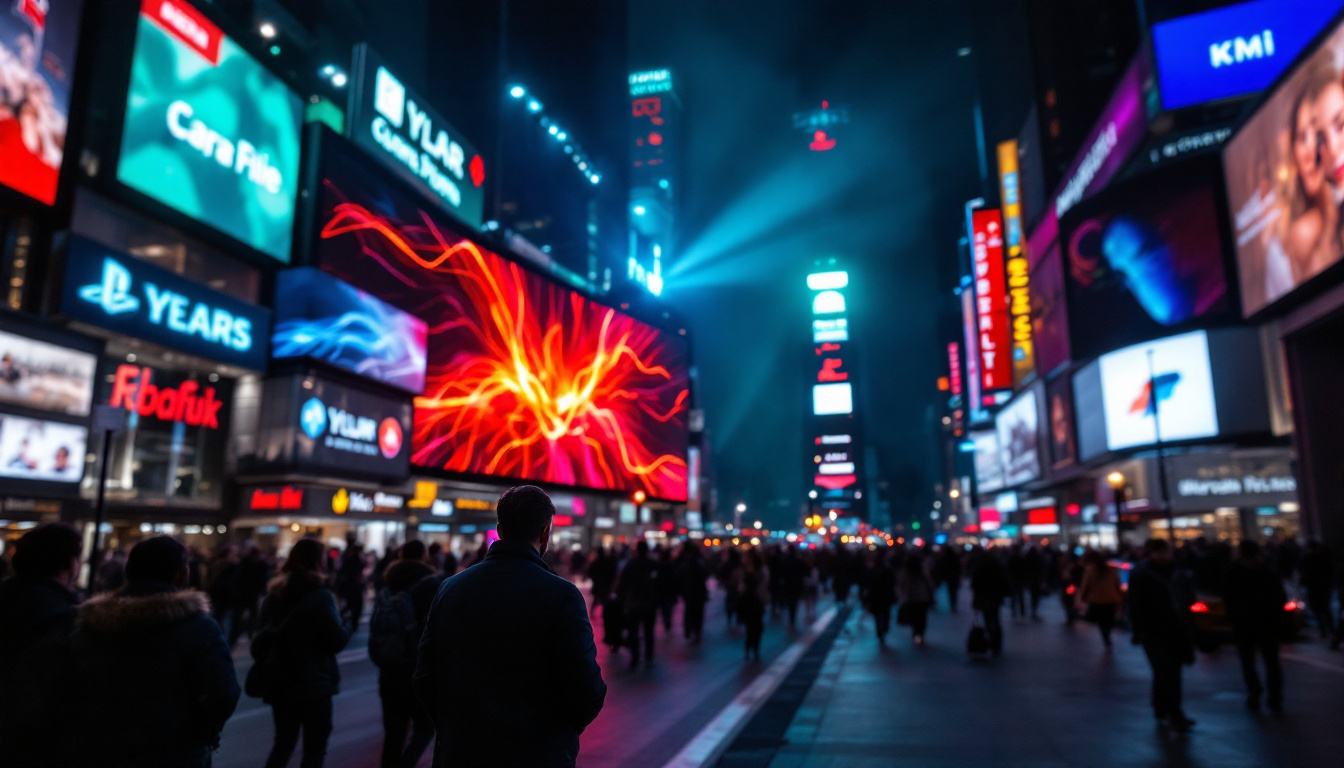
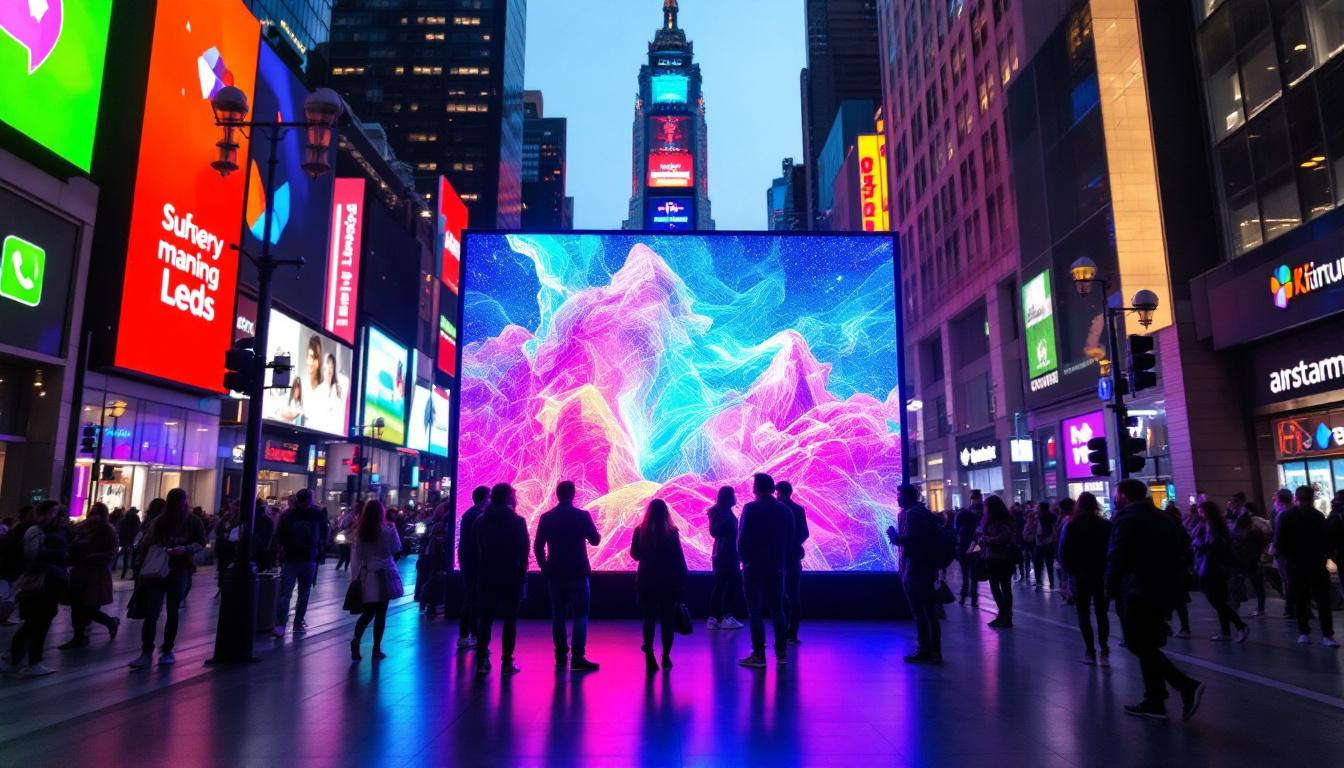
For example, the iconic LED displays in New York’s Times Square reach millions of viewers daily, showcasing how LED technology can amplify brand visibility on a global scale.
Sports and Entertainment Venues
Stadiums and arenas use large LED screens to enhance the spectator experience by displaying live game footage, replays, scores, and advertisements. These screens must deliver high resolution and seamless video playback to maintain audience engagement.
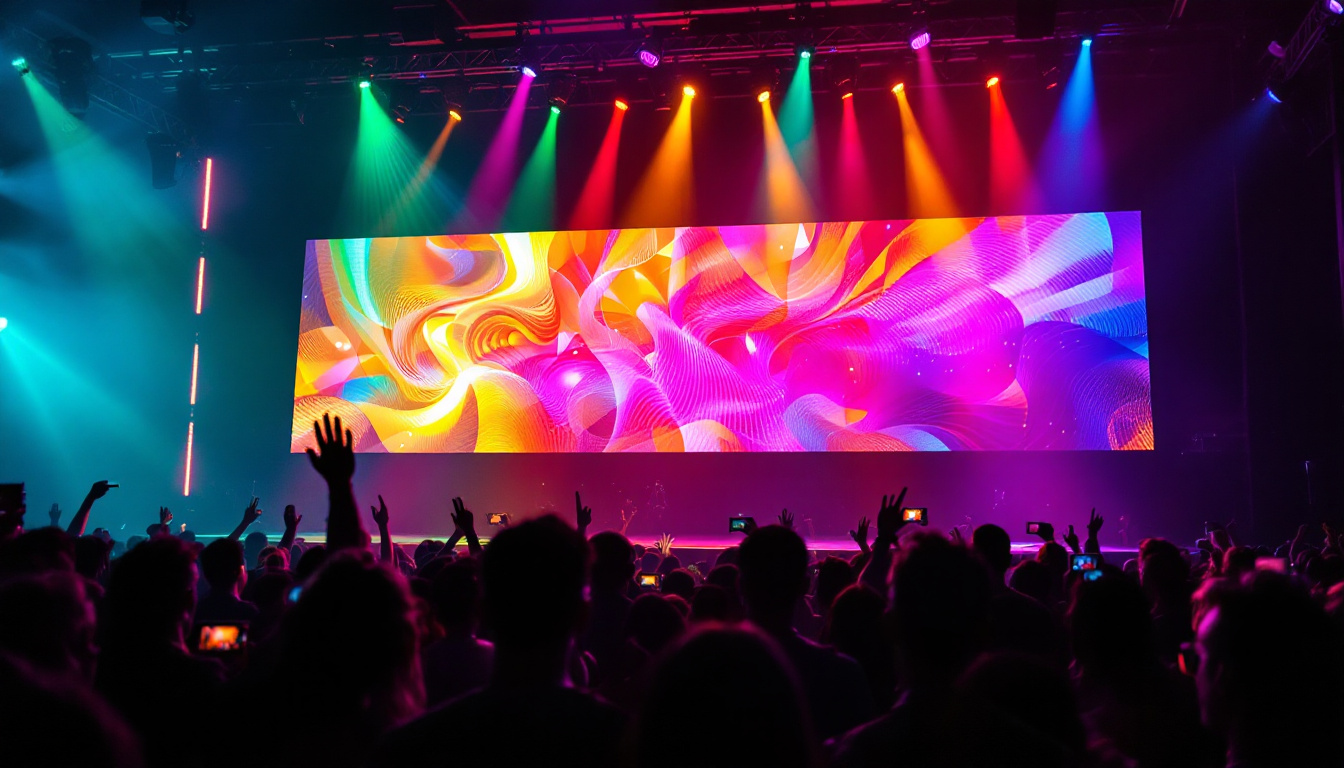
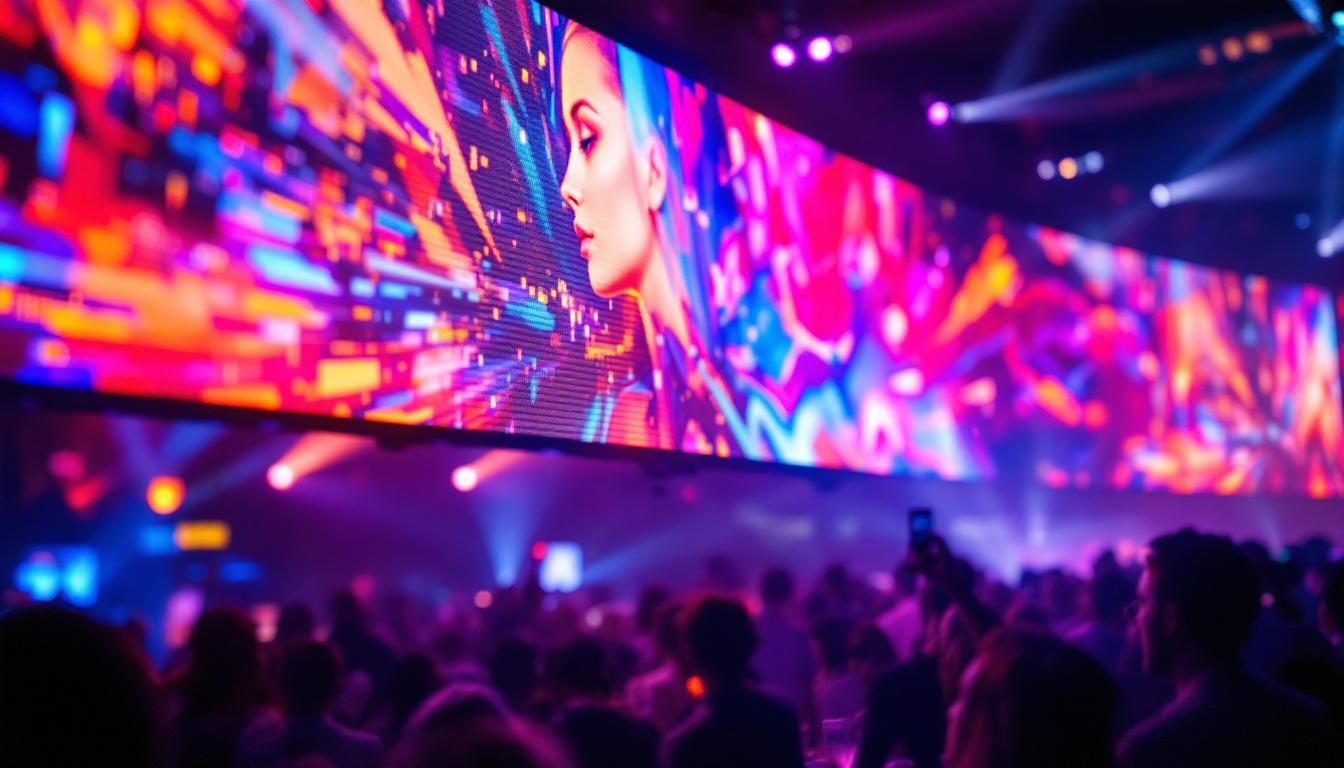
Concerts and festivals also rely on LED walls and stage backdrops to create immersive visual environments that complement live performances.
Retail and Corporate Environments
Retailers use indoor LED displays to attract customers with vibrant promotions and interactive content. In corporate settings, LED video walls serve as communication hubs for presentations, video conferencing, and digital signage.
Transportation and Public Information
LED screens are widely used in airports, train stations, and bus terminals to provide real-time updates, directions, and safety messages. Their high visibility and reliability make them essential tools for managing passenger flow and enhancing the travel experience.
Technical Considerations When Choosing an LED Display
Pixel Pitch and Resolution
Pixel pitch, measured in millimeters, refers to the distance between the centers of adjacent pixels. It directly impacts the display’s resolution and viewing distance. Smaller pixel pitches yield sharper images but are more expensive and typically used for close-up viewing, such as indoor displays.
For outdoor screens viewed from a distance, larger pixel pitches are acceptable and more cost-effective. Selecting the appropriate pixel pitch ensures optimal image quality without unnecessary expense.
Refresh Rate and Color Accuracy
A high refresh rate (measured in Hertz) is vital for smooth video playback, especially for fast-moving content like sports broadcasts. Modern LED screens often feature refresh rates of 3,000 Hz or higher, minimizing flicker and motion blur.
Color accuracy is equally important for delivering vibrant and true-to-life visuals. Advanced calibration techniques and high-quality LEDs contribute to richer color reproduction.
Installation and Maintenance
LED displays require careful installation to ensure structural stability, electrical safety, and optimal performance. Maintenance considerations include easy access for repairs, cleaning, and software updates.
Many LED screens feature front and rear serviceability options, allowing technicians to perform maintenance without dismantling the entire display.
The Future of LED Display Technology
MicroLED and MiniLED Innovations
Emerging technologies like MicroLED and MiniLED promise to push the boundaries of LED display performance. MicroLEDs are significantly smaller than traditional LEDs, enabling even higher resolution and improved energy efficiency. This technology is poised to compete with OLED displays in the premium market segment.
Integration with Smart Technologies
LED displays are increasingly integrated with IoT (Internet of Things) and AI-driven content management systems. This integration allows for dynamic, context-aware content delivery that can adapt to audience demographics, weather conditions, or time of day, maximizing engagement and advertising effectiveness.
Environmental Sustainability
As sustainability becomes a priority, manufacturers are developing LED displays with recyclable materials and lower energy consumption. Innovations in power management and eco-friendly production methods aim to reduce the environmental footprint of large-scale digital signage.
Conclusion
LED screen technology has transformed the way visual content is presented across multiple industries. Its unparalleled brightness, energy efficiency, and versatility make it the go-to solution for impactful digital displays. Understanding the fundamentals of LED displays—from their construction and types to technical specifications and applications—empowers businesses and event organizers to make informed decisions that maximize their visual communication strategies.
With ongoing advancements in LED technology and smart integration, the future promises even more immersive and sustainable display solutions that will continue to captivate audiences worldwide.
Explore Cutting-Edge LED Displays with LumenMatrix
Ready to elevate your visual communication with the latest in LED technology? LumenMatrix offers a comprehensive range of LED display solutions, from vibrant Indoor and Outdoor LED Wall Displays to innovative options like Vehicle LED Displays, LED Posters, and Transparent LED Displays. Our mission is to revolutionize your visual experience, ensuring your message resonates with brilliance and clarity. Whether for advertising, entertainment, or information dissemination, our LED displays are designed to captivate and engage. Check out LumenMatrix LED Display Solutions and discover how we can illuminate your brand’s potential today.