In the world of sports, events, and public information systems, LED scoreboards have become an indispensable technology. Their vibrant displays, energy efficiency, and adaptability make them the preferred choice for stadiums, arenas, schools, and corporate venues worldwide. But what exactly makes LED scoreboards so effective? This article explores the technology behind LED displays, their benefits, applications, and future trends, providing a comprehensive understanding for anyone interested in modern display solutions.
Understanding LED Display Technology
What is an LED Display?
LED stands for Light Emitting Diode, a semiconductor device that emits light when an electric current passes through it. An LED display is a flat panel that uses an array of these tiny LEDs as pixels to create images, text, or video. Unlike traditional displays that rely on backlighting, LED displays produce their own light, resulting in brighter and more vivid visuals.
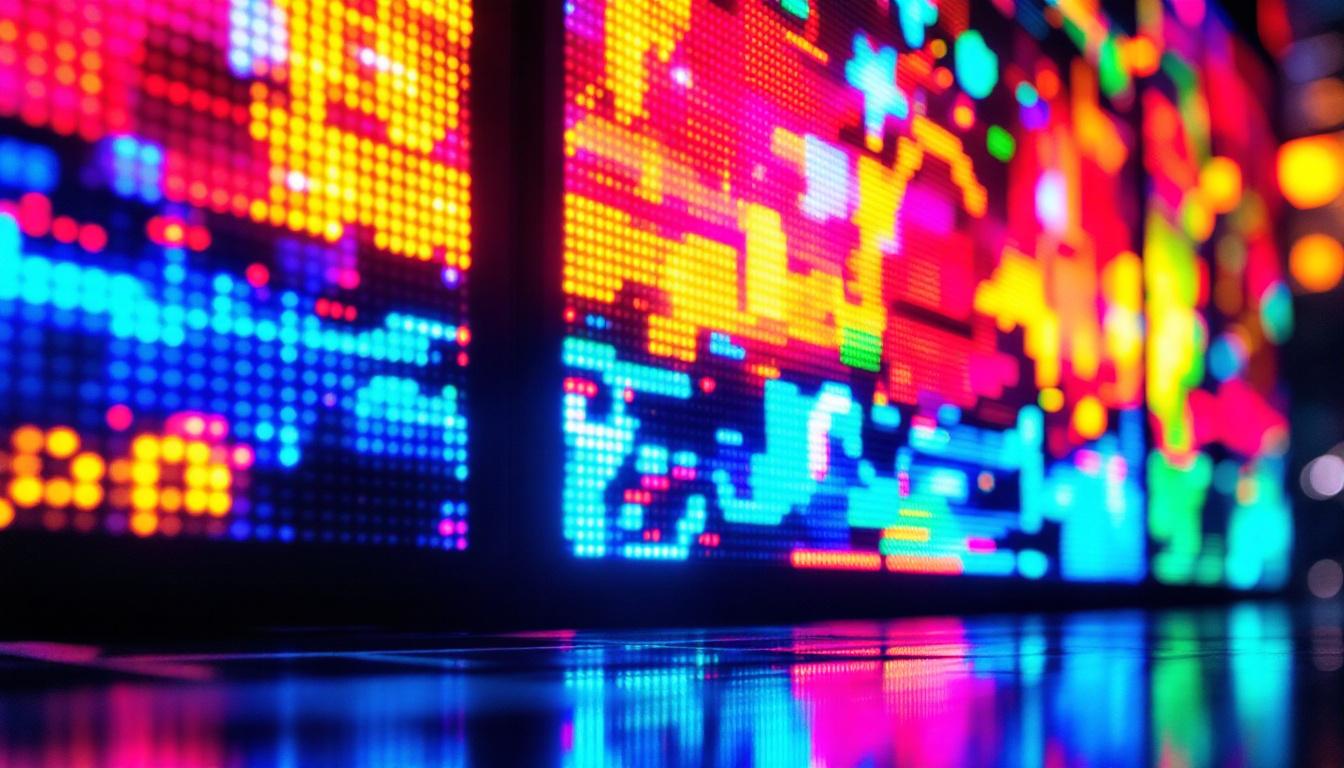
LED displays are composed of thousands to millions of individual LEDs arranged in a matrix. Each LED can be controlled independently to emit specific colors and brightness levels, allowing for high-resolution and dynamic content. This technology is the foundation for LED scoreboards, which display real-time scores, timers, advertisements, and other critical information during events. The versatility of LED displays makes them suitable for various applications, from sports arenas to concert venues, where clear visibility and vibrant colors are essential for audience engagement.
Moreover, the energy efficiency of LED technology contributes to its widespread adoption. Compared to traditional incandescent bulbs, LEDs consume significantly less power and have a longer lifespan, making them a more sustainable choice for large-scale displays. This efficiency not only reduces operational costs but also minimizes the environmental impact, aligning with the growing emphasis on eco-friendly technologies in public spaces.
Types of LEDs Used in Scoreboards
Primarily, LED scoreboards utilize two types of LEDs: single-color and full-color (RGB). Single-color LEDs, often red or amber, are common in traditional scoreboards displaying numbers and simple text. Full-color RGB LEDs combine red, green, and blue diodes within each pixel, enabling the display of a broad spectrum of colors and complex graphics.
The choice between single-color and full-color LEDs depends on the application. For example, a basketball scoreboard might use single-color LEDs for score and timer displays, while a large stadium video board employs full-color LEDs for live video feeds, animations, and advertisements. Full-color displays are particularly popular in venues where fan engagement is crucial, as they can showcase highlights, player stats, and promotional content in a visually appealing manner, enhancing the overall spectator experience.
Additionally, advancements in LED technology have led to the development of high-definition LED displays, which offer even greater resolution and clarity. These displays can be found in high-profile events and venues, where the ability to show intricate details and fast-moving images is vital. As technology continues to evolve, the line between traditional scoreboards and immersive digital experiences blurs, paving the way for innovative applications in sports and entertainment.
How LED Scoreboards Work
LED scoreboards operate through a combination of hardware and software. The hardware includes the LED modules, control systems, power supplies, and mounting structures. The software manages the content displayed, updating scores, timers, and messages in real-time.
Control systems receive input from various sources such as game officials, timers, or automated sensors. This input is processed and translated into signals that control the individual LEDs on the scoreboard. Modern systems often feature wireless connectivity and remote control capabilities, allowing operators to update displays seamlessly from a distance. This flexibility is particularly beneficial during live events, where quick adjustments are necessary to keep the audience informed and engaged.
Furthermore, many LED scoreboards are equipped with advanced analytics and integration capabilities, enabling teams and venues to gather data on viewer engagement and advertising effectiveness. This data can inform marketing strategies and enhance the overall event experience. By leveraging technology, operators can create dynamic content that resonates with fans, whether through interactive polls, social media feeds, or real-time statistics, making LED scoreboards an integral part of the modern sports landscape.
Advantages of LED Scoreboards
High Visibility and Brightness
One of the most significant advantages of LED scoreboards is their exceptional brightness. LEDs can produce intense light that remains visible even in direct sunlight, making them ideal for outdoor sports venues. This high visibility ensures spectators, players, and officials can easily read scores and information regardless of lighting conditions.
Energy Efficiency and Longevity
Compared to traditional incandescent or fluorescent displays, LEDs consume significantly less power. This energy efficiency translates into lower operating costs, especially important for venues that use scoreboards for extended periods. Additionally, LEDs have a longer lifespan, often exceeding 50,000 hours, reducing maintenance and replacement expenses.
Durability and Weather Resistance
LED scoreboards are designed to withstand harsh environmental conditions. Their solid-state construction makes them resistant to shocks, vibrations, and temperature fluctuations. Many outdoor LED displays are also waterproof and dustproof, ensuring reliable performance in rain, snow, or dusty environments.
Customization and Flexibility
Modern LED scoreboards offer extensive customization options. From display size and resolution to color schemes and content types, these systems can be tailored to meet specific venue requirements. Whether it’s a small gymnasium or a sprawling stadium, LED scoreboards can be scaled and configured accordingly.
Furthermore, the ability to display dynamic content such as animations, video replays, and advertisements adds value beyond simple scorekeeping. This flexibility enhances fan engagement and opens new revenue streams for venue operators.
Applications of LED Scoreboards
Sports Venues
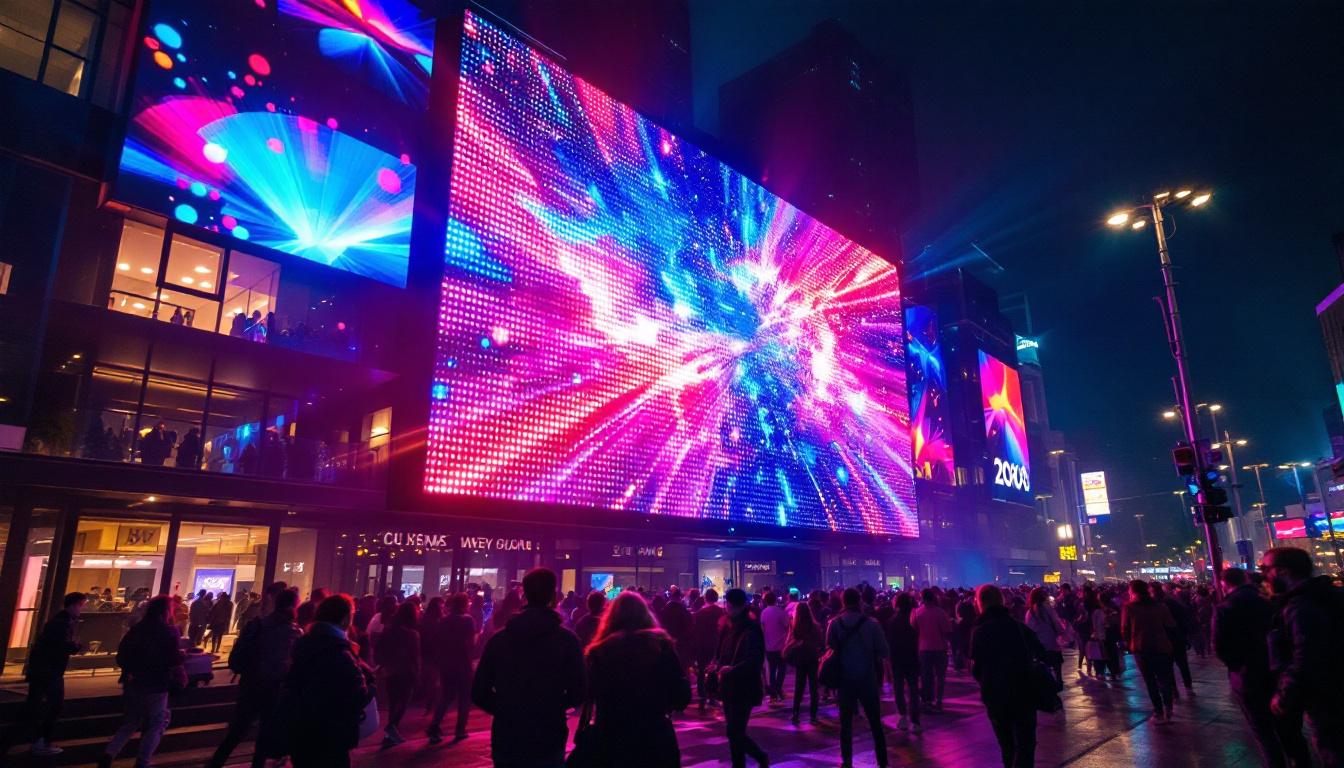
Sports arenas and stadiums are the primary users of LED scoreboards. From local high schools to professional leagues, LED displays provide real-time game information including scores, time remaining, player stats, and fouls. Large venues often incorporate massive LED video boards that broadcast live action, instant replays, and interactive content to enhance the spectator experience.
For example, the AT&T Stadium in Arlington, Texas, features one of the world’s largest LED video boards, measuring 160 feet wide and 72 feet tall. This massive display showcases the versatility and impact of LED technology in sports entertainment.
Educational Institutions
Schools and universities use LED scoreboards not only for sports but also for announcements and event information. These displays serve as communication hubs during assemblies, graduations, and other campus activities. Their ease of use and visibility make them ideal for engaging large student bodies.
Corporate and Public Events
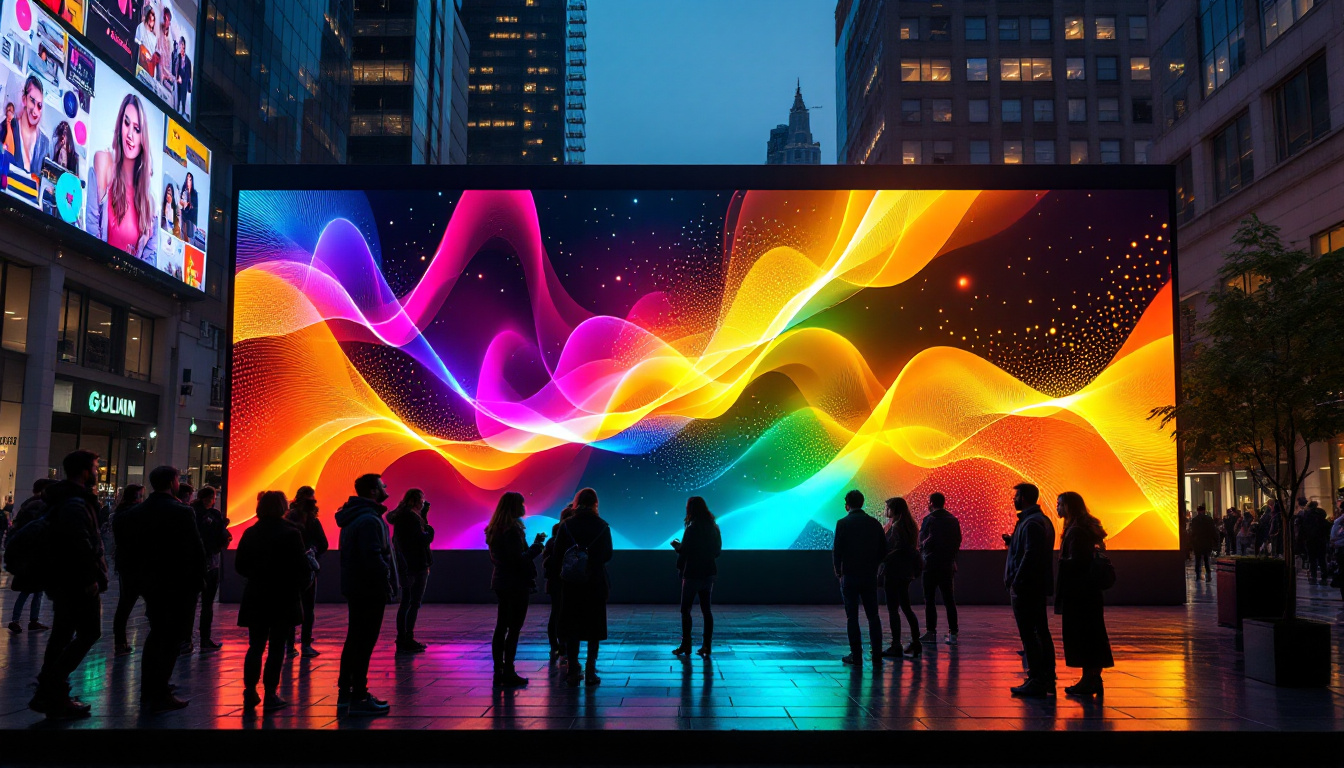
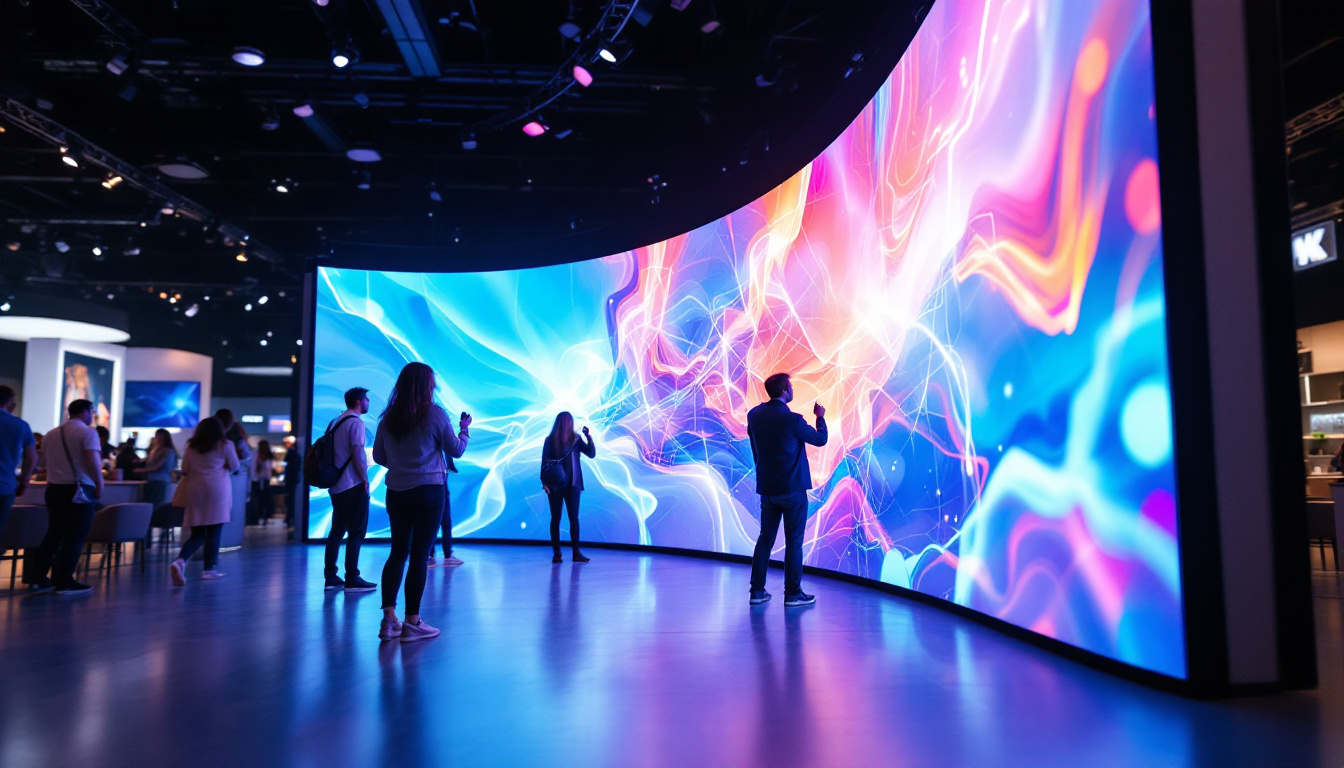
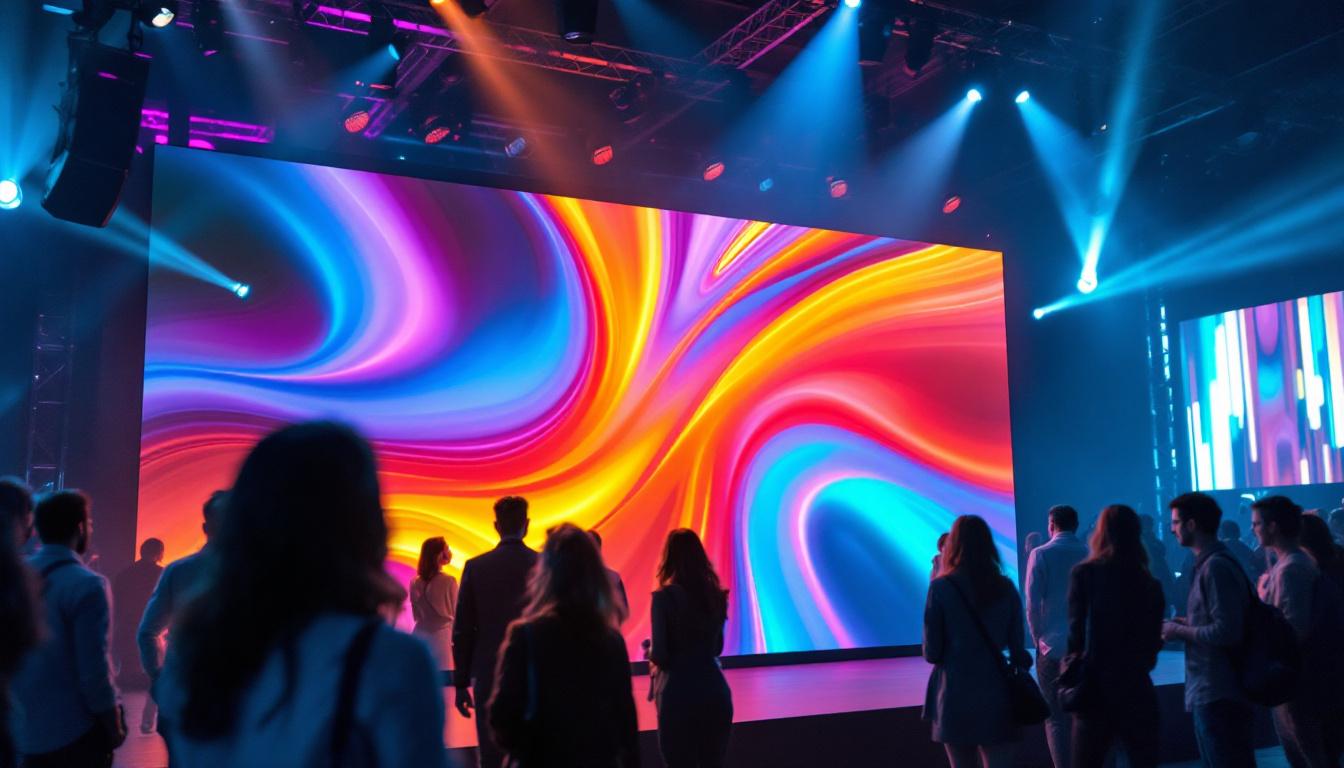
Beyond sports, LED scoreboards find applications in corporate events, trade shows, and public gatherings. They are used to display schedules, speaker information, and live updates. Their ability to attract attention and convey information clearly makes them valuable tools for event management and marketing.
Choosing the Right LED Scoreboard
Assessing Venue Requirements
Selecting the appropriate LED scoreboard begins with understanding the venue’s specific needs. Important considerations include viewing distance, ambient lighting conditions, and the type of content to be displayed. For instance, a small indoor gym may require a compact scoreboard with high contrast, while an outdoor stadium demands a large, high-brightness display.
Resolution and Pixel Pitch
Resolution, determined by the number of pixels, directly affects image clarity. Pixel pitch—the distance between adjacent LEDs—is a critical factor; smaller pixel pitches yield higher resolution and sharper images but come at a higher cost. Choosing the right balance between resolution and budget is essential.
Control Systems and Software Features
The ease of operation is another key factor. Modern LED scoreboards come with user-friendly software interfaces that support multiple input methods, remote control, and integration with other systems such as timing devices or broadcast equipment. Evaluating software capabilities ensures smooth operation during events.
Budget and Maintenance
While LED scoreboards represent a significant investment, their long-term benefits in energy savings and reduced maintenance often justify the cost. Potential buyers should consider warranty terms, service support, and availability of replacement parts when making a decision.
Future Trends in LED Scoreboard Technology
Higher Resolution and Pixel Density
Advancements in LED manufacturing continue to push the boundaries of resolution and pixel density. Future scoreboards will offer ultra-high-definition displays capable of rendering intricate graphics and video with stunning clarity, enhancing the viewer experience even further.
Integration with Augmented Reality and AI
Emerging technologies such as augmented reality (AR) and artificial intelligence (AI) are poised to transform LED scoreboards. AR can overlay real-time statistics and player information directly onto live video feeds, while AI-driven analytics can provide predictive insights and personalized content for fans.
Eco-Friendly Innovations
As sustainability becomes a priority, LED scoreboard manufacturers are focusing on eco-friendly materials and energy-saving designs. Innovations include solar-powered displays and recyclable components, aligning with global efforts to reduce environmental impact.
Interactive and Multi-Functional Displays
Future LED scoreboards will likely incorporate interactive features, allowing fans to engage with content through mobile devices or touch interfaces. Multi-functional displays that combine scorekeeping, advertising, social media feeds, and event information will become standard, creating immersive and connected experiences.
Conclusion
LED scoreboards represent a remarkable fusion of technology and functionality, revolutionizing the way information is presented in sports and public events. Their superior brightness, energy efficiency, durability, and versatility make them the go-to solution for venues seeking impactful and reliable displays. As technology evolves, LED scoreboards will continue to enhance spectator engagement and operational efficiency, cementing their role as a cornerstone of modern event presentation.
Whether upgrading an existing system or investing in a new installation, understanding the fundamentals of LED display technology and its applications is crucial for making informed decisions. With the right LED scoreboard, venues can deliver unforgettable experiences that captivate audiences and elevate the excitement of every event.
Discover the Future of LED Displays with LumenMatrix
Ready to elevate your venue’s experience with the latest in LED display technology? Look no further than LumenMatrix, a leader in innovative LED solutions. From vibrant sports displays to customizable digital signage, LumenMatrix offers a wide range of products designed to captivate your audience and amplify your message. Embrace the future of visual communication and check out LumenMatrix LED Display Solutions today to see how we can transform your space into a dynamic and engaging environment.