In recent years, automotive technology has evolved beyond performance and safety to include innovative communication tools. One such advancement is the car window LED display—a dynamic, eye-catching way for vehicles to convey messages, advertisements, or alerts. This technology is gaining traction among businesses, ride-share drivers, and even everyday consumers who want to customize their vehicle’s appearance or communicate more effectively on the road.
This article explores the fundamentals of car window LED displays, how they work, their applications, and the benefits and considerations of integrating this technology into vehicles.
What Is a Car Window LED Display?
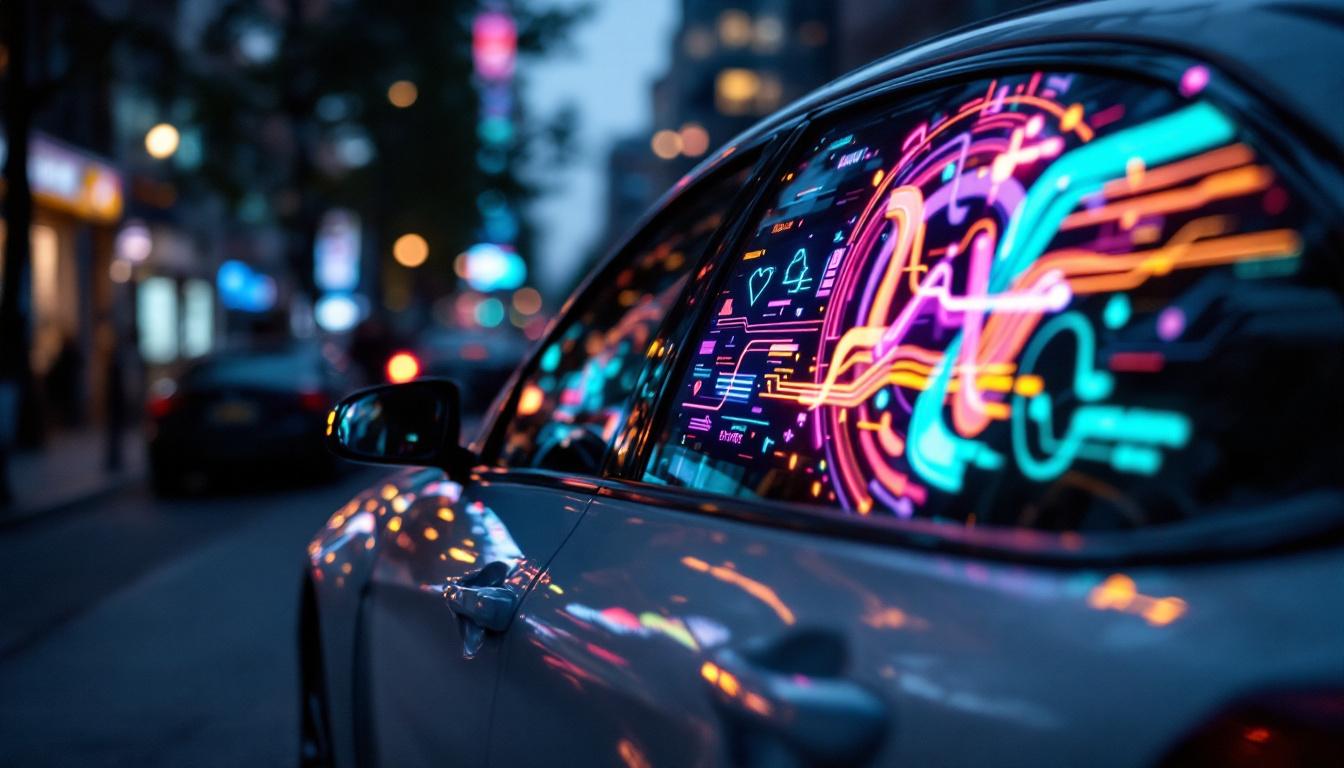
A car window LED display is a specialized electronic screen designed to fit inside or on the surface of a vehicle’s window, typically the rear windshield or side windows. These displays use light-emitting diodes (LEDs) to show text, images, or animations that can be easily seen from outside the vehicle, even in daylight.
Unlike traditional static decals or magnetic signs, LED displays offer dynamic content that can be updated in real time. This capability opens up a wide range of possibilities for communication on the move. Businesses can use these displays for advertising, while individuals might use them to convey personal messages or enhance the aesthetic appeal of their vehicles. The versatility of these displays makes them an innovative tool for expression and promotion.
How Does the Technology Work?
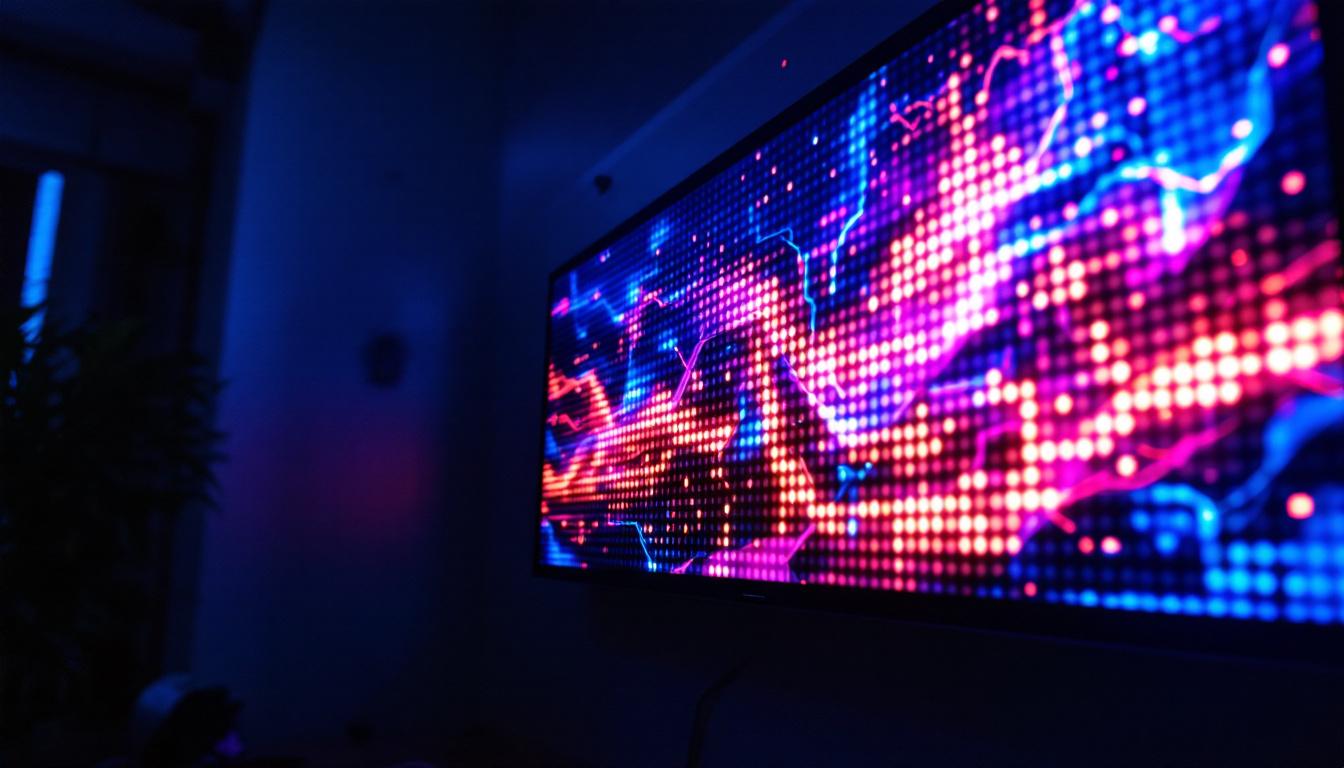
At its core, a car window LED display consists of a matrix of tiny LEDs arranged in rows and columns. These LEDs light up individually or in groups to form characters or images. The display is usually controlled by a small onboard computer or microcontroller that receives input from a smartphone app or a remote control device. This technology allows users to easily customize their messages and graphics, making it a user-friendly option for those who may not be tech-savvy.
Modern LED displays use high-brightness diodes that maintain visibility under direct sunlight, ensuring messages are clear and readable regardless of weather or lighting conditions. The screens are designed to be thin and flexible, allowing them to adhere closely to curved surfaces like car windows without obstructing the driver’s view. Additionally, many of these displays are equipped with sensors that adjust brightness based on ambient light, optimizing visibility at all times and enhancing energy efficiency.
Types of Car Window LED Displays
There are several variations of car window LED displays, each suited to different needs:
- Static LED Panels: These display fixed messages or images, such as a company logo or a “For Sale” sign.
- Scrolling LED Displays: These allow text or graphics to move horizontally or vertically, enabling longer messages to be shown in a limited space.
- Full-Color LED Displays: More advanced displays can show multi-color graphics and animations, offering greater visual impact and customization.
In addition to these types, there are also programmable displays that can be tailored for specific events or promotions, allowing businesses to change their messaging based on time-sensitive offers or seasonal campaigns. Furthermore, some models come with built-in connectivity features, enabling integration with social media platforms or real-time data feeds, such as traffic updates or news alerts, transforming the car into a mobile information hub. This level of interactivity not only enhances the user experience but also engages viewers in a more dynamic way, making the vehicle a focal point in crowded urban environments.
Applications of Car Window LED Displays
The versatility of car window LED displays has led to their adoption across various industries and personal uses. Understanding these applications helps illustrate why this technology is becoming increasingly popular.
Advertising and Marketing
Businesses have found car window LED displays to be a cost-effective mobile advertising solution. By equipping company vehicles with LED displays, brands can broadcast promotions, special offers, or contact information wherever the vehicle travels. This mobile billboard approach increases brand exposure without the recurring costs of traditional advertising.
For example, food delivery services or ride-share drivers can display dynamic messages promoting discounts or encouraging tips, enhancing customer engagement and satisfaction. Moreover, local businesses can leverage these displays to target specific neighborhoods or events, ensuring that their advertising is timely and relevant. The ability to change messages on-the-fly allows businesses to adapt to changing circumstances, such as weather conditions or local happenings, maximizing the impact of their advertising efforts.
Ride-Sharing and Taxi Services
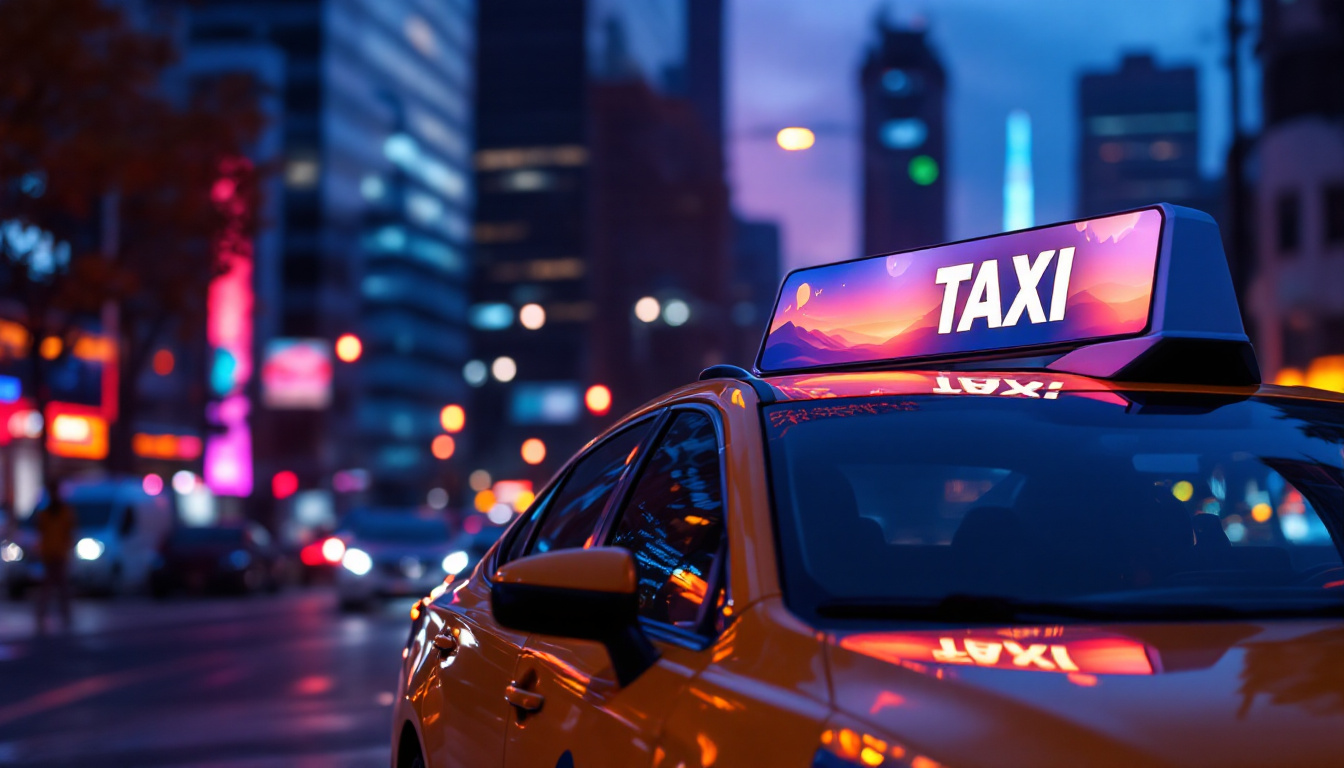
Ride-share drivers often use LED displays to communicate with passengers or other drivers. Displays can show messages like “Available,” “Occupied,” or “Please Wait,” improving clarity and reducing confusion during pick-ups and drop-offs. Some drivers also use displays to greet passengers or provide safety reminders. This communication tool not only enhances the overall customer experience but also fosters a sense of professionalism and trust between drivers and passengers.
Additionally, these displays can serve as a platform for ride-share companies to promote their brand identity. For instance, drivers can showcase the company logo or special promotions directly on their vehicles, reinforcing brand recognition in a competitive market. In busy urban environments, where time is of the essence, such clear visual communication can significantly streamline the process of finding and boarding a ride, ultimately leading to higher satisfaction rates among users.
Personal Expression and Safety
Beyond commercial uses, car window LED displays offer individuals a unique way to personalize their vehicles. Drivers can display greetings, holiday messages, or even humorous quotes. Additionally, these displays can enhance safety by showing alerts such as “Caution: Baby on Board” or “Emergency Vehicle Approaching,” helping to communicate important information quickly to other road users.
Furthermore, these displays can be programmed to showcase local events or community announcements, allowing individuals to contribute to their neighborhoods in a creative way. For example, a driver might promote a local charity event or a neighborhood watch meeting, fostering a sense of community engagement. In emergency situations, the ability to quickly relay critical information or warnings can be invaluable, potentially saving lives and preventing accidents. As technology continues to evolve, the potential applications for car window LED displays will likely expand, further integrating them into our daily lives and enhancing both personal expression and public safety.
Advantages of Using Car Window LED Displays
Integrating LED displays into car windows offers numerous benefits that make them attractive to both businesses and individual users.
High Visibility and Customization
LED displays provide superior visibility compared to traditional signs, especially in low-light or adverse weather conditions. Their brightness and color options allow messages to stand out, capturing attention effectively.
Customization is another key advantage. Users can update messages instantly via smartphone apps, tailoring content to different audiences or situations without needing to replace physical signage.
Cost-Effectiveness Over Time
While the initial investment in an LED display may be higher than static signs, the ability to reuse and update content eliminates recurring printing or installation costs. This makes LED displays a more economical choice for businesses that frequently change their messaging.
Durability and Weather Resistance
Car window LED displays are designed to withstand the rigors of outdoor use, including exposure to rain, dust, and temperature fluctuations. Their robust construction ensures longevity, reducing the need for frequent replacements.
Considerations and Challenges
Despite their many benefits, car window LED displays come with certain considerations that potential users should keep in mind.
Legal and Regulatory Compliance
Laws governing the use of electronic displays on vehicles vary widely by jurisdiction. Some regions restrict the brightness, color, or content of LED displays to prevent driver distraction or confusion. It is essential to research local regulations before installing a car window LED display to avoid fines or legal issues.
Driver Visibility and Safety
Proper installation is critical to ensure that LED displays do not obstruct the driver’s view. Most manufacturers design these displays to be transparent or semi-transparent when off, but improper placement can still create blind spots or distractions.
Power Consumption and Installation
LED displays require a power source, typically drawing electricity from the vehicle’s battery. While modern LEDs are energy-efficient, improper wiring or excessive use can strain the vehicle’s electrical system. Professional installation is recommended to ensure safety and reliability.
Future Trends in Car Window LED Displays
The evolution of LED technology and automotive connectivity is driving exciting developments in car window displays.
Integration with Smart Vehicle Systems
Future LED displays are expected to integrate more seamlessly with vehicle infotainment and navigation systems. This integration could enable context-aware messaging, such as displaying alerts based on traffic conditions, weather, or emergency situations.
Enhanced Interactivity and AI
Advancements in artificial intelligence may allow LED displays to respond dynamically to their environment. For instance, displays could adjust brightness automatically, translate messages into multiple languages, or even interact with pedestrians and other drivers through sensor inputs.
Sustainability and Energy Efficiency
As environmental concerns grow, manufacturers are focusing on reducing the energy consumption and environmental impact of LED displays. Innovations in low-power LEDs and recyclable materials will make these displays more sustainable and appealing to eco-conscious consumers.
Conclusion
Car window LED displays represent a compelling fusion of technology, communication, and automotive design. Their ability to deliver dynamic, high-visibility messages opens up numerous possibilities for advertising, safety, and personal expression. While there are important considerations regarding legality, installation, and power use, the benefits often outweigh the challenges for many users.
As this technology continues to advance, it is poised to become an integral part of the automotive landscape, transforming how vehicles communicate on the road. Whether for business or personal use, understanding the capabilities and implications of car window LED displays is essential for anyone interested in leveraging this innovative tool.
Explore Cutting-Edge Car Window LED Displays with LumenMatrix
Ready to elevate your vehicle’s communication capabilities and make a lasting impression on the road? Discover the innovative solutions offered by LumenMatrix, a leader in LED display technology. From captivating car window LED displays to versatile digital signage options, LumenMatrix provides a range of products designed to enhance brand visibility and create engaging visual experiences. Embrace the future of visual communication and check out LumenMatrix LED Display Solutions today to see how you can transform your vehicle into a dynamic messaging platform.