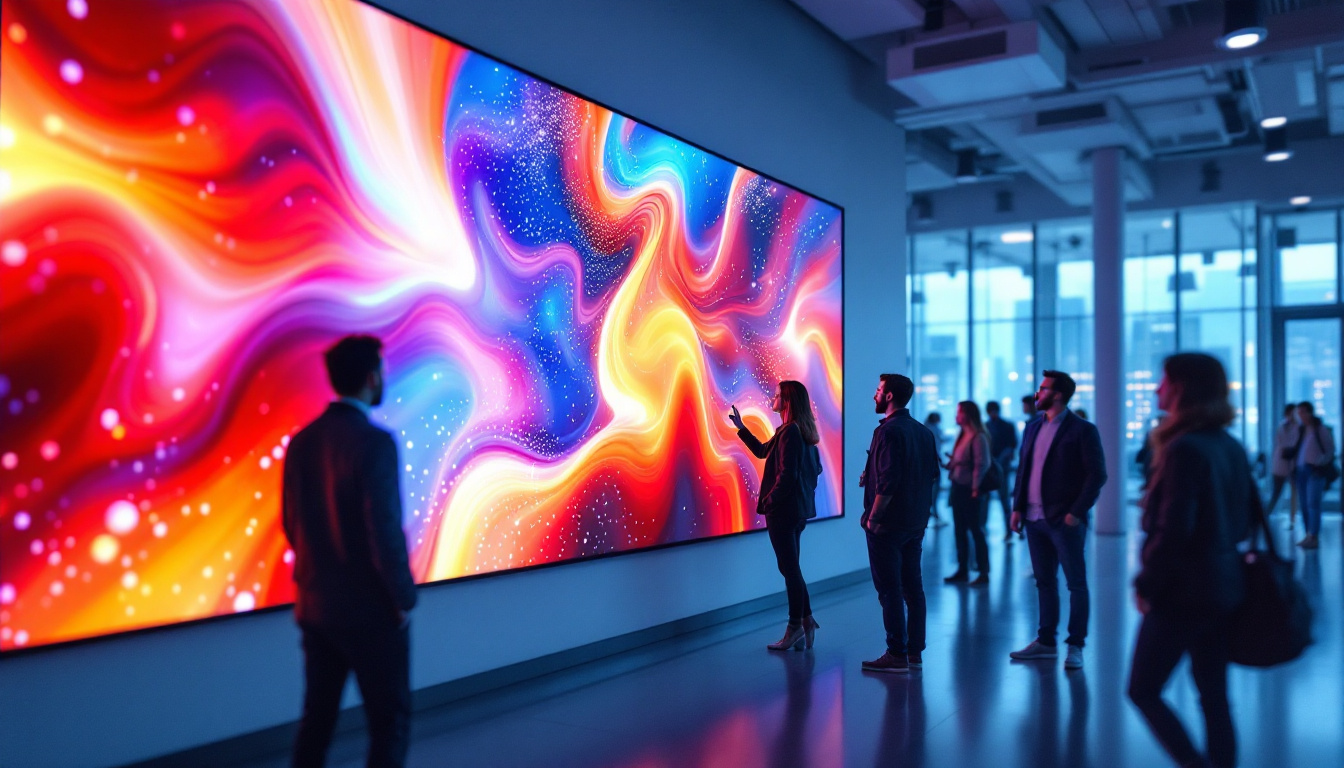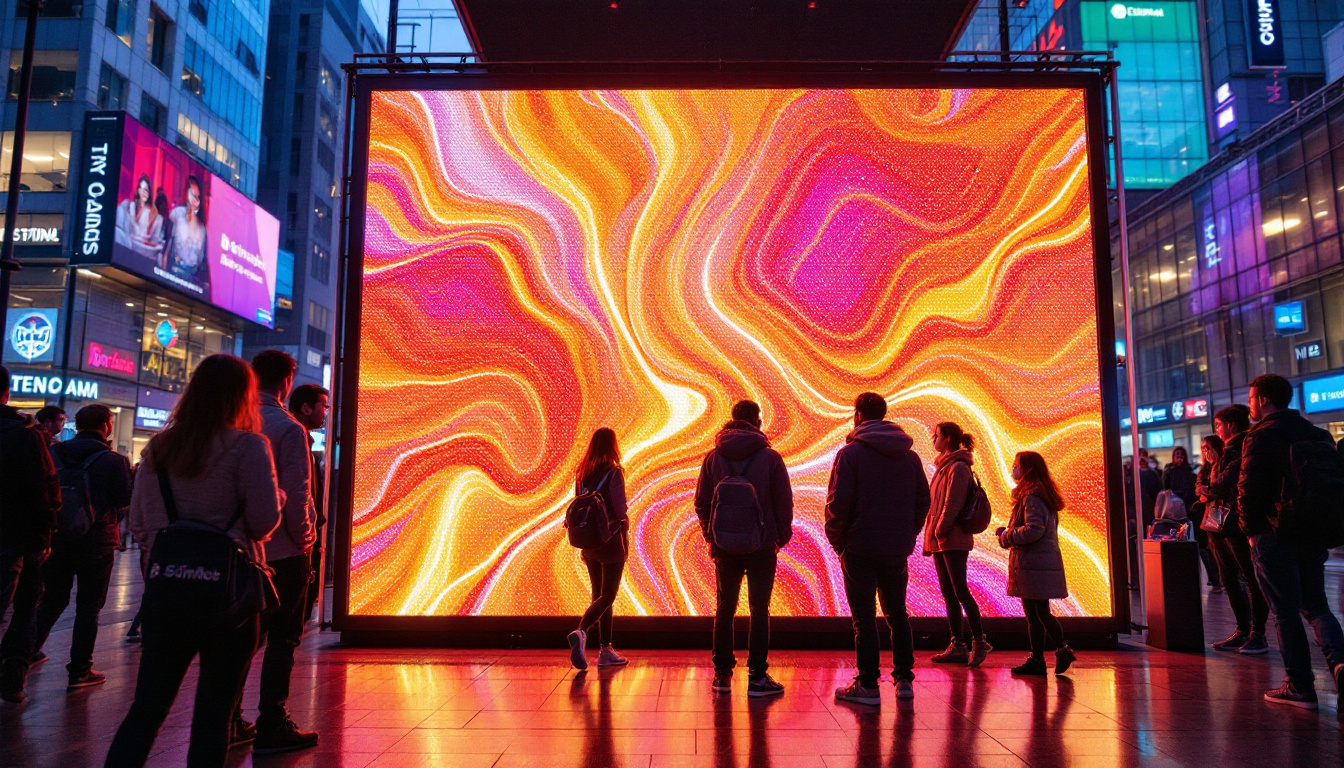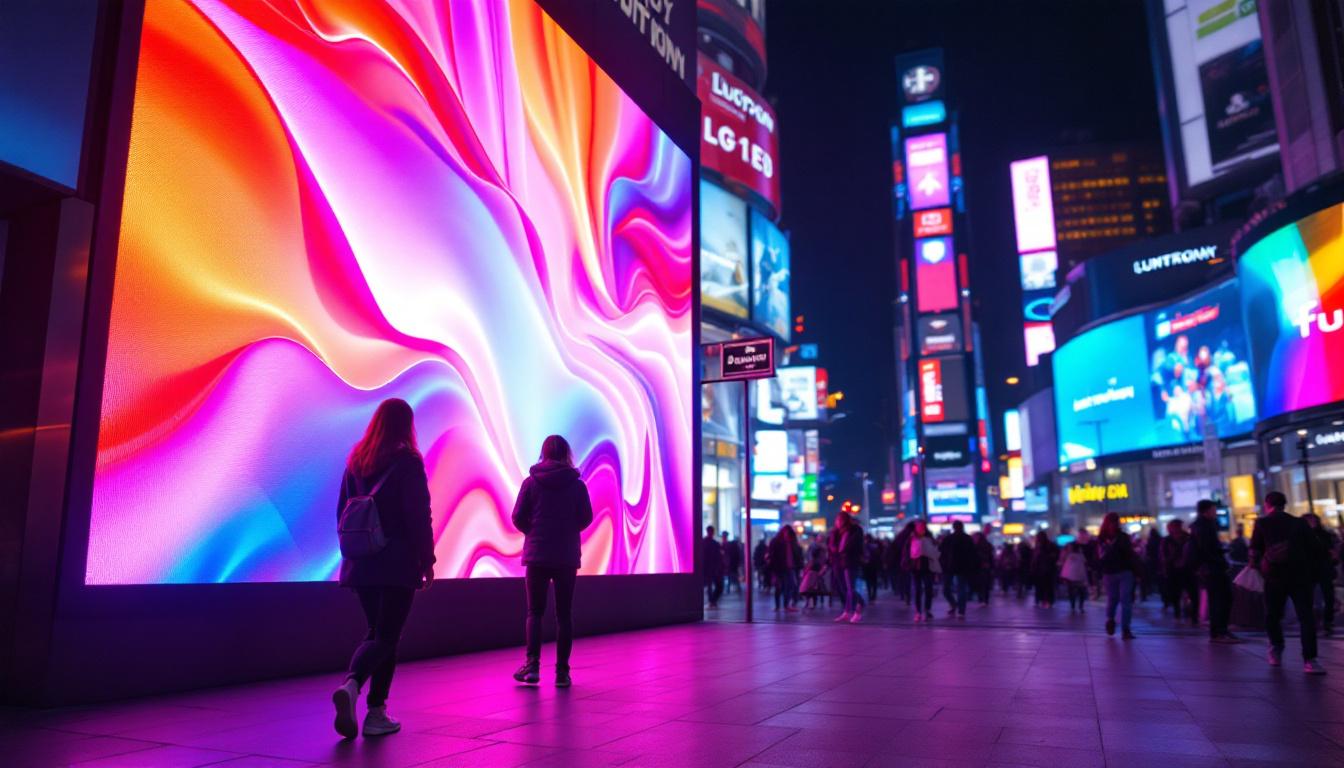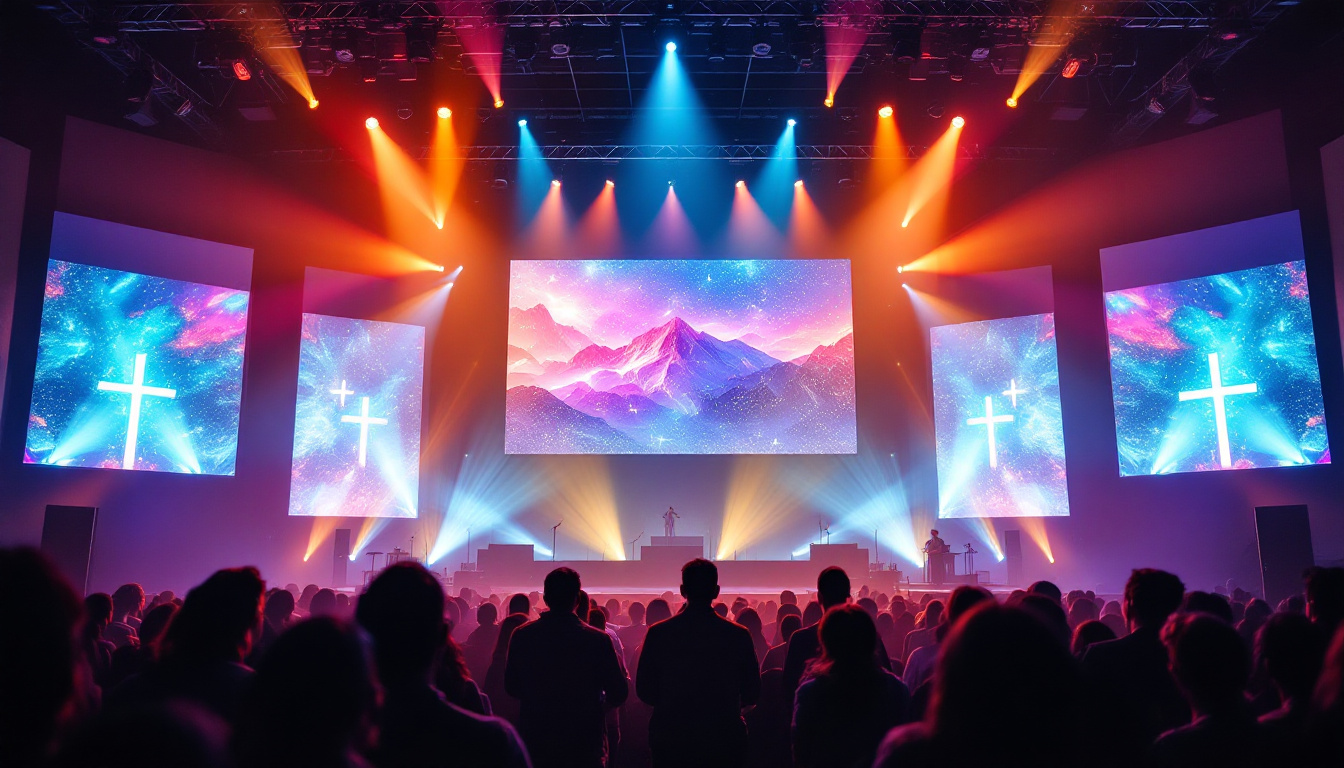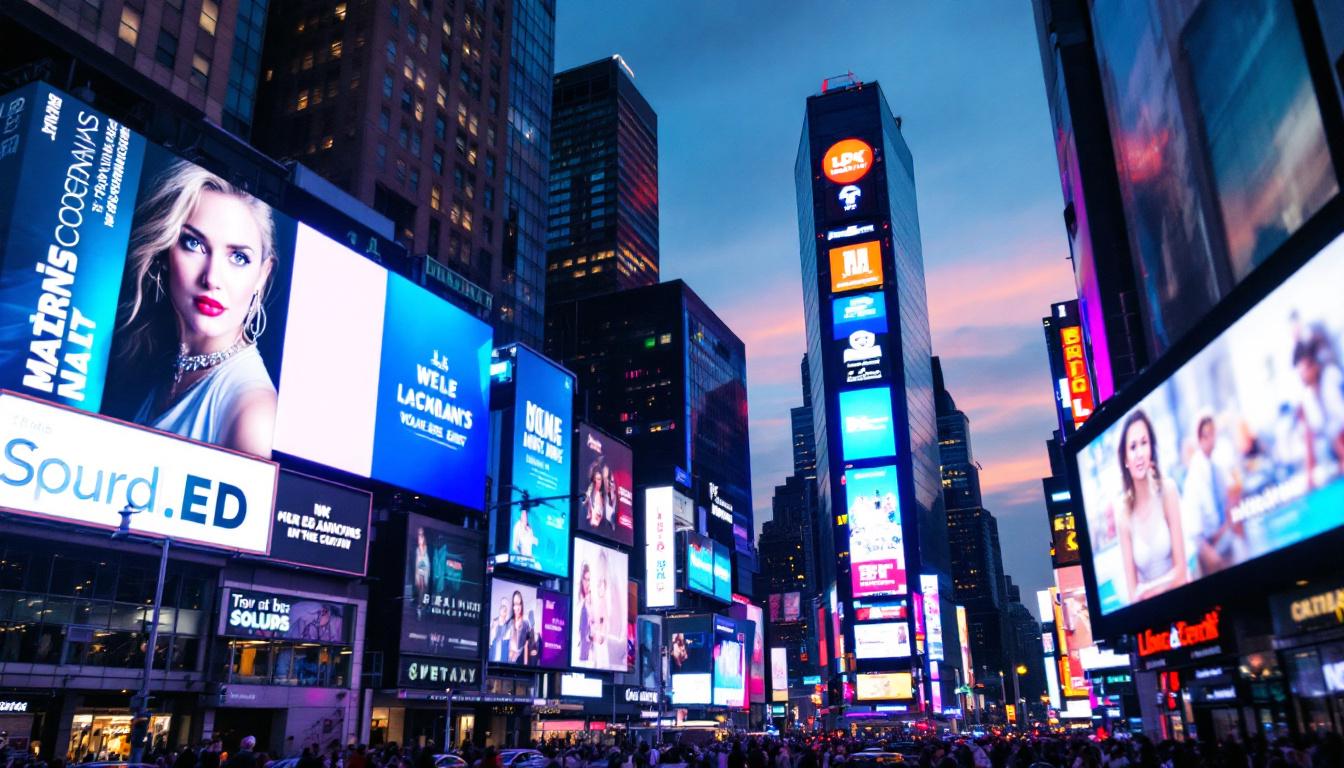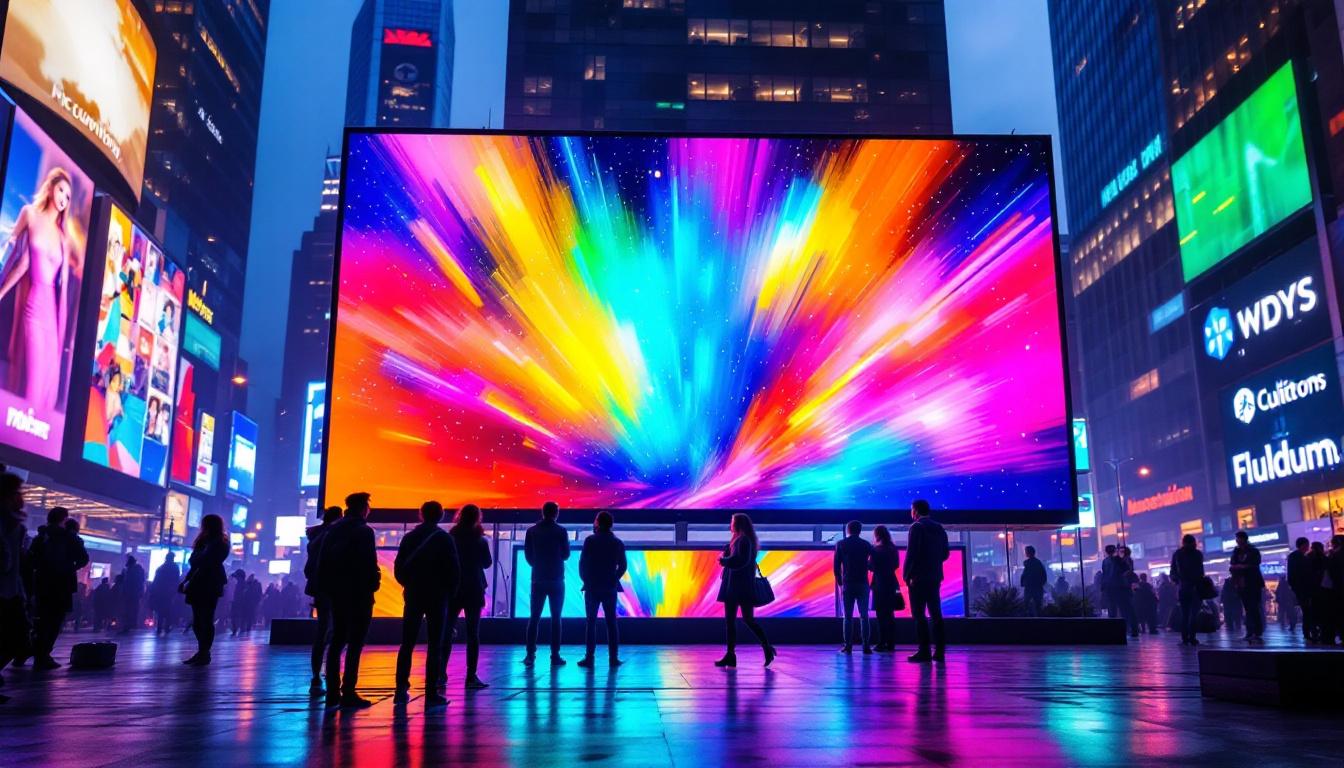
In the rapidly evolving world of digital signage, outdoor waterproof LED displays have become a cornerstone technology for businesses, municipalities, and event organizers alike. These vibrant, durable screens offer unmatched visibility and versatility in a variety of outdoor environments, from bustling city streets to large-scale sports arenas. Understanding what makes outdoor waterproof LED displays unique, how they function, and why they are increasingly preferred over traditional signage is essential for anyone looking to invest in or utilize this technology effectively.
What is an Outdoor Waterproof LED Display?
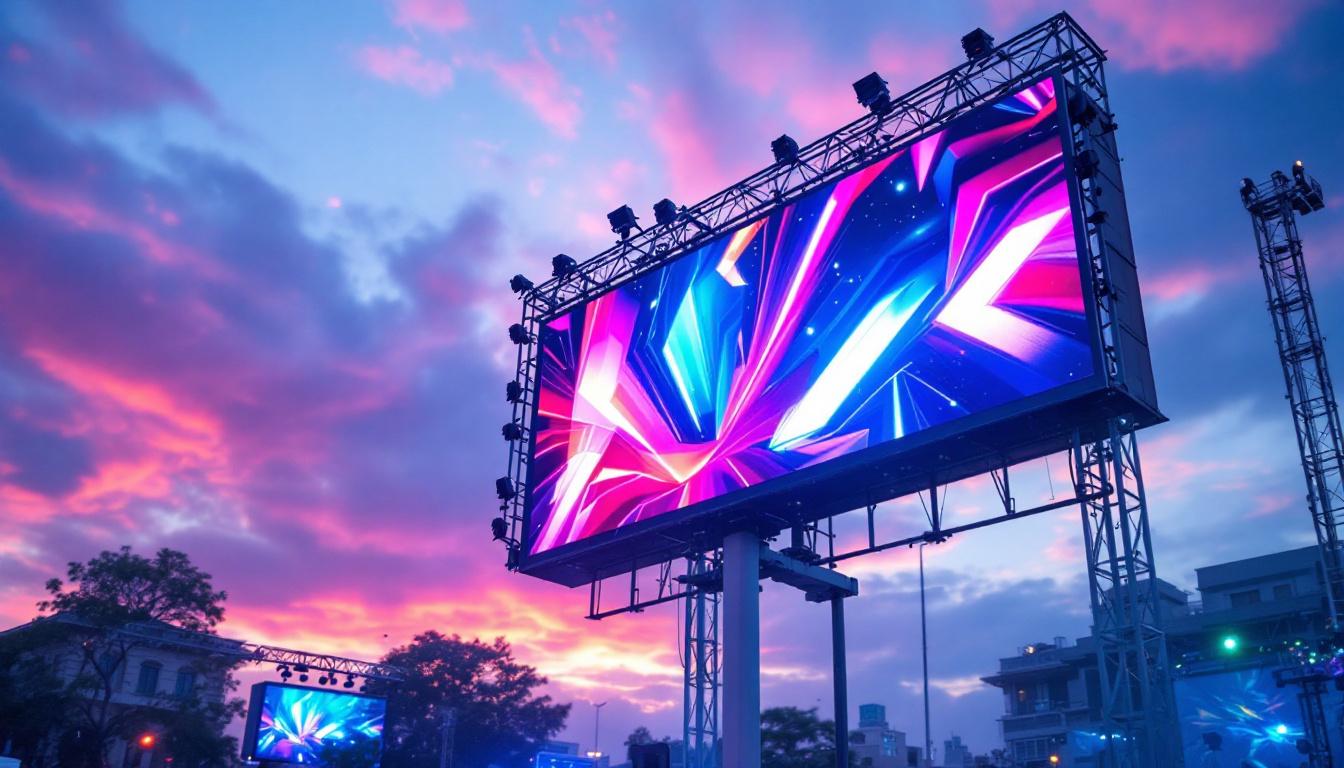
At its core, an outdoor waterproof LED display is a digital screen composed of light-emitting diodes (LEDs) designed specifically to withstand harsh weather conditions. Unlike indoor LED displays, these units are engineered with protective features that prevent water ingress, dust accumulation, and damage from extreme temperatures or UV exposure.
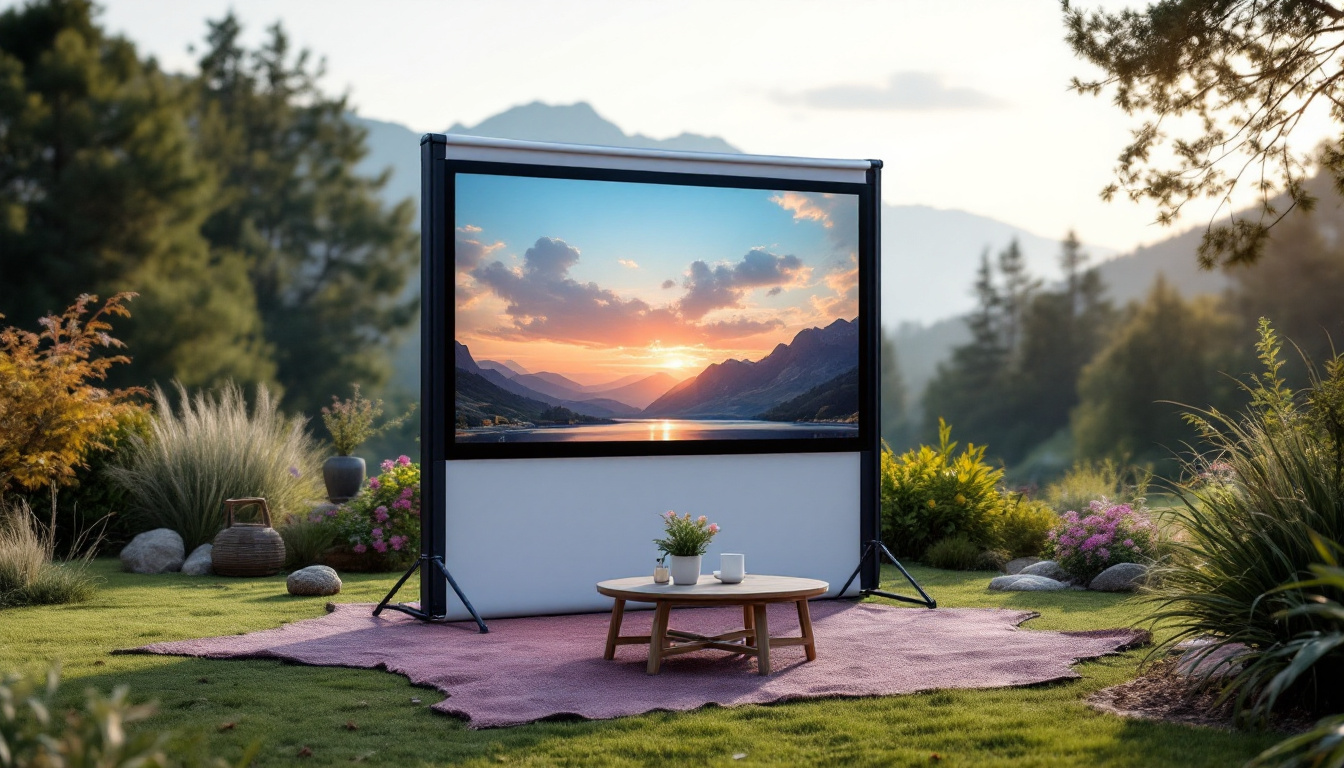
These displays are commonly used for advertising, public information, event broadcasting, and entertainment purposes. Their waterproof nature ensures continuous operation regardless of rain, snow, or humidity, making them reliable tools for outdoor communication. The versatility of these displays allows them to be utilized in a variety of settings, from bustling city squares to remote outdoor venues, providing dynamic content that captures the attention of passersby and engages audiences effectively.
Furthermore, the bright and vivid colors produced by outdoor waterproof LED displays enhance visibility in direct sunlight, making them an ideal choice for outdoor advertising campaigns. Their ability to display high-resolution images and videos ensures that messages are conveyed clearly and attractively, thus maximizing the impact of marketing efforts. As technology advances, these displays are also becoming more energy-efficient, allowing businesses to reduce their carbon footprint while maintaining high-quality performance.
Key Components and Design Features
Outdoor waterproof LED displays consist of several critical components that contribute to their durability and performance:
- LED Modules: The basic building blocks, each containing multiple LEDs that emit light in red, green, and blue wavelengths to create full-color images.
- Waterproof Enclosure: A sealed casing that protects internal electronics from moisture and dust. These enclosures typically meet IP65 or higher ratings, indicating strong resistance to water jets and dust ingress.
- Cooling Systems: Outdoor displays often incorporate passive or active cooling mechanisms to manage heat generated by LEDs and maintain optimal operating temperatures.
- Power Supply and Control Systems: Robust power units and control boards ensure consistent brightness and color accuracy, even under fluctuating environmental conditions.
In addition to these components, many outdoor waterproof LED displays are equipped with advanced features such as automatic brightness adjustment sensors, which optimize visibility based on ambient light conditions. This not only enhances the viewing experience but also conserves energy by adjusting power usage according to the surrounding environment. Moreover, the integration of wireless connectivity options allows for remote management and content updates, enabling operators to change advertisements or information in real-time without the need for physical access to the display. This flexibility is particularly beneficial for businesses that need to respond quickly to changing market conditions or events.
How Outdoor Waterproof LED Displays Work
Understanding the operational principles of these displays helps explain their effectiveness in outdoor settings. Each LED pixel emits light independently, allowing the display to produce vivid images and videos with high brightness and contrast.
Brightness and Visibility
One of the most significant advantages of outdoor LED displays is their exceptional brightness, often reaching 5,000 to 10,000 nits or more. This level of luminance is crucial for visibility in direct sunlight, where traditional screens or printed signs might become washed out or unreadable.
Brightness is dynamically adjustable, allowing the display to reduce light output during nighttime or low-light conditions to save energy and reduce glare, while ramping up during the day for maximum visibility.
Pixel Pitch and Resolution
Pixel pitch—the distance between the centers of two adjacent pixels—plays a vital role in image clarity. Outdoor displays typically have larger pixel pitches (ranging from 4mm to 20mm or more) compared to indoor screens, balancing viewing distance and resolution to optimize cost and performance.
For example, a billboard viewed from 50 meters away does not require the same pixel density as a screen viewed from a few meters. Choosing the correct pixel pitch ensures sharp images while keeping production and maintenance costs manageable.
Waterproofing Standards and Ratings
Waterproof LED displays are rated according to the Ingress Protection (IP) standard, which classifies the degree of protection against solids and liquids. Outdoor displays typically achieve IP65 or higher, meaning they are dust-tight and protected against water jets from any direction.
This level of protection is achieved through carefully designed seals, gaskets, and coatings that prevent water from entering the enclosure, even during heavy rain or snow. Additionally, some displays feature anti-corrosion materials to extend lifespan in coastal or industrial environments.
Applications of Outdoor Waterproof LED Displays
The versatility of outdoor waterproof LED displays has led to their adoption across numerous sectors. Their ability to deliver dynamic content in challenging environments makes them invaluable for communication and advertising.
Advertising and Marketing
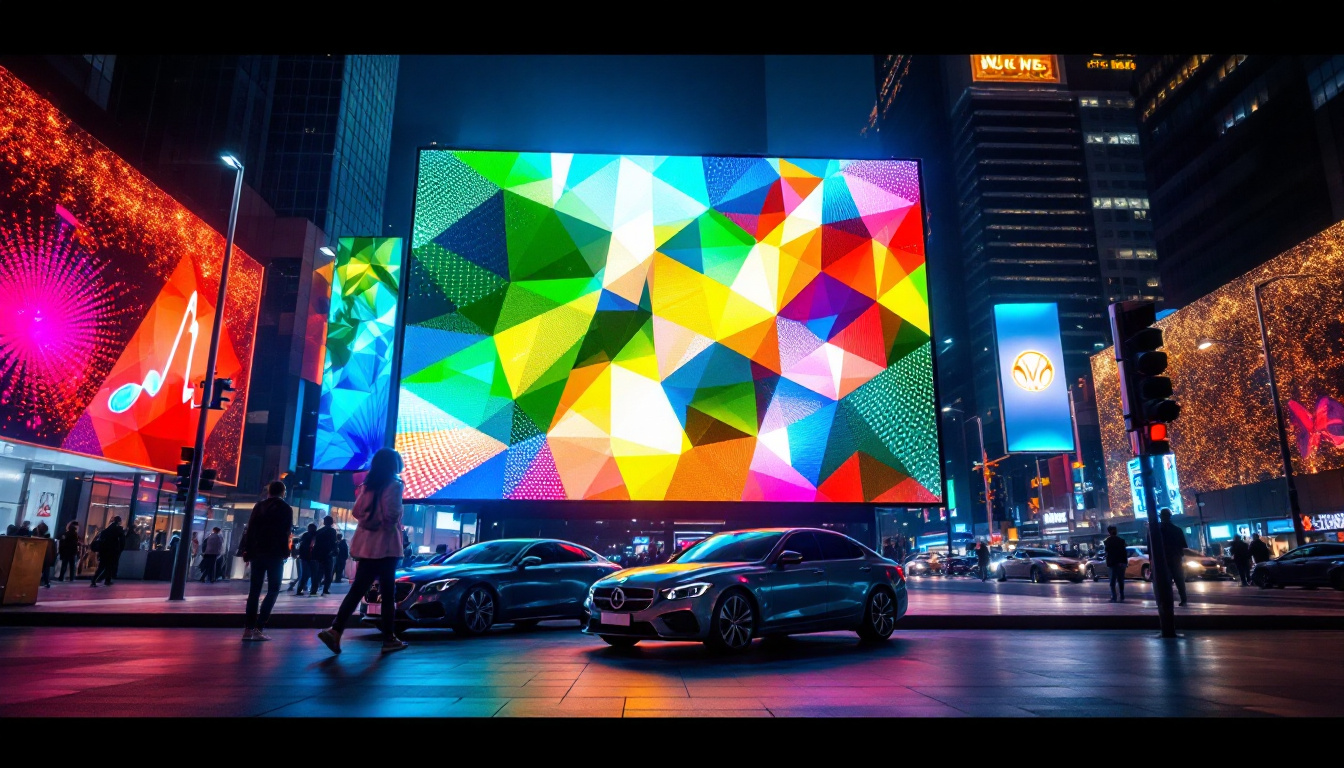
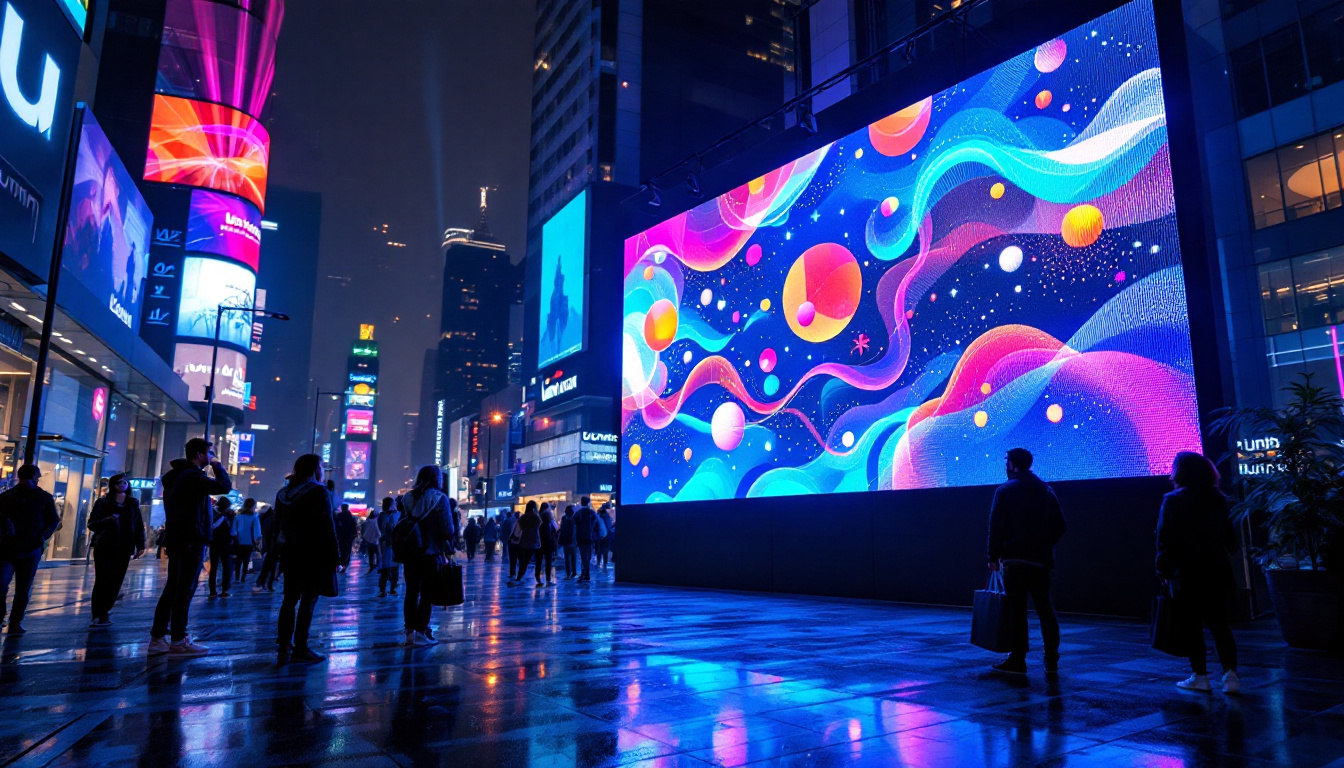
Outdoor LED billboards have revolutionized advertising by enabling real-time content updates and interactive campaigns. Brands can display high-resolution videos, animations, and targeted messages that capture the attention of passersby far more effectively than static signs.
According to recent market research, digital out-of-home (DOOH) advertising, which includes outdoor LED displays, is projected to grow at a compound annual growth rate (CAGR) of over 12% through 2027. This growth is driven by the increasing demand for engaging, flexible advertising solutions.
Public Information and Safety
Municipalities use outdoor waterproof LED displays to broadcast important information such as traffic updates, emergency alerts, weather warnings, and community announcements. The ability to instantly update content ensures that citizens receive timely and relevant information, enhancing public safety and awareness.
Sports and Entertainment Venues
Stadiums and concert venues employ large outdoor LED screens to enhance the spectator experience. These displays show live footage, replays, scores, and advertisements, contributing to the overall atmosphere and engagement during events.
Transportation Hubs
Airports, train stations, and bus terminals utilize outdoor LED displays for schedules, gate information, and wayfinding. The durability and brightness of these screens ensure visibility in all weather conditions, facilitating smooth traveler navigation.
Advantages of Outdoor Waterproof LED Displays
Compared to traditional signage and other digital display technologies, outdoor waterproof LED screens offer several distinct benefits that justify their growing popularity.
Durability and Weather Resistance
The waterproof and dustproof design allows these displays to operate reliably in diverse climates, from tropical rainforests to arid deserts. This resilience reduces maintenance costs and downtime, providing a better return on investment.
Energy Efficiency
LED technology is inherently energy-efficient, consuming significantly less power than incandescent or fluorescent lighting. Advances in LED driver technology and intelligent brightness control further optimize energy use, making outdoor LED displays a sustainable choice.
High Brightness and Color Accuracy
The superior brightness levels ensure visibility under direct sunlight, while precise color calibration delivers vibrant, true-to-life images. This combination enhances the impact of advertising and informational content.
Flexibility and Dynamic Content
Unlike static billboards, LED displays can be updated instantly to reflect new promotions, announcements, or emergency messages. This flexibility allows for targeted marketing and rapid response to changing conditions.
Long Lifespan and Low Maintenance
Modern LEDs have lifespans exceeding 100,000 hours, meaning displays can operate for years with minimal component replacement. Additionally, modular designs enable easy servicing without taking the entire display offline.
Challenges and Considerations When Choosing Outdoor Waterproof LED Displays
While outdoor waterproof LED displays offer many advantages, selecting the right product and installation approach requires careful consideration of several factors.
Initial Investment and Cost Factors
High-quality outdoor LED displays represent a significant upfront investment. Costs vary based on size, resolution, brightness, and additional features such as touchscreen capabilities or integrated sensors.
However, the total cost of ownership should be evaluated by factoring in energy savings, reduced maintenance, and the potential revenue generated through advertising or enhanced communication.
Installation and Structural Requirements
Outdoor LED displays require secure mounting structures capable of withstanding wind loads and other environmental stresses. Proper installation is critical to ensure safety and optimal performance.
Site-specific factors such as electrical access, sunlight exposure, and viewing angles must also be assessed during the planning phase.
Content Management and Software Integration
Effective use of outdoor LED displays depends on user-friendly content management systems (CMS) that allow operators to schedule, update, and monitor content remotely. Integration with other digital platforms and data sources can further enhance functionality.
Environmental Impact and Sustainability
While LED technology is energy-efficient, considerations around manufacturing processes, disposal, and recycling are important for minimizing environmental impact. Choosing displays from manufacturers committed to sustainable practices can contribute to corporate social responsibility goals.
Future Trends in Outdoor Waterproof LED Displays
The outdoor LED display market continues to innovate, driven by advances in technology and evolving user needs.
Higher Resolution and Mini-LED Technology
Emerging mini-LED and micro-LED technologies enable even higher pixel densities, improving image quality and enabling closer viewing distances. This opens new possibilities for interactive outdoor displays and detailed content presentation.
Integration with IoT and Smart City Infrastructure
Outdoor LED displays are increasingly integrated with Internet of Things (IoT) sensors and smart city networks. This allows real-time data-driven content, such as traffic conditions or environmental monitoring, enhancing urban management and citizen engagement.
Energy Harvesting and Renewable Power
Some installations incorporate solar panels and energy storage systems to reduce reliance on grid power, promoting sustainability and enabling deployment in remote locations.
Augmented Reality and Interactive Features
Future displays may incorporate augmented reality (AR) and interactive touch or gesture controls, creating immersive experiences that engage audiences in novel ways.
Conclusion
Outdoor waterproof LED displays represent a powerful communication tool that combines durability, brightness, and flexibility to meet the demands of modern advertising, public information, and entertainment. Their ability to operate reliably in challenging environmental conditions, deliver dynamic content, and attract attention makes them an essential investment for organizations seeking to enhance their outdoor presence.
As technology continues to advance, these displays will become even more sophisticated, offering higher resolution, smarter integration, and greater sustainability. Understanding the technical aspects, applications, and considerations involved in outdoor waterproof LED displays ensures informed decision-making and maximizes the benefits of this transformative technology.
Discover LumenMatrix LED Display Solutions
Ready to elevate your outdoor space with unparalleled brightness, durability, and dynamic content? LumenMatrix is at the forefront of LED display innovation, offering a diverse range of solutions that cater to every need—from vibrant outdoor waterproof LED displays to immersive indoor and specialty LED applications. Embrace the future of visual communication with our cutting-edge technology that promises to captivate your audience and amplify your message. Don’t miss out on the opportunity to transform your brand’s visibility. Check out LumenMatrix LED Display Solutions today and see the difference for yourself.