In today’s digital age, screens have become an essential part of daily life, whether for work, entertainment, or communication. Among the various display technologies available, LED displays stand out for their brightness, efficiency, and versatility. This article explores the intricacies of LED display technology, helping you understand why LED screens are often considered the best choice for many applications.
Understanding LED Display Technology
What is an LED Display?
LED stands for Light Emitting Diode, a semiconductor device that emits light when an electric current passes through it. An LED display is a flat panel display that uses an array of these tiny LEDs to produce images, videos, and text. Unlike traditional LCD screens that rely on backlighting, LED displays use LEDs as the light source itself, allowing for greater brightness and energy efficiency. This technology has revolutionized the way visual content is presented, making it possible to create displays that are not only brighter but also thinner and lighter than their predecessors.
There are two main types of LED displays: direct-view LED and LED-backlit LCD. Direct-view LED displays consist of individual LEDs forming each pixel, commonly used in large outdoor screens and stadium displays. These displays are particularly effective in bright environments, as the individual LEDs can emit light at higher intensities, ensuring visibility even in direct sunlight. LED-backlit LCDs, on the other hand, use LEDs to illuminate an LCD panel, which is typical for televisions, monitors, and smartphones. This hybrid approach allows for improved color accuracy and energy savings compared to traditional fluorescent backlighting.
How Do LED Displays Work?
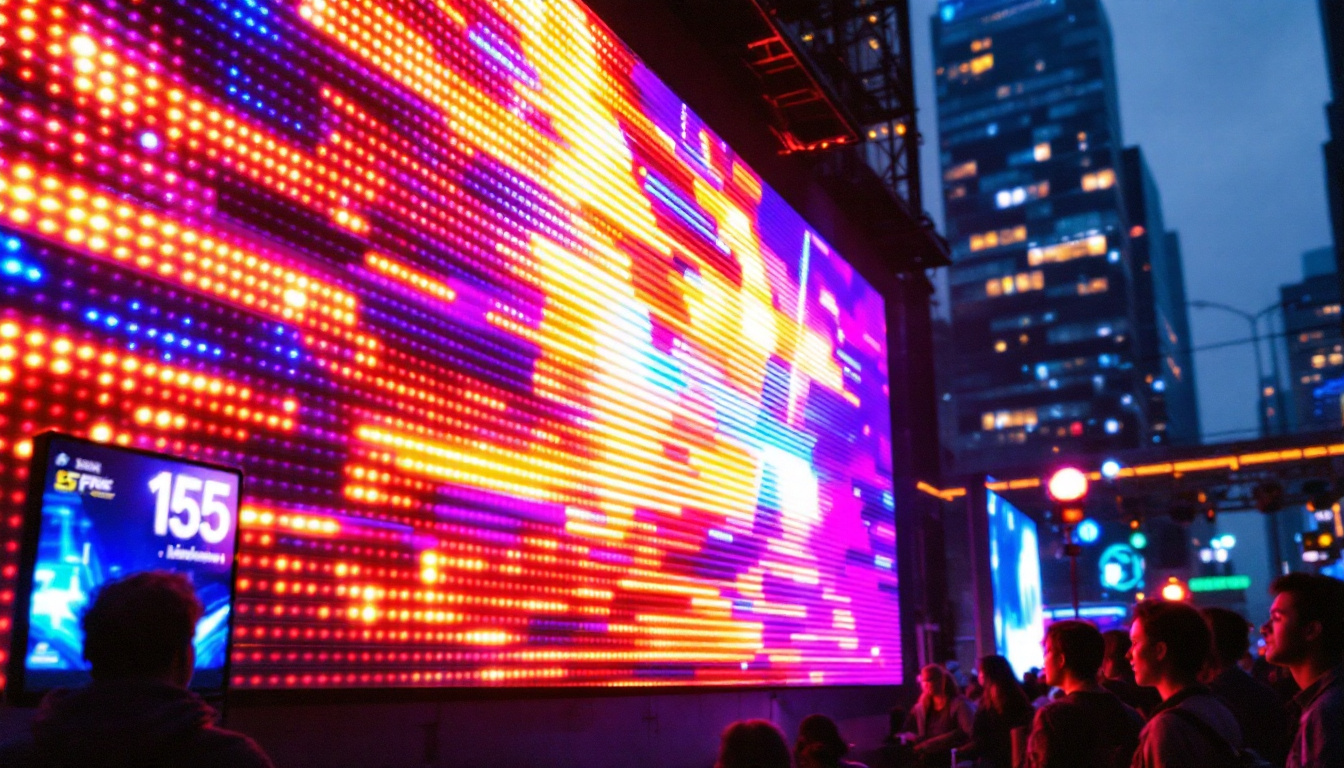
In a direct-view LED display, each pixel is made up of red, green, and blue LEDs. By varying the intensity of each LED, the display can produce a wide spectrum of colors. This precise control over light emission allows LED displays to deliver vibrant images with excellent contrast ratios. The ability to turn individual pixels on and off also enables stunning visual effects, such as dynamic animations and high-definition video playback, which are essential for advertising and entertainment applications.
LED-backlit LCDs operate differently. The LCD panel controls the passage of light from the LED backlight through liquid crystals, creating images. While the backlight is LED-based, the image quality depends on the LCD layer’s ability to modulate light. This technology has improved significantly, with advancements such as local dimming, where specific areas of the backlight can be turned off to enhance black levels and contrast. Additionally, many modern LED-backlit displays incorporate technologies like quantum dots to further enhance color reproduction and viewing angles, making them ideal for both professional and consumer use.
Advantages of LED Displays Over Other Technologies
Brightness and Visibility
One of the most significant advantages of LED displays is their superior brightness. LEDs can achieve brightness levels exceeding 1,000 nits, making them ideal for environments with high ambient light, such as outdoor advertising billboards or retail displays. In comparison, traditional LCD screens typically max out around 300-500 nits.
This enhanced brightness ensures that images remain clear and vivid even under direct sunlight, which is a critical factor for outdoor and commercial applications.
Energy Efficiency and Longevity
LEDs are highly energy-efficient compared to other light sources. They consume less power while delivering brighter light, which translates to lower operating costs and reduced environmental impact. For example, LED-backlit LCD TVs use up to 30% less energy than their CCFL-backlit counterparts.
Additionally, LEDs have a longer lifespan, often rated between 50,000 to 100,000 hours of operation. This durability reduces maintenance costs and downtime, especially important for large-scale installations like digital signage or sports arenas.
Color Accuracy and Contrast
LED displays offer excellent color accuracy due to their ability to control light at the pixel level. Direct-view LED screens can achieve near-perfect blacks by turning off individual LEDs, resulting in infinite contrast ratios. This capability enhances image depth and realism, making LED displays popular in professional video production and high-end home theaters.
Thin and Flexible Design
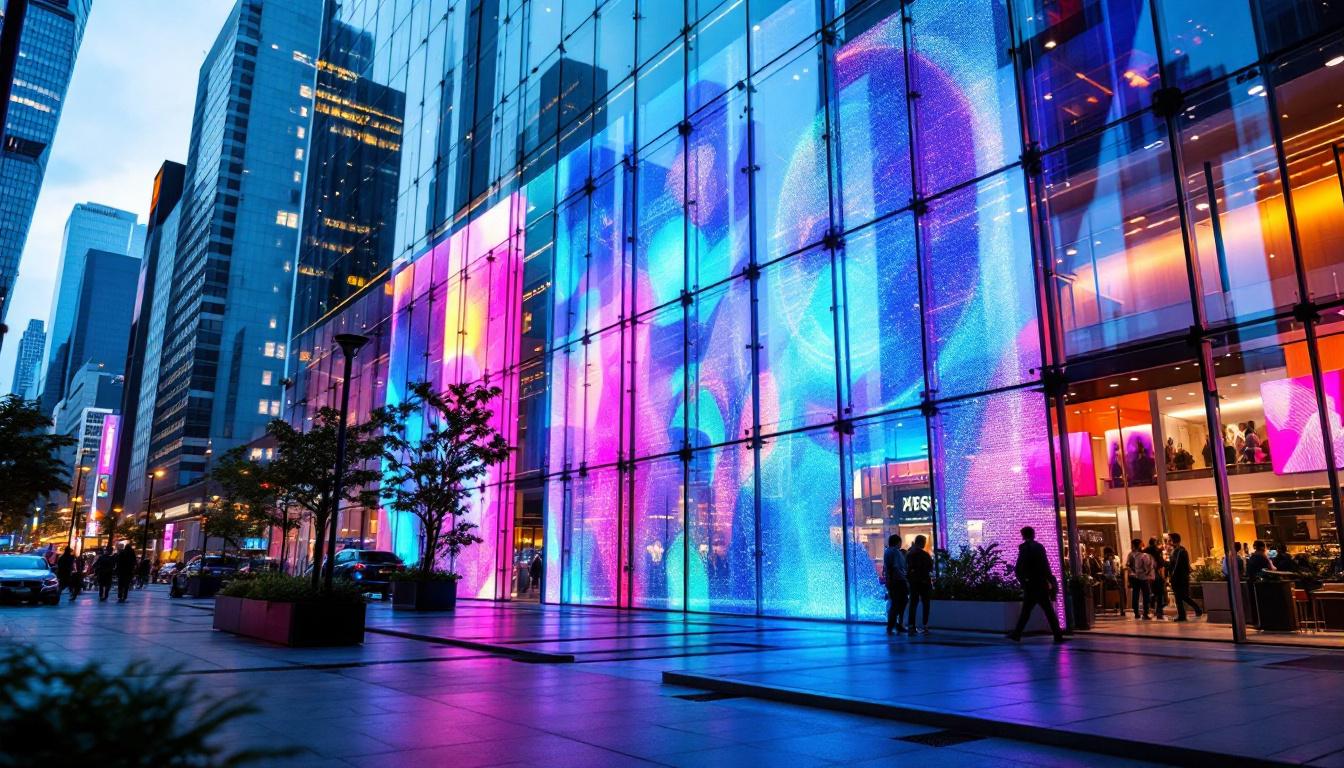
Advances in LED technology have enabled the production of ultra-thin and even flexible displays. This flexibility opens up innovative design possibilities, such as curved screens, transparent displays, and modular video walls. These features are increasingly sought after in retail environments, exhibitions, and architectural installations.
Applications of LED Displays
Outdoor Advertising and Digital Billboards
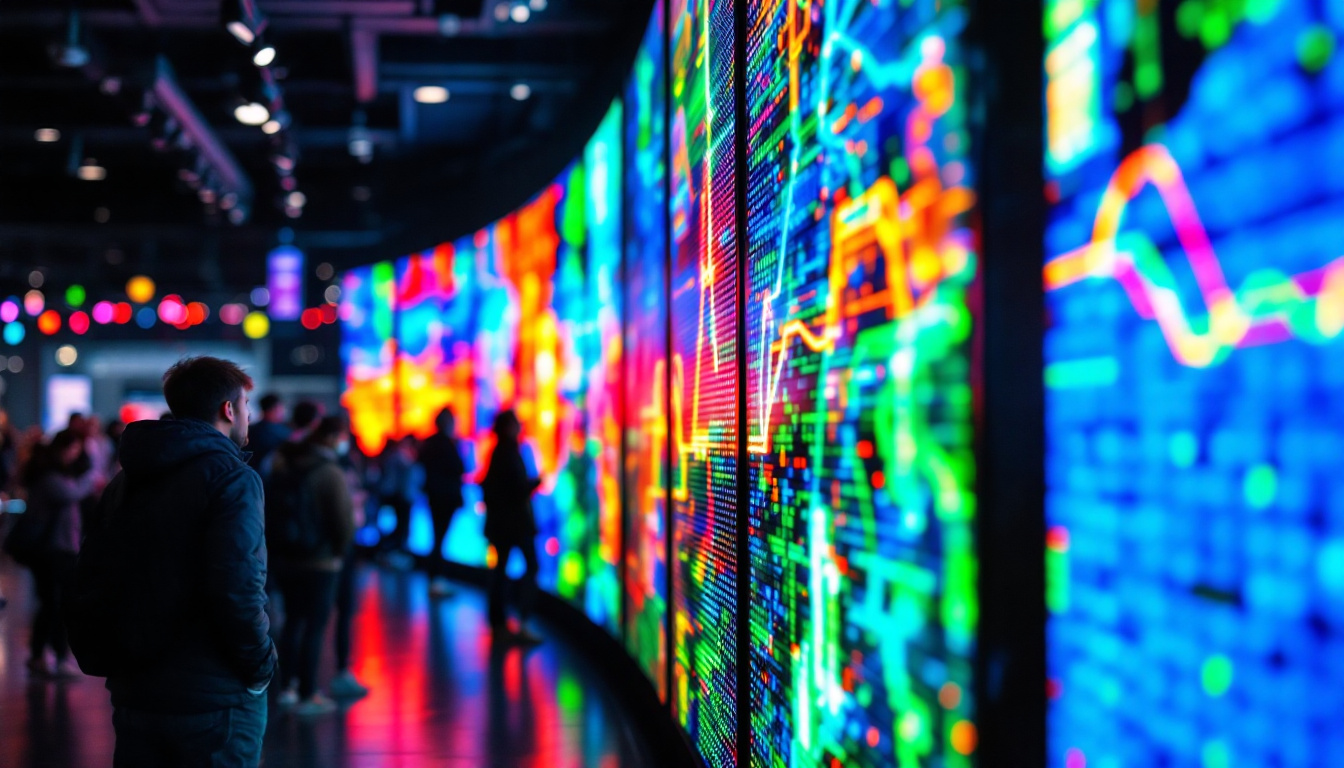
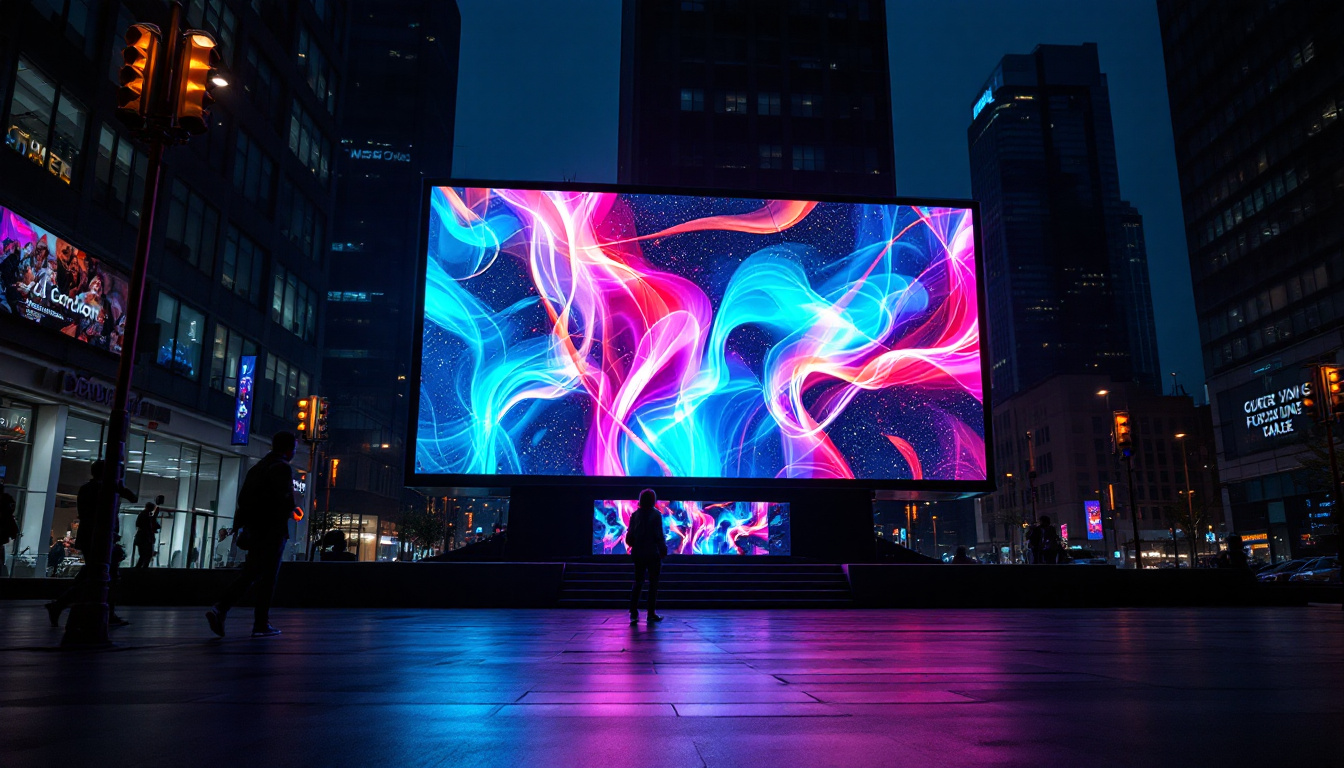
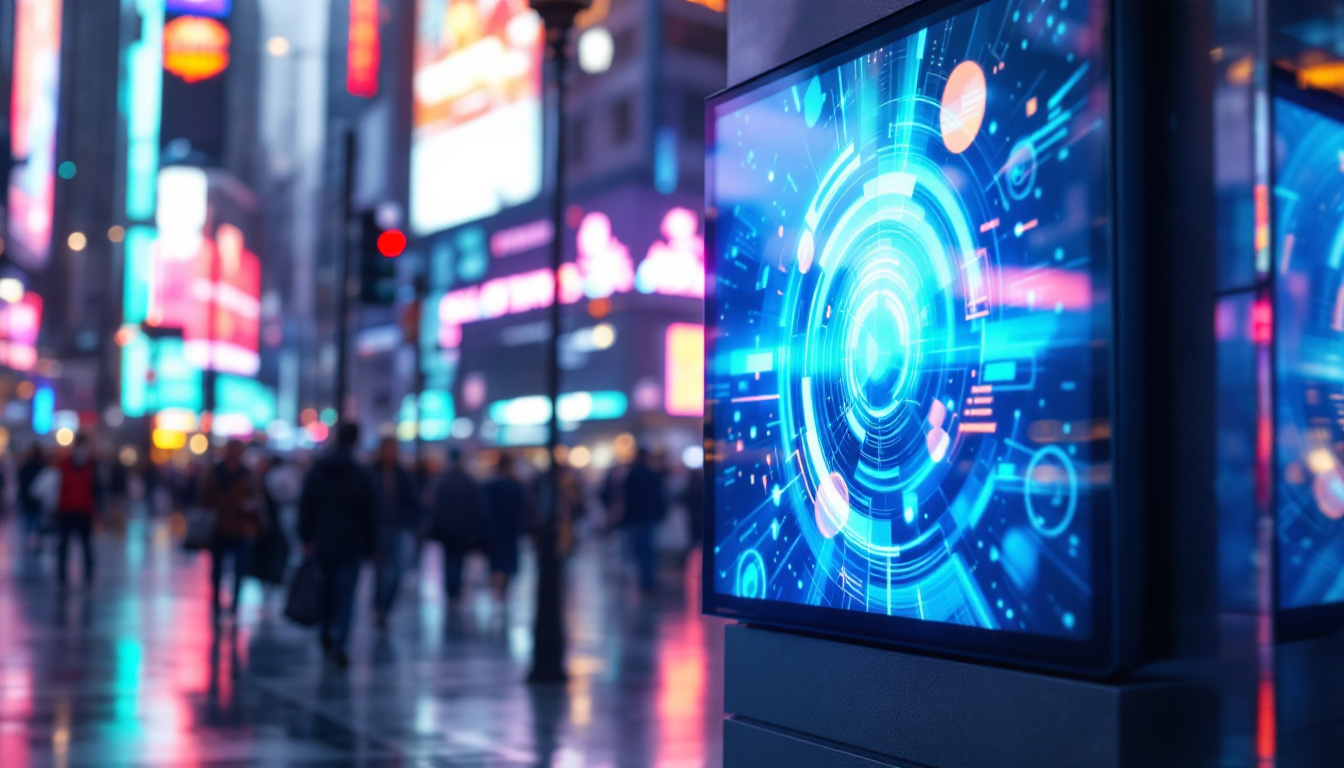
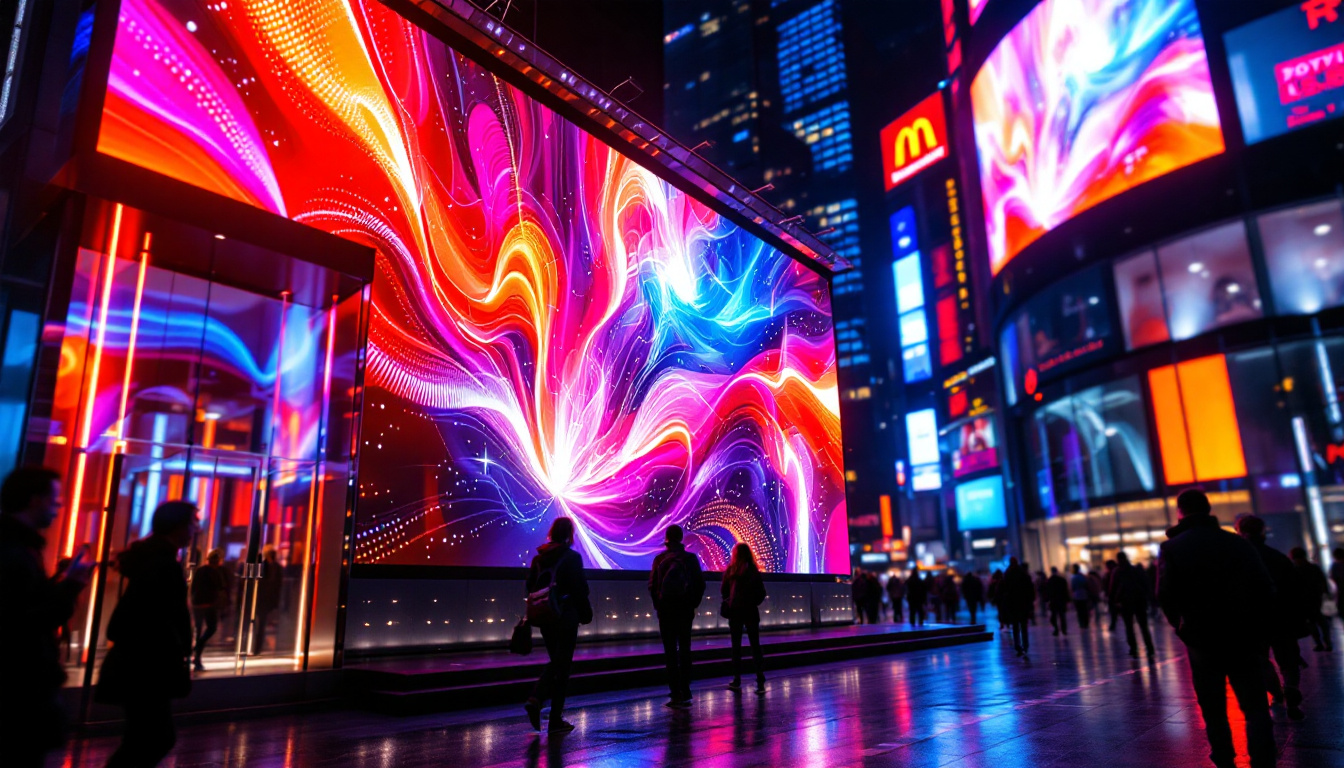
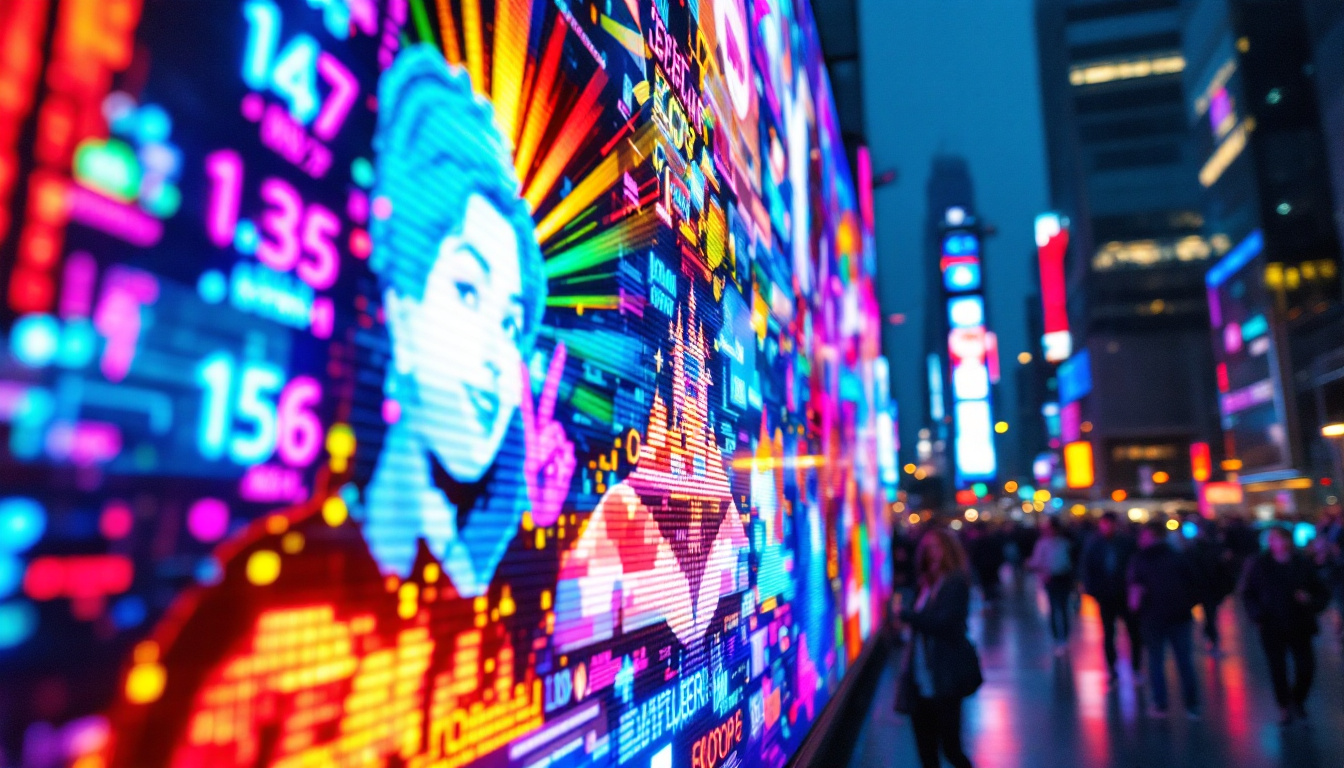
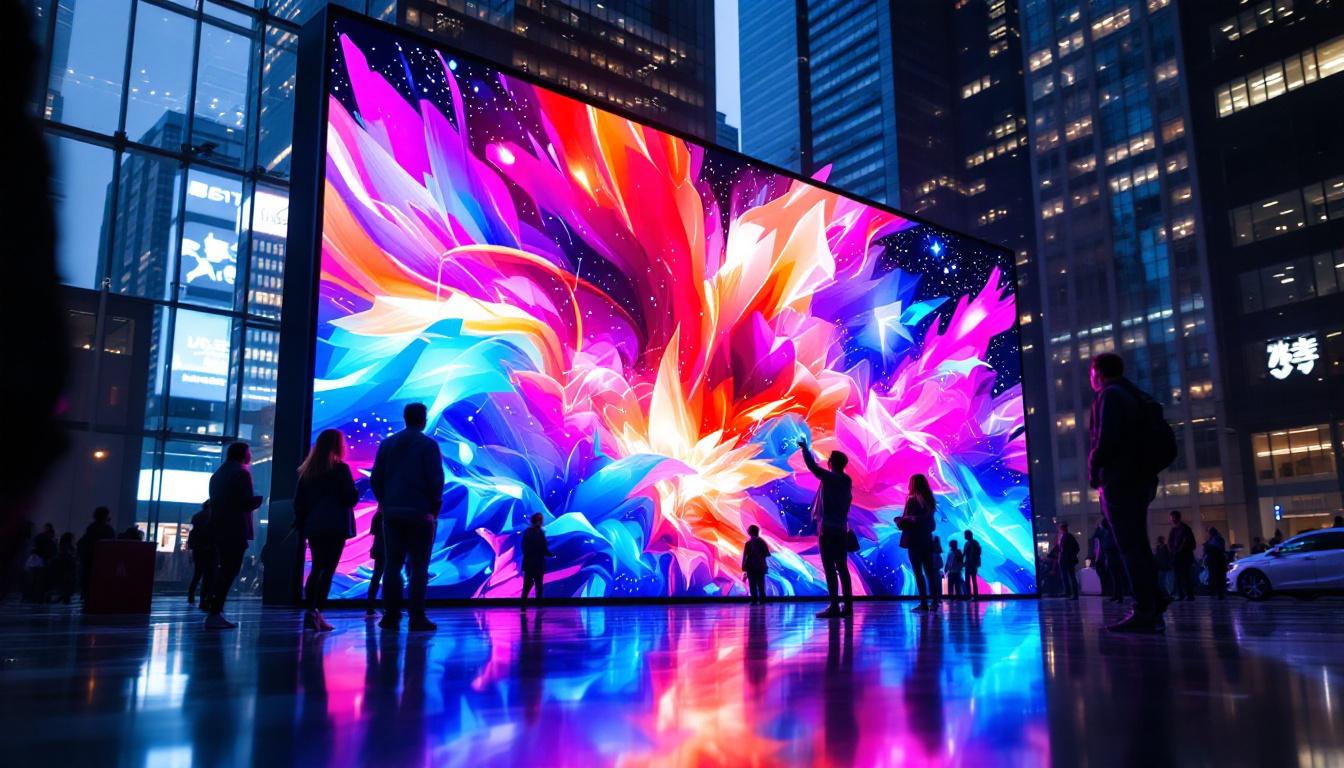
LED displays dominate the outdoor advertising industry due to their brightness, weather resistance, and scalability. Large LED billboards can be seen in iconic locations like Times Square in New York City and Piccadilly Circus in London, delivering dynamic and eye-catching advertisements 24/7.
Modern LED billboards support high-definition video and real-time content updates, allowing advertisers to tailor messages based on time of day, weather, or audience demographics. This flexibility enhances engagement and return on investment.
Sports and Entertainment Venues
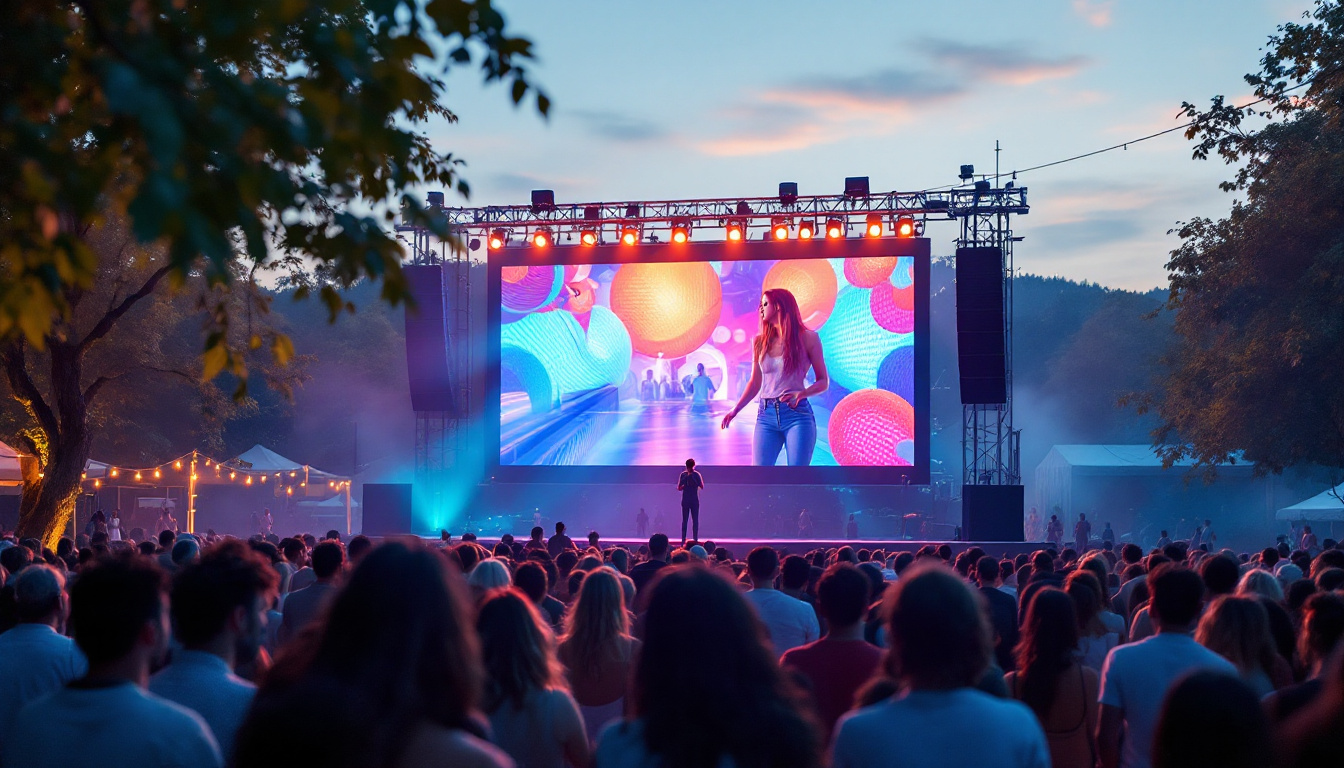
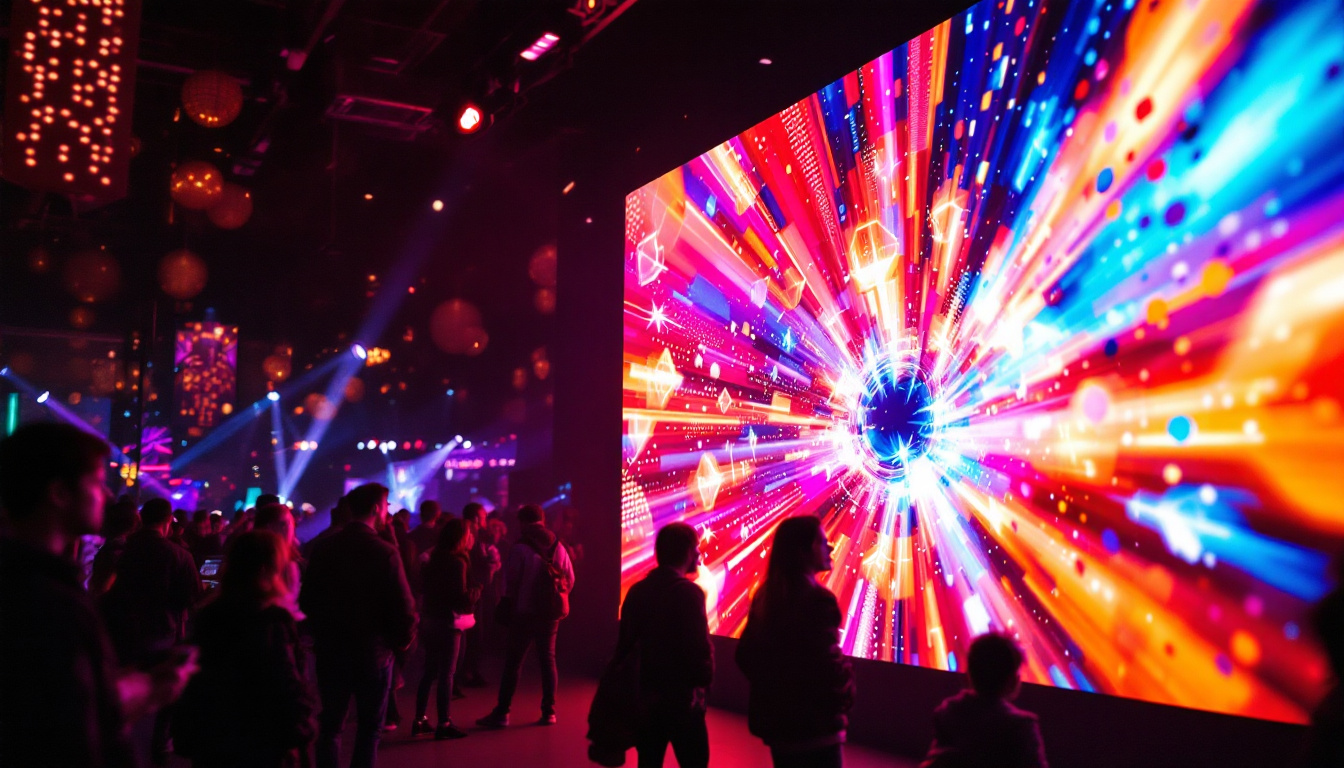
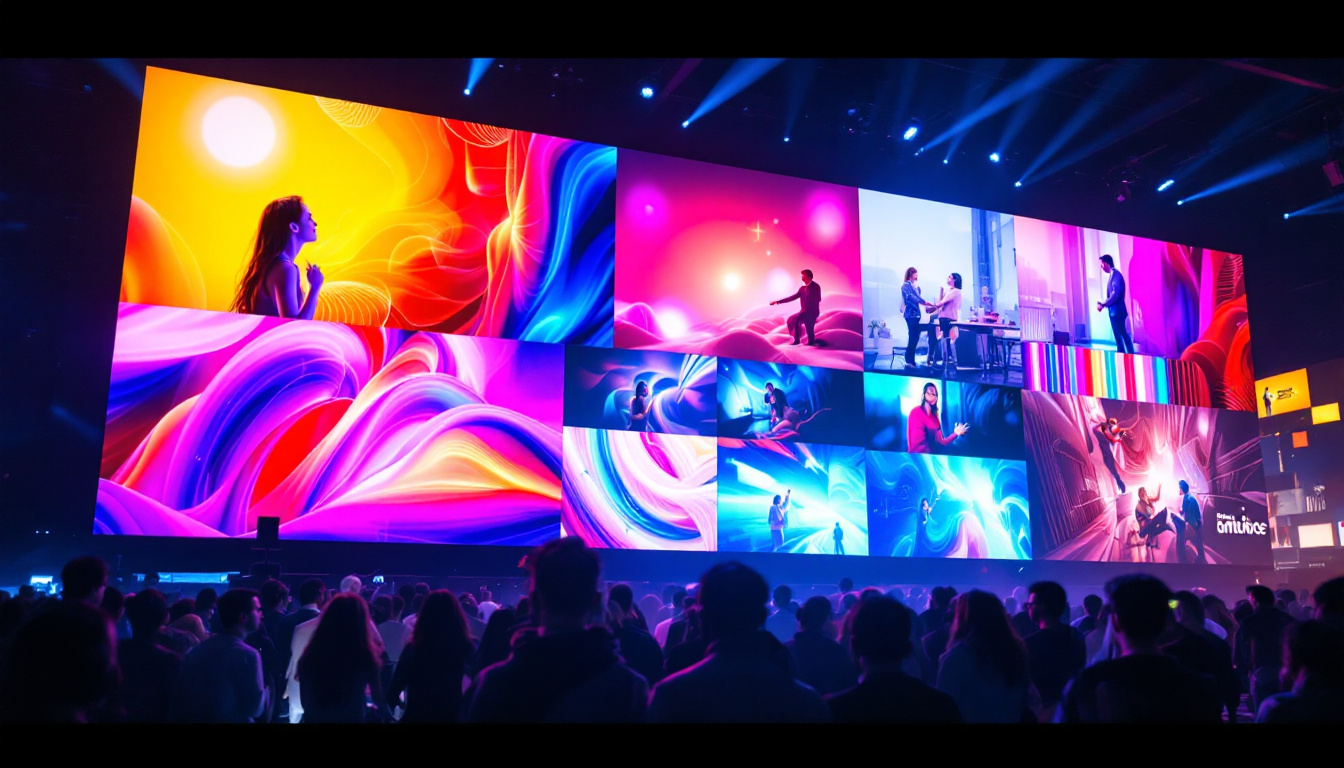
Sports arenas and concert venues utilize massive LED screens to provide spectators with live action replays, scores, and interactive content. These displays must be bright enough to remain visible under stadium lighting and large enough to be seen from any seat.
For example, the AT&T Stadium in Texas features one of the largest high-definition LED video boards in the world, measuring approximately 160 feet wide by 72 feet tall. Such installations showcase the technological capabilities and visual impact of LED displays.
Retail and Corporate Environments
Retailers use LED displays to attract customers with vibrant promotional content and interactive experiences. LED video walls and digital signage create immersive environments that enhance brand presence and customer engagement.
In corporate settings, LED screens are increasingly used in conference rooms and lobbies for presentations, video conferencing, and information displays. Their clarity and brightness improve communication and professionalism.
Consumer Electronics
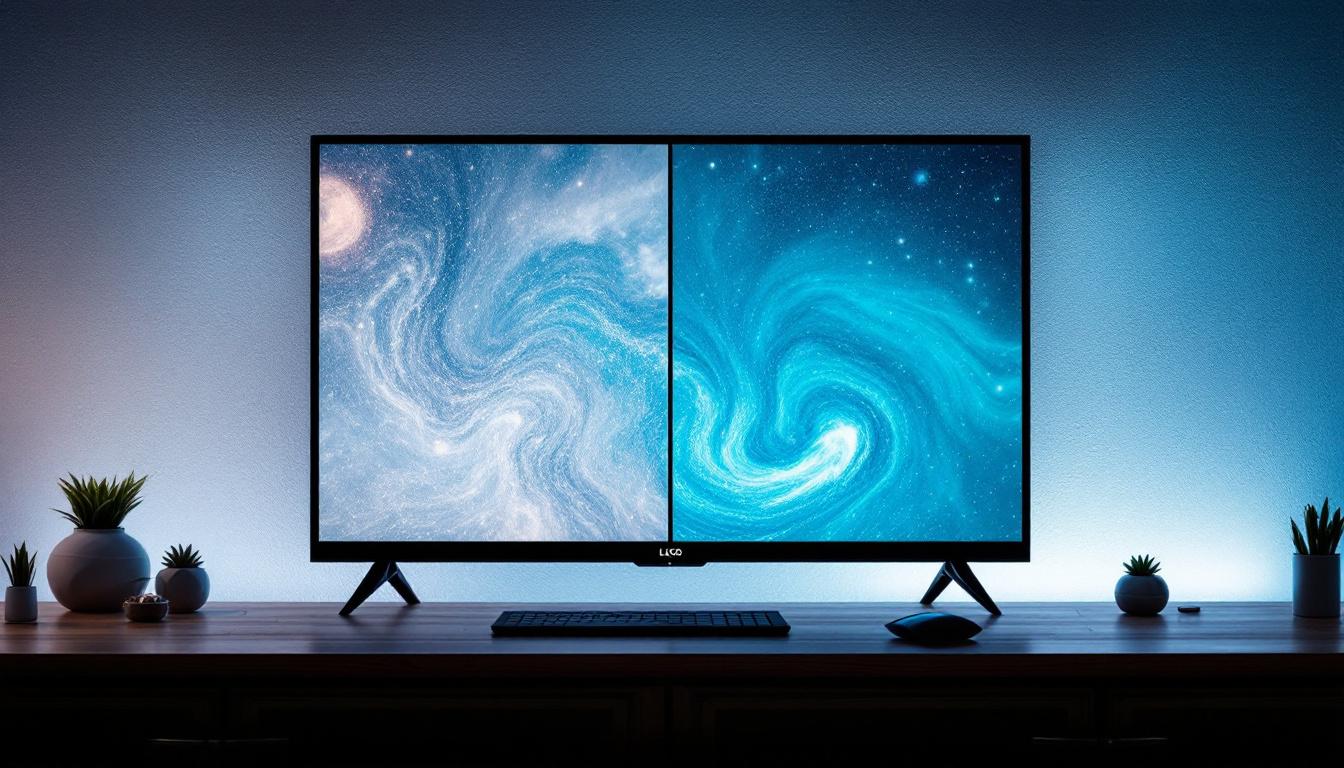
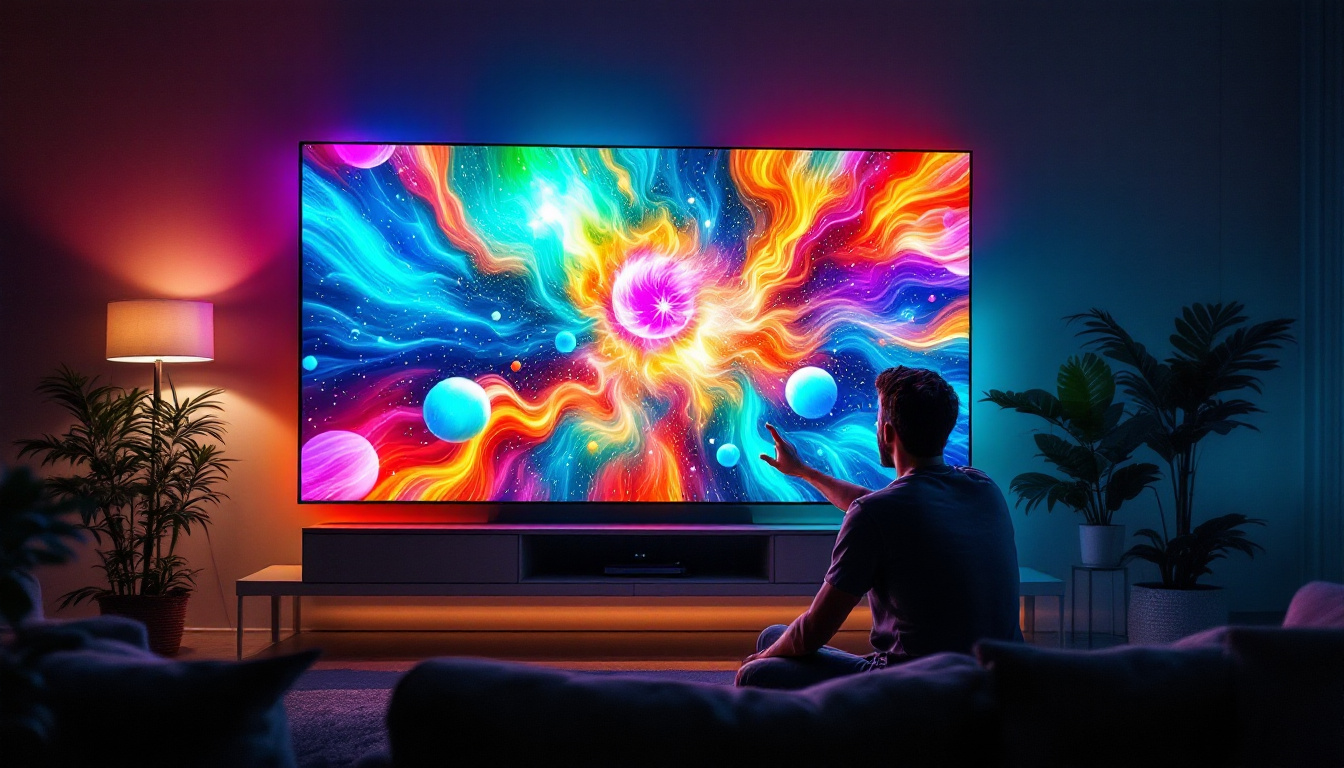
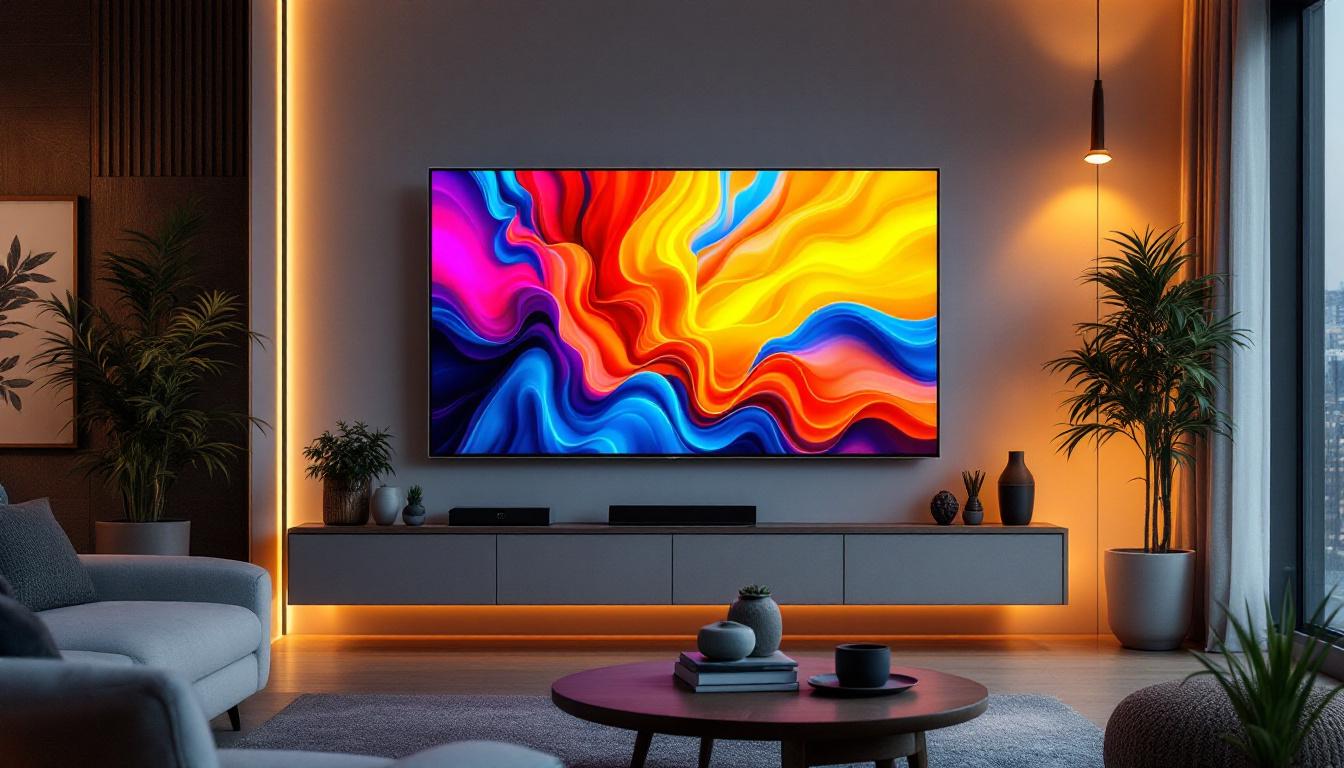
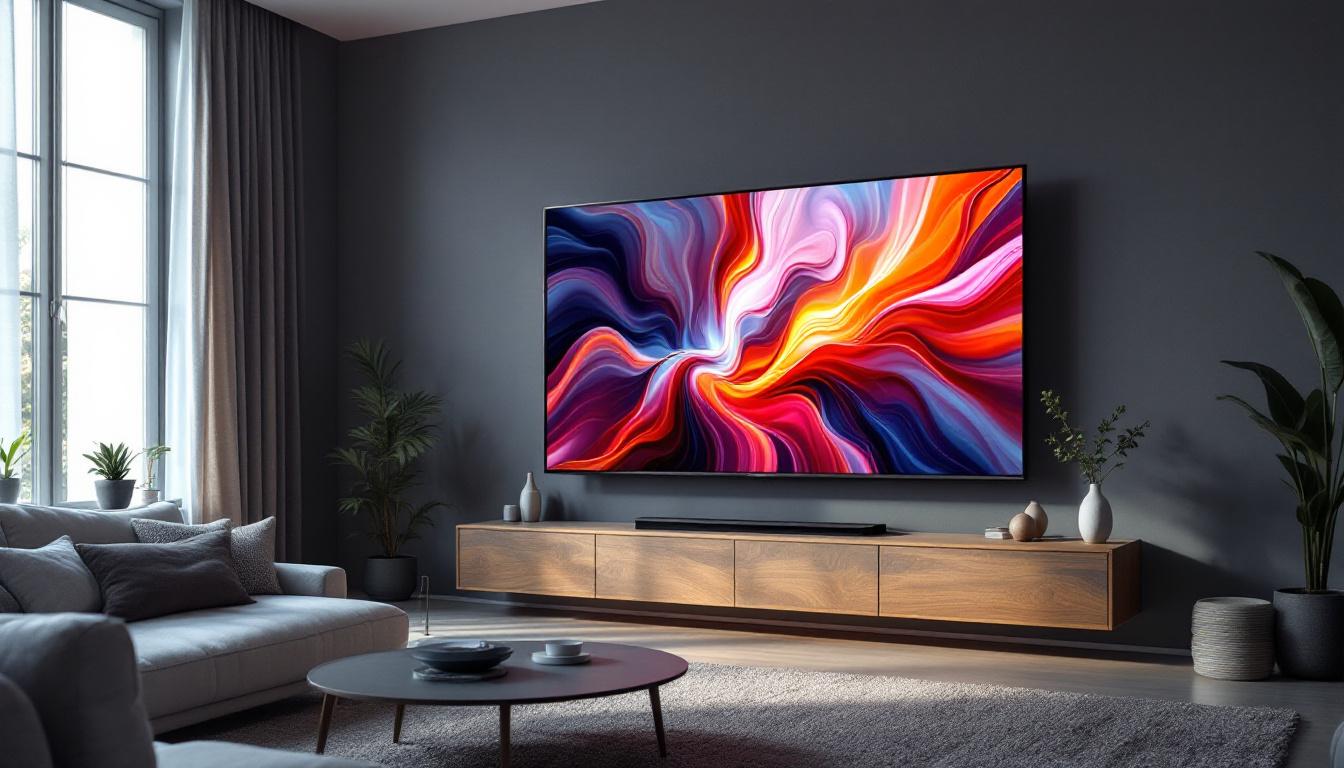
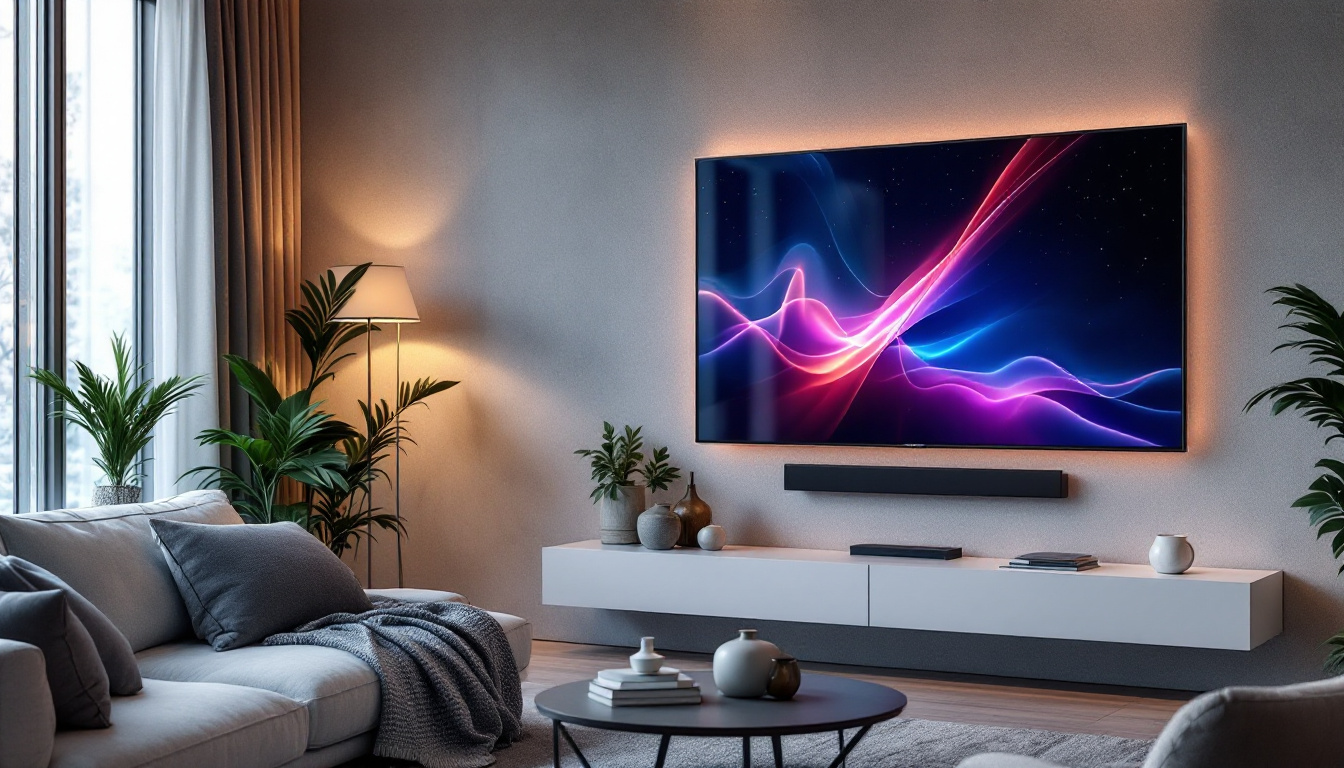
LED technology is prevalent in consumer electronics, including televisions, computer monitors, smartphones, and tablets. The transition from CCFL to LED backlighting has improved picture quality, reduced power consumption, and enabled slimmer device designs.
High-end TVs now feature OLED (Organic LED) technology, which builds on LED principles to deliver even better contrast and color accuracy. While OLED differs technically from traditional LED displays, it highlights the ongoing innovation in LED-based screen technology.
Key Considerations When Choosing an LED Display
Resolution and Pixel Pitch
Resolution refers to the number of pixels displayed on the screen, affecting image sharpness. Pixel pitch, the distance between individual LEDs, is particularly important for direct-view LED displays. A smaller pixel pitch means higher resolution and better image quality, especially at close viewing distances.
For example, indoor LED panels typically have pixel pitches ranging from 1mm to 4mm, while outdoor panels might have pitches of 6mm or more due to viewing distance requirements. Selecting the right pixel pitch ensures optimal clarity without unnecessary cost.
Brightness and Viewing Environment
Understanding the environment where the LED display will be used is crucial. Outdoor displays require higher brightness and weatherproofing, while indoor displays prioritize color accuracy and viewing angles.
Manufacturers often specify peak brightness levels and IP ratings (Ingress Protection) to indicate suitability for different conditions. For instance, an IP65 rating ensures protection against dust and water jets, essential for outdoor installations.
Refresh Rate and Response Time
The refresh rate, measured in Hertz (Hz), indicates how many times per second the display updates the image. Higher refresh rates reduce flicker and motion blur, improving the viewing experience, especially for video content and gaming.
Response time is the speed at which pixels change color. Faster response times result in smoother motion rendering. While these factors are critical for consumer electronics and broadcast applications, they are also relevant for digital signage that includes dynamic video.
Cost and Maintenance
While LED displays offer many benefits, they can vary widely in cost depending on size, resolution, and features. It is important to balance initial investment with long-term operational costs, including energy consumption and maintenance.
Modular LED panels simplify maintenance by allowing individual sections to be replaced without dismantling the entire screen. This design consideration can reduce downtime and repair expenses.
The Future of LED Display Technology
MicroLED and MiniLED Innovations
Emerging technologies like MicroLED and MiniLED promise to push LED display performance even further. MicroLEDs are tiny LEDs, often less than 100 micrometers in size, that can be used to create displays with exceptional brightness, contrast, and energy efficiency without the burn-in issues associated with OLED.
MiniLED technology uses thousands of small LEDs as a backlight for LCD panels, enabling better local dimming and improved contrast ratios. Both technologies are gaining traction in premium TVs, monitors, and mobile devices.
Flexible and Transparent LED Displays
Research into flexible and transparent LED displays is opening new possibilities in design and application. Flexible LED screens can be wrapped around curved surfaces or folded, while transparent LED displays allow light to pass through, enabling innovative retail windows and augmented reality experiences.
These advancements are expected to transform advertising, architecture, and consumer electronics, making LED displays more versatile and integrated into everyday environments.
Integration with Smart Technologies
LED displays are increasingly integrated with smart technologies such as IoT (Internet of Things), AI-driven content management, and interactive sensors. This integration allows for dynamic, personalized content delivery and enhanced user engagement.
For example, smart digital signage can analyze audience demographics and adjust advertising content in real-time, maximizing effectiveness and user experience.
Conclusion
LED display technology has revolutionized the way visual content is presented across various industries. Its combination of brightness, energy efficiency, color accuracy, and design flexibility makes it a leading choice for everything from massive outdoor billboards to sleek consumer electronics.
As innovations like MicroLED and flexible displays continue to develop, the future of LED screens looks brighter than ever. Whether you are a business owner, a tech enthusiast, or simply a consumer seeking the best screen experience, understanding LED technology is essential to making informed decisions in a rapidly evolving digital landscape.
Discover LumenMatrix’s Innovative LED Solutions
Ready to elevate your visual experience with the latest in LED technology? Look no further than LumenMatrix, a pioneer in crafting LED displays that bring your content to life. From vibrant Indoor and Outdoor LED Wall Displays to dynamic Vehicle and Sports LED Displays, LumenMatrix offers a comprehensive range of solutions tailored to your needs. Immerse your audience with our captivating LED Poster and Floor Displays, or customize your message with our All-in-One and Transparent LED options. Embrace the future of visual communication with LumenMatrix and check out our LED Display Solutions today, where innovation meets impact.