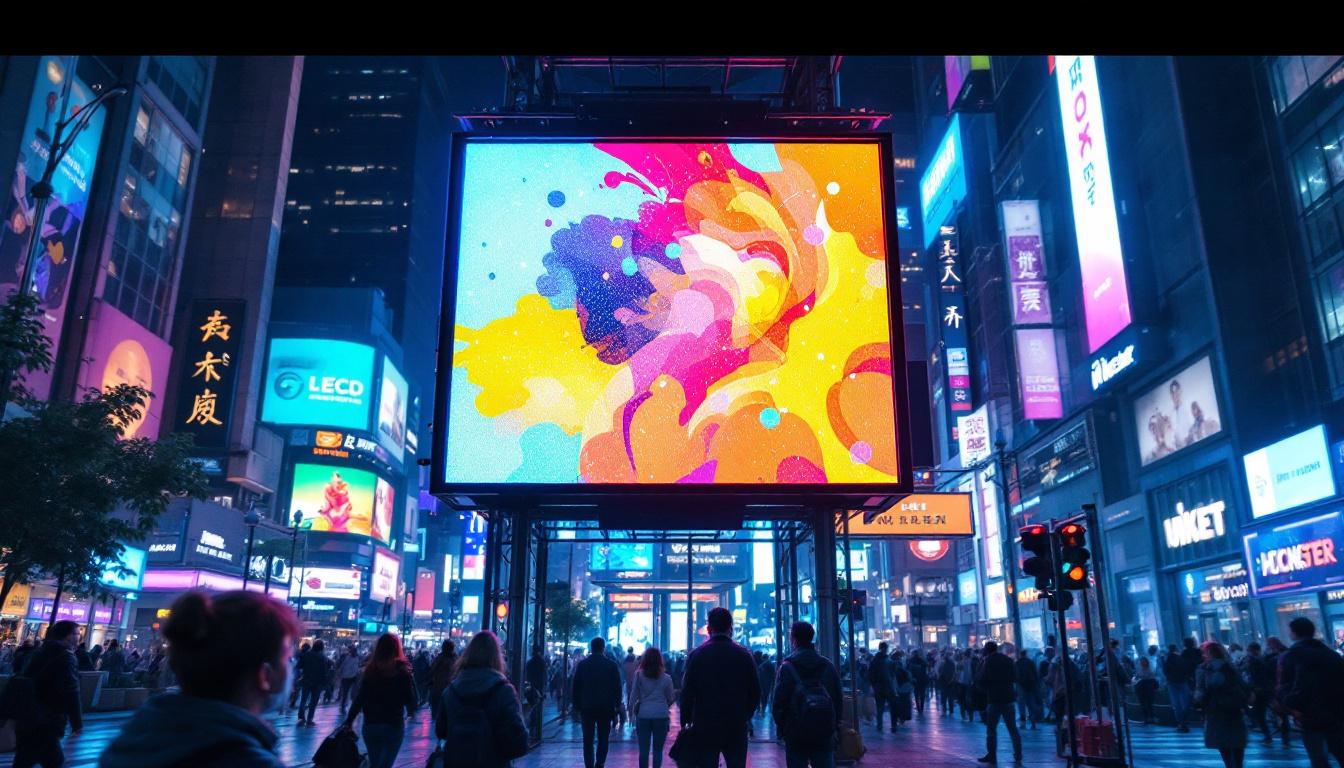
In today’s fast-paced digital world, visual communication plays a crucial role in capturing attention and conveying messages effectively. Among various display technologies, LED displays have emerged as a dominant force in signage and advertising due to their brightness, versatility, and energy efficiency. This article delves into the intricacies of LED displays, exploring their technology, applications, benefits, and future trends.
Understanding LED Display Technology
What is an LED Display?
LED stands for Light Emitting Diode, a semiconductor device that emits light when an electric current passes through it. An LED display is a flat panel display that uses an array of these tiny diodes to produce images, videos, or text. Unlike traditional LCD or plasma screens, LED displays use direct emission of light, which results in superior brightness and contrast.
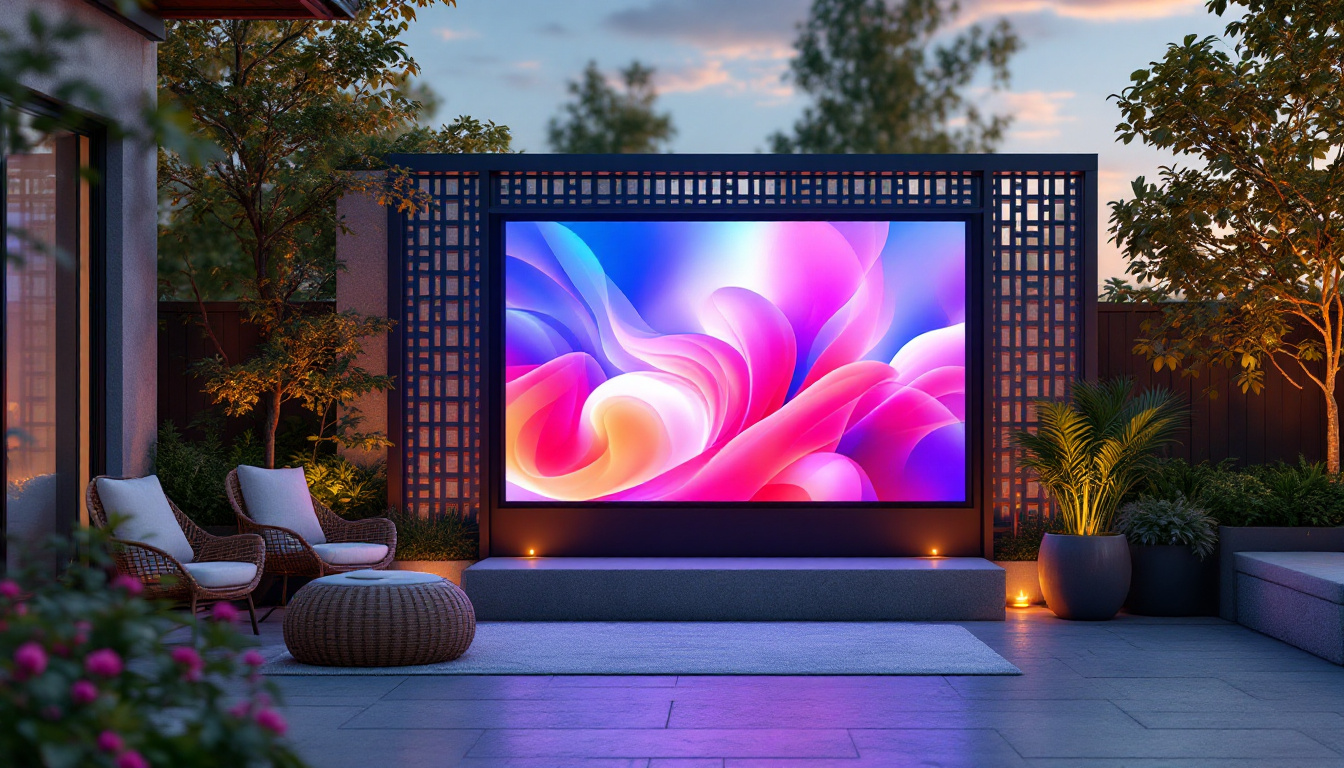
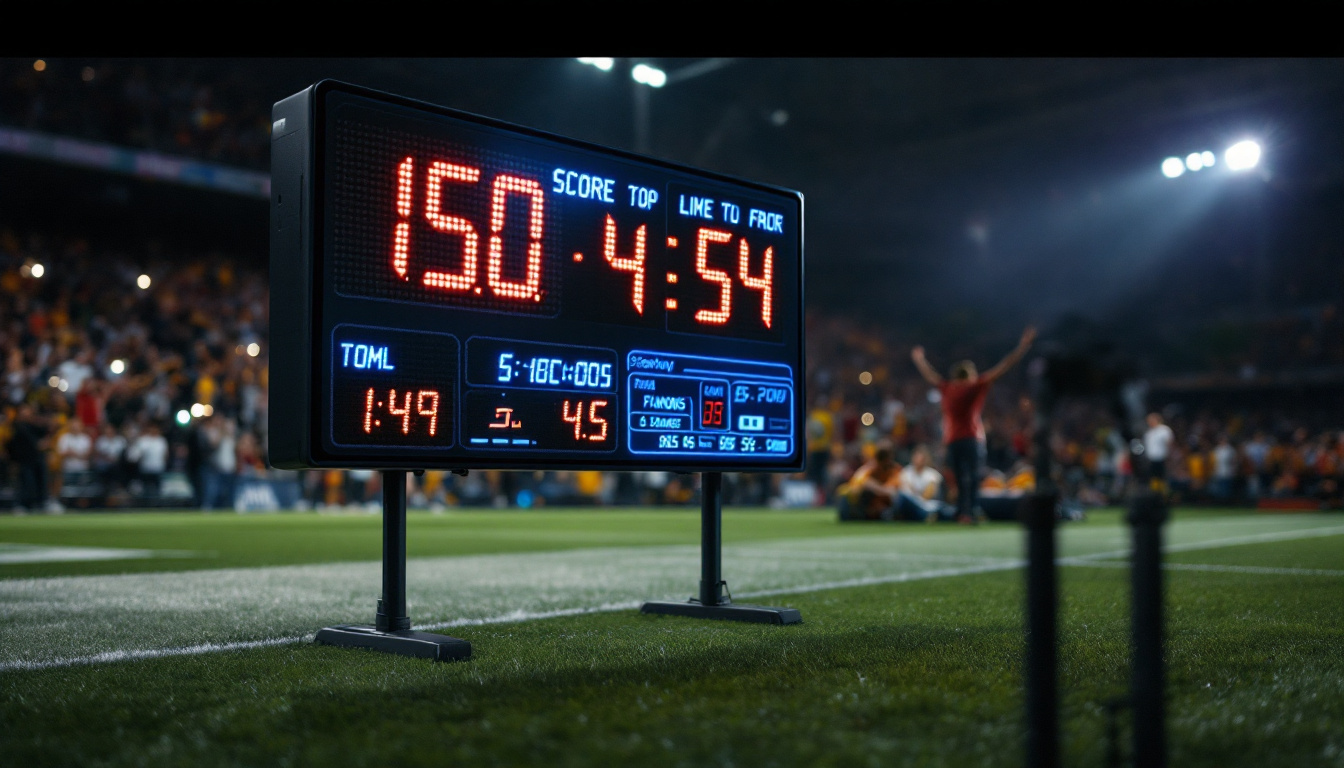
LED displays can be configured in various sizes and shapes, from small indoor screens to massive outdoor billboards. Their modular design allows for scalability, making them suitable for everything from retail signage to stadium scoreboards. The versatility of LED displays has led to their adoption in numerous sectors, including advertising, entertainment, and even transportation, where they serve as dynamic information boards in airports and train stations.
How Do LED Displays Work?
Each pixel in an LED display is made up of one or more LEDs, typically red, green, and blue (RGB). By varying the intensity of these three colors, the display can produce a full spectrum of colors. The control system adjusts the brightness of each LED to render images with high precision and clarity.
Modern LED displays use surface-mounted device (SMD) technology, where LEDs are mounted directly onto the circuit board. This approach enables higher pixel density and better color blending, resulting in sharper images and smoother video playback. Additionally, advancements in LED technology have led to the development of features such as high dynamic range (HDR) and wide color gamut (WCG), enhancing the viewing experience by providing more vivid colors and deeper contrasts.
Types of LED Displays
LED displays come in two primary types: direct view LED and LED-backlit LCD. Direct view LED displays consist entirely of LEDs that emit light directly to the viewer, making them ideal for large-scale outdoor signage. In contrast, LED-backlit LCDs use LEDs as a backlight source behind an LCD panel, common in televisions and computer monitors.
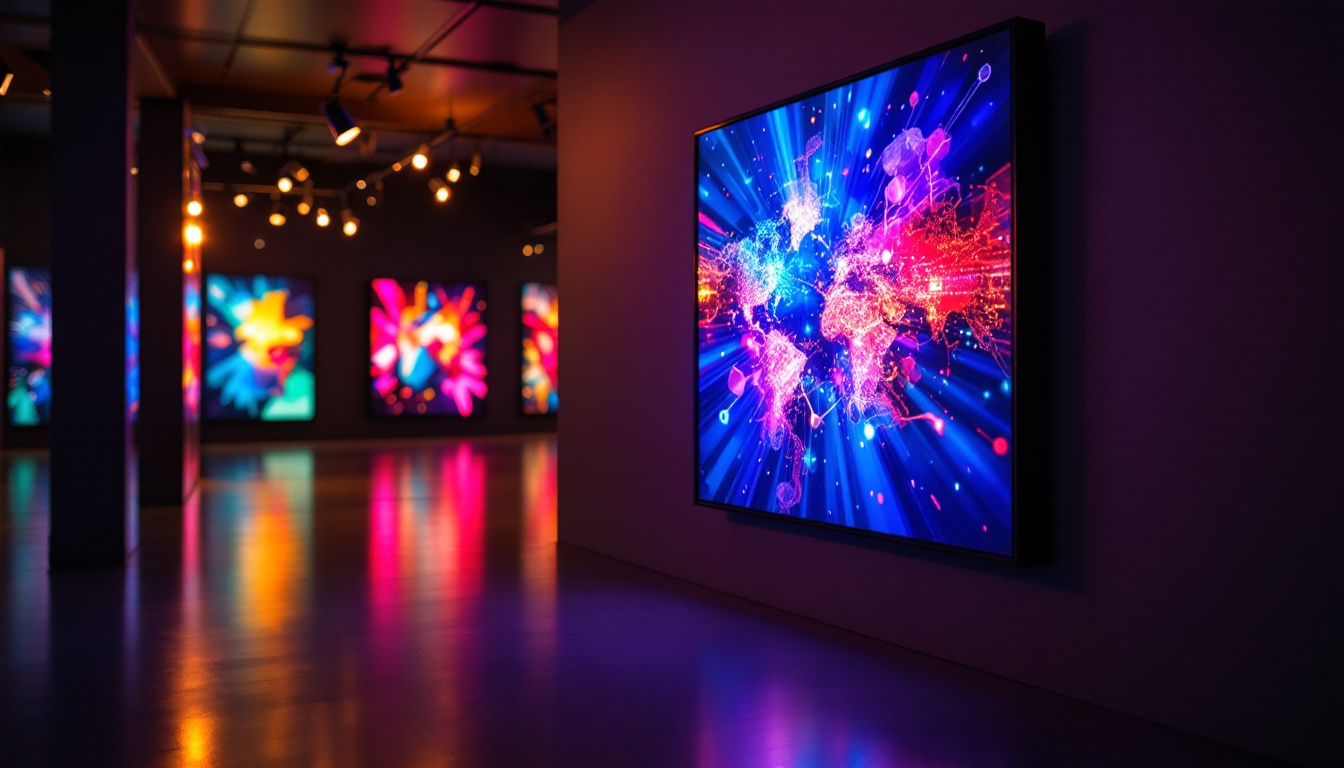
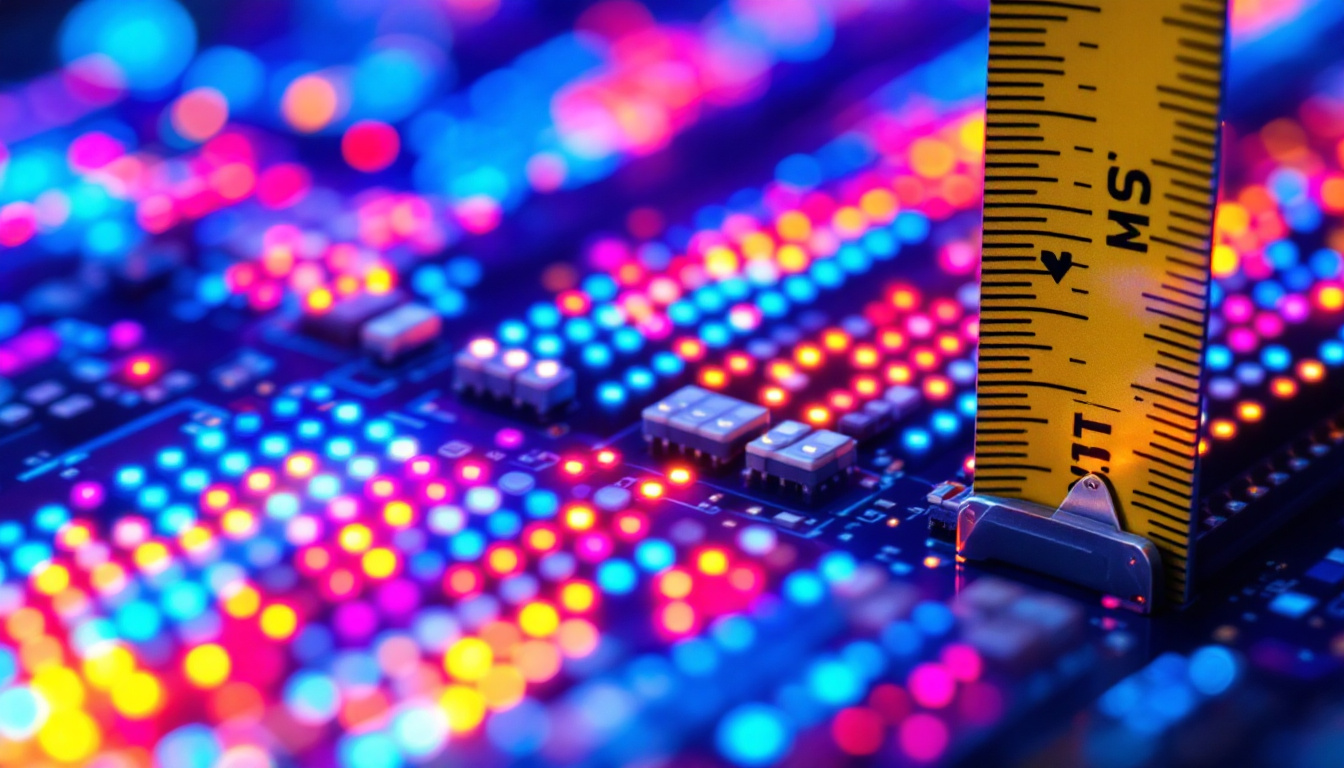
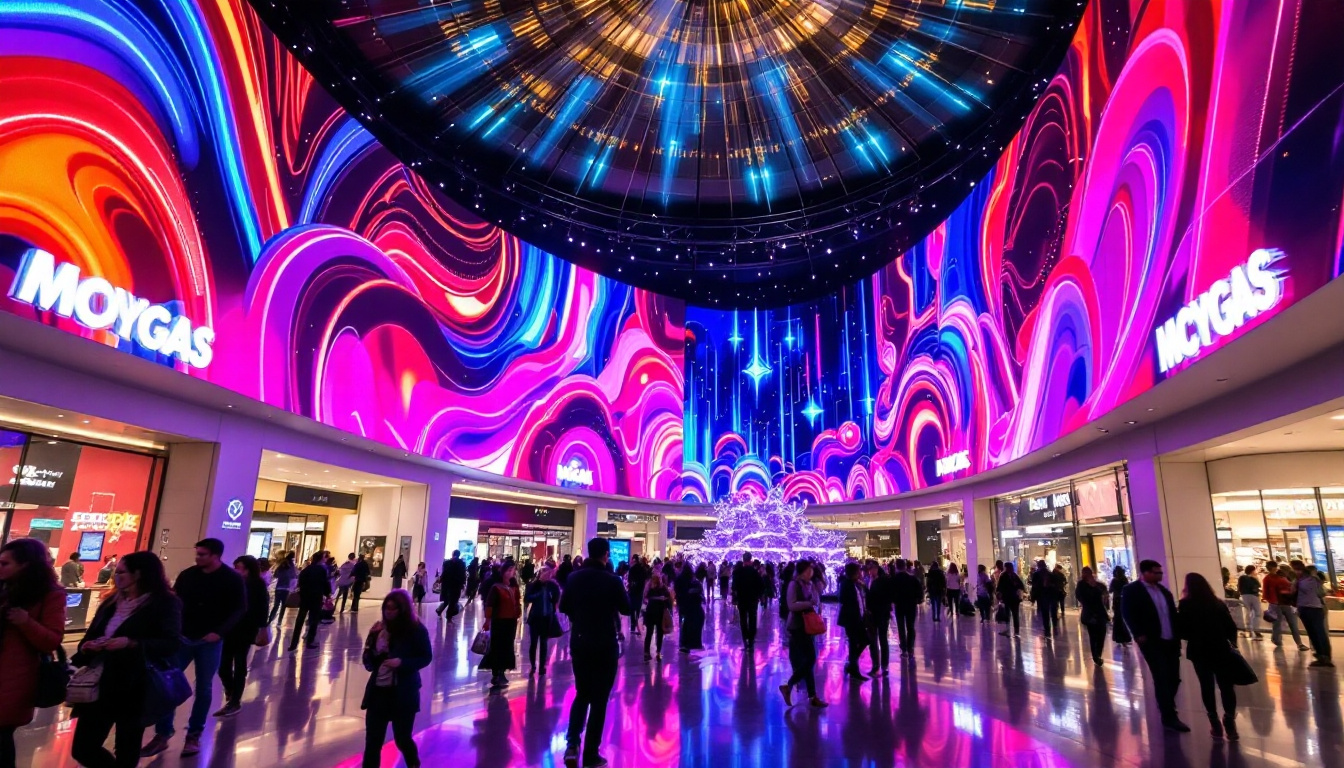
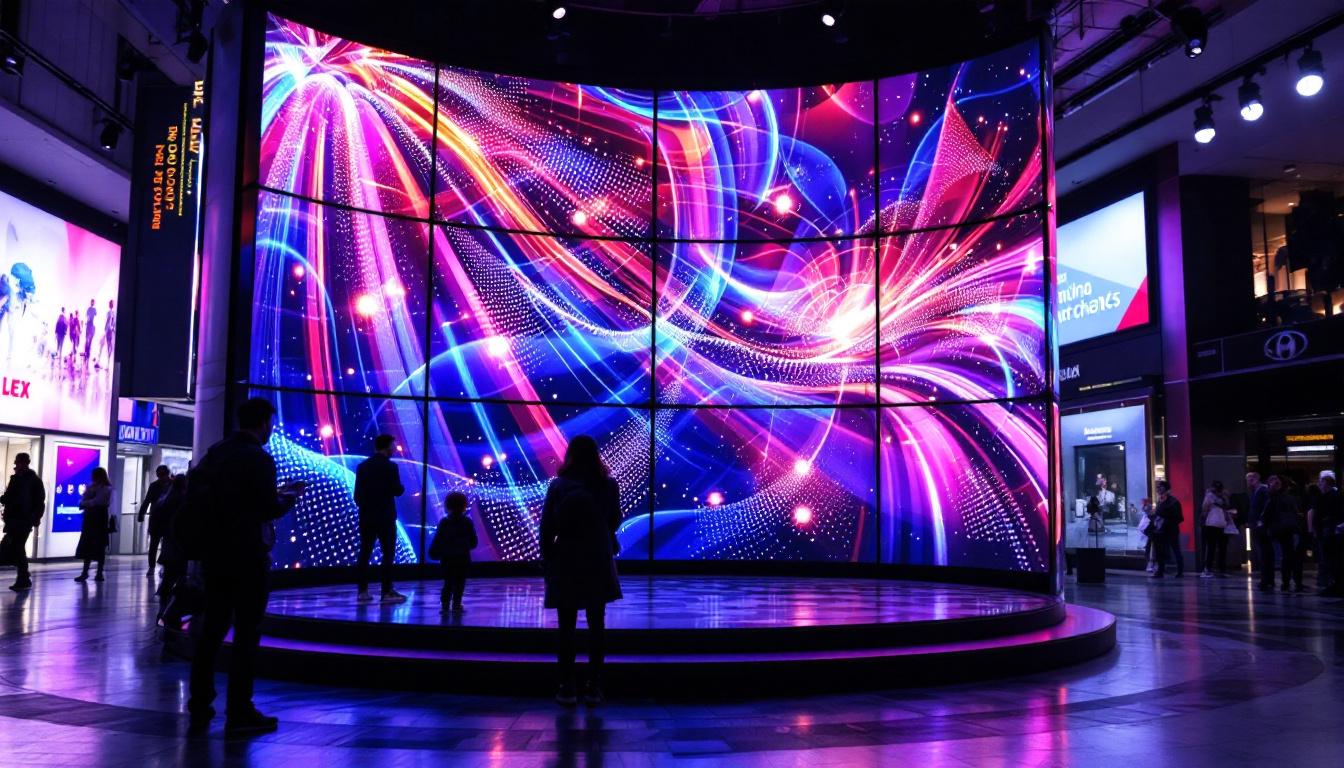
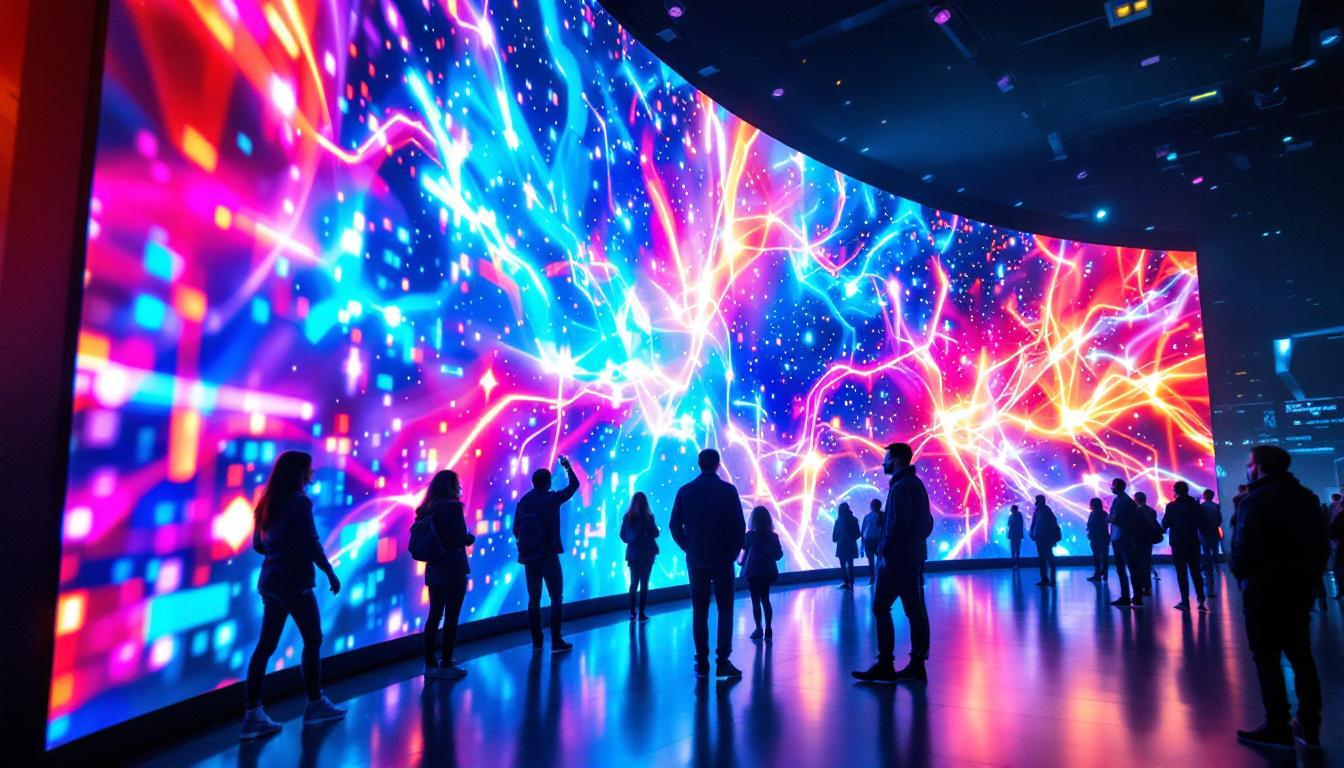
Within direct view LED displays, there are further classifications based on pixel pitch—the distance between the centers of two adjacent pixels. Smaller pixel pitches (e.g., 1.2mm) provide higher resolution suitable for close viewing distances, while larger pitches (e.g., 10mm or more) are used for large outdoor screens viewed from afar. Furthermore, the innovation in flexible LED displays has opened new avenues for creative installations, allowing for curved or even wrap-around screens that can fit unconventional spaces, enhancing the aesthetic appeal of environments such as retail stores and art galleries.
Applications of LED Displays in Signage
Outdoor Advertising and Billboards
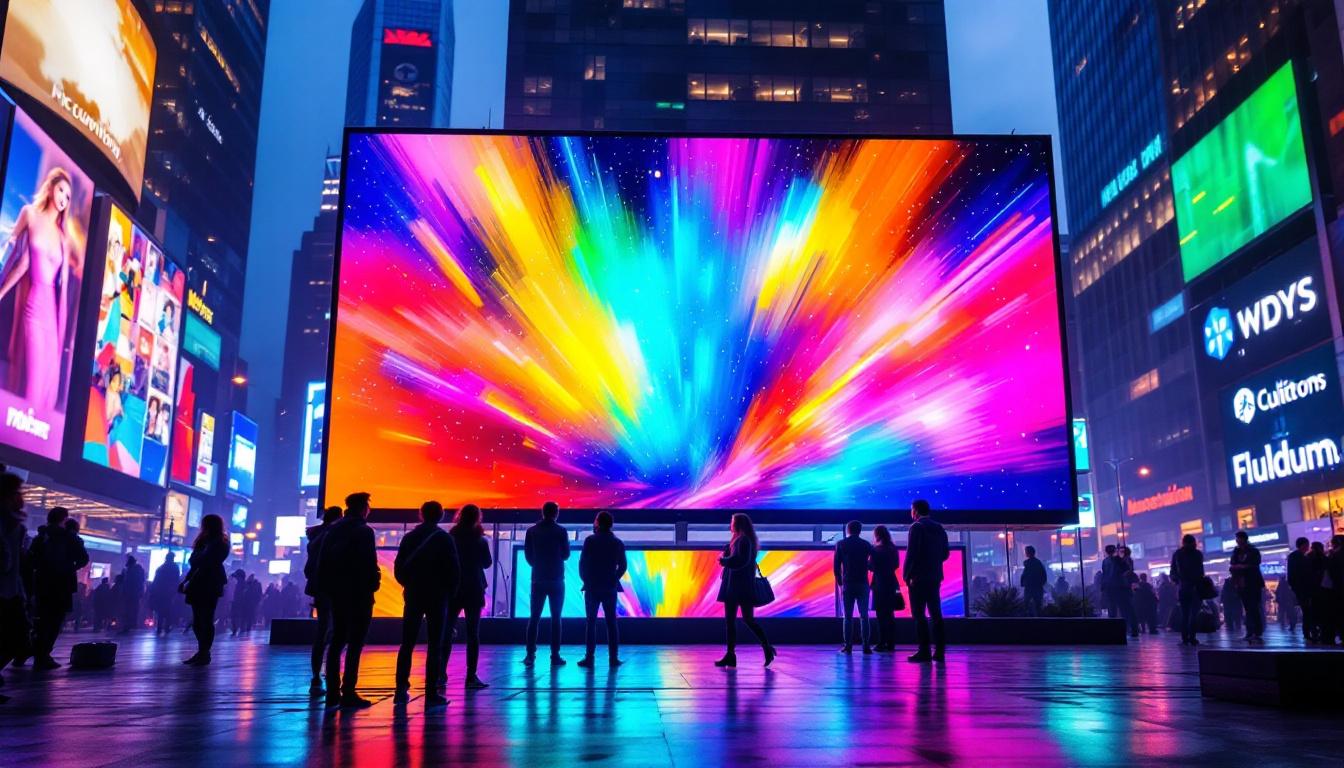
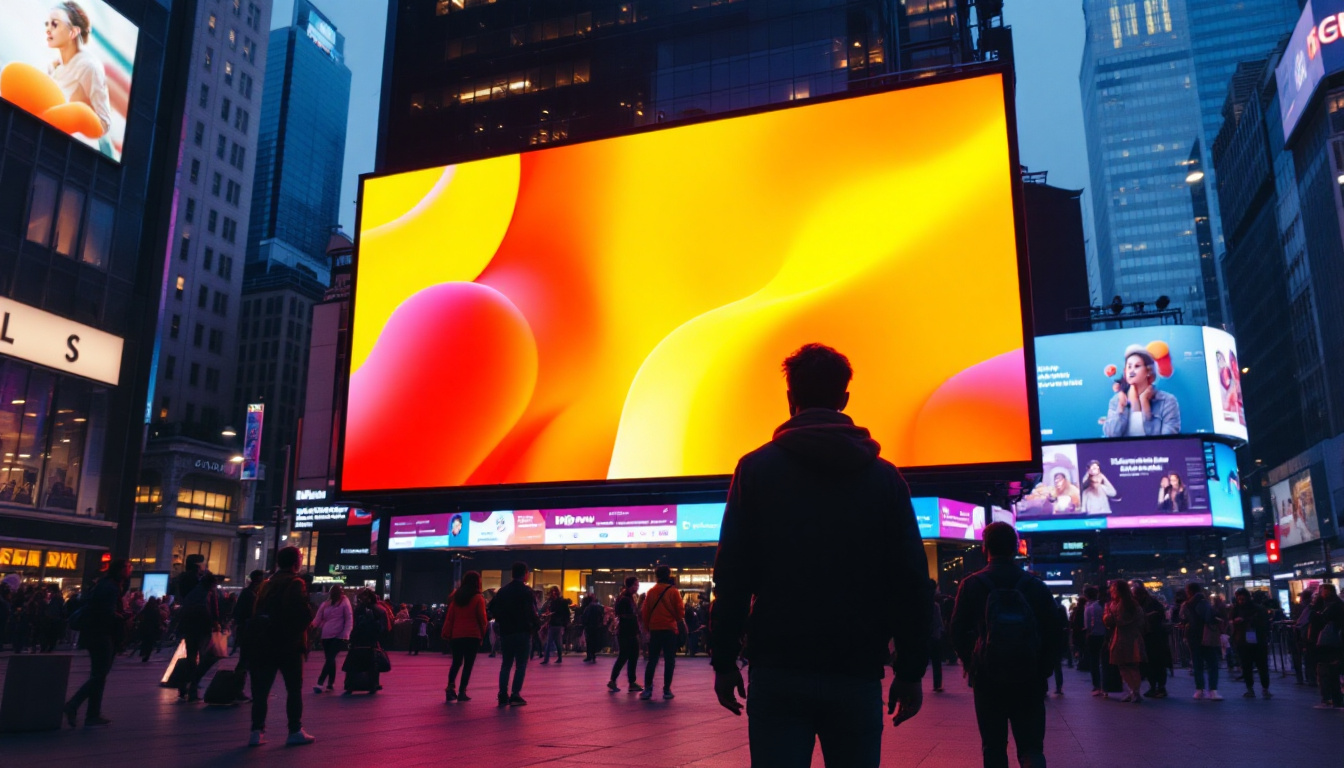
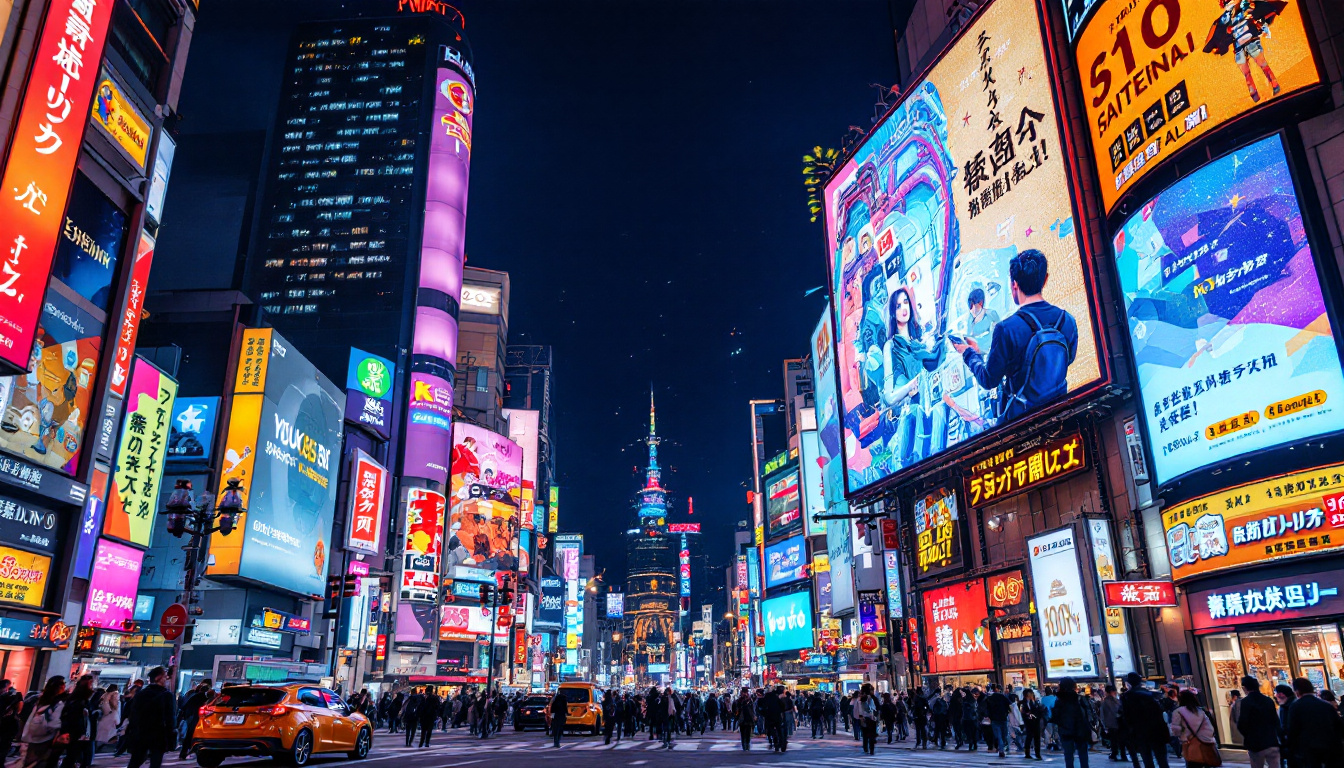
One of the most visible uses of LED displays is in outdoor advertising. LED billboards offer advertisers the ability to display dynamic, eye-catching content that can be updated remotely and in real time. According to the Outdoor Advertising Association of America, digital billboards have grown by over 30% in the last five years, reflecting their increasing popularity.
The high brightness of LED displays ensures visibility even in direct sunlight, while their durability withstands harsh weather conditions. This makes them a preferred choice for roadside advertising, shopping malls, and public squares. Furthermore, the ability to rotate multiple advertisements on a single billboard allows for a more efficient use of space, enabling advertisers to reach diverse audiences within short time frames. This flexibility not only maximizes exposure but also allows for targeted messaging based on time of day or specific events, making it a powerful tool in the marketing arsenal.
Retail and Point-of-Sale Displays
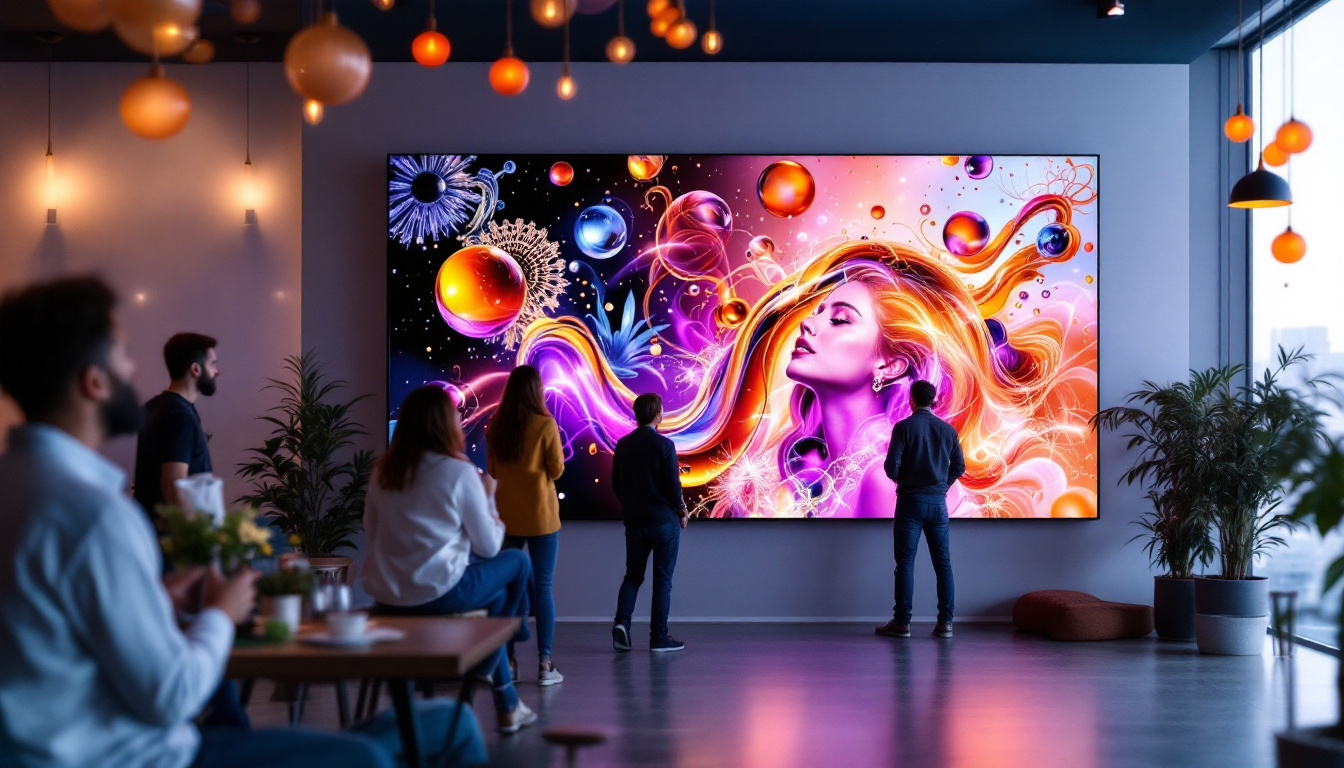
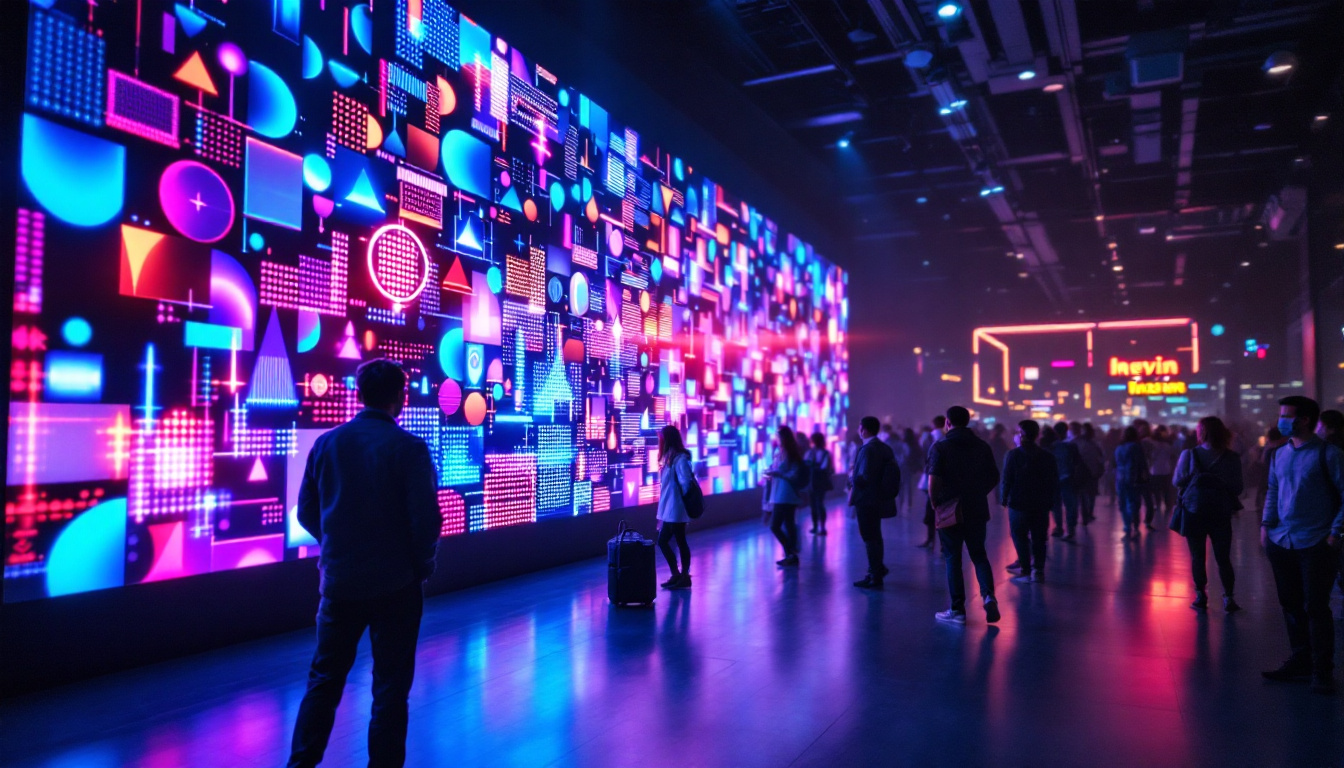
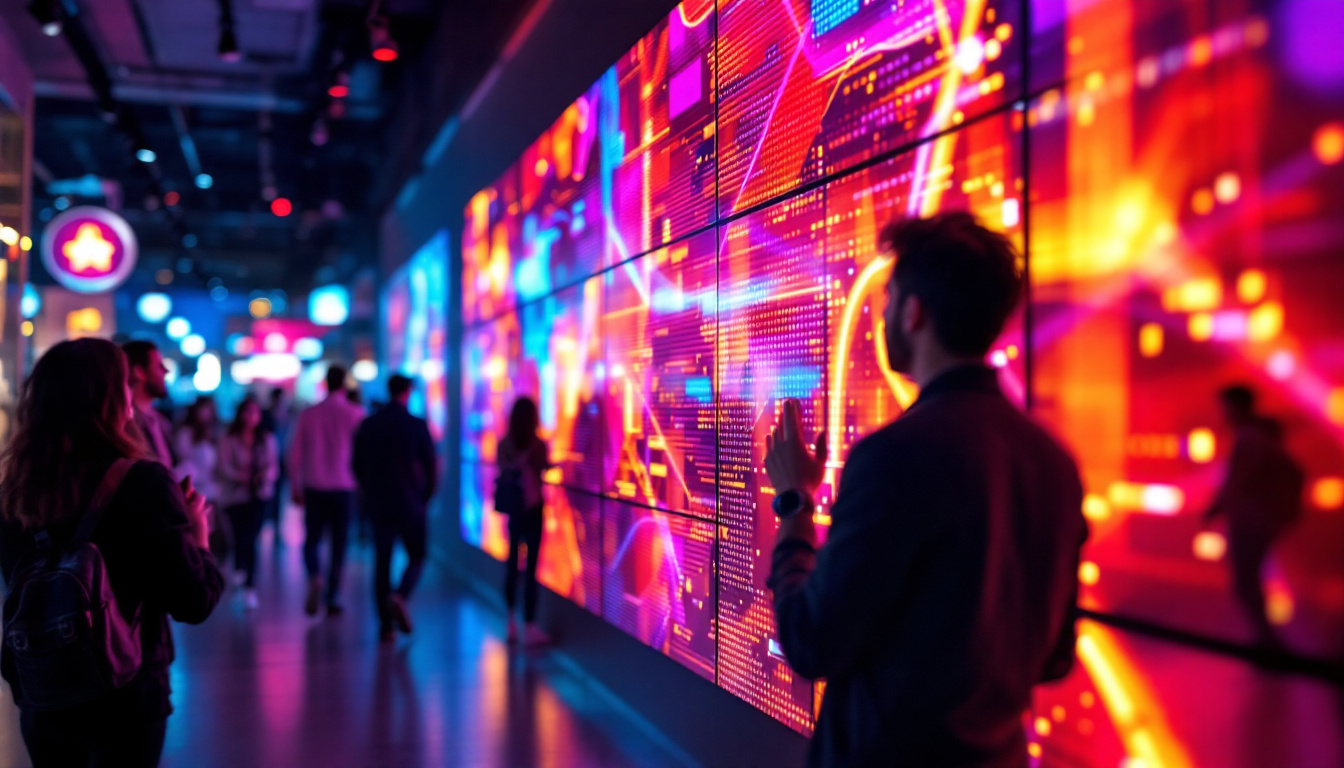
Retailers leverage LED displays to enhance customer engagement and promote products effectively. Indoor LED signage can display promotional videos, interactive content, or real-time information such as stock availability and pricing.
Smaller LED displays integrated into shelves or kiosks help create immersive shopping experiences. For example, fashion stores might use LED walls to showcase runway footage or seasonal collections, drawing customers’ attention and encouraging purchases. Additionally, these displays can be programmed to highlight special offers or loyalty rewards, further incentivizing customers to make purchases. The integration of touch-sensitive LED displays also allows for interactive experiences where customers can browse catalogs or find product information at their fingertips, enhancing the overall shopping journey.
Transportation and Public Information Systems
LED displays are widely used in transportation hubs like airports, train stations, and bus terminals to provide real-time information on schedules, delays, and safety announcements. Their high visibility and reliability are crucial in environments where timely communication is essential.
In urban settings, LED signage is also employed for traffic management, displaying speed limits, warnings, and directions to improve road safety and traffic flow. Moreover, the implementation of smart LED systems can adapt to real-time traffic conditions, adjusting messages based on congestion levels or accidents, thus providing drivers with the most relevant information. This not only aids in navigation but also plays a significant role in reducing traffic-related incidents by keeping drivers informed and alert.
Events, Entertainment, and Sports Venues
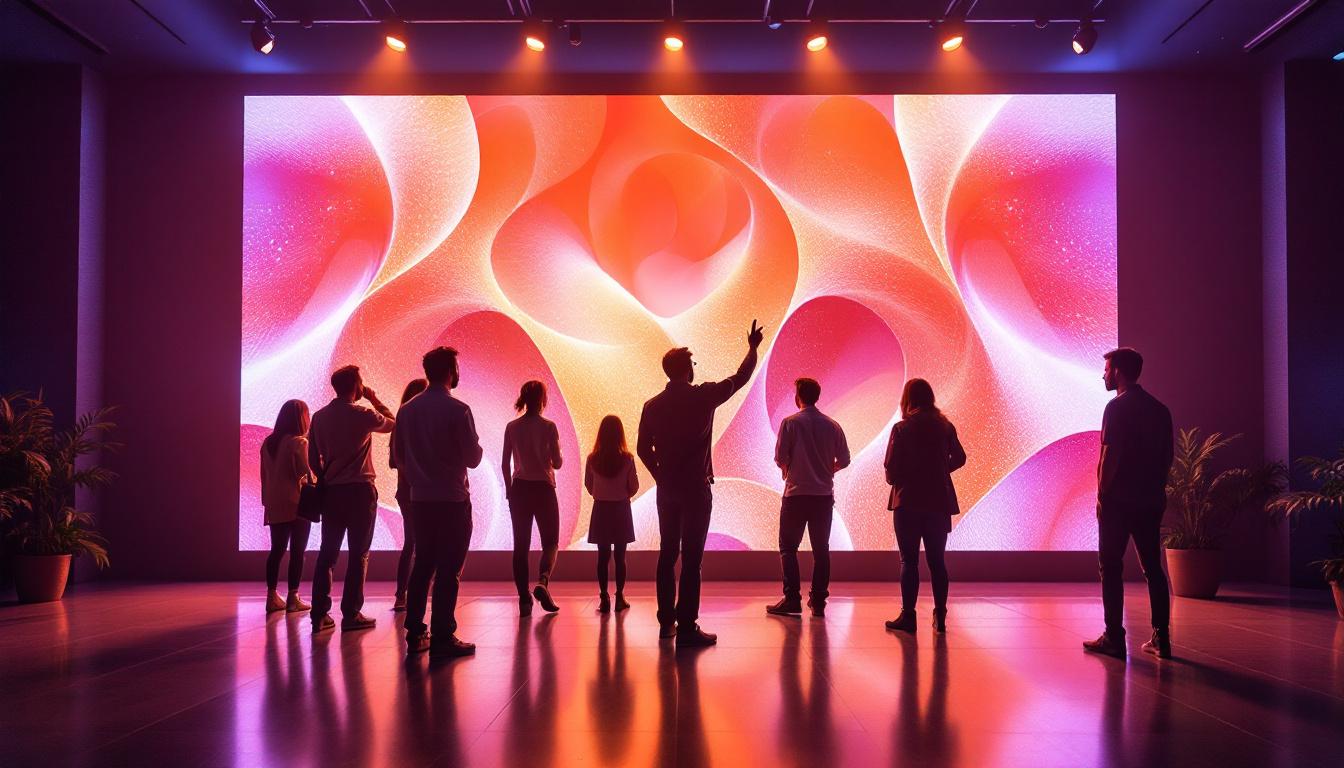
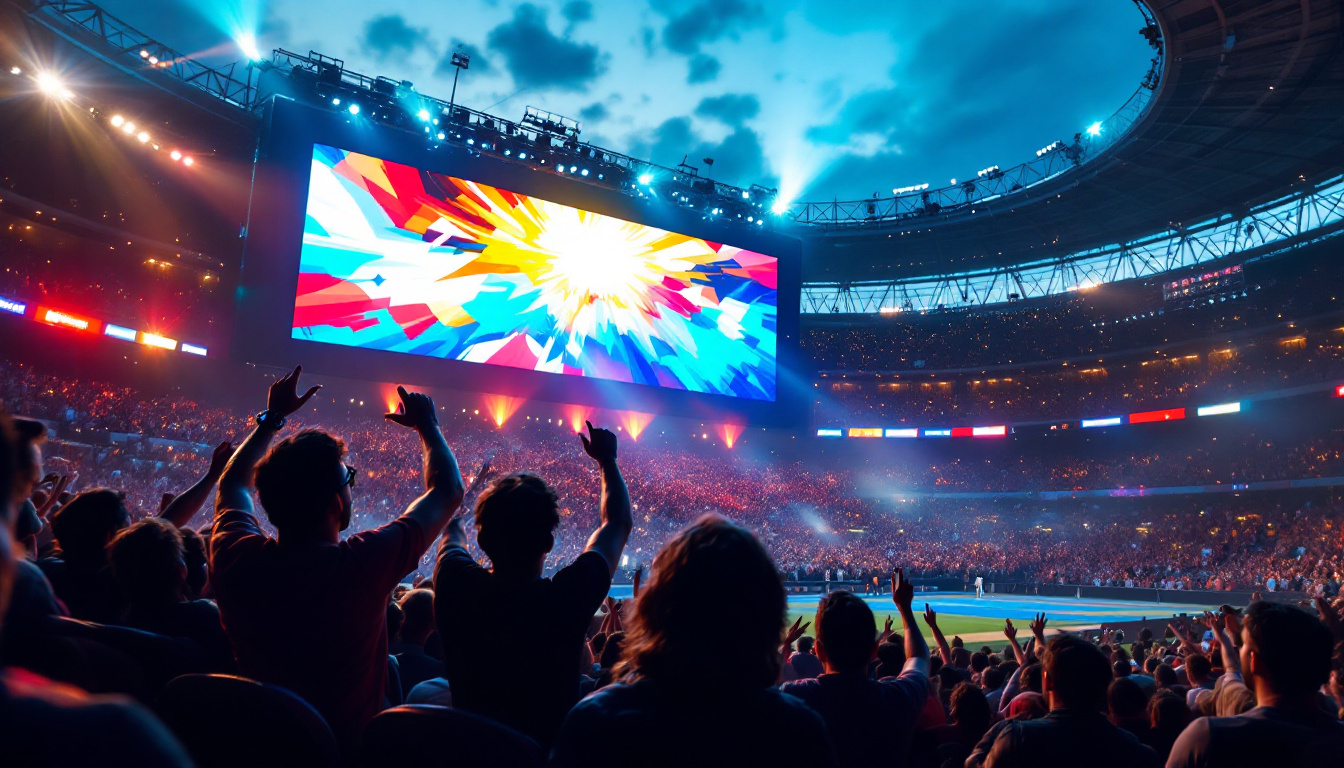
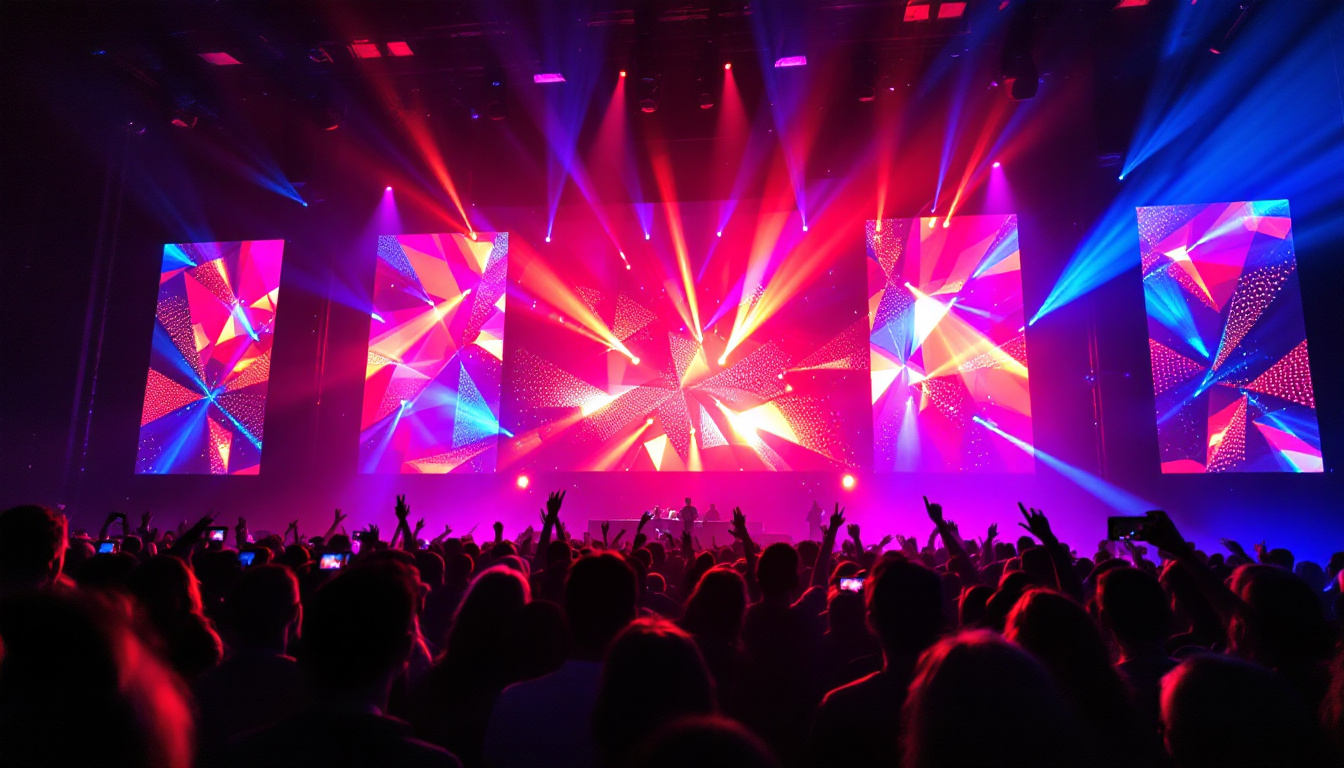
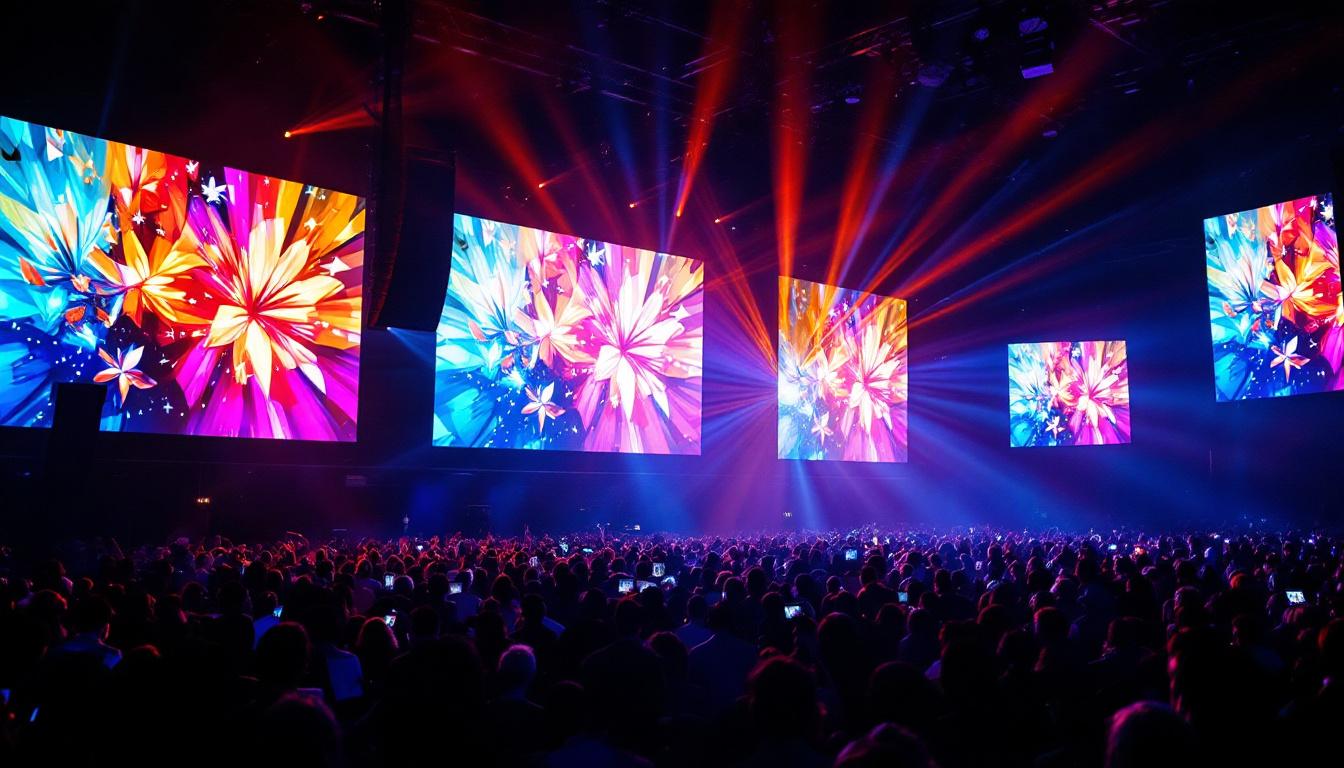
Concerts, festivals, and sports arenas utilize large LED screens to enhance the audience experience. These displays provide live video feeds, replays, and interactive content that engage spectators and create memorable events.
LED technology enables flexible configurations, including curved or transparent displays, allowing creative visual effects that traditional screens cannot achieve. In addition to enhancing visual appeal, LED displays can also be synchronized with sound systems to create a cohesive audio-visual experience, amplifying the emotional impact of performances. Furthermore, event organizers can use LED screens for real-time social media feeds, encouraging audience participation and interaction, which can significantly elevate the overall atmosphere of the event. This innovative use of technology not only captivates attendees but also fosters a sense of community and shared experience among participants.
Benefits of LED Displays Over Traditional Signage
Superior Brightness and Visibility
LED displays can achieve brightness levels exceeding 5,000 nits, far surpassing traditional signage methods such as printed banners or neon lights. This intense brightness ensures that messages remain visible even under direct sunlight or adverse weather conditions.
Moreover, the high contrast ratio of LED displays enhances readability, making text and images clearer and more appealing to viewers.
Energy Efficiency and Longevity
Compared to older lighting technologies, LEDs consume significantly less power, reducing operational costs for businesses. Advances in LED efficiency have led to displays that use up to 80% less energy than comparable fluorescent or incandescent lighting.
Additionally, LED displays boast long lifespans, often exceeding 100,000 hours of operation. This durability minimizes maintenance requirements and replacement costs, making them a cost-effective signage solution over time.
Dynamic Content and Real-Time Updates
Unlike static signs, LED displays allow for dynamic content that can be changed instantly. This flexibility enables businesses to tailor messages based on time of day, audience demographics, or promotional campaigns.
Remote content management systems allow operators to update multiple displays across various locations simultaneously, streamlining marketing efforts and ensuring consistent messaging.
Environmental Impact and Sustainability
With growing emphasis on sustainability, LED displays offer an environmentally friendly alternative to traditional signage. Their lower energy consumption reduces carbon footprints, and many LED components are recyclable.
Furthermore, the ability to update content digitally reduces the need for printed materials, cutting down on paper waste and associated environmental costs.
Challenges and Considerations When Choosing LED Displays
Initial Investment and Cost Factors
While LED displays offer long-term savings, the initial purchase and installation costs can be substantial. Factors influencing cost include screen size, resolution, pixel pitch, and installation complexity.
Businesses should carefully assess their signage needs and budget to select an appropriate LED solution that balances quality and affordability.
Installation and Maintenance Requirements
Proper installation is critical to ensure optimal performance and longevity of LED displays. This includes considerations such as structural support, weatherproofing for outdoor units, and electrical safety.
Regular maintenance, including cleaning and calibration, helps maintain image quality and prevent premature failures. Partnering with experienced installers and service providers is advisable to manage these aspects effectively.
Viewing Distance and Pixel Pitch Selection
Choosing the correct pixel pitch based on expected viewing distance is essential for delivering clear and legible content. A display with too large a pixel pitch will appear pixelated up close, while an unnecessarily small pitch can inflate costs without visible benefits at greater distances.
Consulting with display specialists can help determine the optimal specifications tailored to the intended environment and audience.
Regulatory and Zoning Compliance
Local regulations may govern the size, brightness, and placement of LED signage, especially in outdoor public spaces. Compliance with these rules is necessary to avoid fines or forced removal.
Businesses should research applicable laws and obtain required permits before installation.
The Future of LED Displays and Emerging Trends
MicroLED and MiniLED Innovations
Emerging technologies like MicroLED and MiniLED promise to revolutionize the display industry further. MicroLEDs are even smaller than traditional LEDs, allowing for ultra-high-resolution screens with improved color accuracy and energy efficiency.
These advancements could lead to thinner, lighter, and more flexible displays, expanding possibilities for signage design and integration.
Interactive and Smart LED Displays
Integration of touch sensors, cameras, and AI-powered analytics is transforming LED displays into interactive communication platforms. Smart displays can adapt content based on audience engagement, demographics, or environmental conditions.
This interactivity enhances user experience and provides valuable data for marketers and operators.
Augmented Reality and LED Integration
Combining LED displays with augmented reality (AR) technology is opening new avenues for immersive advertising and information delivery. For instance, AR-enabled LED signage can overlay digital content onto physical environments, creating engaging and memorable experiences.
Such innovations are likely to become more prevalent as AR devices and software mature.
Conclusion
LED displays have transformed the landscape of visual communication, offering unparalleled brightness, flexibility, and efficiency. Their widespread adoption across industries—from advertising and retail to transportation and entertainment—underscores their versatility and effectiveness.
As technology continues to evolve, LED displays will become even more sophisticated, interactive, and integrated with emerging digital trends. For businesses and organizations looking to enhance their signage and messaging strategies, understanding the capabilities and considerations of LED displays is essential to making informed decisions that maximize impact and return on investment.
Illuminate Your Message with LumenMatrix
Ready to elevate your visual communication with vibrant clarity and dynamic content? Discover LumenMatrix’s innovative LED display solutions, designed to captivate your audience and amplify your brand’s presence. From immersive Indoor LED Walls to eye-catching Outdoor Displays and beyond, our cutting-edge technology is tailored to meet your unique needs. Check out LumenMatrix LED Display Solutions today and transform the way you engage with your audience.