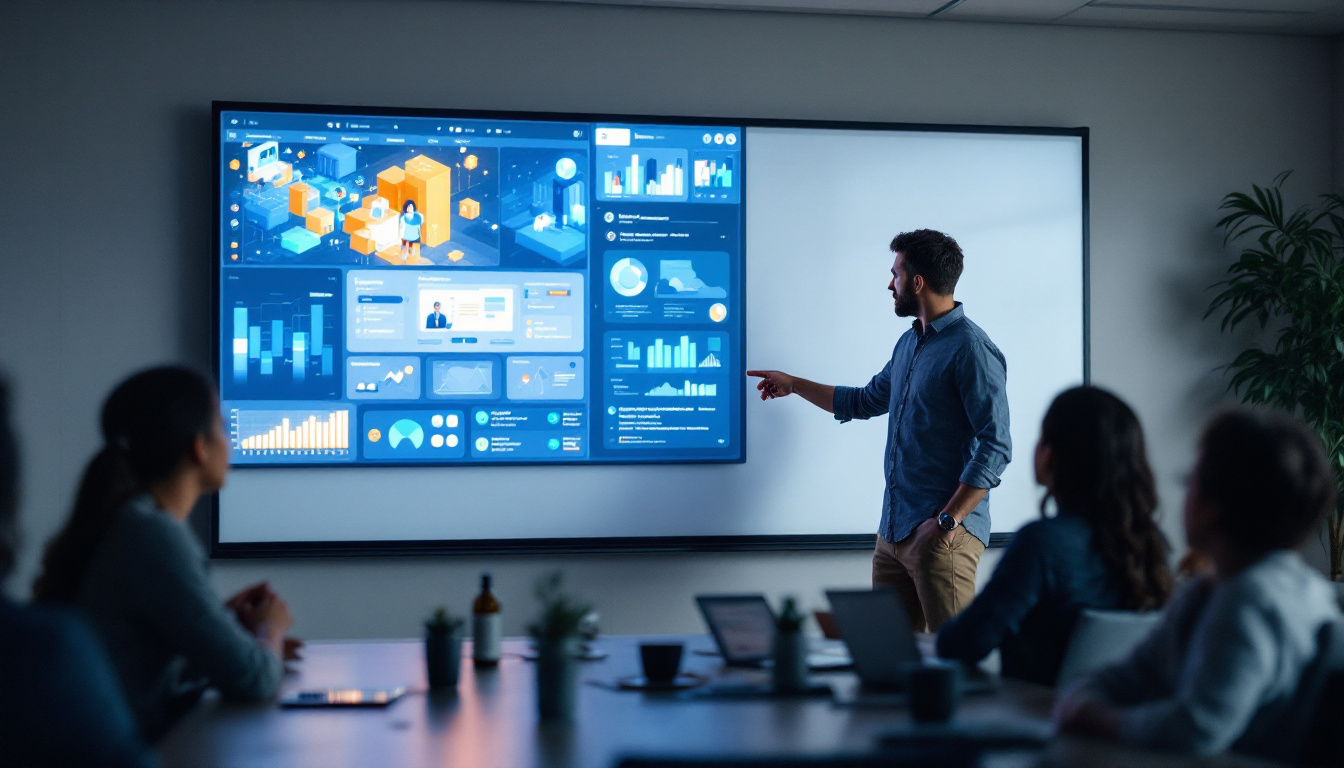
In the realm of modern visual technology, LED displays have become ubiquitous, transforming everything from advertising billboards to home entertainment systems. Understanding how LED displays work, their common issues, and how to repair them is essential for technicians, businesses, and enthusiasts alike. This comprehensive guide delves into the intricacies of LED displays, offering a clear explanation of their components, functioning, and maintenance.
What is an LED Display?
LED stands for Light Emitting Diode, a semiconductor device that emits light when an electric current passes through it. An LED display is a flat panel display that uses an array of these diodes to produce images, videos, or text. Unlike traditional LCDs, which rely on backlighting, LED displays generate light directly from the diodes, resulting in brighter, more vibrant visuals and better energy efficiency.
LED displays vary widely in size and application. From small indicator lights on electronic devices to massive outdoor billboards, the technology adapts to different needs. The most common types include:
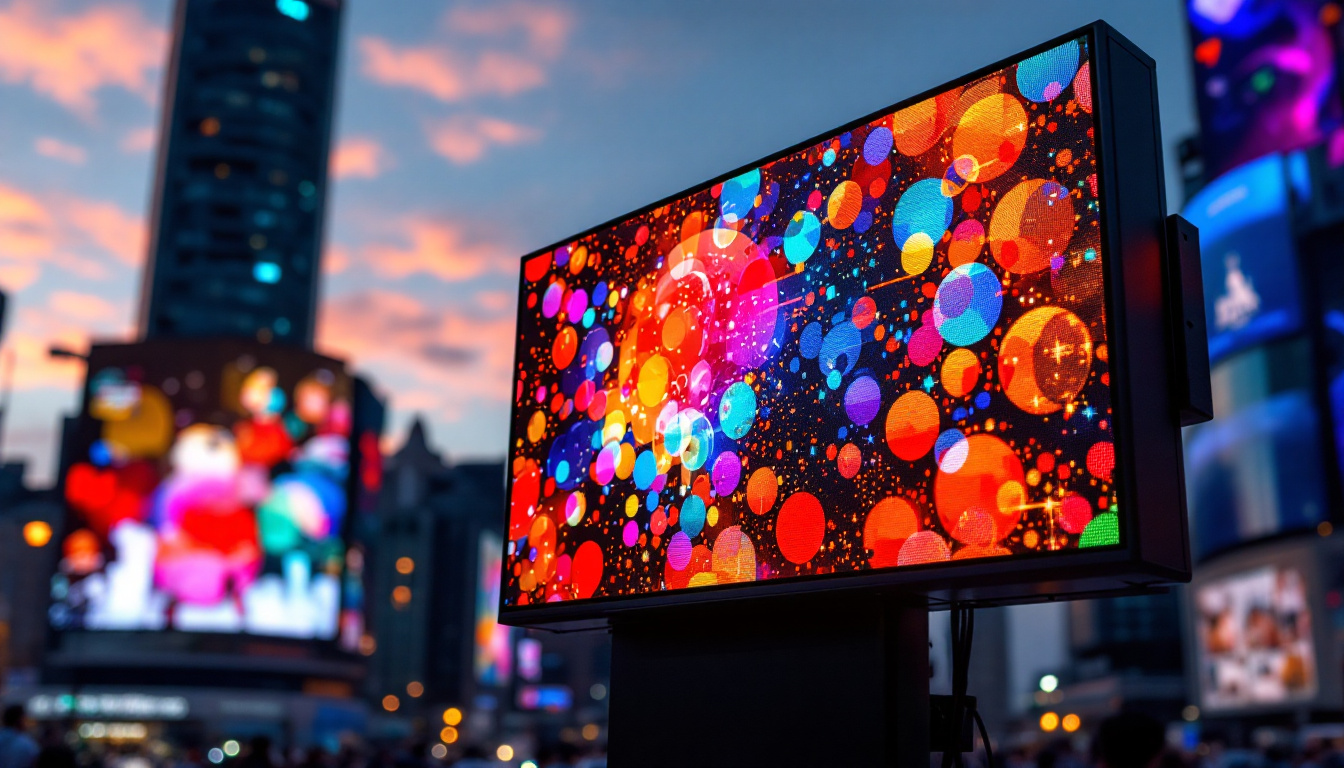
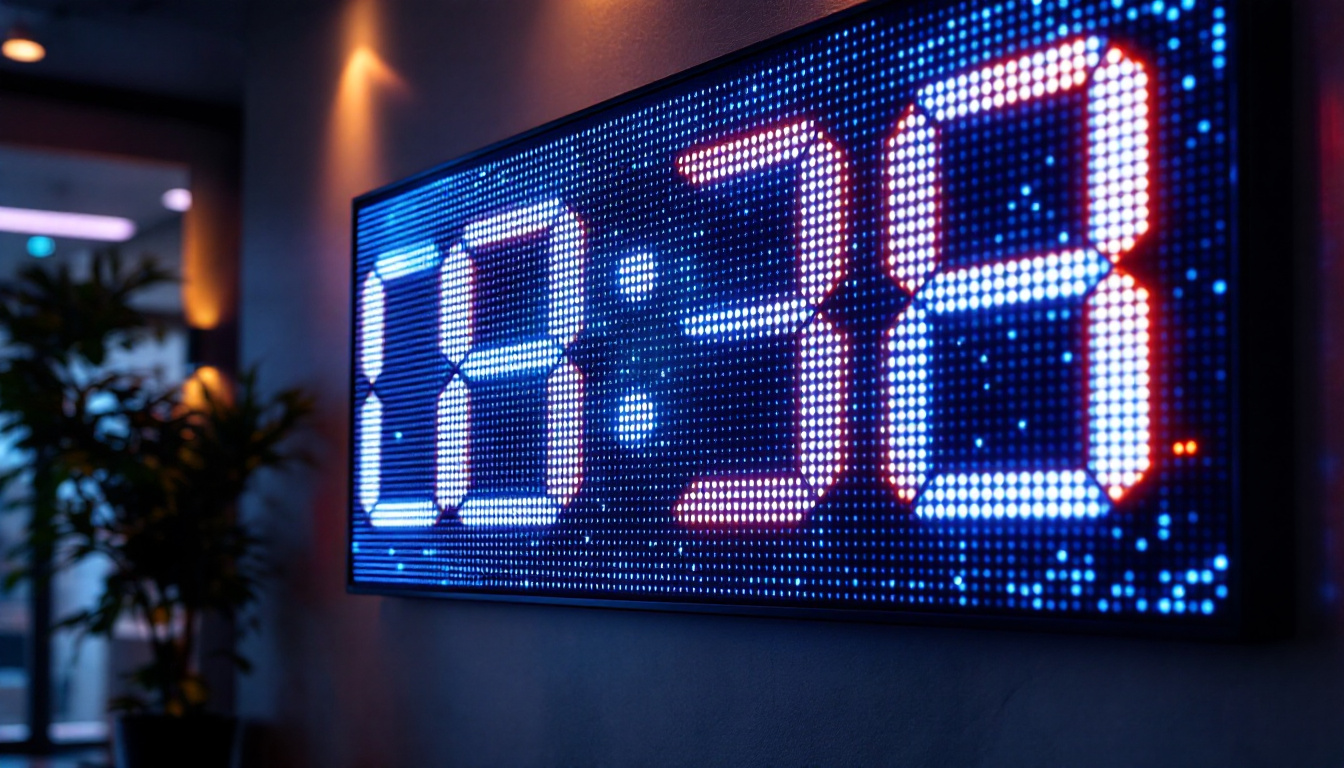
- Direct View LED Displays: These use individual LEDs as pixels, ideal for large-scale, high-brightness applications such as stadium screens and digital signage.
- LED-backlit LCD Displays: These combine LED backlighting with LCD panels to improve brightness and color accuracy, commonly found in televisions and computer monitors.
Why LED Displays Are Popular
LED displays offer several advantages over other display technologies. They provide superior brightness, excellent color reproduction, and wider viewing angles. Additionally, LEDs consume less power and have longer lifespans compared to traditional lighting methods. This makes them especially valuable in outdoor environments where visibility and durability are critical.
According to a 2023 report by MarketsandMarkets, the global LED display market is expected to grow at a compound annual growth rate (CAGR) of 15.8% from 2023 to 2028, driven by increasing demand in advertising, sports arenas, and retail sectors. This growth is also fueled by the technological advancements in LED technology, such as the development of microLEDs and flexible displays, which allow for even more innovative applications. For instance, microLED technology offers the potential for ultra-high-definition displays that can be used in everything from smartphones to large-scale installations, while flexible displays open up new possibilities for curved or bendable screens that can fit into unique architectural designs.
Moreover, the environmental benefits of LED displays cannot be overlooked. With their low energy consumption, they contribute to reduced carbon footprints, making them a preferred choice for eco-conscious businesses. Many companies are now opting for LED displays not only for their aesthetic appeal but also as part of their sustainability initiatives. This trend is particularly evident in urban areas where cities are replacing traditional billboards with energy-efficient LED displays, thereby enhancing the visual landscape while promoting energy conservation.
How LED Displays Work
At the core of an LED display is the pixel, the smallest controllable element of the image. Each pixel consists of one or more LEDs that emit red, green, and blue light. By adjusting the intensity of these LEDs, the display can produce a full spectrum of colors through additive color mixing.
Pixel Structure and Color Mixing
Most modern LED displays use RGB pixels, where each pixel contains three diodes: one red, one green, and one blue. By varying the brightness of each diode, the display can create millions of colors. For example, turning all three diodes to full brightness produces white light, while turning them off results in black.
In some high-end displays, additional colors such as amber or white LEDs are included to enhance color accuracy and brightness. This technology is known as RGBW or RGBA and is often used in professional-grade screens. These additional diodes allow for a wider color gamut and improved performance in various lighting conditions, making them ideal for applications like digital signage, where vibrant and accurate colors are essential for capturing audience attention.
Driving the LEDs: Control Systems
LED displays rely on sophisticated control electronics to manage the timing and intensity of each diode. These systems include:
- Driver ICs: Integrated circuits that regulate current to each LED, ensuring consistent brightness and preventing damage.
- Controller Boards: These receive input signals (video or image data) and translate them into commands for the driver ICs.
- Power Supplies: LEDs require stable voltage and current; power supplies convert AC mains electricity into the required DC power.
The synchronization of these components enables the display to refresh images rapidly, typically at 60 Hz or higher, creating smooth motion and stable visuals. Furthermore, advanced displays utilize techniques such as pulse-width modulation (PWM) to finely control brightness levels, which not only enhances visual quality but also reduces power consumption. This is particularly important in large installations where energy efficiency can lead to significant cost savings over time.
Moreover, the integration of software algorithms plays a crucial role in optimizing the performance of LED displays. These algorithms can adjust color calibration dynamically, ensuring that the displayed images remain true to their intended appearance regardless of environmental factors like ambient light changes. This adaptability is vital for outdoor displays, which face varying lighting conditions throughout the day, and it contributes to the longevity and reliability of the display system as a whole.
Common Issues with LED Displays
Despite their robustness, LED displays can experience various problems due to environmental factors, component wear, or manufacturing defects. Recognizing these issues is crucial for timely repair and maintenance.
Dead or Stuck Pixels
One of the most common problems is dead or stuck pixels. A dead pixel is an LED that fails to light up, appearing as a black spot on the screen. A stuck pixel, on the other hand, remains permanently lit in one color.
These defects can arise from manufacturing flaws or damage caused by electrical surges. While a few dead pixels may not significantly affect the viewing experience, large clusters can degrade image quality.
Color Inconsistencies and Flickering
Color inconsistencies occur when certain LEDs emit colors that are off from the intended hue, often due to aging diodes or faulty driver circuits. Flickering, where parts of the display intermittently turn on and off, can be caused by loose connections, power supply issues, or damaged control boards.
Physical Damage and Environmental Wear
Outdoor LED displays are exposed to weather, dust, and temperature fluctuations, which can lead to corrosion, cracked panels, or moisture ingress. Indoor displays may suffer from accidental impacts or improper handling.
Repairing LED Displays: Techniques and Best Practices
Repairing LED displays requires a methodical approach, combining diagnostic skills with technical expertise. The goal is to restore full functionality while preserving the integrity of the display.
Initial Diagnostics
The first step in repair is identifying the nature and location of the fault. This may involve visual inspection, software diagnostics, and testing with specialized equipment such as multimeters and oscilloscopes.
Technicians often use test patterns to highlight dead pixels or color inconsistencies. Additionally, checking power supply voltages and signal integrity helps pinpoint electrical issues.
Replacing Faulty Components
Depending on the problem, repairs may include:
- Pixel Repair: For dead or stuck pixels, replacing individual LED modules or diodes is common. This requires delicate soldering and matching replacement parts to ensure color consistency.
- Driver IC Replacement: Faulty driver chips can cause flickering or color errors and may need to be desoldered and replaced.
- Power Supply Repair: Replacing capacitors, fuses, or entire power units can resolve power-related issues.
- Connector and Cable Checks: Loose or damaged cables often cause intermittent faults and should be inspected and reseated.
Preventive Maintenance
Regular maintenance extends the lifespan of LED displays. This includes cleaning panels to remove dust and debris, checking for corrosion, and ensuring ventilation to prevent overheating. For outdoor displays, waterproofing seals and protective coatings are essential.
Many manufacturers recommend scheduled inspections every six months to a year, depending on usage and environmental conditions.
Advancements in LED Display Technology
LED display technology continues to evolve rapidly, with innovations enhancing performance, durability, and versatility.
MicroLED and MiniLED
MicroLED displays use microscopic LEDs as individual pixels, offering higher resolution, better contrast, and improved energy efficiency compared to traditional LED panels. This technology is gaining traction in premium televisions and wearable devices.
MiniLEDs, slightly larger than MicroLEDs but smaller than conventional LEDs, are used primarily as backlighting in LCDs to achieve better local dimming and contrast ratios. They represent a cost-effective upgrade for high-end displays.
Flexible and Transparent LED Displays
Recent developments have enabled the creation of flexible LED panels that can bend or curve, opening new possibilities for design in advertising and architecture. Transparent LED displays allow light to pass through, making them ideal for storefront windows and innovative digital signage.
Smart Control Systems
Integration with IoT (Internet of Things) and AI technologies allows LED displays to adapt content dynamically based on audience demographics, environmental conditions, or real-time data. This enhances engagement and provides valuable analytics for advertisers and operators.
Conclusion: The Importance of Understanding and Maintaining LED Displays
LED displays are a cornerstone of modern visual communication, combining cutting-edge technology with practical applications across industries. A thorough understanding of how these displays function and common issues that arise is vital for effective repair and maintenance.
As LED technology advances, staying informed about new developments and best practices ensures optimal performance and longevity of these displays. Whether managing a large outdoor billboard or servicing a high-resolution indoor screen, knowledge and skill in LED display repair are indispensable assets.
By investing in proper diagnostics, timely repairs, and preventive care, users can maximize the value of their LED displays and continue to leverage their powerful visual impact in an increasingly digital world.
Explore Cutting-Edge LED Display Solutions with LumenMatrix
Ready to elevate your visual communication with the latest in LED display technology? LumenMatrix is at the forefront of innovation, offering an extensive range of LED display modules designed to bring your brand to life. From the immersive Indoor LED Wall Display to the dynamic Outdoor LED Wall Display, and from the mobile versatility of Vehicle LED Displays to the sleek design of LED Poster Displays, we have the solution to meet your needs. Discover how our LED Sports Displays, Floor LED Displays, Custom LED Displays, All-in-One LED Displays, and LED Transparent Displays can transform your space and captivate your audience. Embrace the future of digital signage with LumenMatrix and make a lasting impression. Check out LumenMatrix LED Display Solutions today and start your journey towards unparalleled visual impact.