In the rapidly evolving world of digital display technology, LED displays have emerged as a dominant force, revolutionizing how we experience visuals across various industries. From massive outdoor advertising billboards to ultra-crisp indoor screens, LED displays offer unparalleled brightness, color accuracy, and versatility. This article delves into the background and technical aspects of high-resolution LED displays, explaining their significance, how they work, and why they are becoming the preferred choice for many applications.
The Evolution of LED Display Technology
LED (Light Emitting Diode) technology has come a long way since its inception in the early 1960s. Initially used as simple indicator lights, LEDs have evolved into complex display systems capable of rendering high-definition images and video content. The transition from traditional display technologies like LCD and plasma to LED has been driven by several factors, including improved energy efficiency, longer lifespan, and superior brightness.
High-resolution LED displays, in particular, have gained traction in recent years due to advancements in miniaturization and pixel density. The ability to pack more LEDs into a smaller area has allowed manufacturers to create screens with resolutions rivaling those of conventional monitors and televisions. This evolution has opened new possibilities for applications requiring detailed, vibrant visuals, such as control rooms, broadcast studios, retail environments, and sports arenas.
Key Milestones in LED Display Development
Some notable milestones in the development of LED displays include:
- 1962: The first visible-spectrum LED was invented, laying the groundwork for future display technologies.
- 1980s: Emergence of large-scale LED displays for outdoor advertising and stadiums.
- 2000s: Introduction of full-color LED displays with improved pixel pitch, enabling higher resolutions.
- 2010s: Development of fine-pitch LED displays with pixel pitches below 1mm, suitable for indoor use and close viewing distances.
- 2020s: Integration of HDR (High Dynamic Range) and advanced color calibration, further enhancing image quality.
Understanding LED Display Structure and Functionality
At the core of any LED display is the light-emitting diode itself. Each LED acts as a tiny light source, and by combining thousands or millions of these LEDs, the display can produce images with varying colors and brightness levels. Understanding the structure and operation of LED displays is essential to appreciate their capabilities and limitations.
Pixel Composition and Color Generation
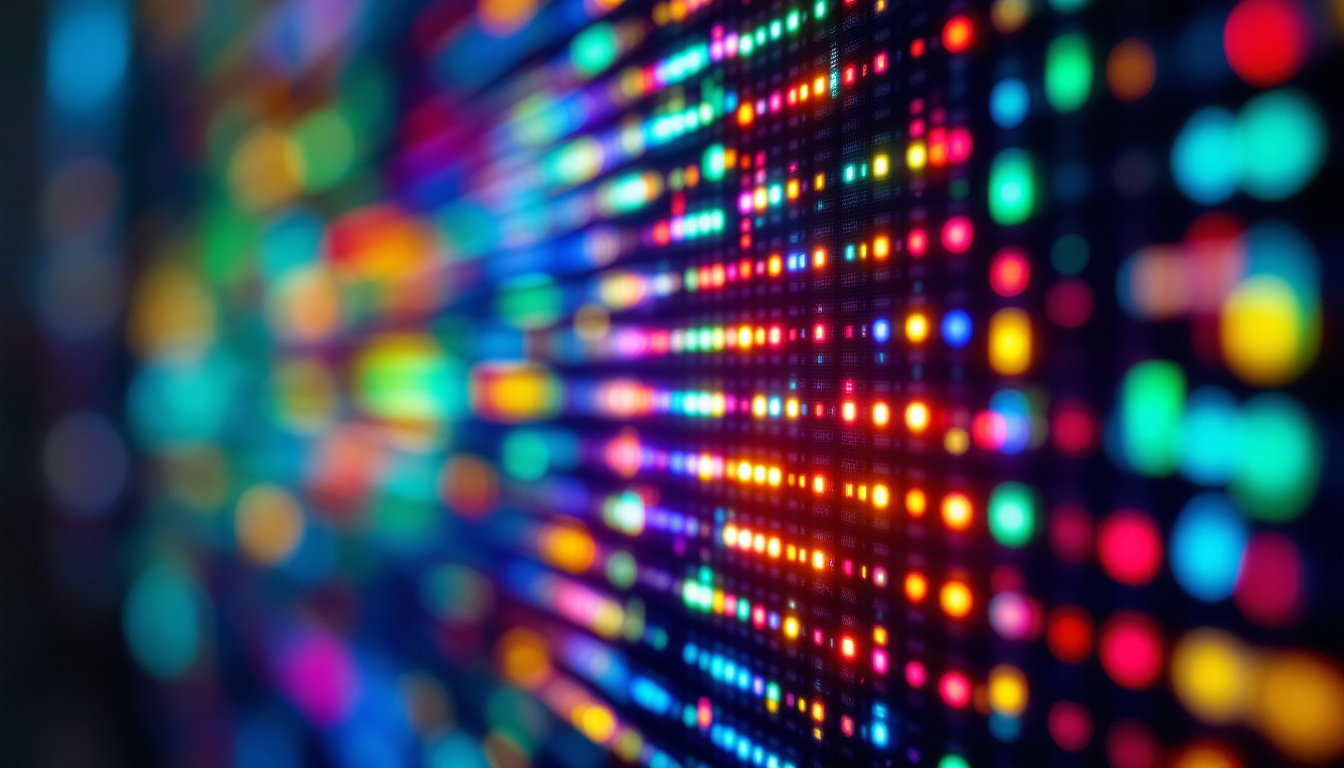
A pixel on an LED display typically consists of three sub-pixels: red, green, and blue (RGB). By varying the intensity of each sub-pixel, the display can create a wide spectrum of colors through additive color mixing. This RGB model is fundamental to most digital displays and allows for precise color reproduction.
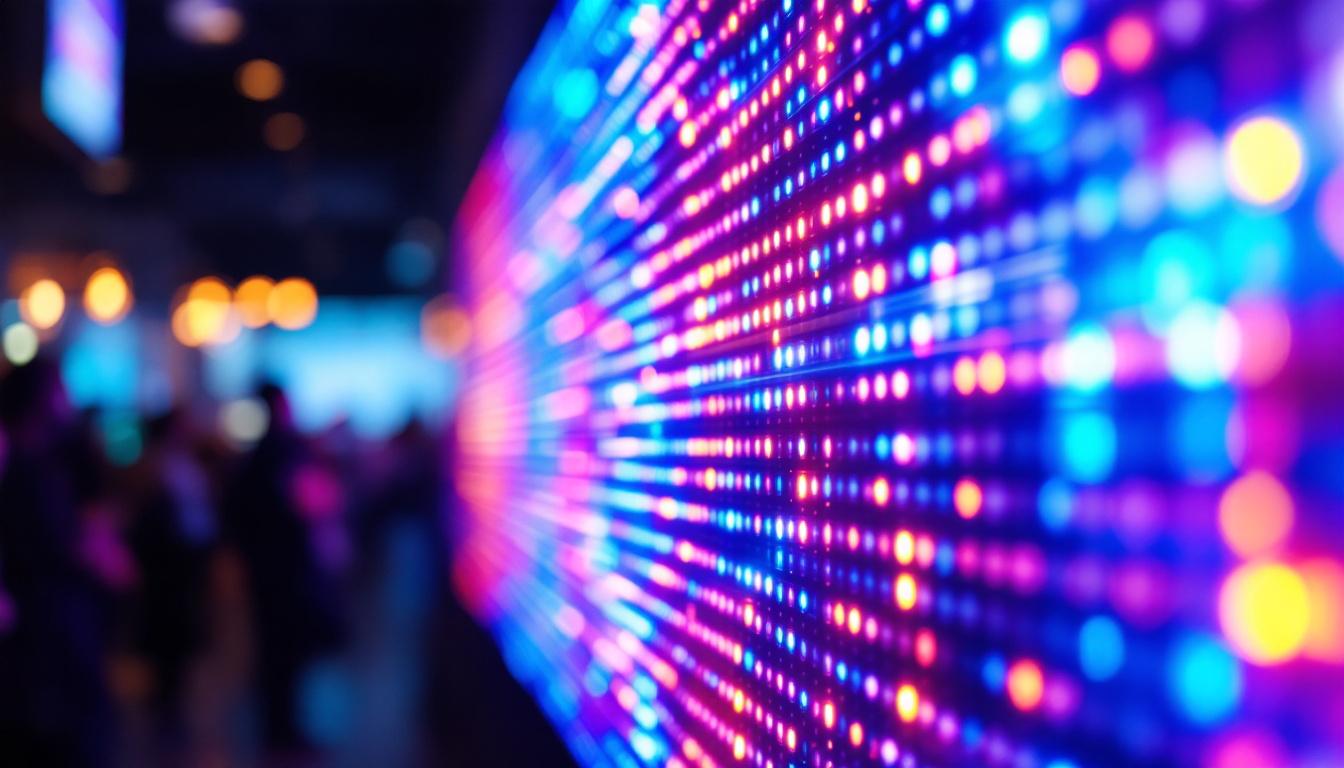
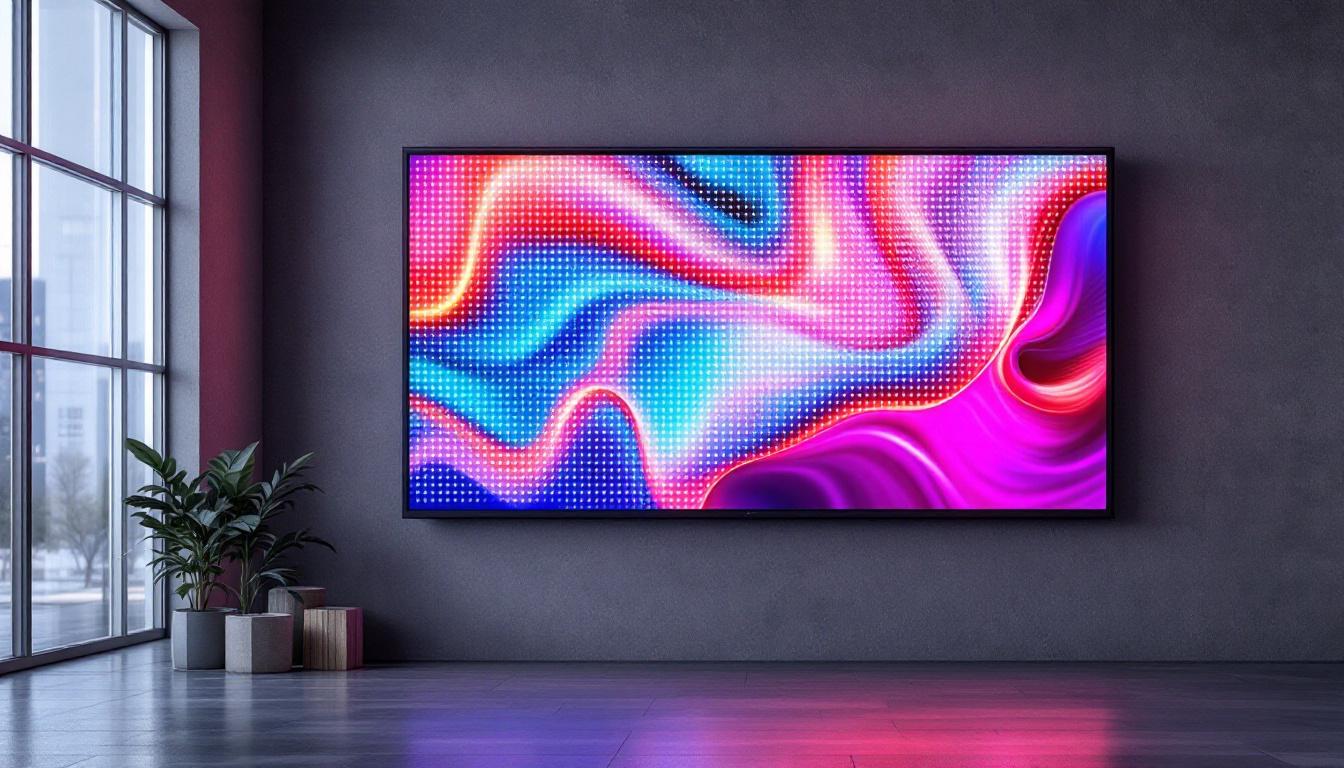
In high-resolution LED displays, the size and spacing of these pixels—known as the pixel pitch—are critical. Pixel pitch is measured in millimeters and represents the distance between the centers of two adjacent pixels. A smaller pixel pitch means more pixels per unit area, resulting in sharper images and finer detail. For example, a 0.9mm pixel pitch display will have significantly higher resolution than a 3mm pixel pitch display of the same physical size.
Types of LED Displays
LED displays can be broadly categorized into two types based on their construction:
- Direct View LED (DVLED): In DVLED displays, the LEDs themselves form the pixels visible to the viewer. These are commonly used in large outdoor screens and indoor video walls.
- LED-Backlit LCD: These displays use LEDs as a backlight source behind an LCD panel. While not true LED displays in the direct view sense, they benefit from LED technology’s brightness and energy efficiency.
High-resolution LED displays are predominantly of the direct view type, where each LED contributes directly to the image formation. This direct emission allows for higher brightness levels and better contrast ratios compared to LCD screens.
Technical Aspects of High-Resolution LED Displays
High-resolution LED displays are defined by several technical parameters that influence their performance and suitability for different applications. Understanding these parameters helps in selecting the right display for a specific use case.
Pixel Pitch and Resolution
As mentioned earlier, pixel pitch is a key determinant of resolution. The smaller the pixel pitch, the higher the resolution and the closer a viewer can be without noticing individual pixels. For indoor applications such as conference rooms or control centers, pixel pitches as low as 0.5mm to 1.5mm are common, enabling viewing distances of just a few feet.
Conversely, outdoor LED displays typically have larger pixel pitches (e.g., 4mm to 20mm) because they are viewed from much greater distances. The balance between pixel pitch and viewing distance is crucial to ensure optimal image quality without unnecessary cost increases.
Brightness and Contrast Ratio
One of the standout features of LED displays is their brightness. High-resolution LED screens can achieve brightness levels exceeding 1,000 nits indoors and up to 5,000 nits or more outdoors, ensuring visibility even in direct sunlight. This capability makes them ideal for advertising billboards, sports venues, and transportation hubs.
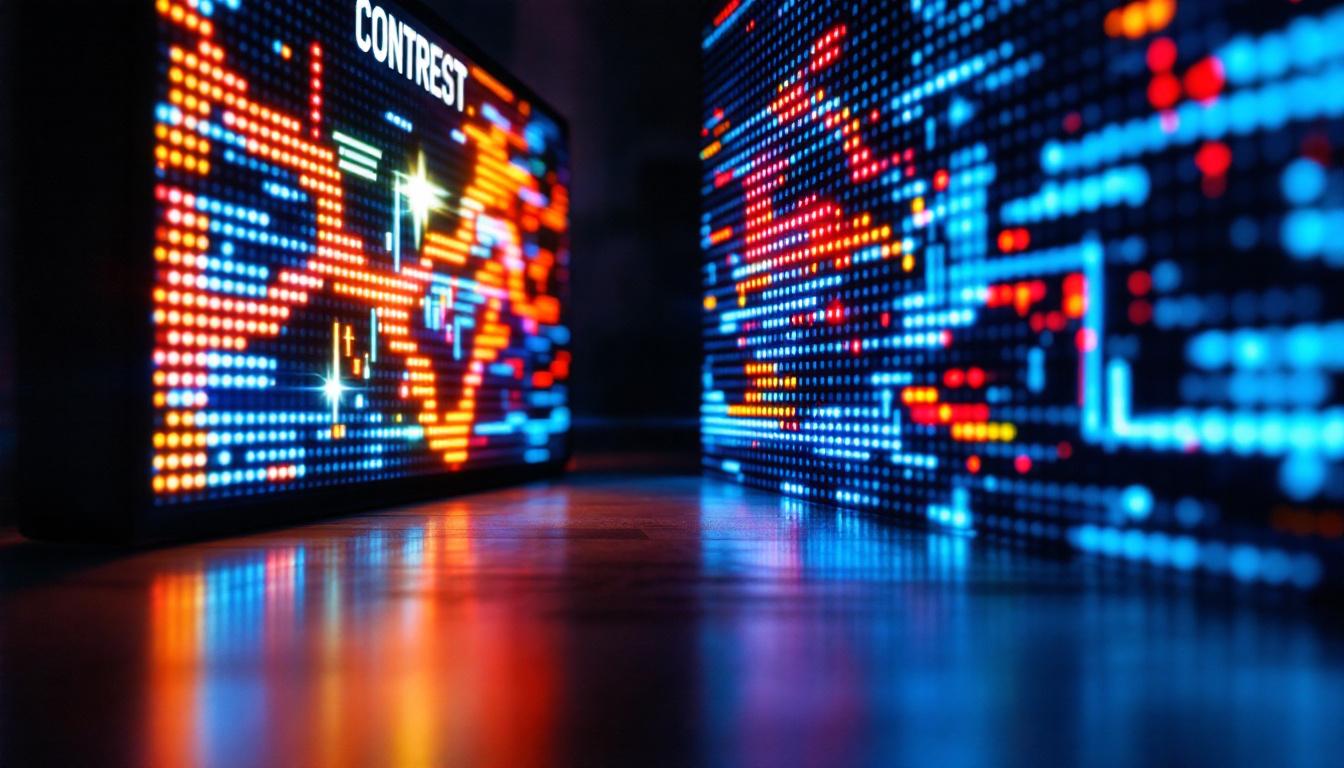
Contrast ratio—the difference between the darkest black and the brightest white the display can produce—is another important metric. LED displays typically offer superior contrast ratios compared to LCDs because LEDs can be turned off completely to produce true blacks, enhancing image depth and realism.
Refresh Rate and Color Accuracy
Refresh rate, measured in Hertz (Hz), indicates how many times per second the display updates its image. Higher refresh rates reduce flicker and motion blur, which is especially important for video content and live broadcasts. Modern high-resolution LED displays often support refresh rates of 120Hz or higher.
Color accuracy is achieved through precise calibration and the use of high-quality LEDs. Advances in LED manufacturing have enabled displays to cover a wider color gamut, including standards like Rec. 709 and DCI-P3, which are essential for professional video production and broadcast environments.
Applications of High-Resolution LED Displays
The versatility of high-resolution LED displays has led to their adoption across a wide range of industries. Their ability to deliver vivid, dynamic content in various lighting conditions makes them indispensable tools for communication and entertainment.
Advertising and Digital Signage
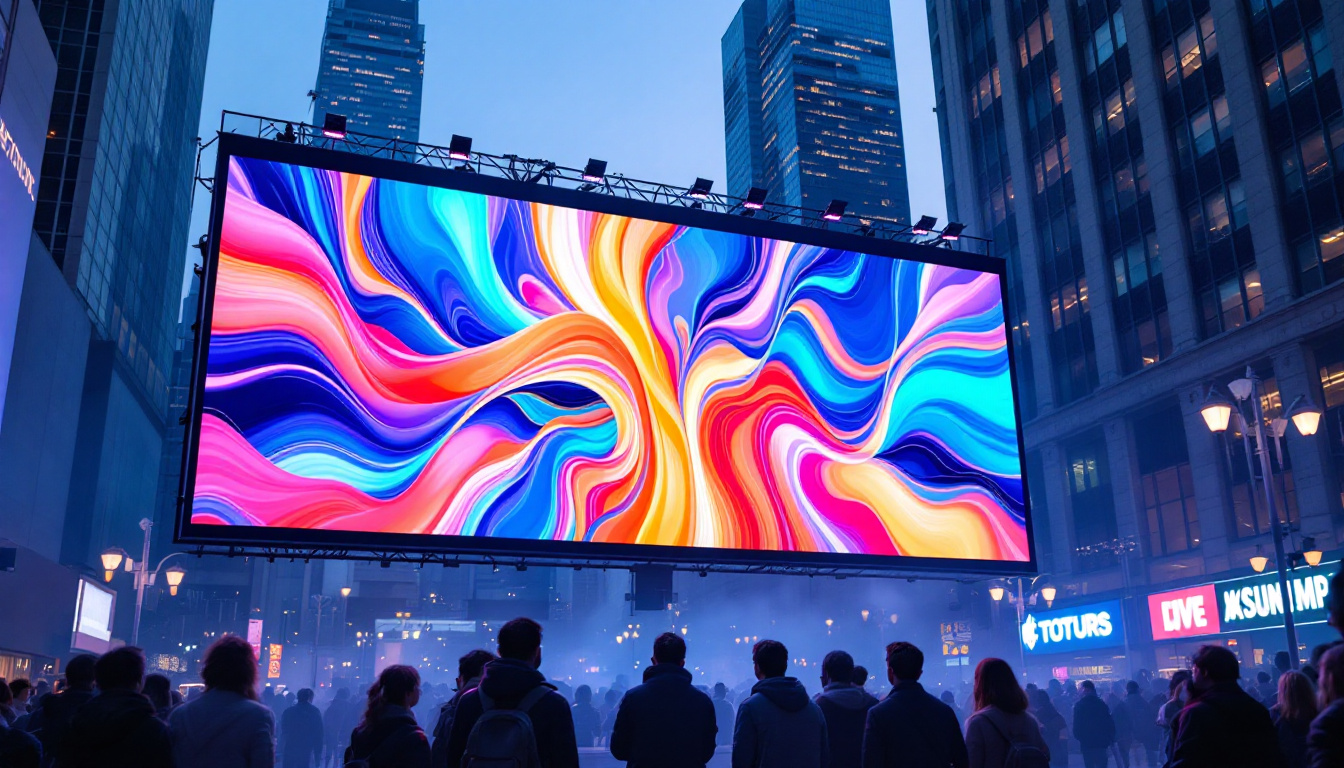
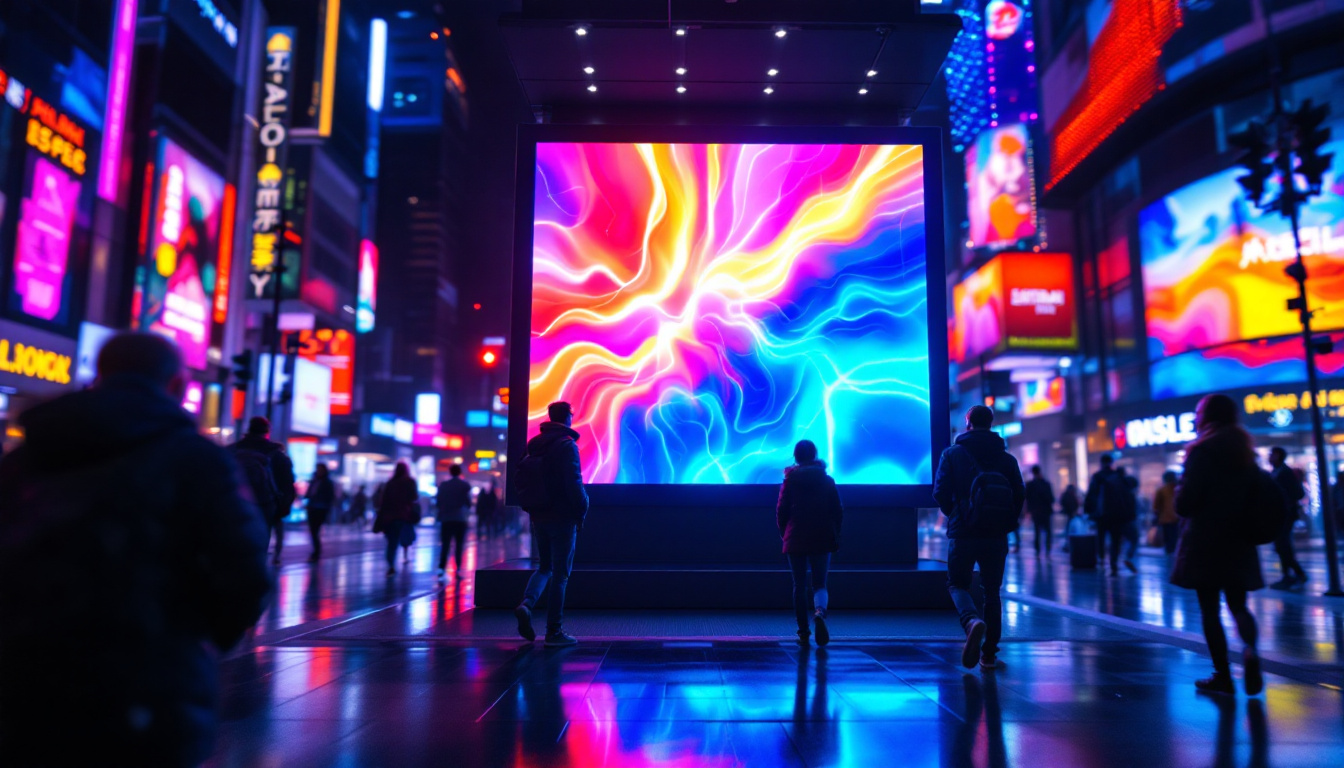
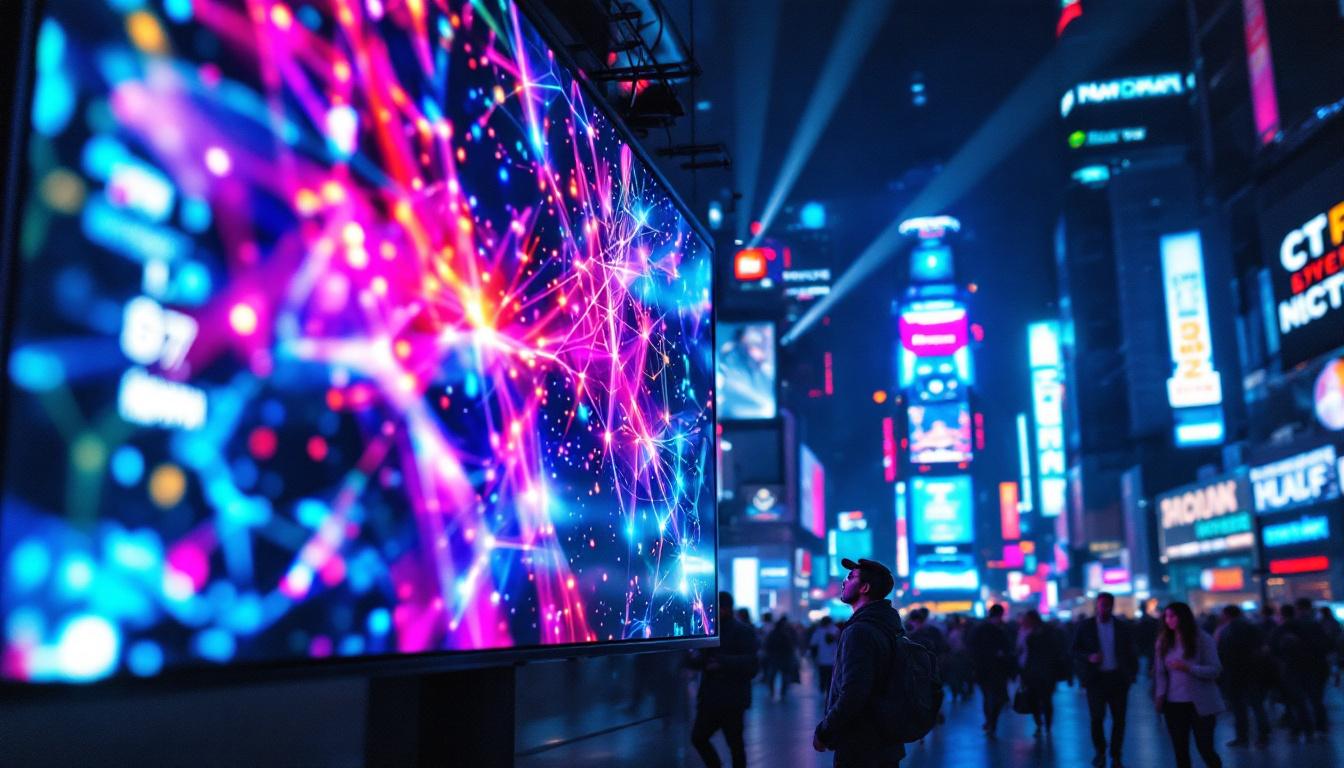
Outdoor advertising has been transformed by LED displays. Unlike traditional static billboards, LED screens allow for dynamic, eye-catching content that can be updated remotely and in real time. According to industry reports, the global digital signage market is expected to grow at a compound annual growth rate (CAGR) of over 8% through 2027, driven largely by LED technology adoption.
High-resolution LED displays enable advertisers to reach audiences with crisp, vibrant visuals that capture attention even in busy urban environments. Retailers also use indoor LED walls to create immersive shopping experiences and promote products effectively.
Broadcast and Control Rooms
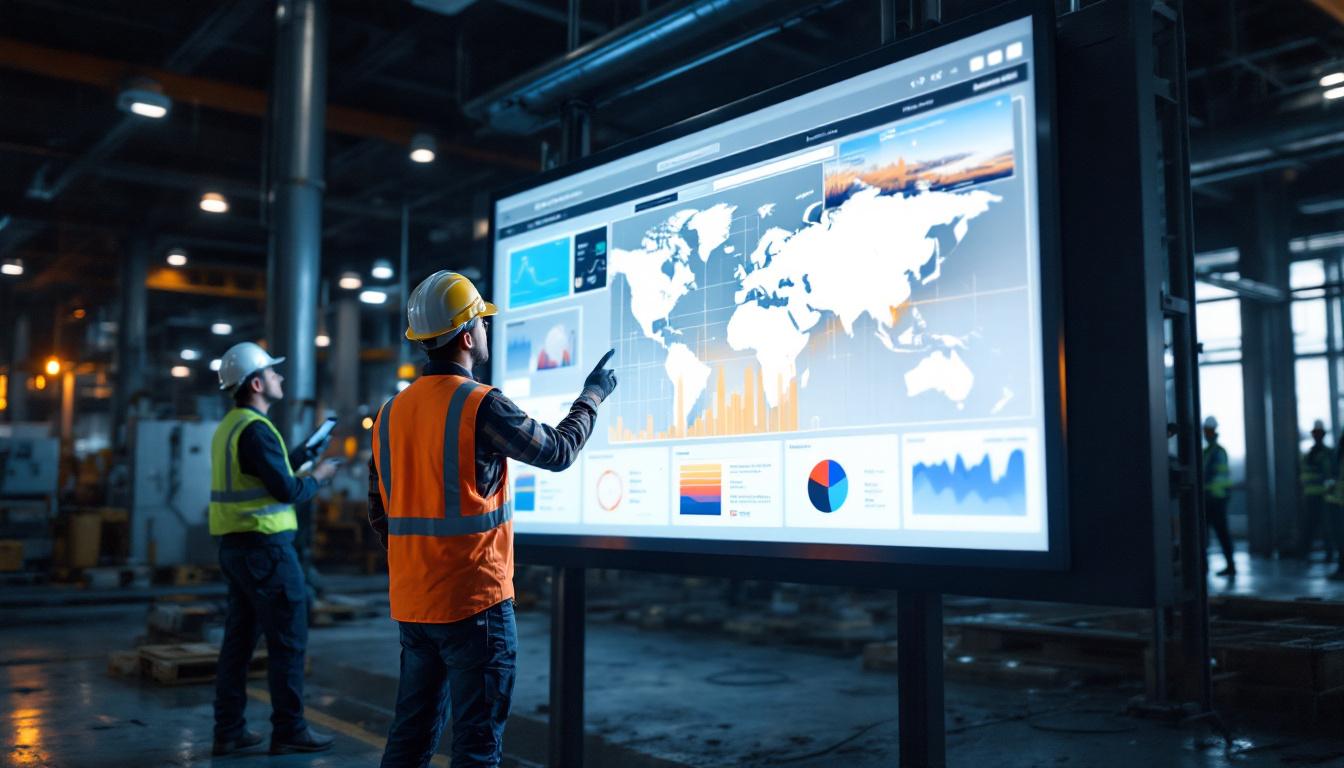
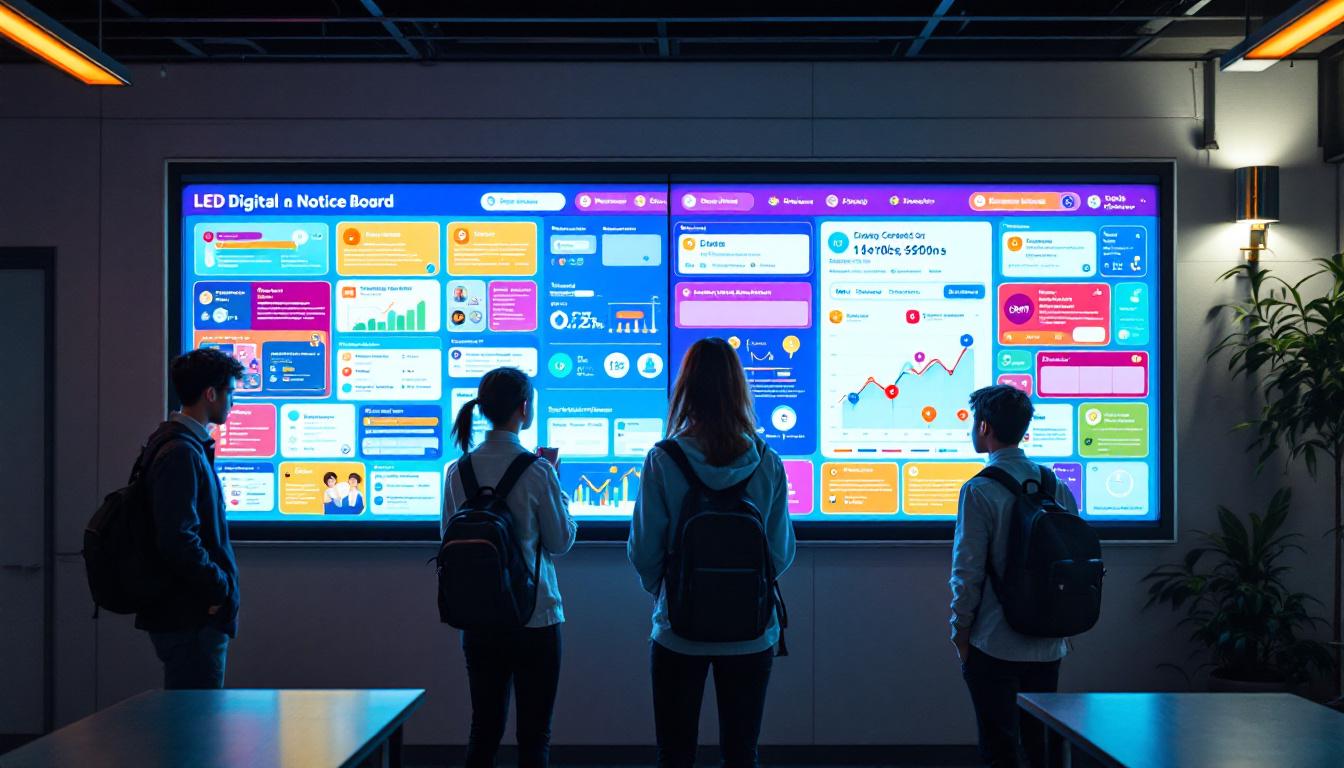
In broadcast studios and control rooms, accurate and reliable displays are critical. High-resolution LED walls provide operators with detailed visuals necessary for monitoring live feeds, data analytics, and decision-making. The seamless scalability of LED panels allows for custom-sized video walls that can fit any space.
Furthermore, the low latency and high refresh rates of LED displays ensure smooth video playback, which is essential for live broadcasting and real-time monitoring.
Sports and Entertainment Venues
Sports arenas and concert venues leverage high-resolution LED displays to enhance the spectator experience. Large-scale LED screens display live action, replays, and interactive content, ensuring that every seat has a clear view regardless of distance from the field or stage.
Advancements in LED technology have made it possible to install curved and flexible LED screens, adding to the immersive nature of modern entertainment environments.
Challenges and Considerations in LED Display Deployment
While high-resolution LED displays offer numerous benefits, their deployment involves several challenges that must be addressed to maximize performance and longevity.
Cost and Installation Complexity
High-resolution LED displays, especially those with very fine pixel pitches, can be expensive due to the precision manufacturing and advanced components required. Installation also demands careful planning, including structural support, power supply, and cooling systems.
However, the total cost of ownership is often offset by lower maintenance requirements and energy savings compared to other display technologies.
Heat Management and Durability
LEDs generate heat during operation, and excessive heat can degrade performance and lifespan. Effective heat dissipation mechanisms, such as heat sinks and ventilation, are essential components of high-quality LED displays.
Durability is another consideration, particularly for outdoor installations exposed to weather elements. LED modules must be weatherproof and resistant to dust, moisture, and temperature fluctuations.
Content Creation and Calibration
To fully exploit the capabilities of high-resolution LED displays, content must be created or adapted to match the display’s resolution and color characteristics. This often requires specialized software and expertise.
Regular calibration is necessary to maintain color accuracy and uniform brightness across the entire display surface, especially in large video walls composed of multiple panels.
The Future of High-Resolution LED Displays
The LED display industry continues to innovate, pushing the boundaries of resolution, brightness, and form factor. Emerging trends include microLED technology, which uses microscopic LEDs to achieve even higher pixel densities and improved energy efficiency.
Flexible and transparent LED displays are also gaining traction, opening new possibilities for architectural integration and augmented reality applications. Additionally, advances in AI-driven content management and real-time analytics are enhancing how LED displays are used in marketing and communication.
As costs continue to decrease and performance improves, high-resolution LED displays are poised to become even more ubiquitous, transforming how information and entertainment are delivered in both public and private spaces.
Conclusion
High-resolution LED displays represent a significant leap forward in digital display technology, offering unmatched brightness, color fidelity, and versatility. Their evolution from simple indicator lights to sophisticated visual canvases underscores the rapid pace of innovation in this field.
Understanding the technical foundations, applications, and challenges of LED displays is essential for businesses and professionals seeking to leverage this technology effectively. Whether for advertising, broadcasting, entertainment, or control environments, high-resolution LED displays provide a dynamic and impactful medium that continues to reshape visual communication worldwide.
Discover LumenMatrix’s Advanced LED Display Solutions
As you consider the transformative impact of high-resolution LED displays, LumenMatrix invites you to explore our comprehensive range of LED display modules. Our commitment to innovation ensures that each solution, from Indoor and Outdoor LED Wall Displays to specialized formats like Vehicle and Sports LED Displays, is designed to elevate your brand’s presence and captivate your audience. Experience the future of visual communication with LumenMatrix’s cutting-edge technology. Check out LumenMatrix LED Display Solutions and join the visual revolution today.