In the realm of large-format displays, understanding the differences between plasma and LED technologies is crucial for consumers, businesses, and event organizers alike. While plasma screens once dominated the market for big-screen televisions and digital signage, LED displays have surged in popularity due to their versatility, brightness, and energy efficiency. This article delves into the intricacies of plasma and LED big screens, explaining how LED displays work, their advantages, and why they have become the preferred choice for large-scale visual applications.
The Evolution of Big Screen Display Technologies
Big screen displays have undergone significant transformations over the past few decades. Plasma television technology, introduced commercially in the 1990s, was once the gold standard for large, high-definition screens. Plasma screens utilize small cells containing electrically charged ionized gases (plasma) to produce images. They were praised for their deep blacks, wide viewing angles, and smooth motion handling, making them ideal for home theaters and professional environments.
However, plasma technology faced challenges such as high power consumption, susceptibility to screen burn-in, and limited brightness in well-lit environments. As a result, manufacturers began investing heavily in alternative display technologies, most notably LED (Light Emitting Diode) displays. Today, LED technology dominates the big screen market, especially for outdoor advertising, stadium displays, and large-scale event screens.
Why Plasma Screens Declined
Despite their initial popularity, plasma screens gradually lost market share due to several factors. Their heavy weight and thickness made them less practical for wall mounting compared to thinner LCD and LED panels. Additionally, plasma displays consumed significantly more energy—up to 30-40% more than comparable LED screens—which became a critical consideration as energy efficiency standards tightened globally.
Moreover, plasma screens struggled in bright environments. Their maximum brightness levels typically hovered around 1,000 nits, which is insufficient for outdoor use where sunlight can reach over 10,000 nits. This limitation restricted plasma’s application primarily to indoor settings with controlled lighting. As consumer preferences shifted towards more versatile and energy-efficient options, manufacturers began to phase out plasma technology in favor of LCD and OLED displays, which offered superior brightness, lighter designs, and enhanced energy efficiency. The rise of OLED (Organic Light Emitting Diode) technology further complicated the landscape, as it provided even better contrast ratios and color accuracy by allowing individual pixels to emit light, thus achieving true blacks and vibrant colors.
The transition from plasma to LED and OLED technologies also marked a shift in consumer expectations. As home entertainment systems evolved, viewers began to prioritize not only picture quality but also smart features and connectivity options. Modern big screen displays now often come equipped with integrated streaming services, voice control capabilities, and compatibility with smart home devices. This evolution reflects a broader trend in consumer electronics, where the convergence of technology and entertainment has led to more interactive and immersive viewing experiences. With advancements in display technology continuing to unfold, the future promises even more innovations, such as microLED and 8K resolution displays, which are set to redefine the standards of visual excellence.
Understanding LED Display Technology
LED displays have revolutionized the way large images and videos are presented. Unlike plasma screens, which rely on ionized gases, LED displays use tiny light-emitting diodes to create images. These diodes can be arranged in various configurations to produce vibrant, high-resolution visuals suitable for both indoor and outdoor environments.
How LED Displays Work
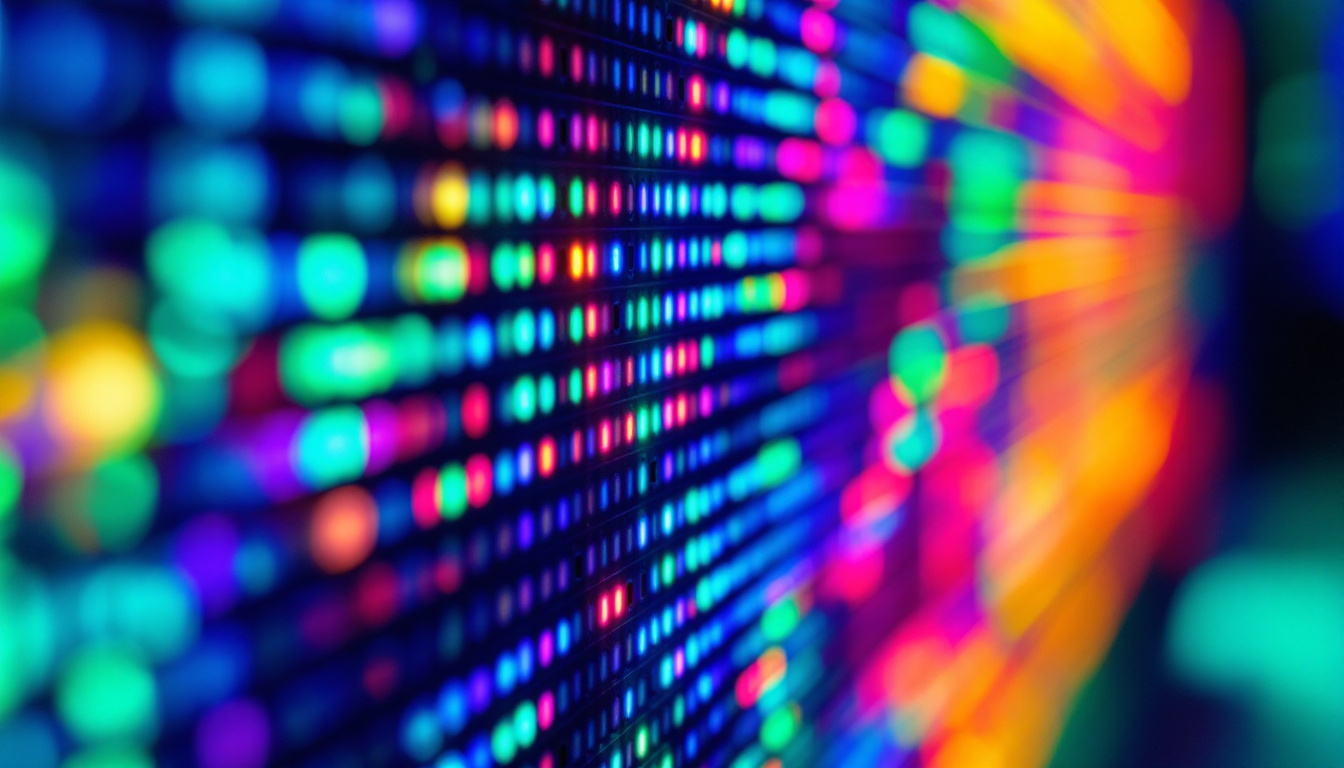
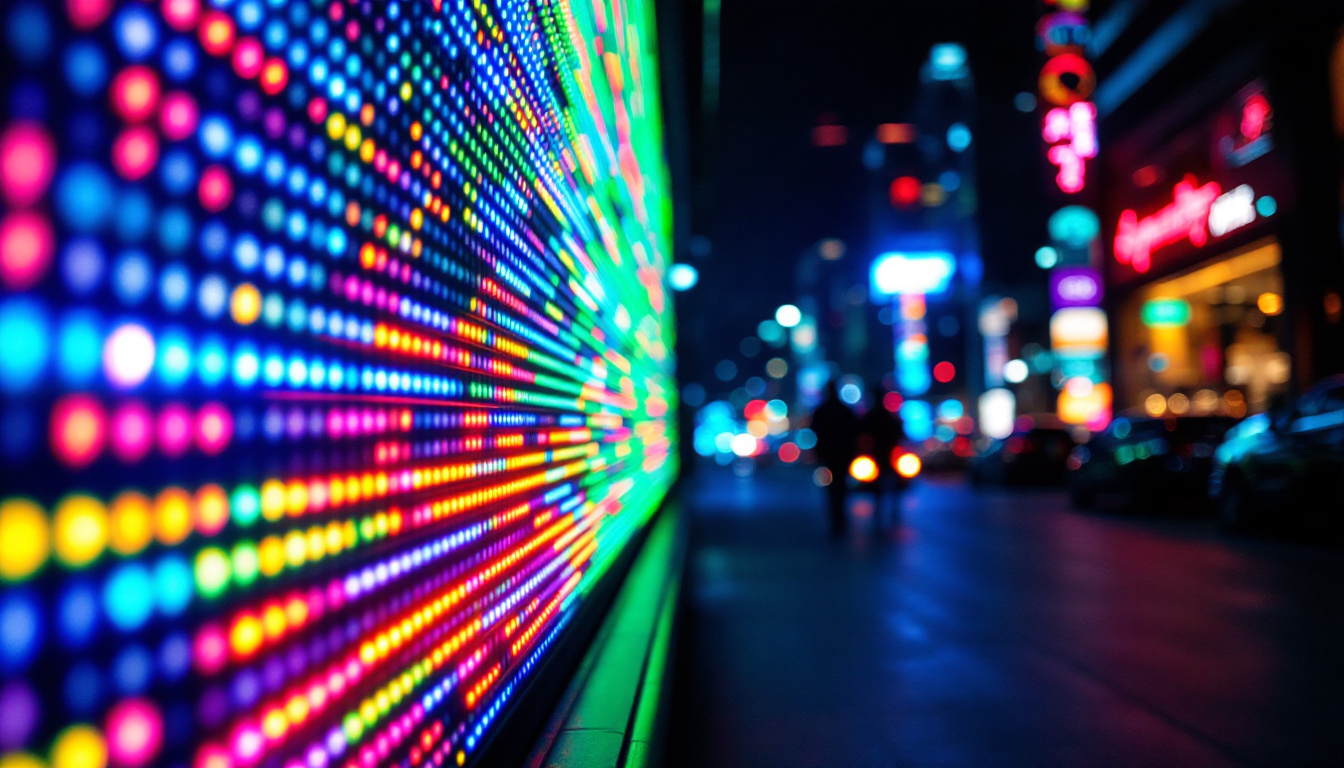
At the core of LED display technology are millions of microscopic LEDs that emit light when an electric current passes through them. These LEDs are grouped into pixels, with each pixel typically comprising red, green, and blue diodes. By adjusting the intensity of each diode, the display can produce a full spectrum of colors, enabling vivid and dynamic images.
LED displays come in two primary forms: direct-view LED and LED-backlit LCD. Direct-view LED displays use the LEDs themselves as the light source and image pixels, making them ideal for large-scale, high-brightness applications. In contrast, LED-backlit LCD screens use LEDs to illuminate liquid crystal panels but are generally limited to smaller sizes.
Types of LED Displays
For big screen applications, direct-view LED displays are the standard. These can be further classified into:
- Indoor LED Displays: Designed for controlled lighting environments, these screens have smaller pixel pitches (distance between LEDs), allowing for higher resolution and sharper images at close viewing distances.
- Outdoor LED Displays: Built to withstand weather conditions, these displays feature higher brightness levels (often exceeding 5,000 nits) and robust protective coatings to resist moisture, dust, and UV radiation.
- Flexible and Transparent LED Displays: Emerging technologies allow LED panels to be curved or even transparent, opening new possibilities for architectural integration and creative installations.
Advantages of LED Over Plasma for Big Screens
LED displays have several advantages that have led to their dominance in the big screen market. These benefits extend beyond image quality to include practical aspects such as durability, energy consumption, and scalability.
Superior Brightness and Visibility
One of the most significant advantages of LED displays is their ability to achieve extremely high brightness levels. Outdoor LED screens can reach brightness levels of 5,000 to 10,000 nits, making them clearly visible even in direct sunlight. This is a critical factor for digital billboards, sports arenas, and public event screens where ambient light conditions vary widely.
In comparison, plasma screens typically max out around 1,000 nits, limiting their effectiveness in bright environments. Additionally, LED displays maintain consistent color and contrast regardless of viewing angle, ensuring that audiences see clear images from virtually any position.
Energy Efficiency and Environmental Impact
LED technology is inherently more energy-efficient than plasma. According to recent studies, LED displays consume up to 50% less power than plasma screens of comparable size and brightness. This efficiency translates into lower operating costs and reduced environmental impact, a critical consideration for businesses aiming to meet sustainability goals.
Furthermore, LED displays generate less heat, reducing the need for extensive cooling systems. This not only saves energy but also extends the lifespan of the display components.
Durability and Maintenance
LED displays are known for their robustness. Their solid-state nature means they are less prone to damage from physical shocks or environmental factors. Outdoor LED screens are engineered to be weatherproof, with IP65 or higher ratings for dust and water resistance.
In contrast, plasma screens are more fragile and susceptible to screen burn-in, where static images leave permanent marks. This makes plasma less suitable for applications requiring frequent image changes or prolonged display of static content.
Applications of LED Big Screens
The versatility of LED technology has expanded its use across numerous industries and settings. From advertising to entertainment, LED big screens are now integral to modern visual communication.
Advertising and Digital Billboards
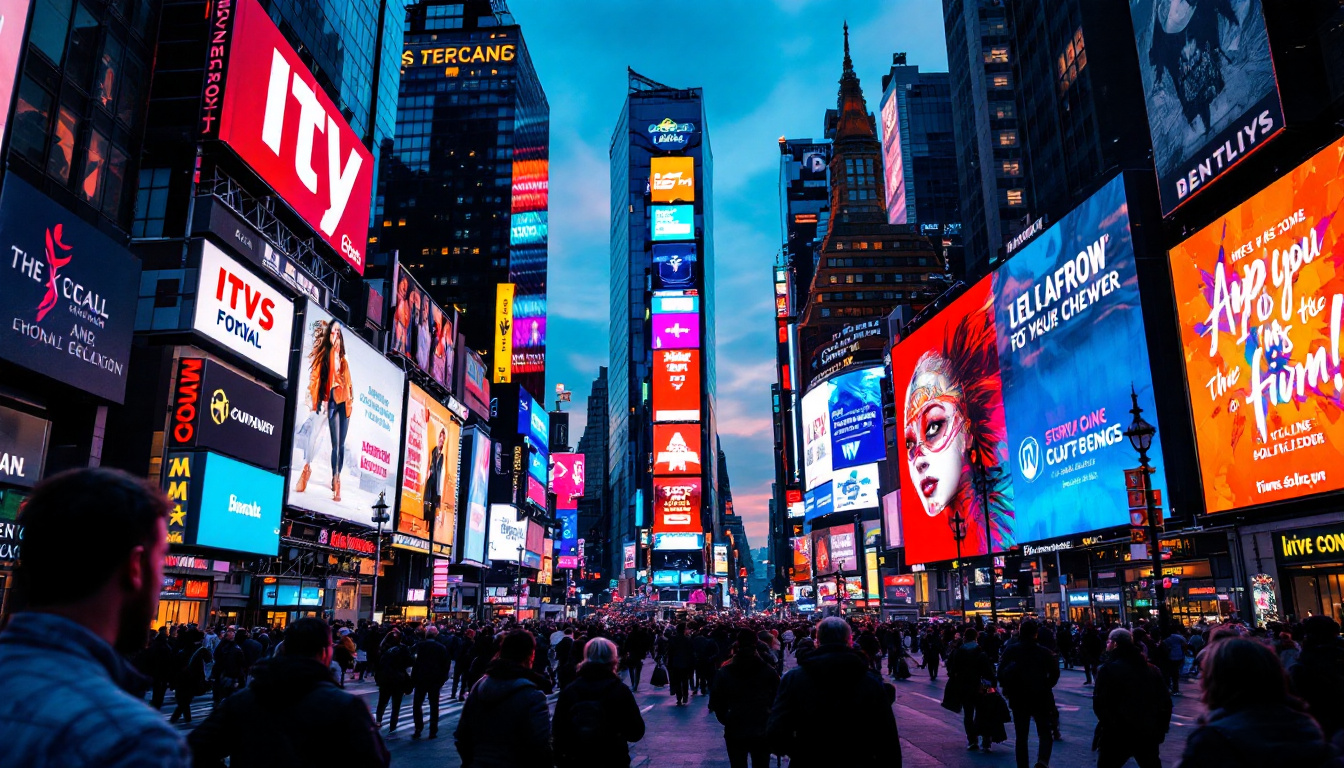
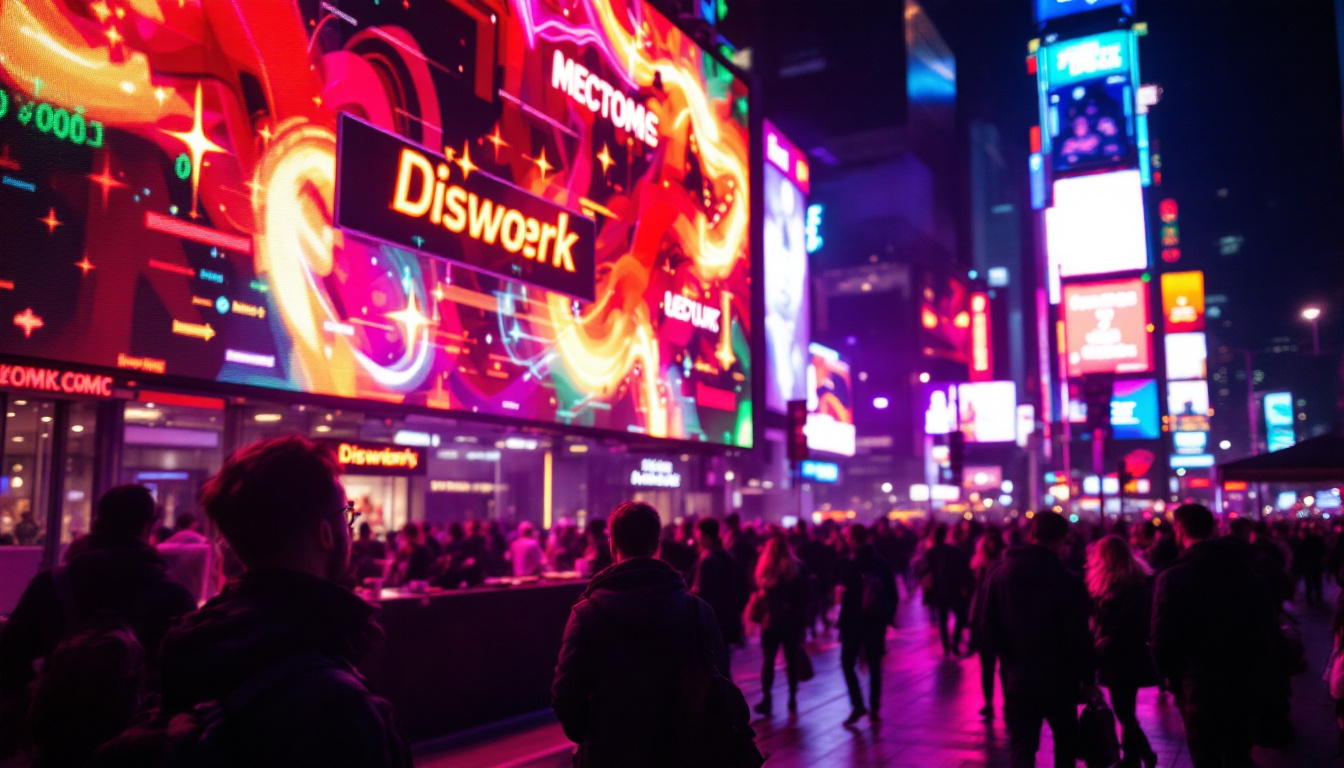
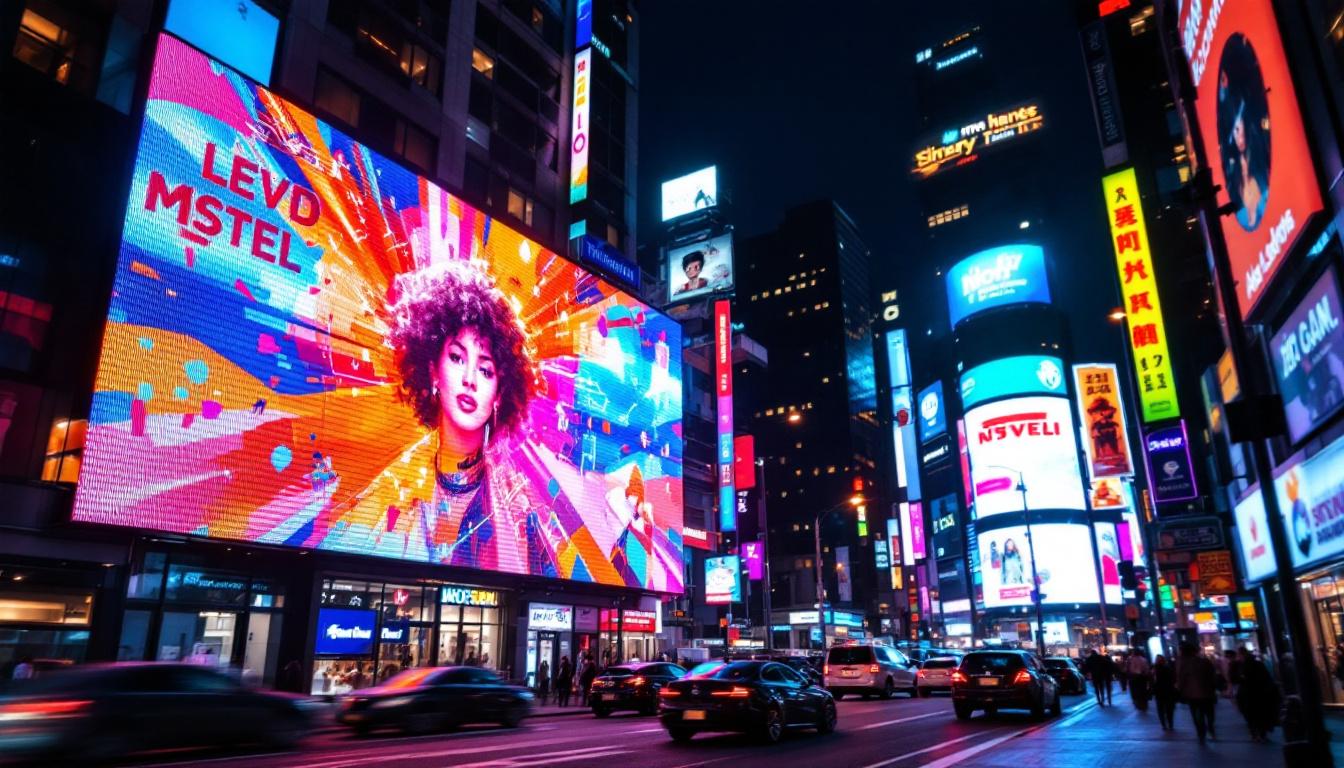
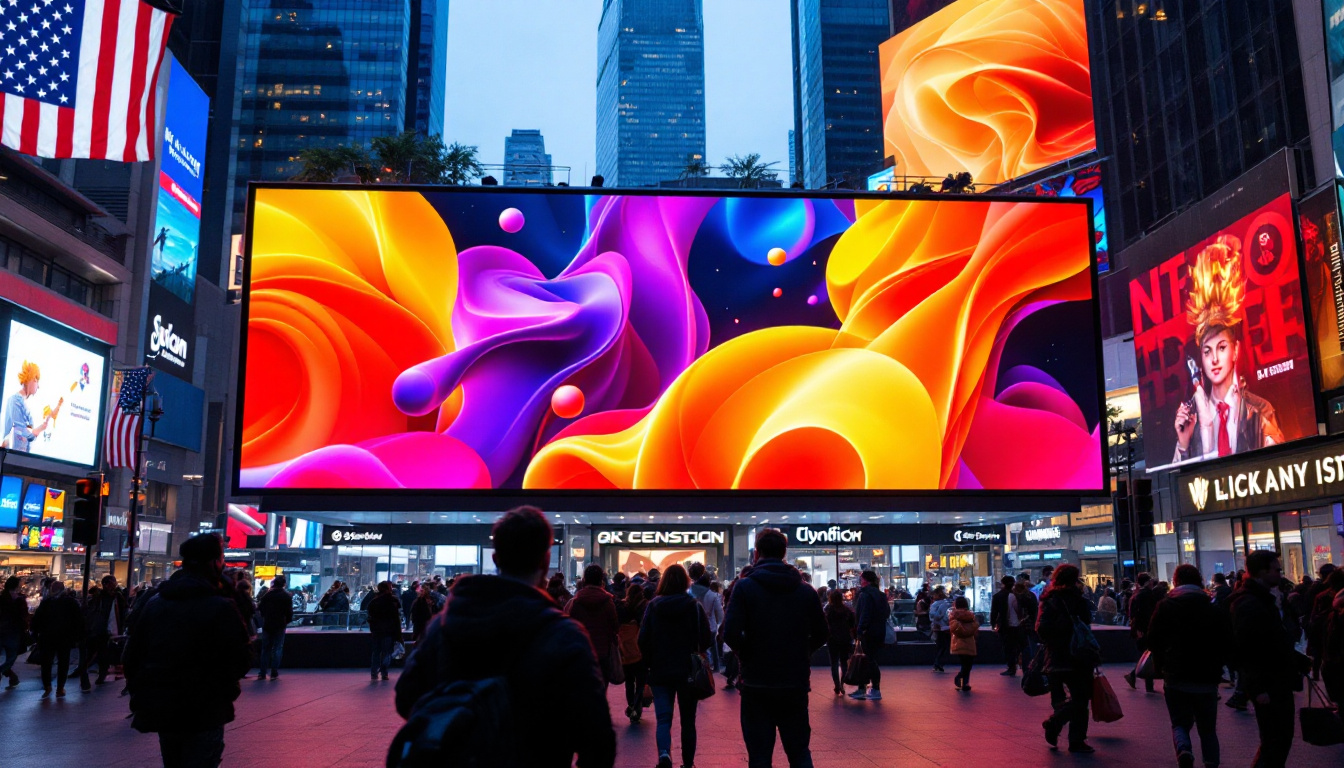
Outdoor LED displays have revolutionized the advertising industry. Digital billboards can showcase dynamic content that changes throughout the day, allowing advertisers to target different audiences with tailored messages. The high brightness and vivid colors ensure maximum impact even in bustling urban environments.
According to the Outdoor Advertising Association of America, digital billboard revenue in the U.S. has grown by over 15% annually in recent years, underscoring the effectiveness of LED technology in this sector.
Sports and Entertainment Venues
Stadiums and arenas utilize massive LED screens to enhance the spectator experience. These screens display live game footage, replays, and interactive content, keeping audiences engaged. The ability to produce bright, high-resolution images visible from great distances is essential in these large venues.
Major events such as the FIFA World Cup and the Olympics rely heavily on LED big screens for both in-venue displays and outdoor fan zones, showcasing the technology’s reliability and scalability.
Corporate and Public Events
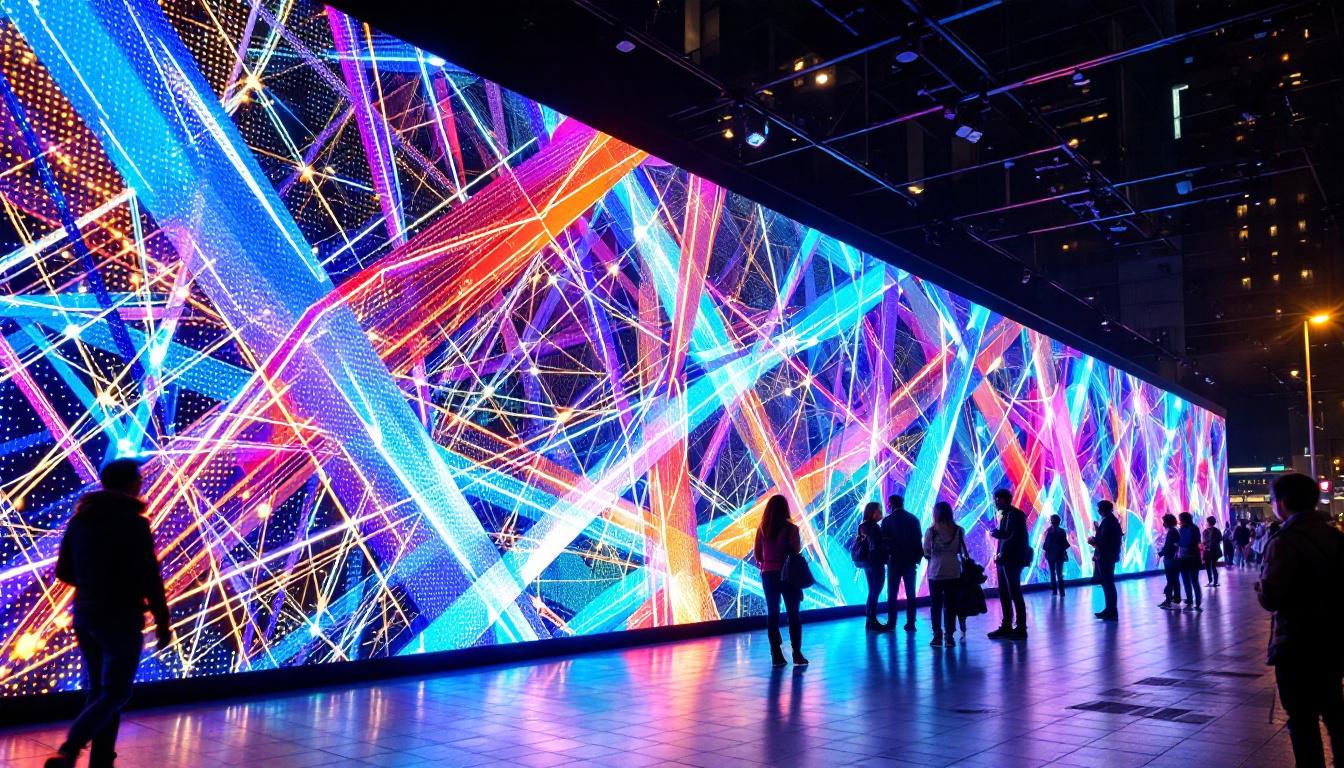
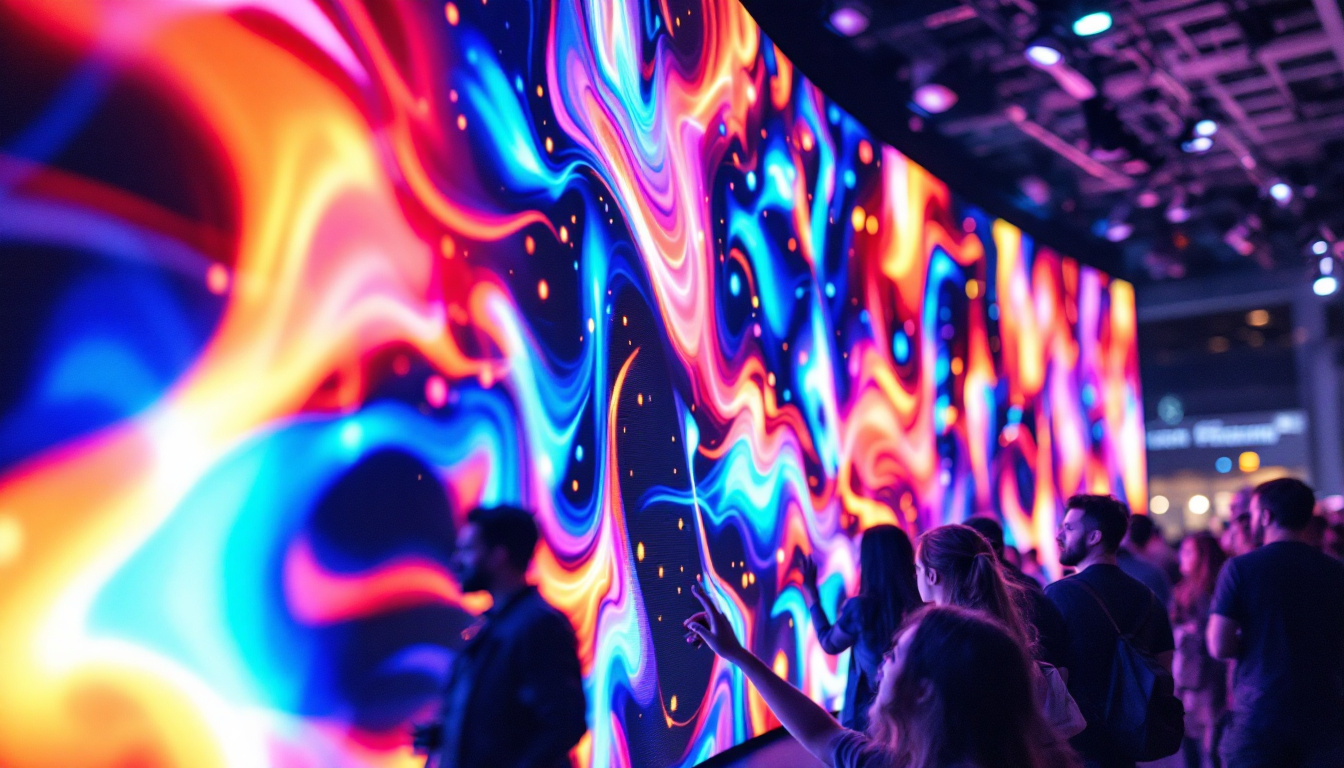
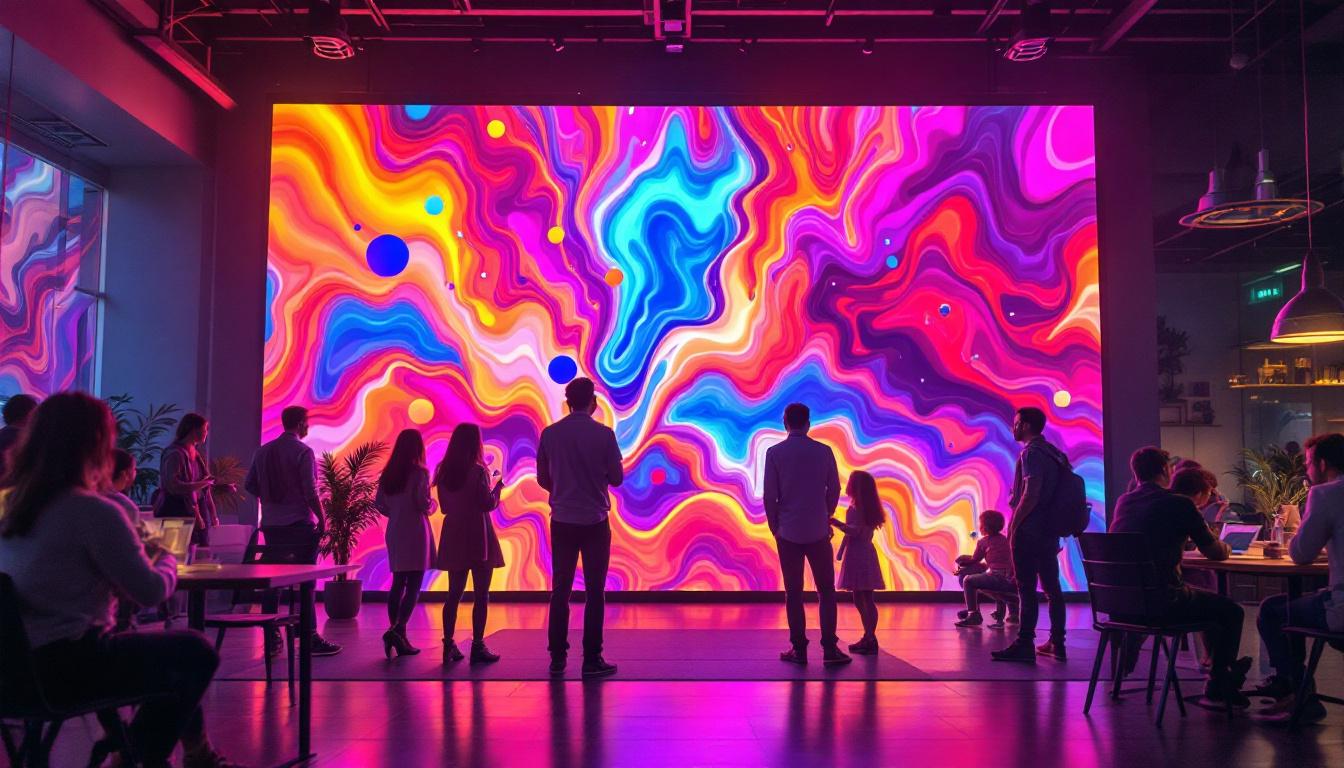
LED displays are increasingly common in conferences, trade shows, and public gatherings. Their modular design allows for custom sizes and shapes, adapting to various venue requirements. High refresh rates and color accuracy make them ideal for presentations, live streaming, and interactive installations.
Future Trends in LED Big Screen Technology
The LED display market continues to evolve rapidly, driven by advances in materials science, electronics, and software integration. Several emerging trends promise to further enhance the capabilities and applications of LED big screens.
MicroLED and MiniLED Innovations
MicroLED technology, which uses even smaller LEDs than current displays, offers the potential for ultra-high resolution, improved brightness, and lower power consumption. Although still in the early stages of commercial deployment, MicroLED could eventually surpass OLED and traditional LED displays in performance.
MiniLED, a more immediate advancement, involves using thousands of tiny LEDs as backlighting for LCD screens, improving contrast and color accuracy. This hybrid approach is gaining traction in premium televisions and monitors.
Enhanced Interactivity and Smart Integration
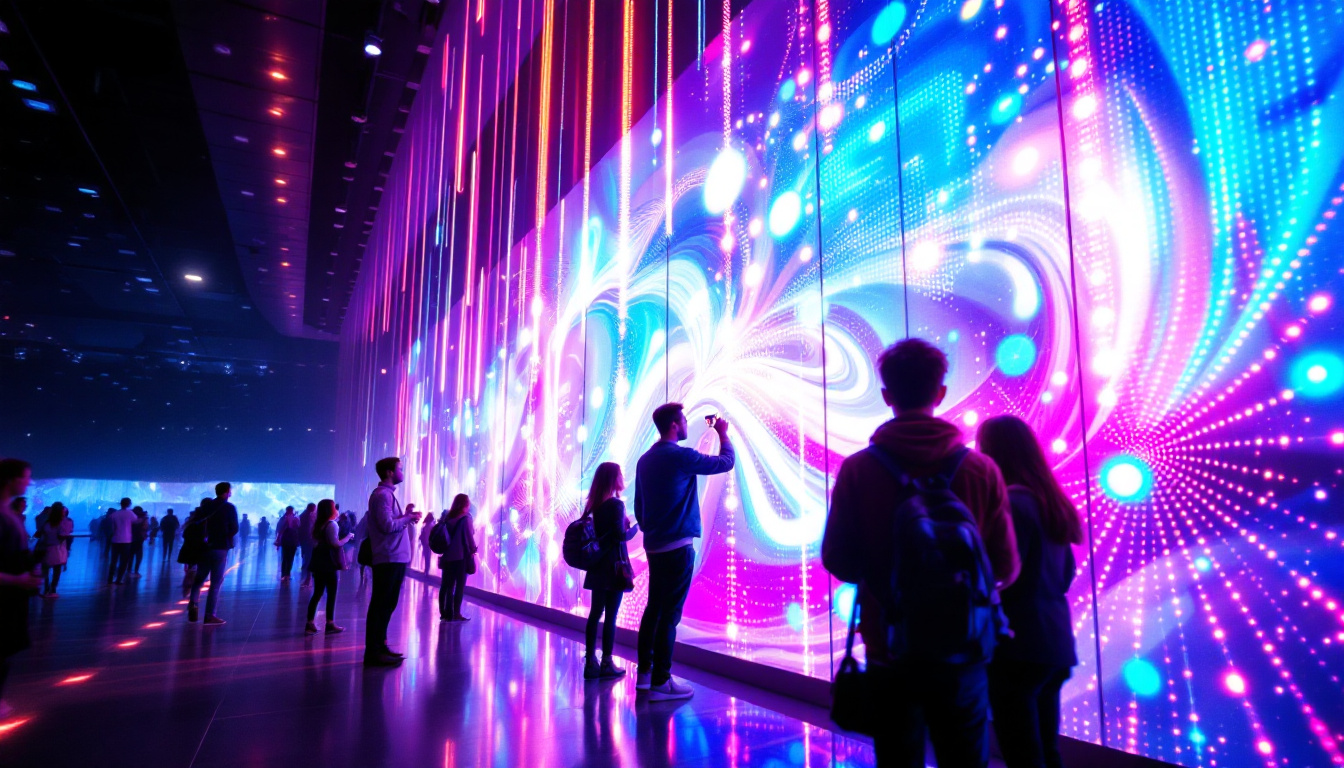
Future LED displays are expected to incorporate more interactive features, such as touch sensitivity, gesture recognition, and integration with augmented reality (AR) systems. These capabilities will open new avenues for advertising, education, and entertainment, making big screens more engaging and personalized.
Energy Harvesting and Sustainability
As sustainability becomes a priority, research is focusing on integrating energy-harvesting technologies with LED displays. Innovations such as solar-powered screens and recyclable materials aim to reduce the environmental footprint of large-scale displays.
Conclusion
While plasma big screens played a pivotal role in the development of large-format displays, LED technology has clearly emerged as the superior choice for most applications today. Its advantages in brightness, energy efficiency, durability, and versatility make LED displays the preferred option for advertising, entertainment, corporate events, and beyond.
Understanding the fundamentals of LED display technology, along with its evolving trends, equips consumers and businesses to make informed decisions when investing in big screen solutions. As LED technology continues to advance, it promises to deliver even more immersive and sustainable visual experiences in the years to come.
Explore Cutting-Edge LED Displays with LumenMatrix
Ready to elevate your visual experience with the latest in LED display technology? LumenMatrix is at the forefront of innovation, offering a wide range of LED display solutions that cater to any need. From captivating Indoor and Outdoor LED Wall Displays to dynamic Vehicle and Sports LED Displays, our products are designed to make your brand stand out. Discover the possibilities with our LED Poster Displays, Floor LED Displays, Custom LED Solutions, All-in-One LED Displays, and LED Transparent Displays. Embrace the future of visual communication with LumenMatrix and create unforgettable impressions. Check out LumenMatrix LED Display Solutions and see how we can transform your space into a mesmerizing visual journey.