In today’s fast-paced financial markets, having real-time access to stock information is crucial for investors, traders, and financial professionals. One of the most iconic tools for displaying continuous stock market data is the stock ticker, a scrolling electronic display that shows stock prices, trading volume, and other key metrics. When integrated into a clock format with LED technology, a stock ticker clock becomes both a functional timepiece and a dynamic source of market updates.
This article delves into the technology behind stock ticker clocks, focusing on the LED display component. It explores how these clocks operate, their design considerations, and their practical applications in various environments. Whether you’re a financial professional considering a ticker clock for your office or an enthusiast curious about the technology, this comprehensive guide will illuminate the subject.
Understanding the Stock Ticker: Origins and Evolution
The stock ticker has a rich history dating back to the late 19th century. Originally, stock prices were transmitted via telegraph machines that printed abbreviated company names and stock prices on narrow strips of paper—hence the name “ticker tape.” This innovation revolutionized market information dissemination, enabling traders to receive near-instantaneous updates. The first stock ticker was invented by Thomas Edison in 1867, and it quickly became a vital tool for brokers who needed to keep up with the fast-paced world of stock trading. The ability to see the latest prices in real time transformed the way trades were executed, allowing for quicker decision-making and more dynamic trading strategies.
With the advent of electronic displays in the late 20th century, the traditional paper ticker was replaced by digital LED and LCD screens. These modern tickers offer enhanced visibility, faster updates, and the ability to display more complex data streams. The integration of a clock with a stock ticker display combines timekeeping with live market data, serving as a multifunctional device in trading floors, financial institutions, and even home offices. As technology advanced, tickers began to incorporate additional features such as news headlines, stock charts, and even social media sentiment analysis, providing traders with a comprehensive view of the market landscape. This evolution reflects not only the technological advancements but also the increasing complexity of financial markets, where data is king and the ability to interpret it quickly can mean the difference between profit and loss.
Today, stock tickers are not just confined to trading floors; they have found their way into public spaces, such as airports and sports arenas, where they provide real-time financial information to a broader audience. This democratization of financial data has empowered individual investors, allowing them to participate in the stock market with greater awareness and insight. Furthermore, the rise of mobile applications has made stock tickers accessible from anywhere, enabling users to track their investments on the go. As we move further into the digital age, the stock ticker continues to evolve, adapting to new technologies and the ever-changing landscape of global finance.
How LED Displays Work in Stock Ticker Clocks
Basics of LED Technology
LED, or Light Emitting Diode, technology is the backbone of most modern stock ticker clocks. LEDs are semiconductor devices that emit light when an electric current passes through them. Unlike traditional incandescent bulbs, LEDs are energy-efficient, have a long lifespan, and provide bright, clear illumination—qualities essential for continuous, high-visibility displays.
LED displays can be configured in various forms, including single-color, bi-color, or full-color arrays. For stock ticker clocks, red or green LEDs are commonly used to indicate price movements—red for declines and green for gains—providing intuitive visual cues to users.
Pixel Configuration and Resolution
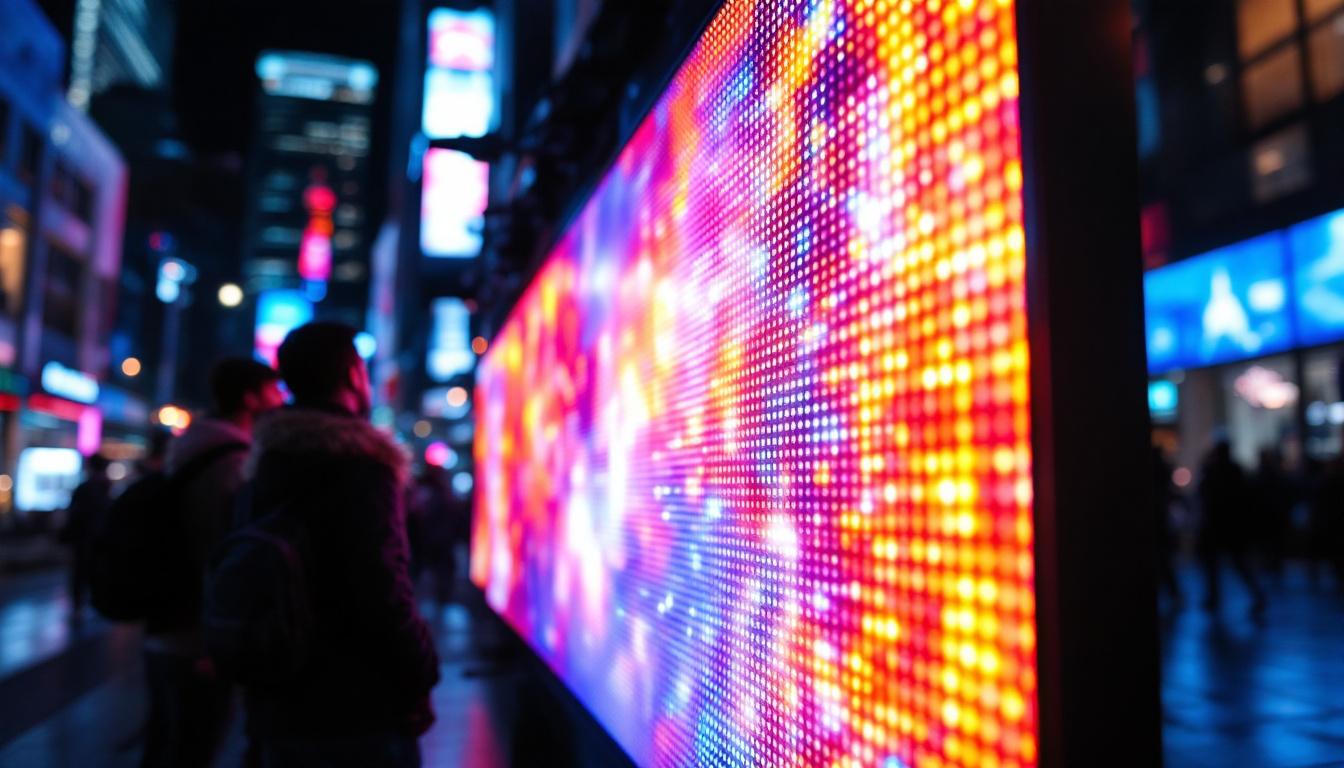
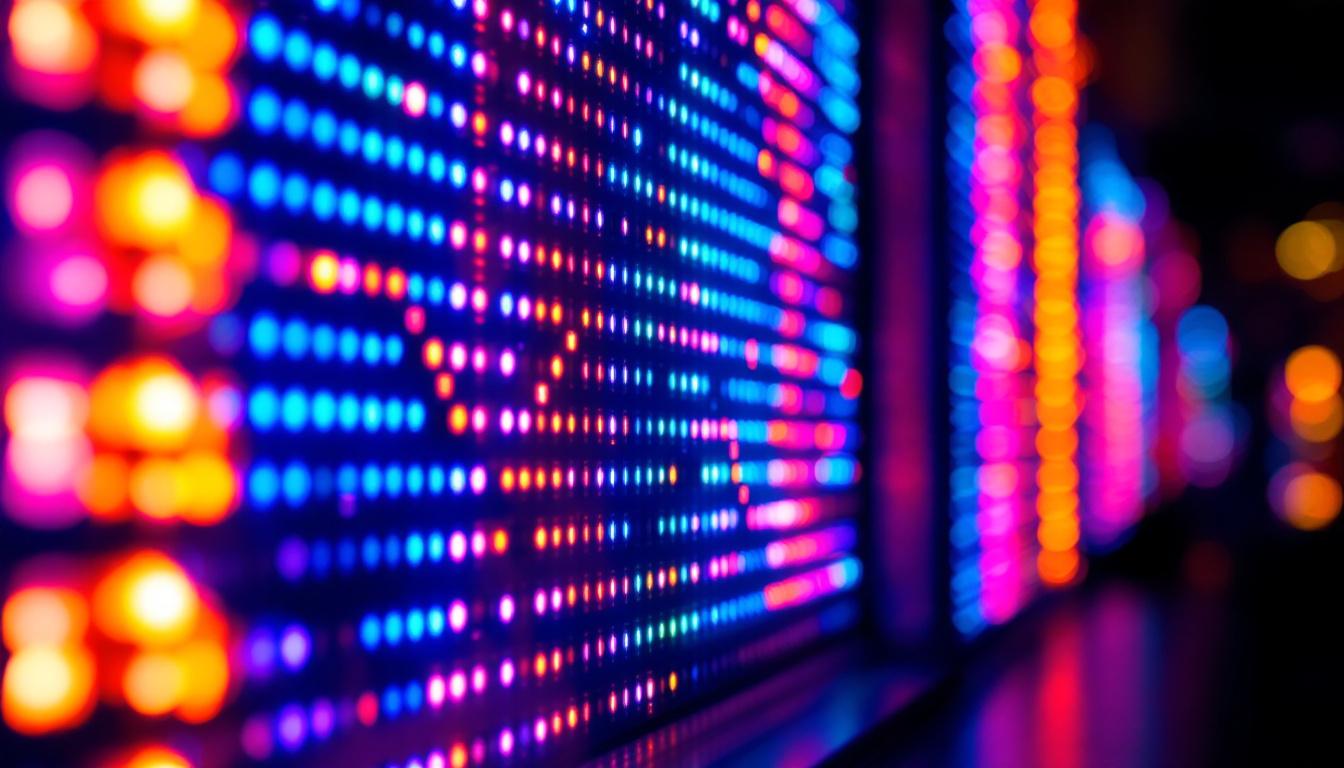
LED ticker displays consist of numerous small LED pixels arranged in a matrix. The resolution of the display depends on the number of pixels per unit area, which affects the clarity and amount of information that can be shown simultaneously. Higher resolution displays can present detailed stock symbols, price changes, and even graphical elements like arrows or percentage changes.
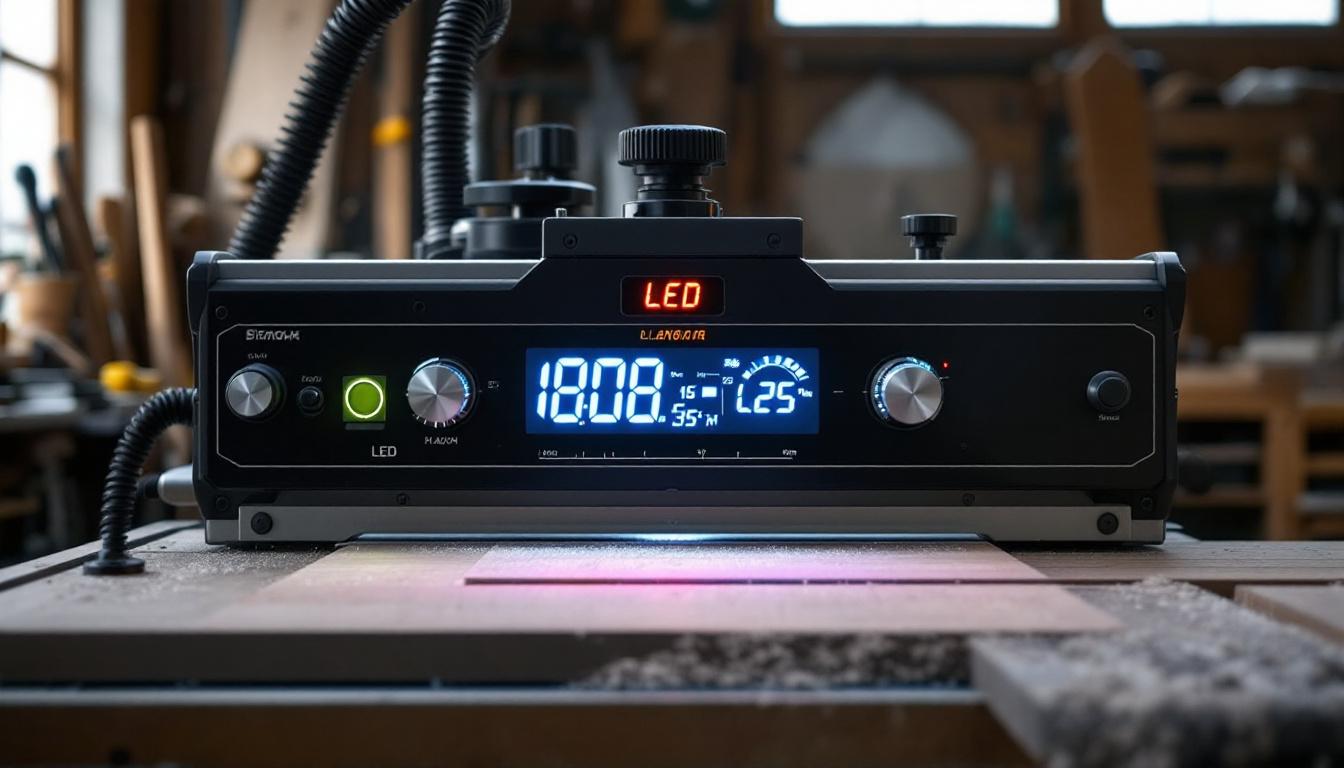
For example, a typical stock ticker clock might use a 7-segment LED configuration to display numeric time alongside a scrolling ticker tape that uses a dot matrix LED setup for alphanumeric characters. This combination ensures both the time and stock data are legible from a distance.
Scrolling Mechanism and Refresh Rates
A defining characteristic of stock ticker clocks is the scrolling text that continuously moves across the display. This scrolling effect is achieved by sequentially illuminating LED pixels in a pattern that shifts horizontally. The speed and smoothness of scrolling are controlled by the refresh rate and the microcontroller programming the display.
Refresh rates typically range from 60 to 120 Hz, ensuring flicker-free viewing. Additionally, the scrolling speed is optimized to balance readability with the amount of information displayed, often adjustable based on user preference or ambient conditions.
Design Considerations for Stock Ticker Clocks
Size and Placement
The physical size of a stock ticker clock varies depending on its intended environment. Large-scale tickers in trading rooms or financial news studios can span several feet, allowing multiple stock symbols and indices to be displayed simultaneously. Conversely, desktop or wall-mounted ticker clocks designed for offices or homes are more compact, typically ranging from 12 to 24 inches in width.
Placement is critical to maximize visibility and utility. In professional settings, ticker clocks are often positioned above eye level or integrated into walls to provide unobstructed views. In personal spaces, they serve as both decorative and functional pieces, blending seamlessly with modern office aesthetics.
Data Integration and Connectivity
Modern stock ticker clocks are equipped with connectivity options to receive live market data. Common methods include Wi-Fi, Ethernet, or cellular connections, enabling real-time updates from financial data providers such as Bloomberg, Reuters, or Nasdaq feeds.
Some advanced models support customizable data streams, allowing users to select specific stocks, indices, or news headlines to display. This customization enhances relevance and helps users focus on their portfolio or market interests.
Power Efficiency and Durability
Because stock ticker clocks operate continuously during market hours and often beyond, power efficiency is a key design factor. LED technology inherently consumes less power than other display types, but manufacturers also optimize driver circuits and brightness controls to reduce energy consumption further.
Durability is equally important, especially for large installations exposed to varying environmental conditions. High-quality enclosures protect internal components from dust, moisture, and mechanical damage, ensuring long-term reliability.
Applications of Stock Ticker Clocks
Financial Trading Floors and Institutions
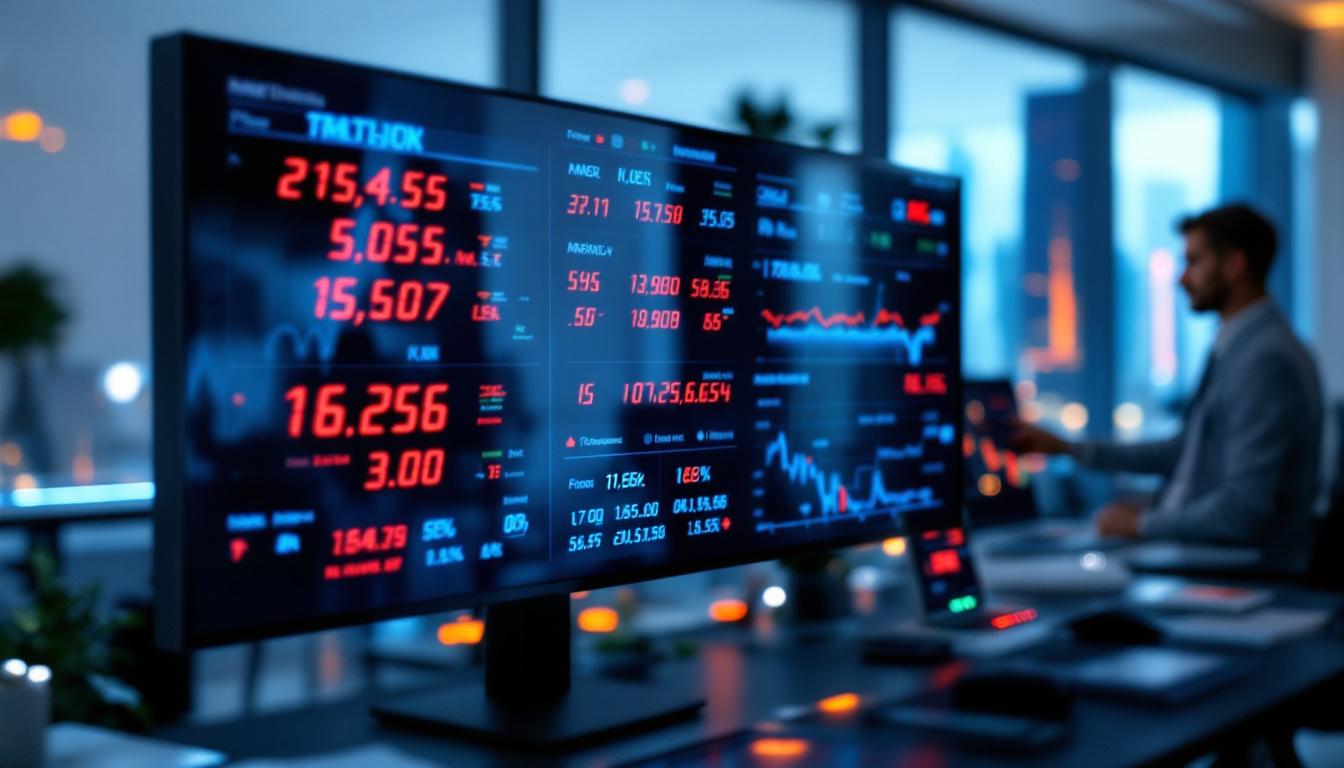
Stock ticker clocks are a staple in trading floors, brokerage firms, and financial institutions worldwide. They provide traders and analysts with immediate access to market movements, enabling rapid decision-making. The combination of time and market data in a single device streamlines workflow and reduces the need to switch between multiple screens.
For example, the New York Stock Exchange and Nasdaq use massive ticker displays to broadcast real-time data to traders and visitors alike, reinforcing the dynamic nature of the markets.
Media and Broadcasting Studios
Financial news channels and media outlets utilize stock ticker clocks as part of their on-air graphics and studio backdrops. These displays enhance the visual appeal of broadcasts while delivering up-to-the-second market information to viewers.
LED ticker clocks integrated into studio sets can be programmed to highlight breaking news, market trends, or specific stock performances, adding context and immediacy to financial reporting.
Corporate Offices and Home Use
Beyond professional environments, stock ticker clocks have gained popularity in corporate offices and among individual investors. They serve as a constant reminder of market activity and can motivate employees or investors to stay informed.
In home offices, compact LED ticker clocks blend functionality with modern design, offering a stylish way to keep an eye on favorite stocks or indices throughout the day.
Choosing the Right Stock Ticker Clock
Assessing Your Needs
Selecting an appropriate stock ticker clock depends on several factors, including the size of the space, the volume of data you wish to display, and connectivity requirements. For large spaces or professional use, high-resolution, multi-line displays with robust data integration capabilities are ideal.
For personal or small office use, simpler models with basic scrolling functionality and Wi-Fi connectivity may suffice. It’s also important to consider whether you want additional features like customizable alerts, color-coded price changes, or integration with other smart devices.
Budget and Maintenance
Prices for stock ticker clocks vary widely based on size, resolution, and features. While large, commercial-grade tickers can cost thousands of dollars, smaller desktop units are available for a few hundred dollars. Consider the total cost of ownership, including installation, software subscriptions for data feeds, and maintenance.
LED displays generally require minimal upkeep, but ensuring software updates and connectivity stability is essential for uninterrupted operation.
Vendor Reputation and Support
Choosing a reputable manufacturer or vendor is crucial. Established companies specializing in financial display technology offer reliable products, timely support, and software updates. Reading customer reviews and requesting demonstrations can help ensure the product meets your expectations.
The Future of Stock Ticker Clocks and LED Displays
As technology advances, stock ticker clocks continue to evolve. Innovations in LED technology, such as micro-LED and flexible displays, promise even higher resolution and more versatile form factors. Integration with artificial intelligence and machine learning may enable predictive analytics and personalized market alerts directly on the ticker.
Moreover, the rise of augmented reality (AR) and virtual reality (VR) could transform how market data is visualized, potentially complementing or even replacing traditional LED ticker clocks in some environments.
Despite these emerging trends, the classic stock ticker clock remains a powerful tool for real-time market engagement, combining the timeless appeal of a clock with the dynamic pulse of the financial markets.
Conclusion
Stock ticker clocks with LED displays represent a unique fusion of timekeeping and financial data visualization. Their design leverages the efficiency and brightness of LED technology to deliver continuous, real-time market updates in an accessible format. From bustling trading floors to quiet home offices, these devices play an important role in keeping users informed and connected to the ever-changing world of finance.
Understanding the technology behind LED displays, the design considerations, and the practical applications helps users make informed decisions when selecting or utilizing a stock ticker clock. As markets and technology evolve, these clocks will continue to adapt, maintaining their relevance as indispensable tools for financial awareness.
Discover Cutting-Edge LED Display Solutions with LumenMatrix
As you consider the dynamic capabilities of stock ticker clocks for your financial data visualization needs, LumenMatrix stands at the forefront of LED display innovation. Our extensive range of solutions, from Indoor and Outdoor LED Wall Displays to specialized formats like Vehicle and Sports Displays, is designed to bring your market engagement to the next level. Experience the transformative power of our LED technology and see how our commitment to visual excellence can enhance your brand’s presence. Check out LumenMatrix LED Display Solutions today and step into the future of visual communication.