In the evolving landscape of visual technology, LED displays have emerged as a dominant force, transforming how media content is projected and experienced across various environments. From massive outdoor billboards to intimate conference room screens, LED displays offer unparalleled brightness, color accuracy, and versatility. This article delves into the fundamentals of LED display technology, explores its advantages over traditional projection systems, and highlights its applications in media projection today.
Understanding LED Display Technology
What is an LED Display?
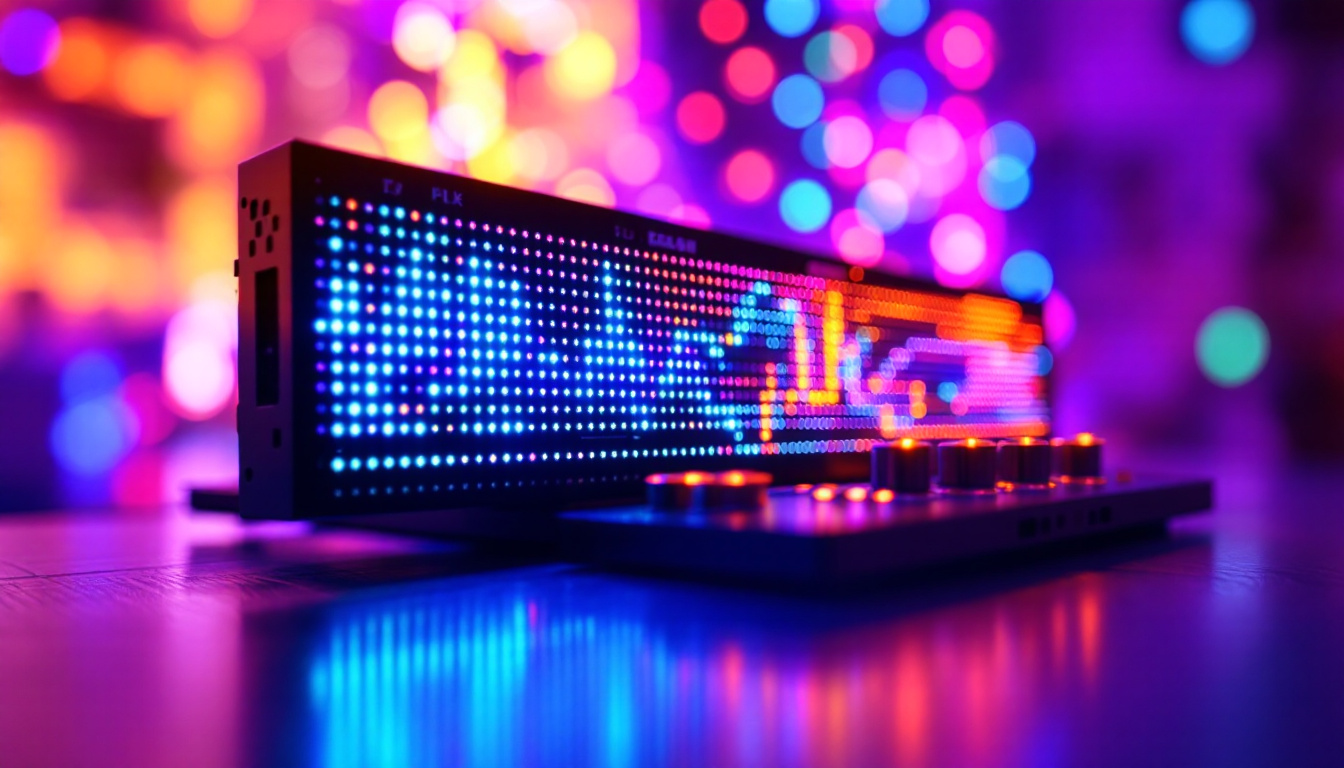
LED stands for Light Emitting Diode, a semiconductor device that emits light when an electric current passes through it. An LED display is composed of thousands to millions of these tiny diodes arranged in a matrix to create images and videos. Unlike conventional projection systems that rely on lamps and mirrors to project images onto a surface, LED displays are self-illuminating, meaning each diode emits its own light.
This self-illumination characteristic enables LED displays to deliver higher brightness levels and better contrast ratios, making them particularly effective in environments with ambient light. The modular nature of LED panels also allows for customizable sizes and shapes, ranging from small indoor screens to massive outdoor installations. Furthermore, the energy efficiency of LED technology means that these displays consume less power compared to traditional display methods, which not only reduces operational costs but also contributes to a lower carbon footprint. This aspect is increasingly important as industries move towards more sustainable practices.
Types of LED Displays
LED displays can be broadly categorized based on their pixel pitch, application, and construction:
- Indoor vs. Outdoor LED Displays: Indoor LED displays typically have a smaller pixel pitch (distance between diodes) to provide higher resolution at close viewing distances. Outdoor displays have larger pixel pitches to ensure visibility from afar and are built to withstand weather conditions. These outdoor units often come with protective coatings and robust enclosures to shield them from rain, snow, and UV radiation, ensuring longevity and consistent performance in various climates.
- Direct View LED (DVLED): This type uses LEDs as the actual pixels, providing vibrant colors and high brightness. DVLED is common in large-scale video walls and media facades. The seamless integration of multiple DVLED panels allows for expansive displays that can create stunning visual experiences in public spaces, concerts, and sporting events, captivating audiences with their clarity and color depth.
- MicroLED: An emerging technology featuring microscopic LEDs that promise even higher resolution and efficiency, MicroLED is gaining attention for future media projection applications. This innovative technology not only offers superior image quality but also has the potential for flexible display configurations, enabling new possibilities in design and functionality, such as curved or even transparent screens that can blend into their surroundings.
Advantages of LED Displays Over Traditional Media Projectors
Brightness and Visibility
One of the most significant advantages of LED displays is their superior brightness. Traditional projectors rely on lamps that emit light projected onto a screen, which can be washed out by ambient light. In contrast, LED displays generate their own light, often achieving brightness levels exceeding 1,000 nits for indoor screens and up to 5,000 nits or more for outdoor models.
This high brightness ensures clear visibility even in well-lit environments or during daylight, expanding the usability of media projection in locations where traditional projectors would struggle.
Color Accuracy and Contrast
LED displays offer exceptional color reproduction due to their ability to control each diode’s light output precisely. This results in vibrant colors and deep blacks, producing a contrast ratio that surpasses many projector and LCD screen technologies.
For media professionals and advertisers, this means the content is displayed as intended, with true-to-life colors that engage audiences more effectively. The improved contrast also enhances readability and detail, which is crucial for presentations and digital signage.
Durability and Maintenance
LED displays are known for their longevity and robustness. Unlike projector lamps, which typically have a lifespan of 2,000 to 5,000 hours and require regular replacement, LEDs can last upwards of 50,000 hours or more. This reduces maintenance costs and downtime significantly.
Moreover, LED panels are resistant to shock and vibration, making them suitable for a variety of environments, including outdoor venues and mobile applications. Their modular design allows for easy repair and replacement of individual panels without dismantling the entire display.
Flexibility and Customization
LED displays can be tailored to fit virtually any size or shape, enabling creative media projection solutions. Curved, cylindrical, or irregularly shaped screens are achievable, which is particularly valuable for immersive installations and architectural integrations.
Additionally, LED technology supports seamless video walls with minimal bezels, offering a continuous viewing experience that traditional projectors cannot match. This flexibility opens new possibilities for event organizers, advertisers, and content creators looking to captivate their audiences.
Applications of LED Displays in Media Projection
Entertainment and Events
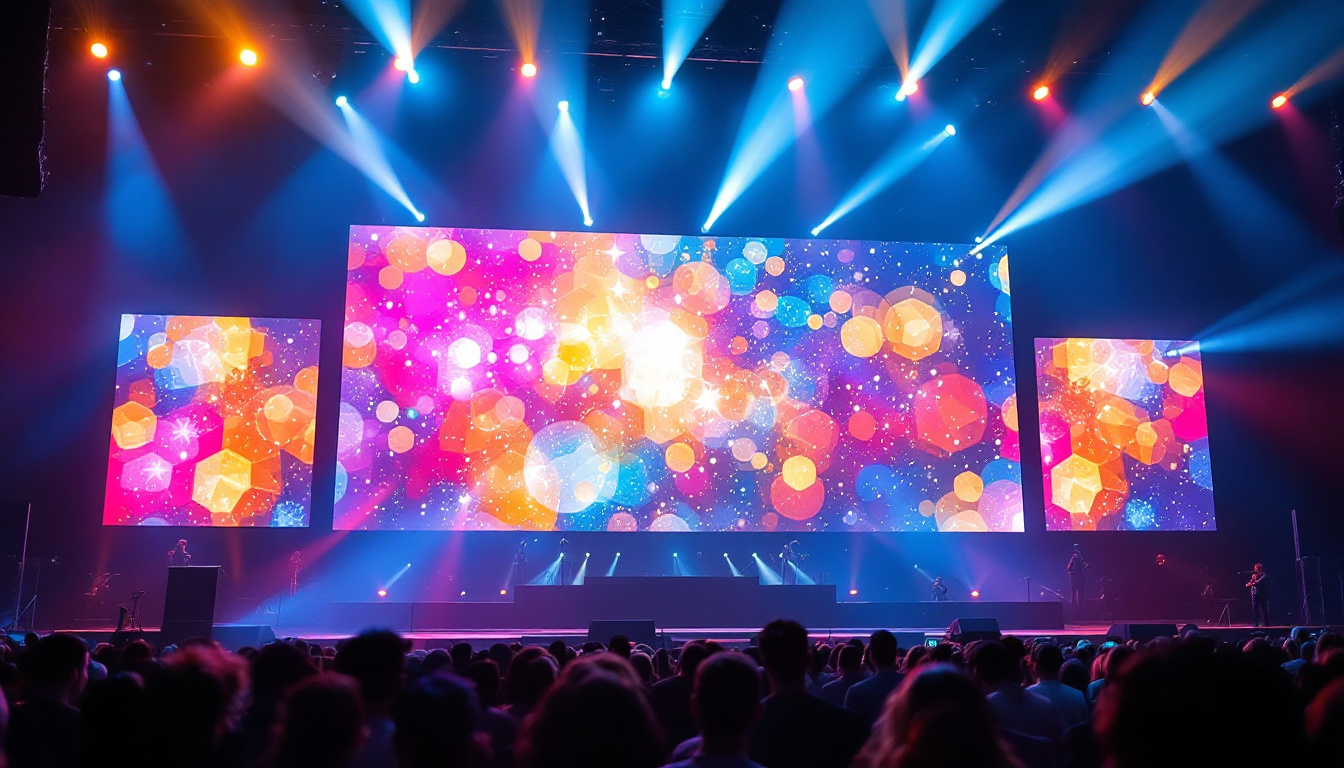
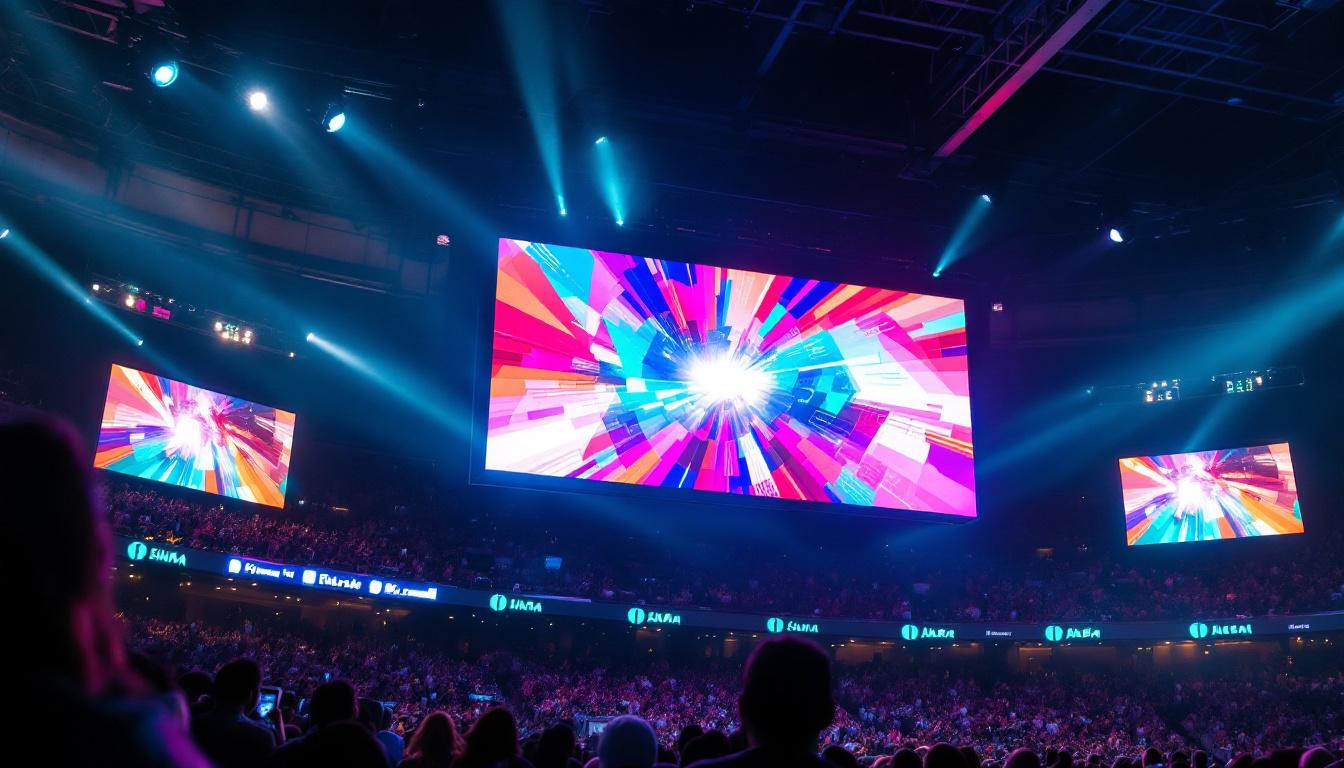
LED displays have revolutionized the entertainment industry, becoming a staple at concerts, festivals, and live events. Their ability to deliver bright, high-resolution visuals ensures that even audiences far from the stage have a clear view of the content.
For example, major music festivals like Coachella and Tomorrowland utilize massive LED walls to enhance stage performances with dynamic visuals, synchronized lighting, and interactive media. This immersive experience elevates audience engagement and creates memorable moments.
Advertising and Digital Signage
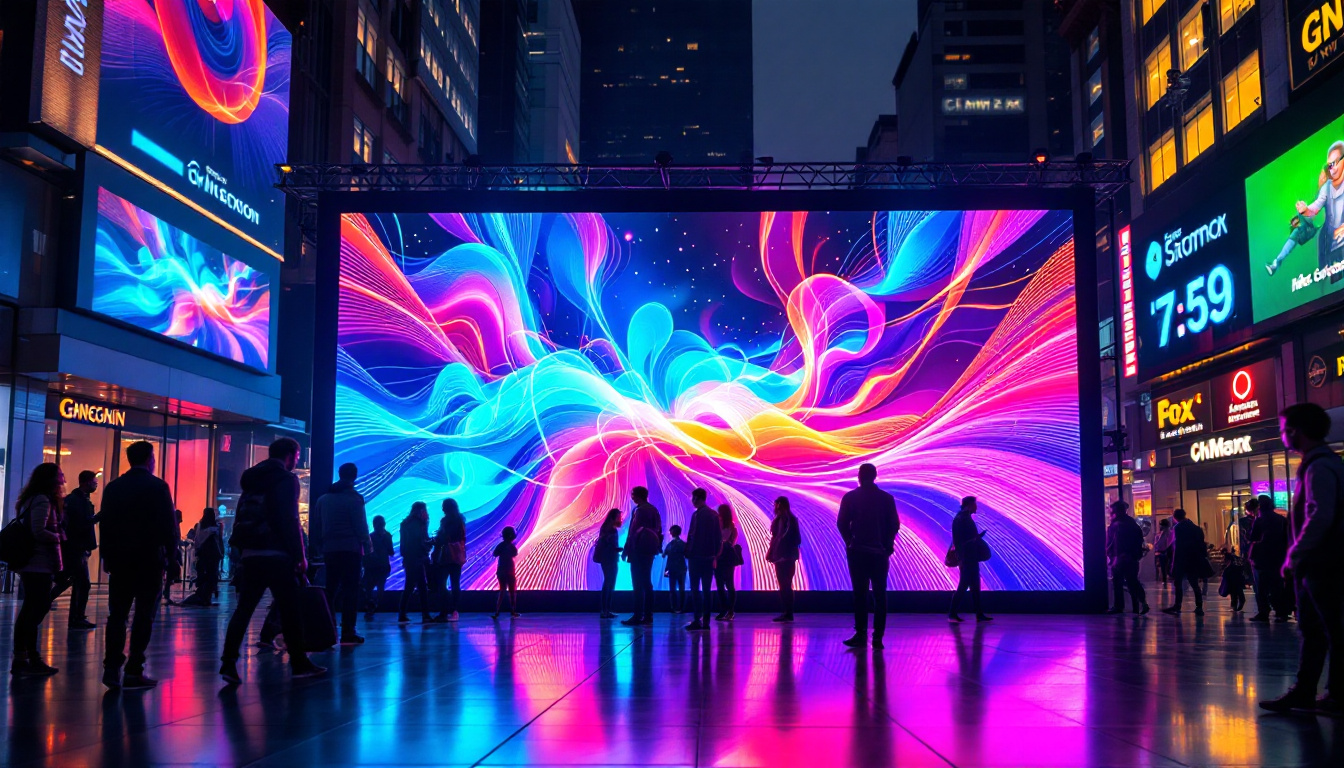
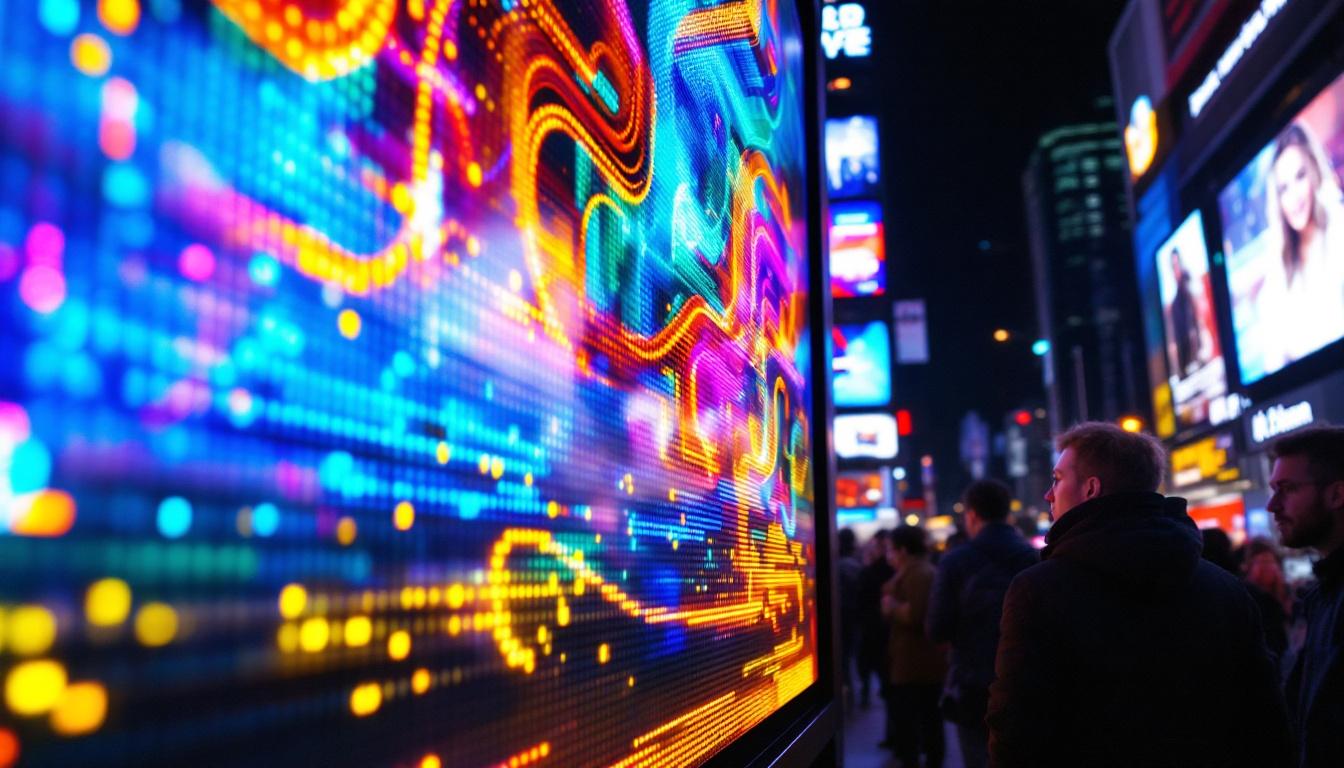
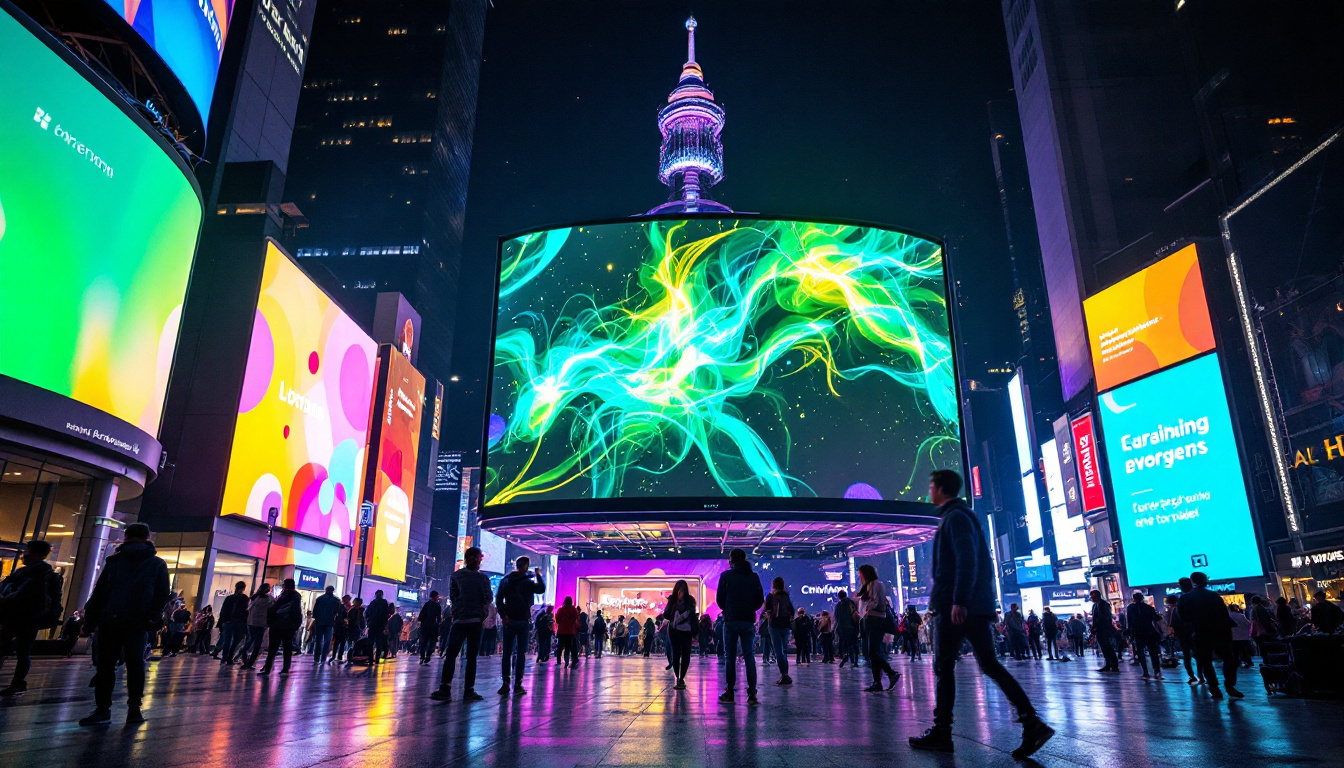
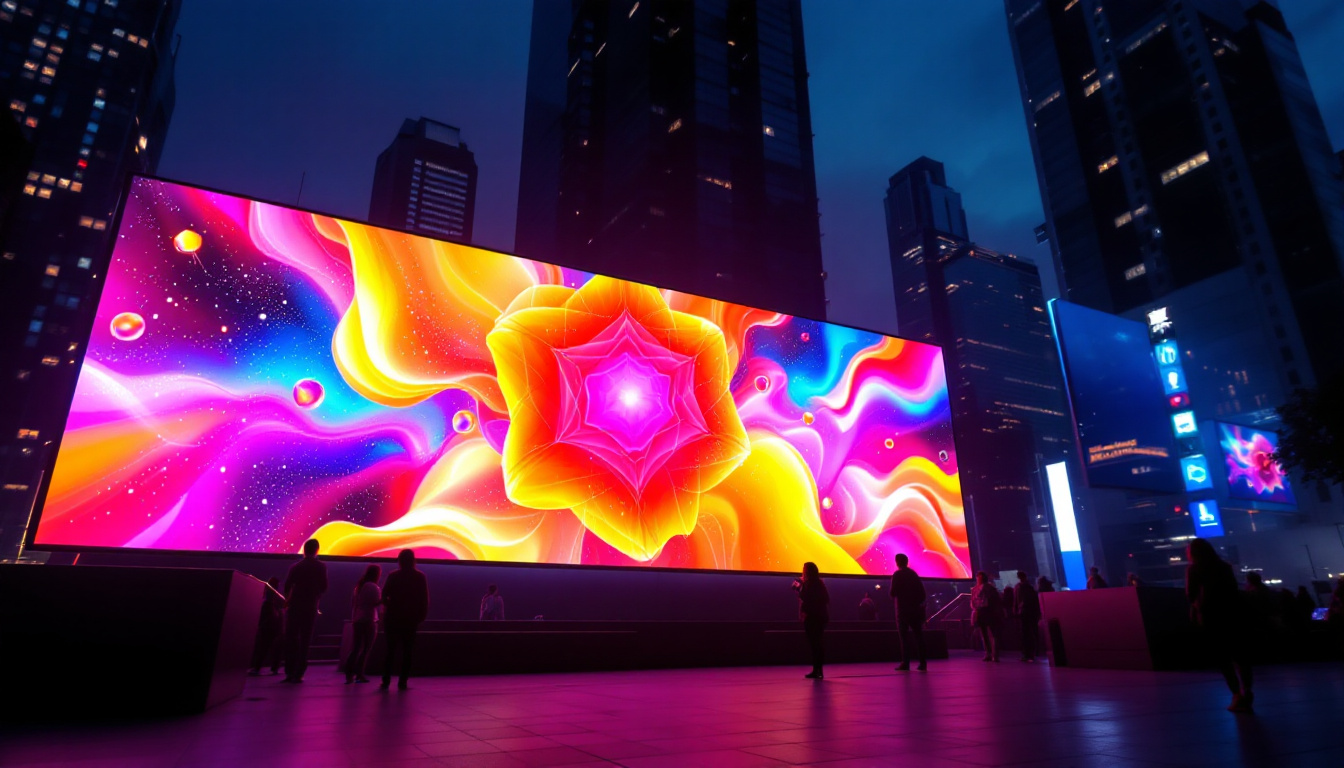
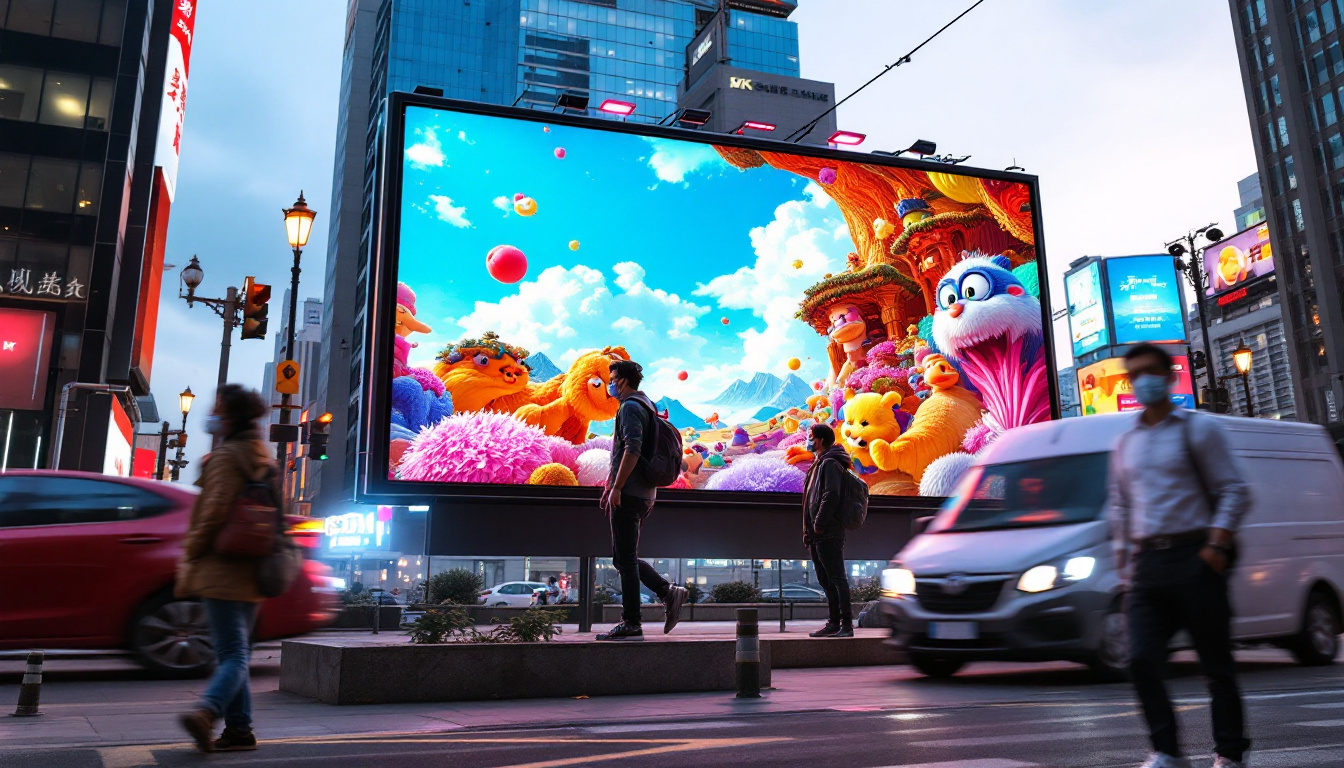
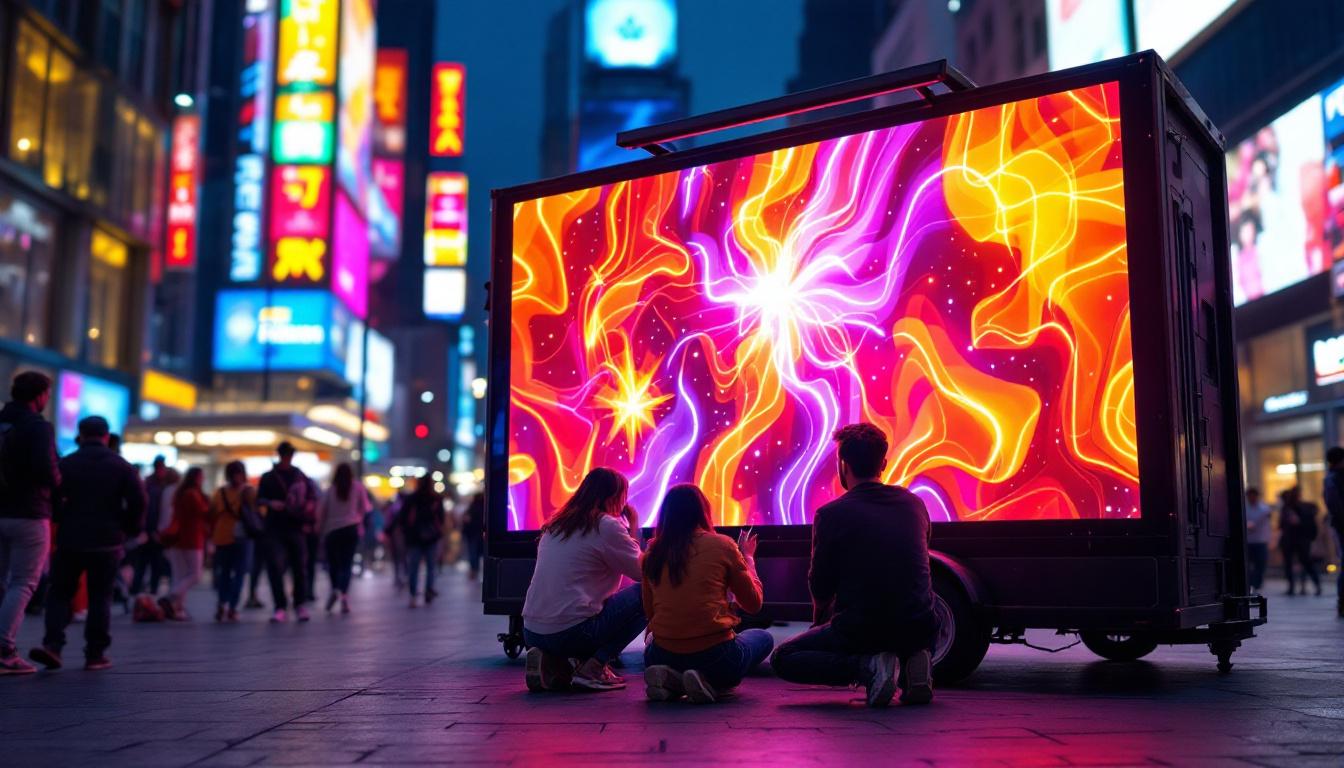
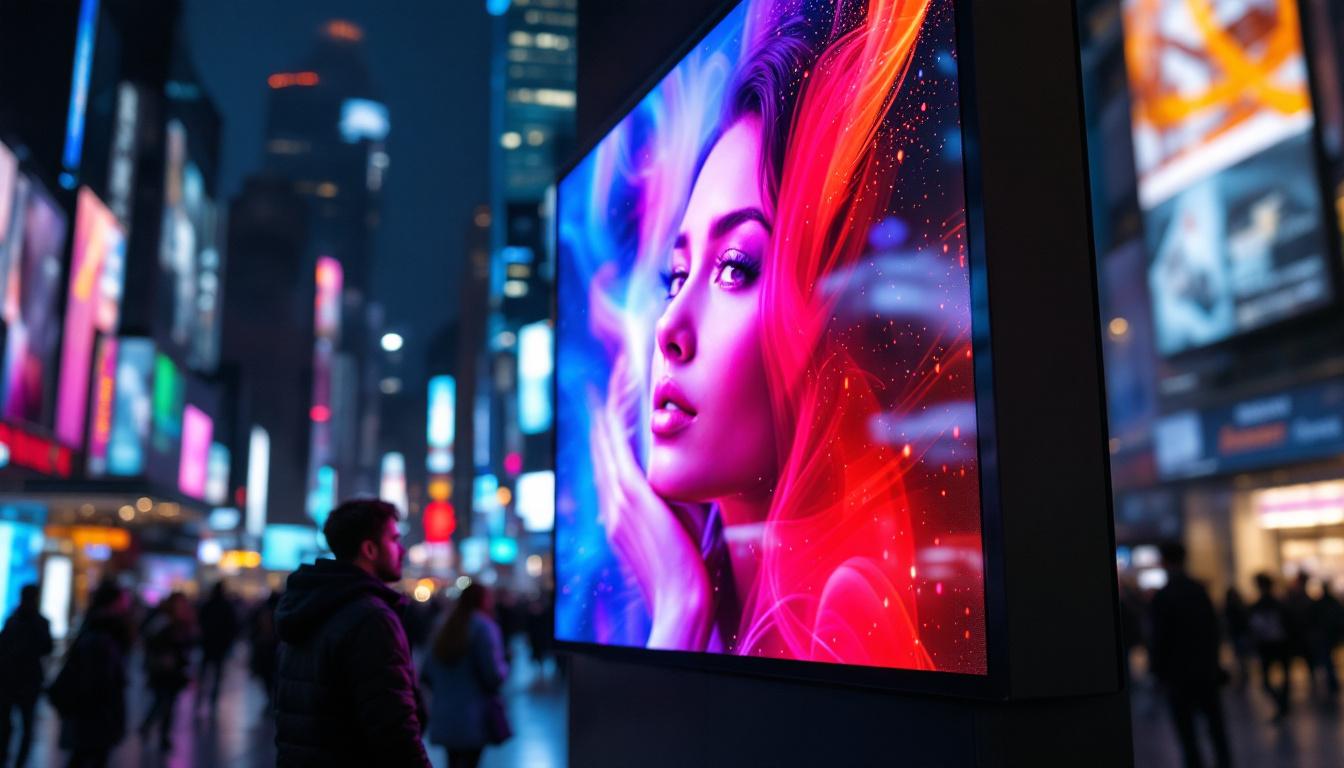
Outdoor advertising has been transformed by LED billboards and media facades. These displays offer vibrant, eye-catching visuals that can be updated remotely and in real-time, allowing advertisers to tailor messages based on time of day, weather, or audience demographics.
According to recent market research, the global digital signage market is expected to grow at a compound annual growth rate (CAGR) of over 8% through 2027, driven largely by advancements in LED display technology. Cities like Times Square in New York and Shibuya Crossing in Tokyo showcase the impact of LED media projection in urban advertising.
Corporate and Educational Environments
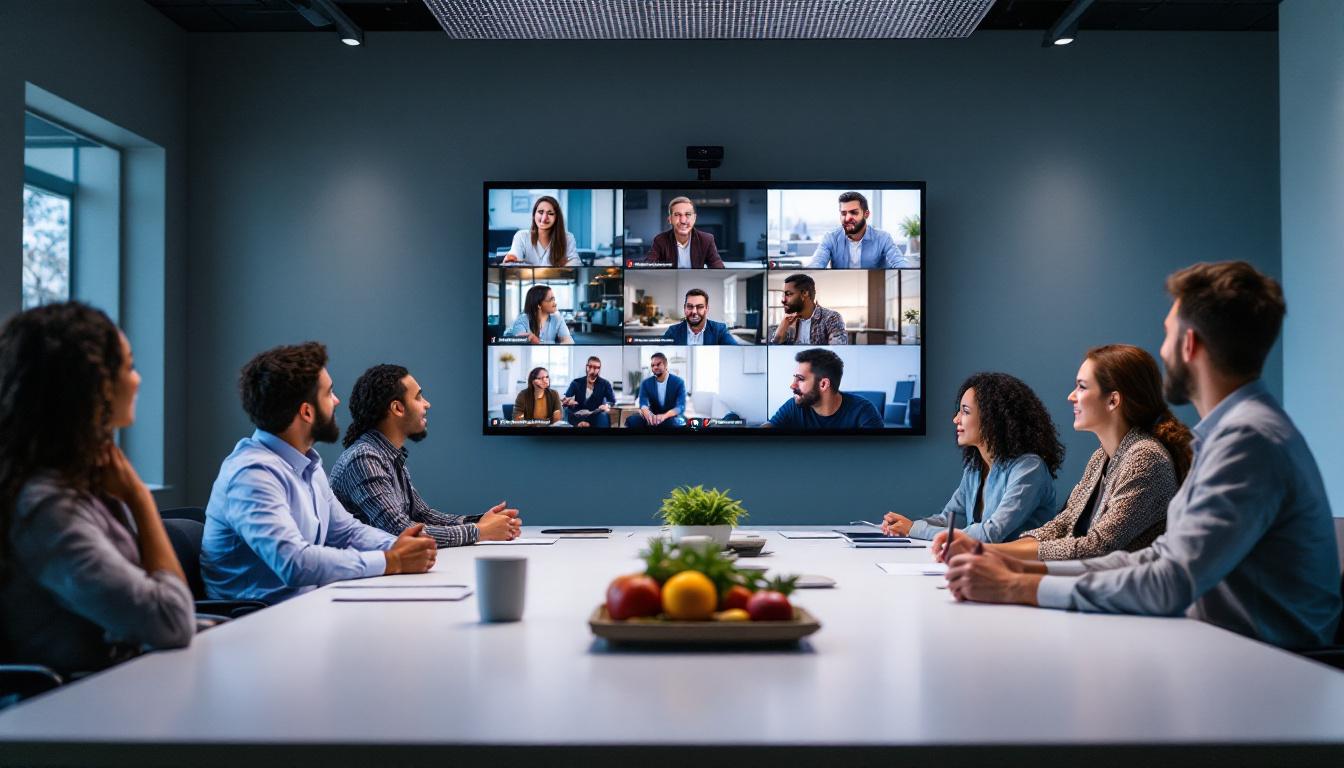
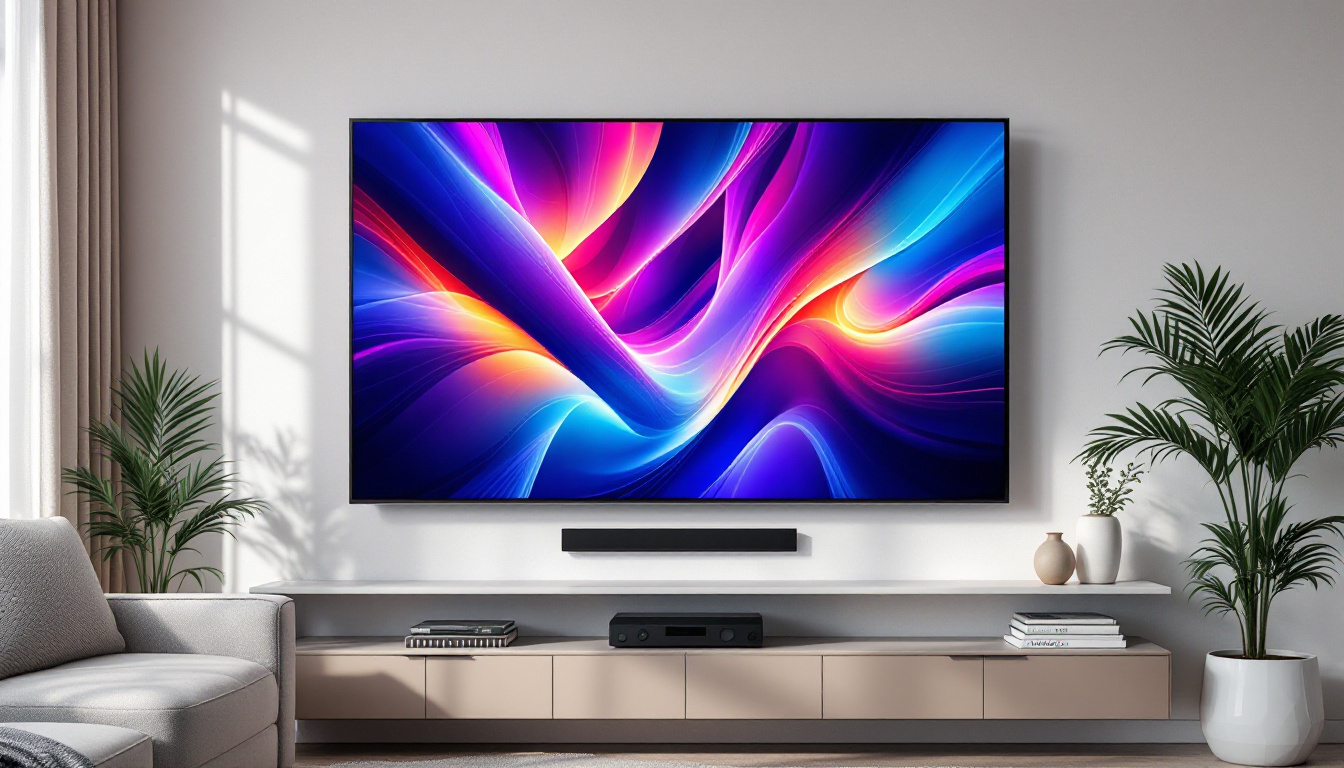
In corporate settings, LED displays are increasingly used for presentations, video conferencing, and digital whiteboards. Their brightness and clarity improve communication and collaboration, especially in large meeting rooms or auditoriums.
Educational institutions also benefit from LED displays by creating engaging learning environments. Interactive LED walls can display multimedia content, support remote learning, and facilitate group activities, enhancing the overall educational experience.
Retail and Hospitality
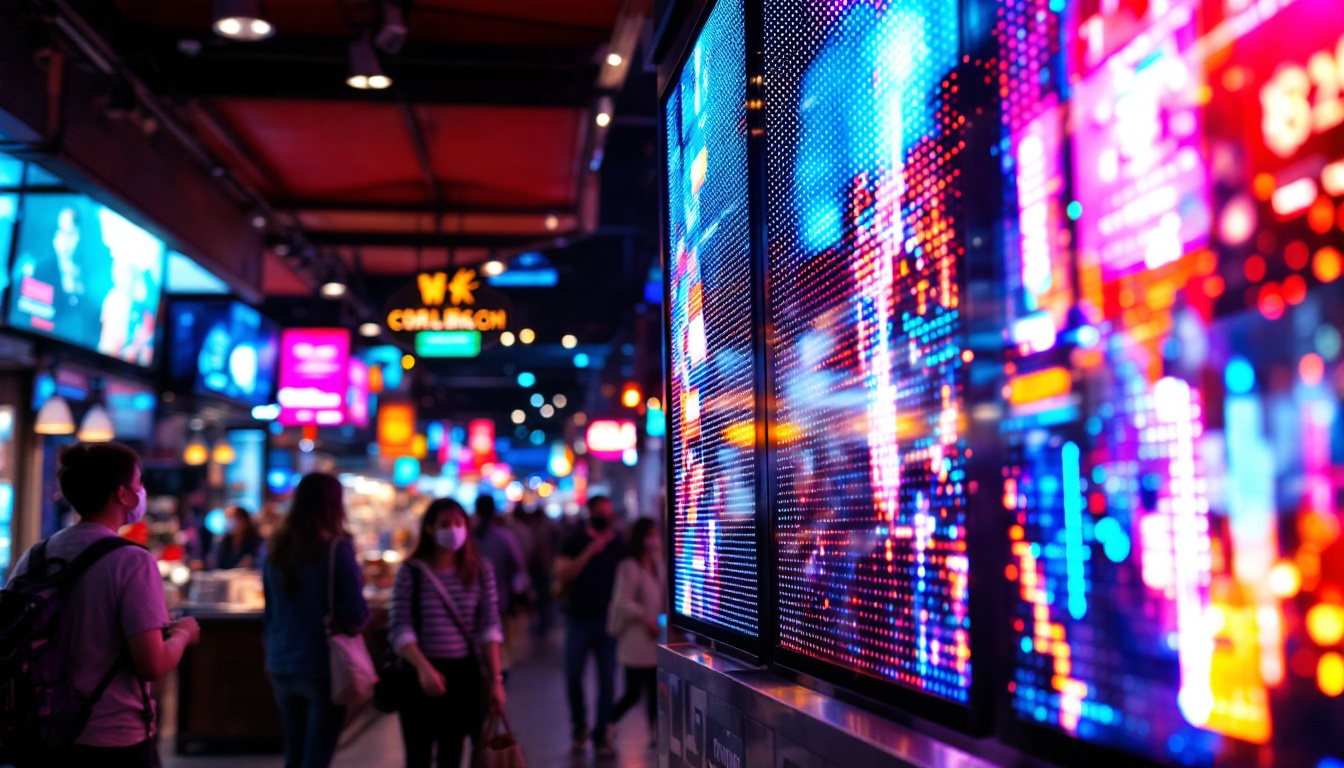
Retailers use LED displays to attract customers and enhance in-store experiences. Dynamic product showcases, promotional videos, and wayfinding solutions help increase foot traffic and sales.
Similarly, the hospitality industry incorporates LED media projection in lobbies, restaurants, and event spaces to create ambiance and deliver information efficiently. The adaptability of LED displays allows for seamless integration into diverse interior designs.
Future Trends and Innovations in LED Media Projection
Advancements in MicroLED and MiniLED
MicroLED technology, characterized by microscopic LEDs, promises to push the boundaries of resolution, brightness, and energy efficiency. Although still in the early stages of commercial adoption, MicroLED displays are expected to become mainstream in the coming years, offering superior image quality for media projection.
MiniLED, a related technology, uses smaller LEDs to enhance backlighting in LCD displays, improving contrast and color accuracy. This hybrid approach is gaining traction in high-end monitors and televisions, bridging the gap between traditional LED and emerging MicroLED solutions.
Integration with Augmented Reality (AR) and Virtual Reality (VR)
As AR and VR technologies mature, LED displays are playing a crucial role in delivering immersive media experiences. Large-scale LED walls combined with spatial computing enable mixed reality environments for training, entertainment, and marketing.
For instance, LED projection mapping on physical surfaces can create interactive AR experiences that blend digital content with the real world, opening new avenues for storytelling and user engagement.
Energy Efficiency and Sustainability
With increasing emphasis on sustainability, LED displays are being designed to consume less power while maintaining high performance. Innovations in LED materials and driving electronics contribute to reduced energy consumption, making LED media projection a greener choice compared to traditional projection systems.
Furthermore, the long lifespan and recyclability of LED components align with circular economy principles, supporting environmental responsibility in the media and advertising industries.
Choosing the Right LED Display for Your Media Projection Needs
Assessing Viewing Distance and Resolution
When selecting an LED display, understanding the intended viewing distance is critical. Pixel pitch determines the resolution and clarity of the image; smaller pixel pitches are ideal for close-up viewing, while larger pitches suffice for distant audiences.
For example, a pixel pitch of 1.5mm to 2.5mm is suitable for indoor conference rooms, whereas 6mm to 10mm or more is common for outdoor billboards viewed from hundreds of feet away.
Environmental Considerations
Outdoor LED displays must be weatherproof, with appropriate ingress protection (IP) ratings to withstand rain, dust, and temperature variations. Indoor displays focus more on brightness and color accuracy, with less stringent environmental requirements.
Additionally, factors like ambient light levels, mounting options, and power availability should be evaluated to ensure optimal performance and longevity.
Content Management and Connectivity
Modern LED displays often come with integrated content management systems (CMS) that allow users to schedule, update, and control media remotely. Compatibility with various input sources, such as HDMI, DisplayPort, and wireless streaming, enhances flexibility.
Choosing a display with robust connectivity options ensures seamless integration into existing AV infrastructure and simplifies content delivery workflows.
Conclusion
LED display technology has fundamentally reshaped media projection by offering brighter, more vibrant, and versatile solutions compared to traditional projectors. Its applications span entertainment, advertising, corporate communication, education, retail, and beyond, reflecting its adaptability and impact.
As innovations like MicroLED and integration with AR/VR continue to evolve, LED displays will play an even more central role in delivering immersive and engaging media experiences. For businesses and organizations looking to invest in media projection, understanding the capabilities and considerations of LED displays is essential to making informed decisions that maximize audience engagement and return on investment.
Explore Cutting-Edge LED Display Solutions with LumenMatrix
Ready to elevate your media projection capabilities? Discover LumenMatrix’s innovative range of LED display modules, designed to bring your visual communication to life. Whether you’re looking for an Indoor LED Wall Display, a vibrant Outdoor LED Wall Display, or specialized solutions like Vehicle LED Displays, LED Sports Displays, or Custom LED Displays, LumenMatrix has the technology to transform your space. Experience the future of immersive visual experiences with our All-in-One LED Display and LED Transparent Display options. Join the visual revolution and check out LumenMatrix LED Display Solutions today to captivate your audience and amplify your message with unparalleled clarity and impact.