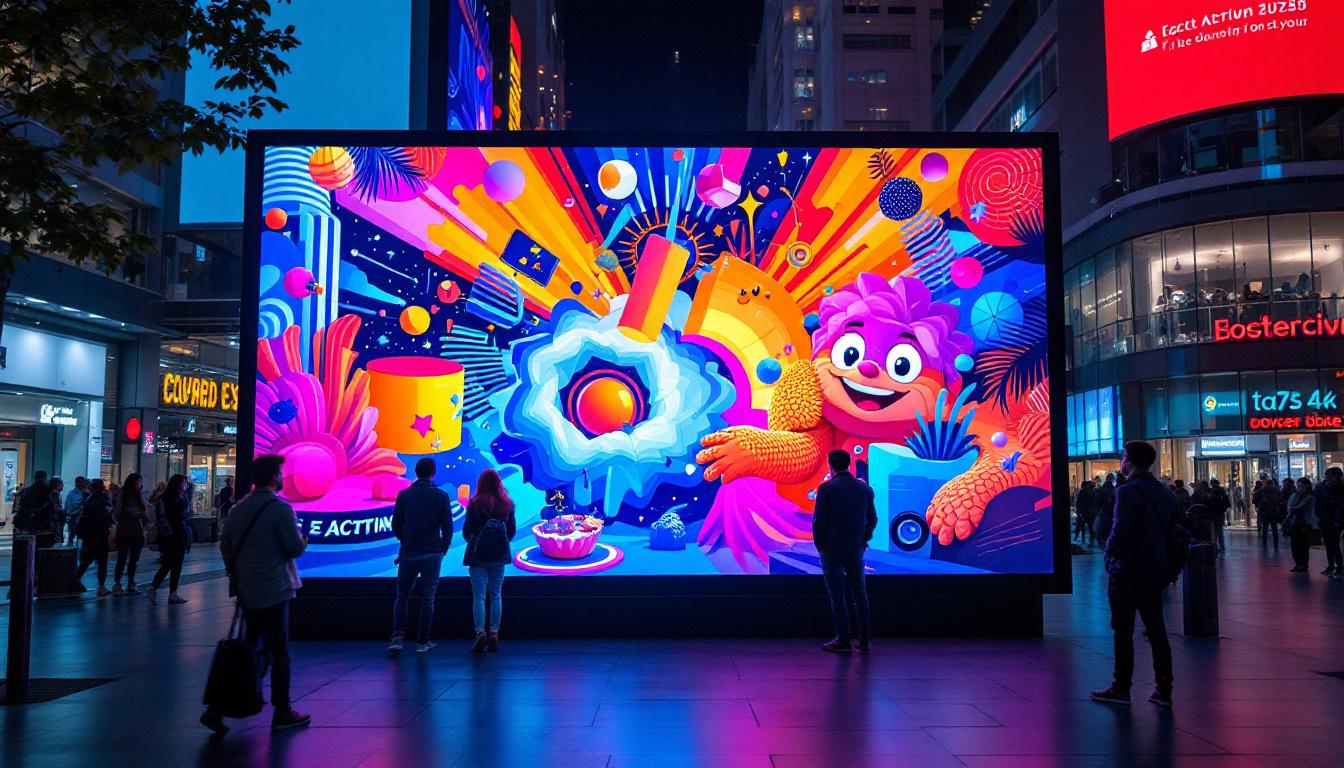
In today’s fast-paced digital world, grabbing attention is more challenging than ever. Display advertising boards, particularly those using LED technology, have become a cornerstone of outdoor and indoor advertising strategies. This article delves into the intricacies of LED display advertising boards, exploring their technology, applications, benefits, and future trends. Whether you are a marketer, business owner, or technology enthusiast, understanding LED displays is essential for making informed decisions in the advertising landscape.
What is an LED Display Advertising Board?
LED (Light Emitting Diode) display advertising boards are digital screens that use LED technology to present bright, dynamic, and visually appealing advertisements. Unlike traditional static billboards, LED displays can show moving images, videos, and changing messages, making them highly versatile for various advertising needs. This adaptability allows businesses to engage their audience more effectively, capturing attention in a way that static displays simply cannot. As a result, LED advertising boards have become increasingly popular in urban areas, where competition for consumer attention is fierce.
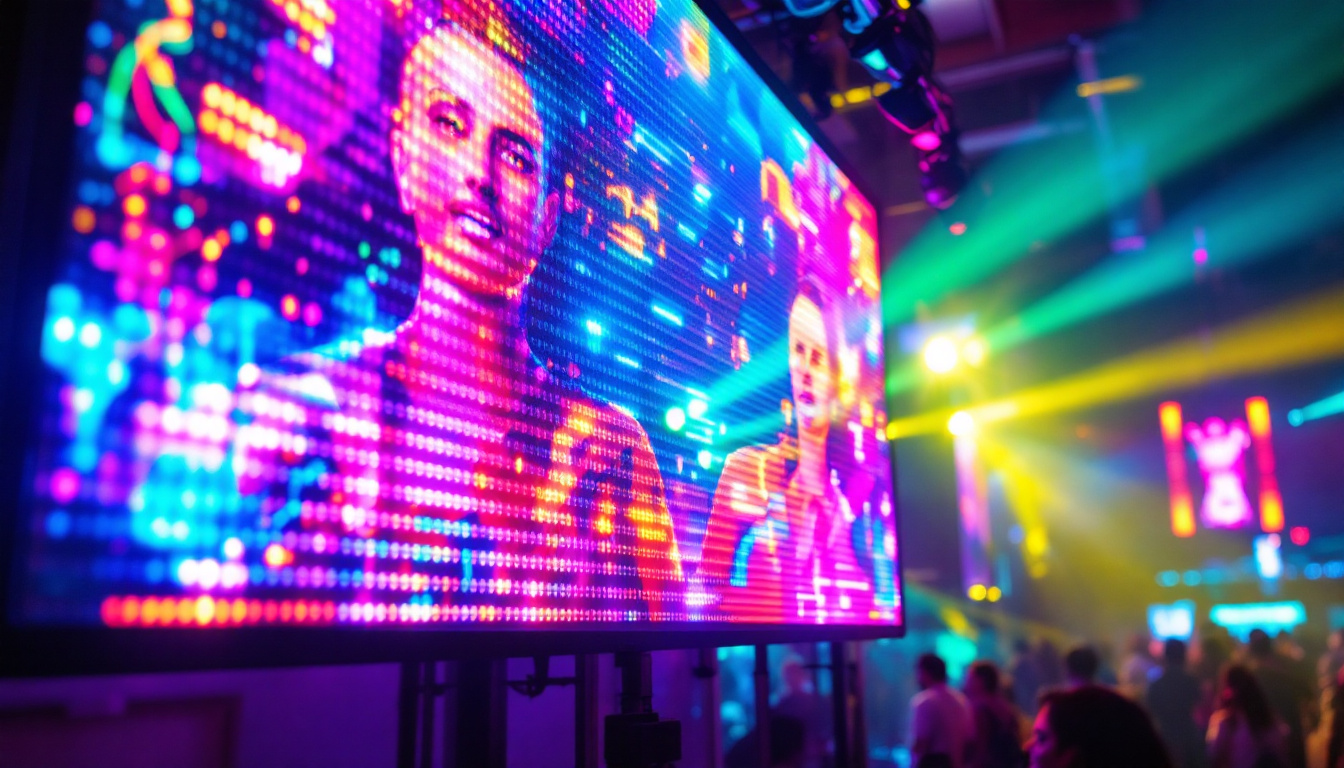
LED displays consist of numerous tiny LEDs arranged in a grid. Each LED acts as a pixel that emits light when an electric current passes through it. By controlling the intensity and color of each LED, the display can produce vivid images and videos visible even in bright daylight. This capability not only enhances visibility but also allows advertisers to tailor their content to different times of day, adjusting brightness and contrast to ensure optimal viewing conditions. Furthermore, the energy efficiency of LED technology means that these displays can operate at a lower cost compared to traditional lighting systems, making them an environmentally friendly choice.
How LED Technology Works
At the core of LED display technology is the semiconductor diode that emits light when energized. Modern LED displays use RGB (red, green, blue) LEDs to create a full spectrum of colors. By combining these three colors at varying intensities, the display can reproduce millions of colors, enabling high-definition visuals. This color mixing capability is not just a technical marvel; it allows for creative storytelling through advertisements, as brands can use vibrant visuals to evoke emotions and create memorable experiences for viewers.
LED displays are categorized based on pixel pitch—the distance between individual LEDs. A smaller pixel pitch means higher resolution and sharper images, which is crucial for close-range viewing environments like retail stores. Larger pixel pitches are more cost-effective for large outdoor billboards where viewers are farther away. Additionally, advancements in LED technology have led to the development of flexible and transparent displays, opening new avenues for creative advertising solutions. These innovations enable brands to integrate LED displays into various environments, from storefront windows to event stages, thus enhancing the overall aesthetic and engagement of the space while delivering impactful messages to their audience.
Types of LED Display Advertising Boards
LED advertising boards come in various types, each suited for different environments and advertising goals. Understanding these types helps businesses select the right solution for their needs.
Outdoor LED Displays
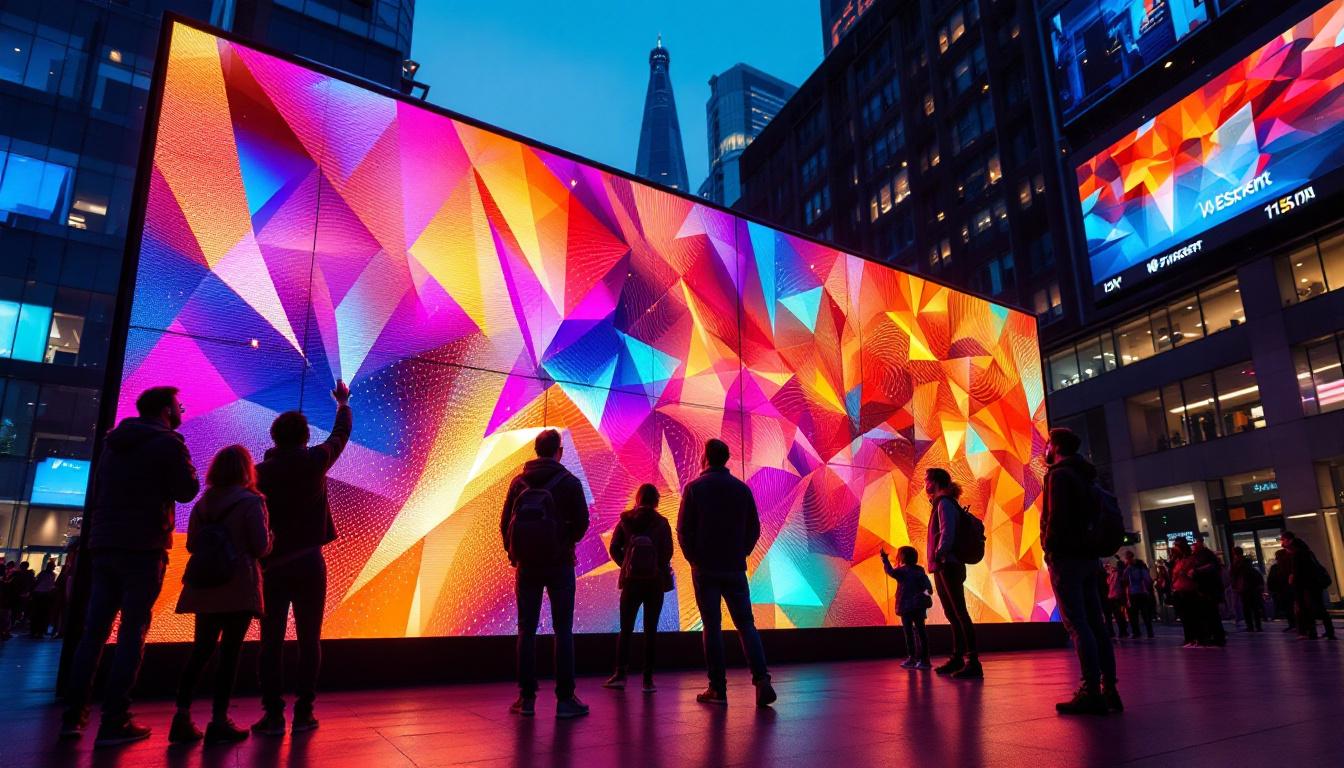
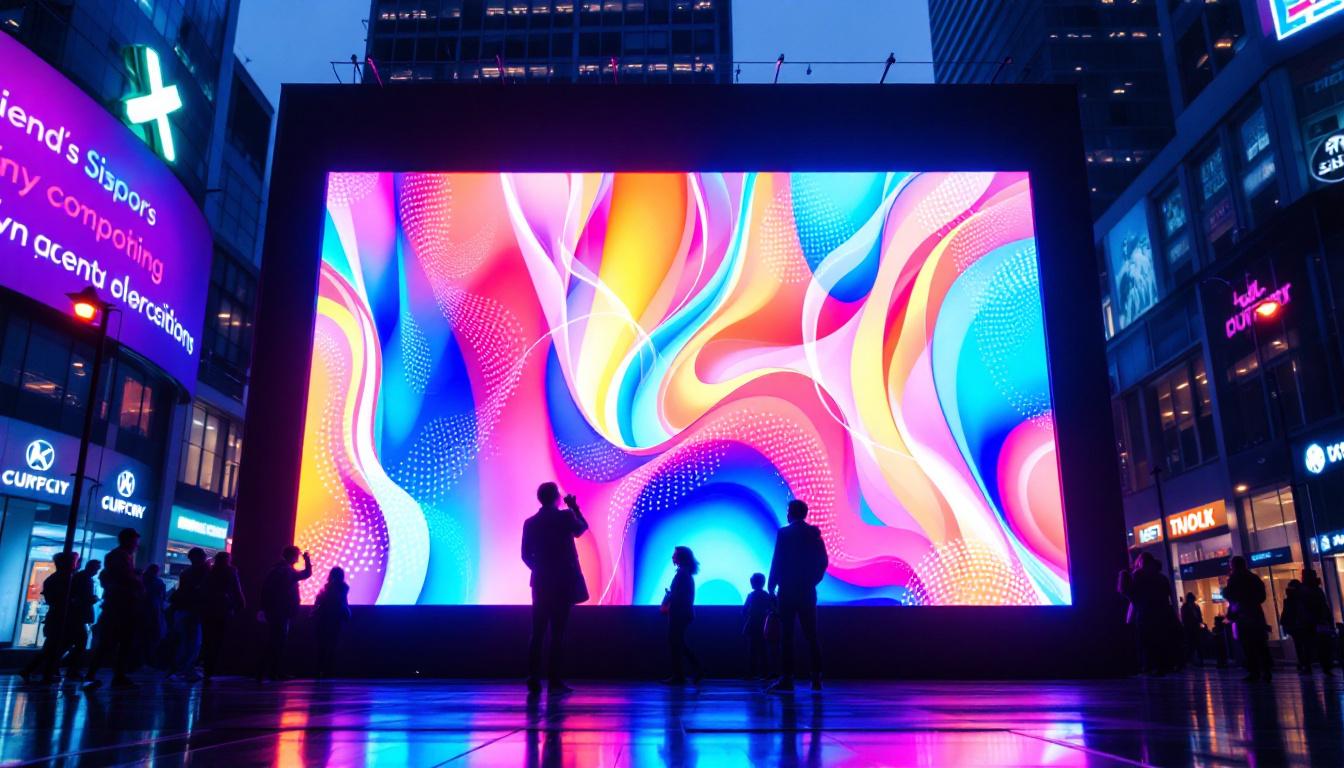
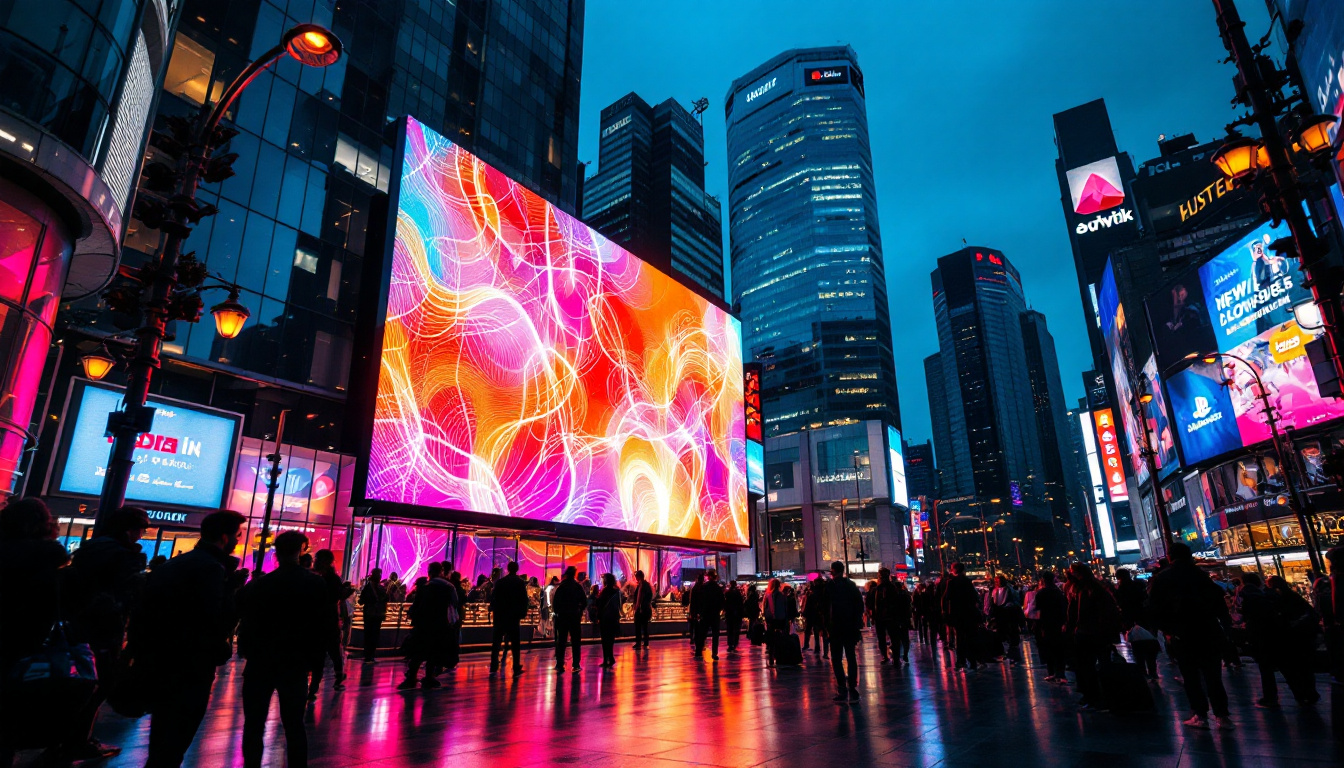
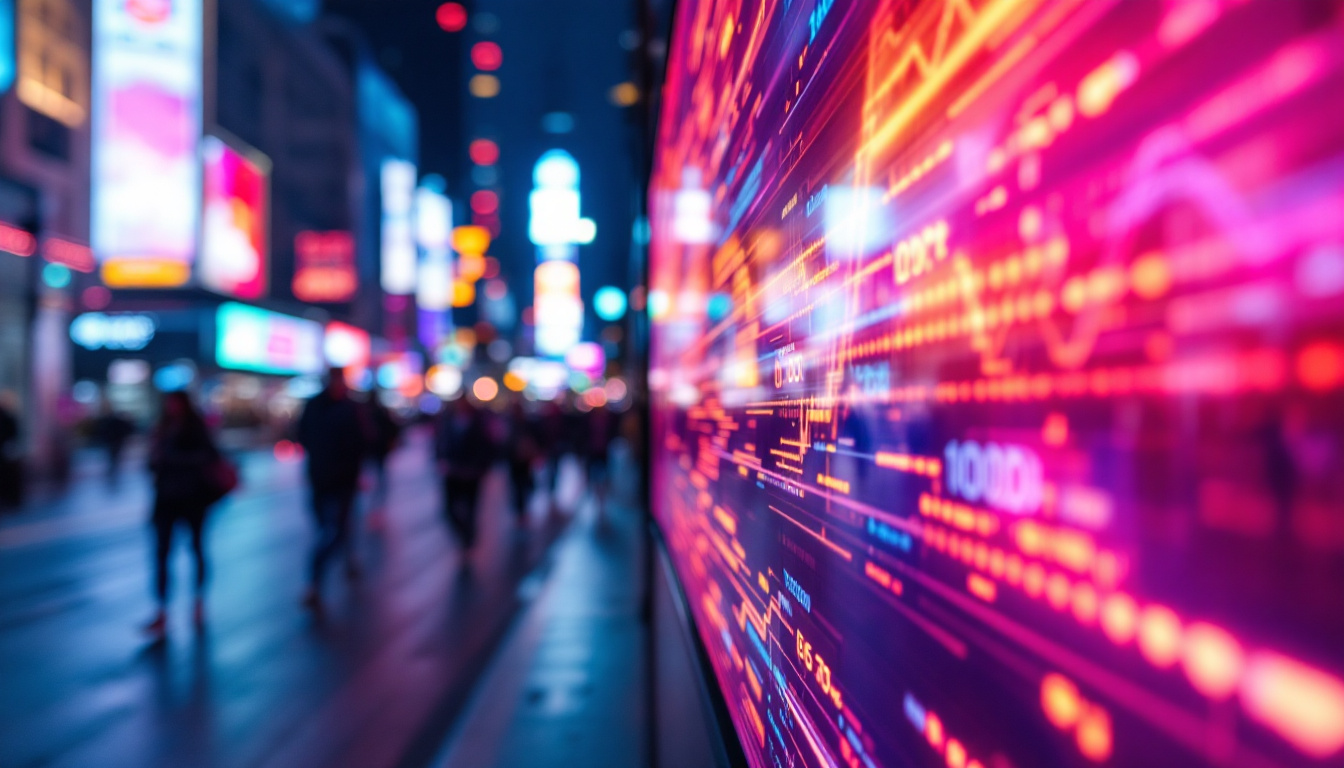
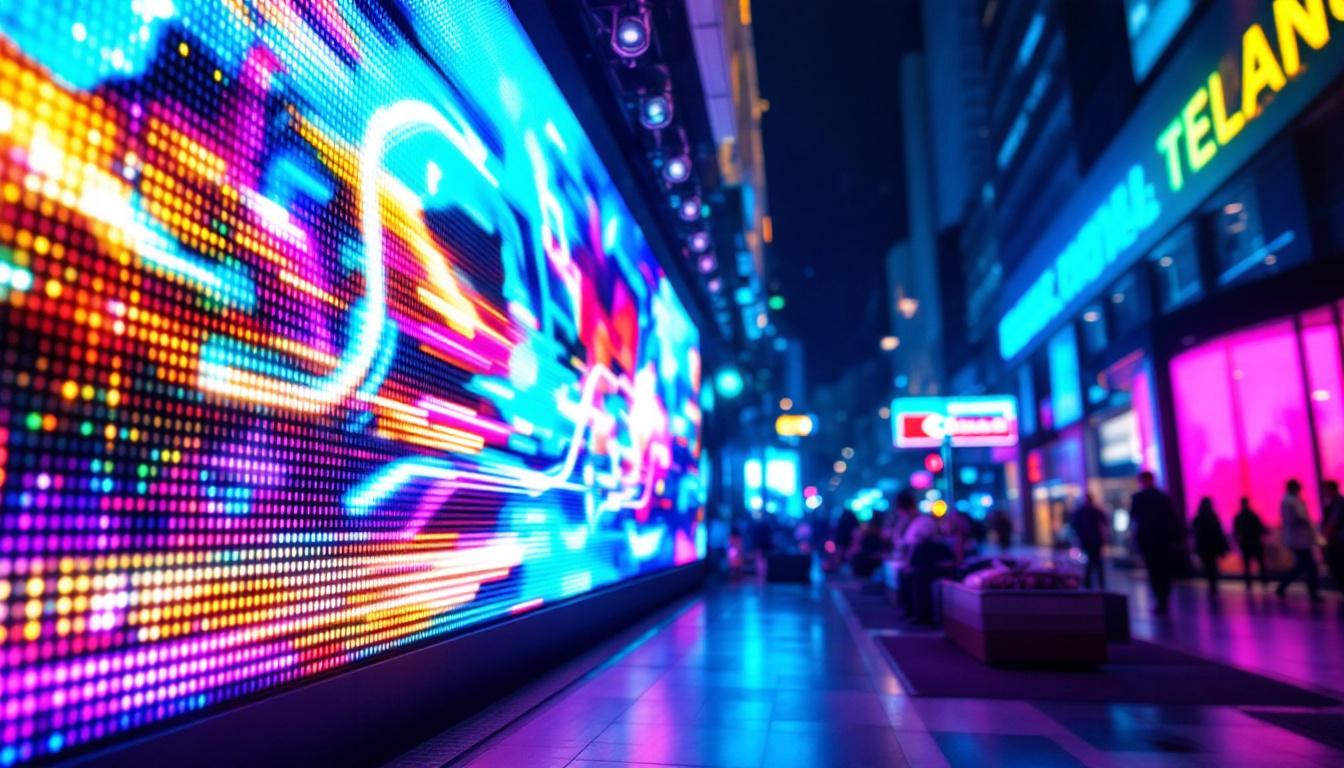
Outdoor LED displays are designed to withstand harsh weather conditions, including rain, wind, and sunlight. These displays are typically larger with higher brightness levels—often exceeding 5,000 nits—to ensure visibility in direct sunlight. They are commonly used for roadside billboards, stadium advertising, and building facades.
For example, Times Square in New York City is famous for its massive outdoor LED displays, which deliver vibrant advertisements 24/7 to millions of pedestrians and drivers.
Indoor LED Displays
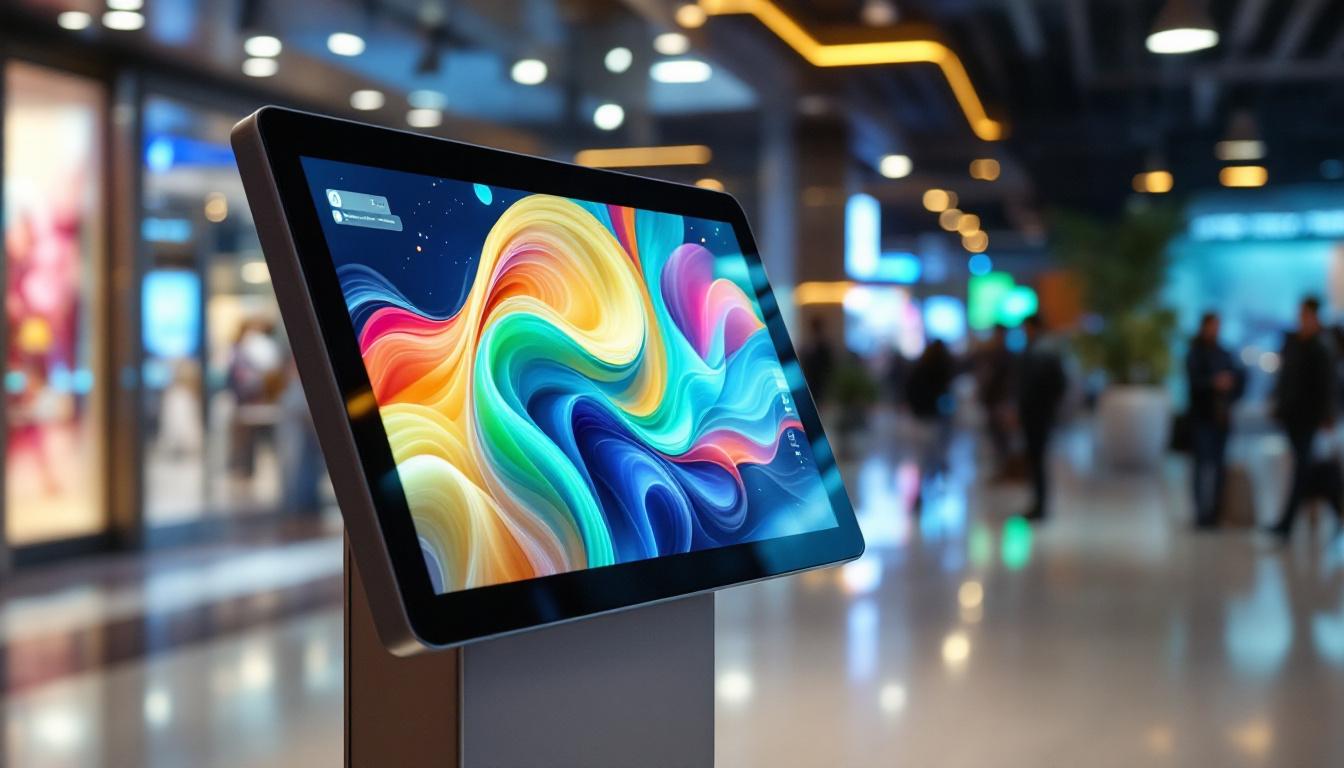
Indoor LED displays are optimized for environments such as shopping malls, airports, conference centers, and retail stores. They usually have a smaller pixel pitch for sharper images at close viewing distances and lower brightness levels compared to outdoor displays.
Indoor LED boards are ideal for interactive advertising, digital signage, and event promotions. Their ability to display dynamic content helps businesses engage customers more effectively than static posters.
Transparent LED Displays
Transparent LED displays are a relatively new innovation that allows light to pass through the screen, making them perfect for glass windows and storefronts. These displays blend advertising with architectural aesthetics, enabling businesses to maintain natural lighting while showcasing digital content.
Retailers and corporate offices use transparent LED displays to attract attention without blocking views, creating a futuristic and elegant advertising solution.
Benefits of Using LED Display Advertising Boards
LED display advertising boards offer numerous advantages over traditional advertising methods, making them a preferred choice for many businesses worldwide.
High Visibility and Brightness
One of the primary benefits of LED displays is their exceptional brightness, which can reach up to 10,000 nits in some models. This high brightness ensures that advertisements are visible even under direct sunlight, increasing the likelihood of capturing the audience’s attention.
Studies show that digital billboards can increase brand recall by up to 47% compared to static billboards, largely due to their eye-catching visuals and motion capabilities.
Dynamic and Flexible Content
Unlike static billboards, LED displays allow advertisers to change content remotely and instantly. This flexibility enables real-time updates, targeted messaging, and the ability to run multiple ads on the same screen. For example, a restaurant can display breakfast menus in the morning and switch to dinner specials in the evening without any physical changes.
This dynamic content capability also supports interactive campaigns, countdowns, and social media integrations, enhancing customer engagement.
Cost-Effectiveness Over Time
While the initial investment in LED display boards may be higher than traditional billboards, the long-term benefits often outweigh the costs. LED displays reduce printing and installation expenses associated with static ads. Additionally, their energy efficiency and long lifespan—often exceeding 100,000 hours—translate to lower operational costs.
Many businesses report a significant return on investment (ROI) within the first year due to increased customer engagement and sales driven by LED advertising.
Environmental Impact
LED technology is more environmentally friendly compared to other lighting and display technologies. LEDs consume less power, reduce carbon emissions, and do not contain hazardous materials like mercury. This aligns with the growing demand for sustainable advertising solutions and corporate social responsibility initiatives.
Applications of LED Display Advertising Boards
LED display boards have diverse applications across industries, demonstrating their versatility and effectiveness in communication.
Retail and Shopping Centers
Retailers use LED displays to promote sales, new products, and brand messages inside stores or on storefronts. These displays attract foot traffic and enhance the shopping experience by providing engaging visual content.
For instance, major brands like Nike and Apple utilize large LED screens in their flagship stores to showcase product launches and immersive advertisements.
Transportation and Public Spaces
LED boards are widely used in transportation hubs such as airports, train stations, and bus terminals to provide real-time information and advertising. Their ability to combine informational content with promotional messages makes them invaluable in these high-traffic areas.
Additionally, LED billboards along highways and urban centers offer advertisers a way to reach commuters effectively.
Events and Entertainment Venues
Concerts, sports arenas, and festivals rely on LED displays for live video feeds, sponsor advertisements, and interactive fan experiences. The high resolution and brightness of LED screens ensure visibility to large audiences, enhancing the overall event atmosphere.
Corporate and Educational Institutions
Businesses and universities use LED displays for internal communication, branding, and event promotion. These boards facilitate effective messaging in lobbies, conference rooms, and auditoriums.
Key Considerations When Choosing an LED Display Advertising Board
Selecting the right LED display requires careful evaluation of several factors to ensure the investment meets business objectives.
Resolution and Pixel Pitch
The resolution and pixel pitch determine the image quality and viewing distance. For close-range viewing, such as indoor retail displays, a pixel pitch of 1.5mm to 4mm is ideal. For outdoor billboards, pixel pitches between 10mm and 20mm are common and cost-effective.
Brightness and Weather Resistance
Outdoor displays must have high brightness levels and robust weatherproofing (IP65 or higher) to withstand environmental elements. Indoor displays can have lower brightness but should still provide clear visibility under ambient lighting conditions.
Content Management System (CMS)
A user-friendly CMS allows advertisers to schedule, update, and manage content remotely. Advanced CMS platforms support real-time data integration, interactive features, and analytics, enabling more effective campaigns.
Installation and Maintenance
Consider the complexity of installation, including structural support and electrical requirements. Regular maintenance is essential to ensure optimal performance, so choosing displays with easy access for repairs and cleaning is beneficial.
Future Trends in LED Display Advertising
The LED display industry continues to evolve rapidly, driven by technological advancements and changing consumer behaviors.
Mini-LED and Micro-LED Technologies
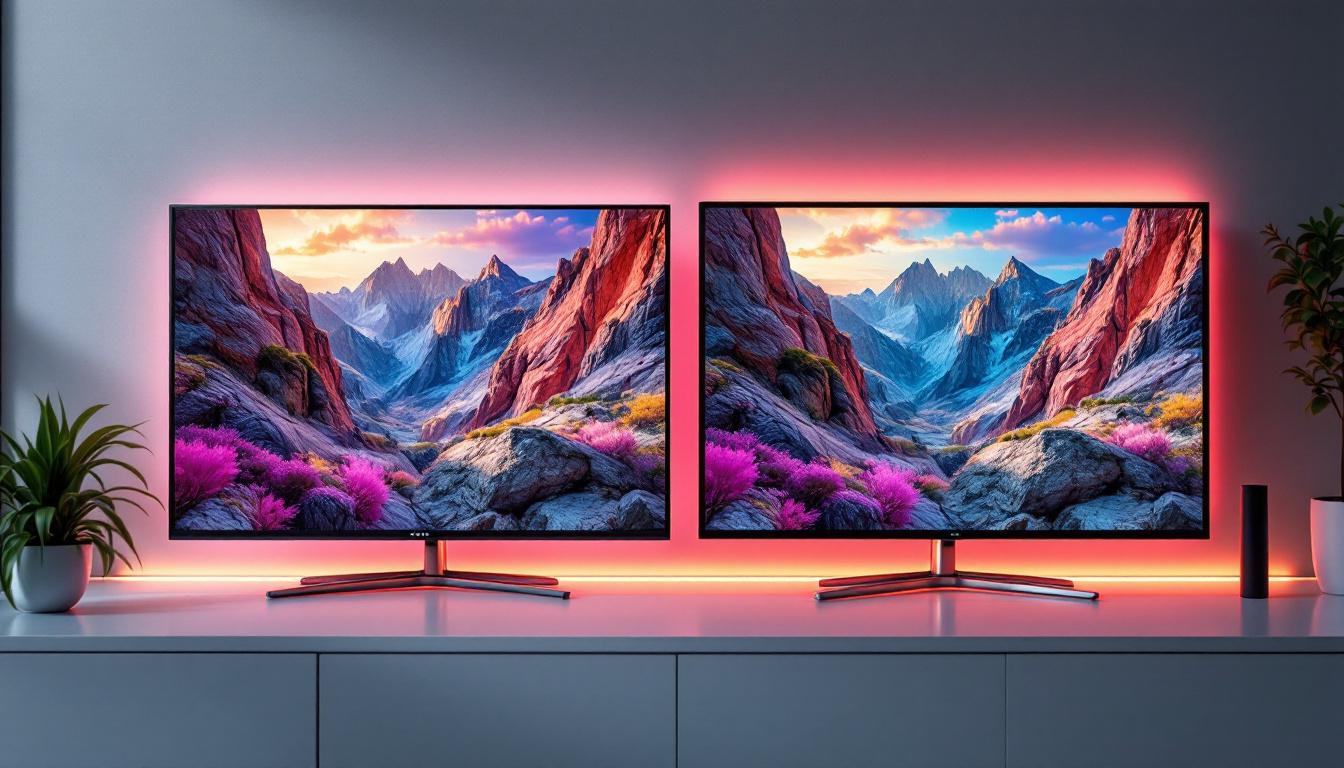
Emerging mini-LED and micro-LED technologies promise even higher resolution, better color accuracy, and improved energy efficiency. These advances will enable thinner, lighter, and more flexible displays, expanding the possibilities for advertising applications.
Integration with Artificial Intelligence (AI)
AI-powered LED displays can analyze audience demographics, weather, and traffic patterns to deliver personalized and contextually relevant advertisements. This level of targeting enhances engagement and maximizes advertising effectiveness.
Augmented Reality (AR) and Interactive Displays
Combining LED displays with AR and interactive technologies will create immersive advertising experiences. Consumers may interact with digital content through gestures or mobile devices, blurring the lines between physical and digital advertising.
Sustainability and Energy Efficiency
As environmental concerns grow, LED display manufacturers are focusing on reducing energy consumption and using recyclable materials. Solar-powered LED billboards and smart energy management systems are gaining traction as sustainable advertising solutions.
Conclusion
LED display advertising boards represent a powerful medium for businesses to communicate with audiences in a visually compelling and flexible manner. Their ability to deliver high-impact, dynamic content in diverse environments makes them indispensable in modern advertising strategies.
By understanding the technology, types, benefits, and future trends of LED displays, advertisers can make informed decisions that enhance brand visibility, engagement, and ROI. As LED technology continues to advance, it will undoubtedly play an even more significant role in shaping the future of advertising.
Explore Cutting-Edge LED Display Solutions with LumenMatrix
Ready to elevate your advertising strategy with high-impact, dynamic LED displays? Discover how LumenMatrix’s innovative LED display technology can transform your brand’s visibility and audience engagement. From Indoor and Outdoor LED Wall Displays to specialized solutions like Vehicle, Sports, and Floor LED Displays, LumenMatrix offers a wide range of customizable options to captivate your audience. Embrace the future of visual communication with our All-in-One and Transparent LED Displays. Check out LumenMatrix LED Display Solutions today and start creating unforgettable visual experiences.