Best TV Screen Technology: LED Display Explained
Choosing the right TV screen technology can be a daunting task, especially with the rapid advancements in display innovations. Among the various options available today, LED displays have become the dominant technology in the television market. But what exactly makes LED display technology stand out? This comprehensive guide dives deep into the world of LED TVs, explaining their technology, benefits, and how they compare to other screen types. Whether you’re a casual viewer or a tech enthusiast, understanding LED display technology will help you make an informed decision for your next TV purchase.
Understanding LED Display Technology
What is an LED TV?
LED TVs are essentially LCD (Liquid Crystal Display) TVs that use Light Emitting Diodes (LEDs) as their backlight source instead of the traditional cold cathode fluorescent lamps (CCFLs). This shift in backlighting technology has been pivotal in enhancing picture quality, energy efficiency, and design flexibility.
Unlike OLED or plasma displays, LED TVs rely on a liquid crystal layer to modulate light and create images. The LEDs provide the illumination behind this layer, allowing for brighter screens and improved color accuracy. This combination has made LED TVs the most popular choice among consumers worldwide. The advancements in LED technology have not only improved the viewing experience but have also led to a significant reduction in energy consumption, making them an environmentally friendly option compared to older technologies.
Types of LED Backlighting
LED TVs come with various backlighting configurations, each influencing picture quality and price:
- Edge-Lit LED: LEDs are placed along the edges of the screen, and light is spread across the display using light guides. This design allows for ultra-thin TVs but can sometimes lead to uneven brightness or “clouding” effects.
- Direct-Lit LED: LEDs are positioned directly behind the LCD panel, providing more uniform lighting. While thicker than edge-lit models, direct-lit TVs typically offer better contrast and brightness consistency.
- Full-Array LED with Local Dimming: This premium setup uses a grid of LEDs behind the screen, which can be dimmed or brightened independently. This capability enhances contrast ratios significantly, producing deeper blacks and more vibrant colors.
In addition to these backlighting types, many manufacturers have begun to incorporate advanced technologies such as Quantum Dot and HDR (High Dynamic Range) into their LED TVs. Quantum Dot technology enhances color reproduction by using tiny semiconductor particles that emit specific colors when illuminated by the LED backlight. This results in a wider color gamut and more lifelike images. HDR, on the other hand, allows for a greater range of brightness levels, ensuring that both the darkest shadows and the brightest highlights are displayed with incredible detail. Together, these innovations are pushing the boundaries of what LED TVs can achieve, making them even more appealing to consumers who seek high-quality visual experiences.
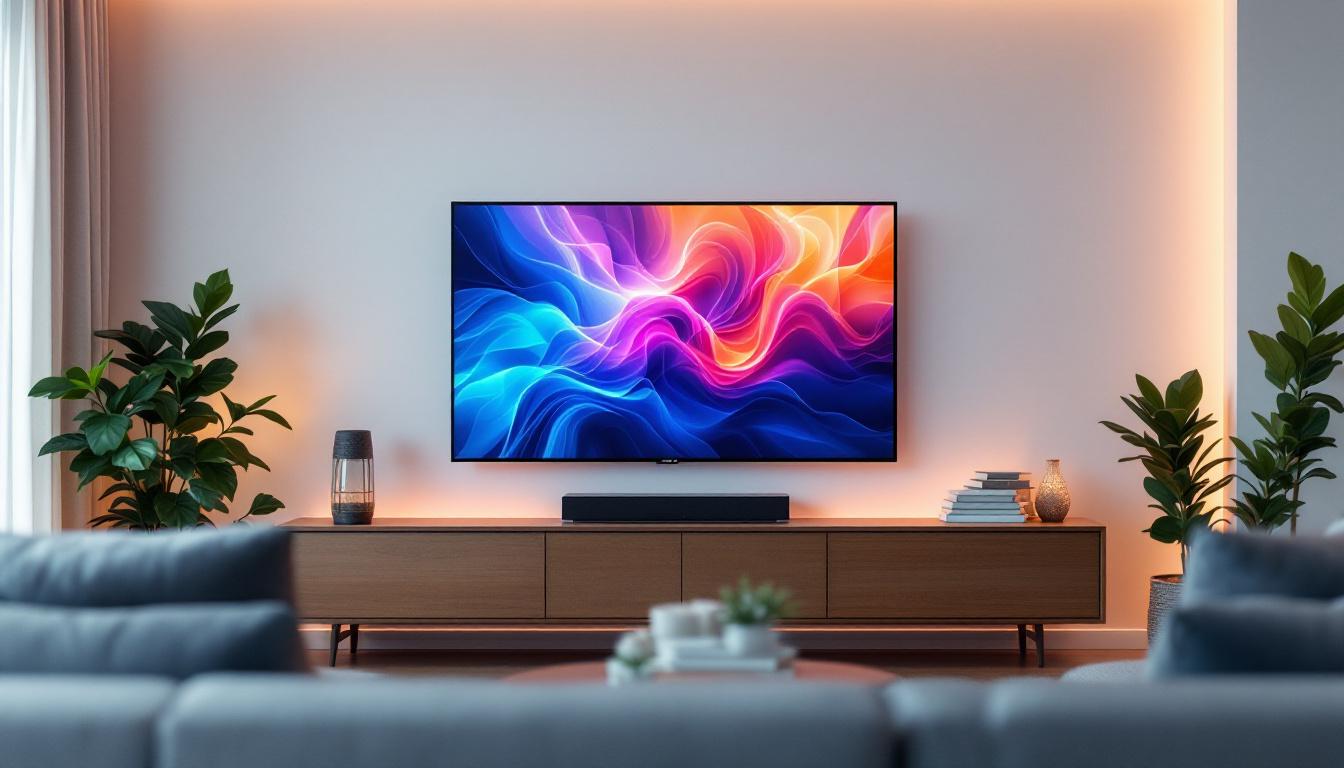
Furthermore, the design of LED TVs has evolved significantly over the years. With the advent of ultra-slim models and bezel-less displays, manufacturers are not only focusing on picture quality but also on aesthetics. Many LED TVs now feature sleek designs that can seamlessly integrate into modern living spaces, enhancing the overall decor. Additionally, smart TV functionalities have become standard, allowing users to stream content, browse the internet, and access various applications directly from their televisions. This convergence of technology and design has made LED TVs a central hub for entertainment in many households.
Advantages of LED TVs Over Other Technologies
Energy Efficiency and Longevity
One of the key benefits of LED TVs is their energy efficiency. Compared to older CCFL-backlit LCD TVs and plasma screens, LED TVs consume significantly less power. According to the U.S. Department of Energy, LED TVs can use up to 40-50% less energy than plasma TVs of similar size, making them more environmentally friendly and cost-effective over time.
Additionally, LEDs have a longer lifespan, often rated at 60,000 to 100,000 hours of use. This durability means that LED TVs can provide years of reliable performance without significant degradation in picture quality. The reduced need for frequent replacements not only saves money but also minimizes electronic waste, contributing to a more sustainable environment. Furthermore, many LED TVs come equipped with energy-saving modes and features that automatically adjust brightness based on ambient light, further enhancing their energy efficiency.
Superior Brightness and Color Accuracy
LED backlighting enables TVs to achieve higher brightness levels compared to other technologies. This is particularly beneficial for viewing in well-lit rooms or during daylight hours. High dynamic range (HDR) content, which requires bright highlights and deep shadows, is displayed more effectively on LED TVs with full-array local dimming.
Moreover, advancements in LED technology, such as quantum dot enhancement, have further improved color accuracy and gamut. Quantum dot LED TVs (often branded as QLED) use semiconductor nanocrystals to produce purer colors, resulting in more lifelike images. This technology allows for a broader color spectrum, enabling viewers to experience a more immersive visual experience. Additionally, the ability of LED TVs to maintain color accuracy at various viewing angles makes them ideal for family gatherings or movie nights, where multiple viewers might be seated at different positions in the room.
Thin and Lightweight Designs
The compact nature of LEDs allows manufacturers to design thinner and lighter TVs. Edge-lit LED TVs, in particular, have enabled ultra-slim profiles that fit seamlessly into modern living spaces. This aesthetic advantage makes LED TVs a popular choice for consumers who value sleek, minimalist designs. The lightweight construction also simplifies wall mounting, allowing for more flexible placement options in homes.
Beyond aesthetics, the thin design of LED TVs often incorporates advanced features such as built-in smart technology, allowing users to access streaming services and apps directly from their television. This integration of technology not only enhances the viewing experience but also reduces the clutter of additional devices and cables. As a result, LED TVs are not just a visual centerpiece; they also serve as a hub for entertainment, making them a practical choice for the contemporary home.
Comparing LED TVs with OLED and Other Display Technologies
LED vs. OLED
Organic Light Emitting Diode (OLED) technology differs fundamentally from LED TVs. OLED pixels emit their own light, allowing for perfect black levels and superior contrast since individual pixels can be turned off completely. This results in exceptional picture quality, especially in dark scenes.
However, OLED TVs tend to be more expensive and can suffer from issues like burn-in, where static images leave a permanent mark on the screen. LED TVs, particularly those with full-array local dimming, have narrowed the gap in black levels and contrast, offering a more affordable alternative with less risk of burn-in.
LED vs. QLED
QLED is a marketing term used by some manufacturers to describe LED TVs enhanced with quantum dot technology. These TVs offer brighter images and a wider color gamut than standard LED TVs. While QLEDs still use LED backlighting, their improved color performance makes them a compelling choice for viewers seeking vibrant visuals.
LED vs. Plasma and LCD
Plasma TVs, once popular for their excellent color reproduction and wide viewing angles, have largely been phased out due to higher power consumption and weight. Traditional LCD TVs with CCFL backlighting have been replaced by LED models, which offer better brightness, energy efficiency, and thinner designs.
Key Features to Consider When Buying an LED TV
Resolution and Screen Size
Resolution plays a crucial role in picture clarity. Most modern LED TVs support 4K Ultra HD (3840×2160 pixels), delivering four times the detail of Full HD. For larger screen sizes (above 50 inches), 4K resolution is highly recommended to maintain sharpness at typical viewing distances.
Screen size should be chosen based on room dimensions and viewing distance. A general guideline is to sit at a distance approximately 1.5 to 2.5 times the diagonal screen size for optimal viewing comfort.
Refresh Rate and Motion Handling
A higher refresh rate (measured in Hertz, Hz) allows for smoother motion, which is particularly important for sports, gaming, and action movies. Most LED TVs offer native refresh rates of 60Hz or 120Hz, with some models using motion interpolation to simulate higher rates.
Smart TV Capabilities
Modern LED TVs often come equipped with smart features, including built-in apps for streaming services, voice control, and compatibility with smart home ecosystems. When purchasing an LED TV, consider the operating system and app availability to ensure it meets your entertainment needs.
Connectivity Options
Multiple HDMI ports, USB inputs, and support for wireless connections like Wi-Fi and Bluetooth are essential for connecting external devices such as gaming consoles, soundbars, and media players. Look for HDMI 2.1 ports if you plan to use next-generation gaming consoles or want support for features like 4K at 120Hz.
Future Trends in LED Display Technology
Mini-LED and Micro-LED Innovations
Mini-LED technology uses thousands of tiny LEDs for backlighting, allowing for more precise local dimming zones and improved contrast. This technology bridges the gap between traditional LED and OLED displays, offering better black levels and brightness without the risk of burn-in.
Micro-LED, still in early stages of commercial availability, features self-emissive LEDs similar to OLED but with higher brightness and longevity. This technology promises the ultimate combination of picture quality and durability, potentially revolutionizing the TV market in the coming years.
Enhanced HDR and Color Technologies
HDR standards continue to evolve, with formats like Dolby Vision IQ and HDR10+ Adaptive adjusting picture settings based on ambient lighting conditions. Coupled with quantum dot enhancements and wider color gamuts, LED TVs are becoming increasingly capable of delivering cinema-quality visuals at home.
Conclusion: Why LED Displays Remain the Best Choice for Most Consumers
LED display technology has matured into a versatile and reliable solution for home entertainment. Its balance of affordability, picture quality, energy efficiency, and design flexibility makes it the best choice for the majority of consumers today. While OLED and emerging technologies offer impressive advantages, LED TVs continue to innovate and improve, ensuring they remain a dominant force in the television market.
When selecting a TV, understanding the nuances of LED technology—from backlighting types to advanced features—empowers buyers to find a model that fits their viewing preferences and budget. As LED displays evolve with innovations like Mini-LED and quantum dots, their appeal and performance are set to grow even further, promising an exciting future for TV enthusiasts worldwide.
Discover the Future of Visual Experience with LumenMatrix
Ready to elevate your home entertainment or enhance your brand’s visibility with the latest in LED display technology? Look no further than LumenMatrix, a leader in innovative LED solutions. From the comfort of your living room to the bustling streets outside, LumenMatrix offers a diverse range of products including Indoor and Outdoor LED Wall Displays, Vehicle LED Displays, and even Custom LED solutions tailored to your needs. Experience the revolution in visual communication and join the myriad of businesses already showcasing their messages with unparalleled impact. Check out LumenMatrix LED Display Solutions today and be part of the future of digital signage and display technology.