In the world of digital displays, LED technology has revolutionized how information and visuals are presented across various industries. Among the many types of LED screens, the “LED Screen White” stands out for its unique applications and characteristics. This article delves into the intricacies of LED screen white technology, exploring what it is, how it works, and why it matters in today’s visual communication landscape.
Understanding LED Screen White: What Is It?
At its core, an LED screen is a flat panel display that uses light-emitting diodes (LEDs) as pixels to create images. The term “LED Screen White” refers specifically to LED displays that predominantly use white LEDs or are designed to produce bright white light as a key feature of their output.
Unlike traditional RGB LED displays, which combine red, green, and blue diodes to produce a full spectrum of colors, white LED screens focus on delivering high-intensity white light. This can be achieved either by using white LEDs directly or by blending RGB LEDs in a way that yields a white output. The result is a display that excels in brightness, clarity, and visibility, especially in environments where white light is essential.
Types of White LEDs Used in Displays
White LEDs come in several varieties, including phosphor-converted white LEDs and RGB-mixed white LEDs. Phosphor-converted white LEDs use a blue LED chip coated with a phosphor material that converts blue light into a broad spectrum of white light. This method is widely used due to its efficiency and brightness.
On the other hand, RGB-mixed white LEDs combine red, green, and blue LEDs at varying intensities to create white light. This approach allows for more precise color tuning but can be more complex and less energy-efficient than phosphor-converted LEDs.
Moreover, the choice of white LED technology can significantly impact the overall performance of the display. For instance, phosphor-converted LEDs tend to have a longer lifespan and better thermal management, making them ideal for applications requiring continuous operation, such as digital signage and outdoor displays. Conversely, RGB-mixed white LEDs might be preferred in artistic installations or environments where color accuracy and dynamic range are paramount, allowing for a broader palette of colors to be displayed when needed.
In addition to their technical specifications, the application of white LED screens is vast and varied. From large-scale billboards illuminating city streets to smaller displays in retail environments, the versatility of white LED technology makes it a popular choice for many industries. Furthermore, advancements in LED technology continue to push the boundaries of brightness and energy efficiency, ensuring that white LED screens remain at the forefront of display innovation.
How LED Screen White Technology Works
The operation of an LED screen white display involves the precise control of individual LEDs to emit light at specific intensities. Each LED acts as a pixel or part of a pixel, and by adjusting the brightness of these LEDs, the screen can produce detailed images or text.
In white LED screens, the focus is on maximizing the luminance and uniformity of the white light output. This requires advanced driver electronics and calibration techniques to ensure that the white light is consistent across the entire display surface, avoiding issues like color tinting or uneven brightness. The technology often employs a combination of phosphor coatings and blue LEDs to create a balanced white light, which is crucial for applications ranging from digital signage to high-definition televisions.
Brightness and Contrast Considerations
One of the key advantages of white LED screens is their superior brightness levels. White LEDs can achieve luminance levels exceeding 1,000 nits, making them highly visible even in direct sunlight. This makes them ideal for outdoor advertising, public information displays, and environments with challenging lighting conditions. Additionally, the energy efficiency of LED technology means that these screens can maintain high brightness levels without excessive power consumption, a significant benefit for long-term operational costs.
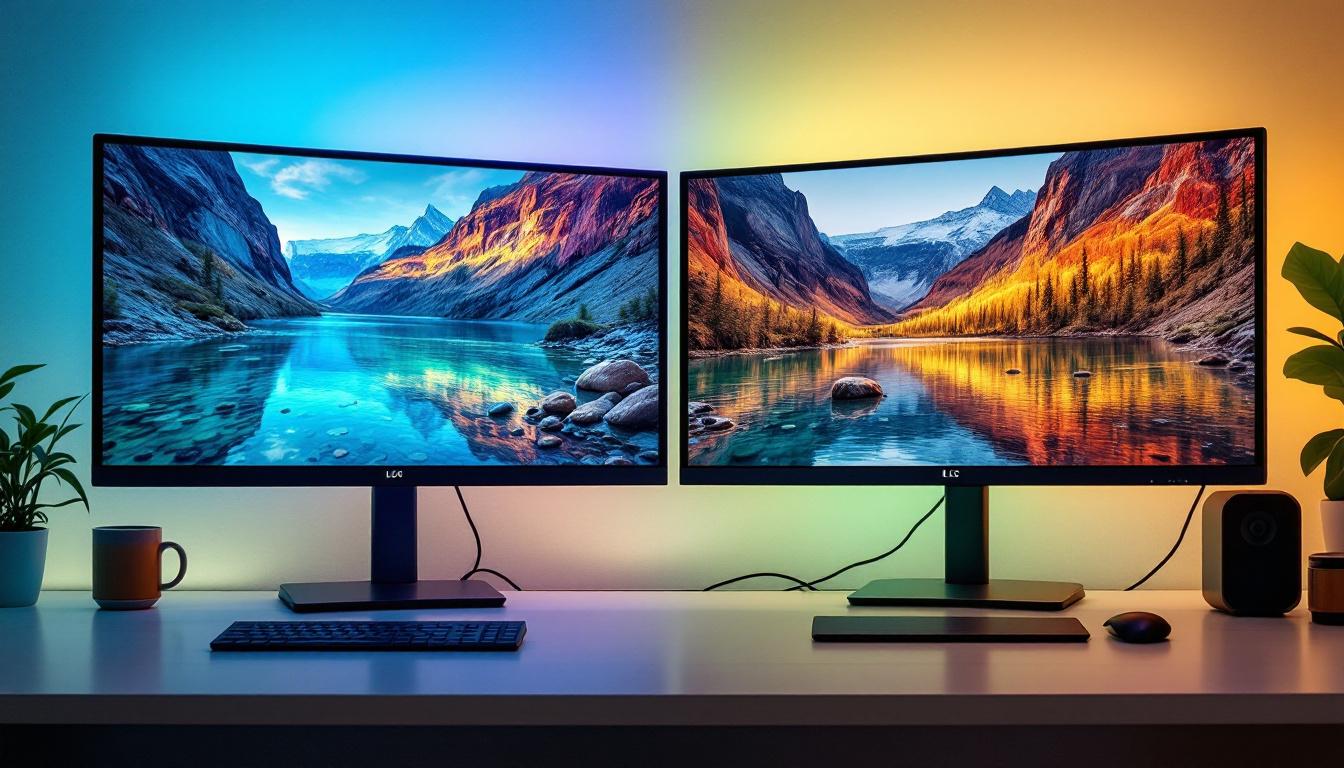
Contrast ratio is another important factor. While white LED screens excel at brightness, maintaining high contrast requires careful design to prevent light bleed and ensure deep blacks. Many modern white LED displays incorporate technologies such as local dimming and high dynamic range (HDR) to enhance contrast and overall image quality. Local dimming allows specific zones of the screen to dim independently, which helps to create a more dynamic range of colors and depth in the images displayed. Furthermore, HDR technology expands the range of colors and brightness levels that the screen can reproduce, resulting in a more lifelike viewing experience that captivates audiences and enhances visual storytelling.
Applications of LED Screen White Displays
LED screen white technology finds applications across a broad spectrum of industries and use cases. Its ability to deliver bright, clear, and uniform white light makes it particularly valuable where visibility and legibility are paramount.
Outdoor Advertising and Signage
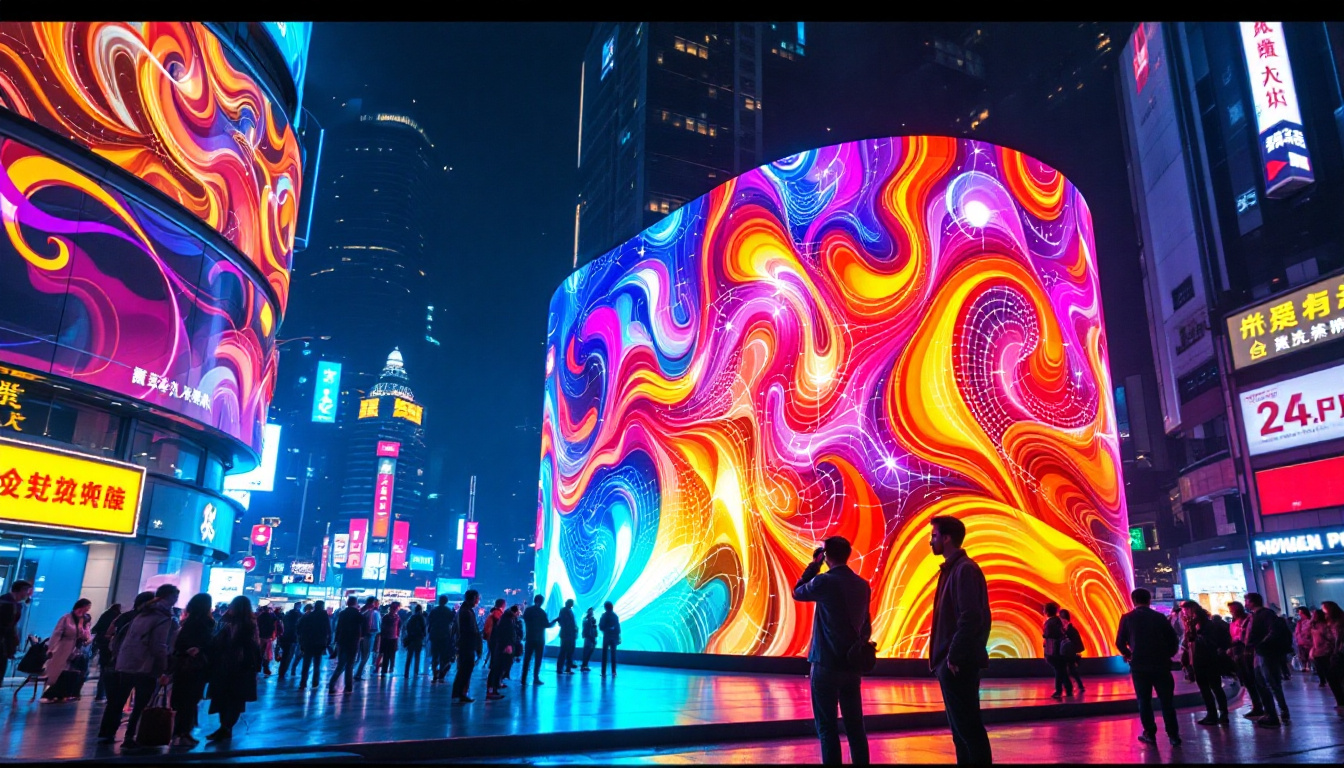
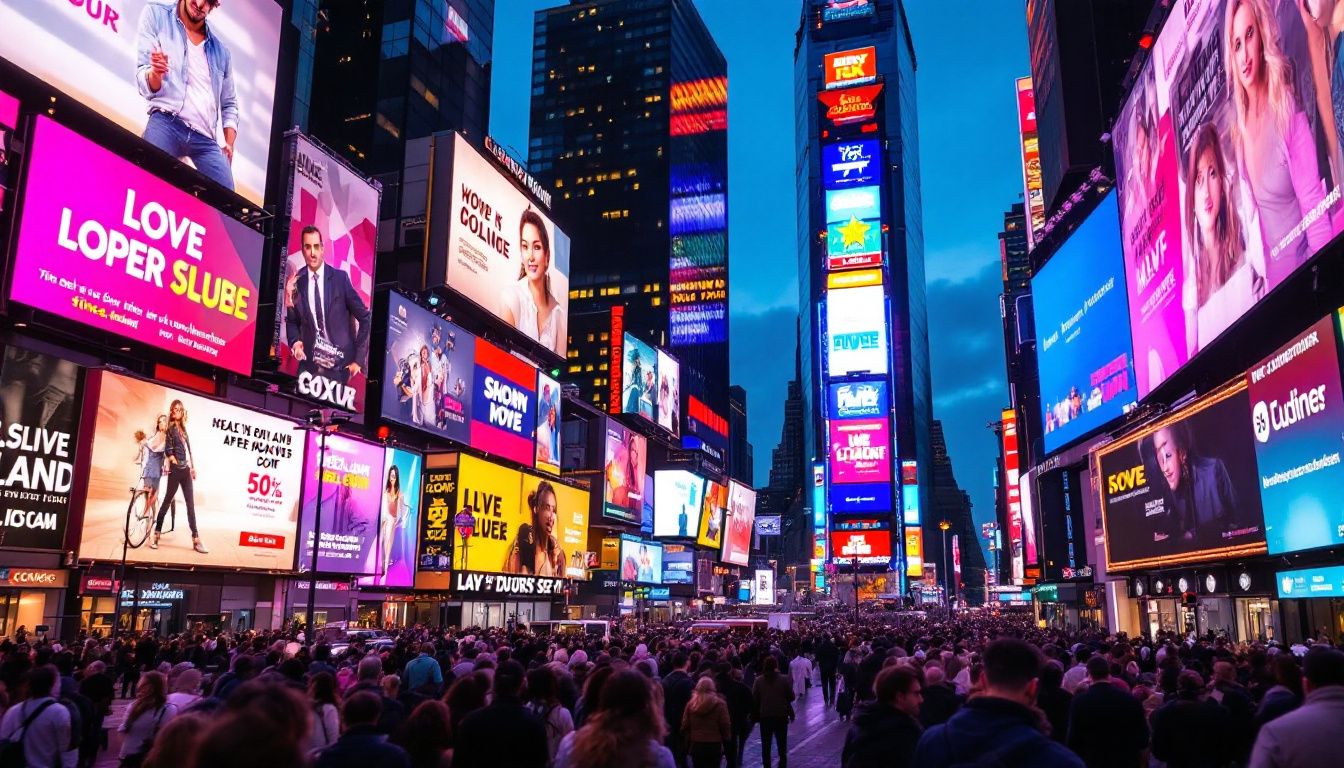
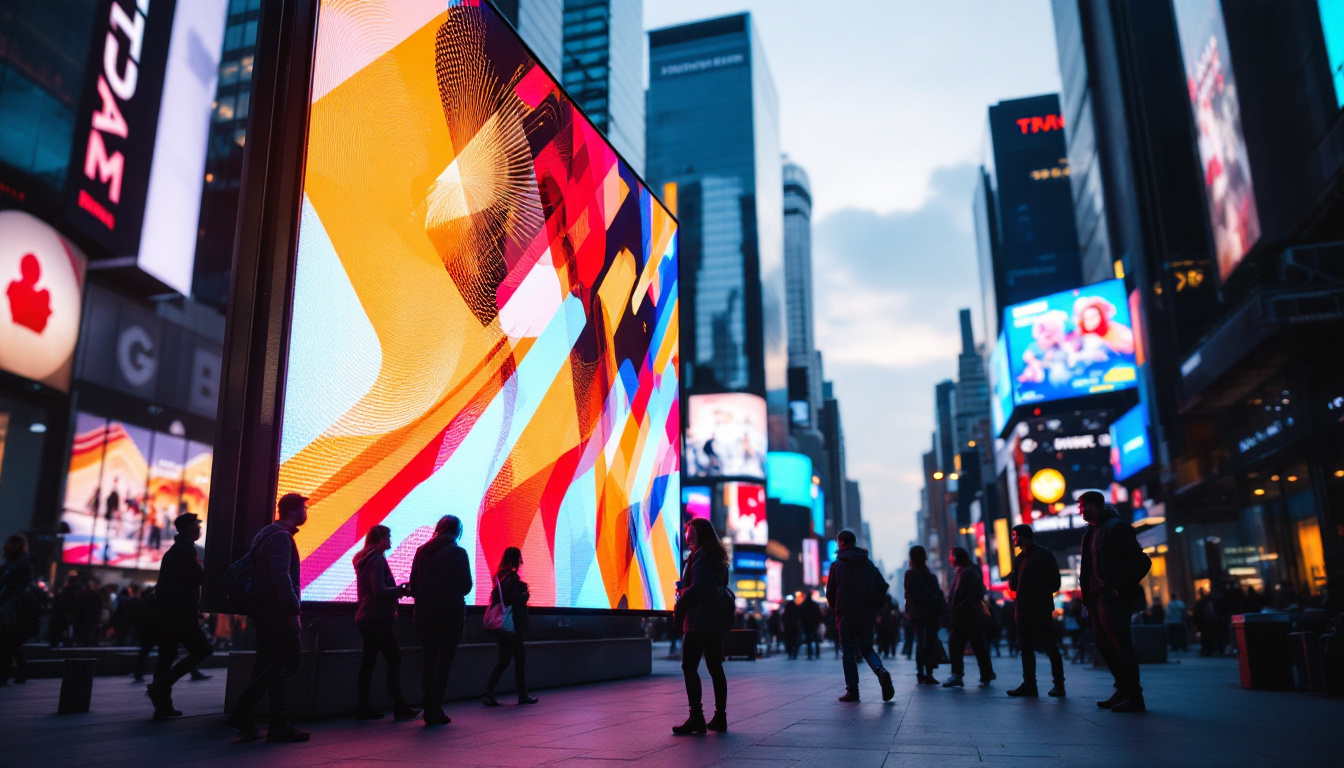
One of the most common uses of white LED screens is in outdoor advertising billboards and signage. The high brightness and weather resistance of these displays ensure that advertisements remain visible and vibrant throughout the day and night, regardless of weather conditions.
For example, major cities worldwide use white LED billboards to showcase dynamic advertisements that can be updated in real-time. The clarity and brightness of white LEDs help these ads stand out amidst urban lighting and natural sunlight.
Retail and Commercial Displays
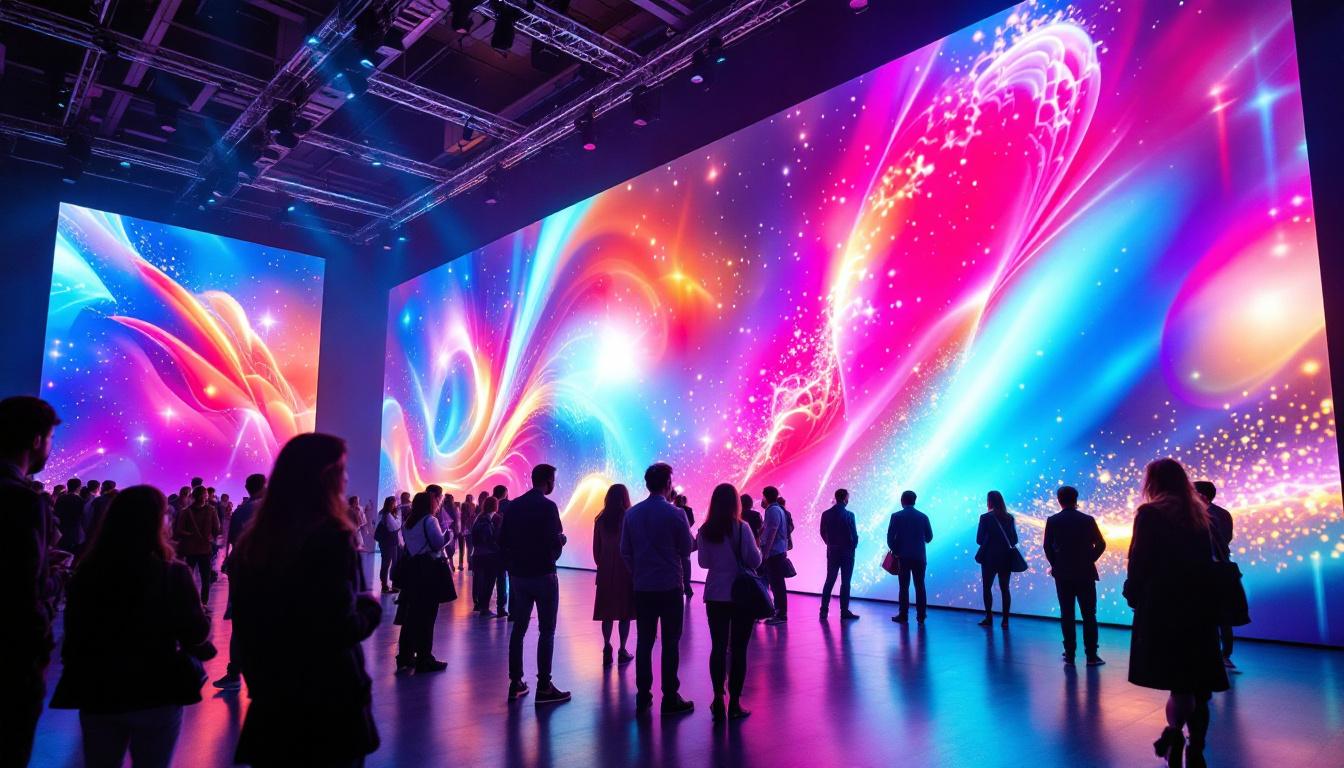
In retail environments, white LED screens are used for digital signage, promotional displays, and interactive kiosks. The crisp white light enhances product visibility and creates an inviting atmosphere for shoppers.
Retailers often leverage these displays to highlight sales, new arrivals, or brand messaging, capitalizing on the LED screen’s ability to attract attention and convey information effectively.
Industrial and Safety Applications
White LED screens are also employed in industrial settings for status displays, safety warnings, and control room monitoring. Their high visibility ensures that critical information is easily seen by personnel, reducing the risk of accidents and improving operational efficiency.
Advantages of Using White LED Screens
Choosing a white LED screen over other display technologies offers several distinct benefits, making it a preferred option in many scenarios.
Energy Efficiency and Longevity
White LEDs are known for their energy efficiency compared to traditional lighting and display technologies. They consume less power while delivering high brightness, which translates into lower operational costs and reduced environmental impact.
Moreover, white LEDs have a long lifespan, often exceeding 50,000 hours of operation. This durability reduces maintenance needs and replacement costs, making them a cost-effective choice in the long run.
Superior Visibility and Readability
The intense brightness and uniform light distribution of white LED screens ensure excellent visibility from various angles and distances. This is crucial for applications where information must be quickly and easily read, such as traffic signs, emergency alerts, and public announcements.
Design Flexibility and Customization
White LED screens can be manufactured in various sizes, shapes, and resolutions, allowing for tailored solutions that fit specific needs. Whether it’s a large outdoor billboard or a compact indoor display, white LED technology can be adapted to deliver optimal performance.
Challenges and Considerations in White LED Screen Deployment
Despite their many advantages, white LED screens also present certain challenges that must be addressed to maximize their effectiveness.
Color Accuracy and Reproduction
Since white LED screens focus on producing white light, they are not typically used for full-color video or image displays. For applications requiring vibrant color reproduction, RGB LED screens are more suitable.
However, some white LED screens are designed to support limited color ranges or are combined with other technologies to enhance color capabilities, but this adds complexity and cost.
Heat Management
High-brightness white LEDs generate significant heat, which can affect performance and longevity if not properly managed. Effective thermal design, including heat sinks and ventilation, is essential to maintain optimal operating conditions.
Initial Investment Costs
While operational costs are low, the upfront investment for high-quality white LED screens can be substantial. This includes costs for hardware, installation, and calibration. Organizations must weigh these costs against the expected benefits and lifespan of the display.
Future Trends in LED Screen White Technology
The LED display industry continues to evolve rapidly, with ongoing research and development aimed at enhancing performance and expanding applications.
Advancements in LED Materials and Efficiency
Innovations in semiconductor materials and phosphor technology are driving improvements in LED efficiency and brightness. Emerging materials such as gallium nitride (GaN) and quantum dots promise even more vibrant and energy-efficient white light sources.
Integration with Smart Technologies
Modern white LED screens are increasingly integrated with smart control systems, enabling remote management, adaptive brightness adjustment, and interactive features. This integration enhances user experience and operational flexibility.
Environmental Sustainability
As sustainability becomes a priority, manufacturers are focusing on eco-friendly production methods and recyclable components for LED screens. White LED technology’s inherent energy efficiency also contributes to reducing the carbon footprint of digital displays.
Conclusion
LED screen white technology represents a crucial segment of the display market, offering unparalleled brightness, energy efficiency, and versatility for a wide range of applications. From outdoor advertising to industrial safety, white LED screens deliver clear and impactful visual communication where it matters most.
Understanding the technical aspects, benefits, and challenges of white LED displays enables businesses and organizations to make informed decisions when selecting display solutions. As technology advances, white LED screens will continue to play a vital role in shaping the future of digital signage and visual media.
Discover the Future of Visual Communication with LumenMatrix
Ready to elevate your visual presence and engage your audience like never before? LumenMatrix is at the forefront of LED display innovation, offering a comprehensive range of solutions tailored to your needs. From captivating Indoor LED Wall Displays to dynamic Outdoor LED Wall Displays, and from versatile Vehicle LED Displays to sleek LED Poster Displays, our technology is designed to make your brand shine. Experience the revolution in digital signage with our LED Sports Displays, immersive Floor LED Displays, and the customizable possibilities of Custom LED Displays. Embrace the cutting-edge with our All-in-One LED Displays and LED Transparent Displays. Don’t just communicate—mesmerize with LumenMatrix. Check out LumenMatrix LED Display Solutions today and transform your visual storytelling.