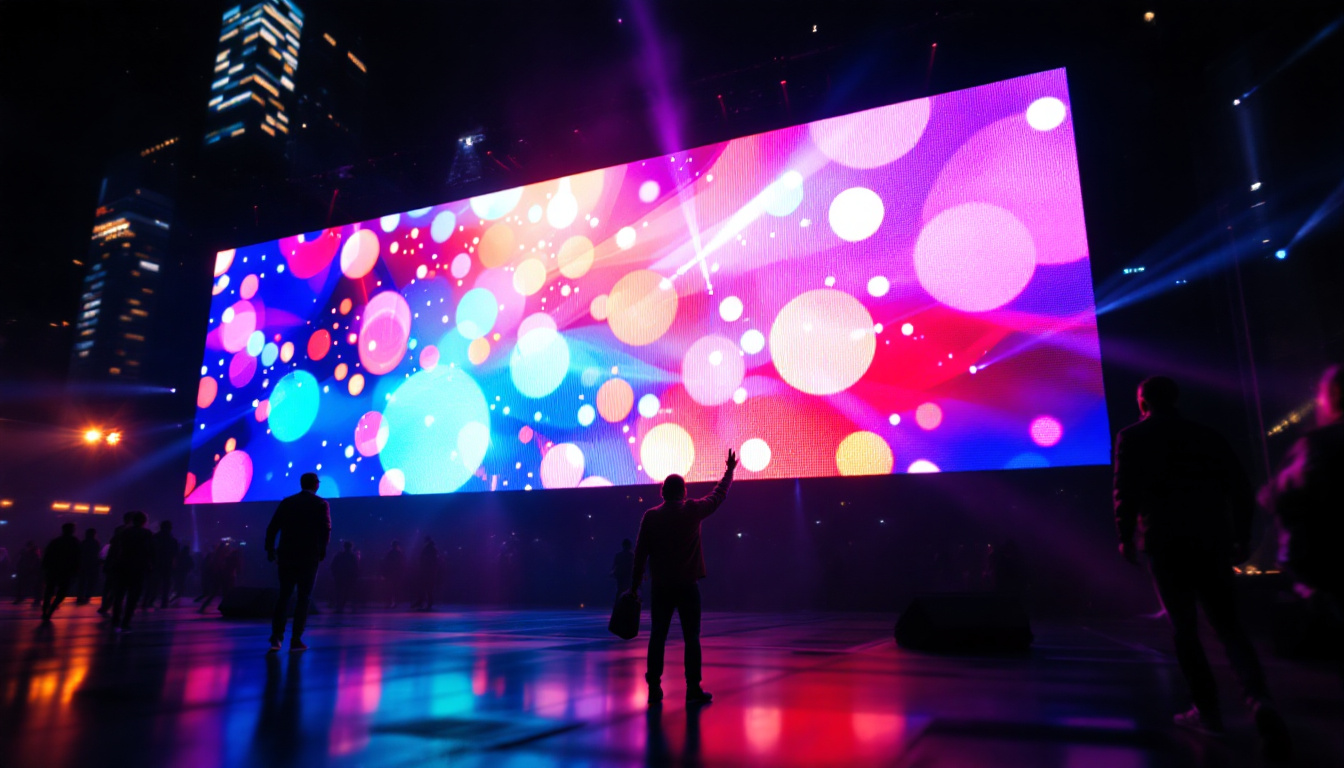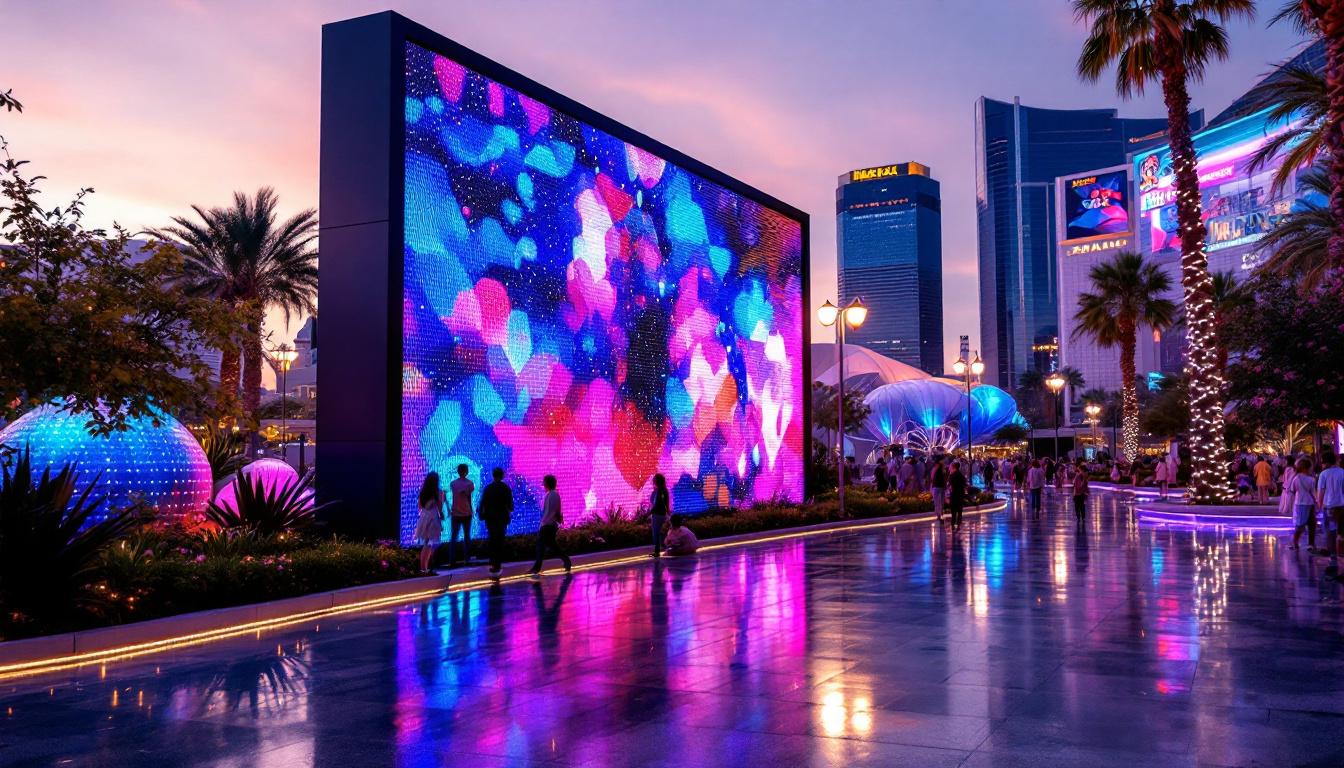
Las Vegas is renowned for its dazzling lights, vibrant entertainment, and sprawling urban landscapes. Beyond the famous Strip and casinos, the city also boasts several large parks that provide green oases amid the desert environment. These parks are not only places for relaxation and recreation but have increasingly incorporated modern technology to enhance visitor experiences. One of the most striking technological features found in some of these big parks is the use of LED displays.
This article delves into the intersection of large parks in Las Vegas and the role of LED display technology. It explores how LED displays are transforming public spaces, the benefits they bring, and the technical aspects that make them suitable for outdoor environments. Whether you’re a local resident, a visitor, or an urban planner, understanding this technology offers insight into the future of public park experiences in Las Vegas.
Overview of Big Parks in Las Vegas
Notable Large Parks and Their Features
Las Vegas features several large parks that serve as recreational hubs for residents and tourists alike. Some of the most prominent include:
- Sunset Park: Spanning over 300 acres, Sunset Park is one of the largest parks in the city. It offers picnic areas, sports facilities, walking trails, and a large lake. The park is a popular spot for community events and outdoor concerts.
- Craig Ranch Regional Park: Covering approximately 160 acres, this park includes playgrounds, sports fields, and a dog park. It also hosts festivals and public gatherings.
- Floyd Lamb Park at Tule Springs: This 2,040-acre park offers a unique blend of natural desert landscapes and historic ranch buildings. It’s a favorite for hiking, bird watching, and fishing.
These parks are vital green spaces within the urban sprawl of Las Vegas, providing environmental benefits and improving quality of life. Recently, the integration of LED display technology has added a new dimension to these parks, enhancing communication, safety, and entertainment. In addition to their recreational features, these parks also serve as venues for educational programs, where local schools and organizations can host workshops and nature walks, fostering a deeper connection between the community and the natural environment.
The Role of Technology in Modern Parks
Urban parks have evolved from simple green spaces to multifaceted community centers. Technology plays a critical role in this transformation. From smart lighting systems to interactive kiosks, parks are becoming more connected and responsive to visitor needs. These advancements not only improve the user experience but also promote sustainability by optimizing energy use and reducing waste.
LED displays are a key component of this technological evolution. They serve various functions such as providing real-time information, displaying event schedules, enhancing safety through alerts, and even creating immersive visual experiences during special events. In a city like Las Vegas, where lights and spectacle are part of the cultural fabric, LED displays fit naturally into the park environment. Furthermore, the introduction of mobile applications allows park-goers to access information about park amenities, upcoming events, and even guided tours, making it easier than ever to enjoy the vast offerings of these urban oases. As parks continue to adapt to the needs of a growing population, the incorporation of technology will undoubtedly play a pivotal role in shaping their future.
Understanding LED Display Technology
What is an LED Display?
LED stands for Light Emitting Diode, a semiconductor device that emits light when an electric current passes through it. LED displays are screens made up of thousands of these tiny diodes, which can emit light in different colors. By controlling the intensity of individual diodes, LED displays can render images, videos, and text with high brightness and clarity.
Compared to traditional display technologies like LCD or plasma, LED displays offer superior brightness, energy efficiency, and durability. These qualities make them ideal for outdoor applications where sunlight and weather conditions can be challenging.
Types of LED Displays Used in Parks
Several types of LED displays are commonly used in outdoor park settings:
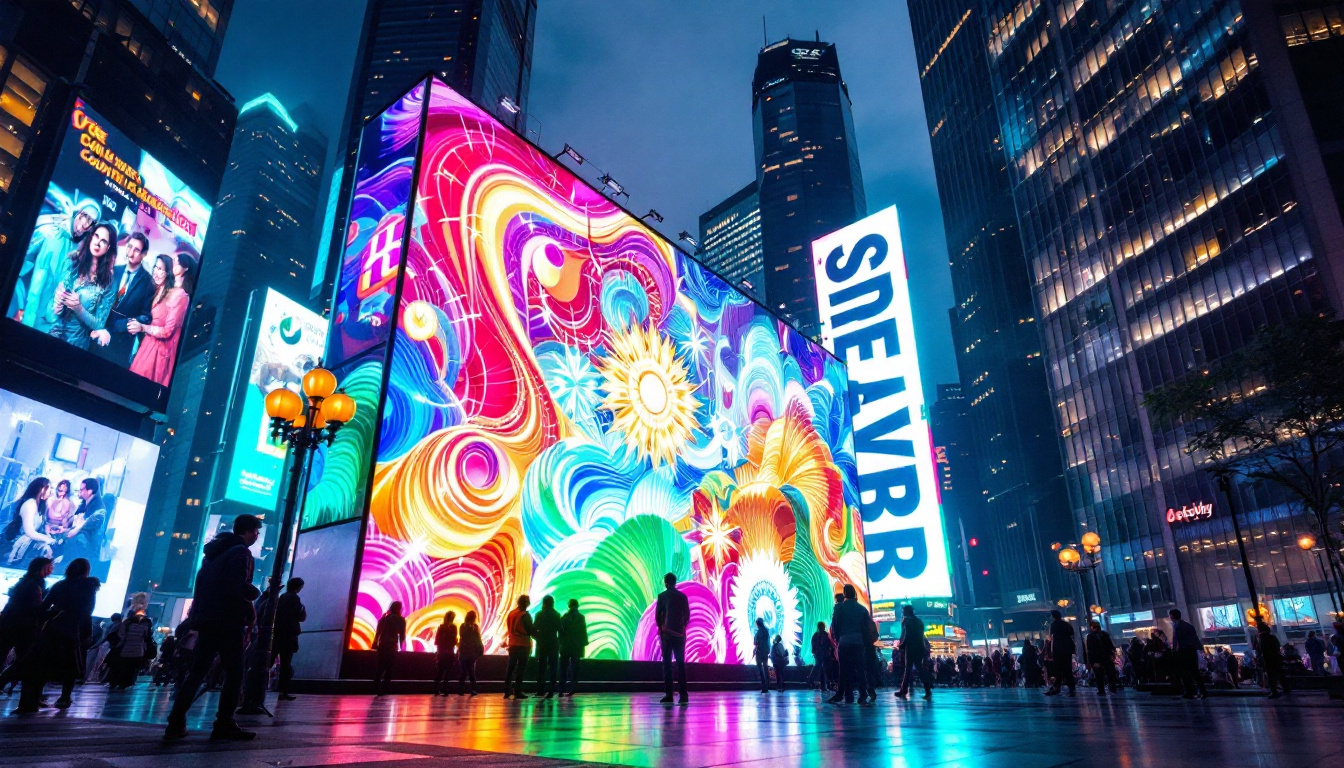
- Fixed LED Billboards: Large, permanent installations that display advertisements, announcements, or event information.
- Interactive LED Kiosks: Touchscreen displays that provide maps, directions, and other visitor information.
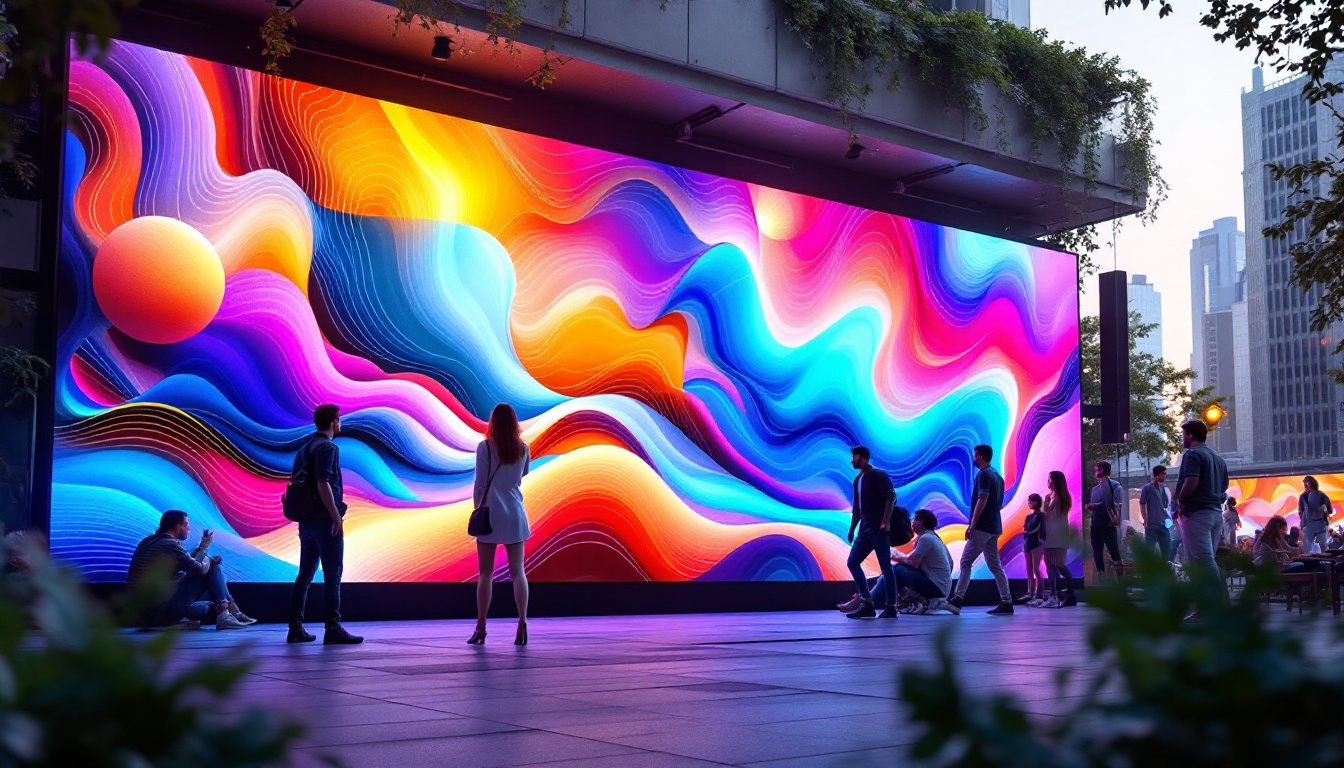
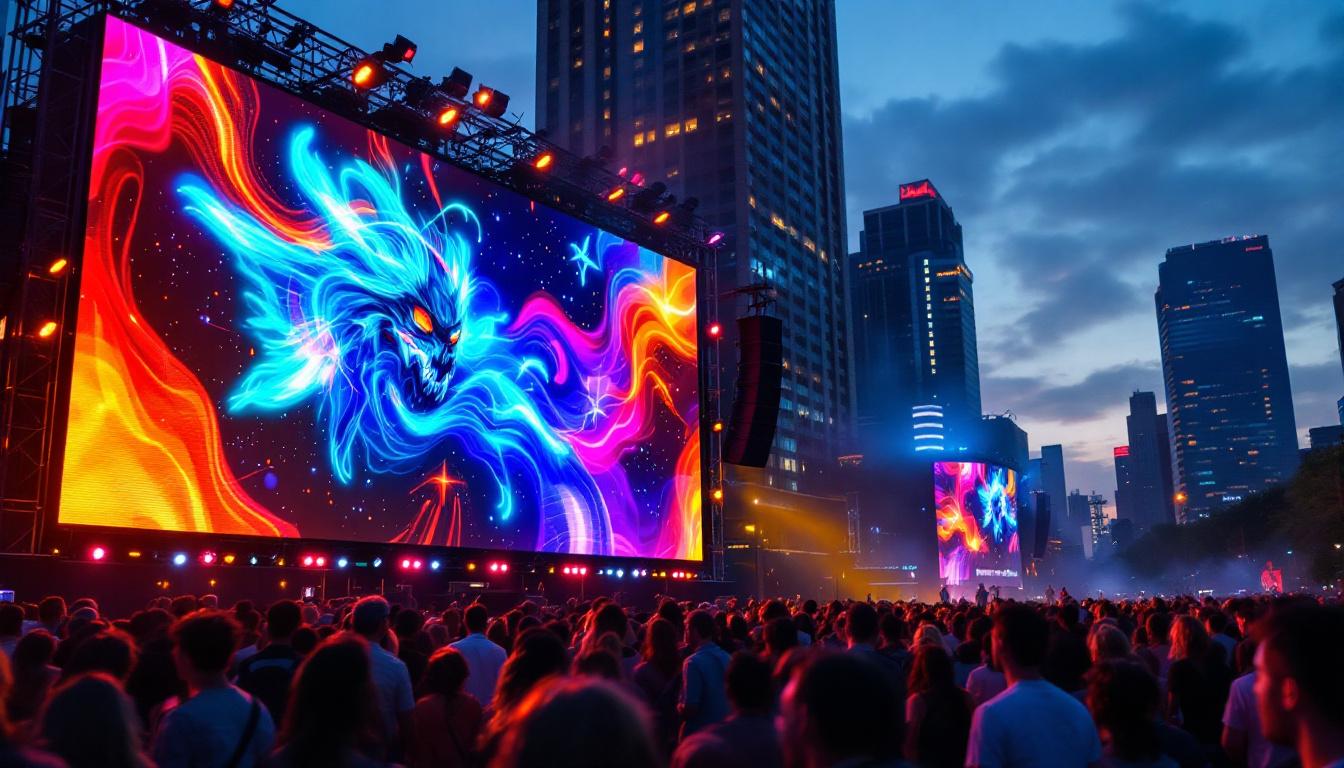
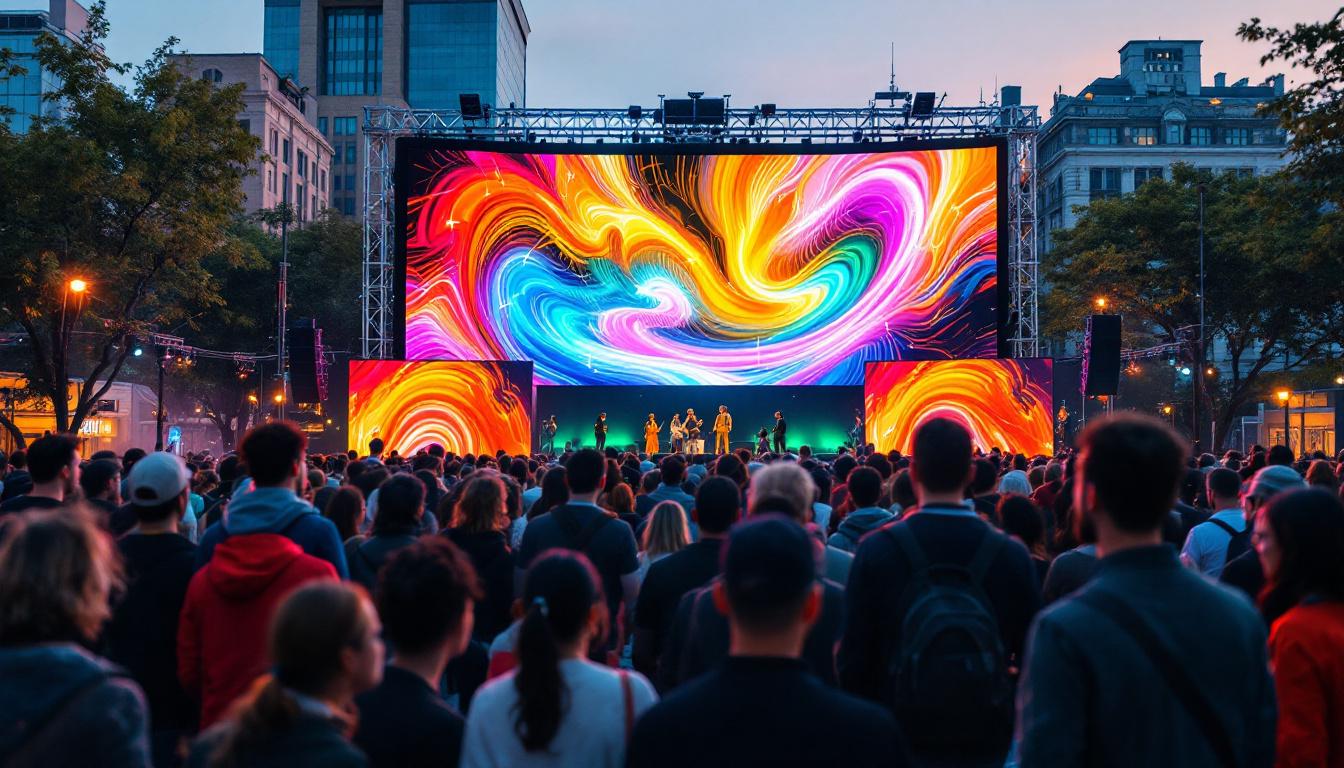
- LED Video Walls: Modular panels that can be arranged to create large screens for concerts, movie nights, and community events.
- LED Message Boards: Smaller, programmable signs used for safety alerts, weather updates, and park rules.
The choice of display type depends on the park’s size, intended use, and budget. In Las Vegas, a combination of these types is often employed to maximize utility and engagement.
Benefits of LED Displays in Las Vegas Parks
Enhanced Communication and Visitor Engagement
One of the primary advantages of LED displays in parks is the ability to communicate dynamically with visitors. Instead of static signs, LED screens can update information in real-time, such as event schedules, weather warnings, or park closures. This responsiveness improves visitor experience and helps park management disseminate important information efficiently.
For example, Sunset Park has utilized LED message boards to inform visitors about upcoming concerts and community events. These displays have increased attendance and fostered a stronger sense of community participation.
Improved Safety and Emergency Response
Safety is paramount in public spaces. LED displays can be integrated with emergency alert systems to provide immediate notifications about hazards, lost children, or severe weather conditions. Their high visibility ensures that messages reach a broad audience quickly.
During the 2023 monsoon season, several parks in Las Vegas used LED displays to warn visitors about flash flood risks, helping to prevent accidents and ensuring timely evacuations.
Energy Efficiency and Sustainability
LED technology is known for its low power consumption compared to traditional lighting and display methods. This efficiency aligns with Las Vegas’s broader sustainability goals, especially important in a desert environment where resources are limited.
Many parks have incorporated solar-powered LED displays, reducing their carbon footprint and operational costs. Craig Ranch Regional Park, for instance, installed solar LED kiosks that operate independently of the grid, demonstrating a commitment to green technology.
Creating Unique Visitor Experiences
In a city famed for its entertainment, parks are also becoming venues for immersive experiences powered by LED technology. Video walls and light shows can transform open spaces into dynamic event locations.
Floyd Lamb Park has hosted outdoor movie nights using large LED video walls, attracting families and tourists alike. These events leverage the brightness and clarity of LED displays to provide high-quality viewing even in ambient light conditions.
Technical Considerations for LED Displays in Outdoor Parks
Durability and Weather Resistance
Outdoor LED displays must withstand harsh environmental conditions such as intense sunlight, high temperatures, dust, rain, and wind. Manufacturers design these displays with robust enclosures, waterproof seals, and UV-resistant coatings to ensure longevity.
In Las Vegas, where summer temperatures often exceed 100°F (38°C), heat dissipation is a critical factor. LED modules are equipped with cooling systems to prevent overheating and maintain performance.
Brightness and Visibility
Brightness is a defining feature of outdoor LED displays. To remain visible under direct sunlight, these screens typically offer brightness levels of 5,000 to 7,000 nits or more. This ensures clear visibility from a distance and in varying lighting conditions throughout the day.
Adjustable brightness controls also help reduce light pollution at night, balancing visibility with environmental considerations.
Maintenance and Longevity
Regular maintenance is essential to keep LED displays functioning optimally. This includes cleaning, software updates, and replacing faulty modules. The modular design of most LED panels simplifies repairs, allowing individual sections to be serviced without dismantling the entire display.
With proper care, outdoor LED displays can have a lifespan of 100,000 hours or more, equating to over a decade of continuous use.
Connectivity and Control Systems
Modern LED displays are connected to centralized control systems that enable remote content management. Park administrators can update messages, schedule content, and monitor display health from a single interface, often accessible via the internet.
This connectivity also allows integration with other smart park technologies, such as surveillance cameras and environmental sensors, creating a cohesive digital ecosystem.
Challenges and Future Opportunities
Balancing Technology with Natural Aesthetics
While LED displays offer many benefits, there is a need to balance technological installations with preserving the natural beauty of parks. Overuse of bright screens can detract from the serene environment that visitors seek.
Designers and planners must carefully select locations and sizes for LED displays to minimize visual intrusion while maximizing functionality.
Cost Considerations
Initial installation costs for large LED displays can be significant, including hardware, infrastructure, and content creation. However, the long-term benefits in energy savings, enhanced communication, and increased park usage often justify these investments.
Grants and public-private partnerships have been instrumental in funding LED projects in Las Vegas parks, reflecting community and corporate commitment to modernizing public spaces.
Emerging Technologies and Innovations
The future of LED displays in parks is promising, with ongoing advancements such as flexible LED panels, higher resolution screens, and integration with augmented reality (AR). These innovations could enable more interactive and personalized visitor experiences.
For example, AR-enabled LED kiosks could provide immersive educational content about local flora and fauna or historical landmarks within the park, enriching visitor engagement.
Conclusion
Big parks in Las Vegas are evolving beyond traditional green spaces into smart, interactive environments that leverage LED display technology to enhance visitor experience, safety, and sustainability. From large-scale video walls to solar-powered information kiosks, LED displays are becoming integral to the modern park landscape.
Understanding the technology behind these displays, their benefits, and the challenges involved provides valuable insight into how urban parks can continue to serve diverse community needs in a rapidly changing world. As Las Vegas continues to innovate, its parks will likely remain shining examples of how technology and nature can coexist harmoniously.
Whether enjoying a concert at Sunset Park or exploring the trails of Floyd Lamb Park, visitors can expect LED displays to play a growing role in making their experiences more informative, safe, and memorable.
Illuminate Your Space with LumenMatrix
As you consider the dynamic role of LED displays in enhancing public spaces, imagine the possibilities for your own projects. LumenMatrix, a leader in LED display technology, offers a diverse range of solutions tailored to create immersive environments and engaging experiences. From vibrant outdoor displays that withstand the elements to interactive indoor installations that captivate audiences, our products are designed to revolutionize visual communication. Discover how LumenMatrix can illuminate your brand and bring your vision to life. Check out LumenMatrix LED Display Solutions and take the first step towards transforming your space today.