Billboard NYC: LED Display Explained
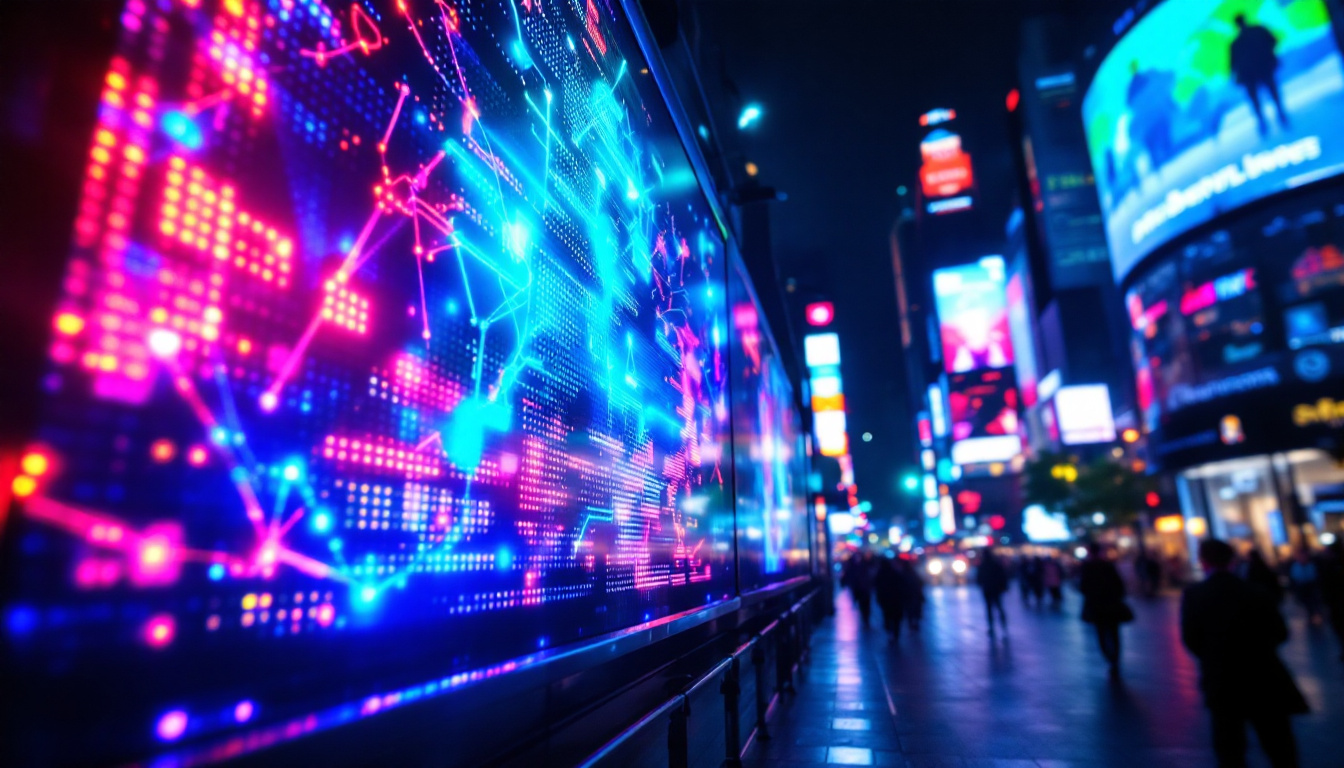
New York City is synonymous with dazzling lights, towering skyscrapers, and of course, its iconic billboards. Among these, LED displays have revolutionized the way brands communicate with millions of people daily. From Times Square’s vibrant digital screens to neighborhood storefronts, LED technology has become the backbone of modern outdoor advertising in NYC.
This article explores the intricacies of LED billboards in New York City, explaining how they work, why they are so effective, and what the future holds for this dynamic advertising medium.
Understanding LED Billboard Technology
What is an LED Billboard?
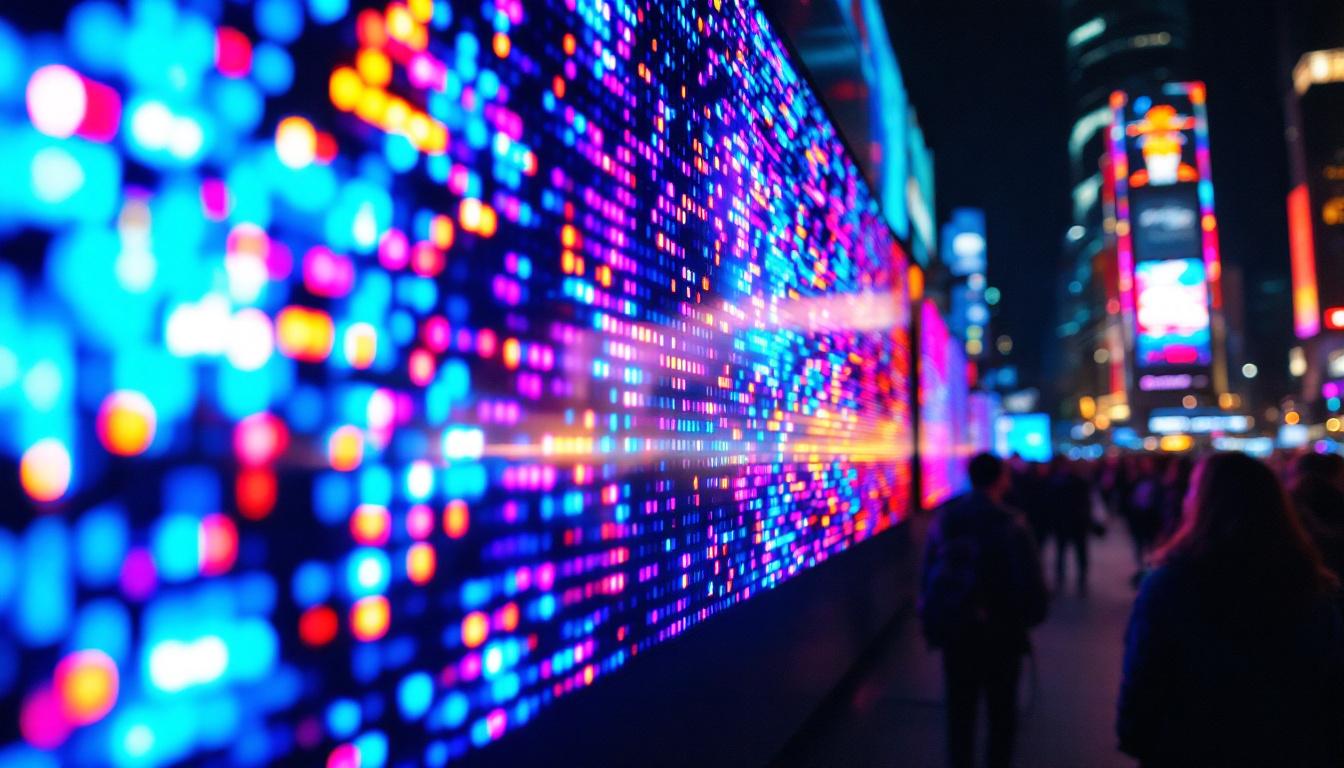
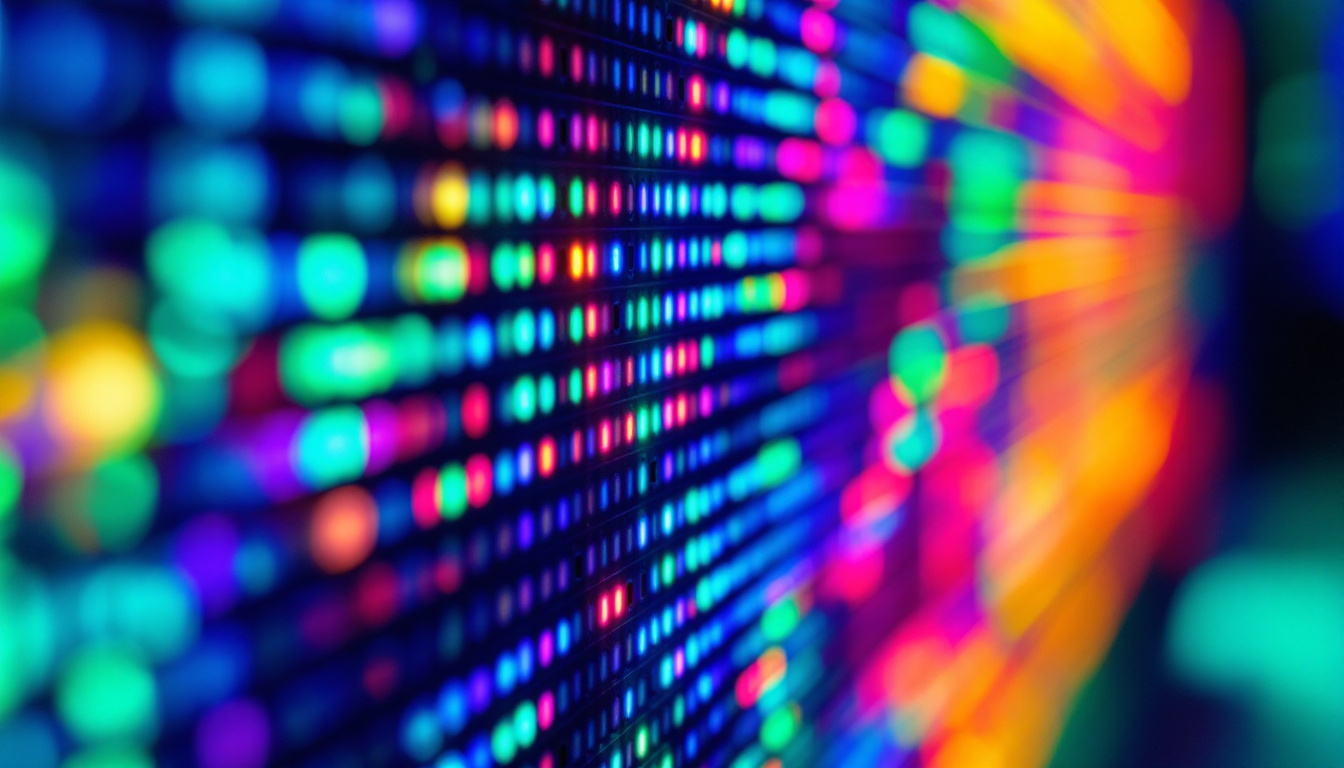
LED stands for Light Emitting Diode, a semiconductor device that emits light when an electric current passes through it. LED billboards use thousands of these tiny diodes arranged in a grid to create bright, colorful images and videos. Unlike traditional static billboards, LED billboards are digital, enabling dynamic content that can change in real-time.
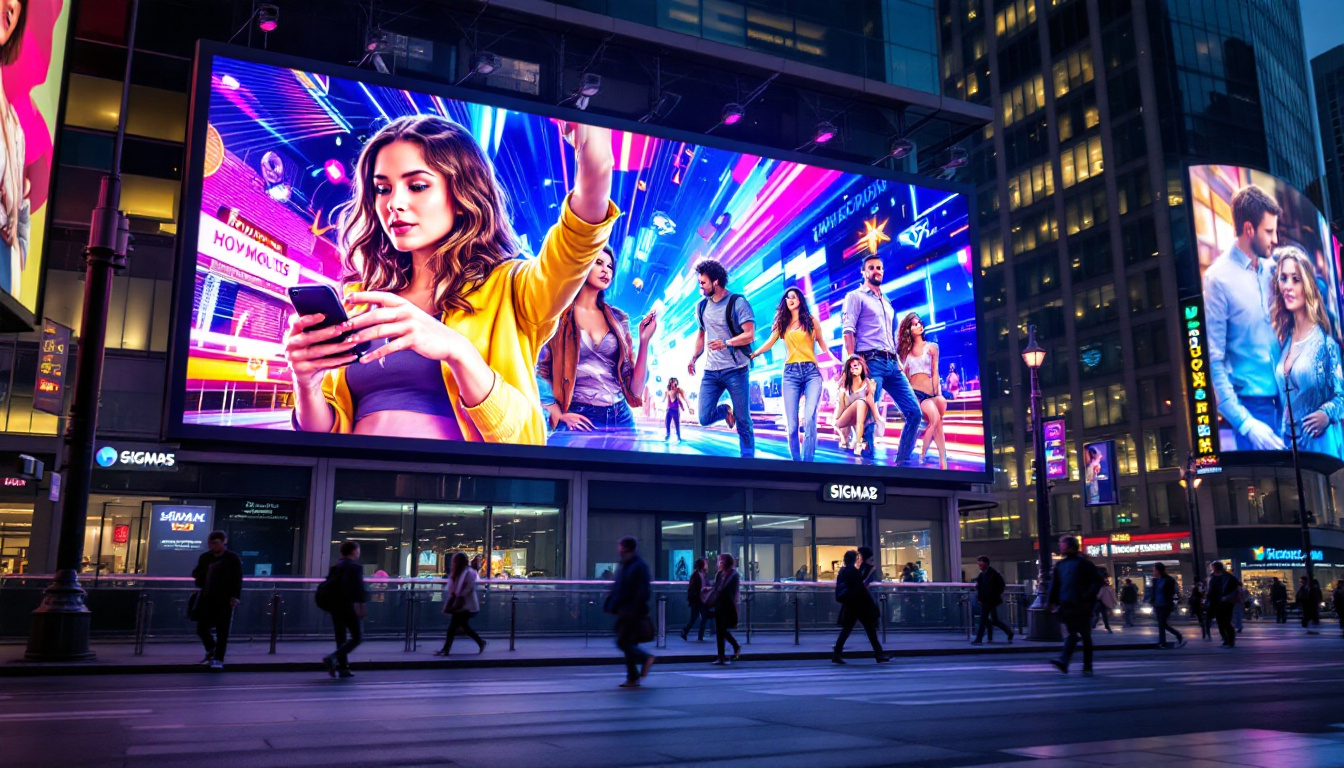
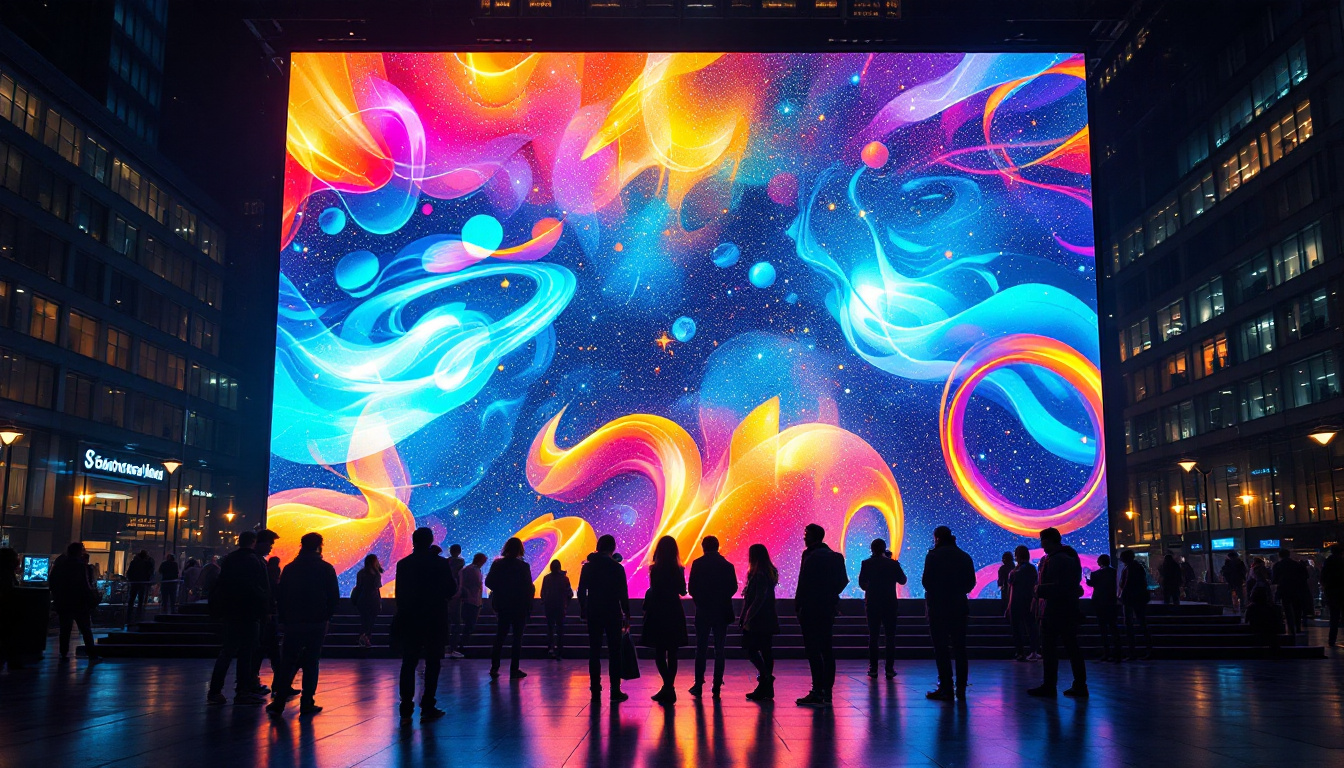
In NYC, these billboards range from small storefront displays to massive screens covering entire building facades. The ability to display high-resolution graphics, animations, and videos makes LED billboards especially effective in capturing the attention of pedestrians and drivers alike. This adaptability not only enhances advertising strategies but also allows for the promotion of local events, public service announcements, and even art installations, transforming urban spaces into vibrant canvases that engage the community.
How Do LED Displays Work?
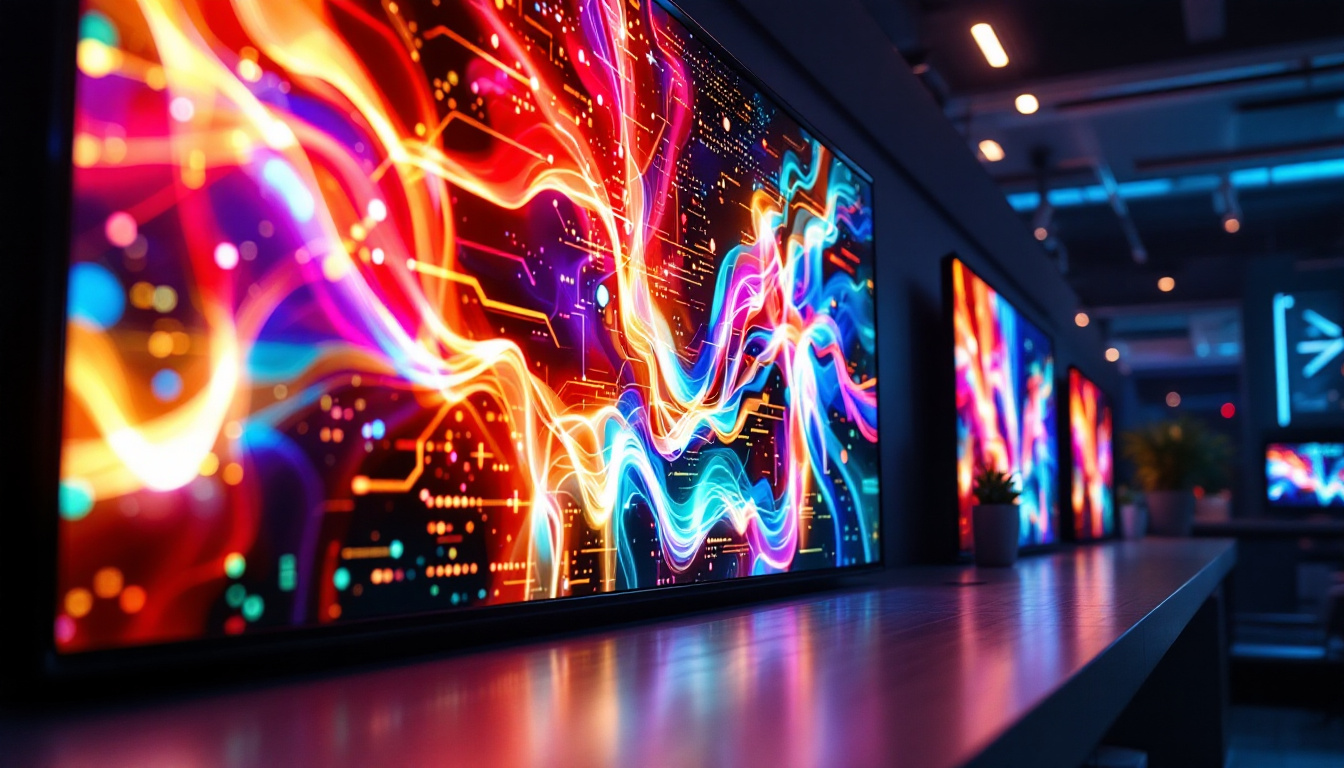
Each LED pixel consists of red, green, and blue diodes. By adjusting the brightness of each diode, the display can produce a full spectrum of colors. This RGB (Red-Green-Blue) color model allows for vibrant, eye-catching visuals that can be seen clearly even in direct sunlight. The technology behind these displays has evolved significantly, with advancements in energy efficiency and brightness control, which not only improves visibility but also reduces operational costs for advertisers.
Modern LED billboards are controlled by sophisticated software that manages content scheduling, brightness adjustments, and remote updates. This technology enables advertisers to tailor messages based on time of day, audience demographics, or special events, making campaigns more targeted and effective. Additionally, many LED displays now incorporate sensors that adjust brightness automatically based on ambient light conditions, ensuring optimal visibility while minimizing energy consumption.
Types of LED Displays Used in NYC Billboards
LED billboards come in various types, differentiated primarily by pixel pitch — the distance between individual LEDs. A smaller pixel pitch means higher resolution and sharper images, which is essential for billboards viewed from close distances, such as those in Times Square. The versatility of LED technology allows for a wide range of applications, from high-impact advertising to artistic displays that enhance the aesthetic appeal of the urban landscape.
Common types include:
- Indoor LED Displays: Used in malls, subways, and retail stores, these have a very fine pixel pitch for close viewing. They often feature interactive capabilities, allowing customers to engage with the content directly, such as through touch screens or augmented reality experiences.
- Outdoor LED Displays: Built to withstand weather conditions, these have a larger pixel pitch but are bright enough to be visible in daylight. They are often used for large-scale advertising campaigns, sporting events, and public announcements, making them a staple of urban advertising.
- Curved and Flexible LED Screens: These innovative displays can wrap around building corners or irregular surfaces, adding architectural interest and maximizing visibility. Their adaptability allows for creative installations that can transform ordinary structures into eye-catching advertisements, enhancing the overall urban experience.
As technology continues to advance, the future of LED billboards looks promising, with innovations such as 3D displays and holographic projections on the horizon. These developments will likely push the boundaries of traditional advertising, creating immersive experiences that captivate audiences in ways previously thought impossible. The integration of artificial intelligence and data analytics into LED advertising strategies is also set to revolutionize how brands connect with consumers, making the medium not only more effective but also more engaging and personalized.
The Impact of LED Billboards in NYC
Why LED Billboards Dominate Times Square
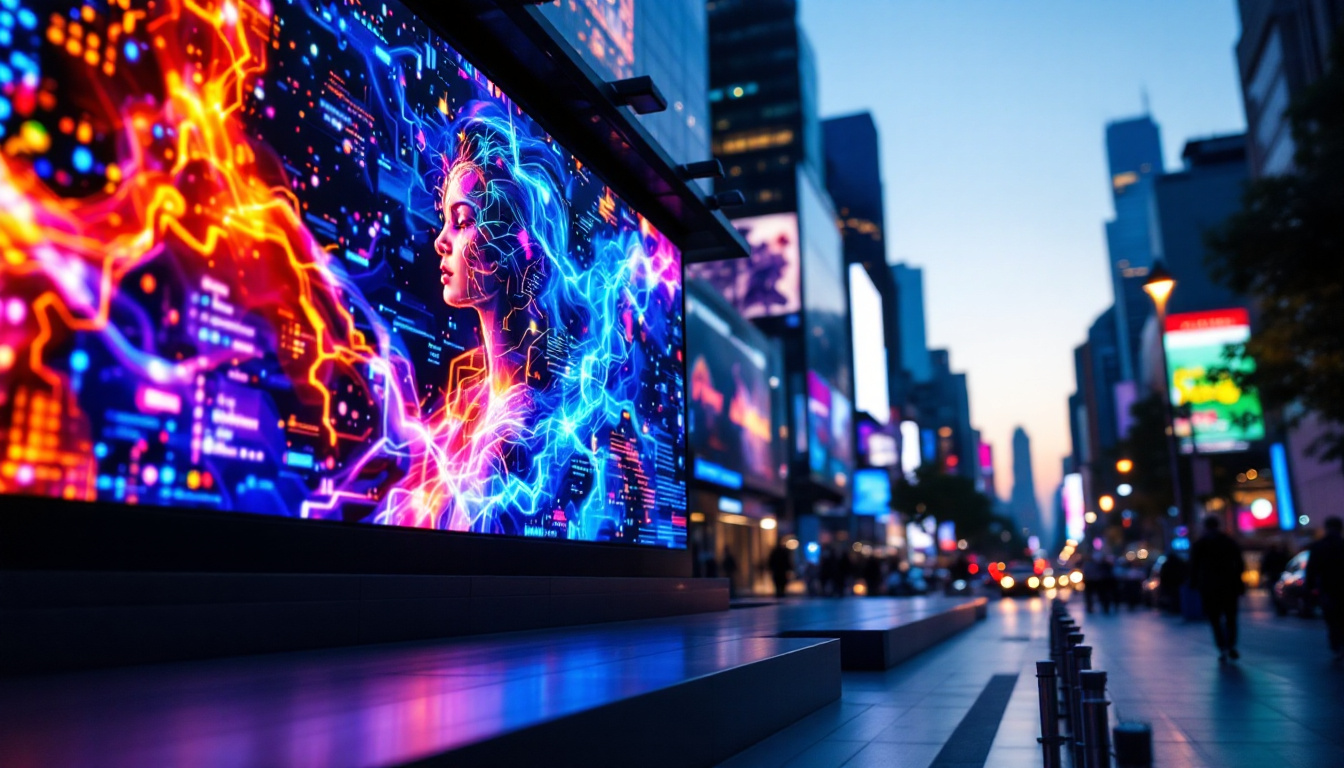
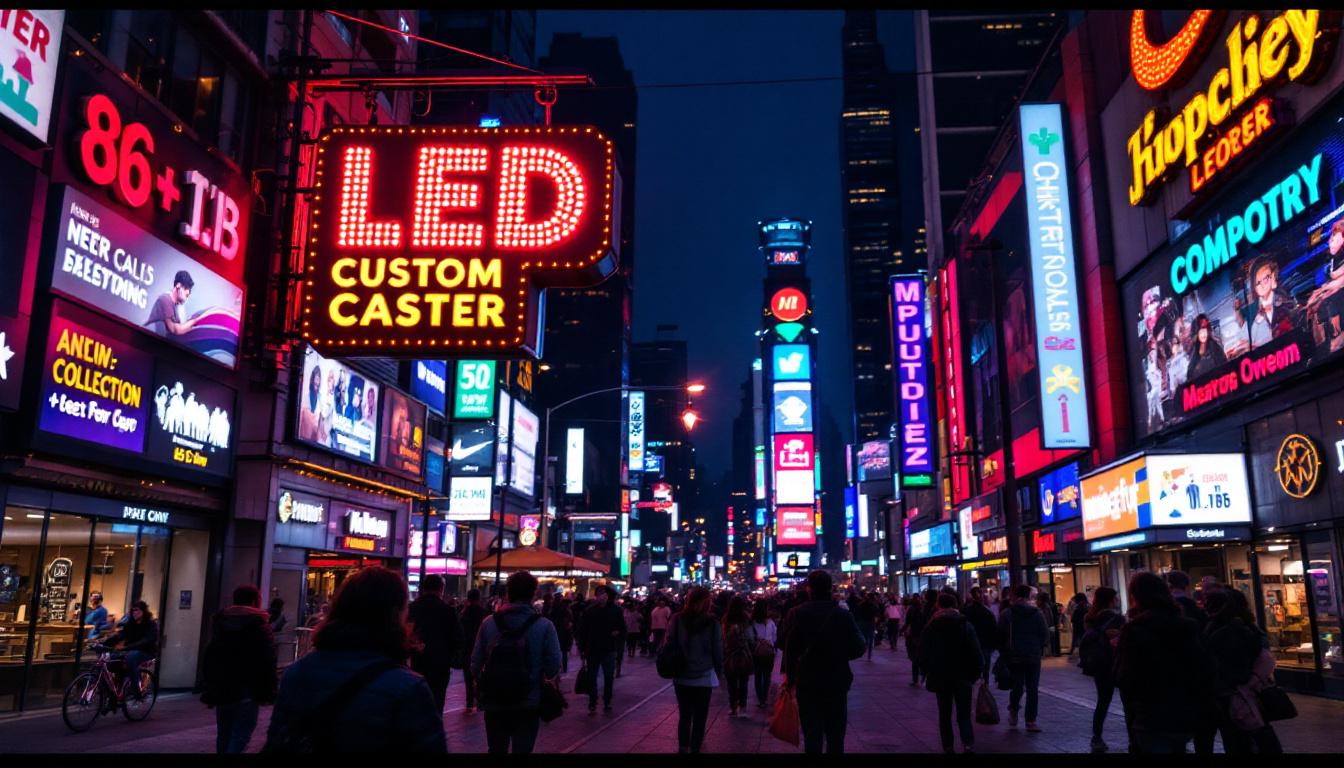
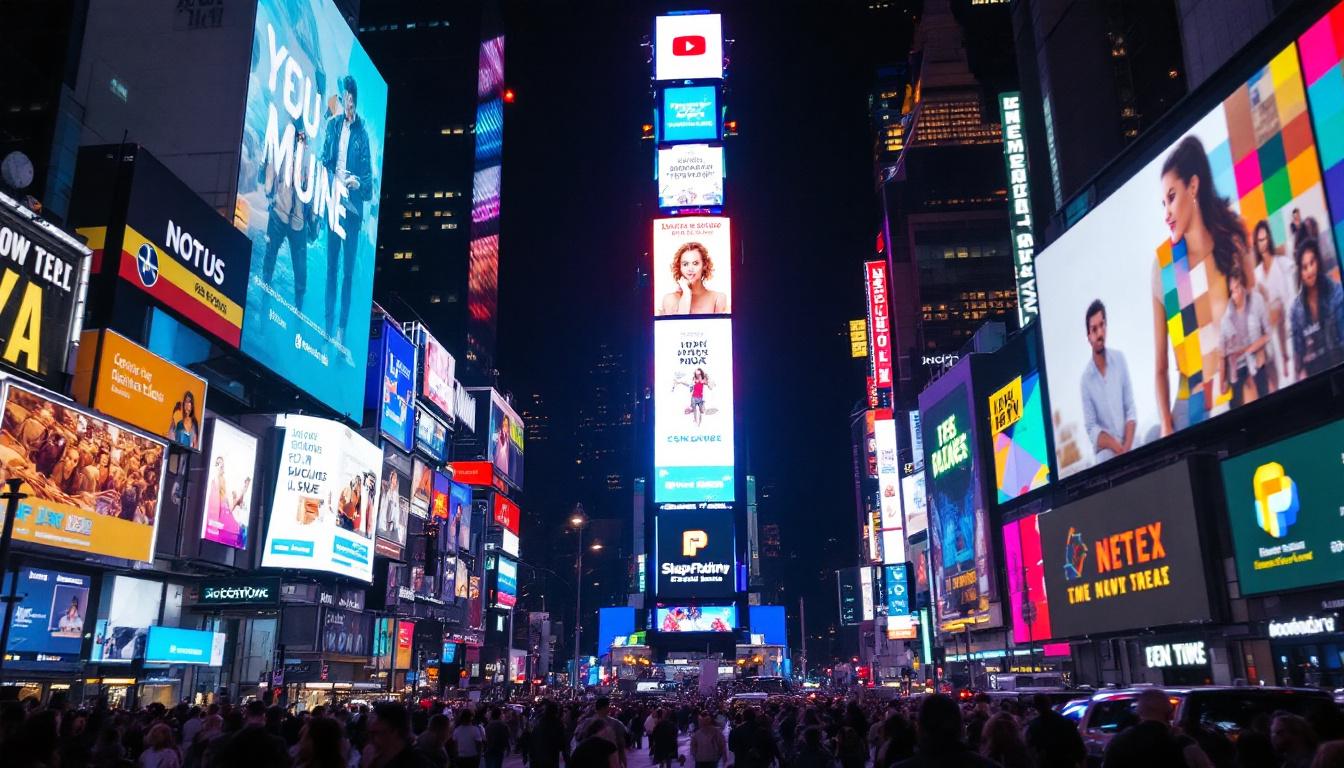
Times Square is arguably the world’s most famous advertising hub, attracting over 330,000 pedestrians daily. LED billboards dominate this area because of their unmatched brightness, flexibility, and ability to display dynamic content.
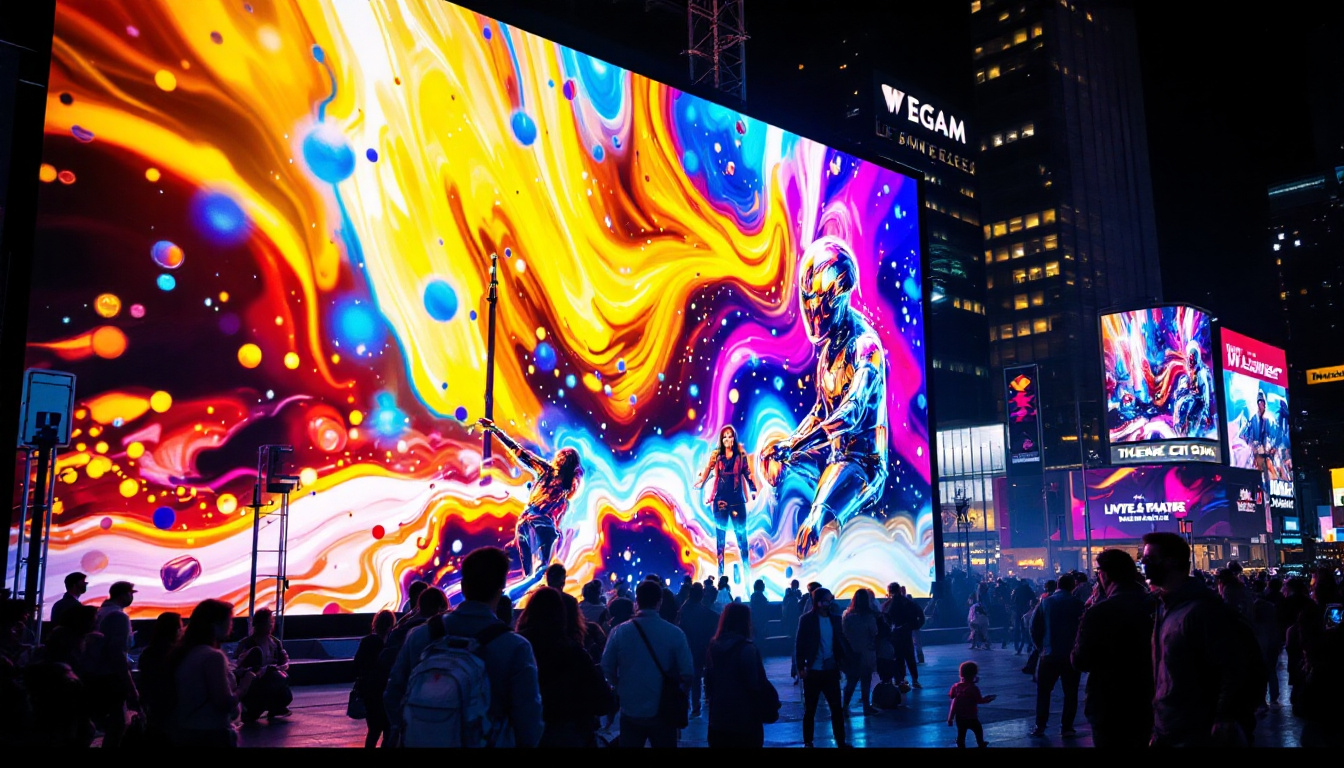
The vibrant LED screens contribute to Times Square’s reputation as “The Crossroads of the World.” They create an immersive environment that captivates visitors, making it an ideal platform for brands to launch high-impact campaigns. For instance, Coca-Cola’s iconic LED signage has been a staple in Times Square for decades, consistently evolving with new technology to maintain its visual appeal. Additionally, the sheer scale of these billboards allows brands to tell intricate stories through sequential ads, engaging viewers in a way that static images simply cannot. The ability to showcase multiple advertisements in a short span of time means that brands can target diverse demographics throughout the day, adapting their messages to suit different audiences as they pass through the bustling square.
Advertising Effectiveness and ROI
Studies show that digital billboards, particularly LED displays, generate higher recall rates compared to traditional static billboards. According to the Outdoor Advertising Association of America (OAAA), digital billboards can increase brand awareness by up to 47% and improve message retention by 30%.
In NYC, where competition for consumer attention is fierce, LED billboards offer advertisers the ability to rotate multiple ads on a single screen, maximizing exposure without the need for multiple physical billboards. This flexibility translates to better return on investment (ROI) and more efficient use of advertising budgets. Furthermore, the interactive capabilities of some LED billboards allow for real-time engagement with audiences. For example, brands can incorporate social media feeds, enabling viewers to see live tweets or Instagram posts related to the campaign. This not only enhances viewer engagement but also encourages user-generated content, creating a community around the brand and amplifying its reach beyond the physical space of Times Square.
Environmental Considerations
While LED billboards consume electricity, they are generally more energy-efficient than older neon or incandescent displays. Advances in LED technology have reduced power consumption significantly, and many NYC billboards incorporate energy-saving features such as ambient light sensors that adjust brightness automatically.
Moreover, LED billboards reduce waste associated with traditional billboards, which require physical print replacements. The ability to update content digitally minimizes material usage and transportation emissions, contributing to a more sustainable advertising ecosystem. In addition to these benefits, many billboard operators are now investing in renewable energy sources to power their displays, further decreasing their carbon footprint. This shift not only aligns with growing consumer demand for environmentally responsible practices but also positions brands as forward-thinking and socially conscious, which can resonate positively with today’s eco-aware consumers. As cities like New York continue to embrace smart technology, the integration of LED billboards into the urban landscape represents a significant step toward a more sustainable future in advertising.
Regulations and Challenges for LED Billboards in NYC
City Regulations and Permitting
New York City has strict regulations governing the installation and operation of LED billboards to balance commercial interests with public safety and urban aesthetics. The NYC Department of Buildings and the Mayor’s Office of Media and Entertainment oversee permitting processes, ensuring compliance with zoning laws, brightness limits, and content guidelines.
For example, LED billboards near residential areas often have restrictions on brightness and operating hours to minimize light pollution. In Times Square and other commercial zones, regulations allow for more vibrant displays but still require adherence to safety standards to prevent driver distraction.
Technical Challenges and Maintenance
Operating LED billboards in a dense urban environment like NYC presents unique technical challenges. Exposure to weather, pollution, and vibrations from traffic necessitates robust hardware and regular maintenance schedules.
Maintenance teams must monitor for dead pixels, color inconsistencies, and software glitches to ensure the display remains visually appealing. Additionally, the complexity of wiring and power management in high-rise installations requires specialized expertise.
Addressing Light Pollution and Community Concerns
While LED billboards enhance urban vibrancy, they also contribute to light pollution, which can affect residents’ quality of life and disrupt local ecosystems. Community groups in NYC have voiced concerns about excessive brightness and flashing content, prompting city officials to review and update lighting ordinances.
Innovative solutions such as dimming during late-night hours, using warmer color temperatures, and limiting animation frequency help mitigate these concerns while preserving the benefits of LED advertising.
The Future of LED Billboard Technology in NYC
Integration with Smart City Initiatives
As NYC advances its smart city agenda, LED billboards are poised to become more interactive and data-driven. Integration with sensors and IoT (Internet of Things) devices can enable real-time content adaptation based on environmental conditions, traffic flow, or audience demographics.
For instance, billboards might display weather-related messages during storms or promote nearby events when pedestrian density increases. This level of responsiveness enhances user engagement and provides advertisers with valuable analytics.
Emerging Technologies: 3D and Augmented Reality
LED technology is evolving beyond flat screens. 3D LED displays and augmented reality (AR) integrations are beginning to appear in high-profile NYC locations, offering immersive experiences that captivate audiences in unprecedented ways.
These technologies enable brands to create memorable campaigns that stand out in a crowded media landscape. For example, a 3D LED billboard might project a lifelike object seemingly floating in space, while AR can allow passersby to interact with digital content via their smartphones.
Sustainability and Energy Innovations
Future LED billboards will likely incorporate renewable energy sources such as solar panels to reduce their carbon footprint further. Advances in LED efficiency and battery storage technology will also enable displays to operate with minimal environmental impact.
Additionally, smart energy management systems will optimize power usage based on real-time conditions, ensuring that NYC’s iconic billboards remain both spectacular and sustainable.
Conclusion
LED billboards have transformed the advertising landscape in New York City, combining technological innovation with creative expression to engage millions daily. Their ability to deliver dynamic, high-impact content makes them indispensable in a city where visibility and vibrancy are paramount.
Understanding the technology behind LED displays, the regulatory environment, and the evolving trends provides valuable insight into why these billboards continue to dominate NYC’s urban canvas. As LED technology advances and integrates with smart city initiatives, the future promises even more exciting and sustainable possibilities for outdoor advertising in the city that never sleeps.
Illuminate Your Brand with LumenMatrix
As the landscape of outdoor advertising evolves, so does the need for innovative solutions that capture attention and leave lasting impressions. LumenMatrix stands at the forefront of this revolution, offering an array of LED display technologies designed to bring your brand to life. Whether you’re looking for Indoor LED Walls, Outdoor Displays, or Custom LED Solutions, LumenMatrix provides the tools to transform your visual communication. Ready to elevate your advertising strategy with high-impact, energy-efficient LED displays? Check out LumenMatrix LED Display Solutions and join the future of digital engagement.