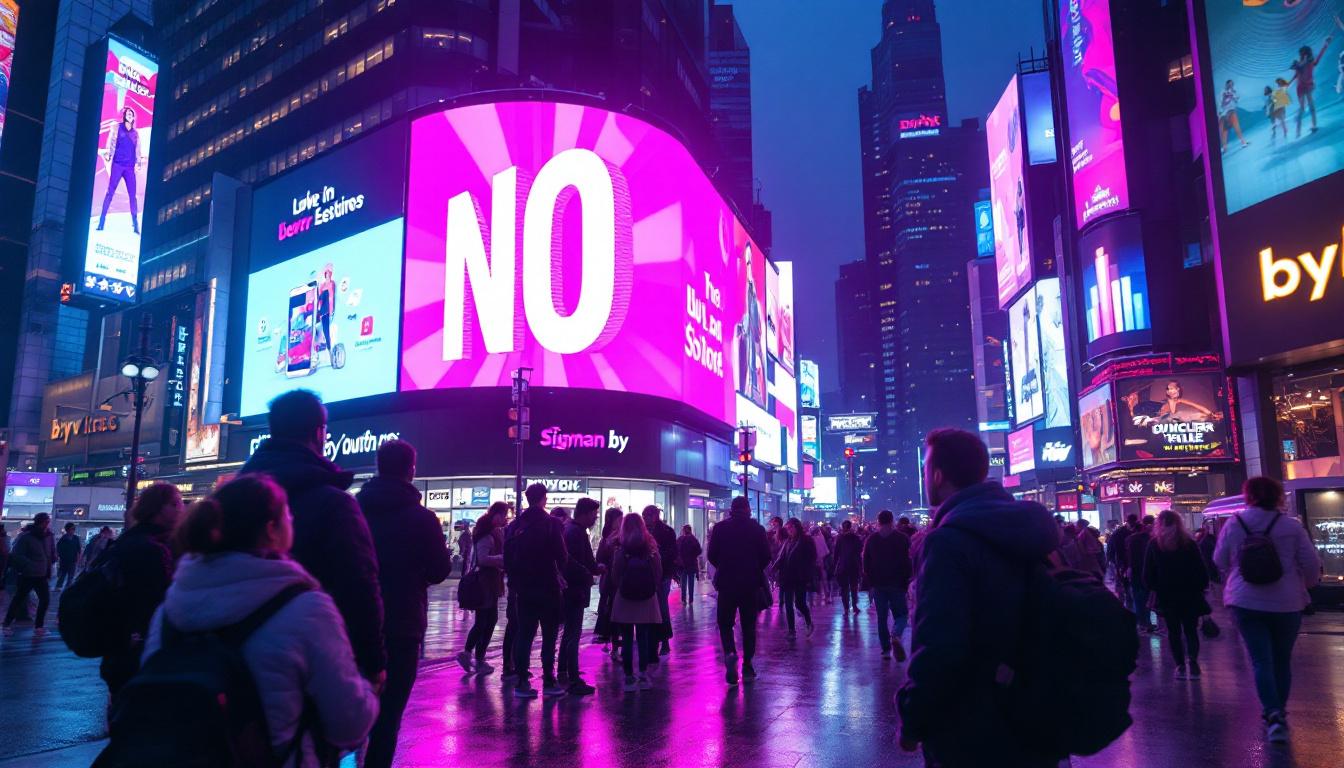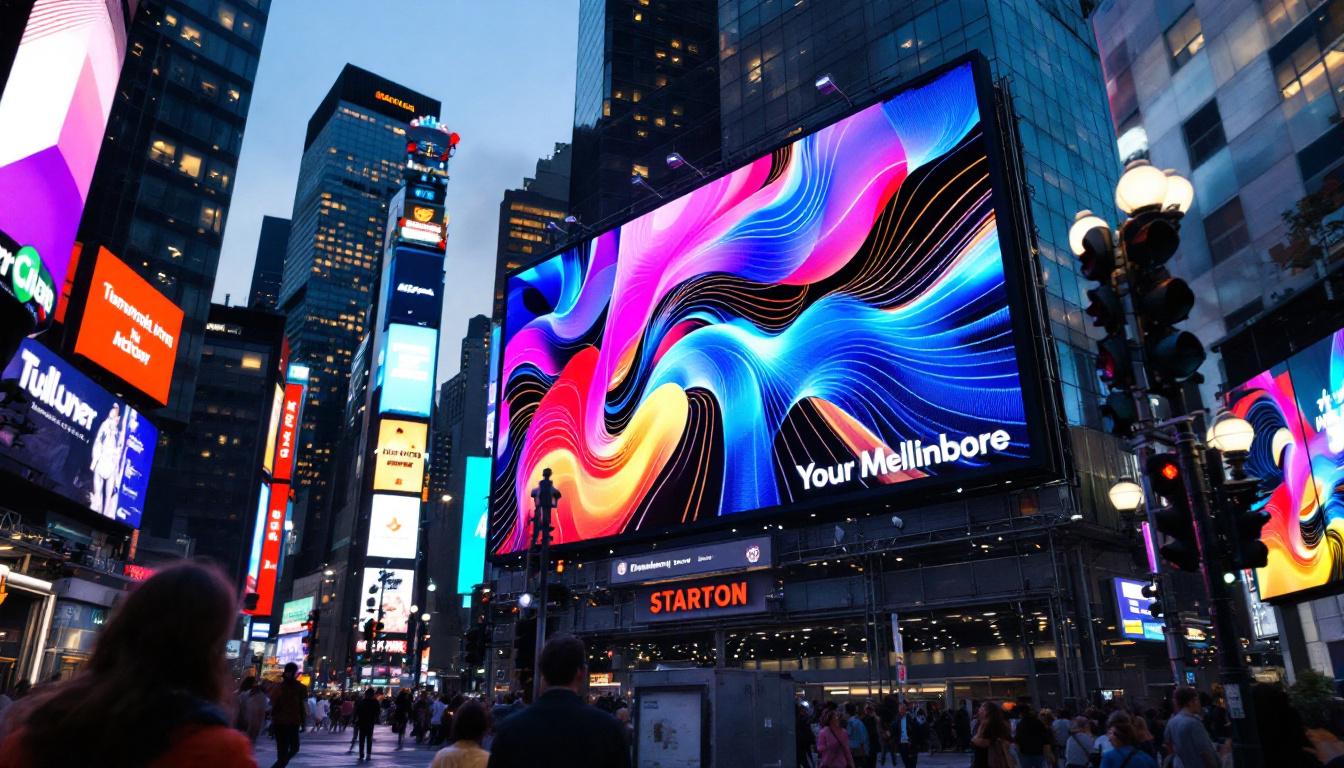
New York City’s skyline is renowned worldwide, not just for its iconic architecture but also for the dazzling array of billboards that light up Times Square and beyond. Among these, LED display billboards have revolutionized outdoor advertising, offering vibrant, dynamic content that captures the attention of millions daily. This article delves into the technology behind New York’s LED billboards, their impact on advertising, and what makes them a vital part of the city’s urban landscape.
Understanding LED Billboard Technology
What is an LED Billboard?
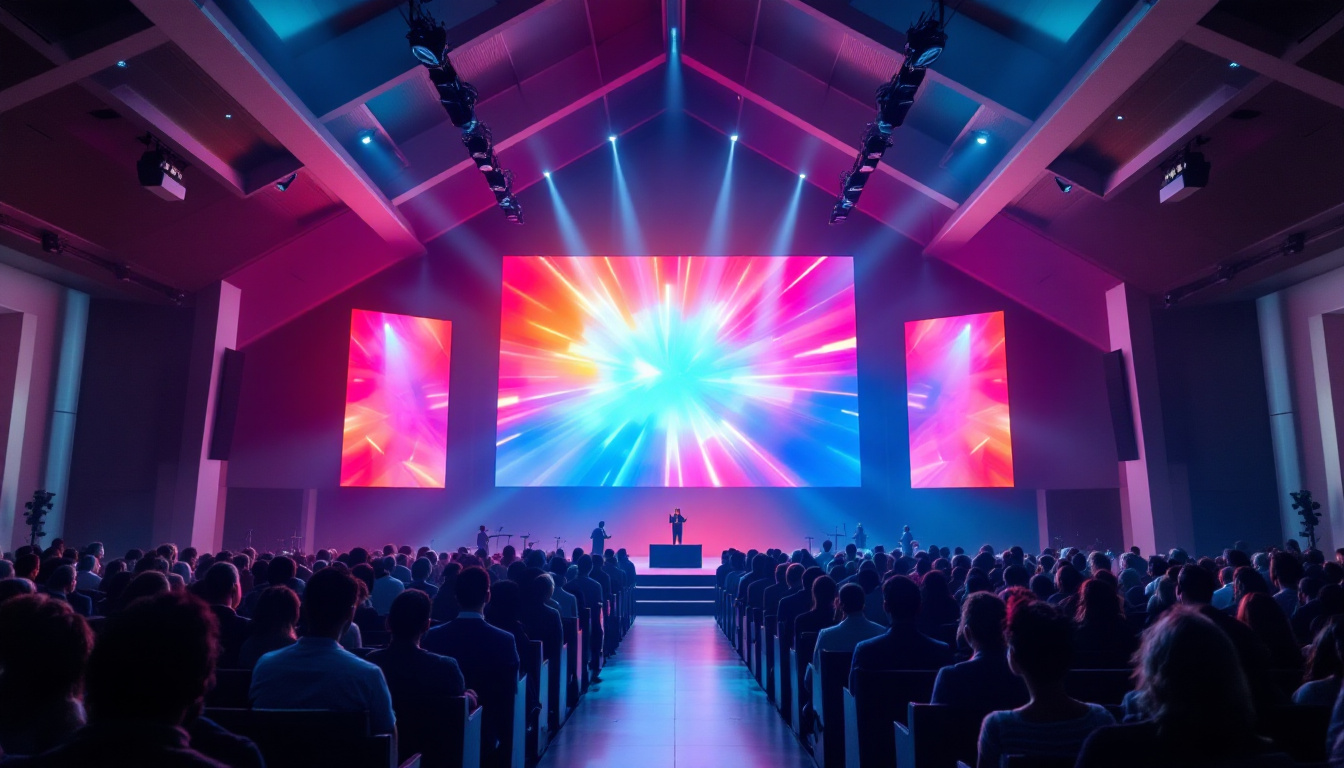
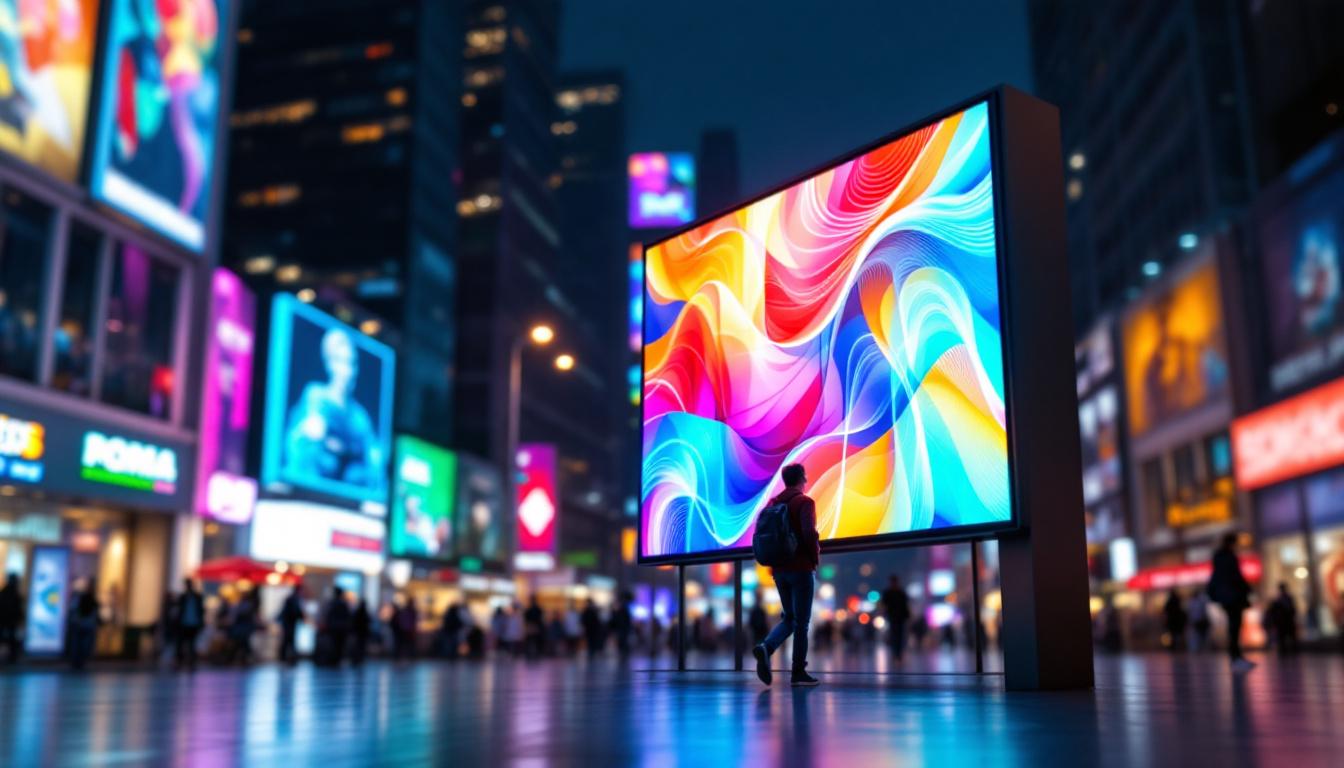
LED, or Light Emitting Diode, billboards are large-format digital displays composed of thousands of tiny LEDs. These diodes emit light when an electric current passes through them, creating bright, colorful images visible even in direct sunlight. Unlike traditional static billboards, LED billboards can display multiple advertisements, animations, and videos, making them highly versatile and engaging.
The technology behind LED displays has advanced rapidly over the past decade, allowing for higher resolution, better color accuracy, and improved energy efficiency. In a city like New York, where competition for attention is fierce, the ability to showcase dynamic content is a game-changer for advertisers. The vibrant visuals not only capture the interest of pedestrians and drivers but also enhance the overall aesthetic of urban environments, transforming blank walls into canvases of creativity and communication.
How Do LED Displays Work?
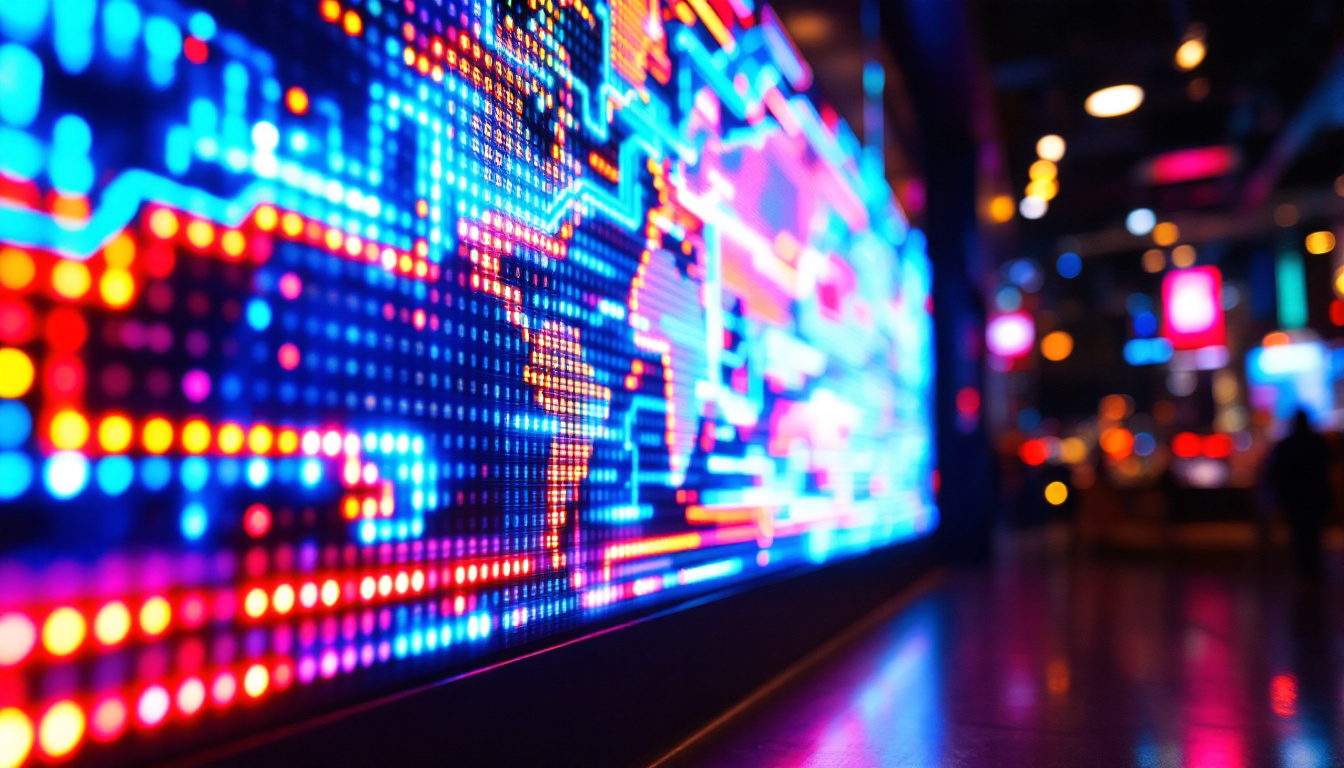
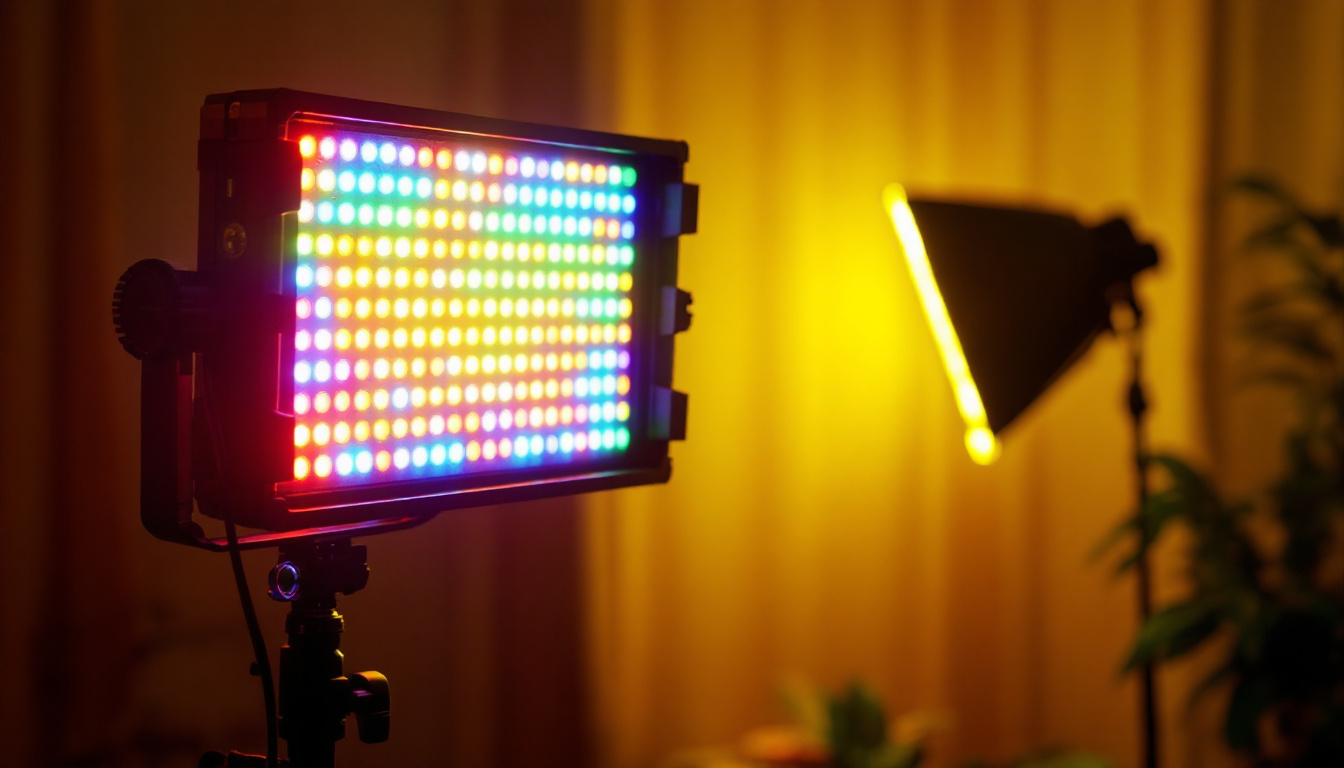
At the core of an LED billboard is a modular panel system. Each panel contains a grid of LEDs arranged in pixels, typically in red, green, and blue (RGB) subpixels. By adjusting the intensity of each subpixel, the display can produce a full spectrum of colors. These panels are connected to a central control system that manages the content, timing, and brightness of the display.
Modern LED billboards use sophisticated software that allows advertisers to schedule content, rotate ads, and even tailor messages based on time of day or audience demographics. Sensors can adjust brightness automatically to ensure visibility without causing glare or excessive light pollution, a crucial feature in a city that never sleeps. Furthermore, advancements in connectivity mean that these billboards can be integrated with social media feeds, allowing real-time updates and interactions with the public. For instance, during a major event, an LED billboard can display live tweets or Instagram posts, creating a sense of community engagement and immediacy that traditional advertising methods simply cannot match.
The Evolution of Billboard Advertising in New York
From Static to Digital
Billboards have been a staple of New York’s advertising scene for over a century, but the transition from static posters to digital LED displays marks a significant shift. Traditional billboards required manual installation of printed materials, limiting the frequency of content changes and the scope of creative expression. Advertisers had to rely on static images and text, which often struggled to capture the fast-paced attention of passersby in a city that never sleeps.
The introduction of LED technology in the early 2000s began transforming the landscape. Times Square, often called “The Crossroads of the World,” became the epicenter of this digital revolution. The first large-scale LED billboards appeared, showcasing animated advertisements and live content, setting a new standard for outdoor advertising worldwide. These vibrant displays not only captured the essence of the city’s energy but also allowed brands to experiment with dynamic storytelling, using motion and color to create captivating narratives that resonated with diverse audiences.
Current Trends and Statistics
As of 2024, New York City hosts hundreds of LED billboards, with Times Square alone featuring more than 50 major digital displays. According to industry reports, digital out-of-home (DOOH) advertising, which includes LED billboards, has seen annual growth rates of over 10% nationwide, outpacing many traditional advertising channels. This surge is largely attributed to the increasing effectiveness of data-driven advertising strategies, where brands can tailor their messages based on real-time analytics and audience demographics.
In 2023, DOOH advertising revenue in the United States surpassed $4 billion, with New York City accounting for a significant share due to its dense population and tourist influx. The ability to deliver real-time, targeted content has made LED billboards particularly attractive to brands aiming to maximize engagement. Furthermore, the integration of social media feeds and interactive elements has transformed passive viewers into active participants, allowing them to engage with advertisements in innovative ways. For instance, campaigns that invite user-generated content or incorporate QR codes for instant promotions have become increasingly popular, blurring the lines between traditional advertising and interactive experiences.
Advantages of LED Billboards in New York
High Visibility and Impact
New York’s urban environment is crowded and noisy, making it challenging for advertisers to stand out. LED billboards offer unparalleled brightness and color vibrancy, ensuring messages are visible day and night. Their dynamic nature captures attention more effectively than static ads, increasing recall and brand awareness.
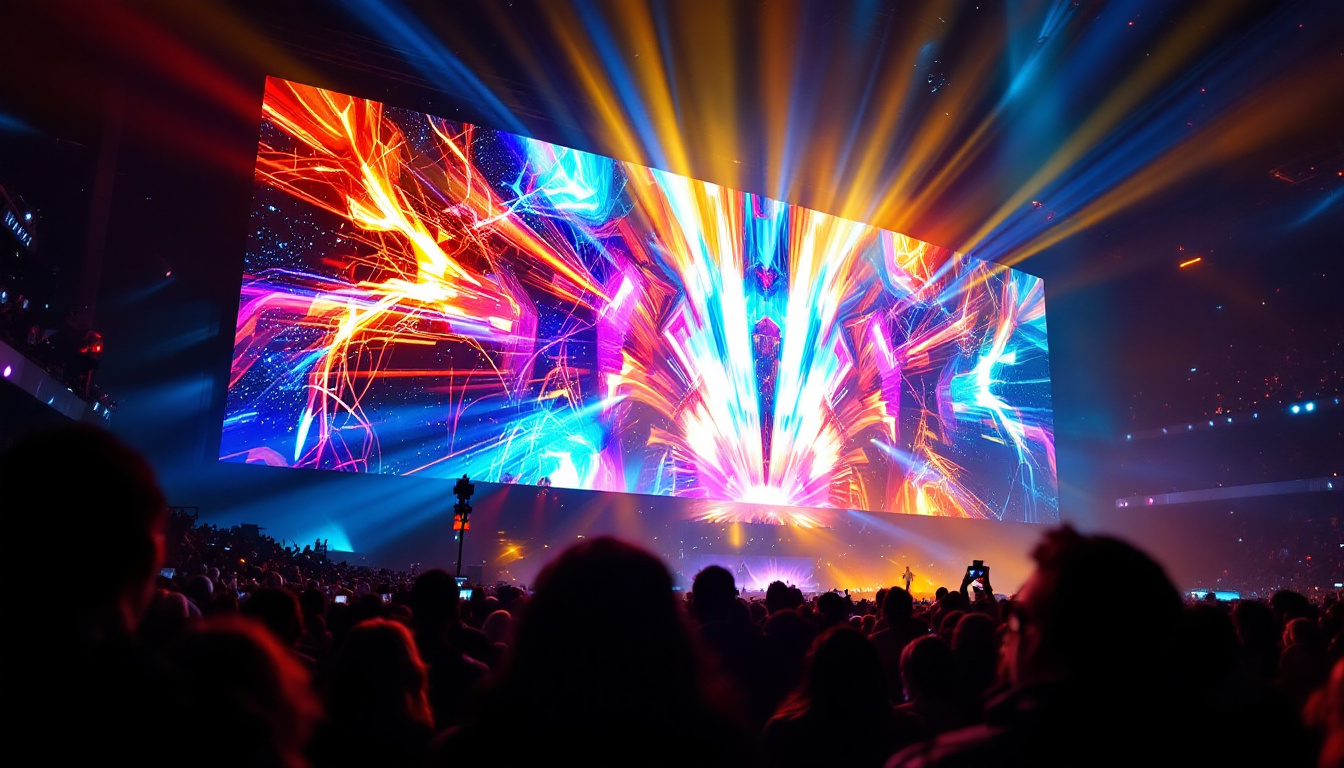
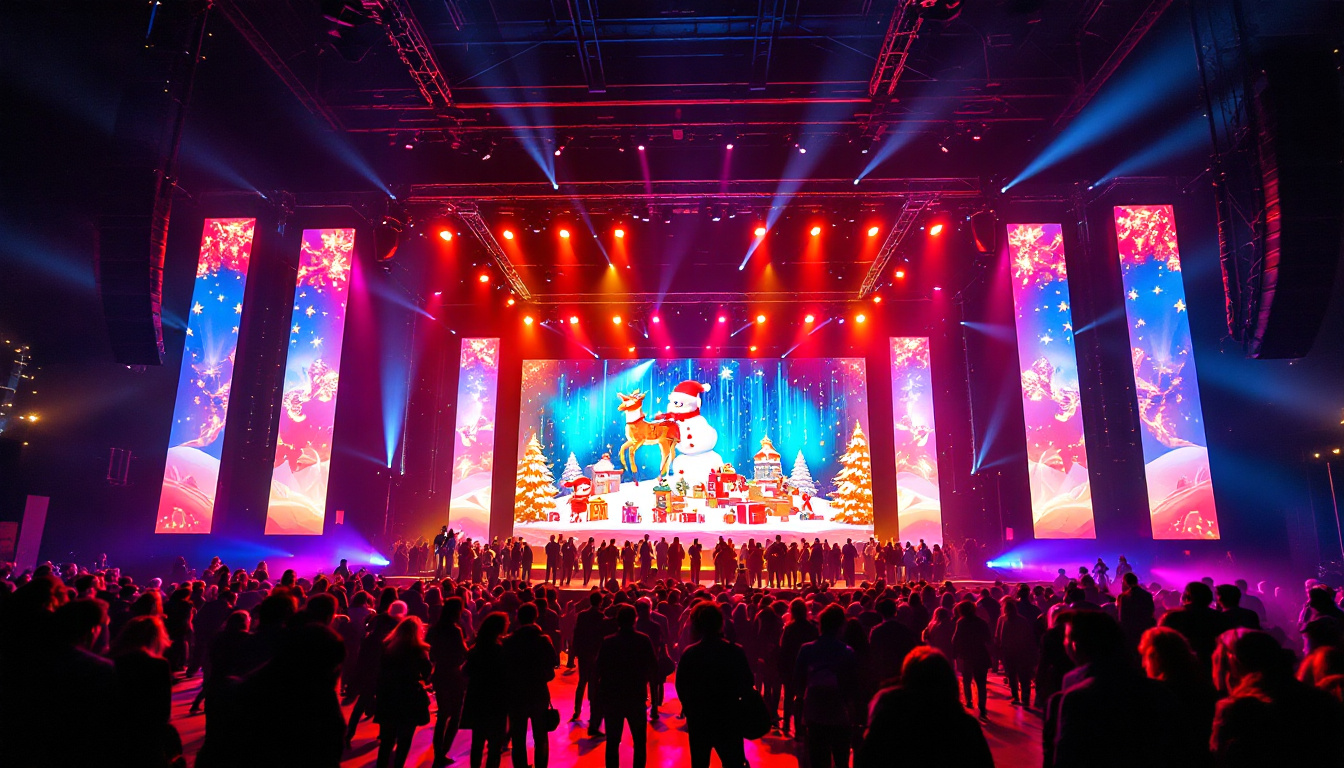
For example, during major events such as New Year’s Eve in Times Square, LED displays play a central role in the festivities, broadcasting live feeds, countdowns, and sponsor messages. This high visibility translates into measurable marketing benefits for advertisers. The sheer scale of these billboards, often towering over pedestrians, creates an immersive experience that enhances the emotional connection to the brand. Moreover, the use of animations and video content allows advertisers to tell compelling stories that resonate with viewers, making their messages more memorable.
Flexibility and Real-Time Updates
One of the most significant advantages of LED billboards is the ability to update content instantly. Advertisers can run multiple campaigns on the same billboard, schedule ads for different times, or respond to current events and trends in real time. This flexibility is especially valuable in a fast-paced city like New York, where consumer interests can shift rapidly.
For instance, during the COVID-19 pandemic, many LED billboards were repurposed to display public health messages alongside commercial advertising, demonstrating their adaptability and social value. This capability not only allows brands to stay relevant but also fosters a sense of community by sharing important information with the public. Additionally, advertisers can leverage data analytics to optimize their campaigns, adjusting messages based on viewer demographics and engagement levels, thereby maximizing their advertising impact.
Energy Efficiency and Sustainability
While LED billboards consume electricity, advances in LED technology have made them more energy-efficient compared to older lighting methods. Many New York billboards now incorporate energy-saving features such as automatic brightness adjustment and low-power modes during off-peak hours.
Additionally, some installations use renewable energy sources or are designed with recyclable materials, aligning with New York City’s broader sustainability goals. This makes LED billboards a more environmentally responsible choice for outdoor advertising. Furthermore, the longevity of LED technology reduces waste, as these lights have a significantly longer lifespan than traditional bulbs. This not only cuts down on replacement costs but also lessens the environmental impact associated with manufacturing and disposing of lighting materials. As cities increasingly prioritize green initiatives, LED billboards represent a forward-thinking solution that harmonizes advertising with ecological responsibility.
Challenges and Regulations Surrounding LED Billboards in New York
Light Pollution and Urban Aesthetics
Despite their benefits, LED billboards have raised concerns about light pollution, especially in residential neighborhoods and historic districts. Excessive brightness can disrupt sleep patterns and detract from the city’s architectural heritage.
To address these issues, New York City enforces strict regulations governing the placement, brightness, and operational hours of LED billboards. For example, the city’s Department of Buildings requires permits and compliance with zoning laws to ensure displays do not negatively impact public safety or quality of life.
Cost and Maintenance
Installing and maintaining LED billboards is capital intensive. High upfront costs, including hardware, software, and installation, can be a barrier for smaller advertisers. Additionally, ongoing maintenance is required to keep the displays functioning optimally, including repairs for weather damage and software updates.
However, the return on investment for advertisers tends to justify these expenses, given the increased engagement and flexibility LED billboards provide.
The Future of LED Billboards in New York
Integration with Smart City Technologies
Looking ahead, LED billboards in New York are poised to become even smarter and more interactive. Integration with 5G networks and Internet of Things (IoT) devices will enable real-time data-driven advertising, where content adapts based on pedestrian traffic, weather conditions, or even social media trends.
For example, a billboard might display different ads depending on the time of day or the demographics of nearby passersby, enhancing relevance and effectiveness.
Augmented Reality and Immersive Experiences
Emerging technologies such as augmented reality (AR) are beginning to merge with LED billboard displays. By combining physical billboards with AR apps, advertisers can create immersive experiences that engage audiences beyond the screen.
This fusion of digital and physical advertising represents the next frontier in outdoor marketing, promising to keep New York’s billboards at the cutting edge of innovation.
Conclusion
New York’s LED billboards are more than just bright signs; they are dynamic platforms that blend technology, creativity, and urban culture. Their ability to captivate millions of residents and visitors daily makes them an indispensable tool for advertisers looking to make a lasting impression.
As LED technology continues to evolve, these billboards will become even more integrated with the city’s fabric, balancing visibility with sustainability and innovation with regulation. Whether in Times Square or along the city’s bustling avenues, LED billboards remain a shining example of how modern technology can transform traditional advertising into an unforgettable visual experience.
Illuminate Your Brand with LumenMatrix
As you’ve seen, LED billboards are transforming New York’s advertising landscape, offering unparalleled opportunities for brands to shine. LumenMatrix stands at the forefront of this revolution, providing a spectrum of innovative LED display solutions tailored to your unique needs. From the vibrant streets of Times Square to the screens that adorn urban spaces, our cutting-edge technology is designed to captivate and engage audiences like never before. Ready to elevate your brand’s visibility and create mesmerizing visual experiences? Check out LumenMatrix LED Display Solutions and join the future of digital storytelling.