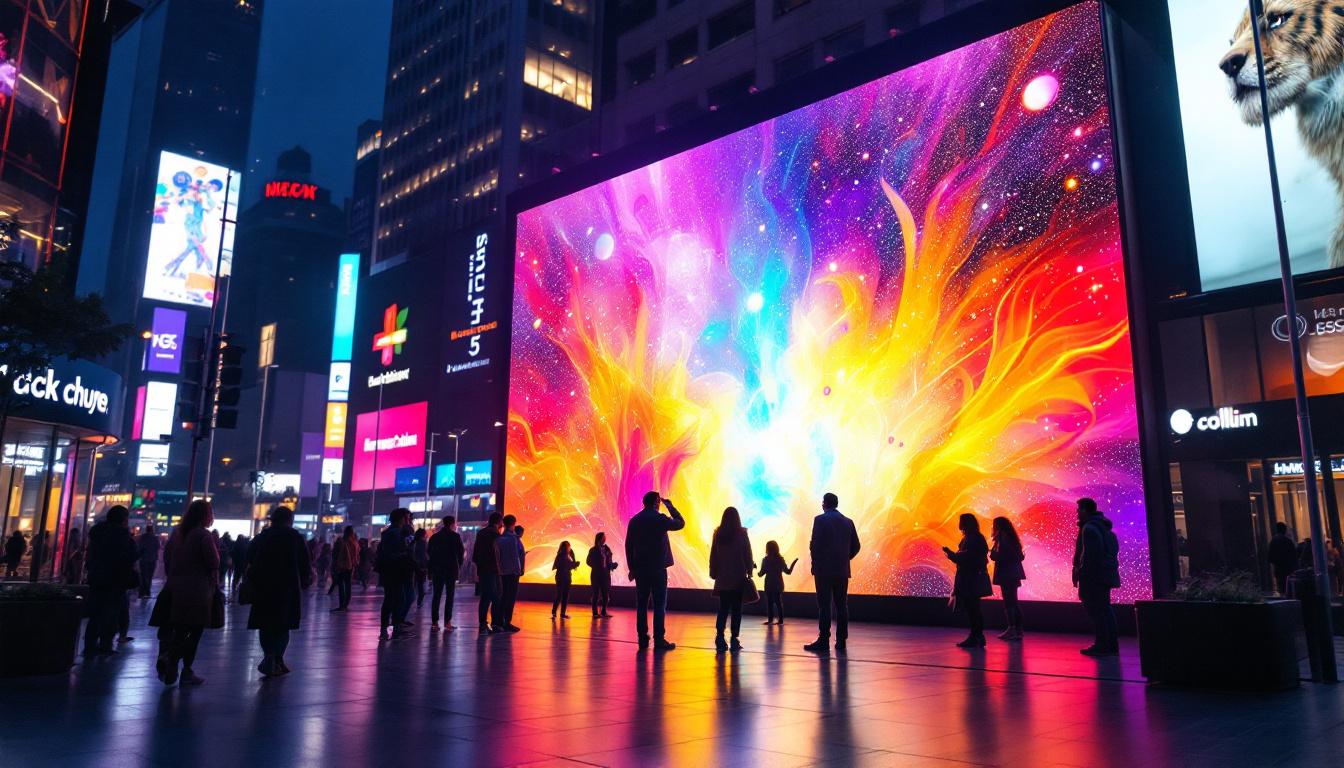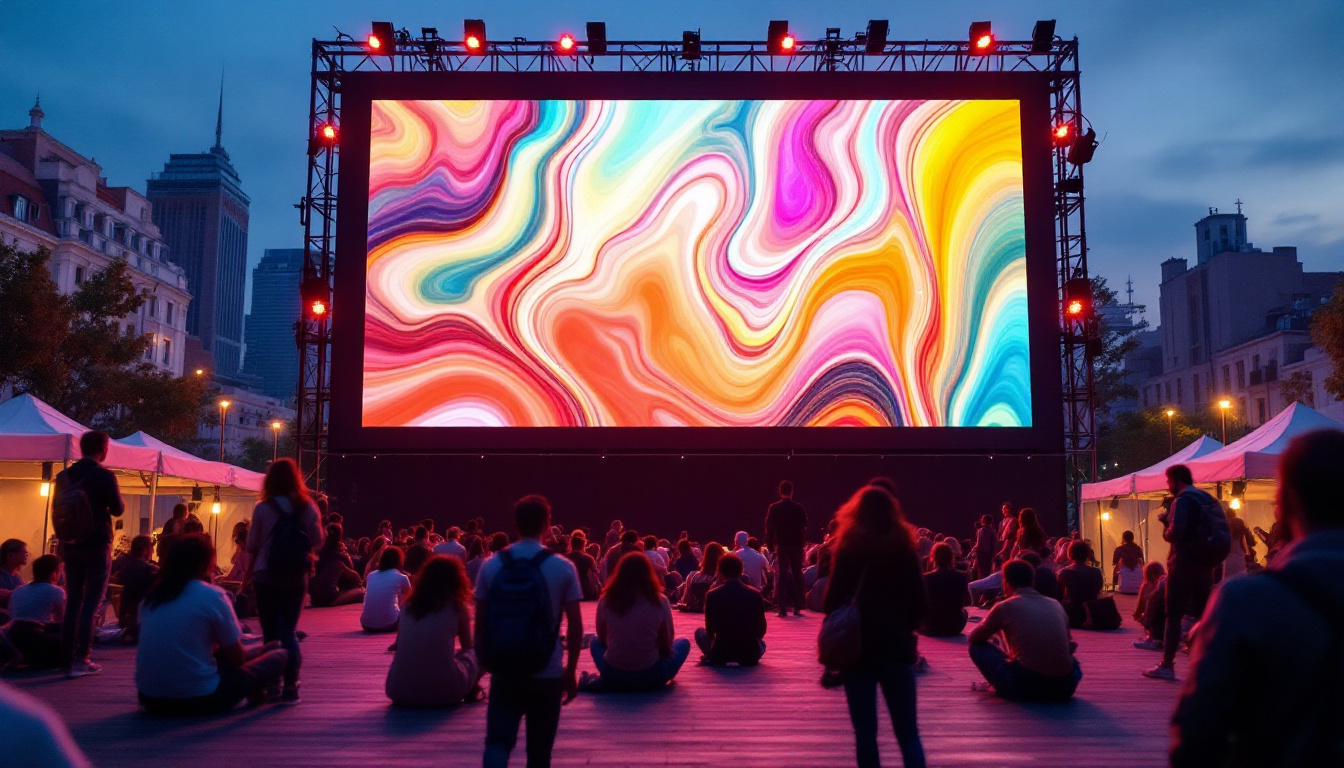
In the rapidly evolving landscape of advertising, mobile outdoor advertising has emerged as a dynamic and impactful medium. Among the various technologies powering this trend, LED displays stand out for their versatility, brightness, and ability to capture attention in diverse environments. This article delves into the world of mobile outdoor advertising, focusing on LED display technology—exploring its benefits, applications, and the future potential it holds for marketers and brands alike.
Understanding Mobile Outdoor Advertising
Mobile outdoor advertising refers to promotional content displayed on moving vehicles or portable structures, allowing brands to reach audiences across multiple locations dynamically. Unlike traditional static billboards, mobile advertising leverages mobility to increase visibility and engagement, often targeting high-traffic areas, events, or specific demographics.
With the rise of urbanization and the increasing time people spend commuting or outdoors, mobile advertising offers a unique opportunity to engage consumers in real-world contexts. According to a 2023 report by the Outdoor Advertising Association of America (OAAA), mobile billboards can increase brand recall by up to 30% compared to stationary signage, highlighting their effectiveness in capturing attention.
Why Mobility Matters in Outdoor Advertising
Mobility introduces flexibility in advertising campaigns. Brands can tailor their routes based on target audience locations, time of day, or special events, maximizing exposure and relevance. For example, a beverage company might deploy mobile LED displays near sports arenas during game days, while a tech startup could focus on business districts during weekday mornings.
Moreover, mobile advertising circumvents some limitations of fixed outdoor ads, such as zoning restrictions or high rental costs for prime billboard locations. This adaptability makes mobile LED displays particularly attractive for businesses seeking cost-effective yet impactful advertising solutions.
What Are LED Displays and How Do They Work?
LED stands for Light Emitting Diode, a semiconductor device that emits light when an electric current passes through it. LED displays consist of numerous tiny LEDs arranged in a grid to form pixels, which collectively produce vibrant images and videos. These displays are widely used in various applications, from television screens to large-scale outdoor signage.
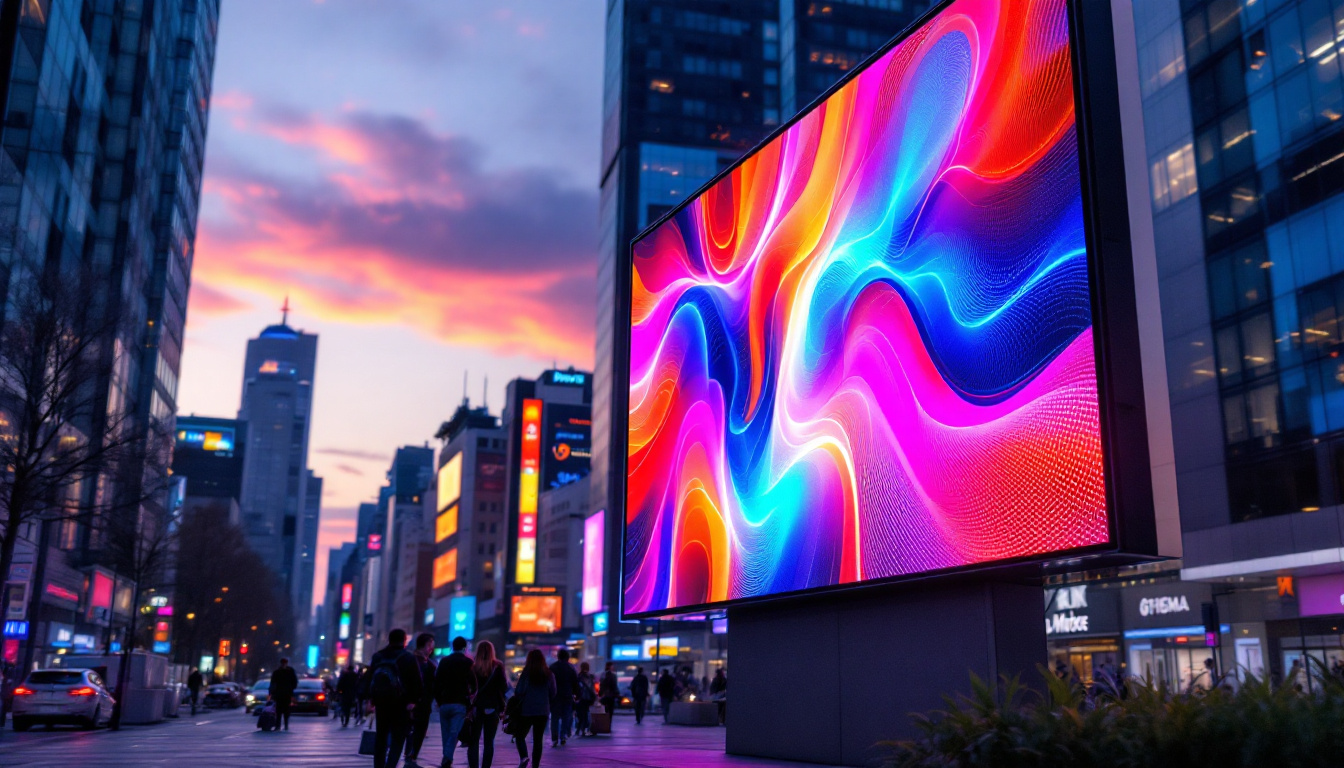
In the context of mobile outdoor advertising, LED displays are typically mounted on trucks, trailers, or other mobile platforms. Their high brightness levels, often exceeding 5,000 nits, enable clear visibility even in direct sunlight, a critical factor for outdoor environments.
Technical Components of Mobile LED Displays
A typical mobile LED display setup includes the following components:
- LED Panels: Modular units that can be assembled to create displays of varying sizes and resolutions.
- Control System: Hardware and software that manage content playback, scheduling, and display settings.
- Power Supply: Batteries or generators that provide the necessary energy for the LED panels and control systems.
- Mounting Structure: The physical frame that secures the LED panels to the vehicle or trailer, designed to withstand movement and weather conditions.
Advancements in LED technology have also introduced features such as high refresh rates and wide viewing angles, ensuring smooth video playback and visibility from different perspectives, which are essential for capturing attention in busy outdoor settings.
Advantages of Mobile LED Displays in Outdoor Advertising
Mobile LED displays combine the benefits of mobility with the superior visual impact of LED technology, creating a powerful advertising tool. Below are some key advantages that make this medium increasingly popular among marketers.
1. High Visibility and Brightness
One of the most significant benefits of LED displays is their exceptional brightness, which ensures that advertisements remain visible in various lighting conditions, including direct sunlight and nighttime. This capability is vital for outdoor advertising, where environmental factors can otherwise diminish the effectiveness of the message.
For instance, a study by Nielsen found that digital outdoor ads, including LED displays, can increase audience engagement by up to 47% compared to static ads, largely due to their brightness and dynamic content.
2. Dynamic and Flexible Content
Unlike traditional billboards, LED displays allow advertisers to change content quickly and remotely. This flexibility enables real-time updates, targeted messaging, and even interactive campaigns. For example, a retailer could promote flash sales or limited-time offers during specific hours, adjusting the content based on audience response or external factors like weather.
This dynamic capability also supports multi-campaign scheduling, allowing different advertisements to be displayed throughout the day, maximizing revenue opportunities for advertisers and media owners.
3. Enhanced Engagement Through Motion and Video
LED displays support full-motion video and animations, which are proven to attract more attention than static images. Motion graphics can tell a story, demonstrate product features, or evoke emotions more effectively, leading to higher recall and conversion rates.
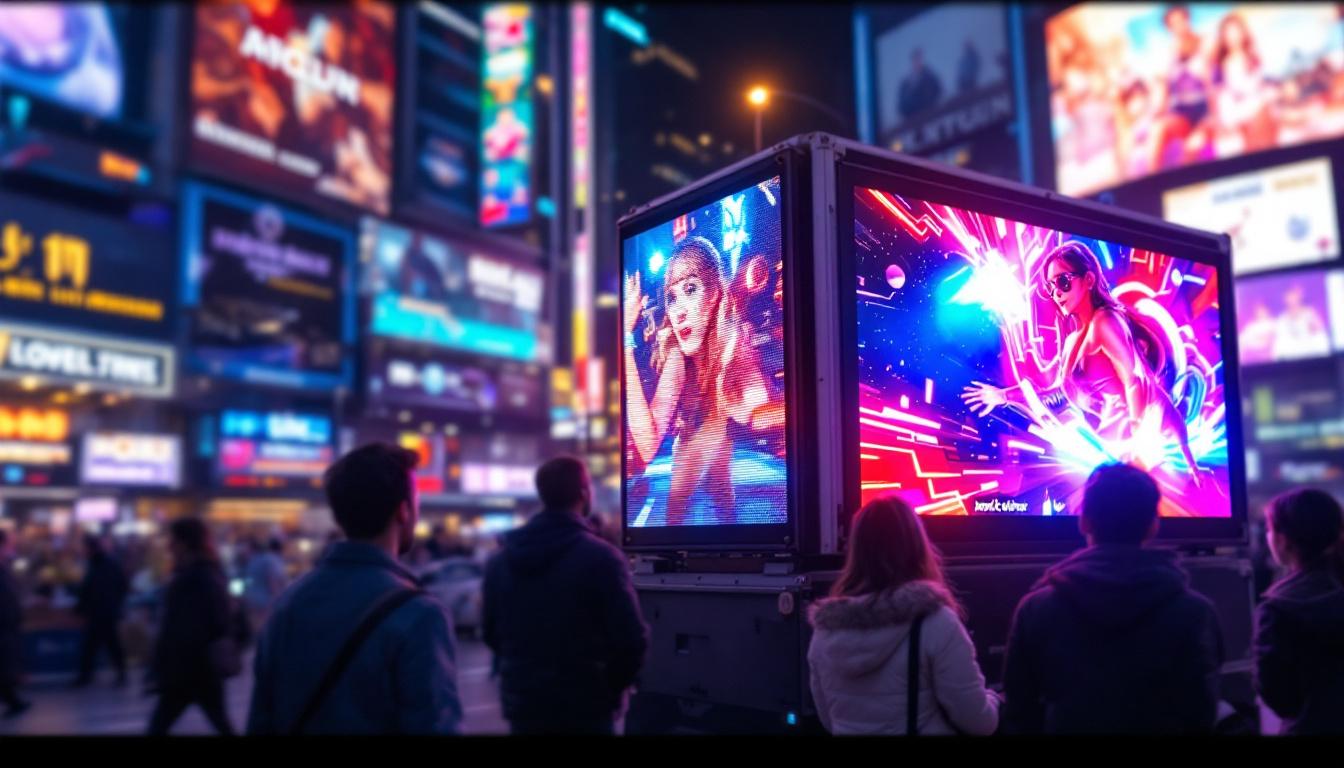
For example, a mobile LED display promoting a new car model might show the vehicle in action, highlighting its design and performance, which is far more compelling than a static image.
4. Cost-Effectiveness Over Time
While the initial investment in mobile LED display technology can be higher than traditional static billboards, the long-term benefits often outweigh the costs. The ability to update content without printing new materials reduces ongoing expenses. Additionally, the extended lifespan of LED panels—often exceeding 100,000 hours—means lower maintenance and replacement costs.
Furthermore, the mobility factor allows advertisers to optimize campaign reach without additional location fees, making it a cost-efficient option for many businesses.
Applications and Use Cases of Mobile LED Displays
Mobile LED displays have found applications across various industries and campaign types. Their versatility and impact make them suitable for a wide range of marketing objectives.
Event Promotion and Sponsorship
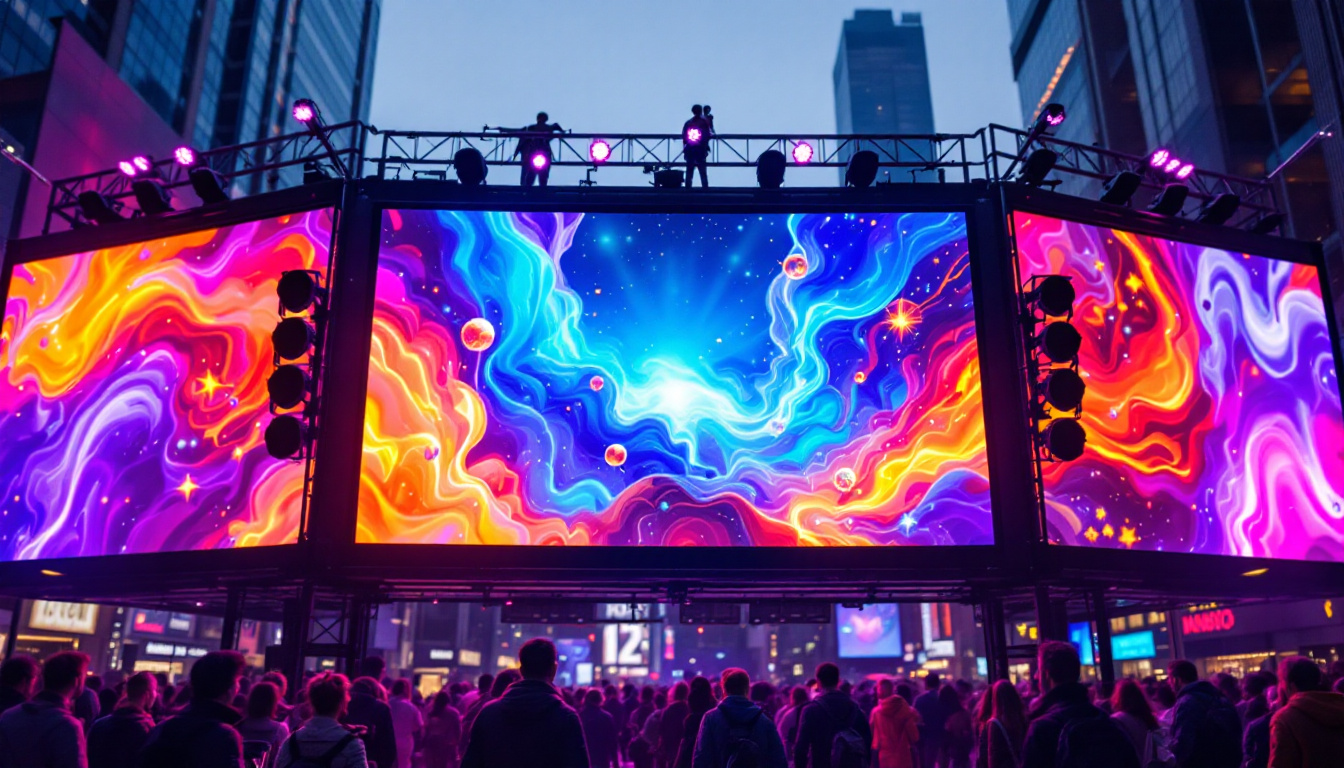
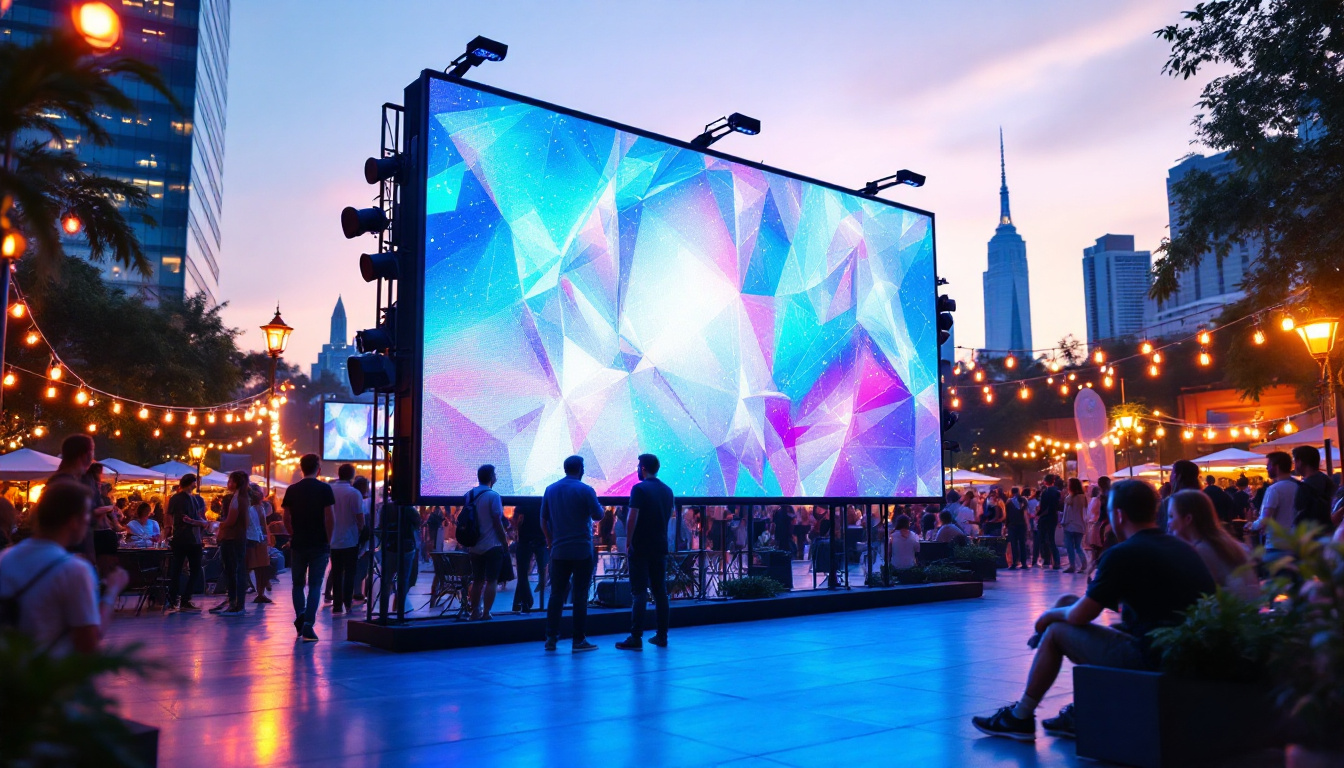
Sports events, concerts, festivals, and trade shows are prime environments for mobile LED advertising. The ability to move displays around event venues or nearby areas ensures maximum visibility among attendees and passersby.
For example, during major sporting events like the Super Bowl or the Olympics, brands often deploy mobile LED trucks to showcase live scores, sponsor messages, and interactive content, enhancing the overall fan experience while promoting their products.
Retail and Product Launches
Retailers leverage mobile LED displays to announce store openings, seasonal sales, or new product launches. The dynamic content capabilities allow for eye-catching promotions that can be updated instantly based on inventory or marketing strategies.
Automotive companies, in particular, have embraced mobile LED advertising for product launches, using video demonstrations and immersive visuals to engage potential buyers in high-traffic urban areas.
Political Campaigns and Public Awareness
Political candidates and advocacy groups utilize mobile LED displays to disseminate messages, rally supporters, and increase visibility during campaign seasons. The ability to move through neighborhoods and public spaces ensures broad reach and repeated exposure.
Additionally, public health campaigns have adopted mobile LED advertising to communicate critical information, such as vaccination drives or emergency alerts, leveraging the technology’s immediacy and clarity.
Challenges and Considerations in Mobile LED Advertising
Despite its many advantages, mobile LED advertising also presents certain challenges that advertisers and operators must consider to maximize effectiveness and compliance.
Regulatory and Legal Restrictions
Many municipalities have regulations governing outdoor advertising, including restrictions on digital signage brightness, content, and placement. Mobile LED displays must comply with local laws, which can vary widely between regions.
For example, some cities impose curfews on digital signage or limit the use of moving advertisements near sensitive areas like schools or hospitals. Failure to adhere to these regulations can result in fines or forced removal of displays.
Technical and Operational Challenges
Operating mobile LED displays requires technical expertise to manage content, maintain equipment, and ensure reliable power supply. Weather conditions such as rain, wind, or extreme temperatures can affect performance and durability.
Additionally, logistical considerations like route planning, vehicle maintenance, and driver safety are critical to successful deployment. Coordinating these factors demands careful planning and investment.
Audience Saturation and Message Fatigue
As mobile LED advertising becomes more prevalent, there is a risk of audience saturation, where repeated exposure leads to diminished impact. To counteract this, advertisers must focus on creative content, strategic timing, and targeted placement to maintain engagement.
Innovations such as personalized messaging or interactive elements can help refresh the audience’s interest and improve campaign outcomes.
The Future of Mobile Outdoor Advertising with LED Displays
Looking ahead, mobile LED advertising is poised to integrate with emerging technologies, enhancing its capabilities and effectiveness.
Integration with Data and AI
Artificial intelligence and data analytics are beginning to influence outdoor advertising strategies. Mobile LED displays can leverage real-time data—such as weather, traffic patterns, or social media trends—to tailor content dynamically, increasing relevance and engagement.
For example, AI-driven systems might adjust advertisements based on the demographics of nearby pedestrians or the time of day, optimizing message delivery for maximum impact.
Interactive and Augmented Reality Experiences
Future mobile LED displays may incorporate interactive features, such as touchscreens or gesture recognition, allowing audiences to engage directly with content. Augmented reality (AR) overlays could create immersive experiences that blend digital and physical worlds, further captivating viewers.
Such innovations could revolutionize how brands communicate, transforming passive viewers into active participants in advertising campaigns.
Sustainability and Energy Efficiency
As environmental concerns grow, the advertising industry is focusing on sustainability. Advances in LED technology continue to improve energy efficiency, reducing power consumption and carbon footprints.
Mobile LED displays powered by renewable energy sources, such as solar panels integrated into vehicles, are becoming feasible, aligning advertising practices with corporate social responsibility goals.
Conclusion
Mobile outdoor advertising powered by LED displays represents a compelling fusion of technology and marketing strategy. Its ability to deliver bright, dynamic, and flexible content to diverse audiences across multiple locations makes it an invaluable tool for brands seeking to stand out in crowded marketplaces.
While challenges exist—ranging from regulatory compliance to operational logistics—the benefits of mobility, visual impact, and content adaptability position LED displays at the forefront of outdoor advertising innovation. As technology advances, integrating AI, interactivity, and sustainability, mobile LED advertising will continue to evolve, offering exciting opportunities for marketers to connect with consumers in meaningful and memorable ways.
Illuminate Your Brand with LumenMatrix
Ready to elevate your mobile outdoor advertising and captivate your audience like never before? Discover LumenMatrix’s innovative LED display solutions, designed to bring your brand’s message to life with unparalleled brightness and clarity. From bustling city streets to the excitement of game day, our range of LED display modules—including Indoor and Outdoor LED Walls, Vehicle Displays, and more—offer the flexibility and impact you need. Check out LumenMatrix LED Display Solutions today and start creating unforgettable visual experiences that resonate with viewers and drive engagement.