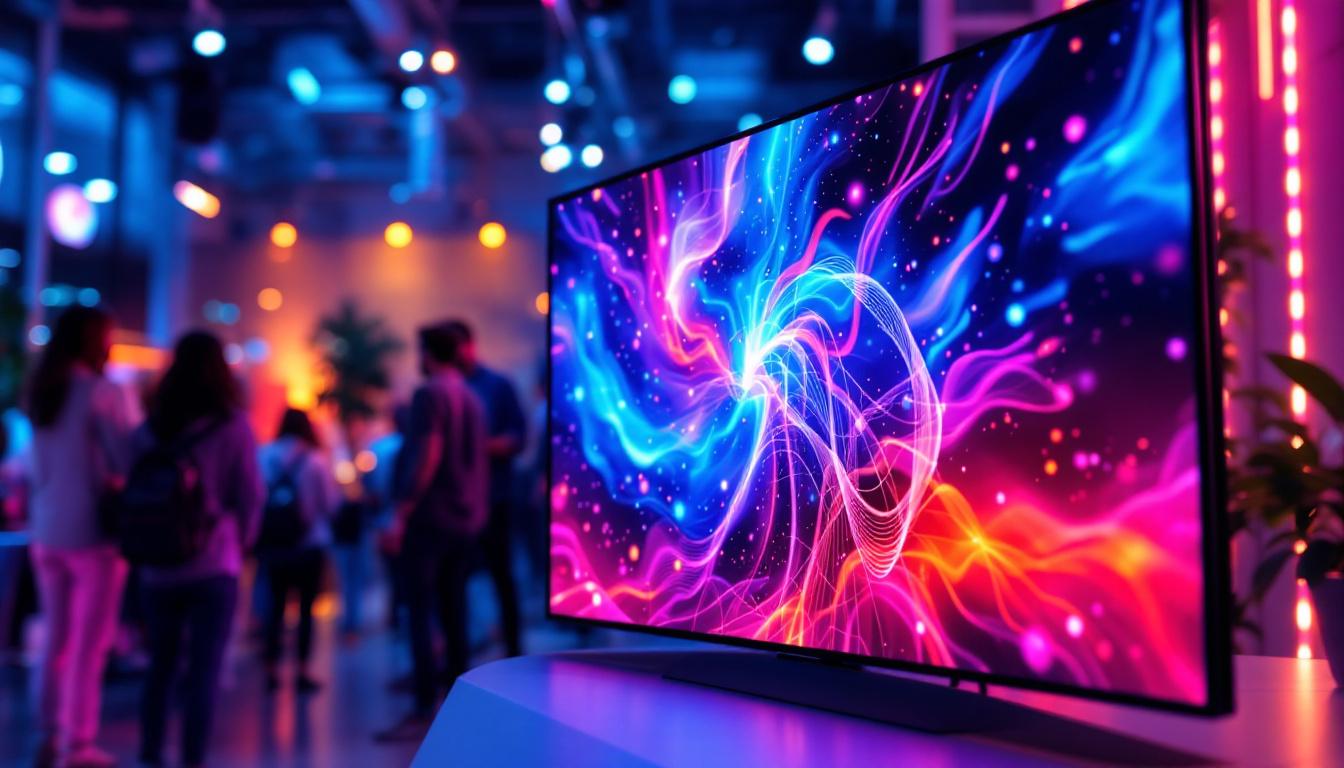
In the rapidly evolving world of digital displays, flexible LED screens have emerged as a groundbreaking technology, reshaping how brands, artists, and event organizers communicate visually. Unlike traditional rigid LED panels, flexible LED screens offer unprecedented versatility, enabling curved, bent, and even foldable displays that adapt seamlessly to diverse environments and creative demands.
This article delves into the technology behind flexible LED screens, their applications, advantages, and considerations for use. Whether you are a business owner, event planner, or technology enthusiast, understanding flexible LED displays will empower you to leverage this dynamic medium effectively.
Understanding Flexible LED Screen Technology
What Are Flexible LED Screens?
Flexible LED screens are digital display panels constructed with light-emitting diodes (LEDs) mounted on pliable substrates instead of rigid circuit boards. This design allows the screen to bend, curve, or fold without damaging the electronic components. The flexibility comes from innovative materials such as thin printed circuit boards (PCBs), flexible polymers, and advanced encapsulation techniques protecting the LEDs.
These screens maintain high brightness, vibrant colors, and excellent contrast ratios, comparable to traditional LED displays, but with the added benefit of adaptability in shape and form. The pixel pitch—the distance between individual LEDs—varies depending on the application, influencing resolution and viewing distance. This versatility makes flexible LED screens suitable for a wide range of applications, from advertising and entertainment to architectural installations and event staging. Their ability to conform to various surfaces opens up creative possibilities that were previously unattainable with standard flat screens.
How Do Flexible LED Screens Work?
At the core, flexible LED screens operate on the same principle as conventional LED displays: arrays of tiny LEDs emit light when electrically charged. However, the key difference lies in the substrate and assembly process. Flexible screens use bendable printed circuit boards and flexible connectors, enabling the entire panel to flex without breaking the electrical pathways.
Modern flexible LED modules often incorporate surface-mount device (SMD) LEDs, which are small and lightweight, facilitating the slim and flexible design. These modules are then assembled into larger panels or strips, which can be shaped to fit curved surfaces or even rolled up for transport. This capability is particularly beneficial for temporary installations, such as concerts or exhibitions, where quick setup and takedown are essential. Additionally, advancements in technology have led to improvements in energy efficiency and heat management, allowing these displays to operate effectively in various environments without overheating or consuming excessive power.
Furthermore, the integration of smart technology into flexible LED screens has revolutionized their functionality. Many of these displays now come equipped with sensors and connectivity options, enabling real-time data display and interactivity. This feature is particularly appealing for retail environments, where dynamic content can be tailored to customer behavior or preferences. As the demand for immersive experiences continues to grow, flexible LED screens are becoming a centerpiece in modern design, merging aesthetics with cutting-edge technology.
Key Advantages of Flexible LED Displays
Design Versatility and Creative Freedom
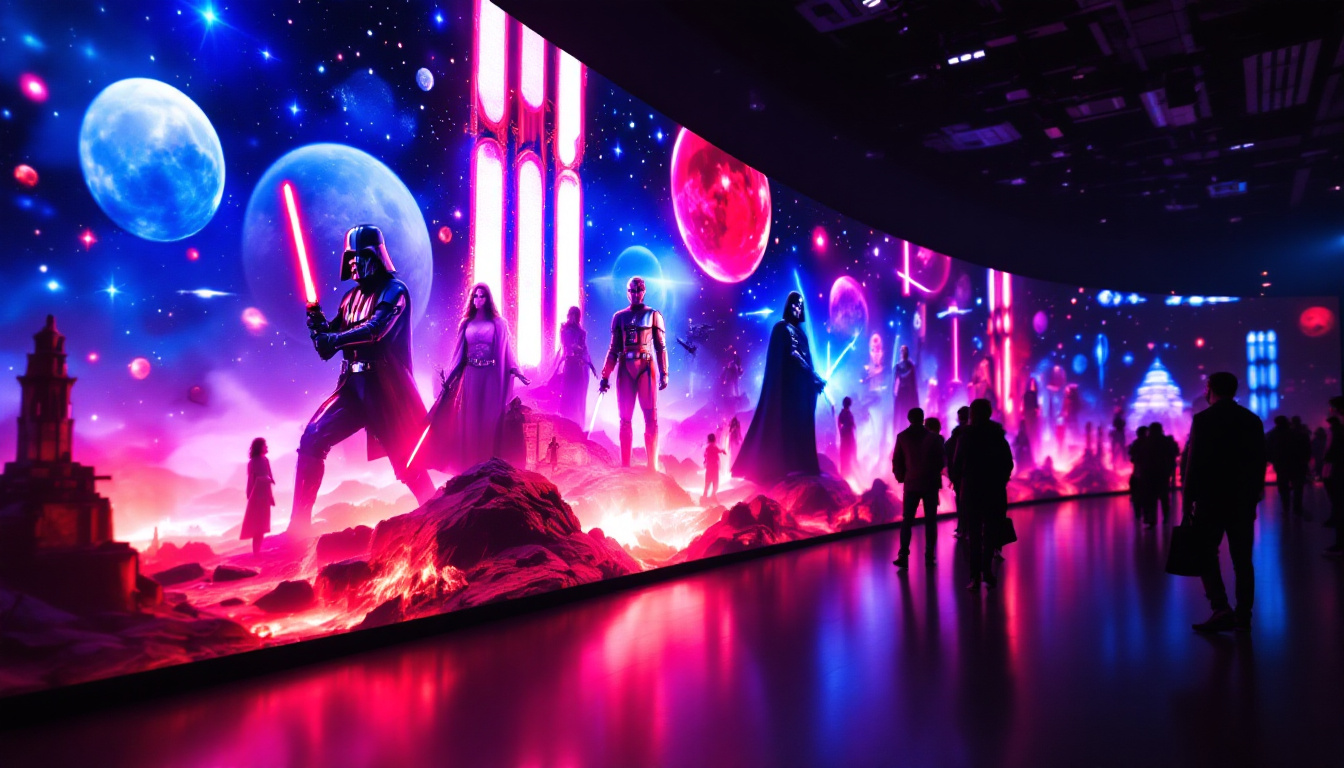
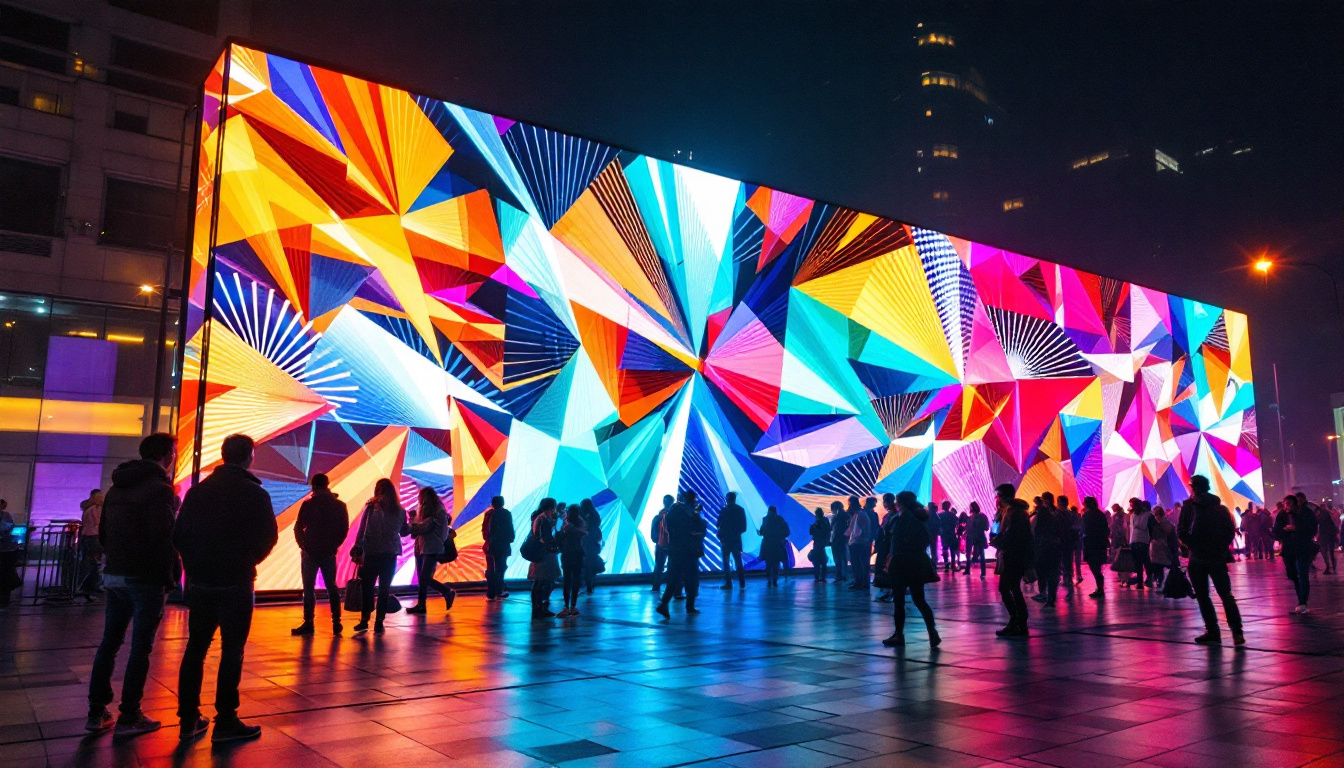
One of the most compelling benefits of flexible LED screens is their ability to conform to unconventional surfaces. Architects and designers can integrate these displays into curved walls, cylindrical columns, or irregularly shaped installations, creating immersive visual experiences that were previously impossible with rigid panels.
This flexibility opens new avenues for creative expression in advertising, retail, entertainment, and public art. For example, a retail store might wrap a flexible LED screen around a pillar to showcase dynamic promotions, or a concert stage could feature curved LED backdrops that enhance the visual impact of performances. The potential for storytelling through visuals is amplified, as designers can create narratives that flow seamlessly across surfaces, engaging viewers in a way that traditional displays cannot. Moreover, the ability to customize the shape and size of these screens allows brands to create unique identities that resonate with their target audiences, making a lasting impression.
Lightweight and Portable
Flexible LED screens tend to be lighter than their rigid counterparts, which facilitates easier installation and transportation. This characteristic is particularly valuable for touring events, trade shows, and temporary installations where quick setup and teardown are essential.
Some flexible LED displays can be rolled or folded, significantly reducing the space needed for storage and shipping. This portability also reduces labor and logistics costs, making flexible LED screens an economical choice for many applications. Furthermore, the ease of handling these displays allows for innovative uses in pop-up events or temporary art installations, where flexibility and adaptability are crucial. As a result, businesses can respond swiftly to market trends and consumer demands, deploying eye-catching displays that captivate audiences without the burden of cumbersome equipment.
Durability and Energy Efficiency
Despite their pliability, flexible LED screens are engineered to withstand environmental stresses such as vibration, impact, and temperature fluctuations. Many are designed with weatherproof coatings, enabling outdoor use in various climates.
Additionally, LED technology inherently consumes less power than other display types like LCD or projection, contributing to lower operational costs and a reduced carbon footprint. The energy efficiency combined with long lifespan makes flexible LED displays a sustainable option for ongoing use. This durability means that businesses can invest in these displays with confidence, knowing they can endure the rigors of daily use while maintaining high-quality performance. Moreover, the reduced maintenance needs associated with flexible LED technology further enhance their appeal, allowing organizations to focus on their core activities rather than worrying about frequent repairs or replacements. As sustainability becomes a priority for many industries, the longevity and efficiency of flexible LED displays align perfectly with eco-conscious initiatives, making them a smart choice for the future.
Applications of Flexible LED Screens
Advertising and Retail Environments
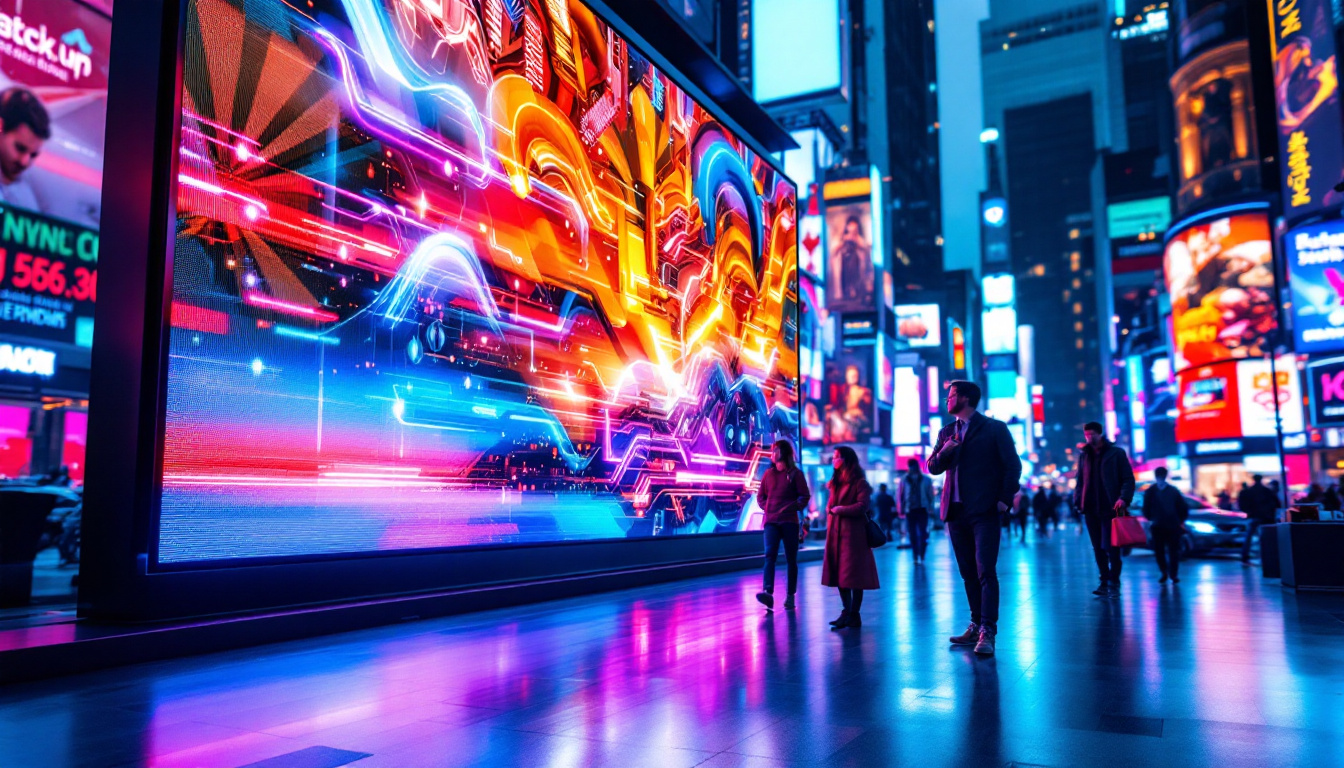
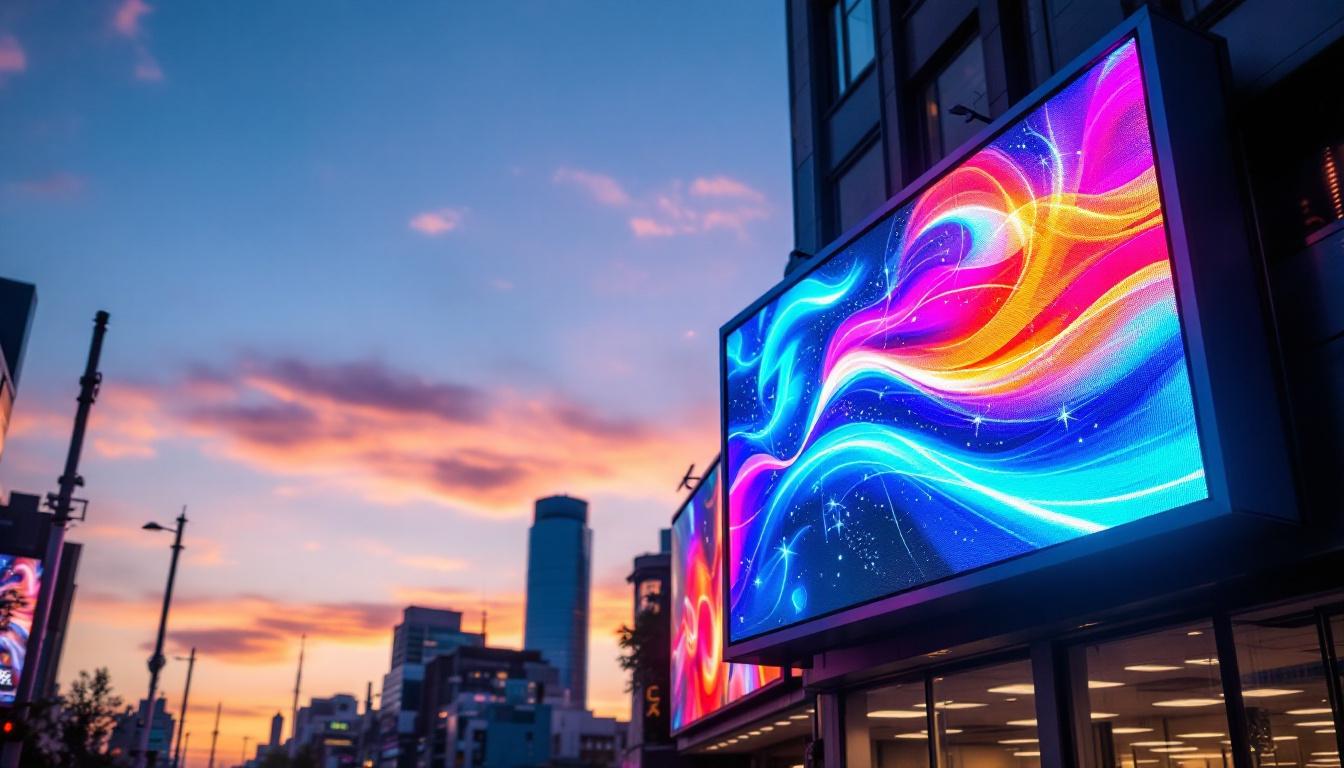
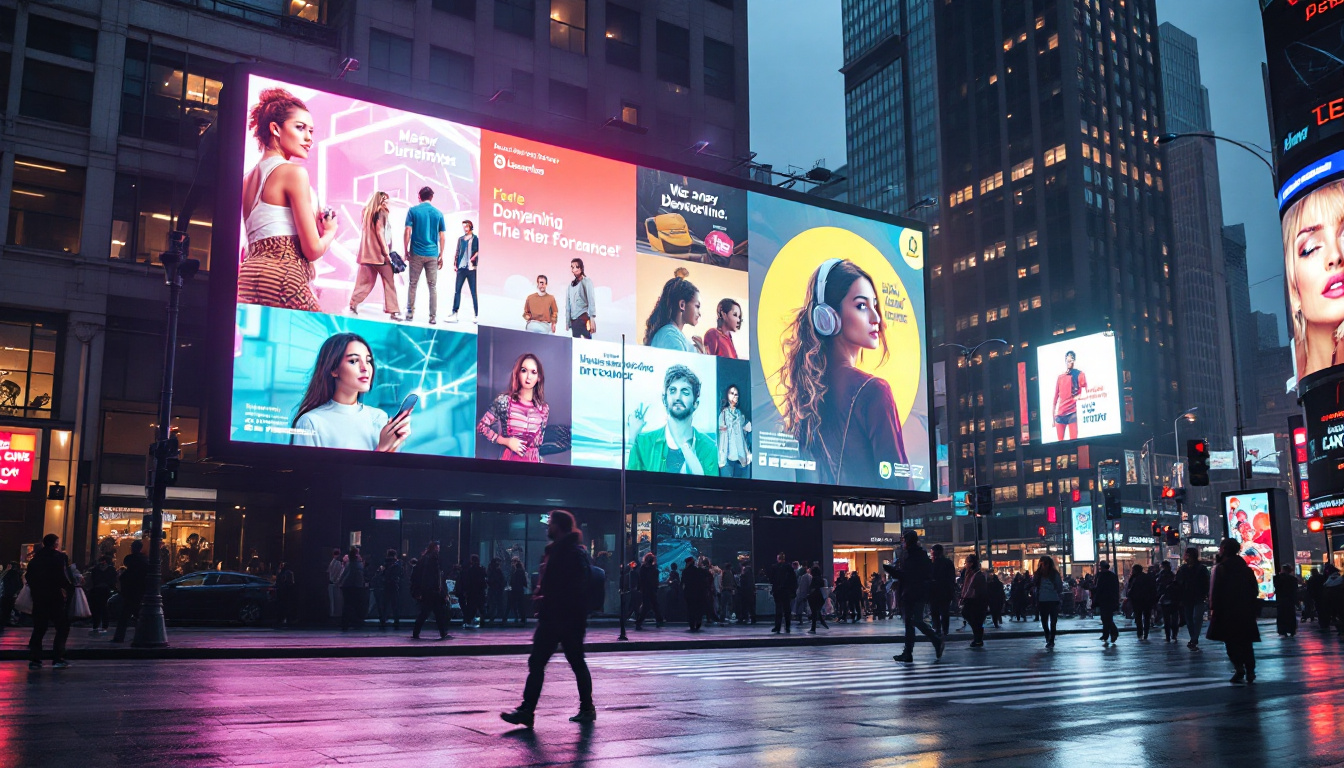
Flexible LED screens have revolutionized advertising by enabling brands to create eye-catching, immersive displays that attract consumer attention. Curved LED billboards, flexible window displays, and wrap-around digital signage allow for innovative storytelling and dynamic content presentation.
Retailers use flexible LED screens to enhance in-store experiences, providing engaging visuals that can be updated in real-time to reflect promotions, new products, or seasonal themes. The ability to conform to store architecture means displays can be integrated seamlessly without compromising aesthetics.
Events, Entertainment, and Stage Design
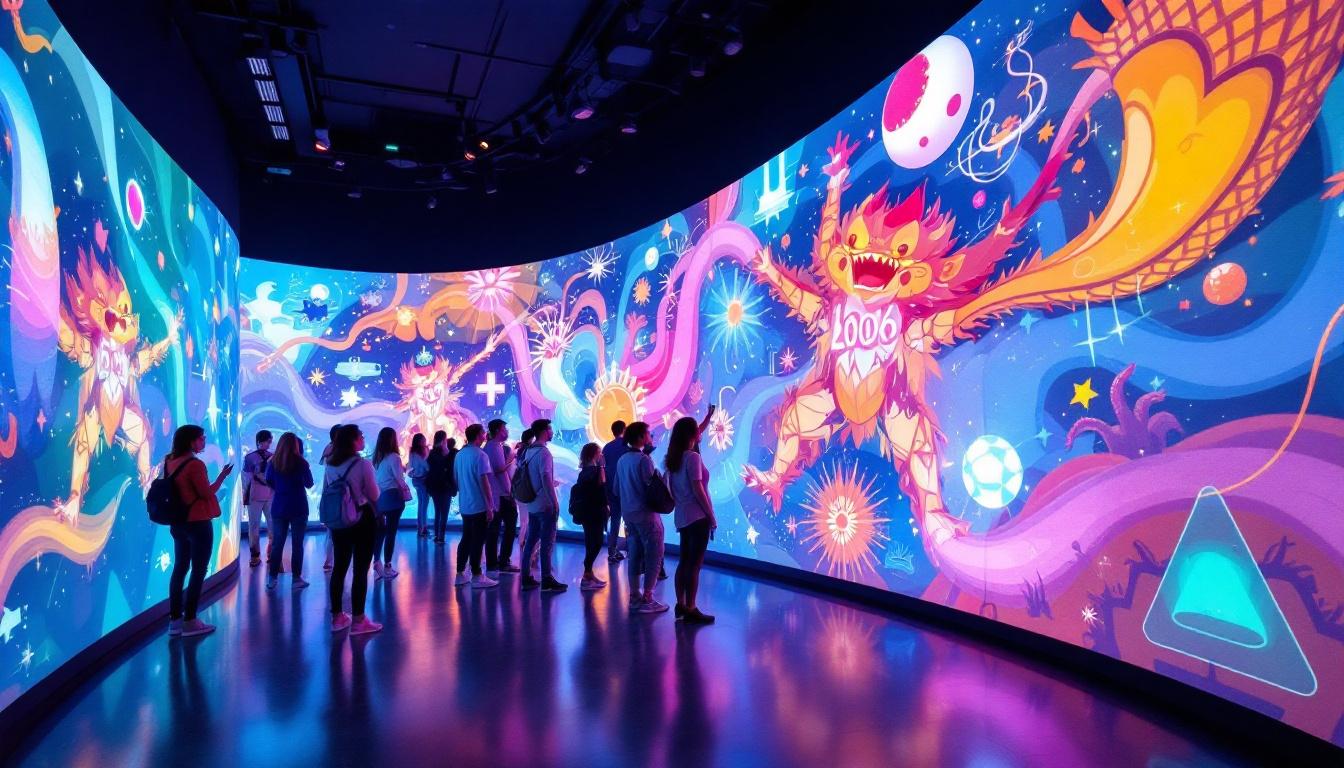
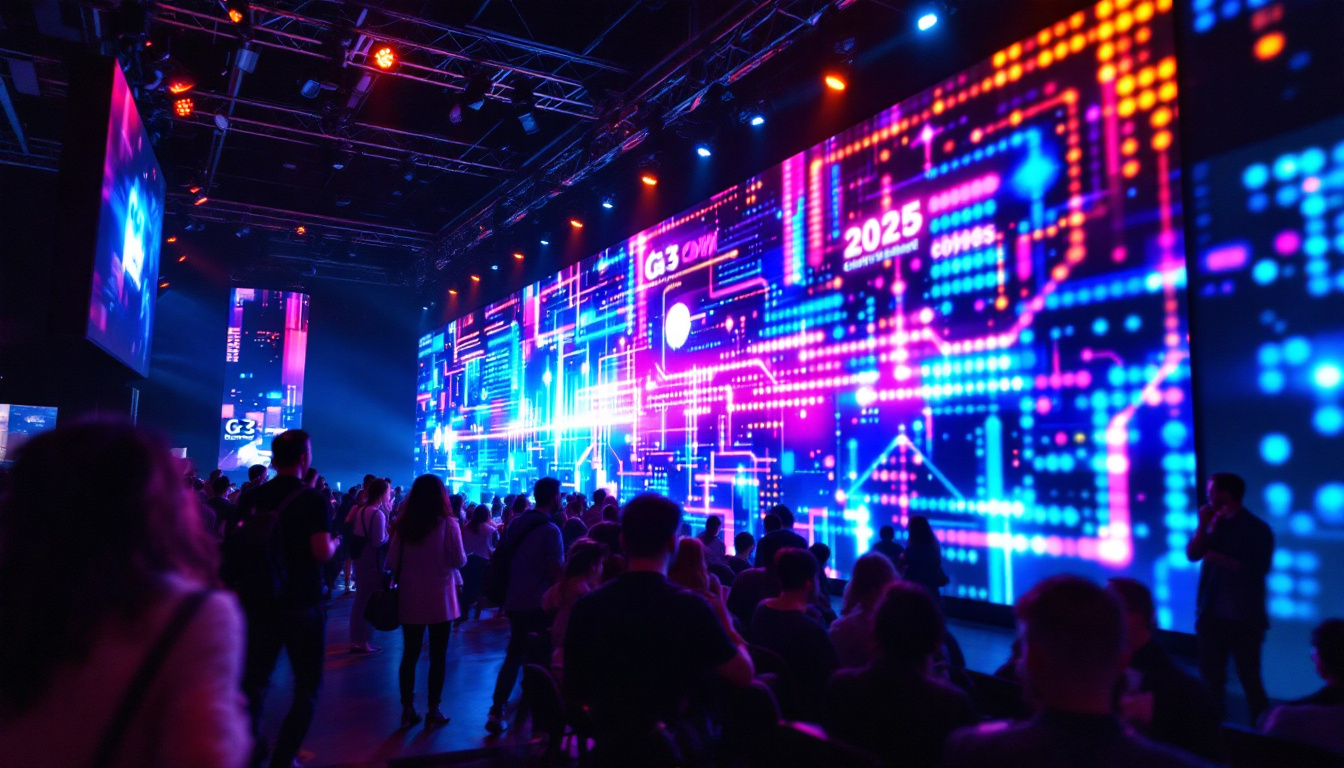
Concerts, theaters, and live events benefit enormously from flexible LED technology. Stage designers can craft curved or even spherical LED screens that envelop performers, creating immersive environments that captivate audiences.
Flexible LED screens also enable creative lighting effects and interactive installations, enhancing the overall sensory experience. Their lightweight and modular nature make them ideal for touring productions, where quick assembly and disassembly are critical.
Architectural and Public Installations
In architecture, flexible LED screens are used to integrate digital art and information displays into building facades, interior walls, and public spaces. These installations can transform urban environments, providing dynamic content such as news, advertisements, or artistic visuals.
Examples include curved LED walls in airports, flexible LED columns in shopping malls, and large-scale digital murals that respond to environmental data or user interaction. This fusion of technology and design enhances public engagement and modernizes infrastructure.
Technical Considerations When Choosing Flexible LED Screens
Resolution and Pixel Pitch
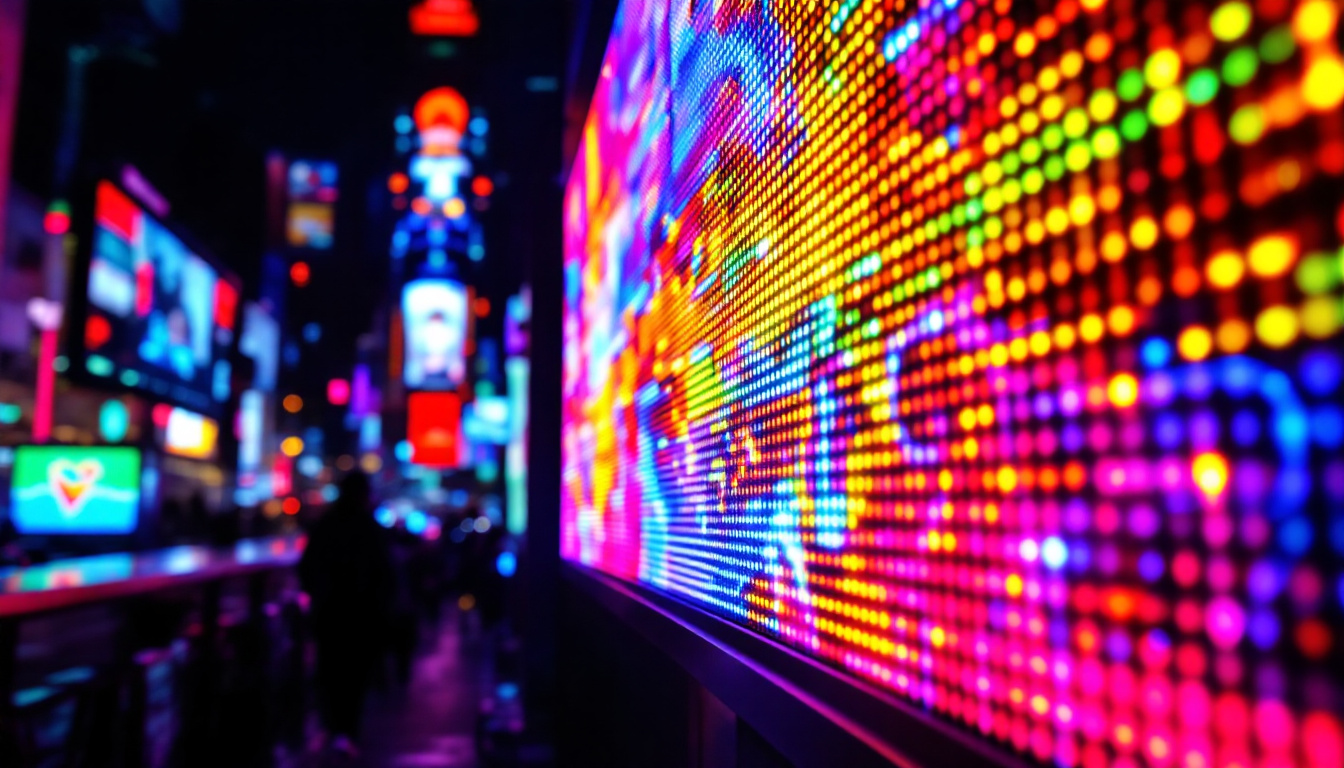
Resolution is a critical factor in selecting a flexible LED screen, directly influenced by pixel pitch—the distance between individual LEDs. Smaller pixel pitches provide higher resolution and sharper images, suitable for close viewing distances, while larger pitches are more cost-effective for large-scale displays viewed from afar.
For example, a pixel pitch of 1.5mm to 2.5mm is common for indoor flexible displays, ensuring crisp visuals at close range. Outdoor flexible LED screens often have pixel pitches ranging from 4mm to 10mm, balancing visibility and cost.
Brightness and Viewing Angles
Brightness levels are essential for ensuring visibility in various lighting conditions. Outdoor flexible LED screens typically require brightness levels exceeding 5,000 nits to remain clear under direct sunlight, whereas indoor screens can operate effectively at lower brightness.
Viewing angle also matters, especially for curved or irregular displays. Flexible LED screens usually offer wide viewing angles (up to 160 degrees or more), ensuring consistent image quality from multiple perspectives.
Durability and Environmental Protection
When deploying flexible LED screens outdoors or in high-traffic areas, it is vital to consider their ingress protection (IP) rating. An IP65 or higher rating indicates resistance to dust and water, making the screen suitable for harsh environments.
Additionally, screens should be tested for resistance to temperature extremes, humidity, and mechanical stress to ensure longevity and reliable performance.
Control Systems and Content Management
Flexible LED displays require sophisticated control systems to manage content seamlessly across curved or irregular surfaces. Software platforms enable real-time content updates, synchronization, and calibration to maintain image uniformity.
Advanced content management systems support interactive features, scheduling, and remote monitoring, which are essential for commercial and public installations aiming for maximum impact and operational efficiency.
Future Trends in Flexible LED Technology
MicroLED and MiniLED Innovations
The future of flexible LED screens is closely tied to advancements in MicroLED and MiniLED technologies. These smaller, more efficient LEDs promise even higher resolution, improved brightness, and better energy efficiency while maintaining flexibility.
MicroLED displays, in particular, offer self-emissive properties without the need for backlighting, resulting in deeper blacks and superior contrast ratios. As manufacturing processes mature, these technologies will become more accessible, expanding the possibilities for flexible displays.
Integration with Smart Technologies
Flexible LED screens are increasingly being integrated with sensors, cameras, and IoT devices to create interactive and context-aware displays. This integration enables personalized content delivery, environmental responsiveness, and enhanced user engagement.
For example, a flexible LED installation in a retail environment might adjust its content based on foot traffic patterns, weather conditions, or customer demographics, optimizing marketing effectiveness.
Sustainability and Eco-Friendly Materials
As environmental concerns grow, manufacturers are focusing on developing flexible LED screens using recyclable and eco-friendly materials. Efforts include reducing hazardous substances, improving energy efficiency, and designing for easier disassembly and recycling at end-of-life.
These initiatives align with global sustainability goals and appeal to environmentally conscious consumers and businesses.
Conclusion
Flexible LED screens represent a significant leap forward in digital display technology, combining vibrant visual performance with unmatched adaptability. Their ability to conform to diverse shapes and environments unlocks creative potential across advertising, entertainment, architecture, and beyond.
Understanding the technical aspects, advantages, and applications of flexible LED displays equips decision-makers to harness this technology effectively. As innovations continue to advance, flexible LED screens will play an increasingly prominent role in shaping immersive and interactive visual experiences worldwide.
Discover LumenMatrix’s Innovative LED Solutions
Ready to transform your space with the dynamic and flexible LED display technology discussed in this article? LumenMatrix is at the forefront of LED innovation, offering a diverse range of solutions tailored to your needs. From Indoor and Outdoor LED Wall Displays to specialized options like Vehicle, Sports, and Floor LED Displays, our products are designed to captivate and engage. Experience the future of visual communication with our Custom, All-in-One, and Transparent LED Displays. Check out LumenMatrix LED Display Solutions today and see how we can help you make a powerful impact with your audience.