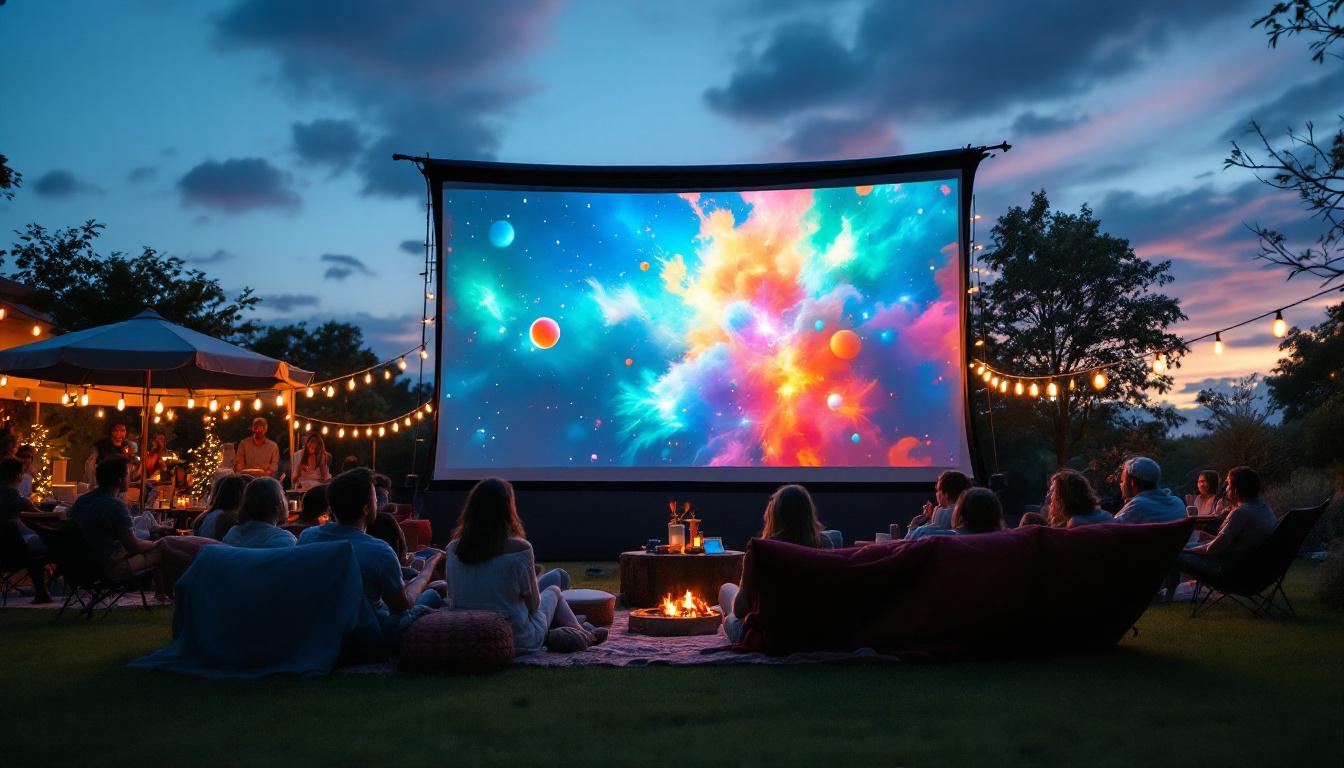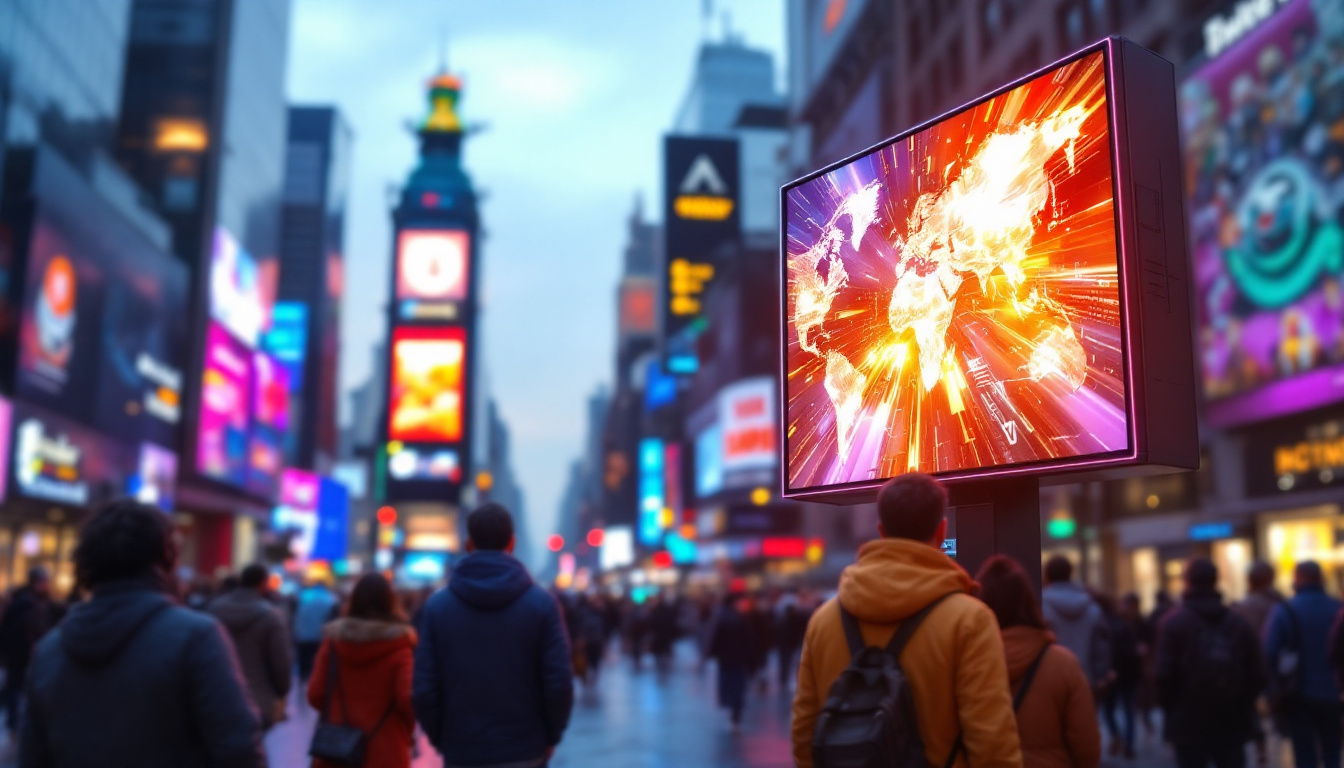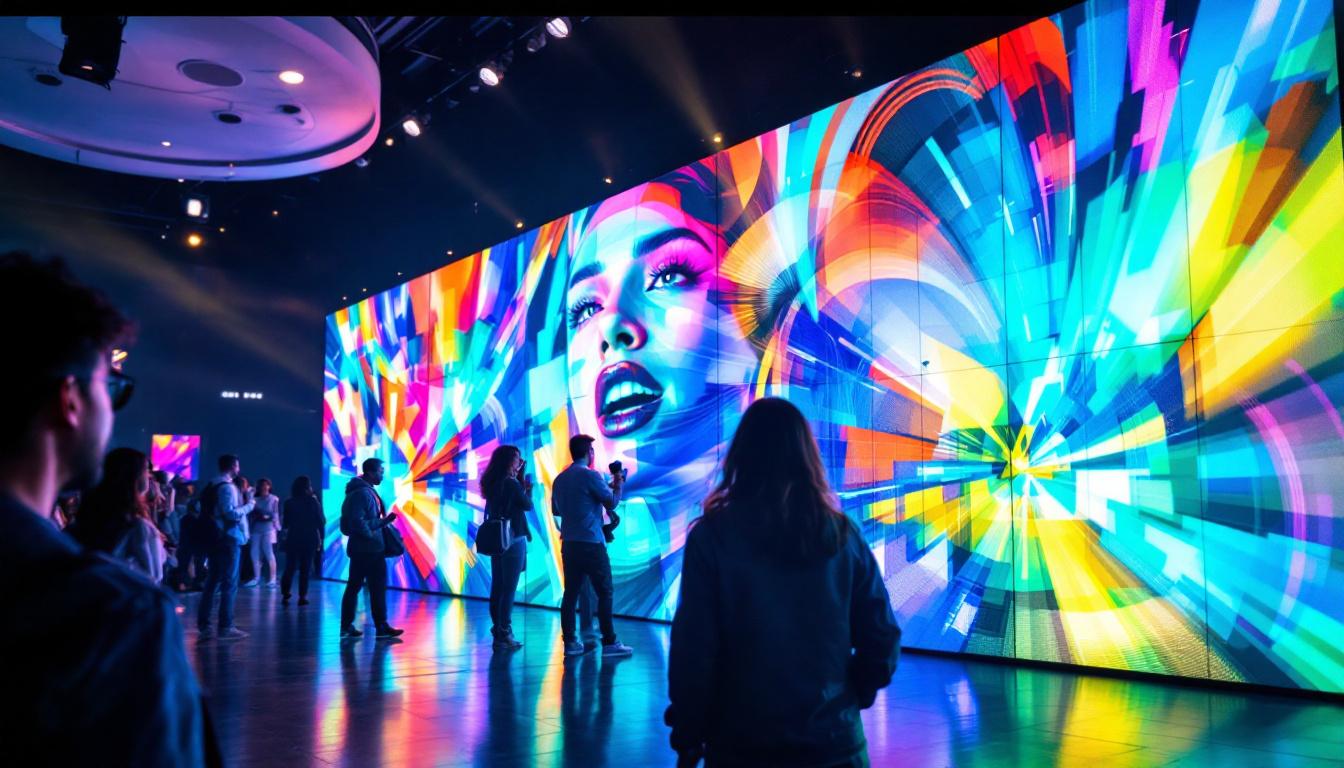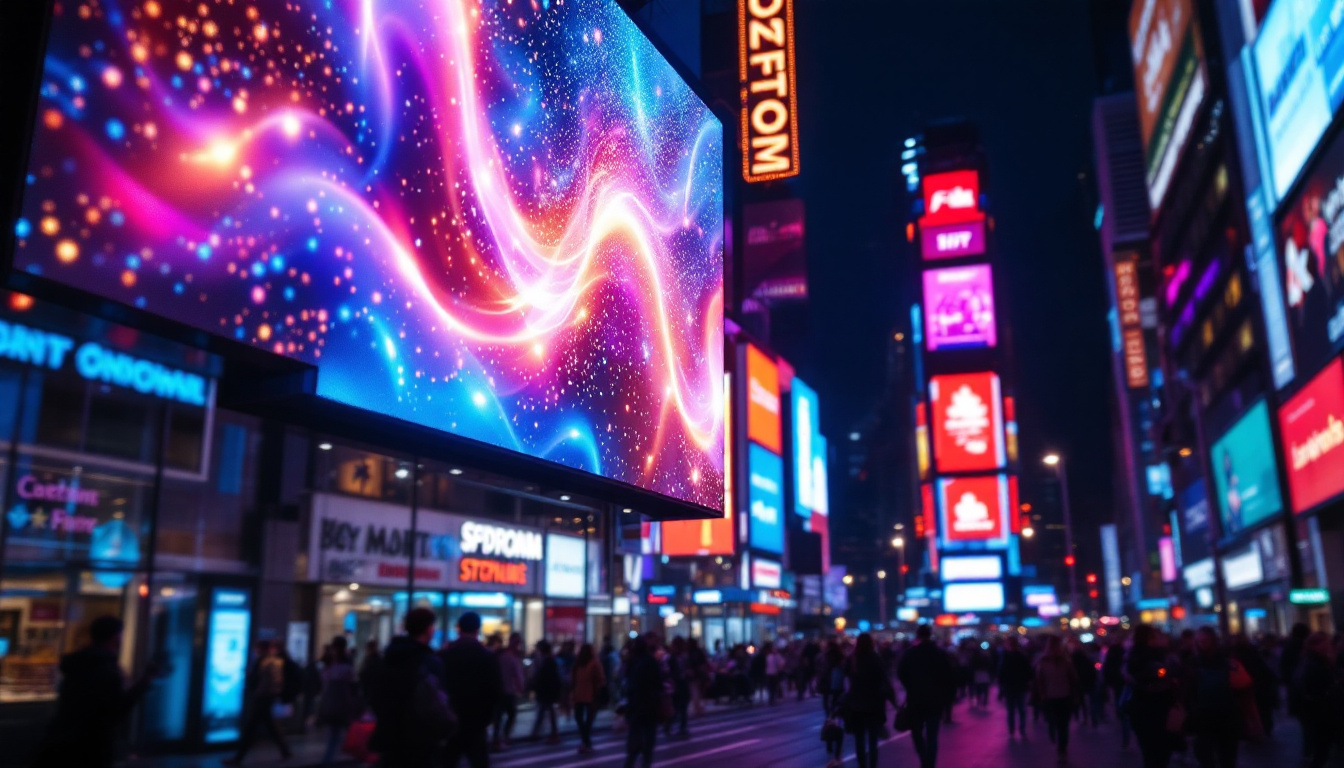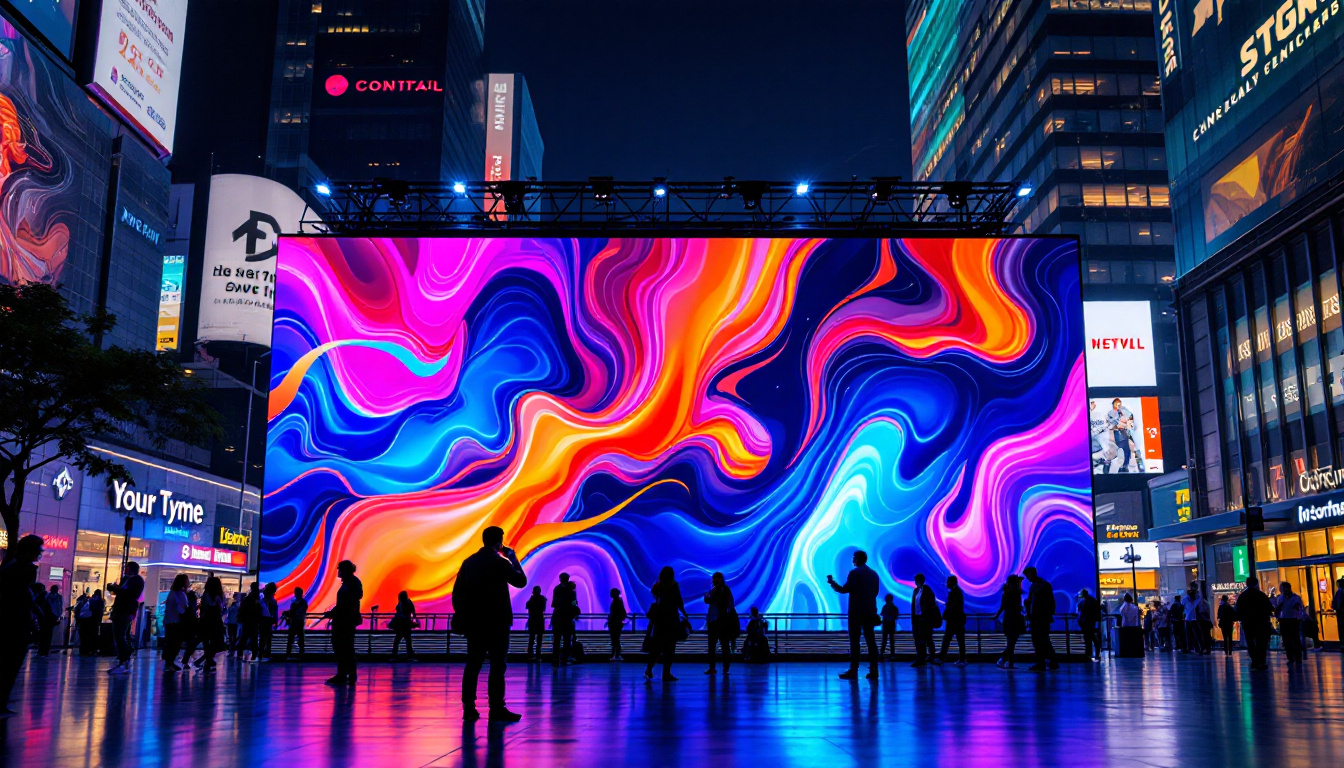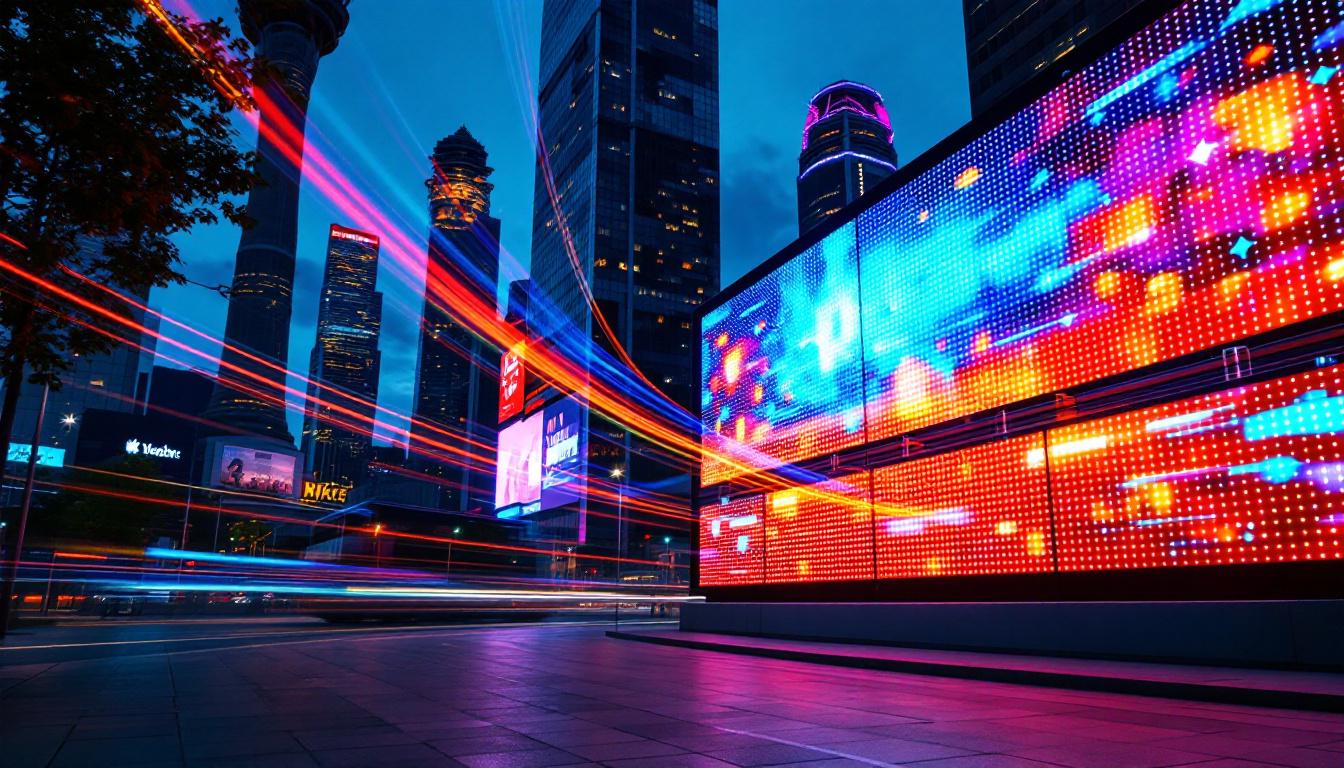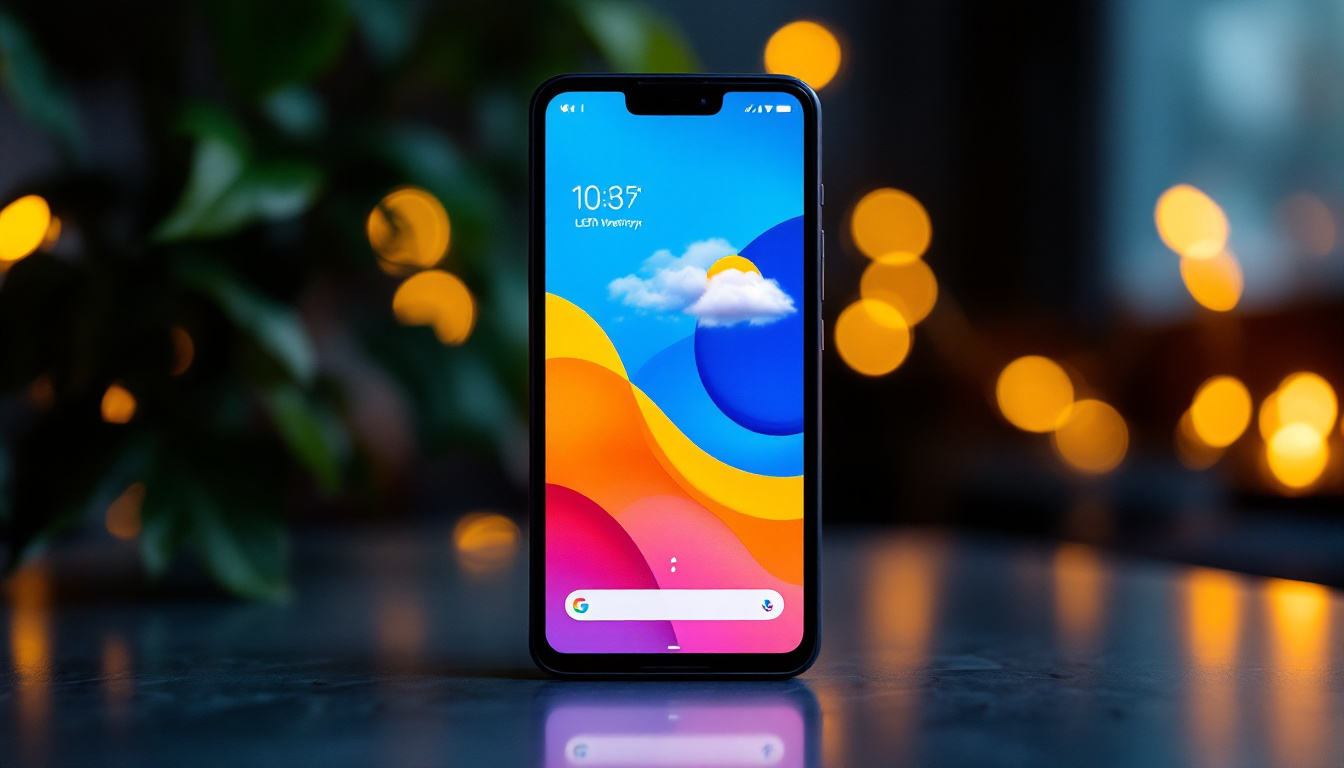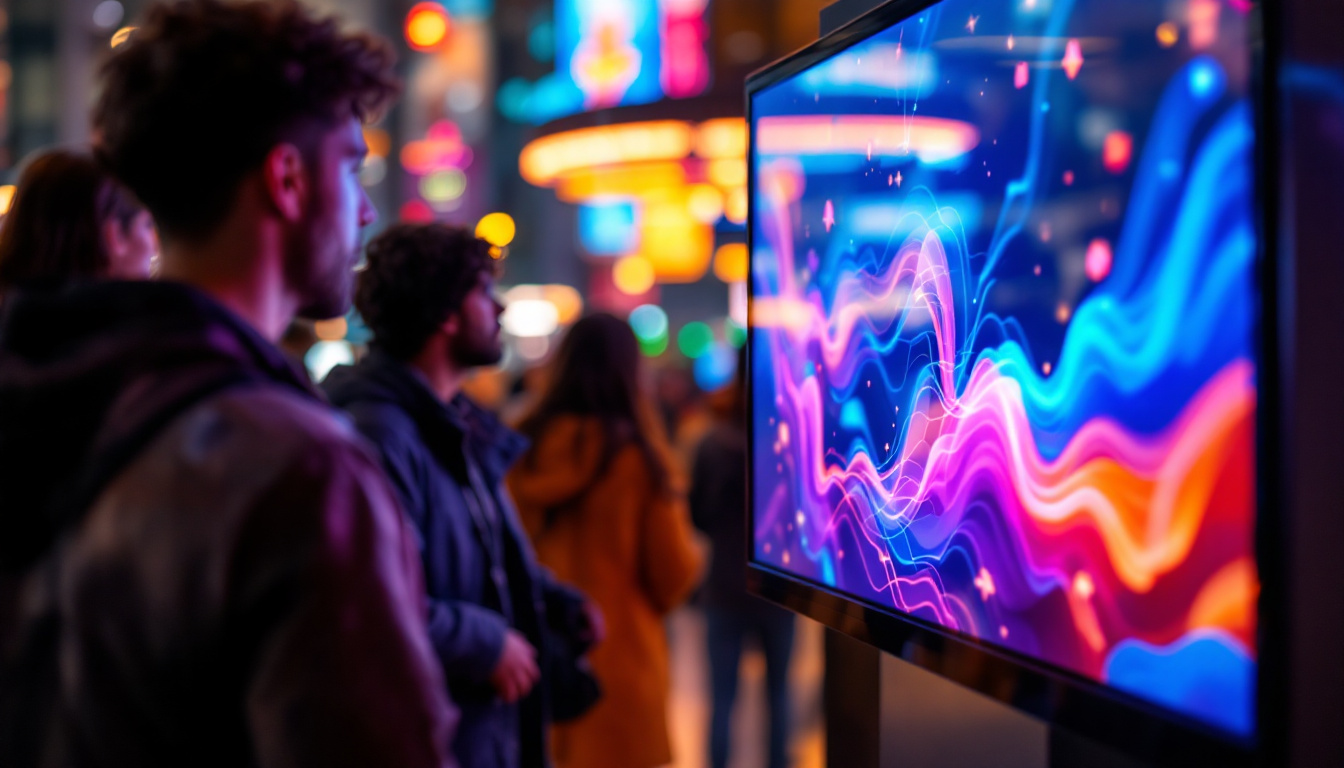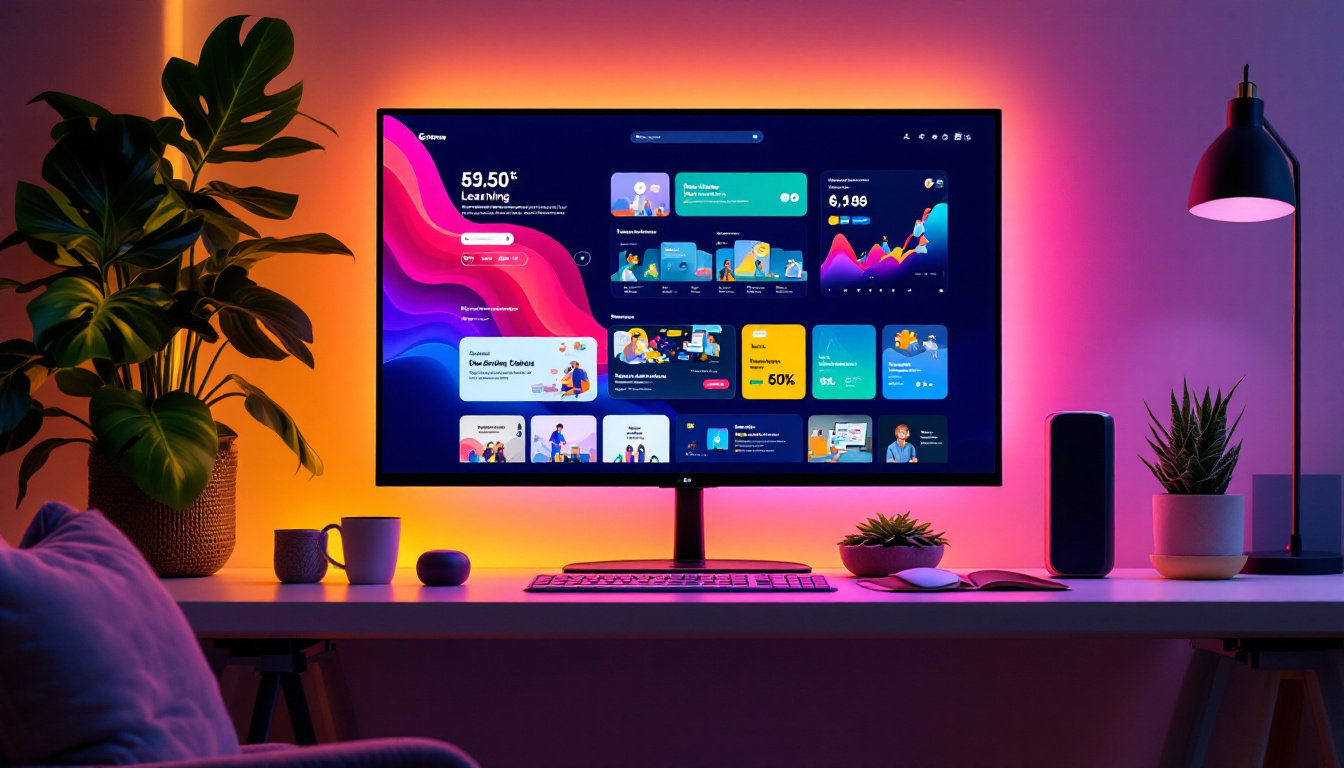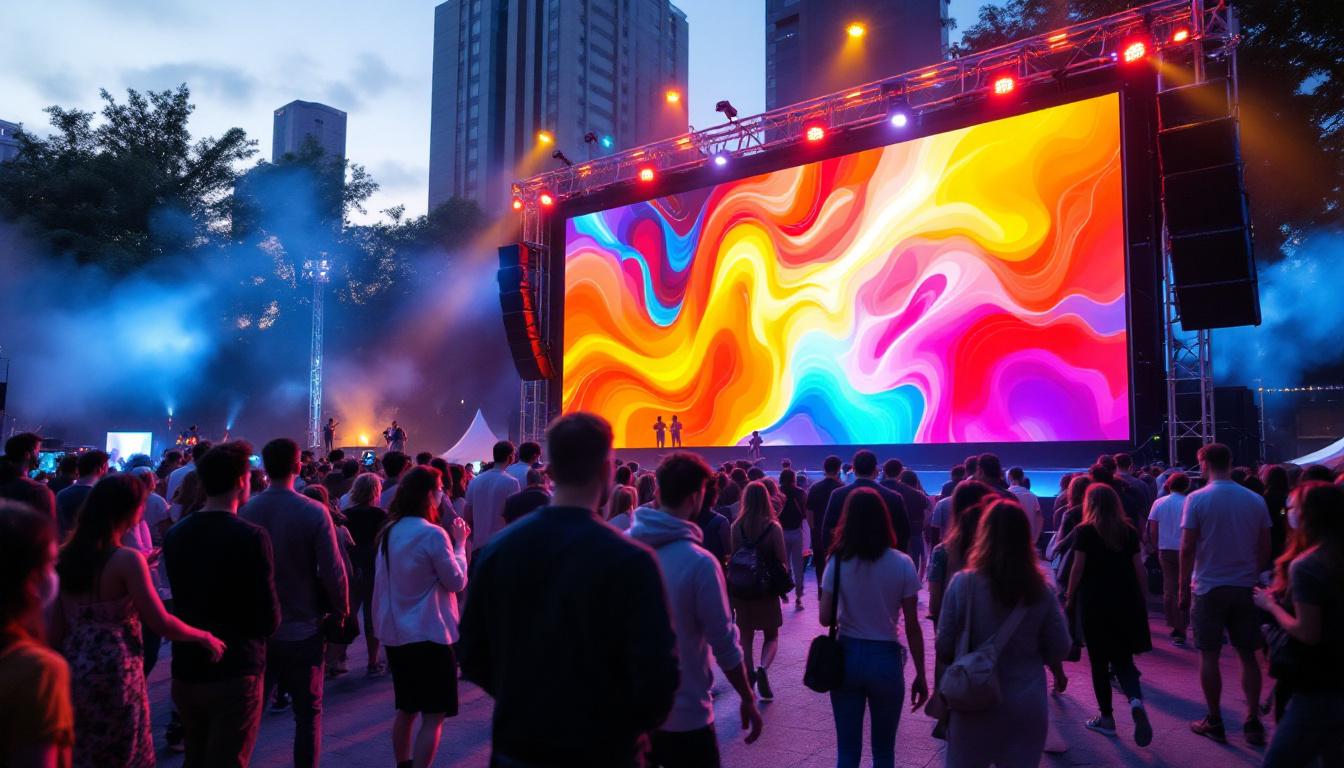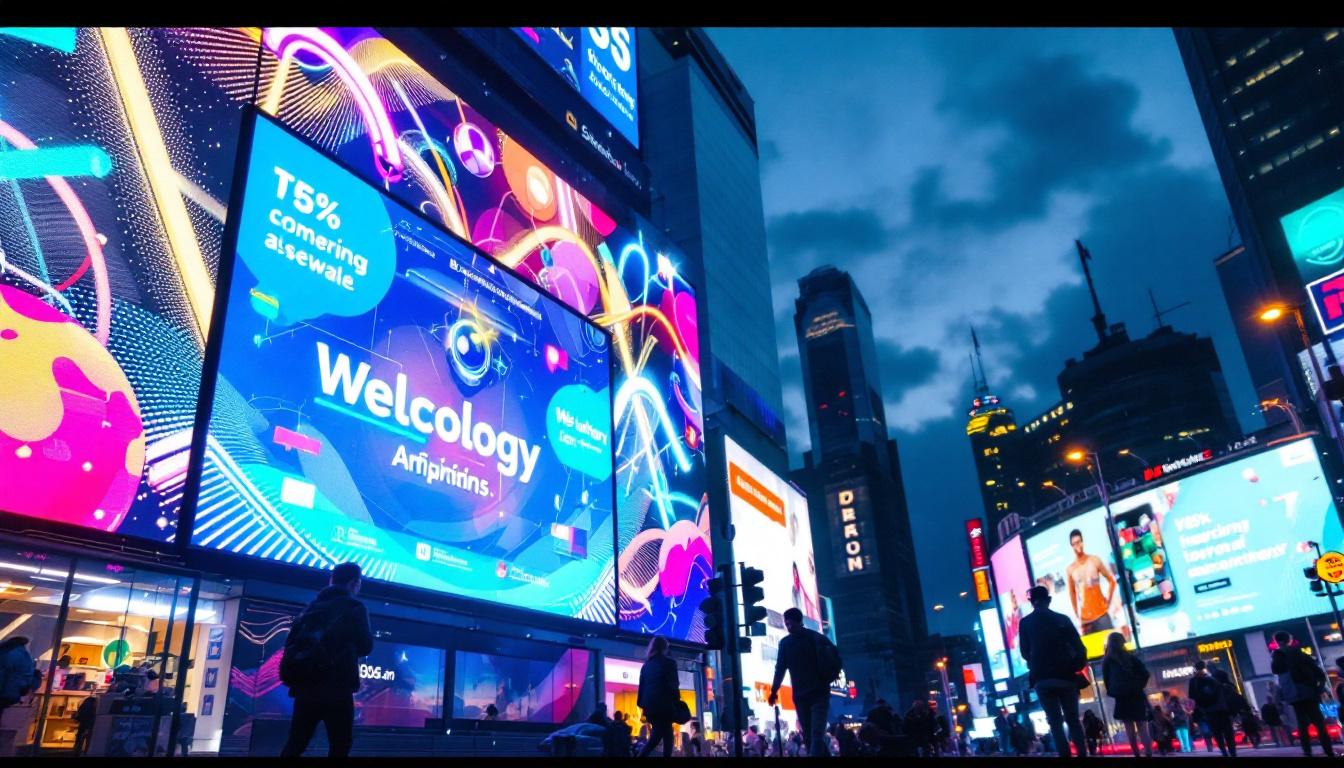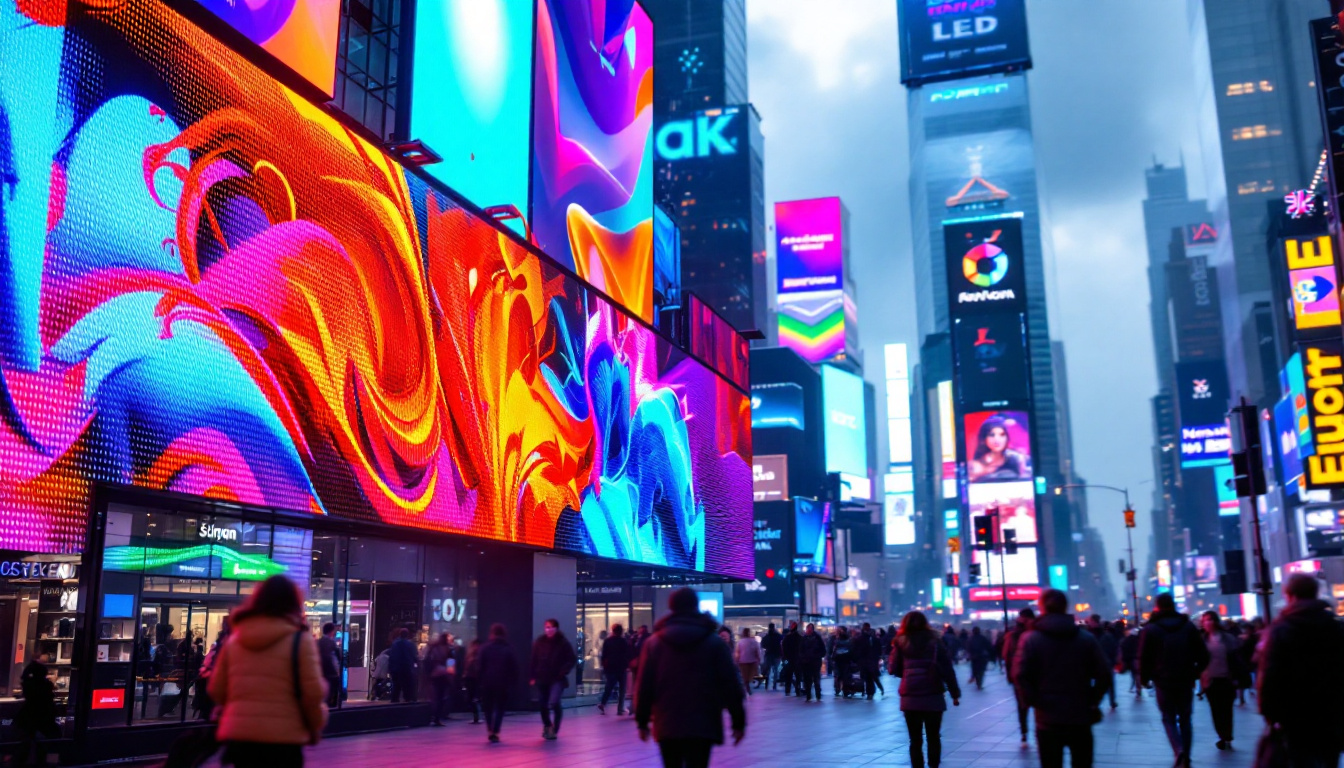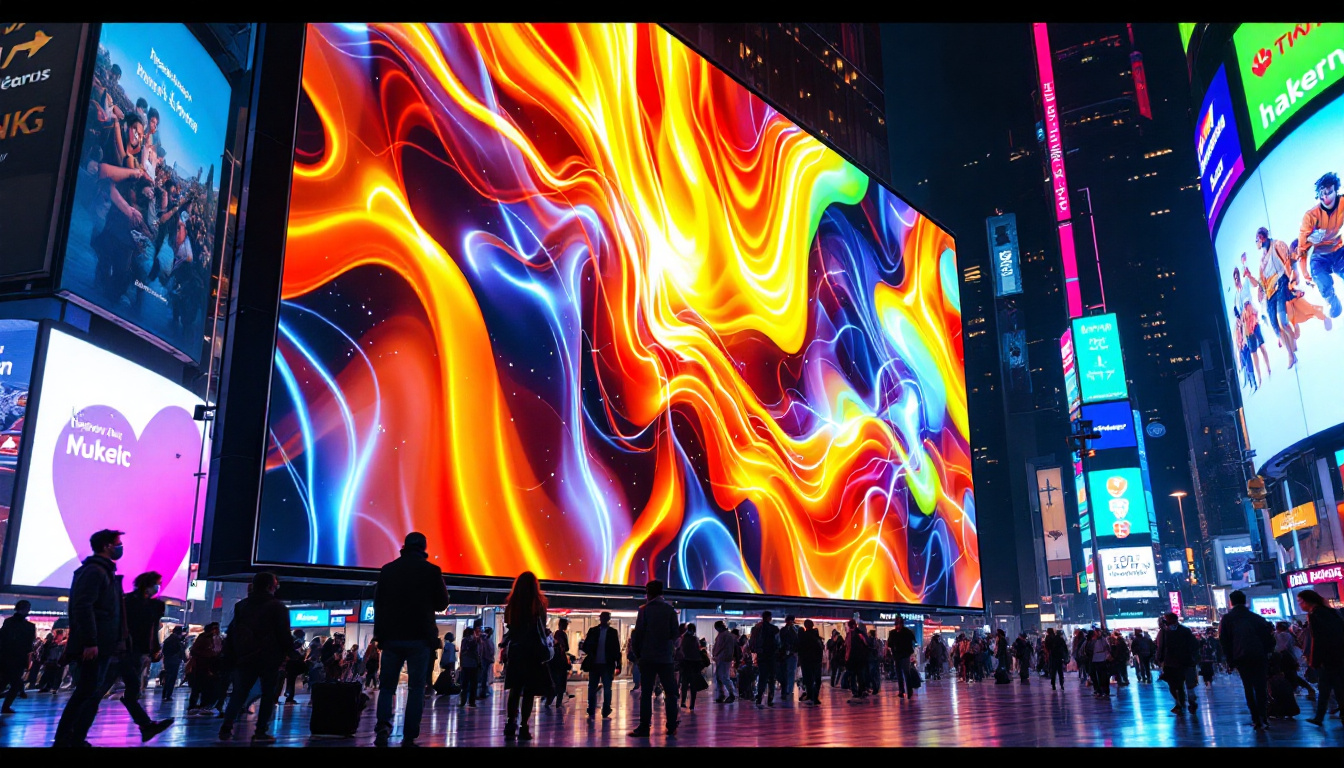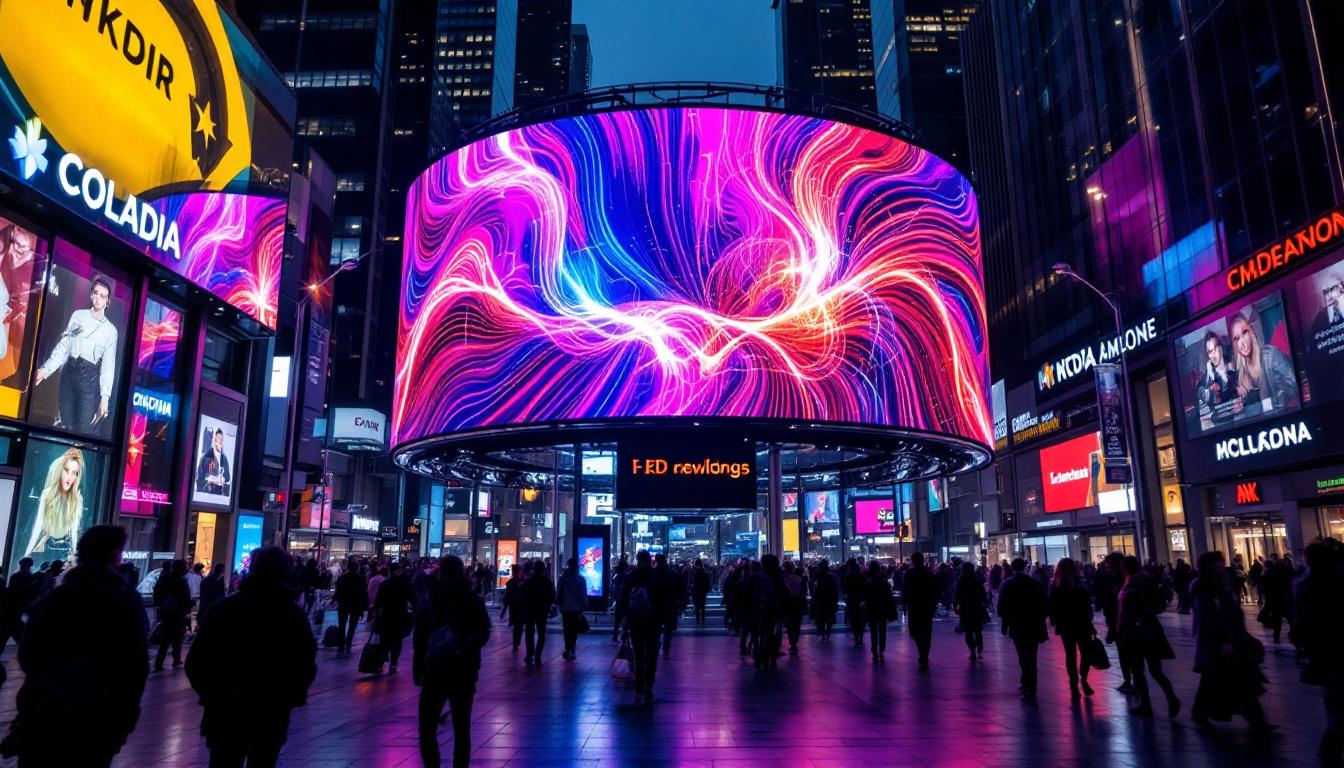
In today’s fast-paced digital world, LED displays have become an essential medium for communication, marketing, and information dissemination. From vibrant billboards in Times Square to dynamic storefront signs and stadium scoreboards, LED technology has revolutionized how businesses and organizations engage with their audiences. This article delves into the world of LED sign manufacturing, exploring what LED displays are, how they work, and why they are a preferred choice across industries.
Understanding LED Displays: What Are They?
LED stands for Light Emitting Diode, a semiconductor device that emits light when an electric current passes through it. An LED display is essentially a flat panel that uses an array of these tiny diodes to produce images, text, or video content. Unlike traditional lighting or display technologies, LEDs offer superior brightness, color accuracy, and energy efficiency.
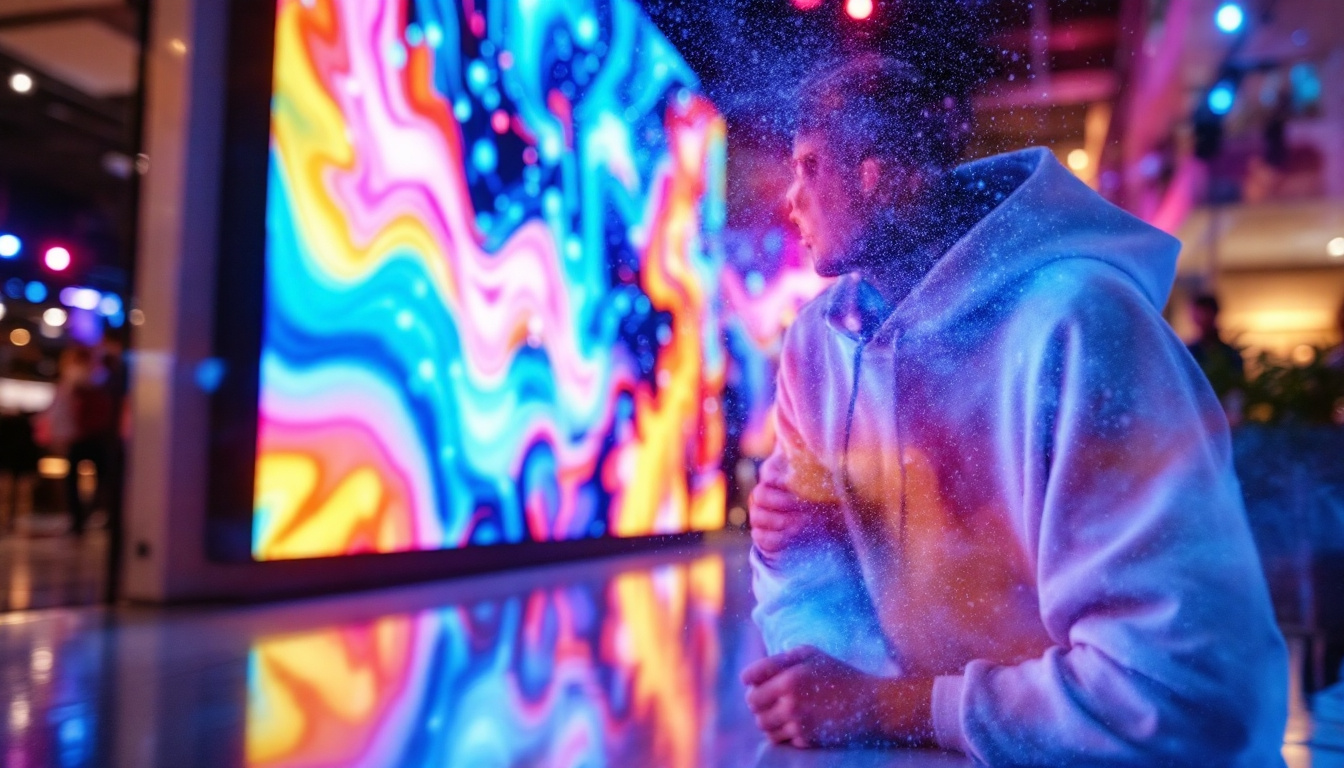
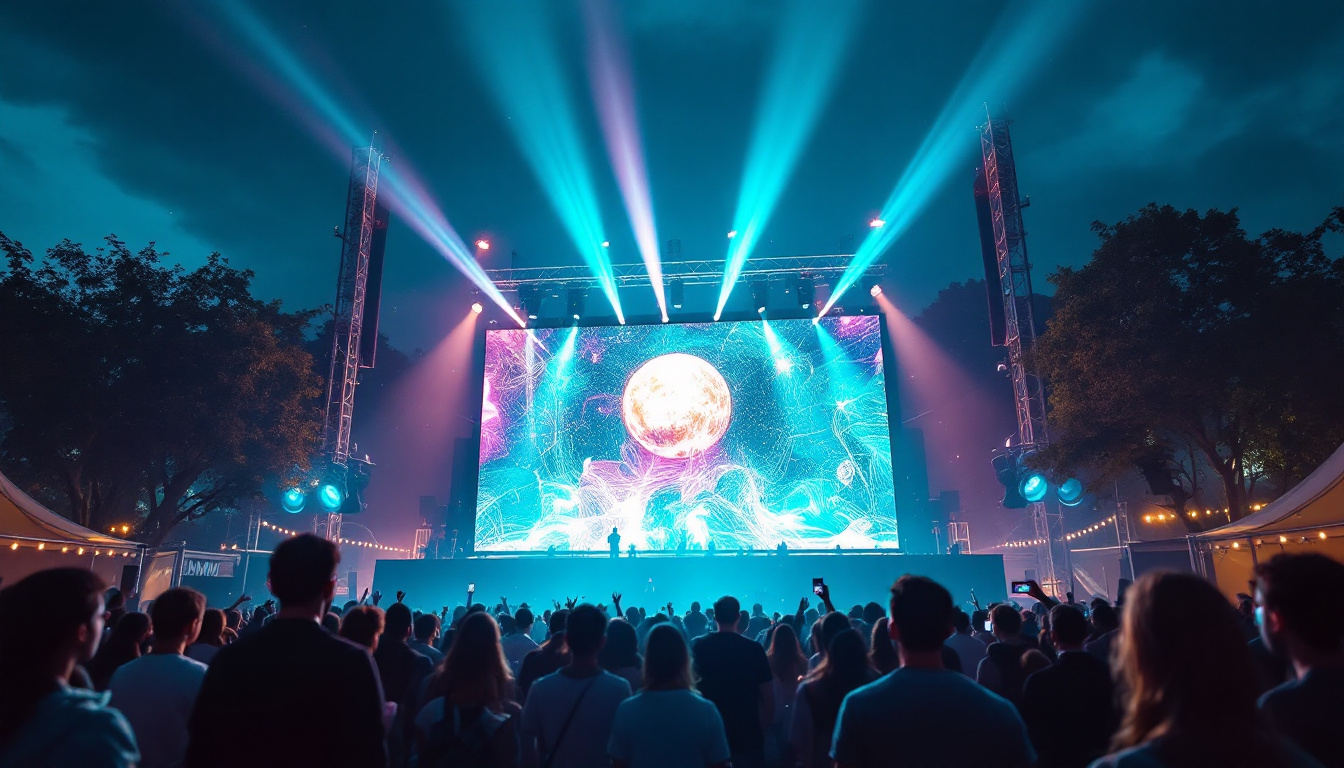
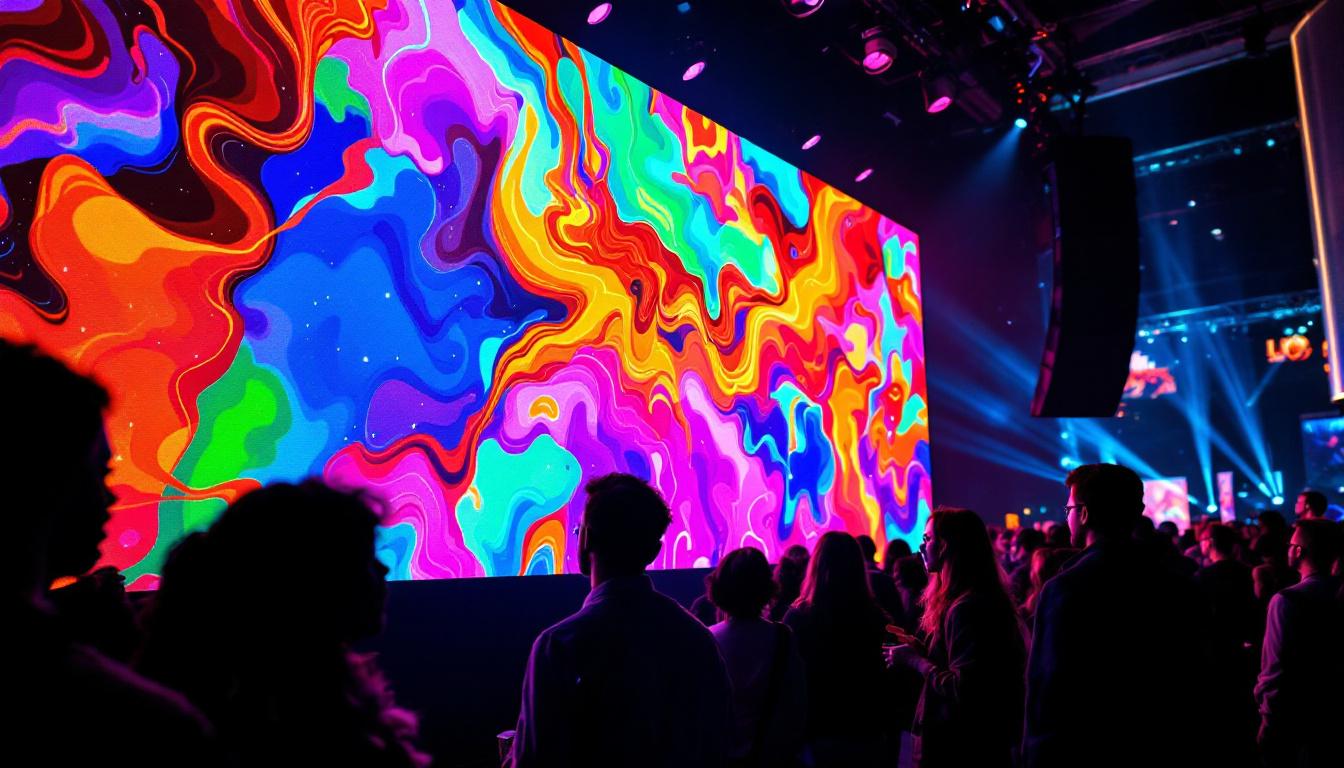
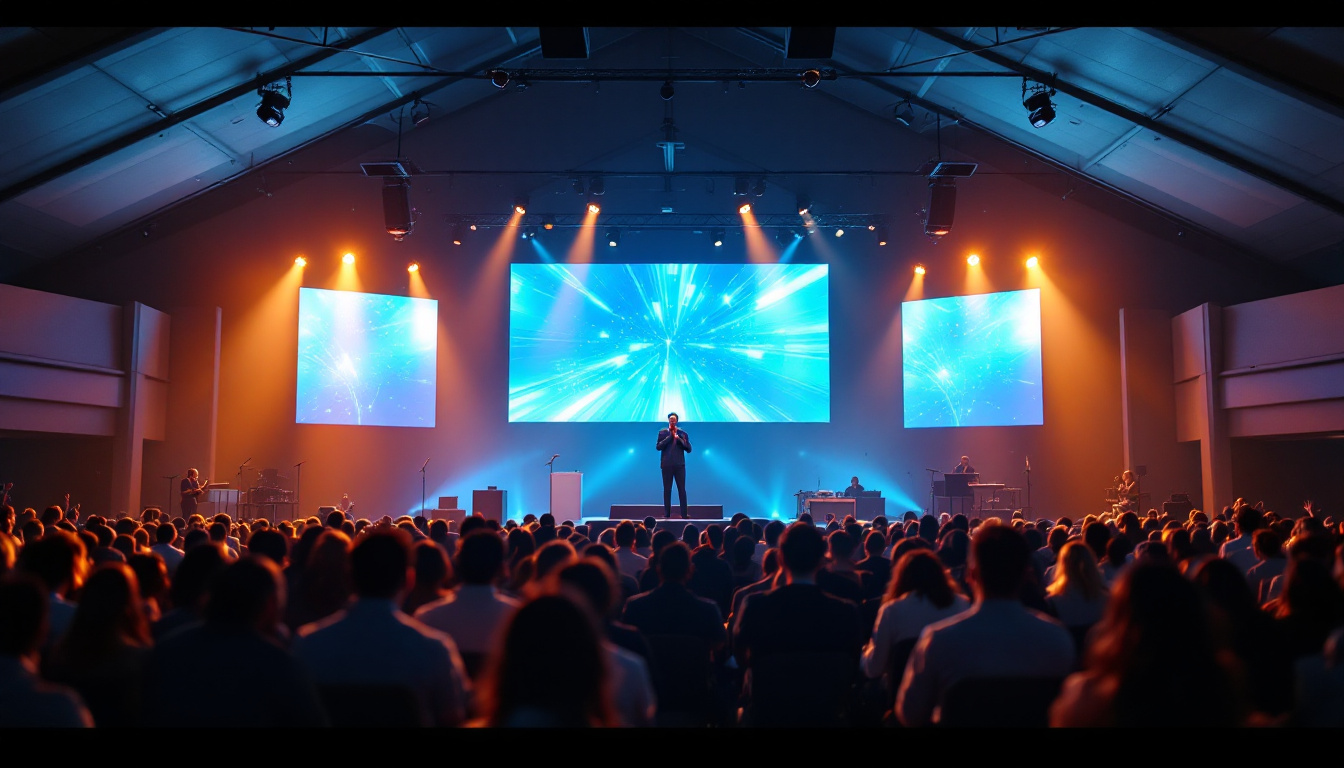
LED displays come in various forms, including single-color, dual-color, and full-color screens. The most common type used in signage is the full-color LED display, which combines red, green, and blue diodes to create a broad spectrum of colors. This capability allows for vivid, eye-catching visuals that can be seen clearly even in direct sunlight. Their versatility makes them suitable for a wide range of applications, from advertising billboards to sports arenas and concert venues, where dynamic visuals are essential for engaging audiences.
How LED Displays Work
At the core of an LED display is a grid of tiny LEDs arranged in pixels. Each pixel typically consists of three LEDs—red, green, and blue—that can be individually controlled to produce millions of color combinations. By adjusting the intensity of each LED within a pixel, the display can render detailed images and videos. This pixel-level control not only enhances the visual quality but also allows for smooth transitions and animations, making LED displays ideal for high-impact advertising and live events.
LED displays are driven by control systems that process input signals from computers or media players. These systems translate digital content into electrical signals that modulate the LEDs’ brightness and color. Modern LED sign manufacturers integrate sophisticated software to manage content scheduling, brightness adjustment based on ambient light, and remote monitoring, enhancing both functionality and user experience. Furthermore, advancements in technology have led to the development of smart LED displays that can interact with viewers through sensors and connectivity options, making them even more engaging and effective in delivering targeted messages.
The Advantages of LED Displays Over Traditional Signage
LED displays offer several compelling benefits compared to conventional signage methods such as painted signs, neon lights, or LCD screens. Understanding these advantages helps explain why LED technology dominates the signage industry today.
Brightness and Visibility
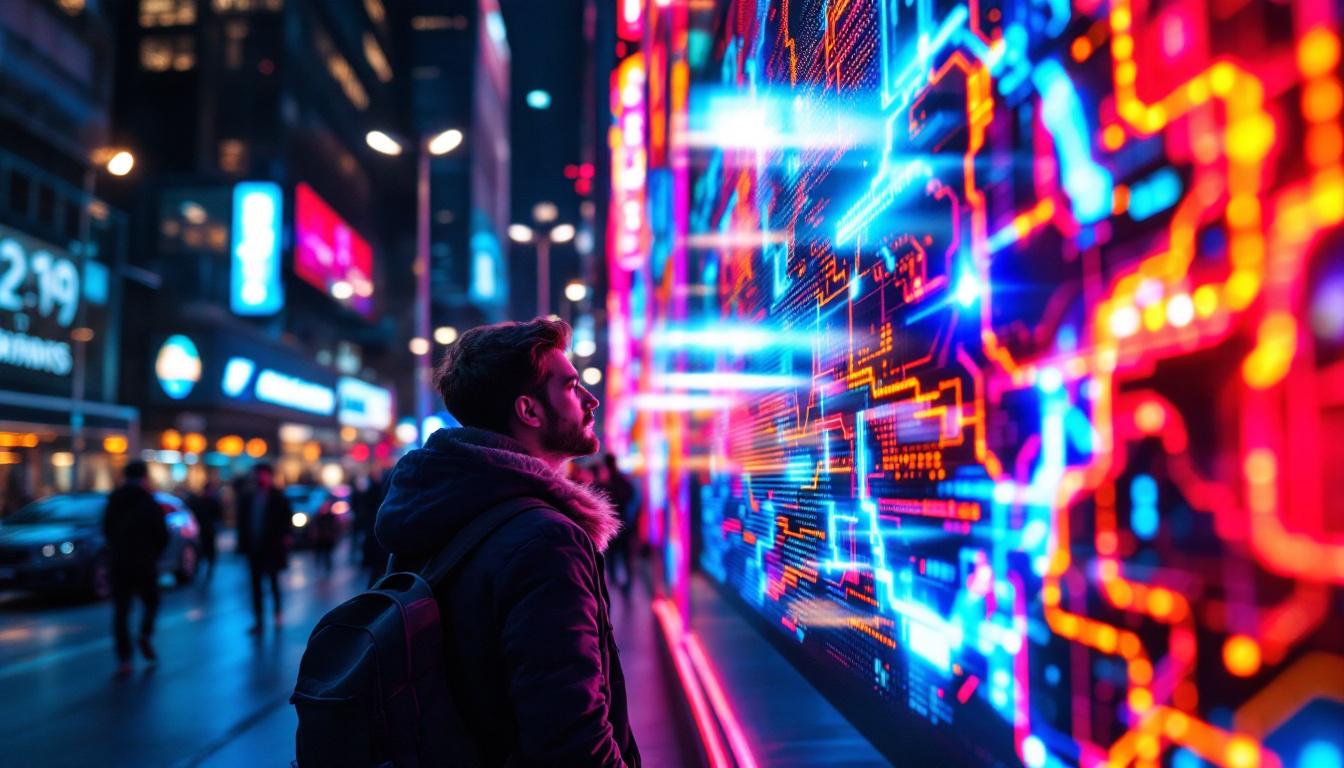
One of the most significant advantages of LED displays is their exceptional brightness. LEDs can produce light intensities that far surpass other lighting technologies, making them highly visible even in bright daylight conditions. This attribute is crucial for outdoor advertising, where visibility can directly impact customer engagement and sales.
For example, studies have shown that LED billboards can increase brand recall by up to 47% compared to static billboards, primarily due to their brightness and dynamic content capabilities. This enhanced visibility not only attracts attention but also helps convey messages more effectively, allowing brands to connect with their audience in a crowded marketplace.
Energy Efficiency and Longevity
LEDs are known for their energy efficiency, consuming up to 80% less power than traditional incandescent bulbs. This efficiency translates into lower operating costs for businesses, especially those running large or multiple displays continuously. The reduced energy consumption also aligns with sustainability goals, making LED displays an environmentally friendly choice.
Moreover, LEDs have a long lifespan, often exceeding 100,000 hours of operation. This durability reduces maintenance and replacement expenses, making LED displays a cost-effective investment over time. Businesses can enjoy peace of mind knowing that their signage will remain operational and vibrant for years, minimizing disruptions and ensuring consistent brand visibility.
Flexibility and Dynamic Content
Unlike static signs, LED displays can show dynamic, changing content. This flexibility allows businesses to tailor messages based on time of day, promotions, or audience demographics. For instance, a retail store can display different advertisements during morning and evening hours or update pricing and product information in real time. This adaptability not only enhances marketing strategies but also ensures that the content remains relevant and engaging.
Additionally, LED displays support video playback, animations, and interactive features, providing a richer and more engaging customer experience. The ability to incorporate social media feeds or live updates can further enhance viewer interaction, creating a two-way communication channel between brands and consumers. This level of engagement is particularly beneficial in high-traffic areas, where capturing attention quickly is essential for driving foot traffic and conversions.
Types of LED Displays Manufactured
LED sign manufacturers produce a diverse range of display types to meet various application needs. Understanding these types helps businesses select the right solution for their specific goals and environments.
Indoor LED Displays
Indoor LED displays are designed for environments such as retail stores, corporate offices, airports, and event venues. These displays typically have higher pixel density to ensure crisp image quality at close viewing distances. They are used for digital signage, wayfinding, informational displays, and promotional content.
Indoor LED displays often feature slim profiles and lightweight designs, making them easy to install in a variety of settings. Manufacturers also offer customizable sizes and shapes to fit architectural requirements. Additionally, many indoor models come equipped with advanced features such as touch interactivity and integration with content management systems, allowing businesses to update their displays in real-time and engage customers more effectively. This adaptability is particularly beneficial in dynamic environments like shopping malls, where promotions can change frequently based on inventory or seasonal trends.
Outdoor LED Displays
Outdoor LED displays are built to withstand harsh weather conditions, including rain, wind, and extreme temperatures. They are commonly used for billboards, sports arenas, transportation hubs, and public information boards.
These displays have higher brightness levels to ensure visibility under direct sunlight and often include protective coatings and robust enclosures. Outdoor LED signs also incorporate advanced cooling systems to maintain optimal performance in varying climates. Furthermore, many outdoor displays are designed with energy efficiency in mind, utilizing technologies such as automatic brightness adjustment based on ambient light conditions, which not only enhances visibility but also reduces energy consumption. This feature is particularly advantageous for businesses looking to minimize operational costs while maximizing their advertising impact.
Transparent and Flexible LED Displays
Innovations in LED technology have led to the development of transparent and flexible LED displays. Transparent LED screens allow light to pass through, making them ideal for storefront windows and architectural applications where natural light is desired alongside digital content.
Flexible LED displays can bend or curve, enabling creative installations on irregular surfaces or curved walls. These cutting-edge products open new possibilities for designers and marketers seeking unique visual experiences. For instance, flexible displays can be used to create immersive environments at trade shows or exhibitions, where the ability to shape the display to fit specific themes or branding can significantly enhance the overall aesthetic. Additionally, the lightweight nature of these displays allows for easier installation and transportation, making them a favorite among event organizers and creative agencies looking to push the boundaries of traditional advertising methods.
Key Considerations When Choosing an LED Sign Manufacturer
Selecting the right LED sign manufacturer is critical to ensuring the quality, reliability, and effectiveness of the final display. Several factors should be evaluated during the decision-making process.
Experience and Industry Reputation
Manufacturers with extensive experience and a proven track record are more likely to deliver high-quality products and services. Researching customer reviews, case studies, and industry certifications can provide insight into a manufacturer’s capabilities and reliability.
Customization and Technical Support
Every business has unique signage needs. A good LED sign manufacturer should offer customization options in terms of size, resolution, brightness, and mounting solutions. Additionally, comprehensive technical support, including installation assistance and after-sales service, is essential for long-term satisfaction.
Compliance and Quality Standards
LED displays must comply with safety and environmental regulations. Reputable manufacturers adhere to international standards such as CE, RoHS, and UL certifications, ensuring products are safe, environmentally friendly, and durable.
Warranty and Maintenance Services
A strong warranty policy and availability of maintenance services are important considerations. LED displays are significant investments, and manufacturers that provide prompt repair services and spare parts availability help minimize downtime and extend product lifespan.
Emerging Trends in LED Display Technology
The LED display industry continues to evolve rapidly, driven by technological advancements and changing market demands. Staying informed about these trends can help businesses leverage the latest innovations to maximize their signage impact.
Higher Resolution and Pixel Density
As LED technology advances, manufacturers are producing displays with increasingly higher resolutions and pixel densities. This improvement enhances image clarity and detail, making LED displays suitable for applications requiring close-up viewing, such as control rooms and retail environments.
Integration with IoT and Smart Technologies
Integration with the Internet of Things (IoT) allows LED displays to become smarter and more interactive. For example, displays can respond to environmental sensors, adjust brightness automatically, or interact with mobile devices to deliver personalized content. Such capabilities enhance user engagement and operational efficiency.
Energy Harvesting and Sustainable Solutions
Environmental sustainability is a growing priority. Some manufacturers are exploring energy harvesting technologies, such as solar-powered LED displays, to reduce carbon footprints. Additionally, the use of recyclable materials and energy-efficient components aligns with global sustainability goals.
Conclusion
LED displays have transformed the way businesses communicate with their audiences, offering unparalleled brightness, flexibility, and energy efficiency. Understanding the technology behind LED signs and the factors involved in selecting a manufacturer ensures that organizations can make informed decisions tailored to their unique needs.
As LED technology continues to advance, the opportunities for innovative and impactful signage solutions will only grow. Whether for advertising, information dissemination, or enhancing customer experiences, partnering with a reputable LED sign manufacturer is key to unlocking the full potential of LED displays.
Discover Cutting-Edge LED Displays with LumenMatrix
Ready to elevate your visual communication strategy with advanced LED technology? LumenMatrix is at the forefront of LED display innovation, offering a wide array of solutions tailored to meet your specific needs. From Indoor and Outdoor LED Wall Displays to specialized options like Vehicle, Sports, and Floor LED Displays, we have the expertise to bring your vision to life. Experience the difference with our Custom, All-in-One, and Transparent LED Displays, designed to captivate your audience and amplify your message. Check out LumenMatrix LED Display Solutions today and transform your brand’s visibility with our dynamic, high-impact displays.