In today’s fast-evolving digital landscape, large-scale visual displays have become an integral part of communication, advertising, and entertainment. Among the most popular technologies powering these expansive screens are LCD walls and LED displays. While both serve similar purposes, their underlying technologies, advantages, and ideal use cases differ significantly. This article explores the fundamentals of LCD walls and LED displays, offering a comprehensive understanding to help businesses, event organizers, and tech enthusiasts make informed decisions.
Understanding LCD Walls: Technology and Applications
What Are LCD Walls?
LCD walls are large video walls made up of multiple Liquid Crystal Display (LCD) panels tiled together to form one continuous screen. Each panel contains a matrix of pixels that manipulate light to create images. The panels are designed with minimal bezels to reduce the visible gaps between screens, providing a nearly seamless viewing experience.
Typically, LCD walls are used in control rooms, corporate lobbies, retail environments, and broadcast studios. Their ability to display high-resolution content with accurate color reproduction makes them ideal for environments where image clarity and detail are paramount.
How LCD Technology Works
LCD technology relies on liquid crystals that align in response to electrical currents, modulating light passing through them. A backlight source, usually LEDs, illuminates the screen from behind. The liquid crystals control the amount of light that reaches the viewer by twisting or untwisting to block or allow light through colored filters, producing the desired image.
This method allows LCD panels to achieve high pixel densities and sharp images. However, because the light must pass through multiple layers, LCDs generally have lower contrast ratios compared to emissive display technologies like LEDs.
Advantages of LCD Walls
One of the main advantages of LCD walls is their high resolution and color accuracy. They can display fine details and subtle color gradations, which is why they are preferred in environments like medical imaging or video editing suites.
Additionally, LCD panels are energy-efficient and have a relatively long lifespan. The technology is mature and widely available, often resulting in lower initial costs compared to some LED solutions. The thin profile of LCD panels also allows for sleek, modern installations.
Limitations of LCD Walls
Despite their strengths, LCD walls have some limitations. The visible bezels between panels can disrupt the seamlessness of the image, although advancements in ultra-narrow bezel designs have mitigated this issue.
Another challenge is brightness. LCD walls typically have lower peak brightness levels than LED displays, which can be a disadvantage in environments with high ambient light, like outdoor venues or brightly lit retail spaces.
Exploring LED Displays: How They Work and Why They Matter
Defining LED Displays
LED displays consist of arrays of light-emitting diodes that produce light directly. Unlike LCDs, which rely on backlighting, each LED pixel emits its own light, making LED displays emissive. This fundamental difference gives LED displays unique advantages, especially for large-scale and outdoor applications.
LED displays are commonly used in stadiums, outdoor advertising billboards, concert stages, and large public information screens. Their brightness, durability, and scalability make them the go-to choice for many high-impact visual installations.
Types of LED Displays
There are two main types of LED displays: direct-view LED and LED-backlit LCD. Direct-view LED displays use individual LEDs as pixels, while LED-backlit LCDs use LEDs as a backlight source for LCD panels.
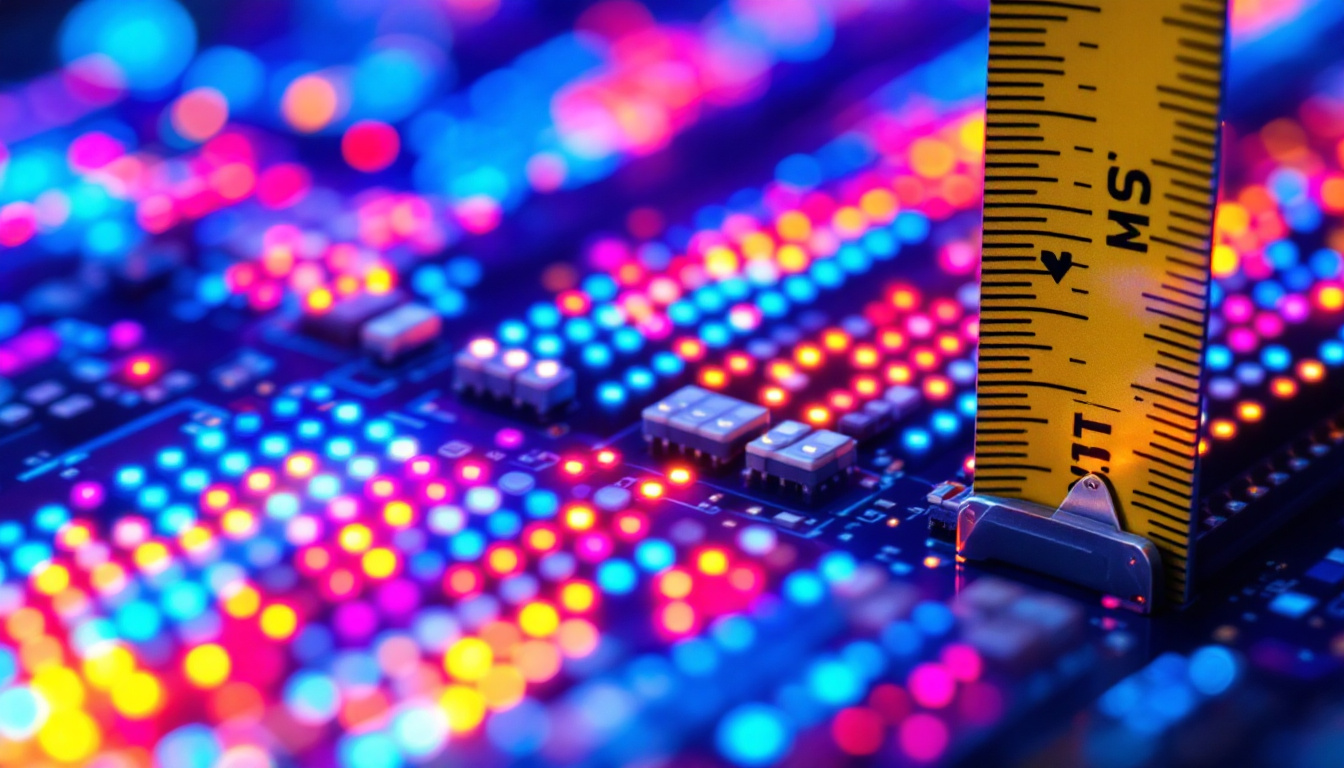
Direct-view LED displays are the focus when discussing LED walls. These displays can be further categorized by pixel pitch—the distance between the centers of adjacent LEDs. Smaller pixel pitches mean higher resolution and closer viewing distances, while larger pitches are suited for distant viewing.
Benefits of LED Displays
One of the most significant benefits of LED displays is their exceptional brightness, often exceeding 5,000 nits, which ensures visibility even in direct sunlight. This makes them ideal for outdoor advertising and events.
LED displays also offer superior contrast ratios because the LEDs can be turned off completely to produce true blacks. This capability results in vibrant colors and dynamic images that capture attention effectively.
Moreover, LED walls are highly modular and scalable. They can be constructed in virtually any size or shape, from small indoor installations to massive outdoor video walls spanning hundreds of square meters.
Challenges Associated with LED Displays
Despite their advantages, LED displays come with higher upfront costs, especially for fine-pitch models designed for close viewing. Additionally, the technology requires careful calibration to ensure color consistency across the entire display.
Maintenance can also be more complex, as individual LEDs may fail over time and require replacement. However, modern LED panels are designed for easy servicing, minimizing downtime.
Comparing LCD Walls and LED Displays: Which One Is Right for You?
Image Quality and Viewing Experience
When it comes to image quality, both LCD walls and LED displays offer excellent performance but excel in different areas. LCD walls provide superior color accuracy and higher pixel density, making them suitable for applications requiring detailed visuals and close viewing distances.
Conversely, LED displays shine in brightness and contrast, delivering vivid images that remain visible under challenging lighting conditions. For outdoor or large venue installations where viewers are farther away, LED displays are often the preferred choice.
Installation Environment and Use Cases
The environment in which the display will be installed is a critical factor. Indoor environments with controlled lighting, such as conference rooms or command centers, benefit from the sharpness and color fidelity of LCD walls.
Outdoor environments or venues with high ambient light levels demand the brightness and durability of LED displays. Additionally, LED walls are more resistant to weather conditions, making them suitable for permanent outdoor installations.
Cost Considerations
Budget constraints often influence the choice between LCD and LED walls. LCD walls generally have lower initial costs, especially for smaller installations. However, for very large-scale displays, LED walls can be more cost-effective due to their modularity and scalability.
Operational costs, including energy consumption and maintenance, should also be considered. While LED displays consume more power at high brightness levels, their longer lifespan and lower failure rates can offset these costs over time.
Future-Proofing and Technological Trends
Both LCD and LED technologies continue to evolve. Mini-LED and Micro-LED technologies are pushing the boundaries of brightness, contrast, and pixel density, potentially blurring the lines between traditional LCD and LED displays.
Investing in a display solution that supports software upgrades, modular replacements, and compatibility with emerging content formats can help future-proof your investment.
Key Considerations When Choosing a Large-Scale Display Solution
Pixel Pitch and Resolution
Pixel pitch is a crucial specification that affects image clarity and viewing distance. For indoor displays viewed up close, a pixel pitch of 1.2mm to 2.5mm is common. For outdoor or large venue displays, pixel pitches can range from 4mm to over 10mm.
Higher resolution is essential for applications like digital signage in retail or control rooms where detail is critical. Understanding the viewing distance and content type will guide the appropriate pixel pitch selection.
Brightness and Contrast Requirements
Assessing ambient light conditions is vital. Indoor environments with dim lighting require less brightness, while outdoor installations need displays capable of maintaining visibility in direct sunlight.
Contrast ratio impacts image depth and realism. LED displays generally provide better contrast, but high-end LCD walls with local dimming can also achieve impressive results.
Durability and Maintenance
Consider the expected lifespan and maintenance needs of the display. Outdoor LED walls must withstand weather, temperature fluctuations, and physical impact.
Modular designs that allow for easy panel replacement and servicing reduce downtime and maintenance costs. It is also important to evaluate the warranty and support services offered by manufacturers.
Content Management and Integration
A robust content management system (CMS) is essential for dynamic displays. The ability to schedule, update, and monitor content remotely enhances operational efficiency.
Integration with existing AV infrastructure and compatibility with various media formats should be verified to ensure seamless operation.
Emerging Trends and Innovations in LCD and LED Technologies
Micro-LED: The Next Frontier
Micro-LED technology features microscopic LEDs that offer the brightness and contrast of traditional LEDs with the pixel density approaching that of LCDs. This technology promises ultra-thin, flexible displays with exceptional image quality and energy efficiency.
While still emerging, Micro-LED is gaining traction in premium display markets, including large-scale video walls and consumer electronics.
Advancements in HDR and Color Accuracy
High Dynamic Range (HDR) support is becoming standard in professional display solutions. HDR enhances the contrast and color range, delivering more lifelike images.
Both LCD and LED walls are incorporating advanced color calibration tools and wider color gamut support to meet the demands of high-end visual applications.
Interactive and Smart Displays
Integration of touch capabilities and AI-driven content personalization is transforming large-scale displays into interactive experiences. This trend is particularly relevant in retail, education, and corporate environments.
Smart displays can analyze audience behavior and adjust content in real-time, increasing engagement and effectiveness.
Conclusion
Choosing between LCD walls and LED displays depends on a variety of factors including the intended application, viewing environment, budget, and desired image quality. LCD walls excel in delivering high-resolution, color-accurate images suitable for indoor, close-range viewing. LED displays offer unmatched brightness, contrast, and scalability, making them ideal for outdoor and large venue installations.
As display technologies continue to advance, options like Micro-LED and enhanced HDR support promise even greater performance and flexibility. Understanding the strengths and limitations of each technology will empower businesses and organizations to select the best solution for their visual communication needs.
Ultimately, whether deploying a sleek LCD video wall in a corporate setting or a vibrant LED billboard in a bustling city center, the right display technology can captivate audiences, convey messages effectively, and elevate the overall experience.
Discover LumenMatrix LED Display Solutions
Ready to elevate your visual communication with the latest in LED display technology? Look no further than LumenMatrix, a pioneer in crafting immersive LED experiences. From vibrant Indoor and Outdoor LED Wall Displays to innovative solutions like Vehicle LED Displays and LED Transparent Displays, LumenMatrix offers a comprehensive range of products designed to make your brand stand out. Embrace the future of digital signage with our Custom, All-in-One, and Floor LED Displays, each tailored to meet your unique needs. Check out LumenMatrix LED Display Solutions today and transform your space into a captivating visual journey.