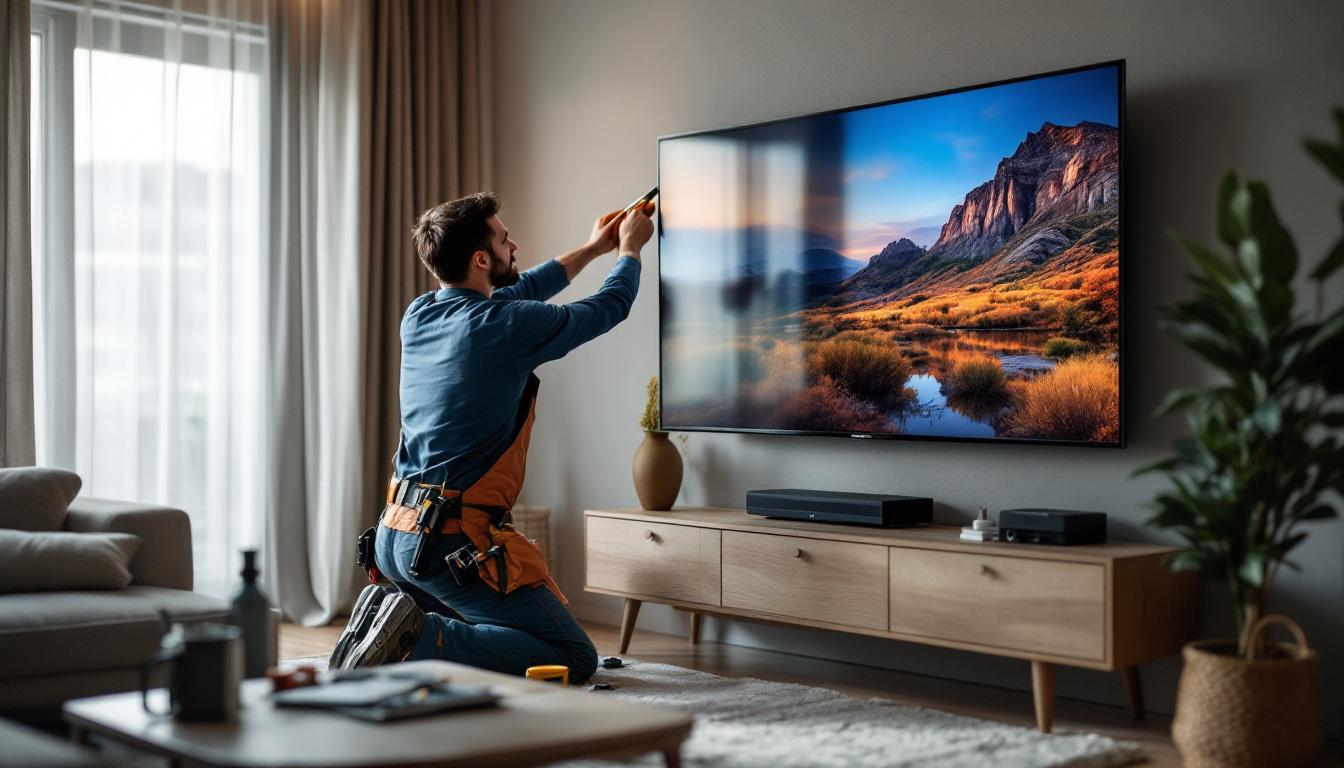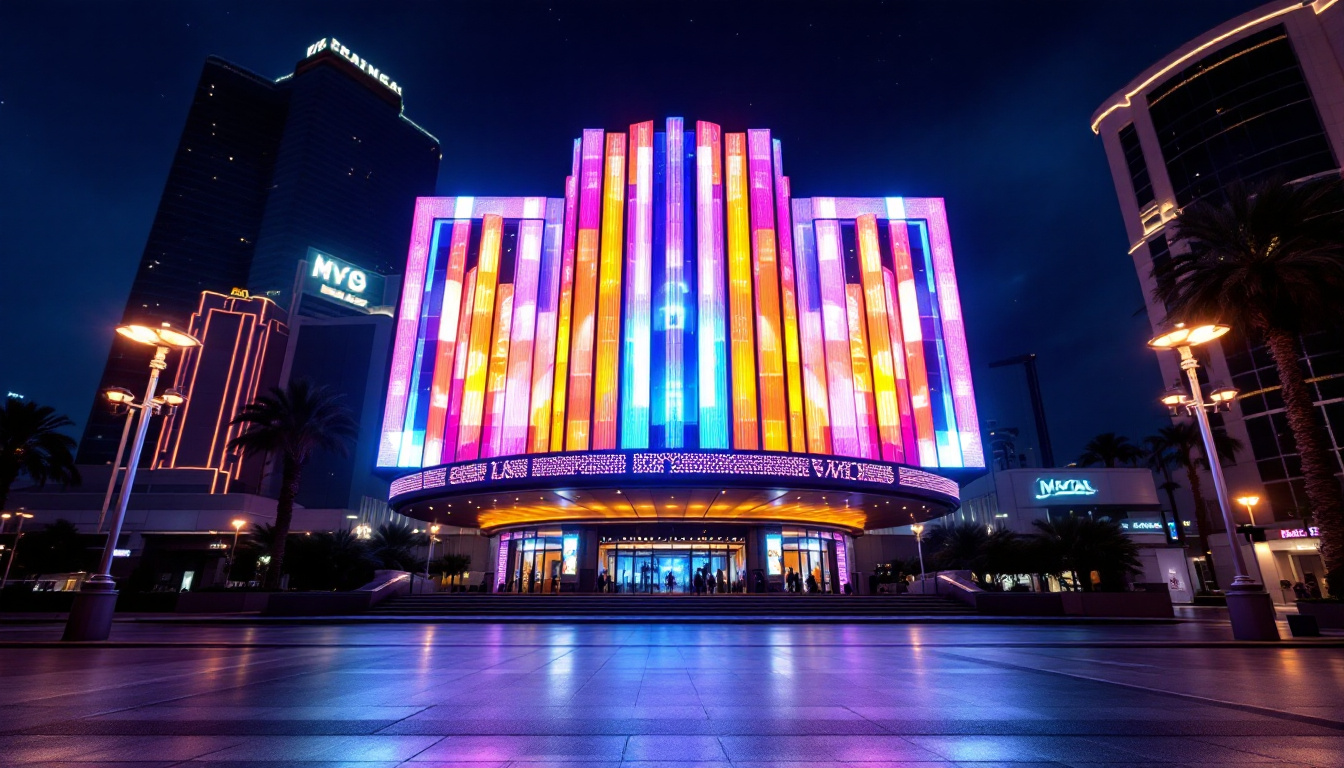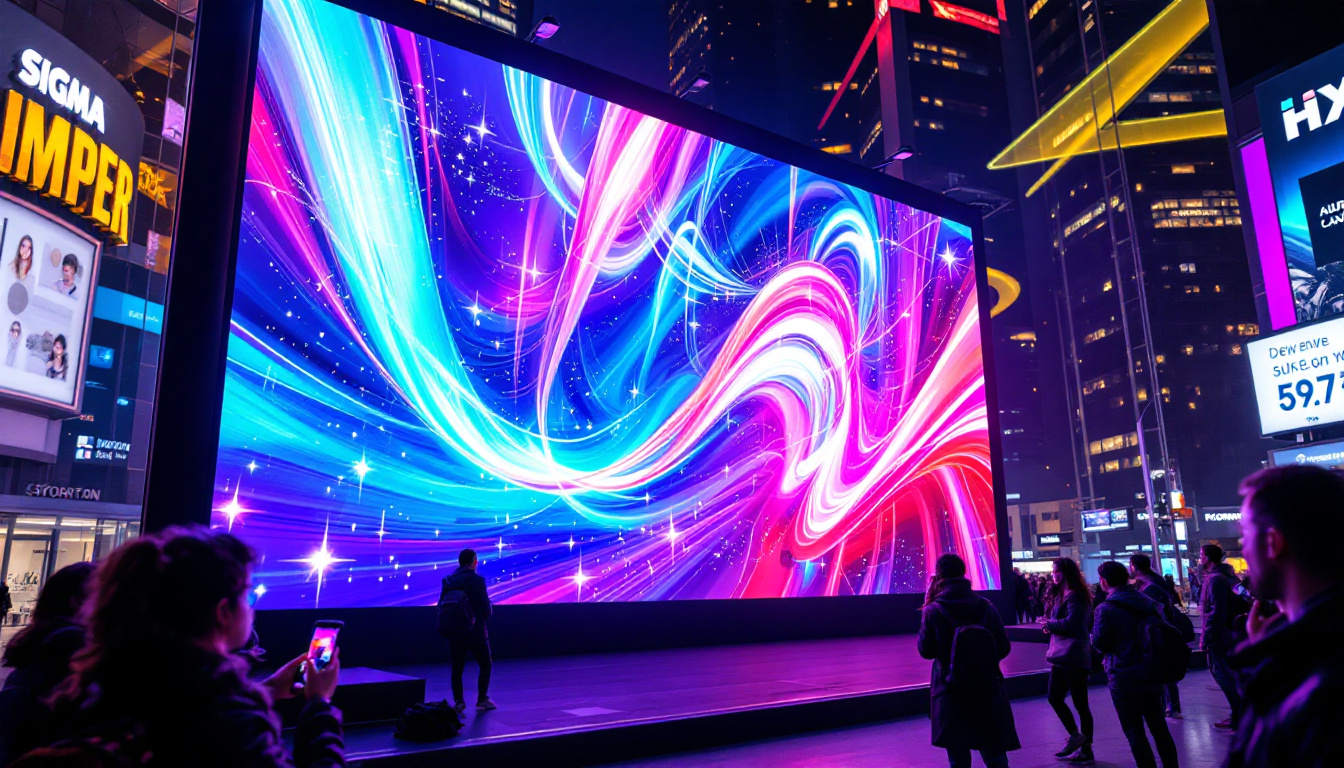
In recent years, transparent display technology has emerged as a groundbreaking innovation, transforming the way visual content is integrated into everyday environments. Among the most promising advancements is the transparent LED display film, a technology that combines the vivid brightness of LED displays with the sleek, see-through aesthetics of glass. This article delves into the intricacies of transparent LED display films, exploring their technology, applications, benefits, and future potential.
Understanding Transparent LED Display Film Technology
What Is Transparent LED Display Film?
Transparent LED display film is a flexible, ultra-thin panel embedded with LED lights that can display vibrant images and videos while maintaining a high level of transparency. Unlike traditional LED screens that are opaque and bulky, these films allow light to pass through, enabling them to be installed on glass surfaces such as windows, storefronts, and vehicle windshields without obstructing the view.
This technology utilizes micro-LED or mini-LED components arranged on a transparent substrate, often a flexible polymer or glass. The LEDs illuminate selectively to create images, while the spaces between them remain clear, preserving transparency. The result is a dynamic display that can be seen from both sides, making it ideal for advertising, information dissemination, and interactive applications. This innovative approach not only enhances aesthetic appeal but also transforms ordinary surfaces into engaging visual platforms, providing businesses with a unique way to connect with customers.
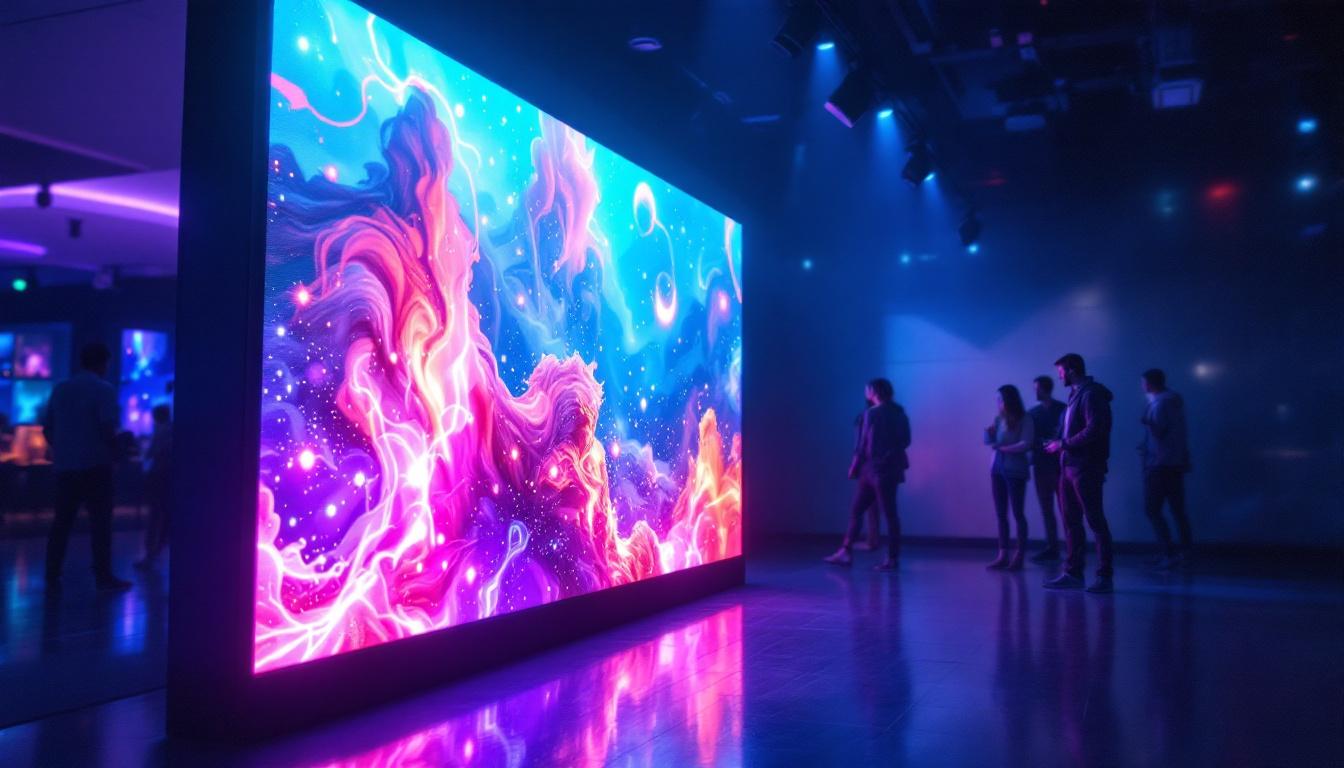
Moreover, the versatility of transparent LED display film extends beyond commercial use. In architectural design, it can be integrated into buildings to create stunning visual effects that blend seamlessly with the environment. For instance, these displays can be used in museums to provide interactive exhibits or in art installations where the interplay of light and transparency creates an immersive experience. The potential applications are vast, ranging from retail environments to public transportation, where they can convey real-time information while maintaining visibility.
How Does It Work?
The core principle behind transparent LED display film lies in the strategic placement of LEDs with gaps that allow light transmission. Each LED acts as a pixel, controlled by a driver circuit that manages brightness and color output. When the display is off, it appears almost invisible or like a tinted glass panel. When activated, the LEDs light up to form images or videos, visible against the transparent backdrop.
Modern transparent LED displays often incorporate advanced driver ICs and high-refresh-rate controllers to ensure smooth video playback and accurate color reproduction. The films can be cut to size and shaped to fit various surfaces, and they connect to media players or control systems via standard digital interfaces such as HDMI or DVI. Additionally, many of these displays support interactive features, allowing users to engage with the content through touch or gesture recognition. This interactivity opens up new avenues for marketing and customer engagement, as businesses can create tailored experiences that resonate with their audience.
Furthermore, the energy efficiency of transparent LED display films is another significant advantage. With advancements in LED technology, these displays consume less power compared to traditional screens, making them an environmentally friendly option. As sustainability becomes increasingly important in design and advertising, transparent LED films provide a way to reduce energy consumption while still delivering high-impact visuals. This eco-conscious approach not only benefits the planet but also aligns with the values of modern consumers who prioritize sustainability in their purchasing decisions.
Key Advantages of Transparent LED Display Films
Seamless Integration with Architecture
One of the most compelling benefits of transparent LED display films is their ability to blend seamlessly into architectural elements. Unlike traditional displays that require dedicated mounting structures and often compromise aesthetics, transparent films can be directly applied to existing glass surfaces. This preserves natural lighting and sightlines while adding a layer of dynamic content.
For example, retail stores can transform their storefront windows into interactive advertising spaces without sacrificing the view of merchandise inside. Similarly, office buildings can use these films on conference room glass walls to display presentations or branding without losing the open feel of the space.
Energy Efficiency and Lightweight Design
Compared to large LED panels or LCD screens, transparent LED display films consume significantly less power. The sparse arrangement of LEDs and the use of energy-efficient components contribute to lower electricity usage, which is crucial for sustainable building design and cost-effective operation.
Moreover, the films are lightweight and thin, reducing the need for heavy support structures and simplifying installation. This makes them particularly attractive for retrofit projects where adding bulk is impractical or undesirable.
High Brightness and Visibility
Transparent LED films deliver excellent brightness levels that can compete with ambient light, ensuring content remains visible even in brightly lit environments or direct sunlight. This is a notable advantage over many transparent LCD or OLED displays, which often struggle with glare and limited brightness.
The high transparency rate—often ranging between 70% and 90%—means that viewers can see both the displayed content and the environment behind the screen, creating a unique visual experience that merges digital and physical worlds.
Applications of Transparent LED Display Films
Retail and Advertising
Retail environments have been among the earliest adopters of transparent LED display films. Storefront windows equipped with these films can showcase promotional videos, product launches, or seasonal campaigns while maintaining an unobstructed view of the interior. This dual functionality enhances customer engagement and increases foot traffic.
Brands like Nike, Samsung, and luxury fashion houses have employed transparent LED displays in flagship stores to create immersive, eye-catching experiences that differentiate them from competitors. The ability to update content remotely and instantly adds flexibility to marketing strategies.
Corporate and Commercial Spaces
In corporate offices, transparent LED films serve multiple purposes—from digital signage and branding to interactive meeting room displays. They enable companies to maintain open, modern office designs without sacrificing communication capabilities.
For instance, glass partitions can double as presentation screens or information boards during meetings. This multifunctionality supports collaborative work environments and enhances the overall aesthetic appeal of office interiors.
Transportation and Public Spaces
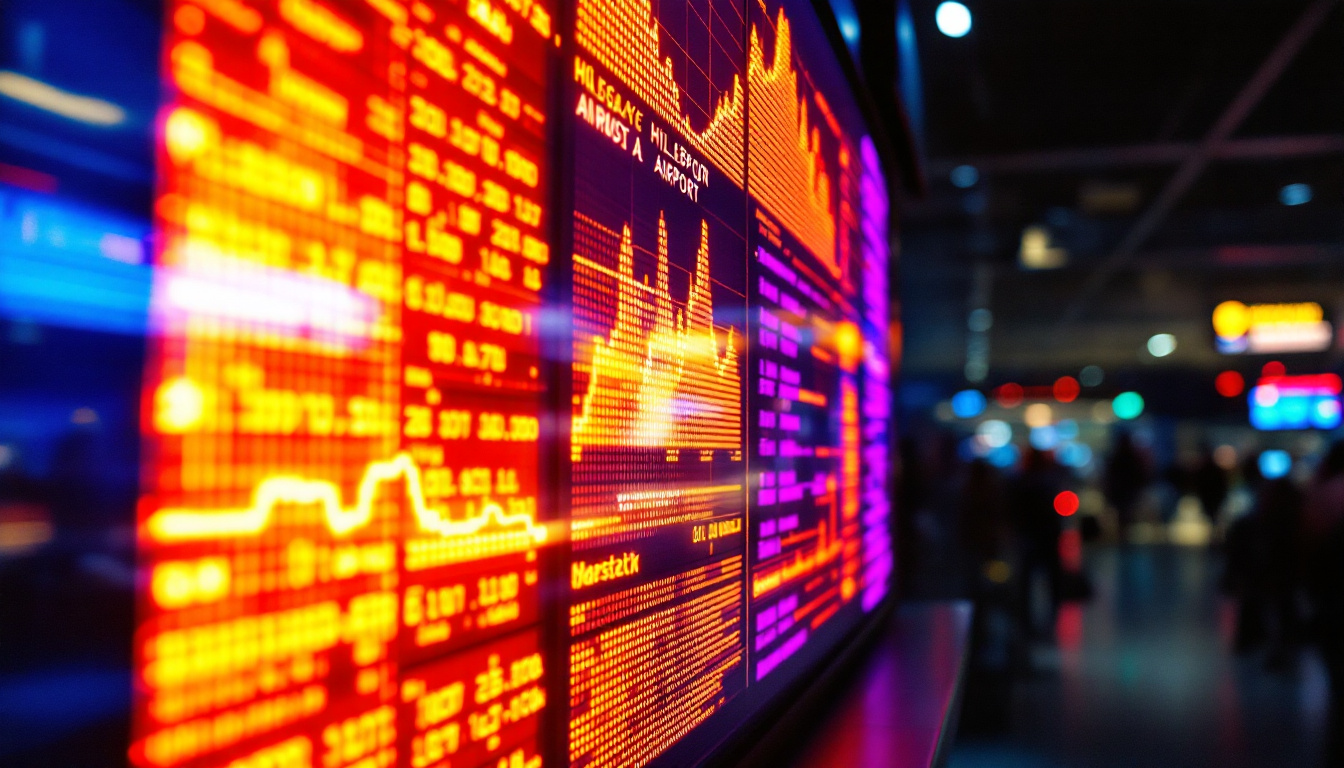
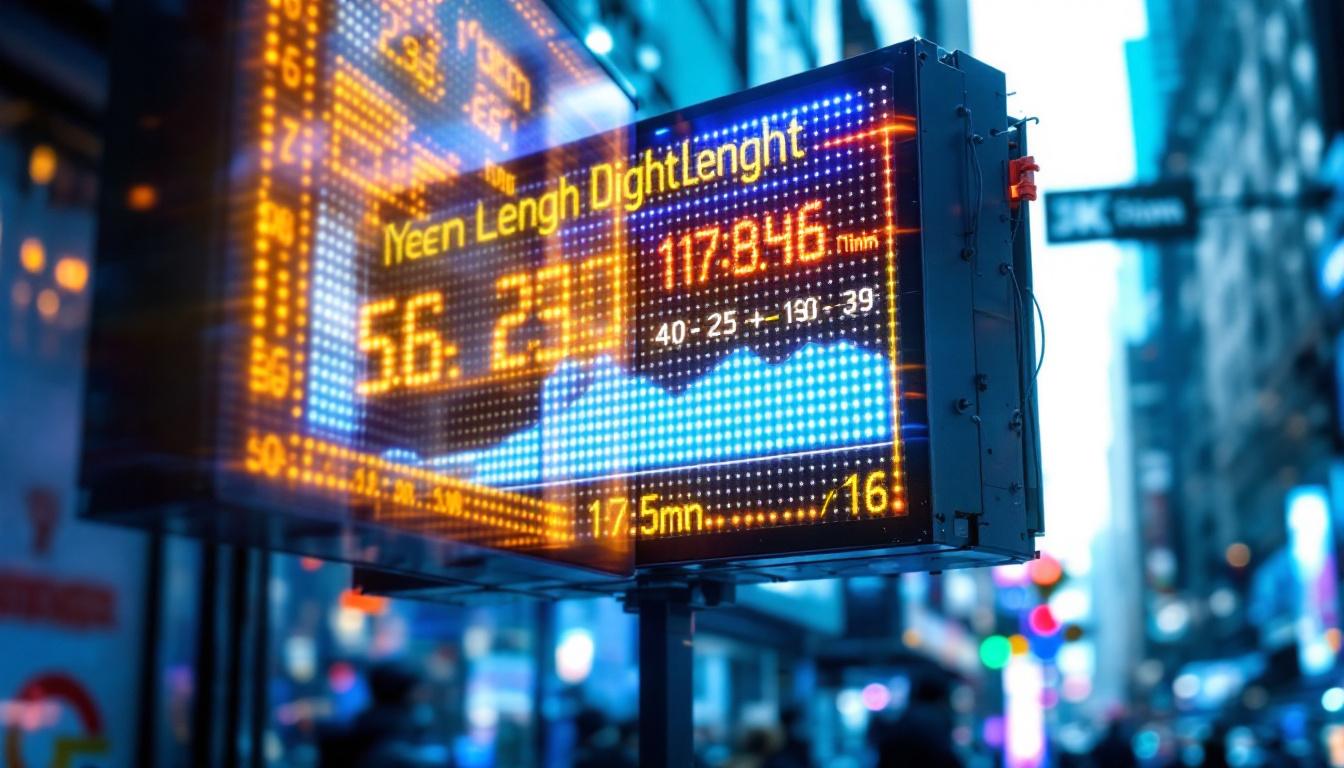
Transparent LED display films are increasingly used in transportation hubs such as airports, train stations, and bus terminals. When applied to glass walls or windows, they provide real-time information like schedules, alerts, and advertisements without obstructing natural light or visibility.
In automotive applications, transparent LED films are being explored for heads-up displays (HUDs) on windshields, offering drivers critical information without diverting their attention from the road. Public spaces also benefit from these displays for wayfinding, event promotion, and safety messaging.
Challenges and Considerations
Cost and Scalability
Despite their advantages, transparent LED display films currently come with a higher price tag compared to conventional displays. The manufacturing process involves precise placement of micro-LEDs and specialized materials, which contribute to production costs.
However, as the technology matures and demand grows, economies of scale are expected to reduce prices. For large-scale installations, the initial investment can be offset by the benefits of energy savings, reduced maintenance, and enhanced customer engagement.
Resolution and Pixel Pitch Limitations
Because of the need to maintain transparency, transparent LED films have larger pixel pitches (the distance between individual LEDs) than traditional LED panels. This can limit the resolution and sharpness of displayed content, especially for close-up viewing.
Manufacturers are continuously improving pixel density, with some advanced models achieving pitches as low as 2.5mm, suitable for high-detail applications. Choosing the right film depends on the viewing distance and content requirements.
Durability and Environmental Factors
Transparent LED films installed on exterior surfaces must withstand environmental challenges such as UV exposure, temperature fluctuations, moisture, and physical impact. Protective coatings and robust materials are essential to ensure longevity and consistent performance.
Indoor applications face fewer environmental risks but still require careful handling during installation to avoid damage to the delicate LED components and substrate.
The Future of Transparent LED Display Film Technology
Advancements in Micro-LED and Nanotechnology
Emerging trends in micro-LED and nanotechnology promise to enhance the capabilities of transparent LED films. Smaller, more efficient LEDs will allow for higher resolution displays with even greater transparency, opening new possibilities for use in smartphones, augmented reality (AR) devices, and wearable technology.
Research into flexible, transparent substrates and improved driver electronics is also underway, aiming to produce displays that are not only visually stunning but also adaptable to curved or irregular surfaces.
Integration with Smart Building Systems
As smart building technologies evolve, transparent LED display films are expected to become integral components of intelligent environments. They can be linked with sensors, IoT devices, and AI-driven content management systems to deliver context-aware information and personalized experiences.
For example, a retail window display could adjust its content based on the time of day, weather conditions, or customer demographics, maximizing relevance and impact.
Environmental and Sustainability Impact
With growing emphasis on sustainability, transparent LED display films offer an eco-friendly alternative to traditional advertising and signage. Their energy efficiency, recyclability, and potential for reducing material waste align with global efforts to minimize environmental footprints.
Future developments may also focus on biodegradable substrates and low-impact manufacturing processes, further enhancing the green credentials of this technology.
Conclusion
Transparent LED display films represent a significant leap forward in display technology, merging digital content with real-world environments in a visually compelling and practical manner. Their unique combination of transparency, brightness, and flexibility opens up a wide range of applications across retail, corporate, transportation, and public sectors.
While challenges related to cost, resolution, and durability remain, ongoing innovations are steadily addressing these issues, paving the way for broader adoption. As the technology continues to evolve, transparent LED display films are poised to redefine the future of digital signage and interactive displays, creating immersive experiences that engage audiences without compromising aesthetics or functionality.
Discover the Future of Visual Engagement with LumenMatrix
Ready to elevate your space with the cutting-edge technology of transparent LED display films? LumenMatrix is at the forefront of LED display innovation, offering a wide array of solutions that bring your brand to life. From Indoor and Outdoor LED Wall Displays to immersive Floor and Custom LED Displays, our products are designed to captivate and engage. Experience the revolution in visual communication with our LED Transparent Displays and more. Check out LumenMatrix LED Display Solutions today and transform your environment into a dynamic visual experience.