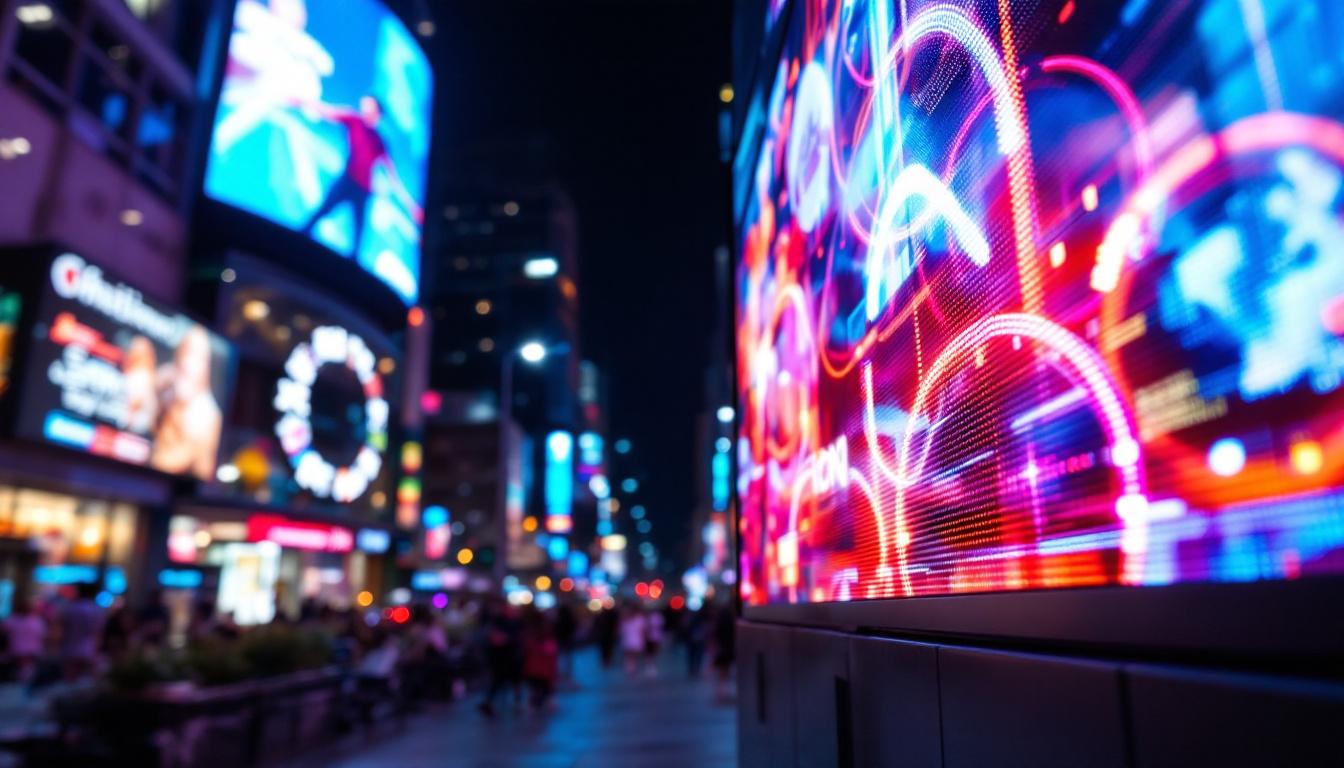
In today’s fast-paced world, LED displays have become a cornerstone of effective communication, marketing, and entertainment. Whether it’s a vibrant billboard on a busy street, a digital menu board in a restaurant, or an interactive display at a trade show, LED technology offers unparalleled brightness, clarity, and versatility. However, the true power of these displays lies in their precise alignment and customization, which ensures optimal visibility and performance.
This article delves into the concept of custom alignment for LED displays, exploring why it matters, how it works, and what to consider when searching for “custom alignment near me.” Understanding these elements can help businesses and individuals maximize the impact of their LED installations.
Understanding LED Display Technology
Before diving into custom alignment, it’s essential to understand the basics of LED display technology. LED stands for Light Emitting Diode, a semiconductor device that emits light when an electric current passes through it. LED displays consist of thousands to millions of these tiny diodes arranged in a matrix to create images, videos, and text.
LED displays are widely favored for their brightness, energy efficiency, and long lifespan. They outperform traditional display technologies like LCDs in outdoor environments because they can maintain visibility even under direct sunlight. This makes them ideal for advertising, sports arenas, transportation hubs, and public information systems. The technology also allows for rapid refresh rates, which means that moving images and videos appear smooth and fluid, enhancing the viewer’s experience.
Moreover, the modular nature of LED displays enables easy scalability and maintenance. Each module can be replaced individually, reducing downtime and maintenance costs. This adaptability is particularly beneficial for large-scale installations, where a single malfunctioning panel could otherwise disrupt the entire display. Additionally, advancements in LED technology have led to the development of features such as color calibration and brightness adjustment, ensuring consistent image quality across the entire display.
Types of LED Displays
There are several types of LED displays, each serving different purposes:
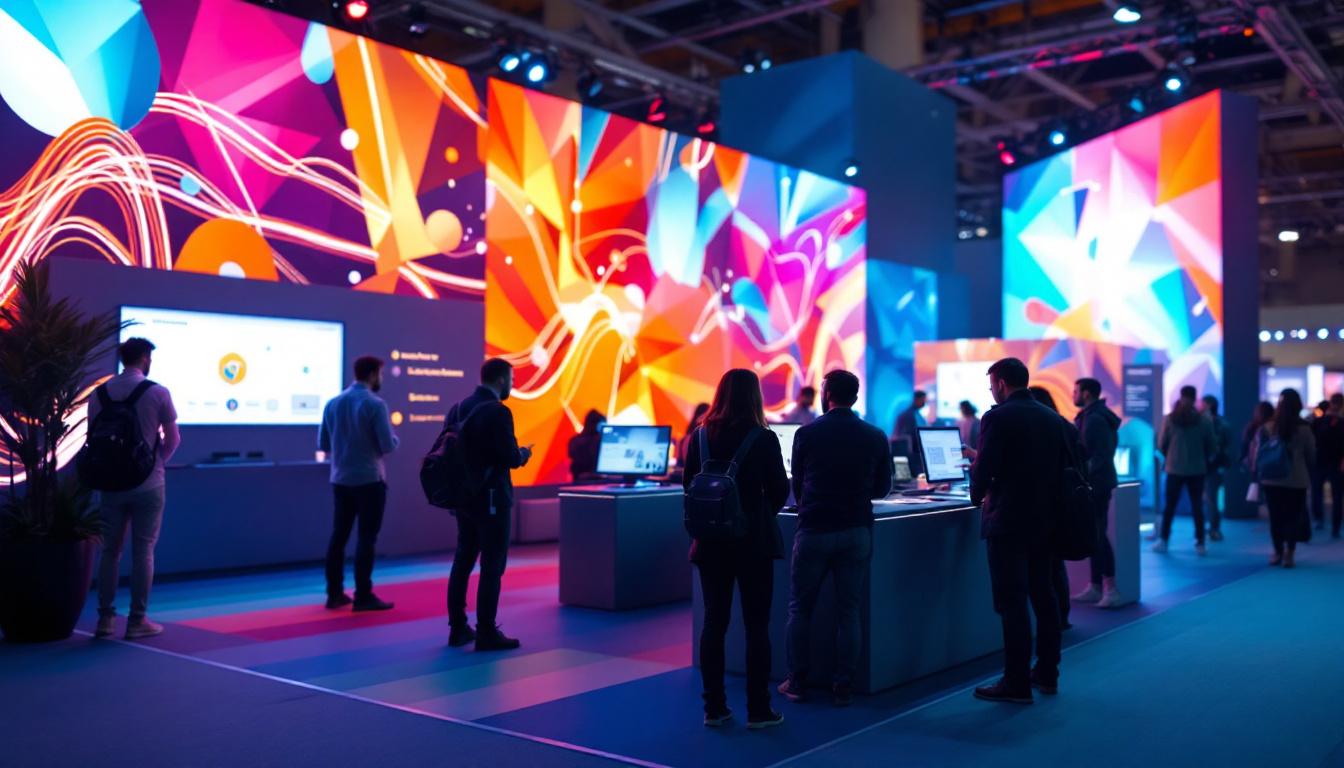
- Indoor LED Displays: Designed for controlled lighting environments, these displays have a higher pixel density for sharper images at close viewing distances. They are commonly used in venues such as conference rooms, theaters, and retail spaces, where clarity and detail are paramount.
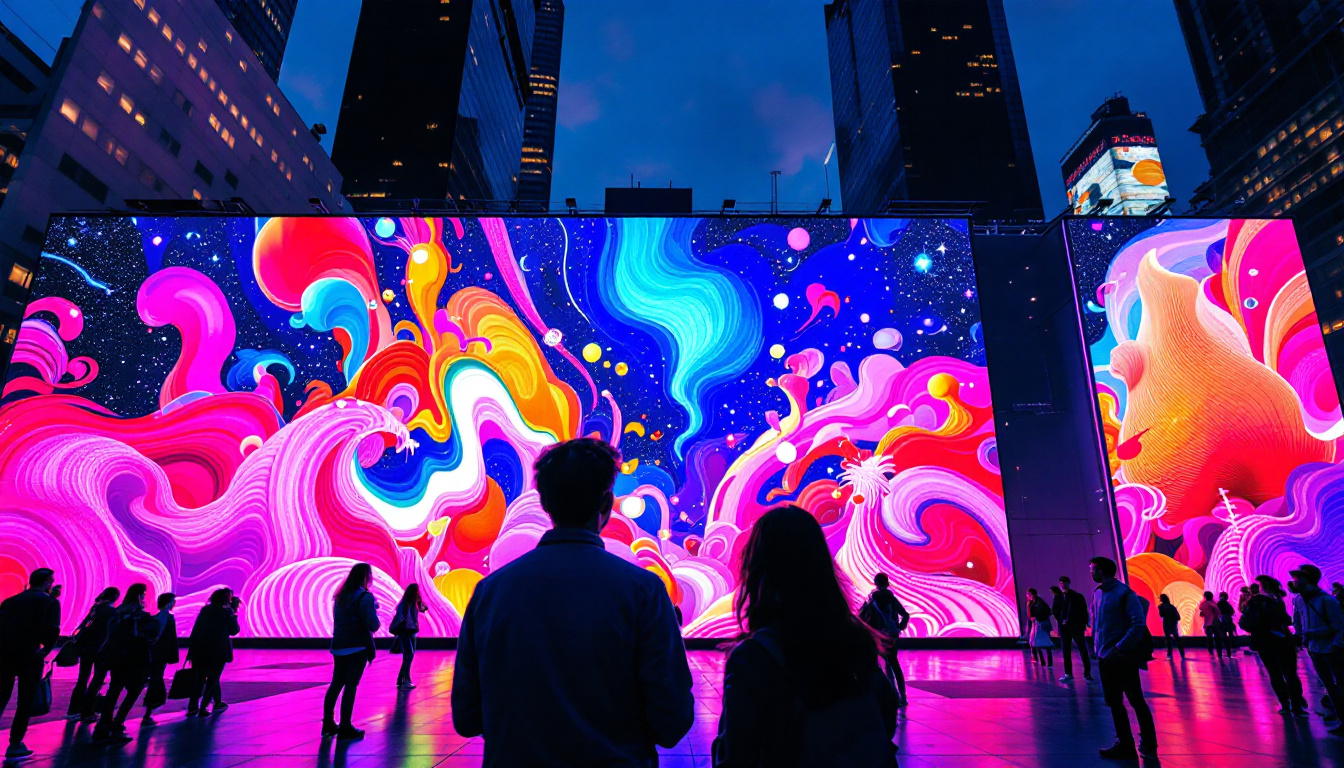
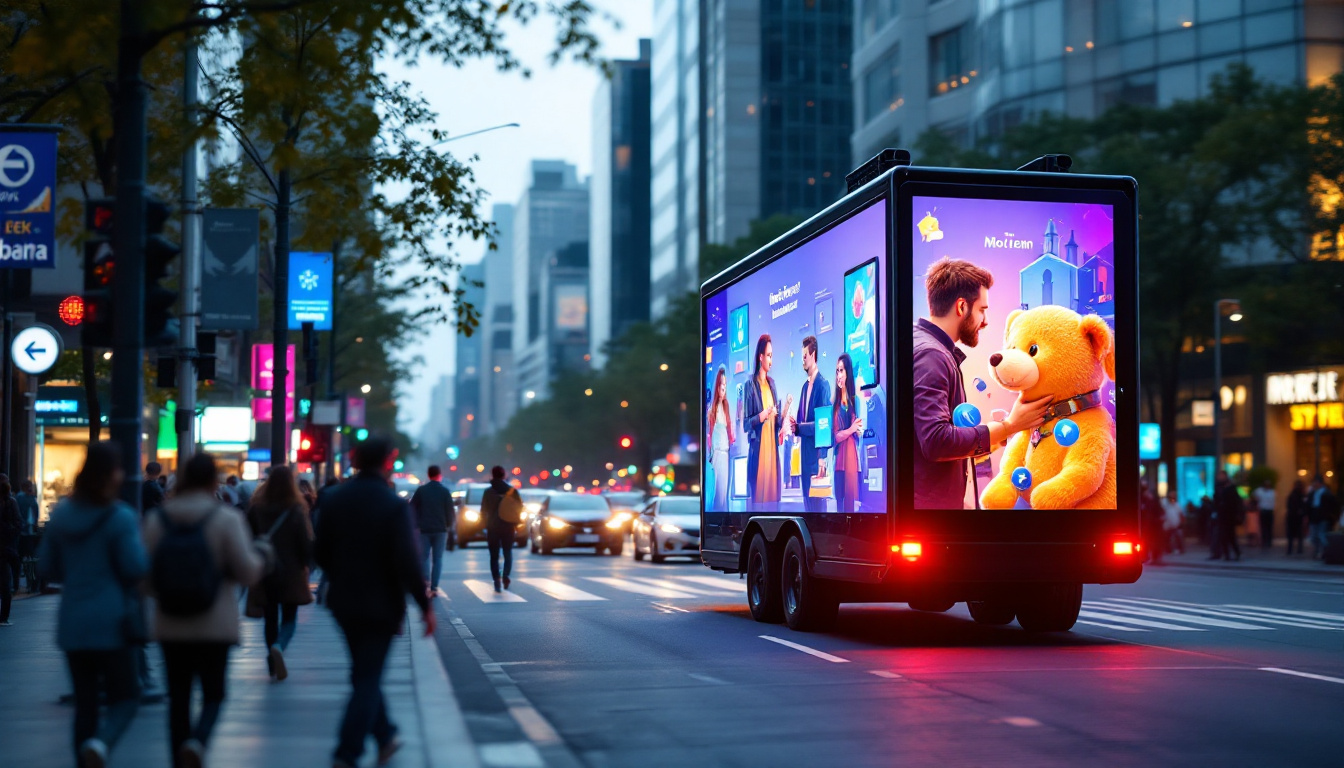
- Outdoor LED Displays: Built to withstand weather conditions, these have higher brightness levels and are often larger to be visible from afar. They are typically used for billboards, stadiums, and public announcements, where they can attract attention from a distance and under various lighting conditions.
- Flexible LED Displays: These can bend or curve, allowing for creative installations on irregular surfaces. Their versatility opens up new possibilities in architectural design and artistic displays, enabling designers to create immersive environments that engage viewers in unique ways.
- Transparent LED Displays: Used in storefronts and glass walls, these displays allow light to pass through while showing dynamic content. This innovative design not only enhances the aesthetic appeal of a space but also provides businesses with a modern way to showcase products and promotions without obstructing visibility.
In addition to these types, there are also specialized LED displays such as high-definition (HD) and ultra-high-definition (UHD) models, which provide even greater detail and clarity for applications requiring high-resolution content. These displays are increasingly popular in broadcasting and digital signage, where image quality is critical for effective communication. Furthermore, advancements in LED technology have led to the introduction of organic light-emitting diodes (OLEDs), which offer even more vibrant colors and deeper blacks, pushing the boundaries of what is possible in display technology.
What is Custom Alignment in LED Displays?
Custom alignment refers to the precise calibration and positioning of LED display modules to ensure seamless image quality and optimal viewing angles. Because LED displays are typically composed of multiple panels or modules, proper alignment is critical to avoid visual inconsistencies such as color mismatches, gaps, or pixel misplacement.
Alignment involves both physical installation and digital calibration. Physically, the panels must be mounted perfectly flush and level. Digitally, the display’s control system must be configured to synchronize color, brightness, and timing across all modules.
Why Custom Alignment Matters
Without custom alignment, even the most advanced LED display can suffer from reduced image quality. Misaligned modules can cause:
- Visible seams: Gaps or uneven edges between panels disrupt the continuity of images.
- Color inconsistency: Variations in brightness or color temperature between modules make the display look patchy.
- Distorted images: Incorrect pixel mapping can warp or blur visuals.
For businesses relying on LED displays to attract customers or convey critical information, these issues can undermine credibility and reduce engagement. Custom alignment ensures a professional, polished appearance that enhances viewer experience.
How Custom Alignment is Performed
Custom alignment is a multi-step process involving both hardware and software techniques. Here’s an overview of how professionals typically approach it:
1. Physical Installation and Mechanical Alignment
The first step is to install LED panels with precision. Technicians use specialized mounting frames and brackets that allow fine adjustments in height, depth, and angle. Laser levels and alignment tools help ensure that all panels are perfectly flush and aligned horizontally and vertically.
Mechanical alignment is crucial because even a millimeter of misalignment can become noticeable on large displays. This step also includes securing the panels firmly to prevent movement over time due to vibrations or weather conditions.
2. Electrical and Signal Calibration
Once physically installed, the panels need to be connected to the control system. This involves running cables, configuring signal processors, and ensuring that data flows correctly to each module. Signal calibration helps synchronize the timing of pixel updates to avoid flickering or ghosting effects.
3. Color and Brightness Calibration
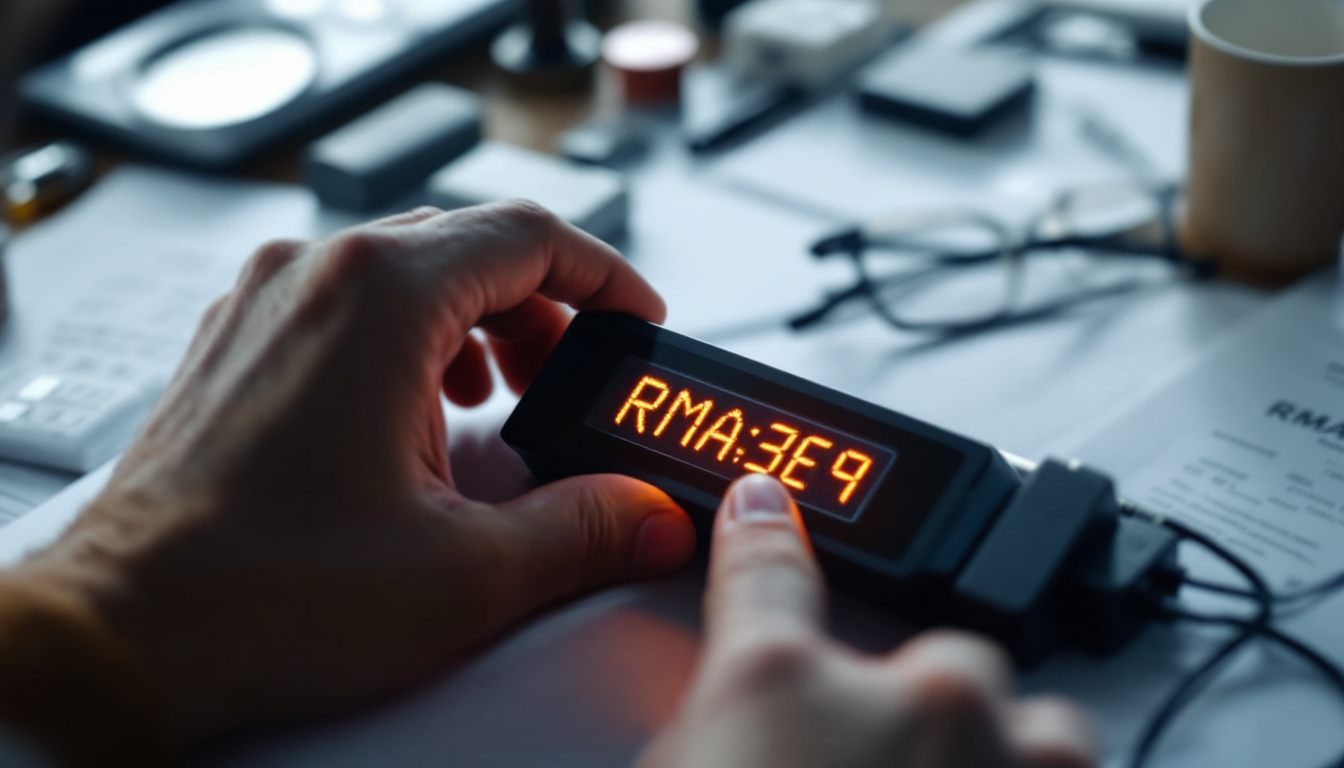
Using colorimeters and photometers, technicians measure the brightness and color output of each panel. Software tools then adjust the display’s settings to match color temperature, gamma, and luminance across all modules. This step ensures uniformity, so the entire display looks cohesive regardless of viewing angle or ambient lighting.
4. Pixel Mapping and Software Alignment
Advanced LED displays use software to map pixels accurately, especially when dealing with curved or irregularly shaped installations. This mapping corrects for any physical distortions and ensures that images and videos appear natural and undistorted.
Finding Custom Alignment Services Near You
Searching for “custom alignment near me” can lead to a range of service providers specializing in LED display installation and calibration. Choosing the right partner is essential for achieving the best results.
What to Look for in a Provider
- Experience and Expertise: Look for companies with a proven track record in LED display installation and alignment. Check for certifications and client testimonials.
- Advanced Equipment: Providers should use state-of-the-art tools for mechanical alignment, color calibration, and pixel mapping.
- Comprehensive Services: The best providers offer end-to-end solutions, including design consultation, installation, alignment, and ongoing maintenance.
- Local Availability: Choosing a local provider can reduce installation costs and facilitate quicker support and maintenance visits.
Questions to Ask Potential Providers
When contacting service providers, consider asking:
- What is your process for custom alignment of LED displays?
- Can you provide examples of past projects similar to mine?
- What equipment and software do you use for calibration?
- Do you offer warranties or service agreements post-installation?
- How do you handle challenging installations, such as curved or outdoor displays?
Benefits of Custom-Aligned LED Displays
Investing in custom alignment delivers tangible benefits that justify the initial cost and effort:
Enhanced Visual Impact
Properly aligned LED displays produce crisp, vibrant images that capture attention. This is especially important in competitive environments like retail, sports venues, and public advertising, where visual quality directly influences audience engagement.
Improved Longevity and Reliability
Correct alignment reduces stress on individual panels and minimizes the risk of damage caused by misfitting or improper mounting. This leads to longer-lasting installations and fewer maintenance issues.
Optimized Viewing Experience
Custom calibration ensures that the display looks great from all intended viewing angles, providing consistent brightness and color regardless of where viewers stand.
Greater Flexibility
With precise alignment and pixel mapping, LED displays can be installed on unconventional surfaces or in creative configurations, expanding design possibilities.
Common Challenges and Solutions in LED Display Alignment
Despite advances in technology, custom alignment can present challenges that require expert handling:
Environmental Factors
Outdoor displays face temperature fluctuations, humidity, and physical impacts. Providers must select appropriate materials and perform alignment that accounts for expansion and contraction.
Complex Installations
Curved, angled, or large-scale installations require advanced pixel mapping and mechanical adjustments. Skilled technicians use 3D modeling and software simulations to plan and execute these projects.
Maintenance and Recalibration
Over time, LED modules may shift or degrade. Regular maintenance and recalibration are necessary to maintain alignment and image quality. Many providers offer service contracts to handle this proactively.
Conclusion: Why Custom Alignment is Essential for Your LED Display
LED displays offer unmatched opportunities for dynamic visual communication, but their effectiveness hinges on precise custom alignment. From physical installation to digital calibration, every step ensures that the display performs at its best, delivering clear, vibrant, and seamless images.
When searching for “custom alignment near me,” prioritize providers who combine technical expertise, advanced equipment, and comprehensive services. The investment in professional alignment not only enhances the visual impact but also extends the lifespan and reliability of your LED display, ultimately maximizing your return on investment.
Whether you’re outfitting a retail storefront, a corporate lobby, or an outdoor advertising space, understanding and implementing custom alignment is a critical step toward achieving a standout LED display that captivates and communicates effectively.
Discover LumenMatrix’s Custom LED Display Solutions
Ready to elevate your visual communication with precision-aligned LED displays? LumenMatrix is at the forefront of LED display innovation, offering a wide array of solutions tailored to your unique needs. From Indoor and Outdoor LED Walls to specialized displays for vehicles, sports, and even floors, our custom LED displays are designed to captivate and engage your audience. Embrace the future of digital signage with LumenMatrix and experience the transformative power of our LED technology. Check out LumenMatrix LED Display Solutions today and bring your brand’s message to life with clarity and impact.