In today’s digital age, large-format monitors have become essential tools for professionals and enthusiasts alike. Among these, the 42-inch LED monitor stands out as a versatile option that balances screen real estate with usability. Whether for creative work, gaming, or business applications, understanding what makes a 42-inch LED display unique can help buyers make informed decisions. This article delves deep into the technology, features, and benefits of 42-inch LED monitors, providing a comprehensive guide for anyone considering this size and type of display.
Understanding LED Display Technology
LED, or Light Emitting Diode, technology has revolutionized the way screens are built and function. Unlike older LCD monitors that rely on cold cathode fluorescent lamps (CCFL) for backlighting, LED displays use tiny light-emitting diodes to illuminate the screen. This shift has brought numerous advantages in terms of image quality, energy efficiency, and design. The transition to LED technology not only enhances the viewing experience but also contributes to a more sustainable future by reducing energy consumption and waste.
How LED Backlighting Works
At the core of an LED monitor is an LCD panel that controls the image pixels, but the illumination comes from LEDs positioned behind or along the edges of the screen. There are two primary types of LED backlighting:
- Edge-lit LED: LEDs are placed around the perimeter of the screen, allowing for thinner panels and often more affordable designs.
- Full-array LED: LEDs are distributed evenly behind the entire screen, enabling better local dimming and improved contrast ratios.
Full-array LED monitors typically offer superior picture quality, especially in darker scenes, making them preferred for professional and entertainment use. Additionally, advancements in technology have led to the development of mini-LED and micro-LED displays, which further enhance brightness and contrast by using even smaller diodes, allowing for more precise control over lighting and improved HDR (High Dynamic Range) performance.
Advantages of LED Displays Over Other Technologies
Compared to older LCDs and even some OLED panels, LED displays strike a balance between cost, brightness, and lifespan. Key advantages include:
- Energy efficiency: LED backlighting consumes less power, reducing electricity costs and environmental impact.
- Brightness and color accuracy: Modern LED monitors can achieve high brightness levels and wide color gamuts, crucial for color-sensitive work.
- Longevity: LEDs generally have a longer lifespan than CCFLs, maintaining consistent performance over years of use.
- Design flexibility: The slim profile of LED backlighting allows manufacturers to produce sleek, lightweight monitors.
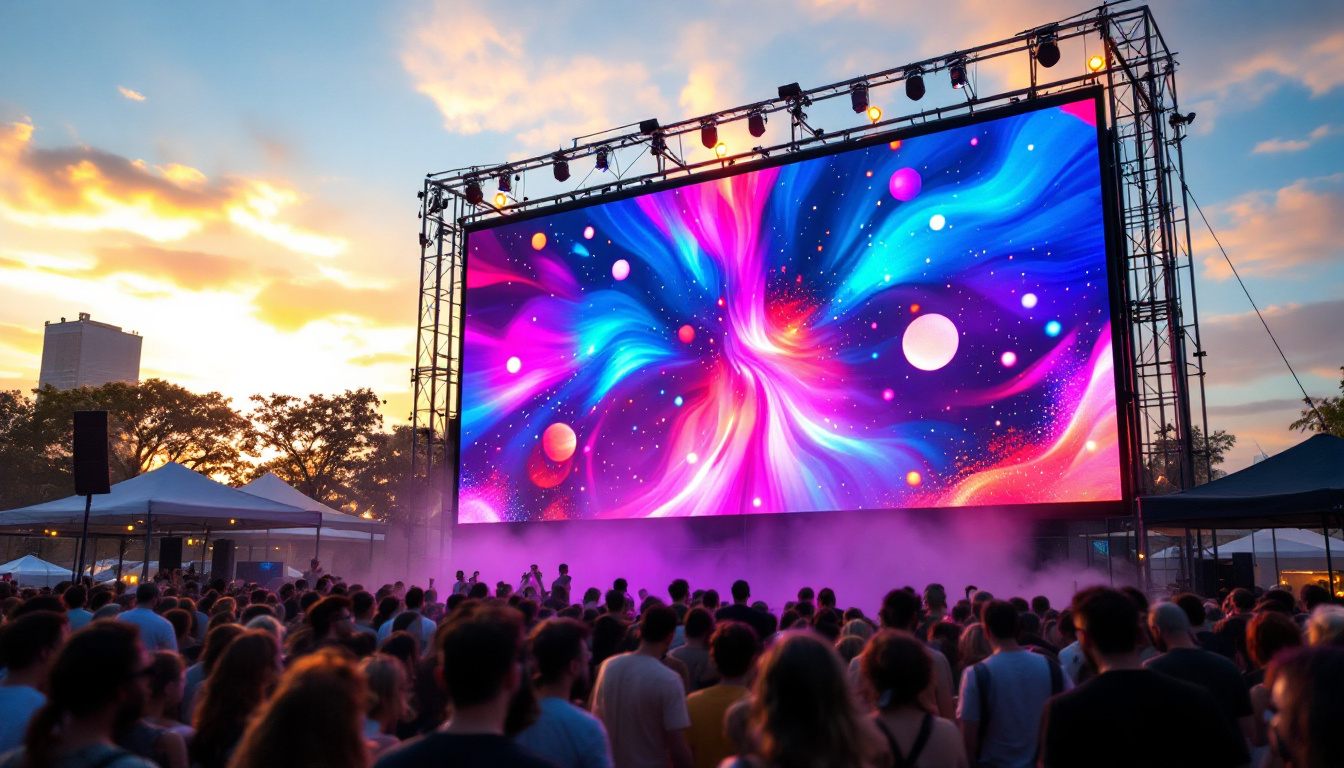
Moreover, LED displays are less prone to burn-in issues that can affect OLED screens, making them a more reliable choice for varied usage scenarios, from gaming to professional graphic design. The ability to produce vibrant colors and deep blacks without sacrificing brightness has made LED technology the go-to choice for both consumer electronics and commercial applications, including digital signage and large-scale displays in public venues. As the technology continues to evolve, we can expect even more innovative applications and enhancements that will further solidify the role of LED displays in our daily lives.
Why Choose a 42 Inch Monitor?
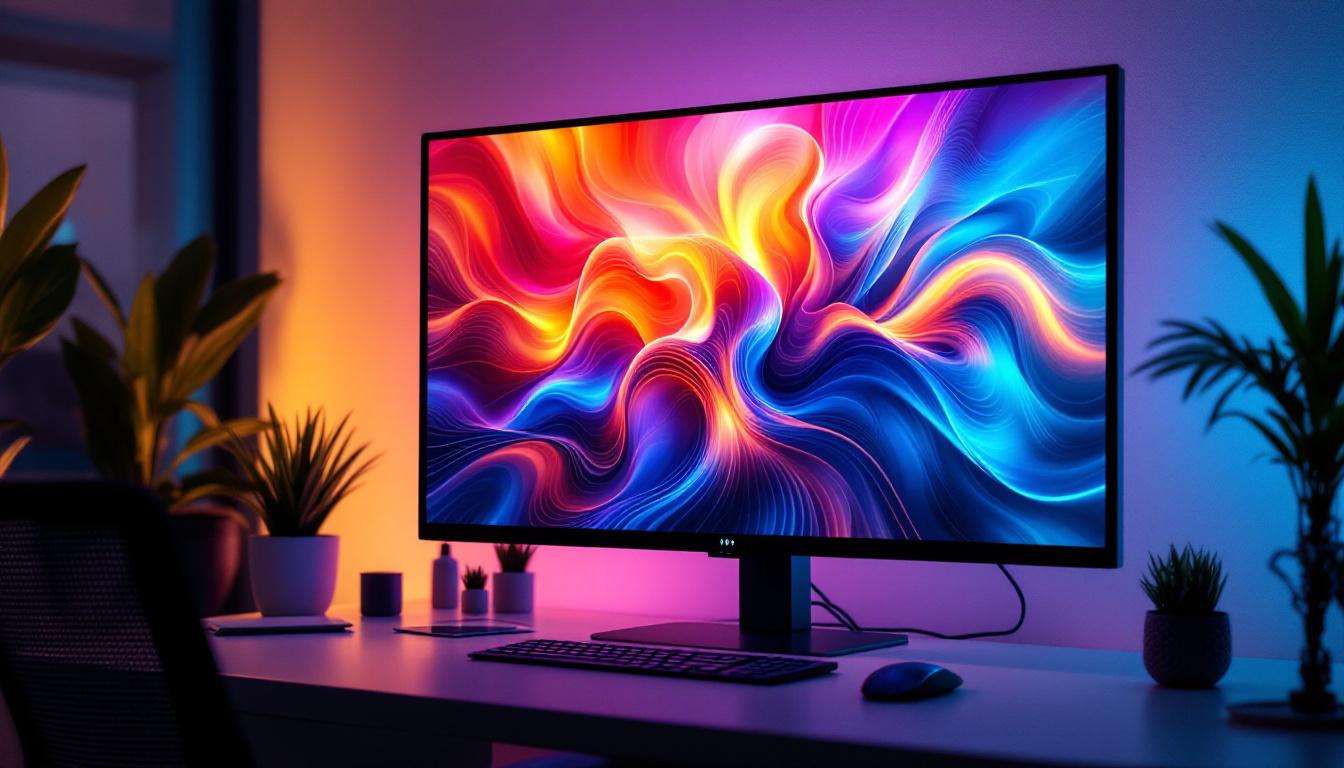
The 42-inch size category occupies a unique niche in the monitor market. It is large enough to provide immersive viewing experiences but still manageable for desktop setups or multi-purpose rooms.
Ideal Use Cases for 42 Inch Monitors
Several scenarios highlight the benefits of a 42-inch LED display:
- Creative professionals: Graphic designers, video editors, and photographers benefit from the expansive workspace and high resolution available on 42-inch screens.
- Corporate environments: Large monitors are perfect for conference rooms, digital signage, and collaborative workspaces where multiple viewers need clear visibility.
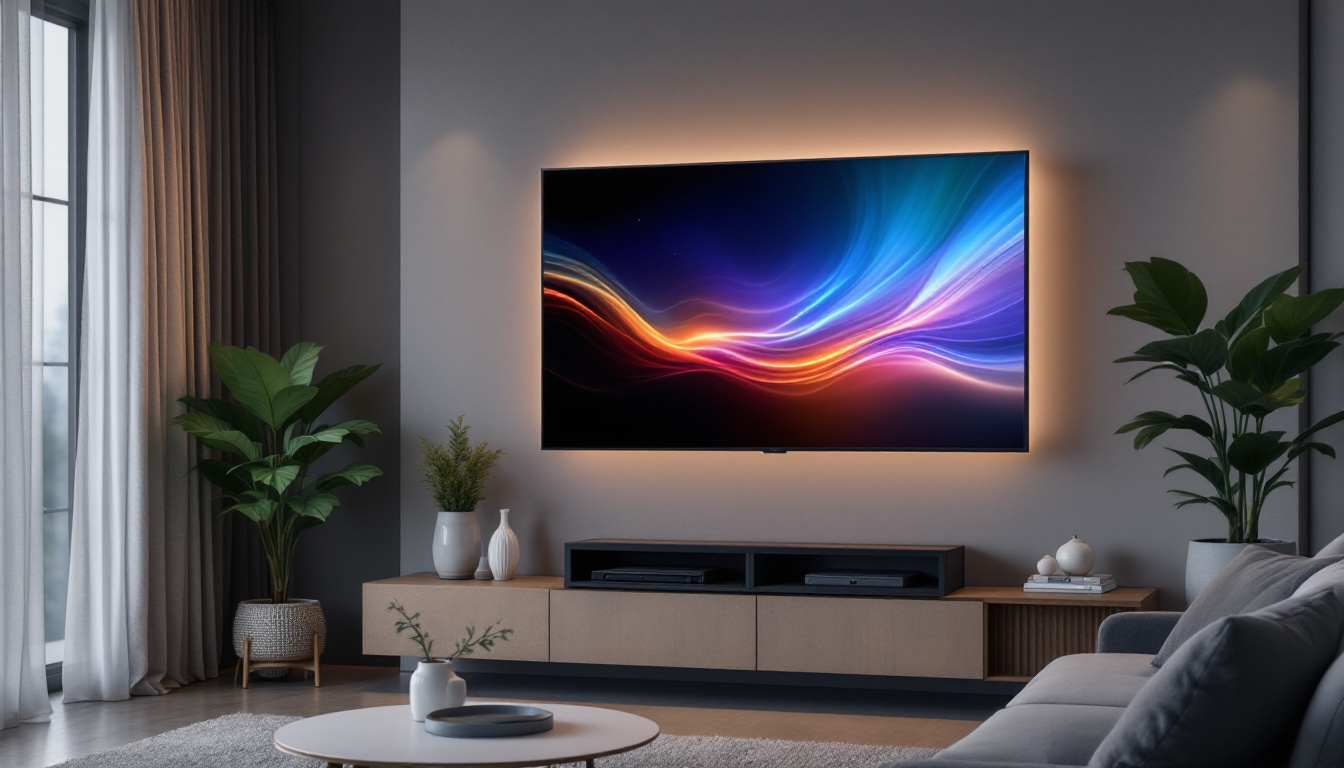
- Home entertainment: For users who want a monitor doubling as a TV or gaming display, 42 inches offers a cinematic experience without overwhelming typical room sizes.
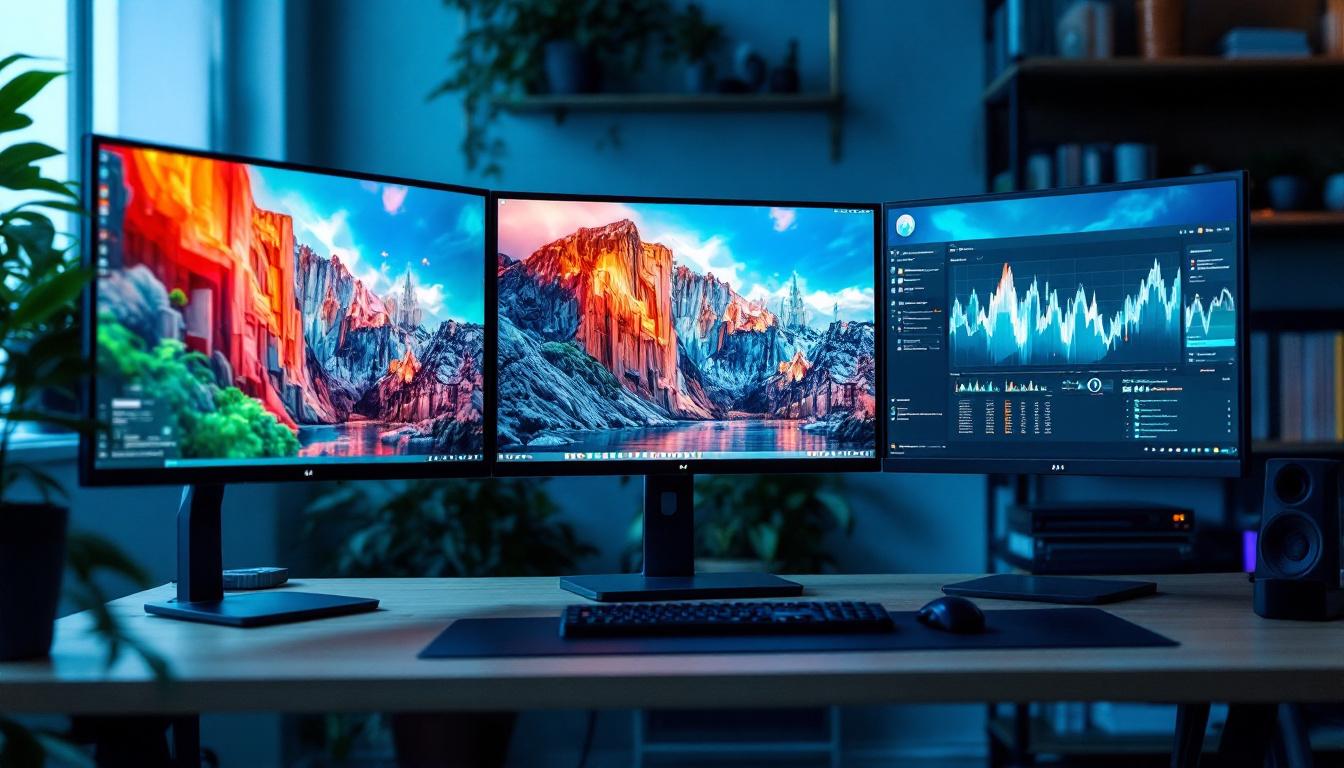
- Multitasking enthusiasts: The large screen real estate allows for side-by-side applications, enhancing productivity without the need for multiple monitors.
Comparing 42 Inch Monitors to Other Sizes
While 24- to 27-inch monitors are common for general computing, and 32-inch models are popular for gaming and professional use, 42-inch monitors provide a middle ground between desktop and TV-sized displays. Compared to 50-inch or larger screens, 42-inch monitors are easier to fit on desks and typically have higher pixel densities, which means sharper images at typical viewing distances.
Key Features to Consider in a 42 Inch LED Monitor
Choosing the right 42-inch LED monitor depends on several critical factors. Understanding these features ensures the monitor meets your specific needs.
Resolution and Pixel Density
Resolution determines the clarity and detail of the image displayed. Common resolutions for 42-inch monitors include:
- Full HD (1920 x 1080): Adequate for general use but may appear less sharp on a 42-inch screen due to lower pixel density.
- 4K UHD (3840 x 2160): Offers exceptional detail and is highly recommended for professional work and high-end entertainment.
- 5K and higher: Less common but available in specialized monitors for ultra-high-definition tasks.
For a 42-inch display, 4K resolution is often the sweet spot, balancing sharpness and performance.
Refresh Rate and Response Time
These specifications are particularly important for gamers and video editors:
- Refresh rate: Measured in hertz (Hz), it indicates how many times per second the screen updates. A higher refresh rate (e.g., 120Hz or 144Hz) results in smoother motion.
- Response time: The speed at which a pixel changes color, usually measured in milliseconds (ms). Lower response times reduce motion blur and ghosting.
While many 42-inch monitors are designed with general productivity and multimedia in mind, models targeting gamers will emphasize these specs.
Color Accuracy and Gamut
For professionals working with color-critical applications, color accuracy is paramount. Look for monitors that cover wide color spaces such as Adobe RGB or DCI-P3 and support hardware calibration. Some 42-inch LED monitors come factory-calibrated to ensure consistent and precise color reproduction.
Connectivity Options
Modern monitors should offer a variety of input ports to accommodate different devices. Common connections include:
- HDMI (High-Definition Multimedia Interface)
- DisplayPort
- USB-C with DisplayPort Alt Mode
- USB hubs for peripherals
- Audio output jacks
Ensuring compatibility with your existing hardware is essential for a seamless setup.
Ergonomics and Design
While large monitors are often stationary, adjustable stands that allow tilt, swivel, and height modifications improve comfort during extended use. Additionally, slim bezels and anti-glare coatings enhance the viewing experience.
Popular Applications of 42 Inch LED Monitors
The versatility of 42-inch LED monitors makes them suitable for a wide range of applications:
Professional Workstations and Creative Studios
Creative professionals demand high resolution and color fidelity. A 42-inch 4K LED monitor provides ample space for timelines, palettes, and multiple windows, streamlining workflows in video editing, 3D modeling, and digital art. The ability to view content at native resolution without scaling artifacts is a significant advantage.
Gaming and Entertainment
While many gamers prefer smaller, faster monitors, the 42-inch LED display offers an immersive experience for console gaming and casual PC gaming. With support for HDR (High Dynamic Range) and high refresh rates on select models, these monitors can deliver vibrant visuals and smooth gameplay. Additionally, their size makes them ideal for living room setups where distance from the screen is greater.
Business and Collaborative Environments
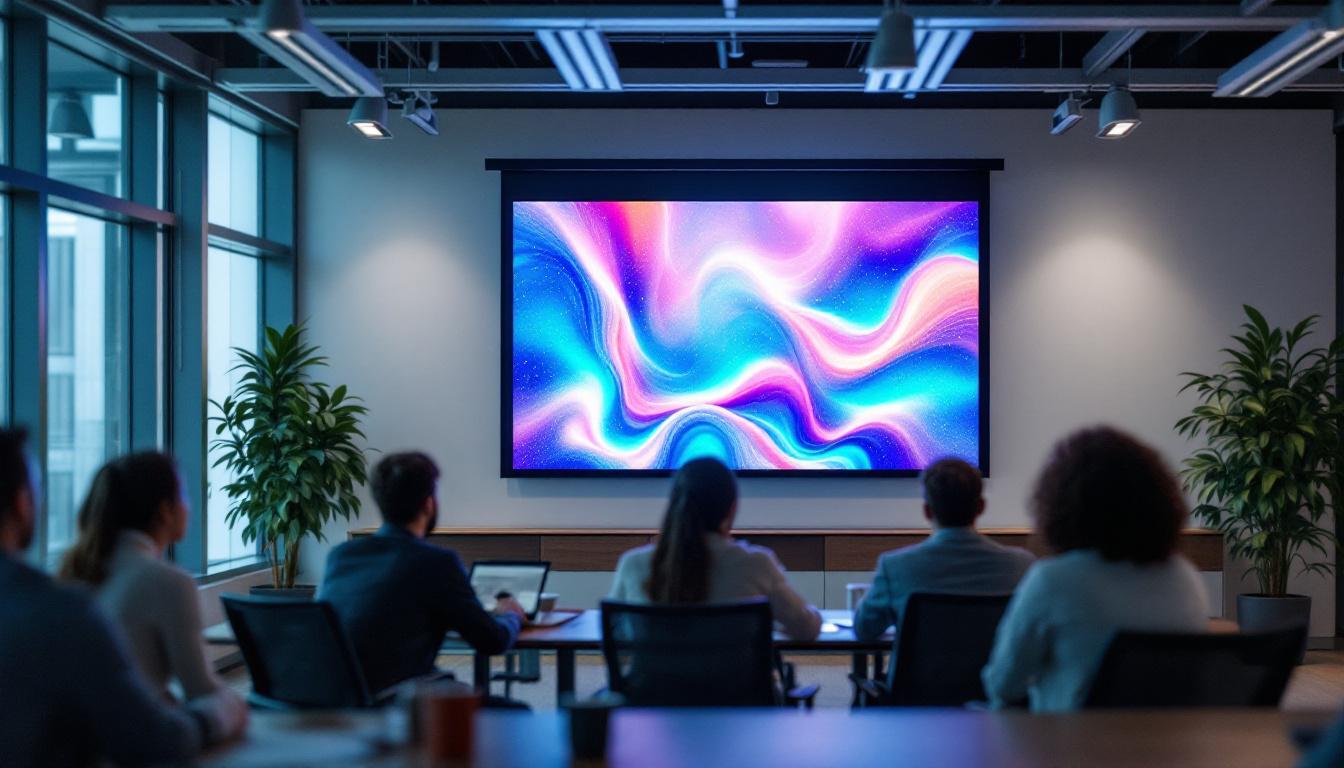
In meeting rooms and collaborative spaces, 42-inch monitors serve as digital whiteboards, presentation screens, or video conferencing displays. Their size allows multiple participants to view content clearly without crowding around a smaller screen. Some models even support touch input and interactive features, enhancing engagement.
Home Office and Productivity
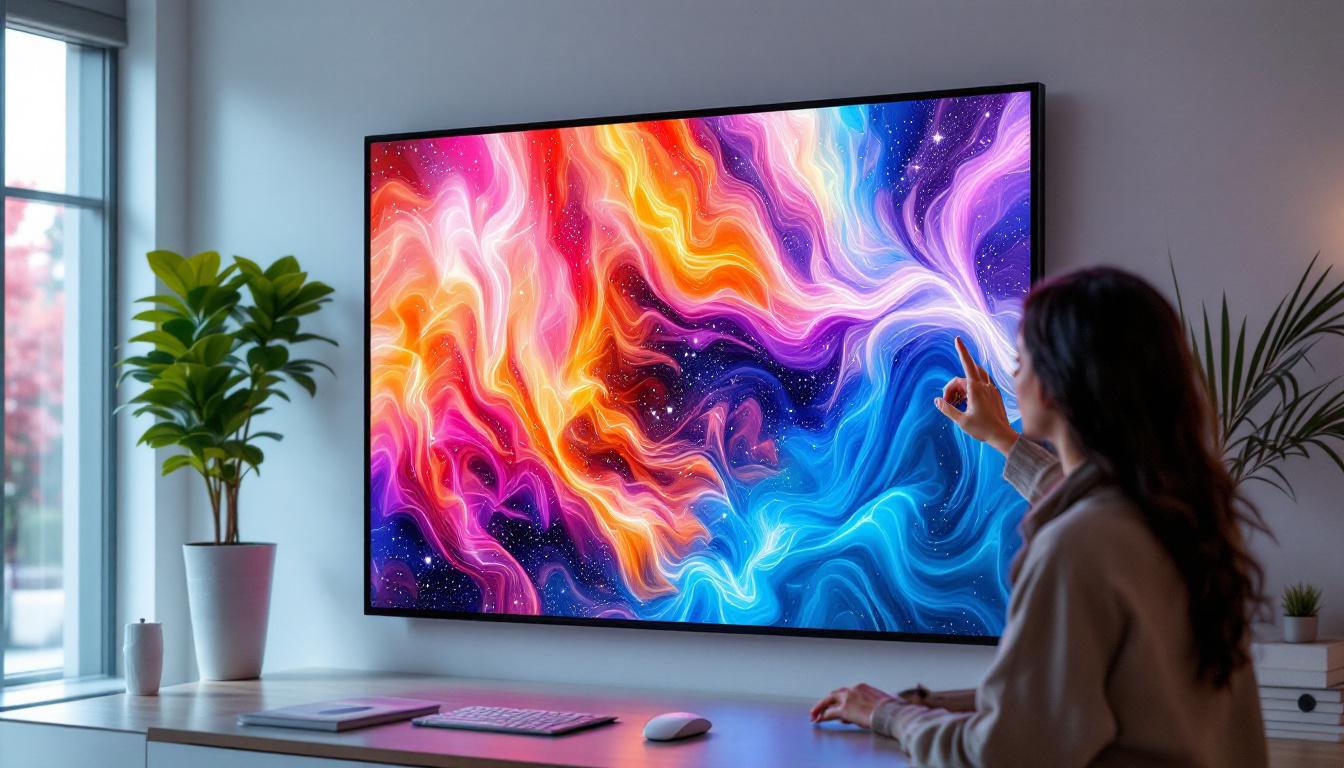
With the rise of remote work, many professionals seek monitors that boost productivity. A 42-inch monitor can replace multi-monitor setups, reducing cable clutter and simplifying workspace organization. The large screen area supports multitasking with multiple applications visible simultaneously, improving efficiency.
Energy Consumption and Environmental Impact
Energy efficiency is an increasingly important consideration when selecting electronic devices. LED monitors generally consume less power than their CCFL-backlit predecessors, but the larger screen size of a 42-inch display means power usage can still be significant.
Typical Power Usage
A 42-inch LED monitor typically consumes between 40 to 80 watts depending on brightness settings, resolution, and usage patterns. Comparatively, a smaller 24-inch monitor might use only 20 to 30 watts. Users should look for Energy Star certification or similar ratings to ensure efficient operation.
Reducing Environmental Impact
To minimize environmental footprint, consider the following:
- Enable power-saving modes and automatic sleep timers.
- Adjust brightness to comfortable but not excessive levels.
- Choose monitors with recyclable materials and eco-friendly manufacturing processes.
Proper disposal and recycling of old monitors also help reduce electronic waste.
Maintenance and Longevity of 42 Inch LED Monitors
Maintaining a large LED monitor ensures it delivers optimal performance throughout its lifespan, which can exceed 50,000 hours of use.
Cleaning and Care
Use a soft, lint-free microfiber cloth to clean the screen. Avoid harsh chemicals or abrasive materials that can damage the display surface. Regular dusting of vents and ports prevents overheating.
Software and Firmware Updates
Manufacturers occasionally release updates that improve color calibration, fix bugs, or add features. Checking for and installing these updates can enhance the monitor’s functionality and compatibility with new devices.
Signs of Wear and When to Replace
Common signs that a monitor may need replacement include color inconsistencies, dead pixels, flickering, or backlight dimming. While LED monitors are durable, prolonged exposure to high brightness or static images can accelerate wear.
Conclusion: Is a 42 Inch LED Monitor Right for You?
Choosing a 42-inch LED monitor offers a compelling combination of size, image quality, and versatility. Whether for professional creative work, immersive gaming, business presentations, or home productivity, these monitors provide ample screen space and modern features that cater to diverse needs.
When selecting a 42-inch LED display, consider resolution, refresh rate, color accuracy, connectivity, and ergonomics to find a model that aligns with your specific requirements. Additionally, factoring in energy consumption and maintenance will ensure a satisfying long-term investment.
As technology continues to advance, 42-inch LED monitors remain a smart choice for those seeking a large, high-quality display without stepping into the realm of oversize TVs or multi-monitor setups. With the right knowledge and careful selection, a 42-inch LED monitor can transform your digital experience.
Discover the Future of Visual Display with LumenMatrix
Ready to elevate your visual experience with a 42-inch LED monitor that embodies the pinnacle of innovation and quality? Look no further than LumenMatrix, a leader in LED display technology. Our extensive range of solutions, from Indoor and Outdoor LED Wall Displays to specialized options like Vehicle LED Displays and LED Sports Displays, is designed to meet your every need. Embrace the power of exceptional clarity, captivating brightness, and unparalleled durability with LumenMatrix. Don’t just take our word for it; check out LumenMatrix LED Display Solutions today and see the difference for yourself.