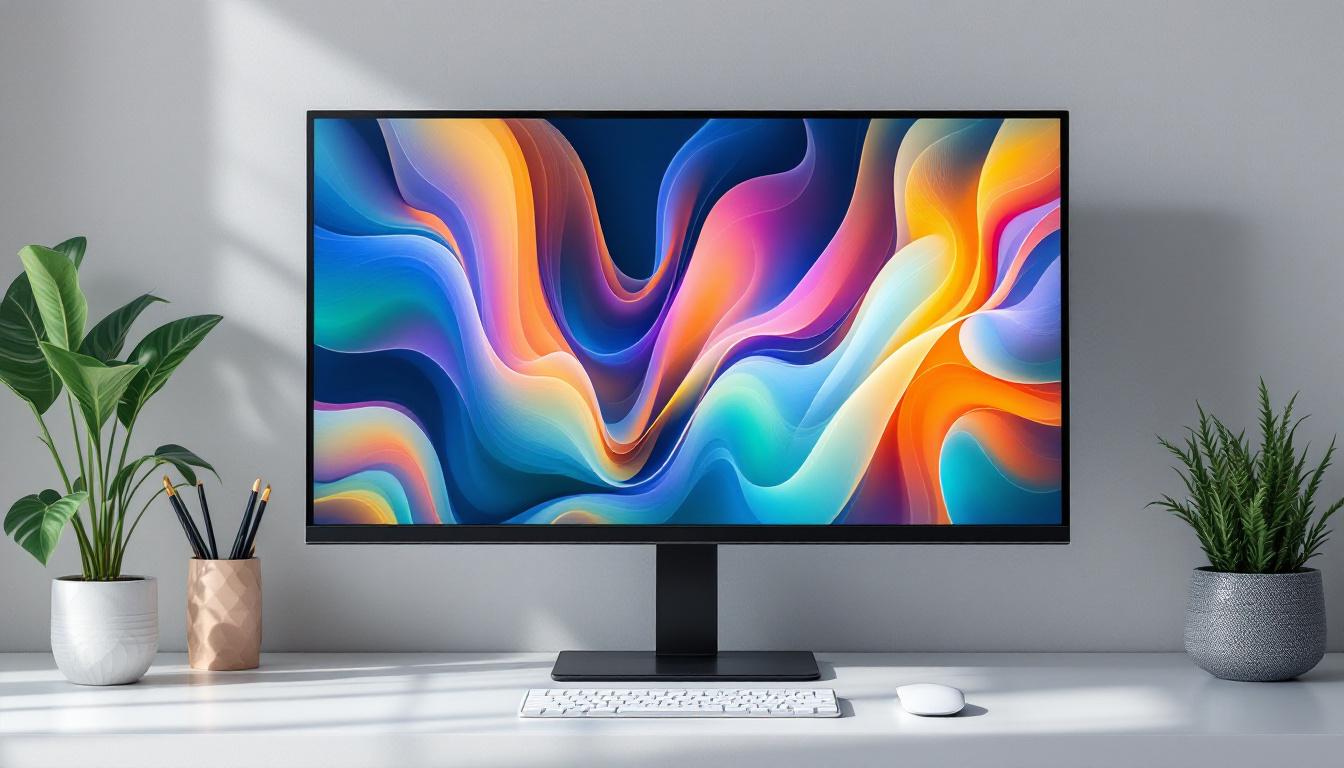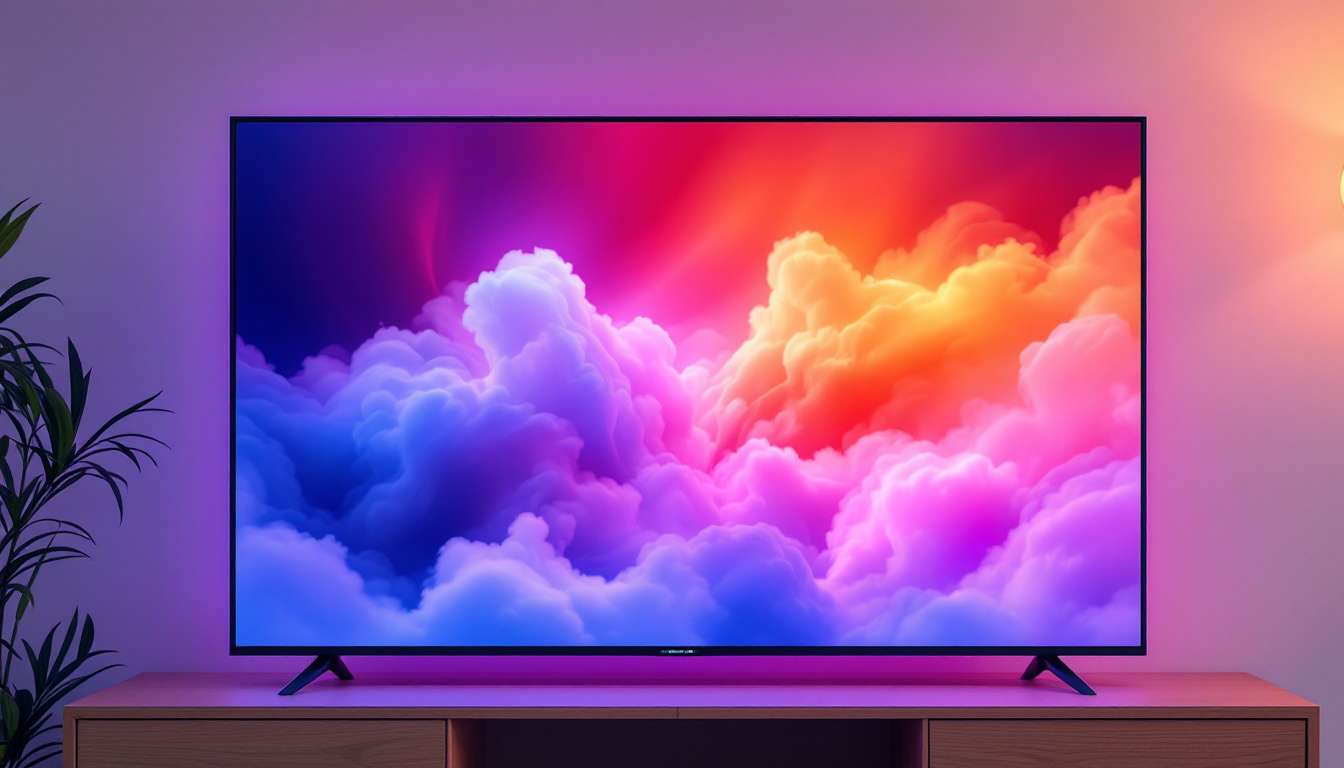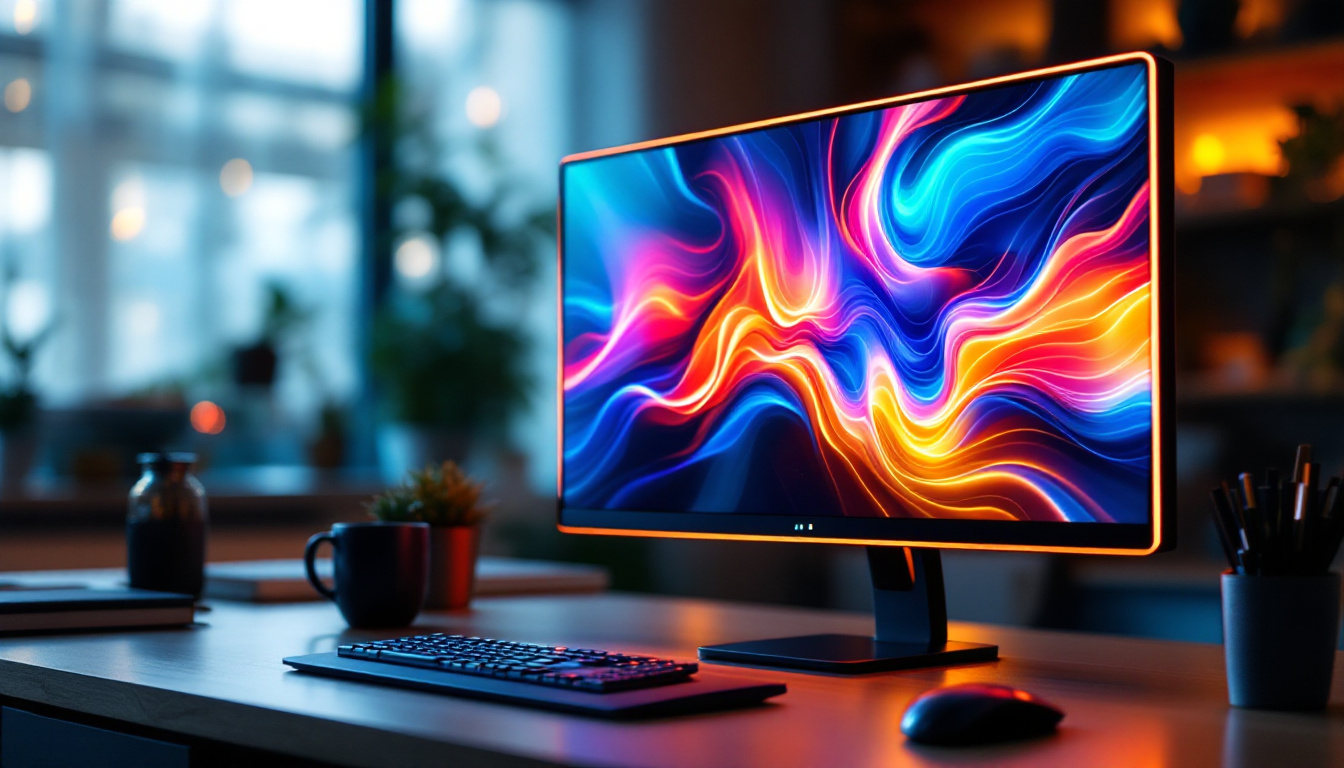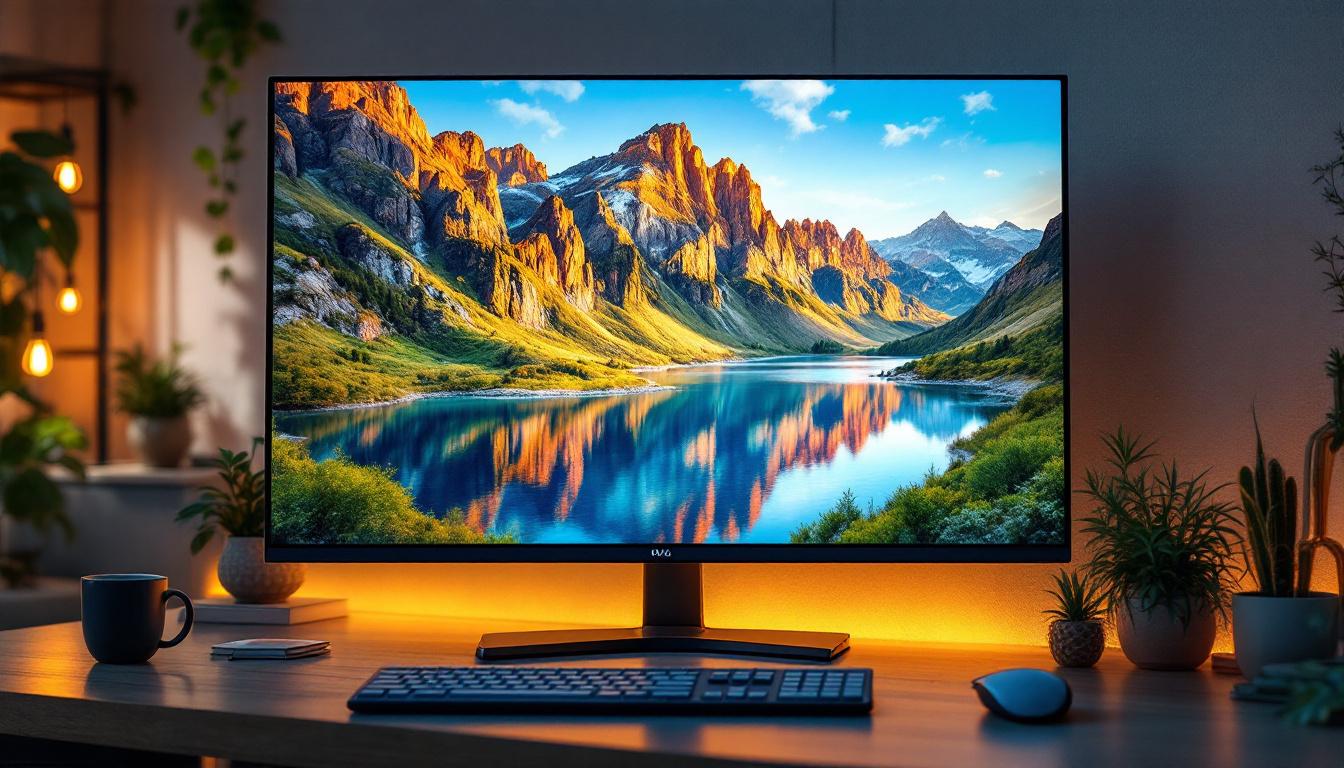
In today’s digital age, large flat screen monitors have become a staple in both professional and personal environments. Whether for gaming, graphic design, video editing, or simply enhancing productivity, the demand for bigger and better displays continues to grow. Among the various technologies available, LED displays stand out for their vibrant colors, energy efficiency, and sleek design. This article delves into the world of big flat screen monitors with LED displays, explaining the technology behind them, their advantages, and what to consider when choosing one.
Understanding LED Display Technology
What is an LED Display?
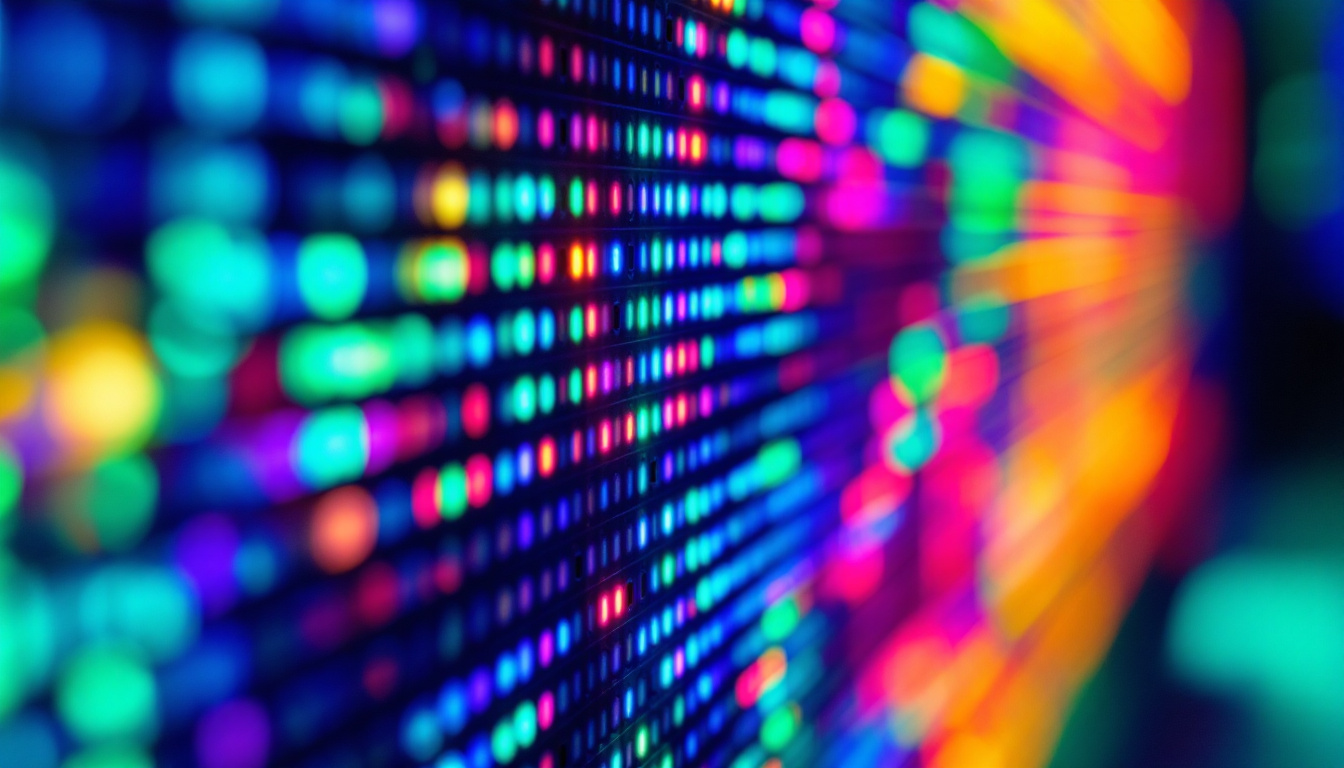
LED stands for Light Emitting Diode, a semiconductor device that emits light when an electric current passes through it. In the context of monitors, LED displays use these diodes to illuminate the screen, either directly or as a backlight source for liquid crystal displays (LCDs). This technology has largely replaced older display methods like CCFL (Cold Cathode Fluorescent Lamp) backlighting due to its superior performance and efficiency. The energy efficiency of LED displays is particularly noteworthy; they consume significantly less power than their predecessors, making them not only cost-effective but also a more environmentally friendly option. Additionally, the longevity of LED technology means that users can enjoy vibrant displays for years without the need for frequent replacements.
It’s important to clarify that most modern “LED monitors” are actually LCD screens illuminated by LED backlights. True LED displays, where each pixel is an individual LED (often called OLED or MicroLED), are less common in large monitors but are gaining traction in premium segments. OLED displays, for instance, offer remarkable color accuracy and contrast ratios, as each pixel can be turned off completely to achieve true black levels. This capability makes OLED a favorite among professionals in fields such as graphic design and video editing, where color fidelity is paramount.
Types of LED Displays in Large Monitors
There are primarily two types of LED backlighting used in big flat screen monitors:
- Edge-Lit LED: LEDs are placed along the edges of the screen, and light is diffused across the display. This design allows for thinner monitors but can sometimes cause uneven brightness or “hot spots.” This technology is often found in budget-friendly models, making it an attractive option for consumers looking for a sleek design without breaking the bank.
- Direct-Lit or Full-Array LED: LEDs are distributed evenly behind the entire screen, providing more uniform brightness and better control over local dimming, which enhances contrast and black levels. This type of display is ideal for watching movies or playing games, as it can deliver a more immersive viewing experience with deeper blacks and brighter highlights.
More advanced displays use Mini-LED technology, which employs thousands of tiny LEDs for even more precise backlighting control, bridging the gap between traditional LED LCDs and OLEDs. Mini-LED displays can achieve higher peak brightness levels and improved HDR performance, making them a popular choice for high-end televisions and monitors. Furthermore, as the technology continues to evolve, we are seeing the emergence of MicroLED, which offers the potential for self-emissive displays without the burn-in issues associated with OLED. This innovation could redefine the landscape of display technology, providing users with unparalleled image quality and flexibility in screen sizes.
Advantages of Big Flat Screen LED Monitors
Superior Image Quality
One of the primary reasons LED displays have become popular is their ability to deliver vibrant and sharp images. LED backlighting offers higher brightness levels compared to older technologies, which improves visibility in well-lit environments. This is especially beneficial for large monitors where screen real estate is vast and uniform illumination is critical.
Additionally, LED technology supports a wider color gamut and better contrast ratios. Full-array LED monitors with local dimming can achieve deep blacks and bright whites, enhancing the overall viewing experience. This makes them ideal for professionals in photography, video editing, and graphic design who require color accuracy.
Energy Efficiency and Longevity
Compared to CCFL-backlit LCDs, LED monitors consume significantly less power. This energy efficiency not only reduces electricity bills but also contributes to a lower carbon footprint, an increasingly important consideration for environmentally conscious users and organizations.
LEDs also have a longer lifespan, often exceeding 50,000 hours of use, which means the monitor will maintain its brightness and color integrity for many years. This durability makes LED monitors a cost-effective investment over time.
Sleek Design and Reduced Eye Strain
The compact size of LEDs allows manufacturers to design ultra-thin monitors with minimal bezels, making them aesthetically pleasing and space-efficient. Large flat screen monitors with LED displays can easily fit into modern workspaces or home entertainment setups without dominating the area.
Moreover, many LED monitors come with features that reduce eye strain, such as flicker-free technology and blue light filters. These enhancements are crucial for users who spend long hours in front of the screen, promoting comfort and reducing fatigue.
Choosing the Right Big Flat Screen LED Monitor
Screen Size and Resolution
When selecting a large monitor, size and resolution are key factors. Common sizes for big flat screen monitors range from 27 inches up to 49 inches or more. The optimal size depends on the user’s desk space, viewing distance, and intended use.
Resolution determines the clarity of the display. For large monitors, higher resolutions such as 4K (3840 x 2160 pixels) or even 5K and 8K are preferred to maintain sharpness and detail. A 4K resolution on a 32-inch or larger screen provides ample workspace and crisp images, essential for detailed tasks.
Refresh Rate and Response Time
For gamers and video editors, refresh rate and response time are critical. The refresh rate, measured in hertz (Hz), indicates how many times the screen updates per second. Higher refresh rates (120Hz, 144Hz, or even 240Hz) result in smoother motion and reduced blur during fast-paced action.
Response time, measured in milliseconds (ms), refers to how quickly a pixel can change from one color to another. Lower response times (1ms to 5ms) are preferable for reducing ghosting effects and improving visual clarity during motion.
Connectivity and Additional Features
Modern big flat screen LED monitors come equipped with various connectivity options such as HDMI, DisplayPort, USB-C, and Thunderbolt. USB-C and Thunderbolt ports are especially useful for professionals who want to connect laptops and peripherals with a single cable that can also deliver power.
Additional features like built-in speakers, adjustable stands, VESA mount compatibility, and HDR support enhance the monitor’s versatility and user experience. HDR (High Dynamic Range) improves color and contrast, making images more lifelike and immersive.
Applications of Big Flat Screen LED Monitors
Professional Workstations
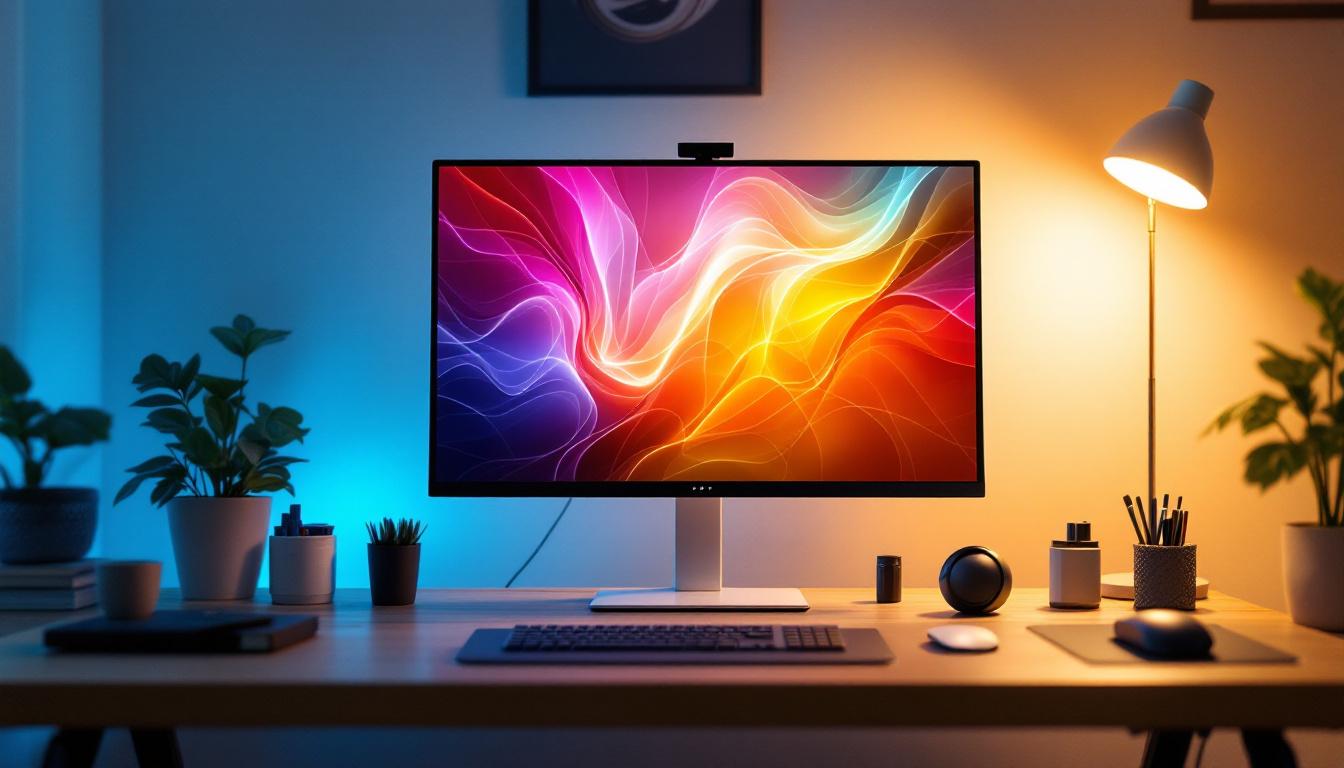
In industries such as graphic design, video production, and CAD (Computer-Aided Design), large LED monitors provide the necessary screen real estate and color accuracy for detailed work. Professionals benefit from the ability to view multiple windows side by side without sacrificing clarity.
For example, video editors working with 4K footage require monitors that can display true-to-life colors and fine details to ensure the final product meets high standards. Similarly, architects and engineers use large monitors to view complex blueprints and 3D models efficiently.
Gaming and Entertainment
Gamers increasingly prefer big flat screen LED monitors for immersive gameplay. High refresh rates, low response times, and vibrant colors contribute to a more engaging experience. Ultrawide monitors, often LED-backlit, provide a wider field of view that can offer a competitive edge in many games.
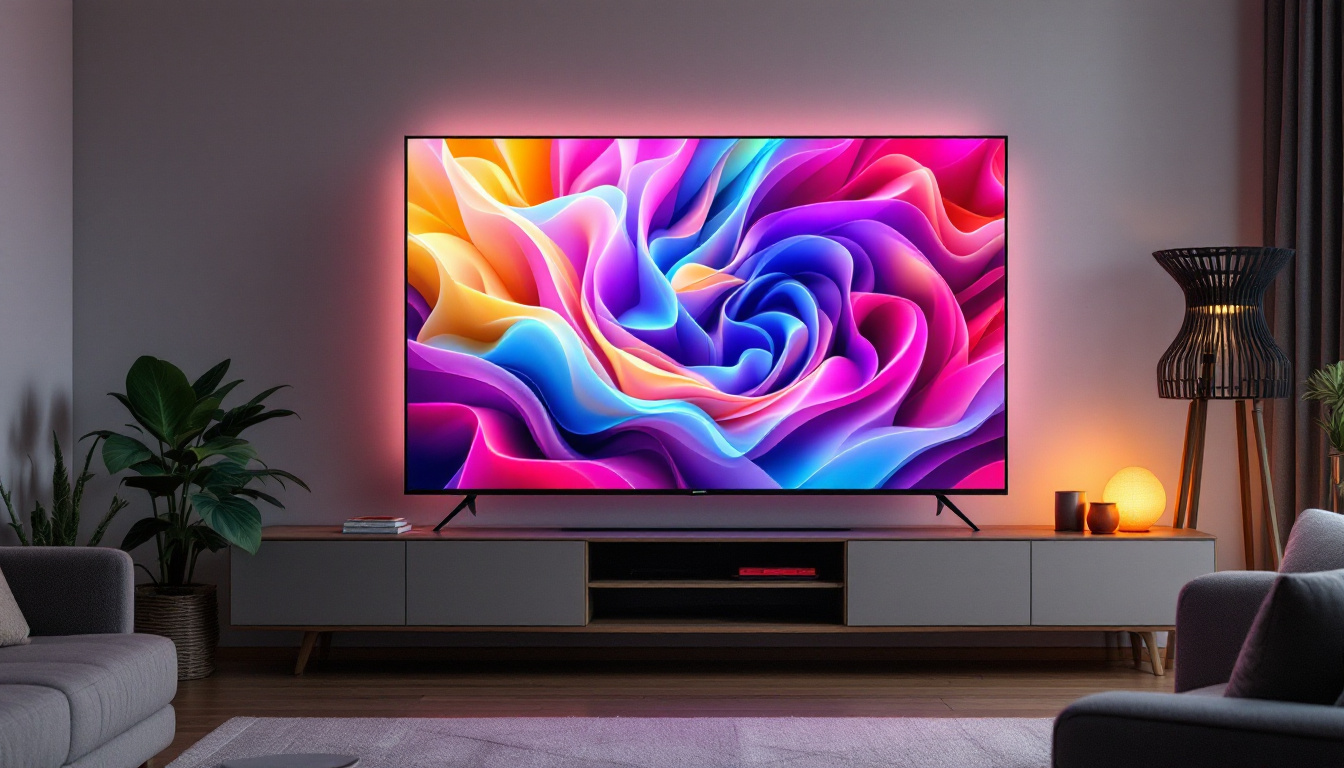
For home entertainment, LED monitors serve as excellent alternatives to traditional TVs, especially when paired with streaming devices or gaming consoles. Their slim profiles and superior image quality make them ideal for media consumption.
Office Productivity and Multitasking
Large LED monitors enhance productivity by allowing users to multitask effectively. With more screen space, professionals can keep multiple applications open simultaneously, reducing the need to switch between tabs and windows.
In financial trading, for example, traders use big monitors to track multiple data streams and charts in real time. Similarly, programmers and writers benefit from expanded screens that accommodate code editors, documentation, and communication tools side by side.
Future Trends in LED Display Technology
Mini-LED and MicroLED Innovations
Mini-LED technology, which uses thousands of tiny LEDs for backlighting, is becoming more prevalent in high-end monitors. This advancement allows for greater control over local dimming zones, resulting in improved contrast and HDR performance without the risk of burn-in associated with OLEDs.
MicroLED, an emerging technology, involves using microscopic LEDs as individual pixels, offering perfect blacks, high brightness, and exceptional color accuracy. While still expensive and limited in availability, MicroLED displays are poised to revolutionize large screen monitors in the coming years.
Integration of AI and Smart Features
Artificial intelligence is beginning to play a role in display technology, with features such as automatic brightness adjustment based on ambient lighting and content-aware color calibration. These smart enhancements aim to optimize viewing comfort and image quality dynamically.
Additionally, future monitors may incorporate more advanced connectivity options and integrated software for seamless collaboration, particularly as remote work and hybrid office models continue to evolve.
Conclusion
Big flat screen monitors with LED displays offer a compelling combination of image quality, energy efficiency, and sleek design. Understanding the underlying technology and the various features available helps users make informed decisions tailored to their specific needs. Whether for professional use, gaming, or everyday productivity, LED monitors continue to set the standard for large display performance.
As display technology advances with innovations like Mini-LED and MicroLED, the future promises even more impressive visual experiences. Choosing the right big flat screen LED monitor today means investing in a versatile tool that can enhance work, entertainment, and creativity for years to come.
Discover LumenMatrix’s Advanced LED Displays
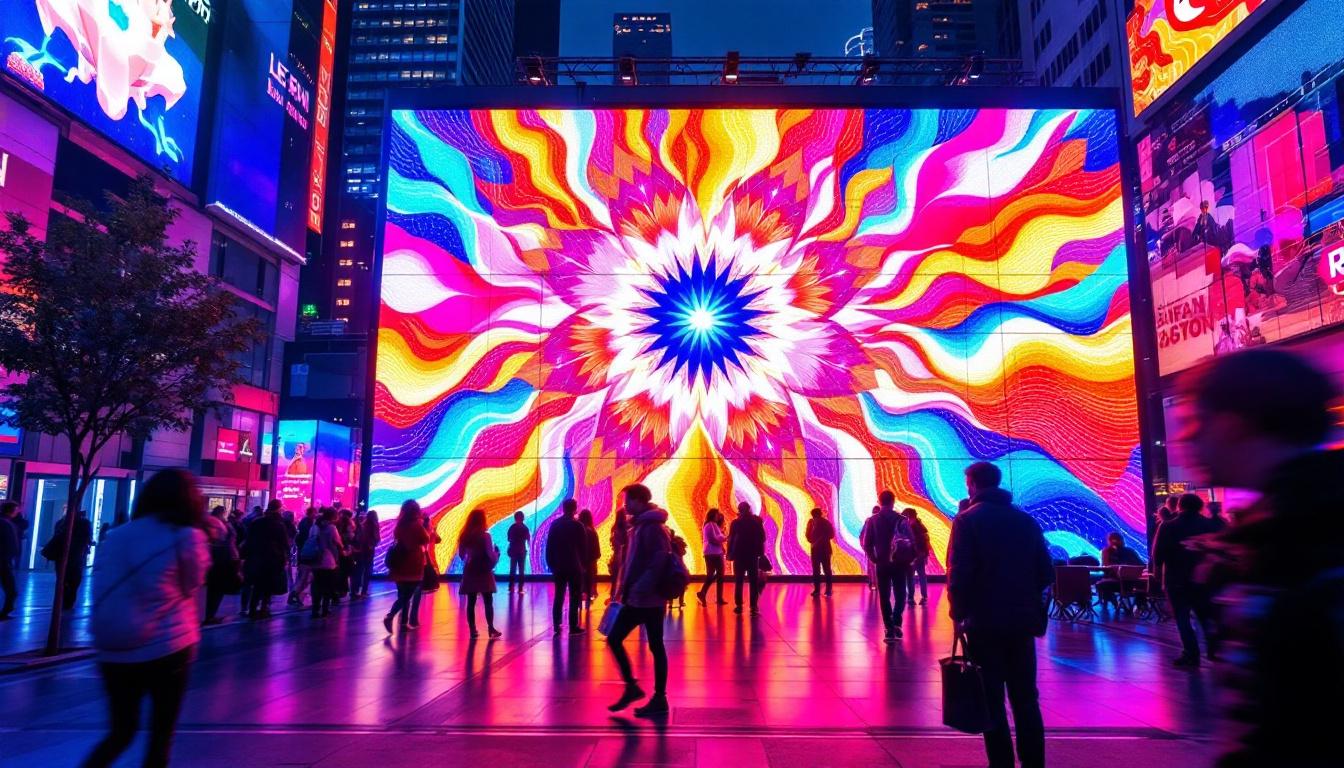
Ready to elevate your visual experience with a big flat screen monitor that embodies the pinnacle of LED technology? LumenMatrix is at the forefront of innovation, offering a diverse range of LED display solutions tailored to meet your every need. From immersive indoor and outdoor LED walls to dynamic vehicle displays and beyond, our products are designed to captivate and engage. Embrace the future of visual communication with LumenMatrix and transform your space with our cutting-edge displays. Check out LumenMatrix LED Display Solutions and see the difference for yourself.