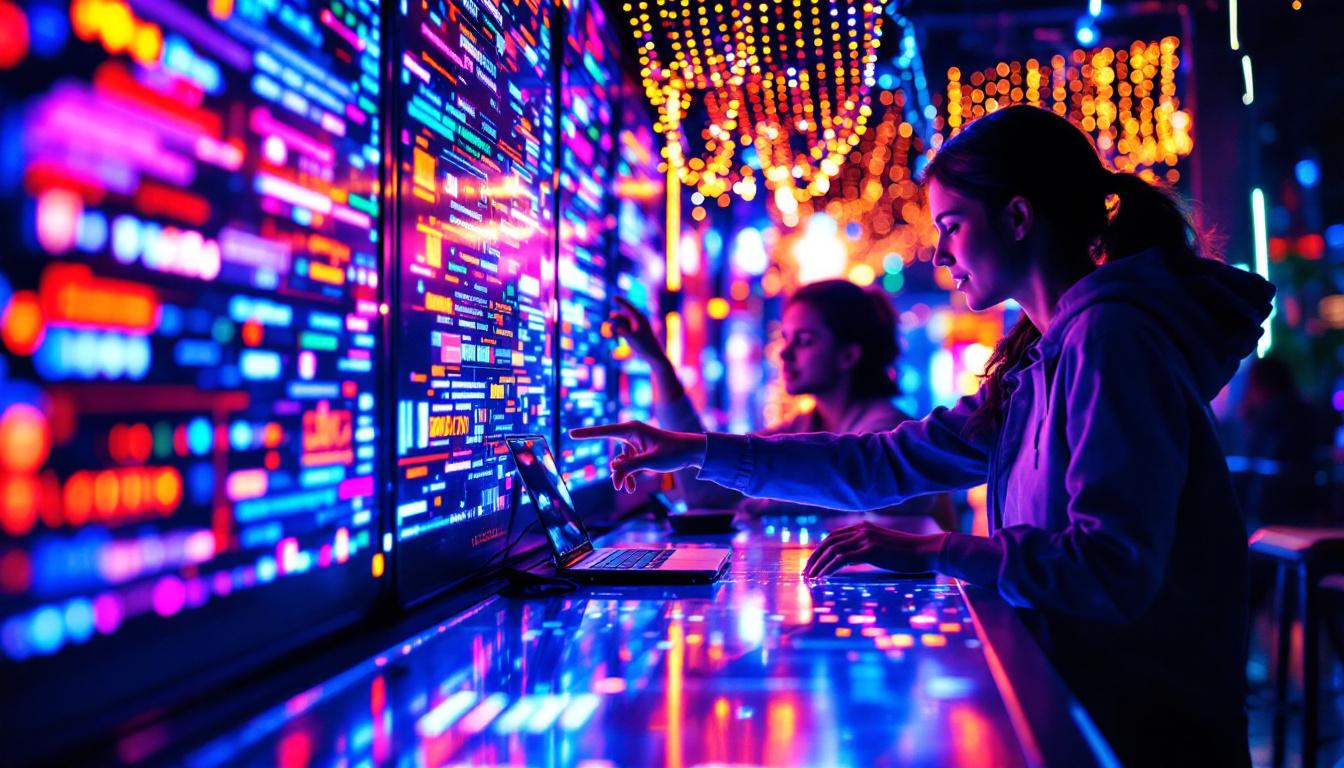
In the rapidly evolving world of digital technology, LED displays have become a cornerstone for communication, advertising, and entertainment. From towering billboards in Times Square to immersive art installations in museums, LED technology offers vibrant, dynamic visuals that captivate audiences worldwide. But beyond the traditional static or video displays, interactive LED lights are transforming how users engage with digital content, creating experiences that are not only visually stunning but also responsive and personalized.
This article delves into the fundamentals of LED displays, explores the technology behind interactive LED lights, and highlights their applications across various industries. Whether you are a business owner considering a digital signage solution, a designer seeking innovative display options, or simply curious about how these luminous panels work, this comprehensive guide will illuminate the subject.
Understanding LED Display Technology
What is an LED Display?
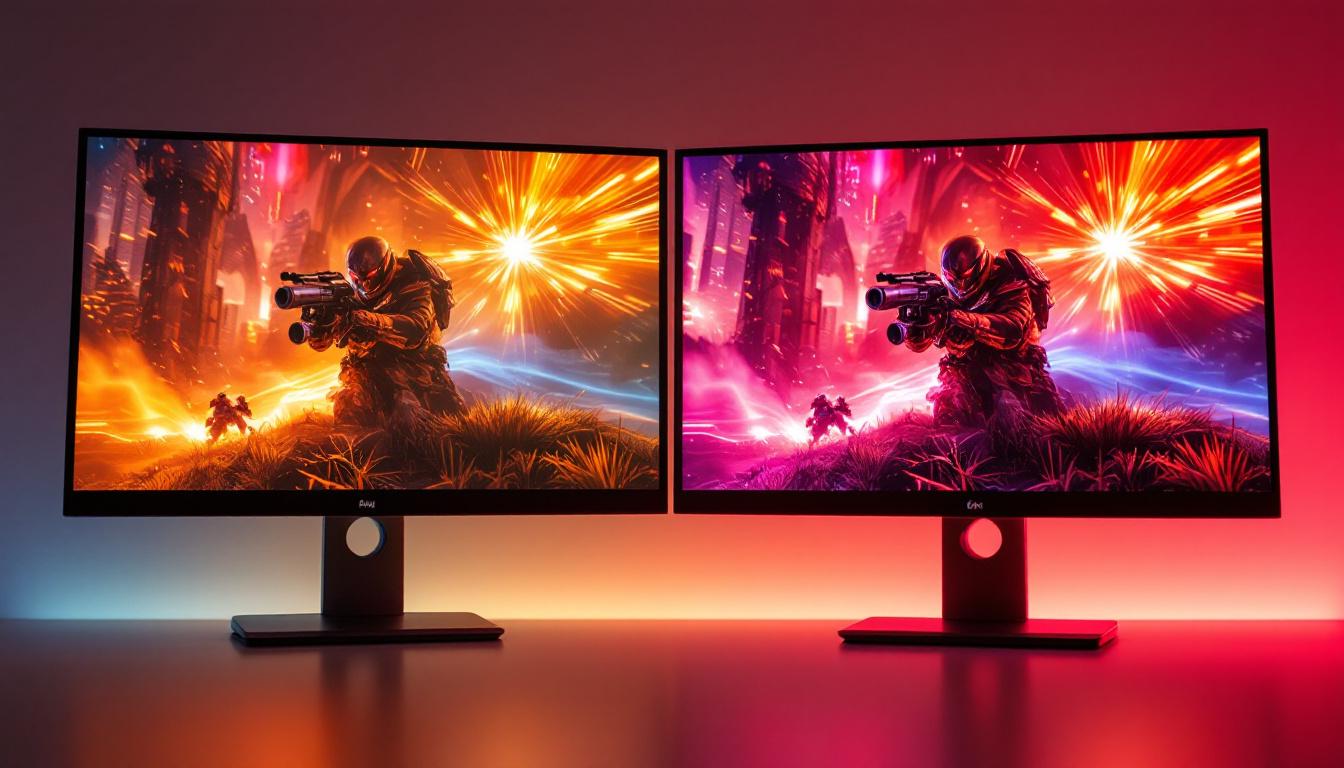
LED stands for Light Emitting Diode, a semiconductor device that emits light when an electric current passes through it. An LED display is a flat panel or surface that uses an array of these diodes to create images, videos, or text. Unlike traditional LCD or plasma screens, LED displays are self-illuminating, which means each diode produces its own light, resulting in higher brightness and contrast levels.
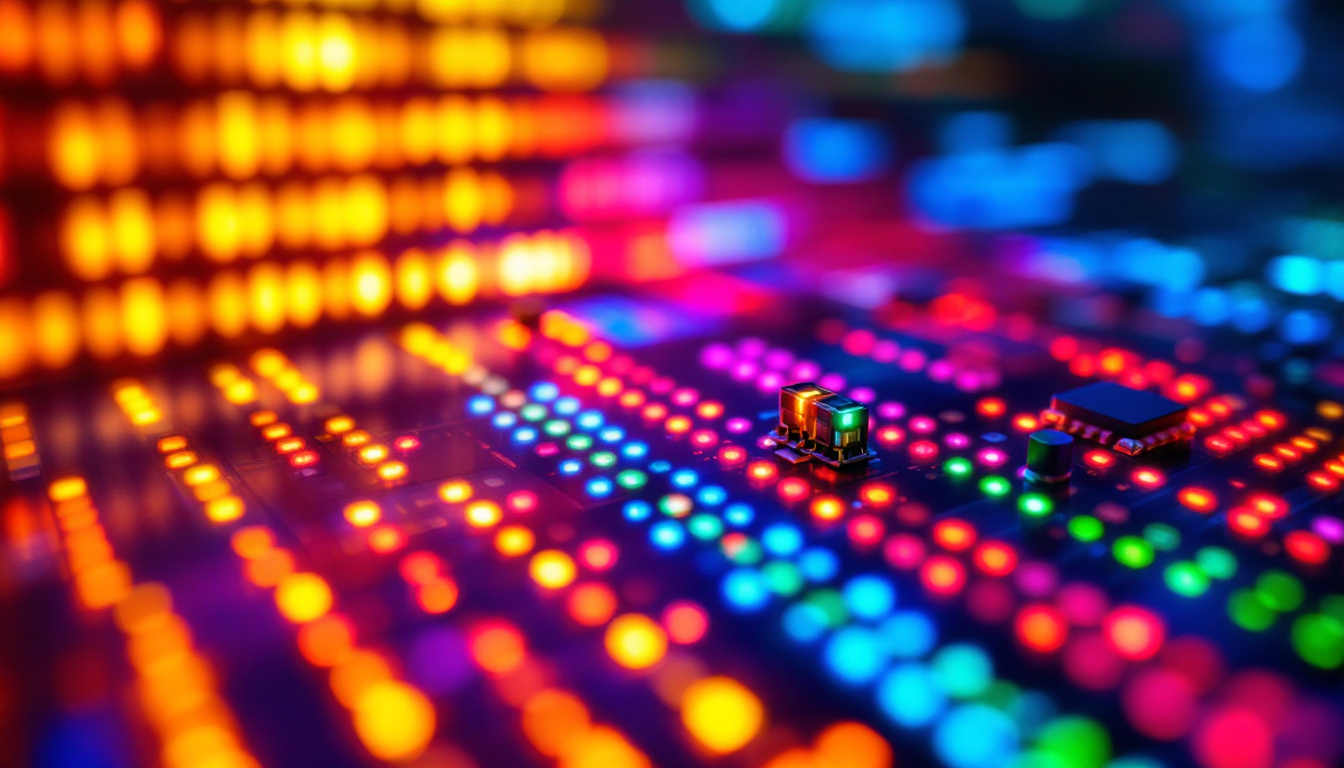
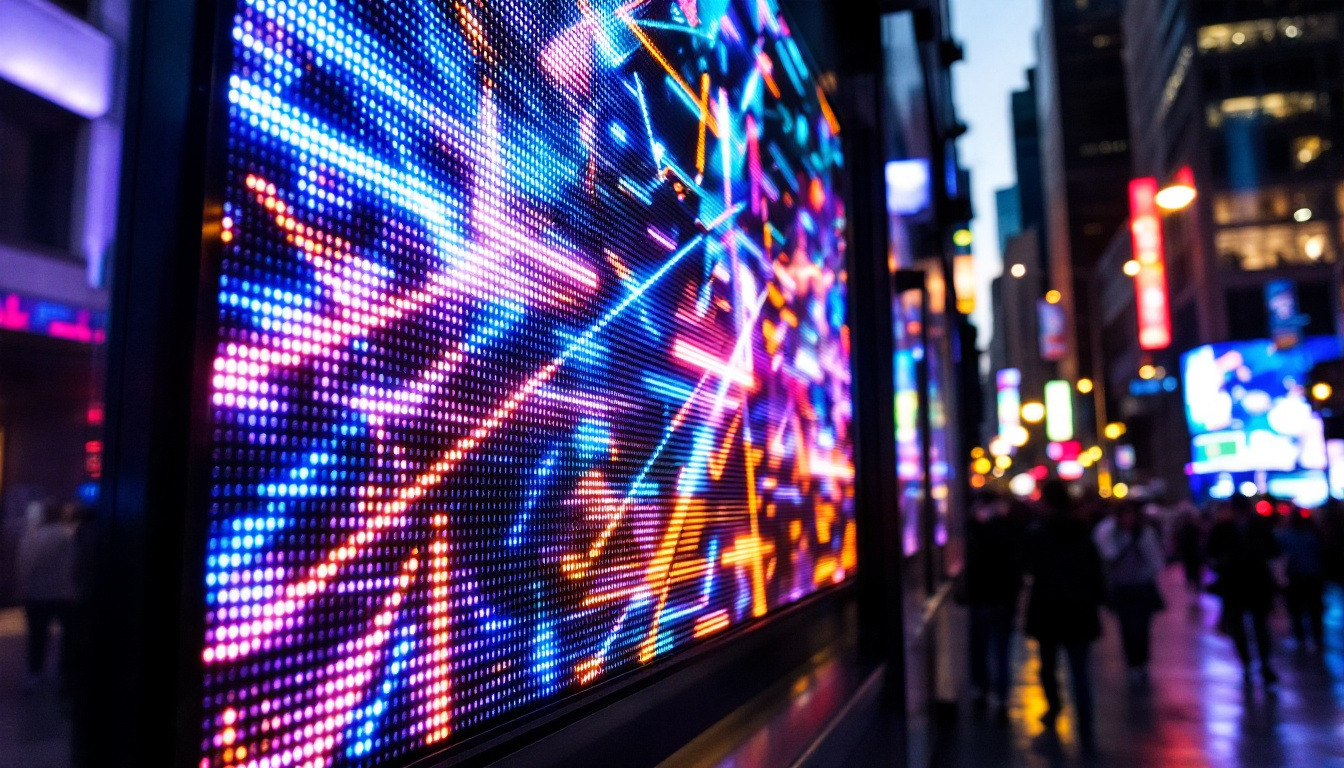
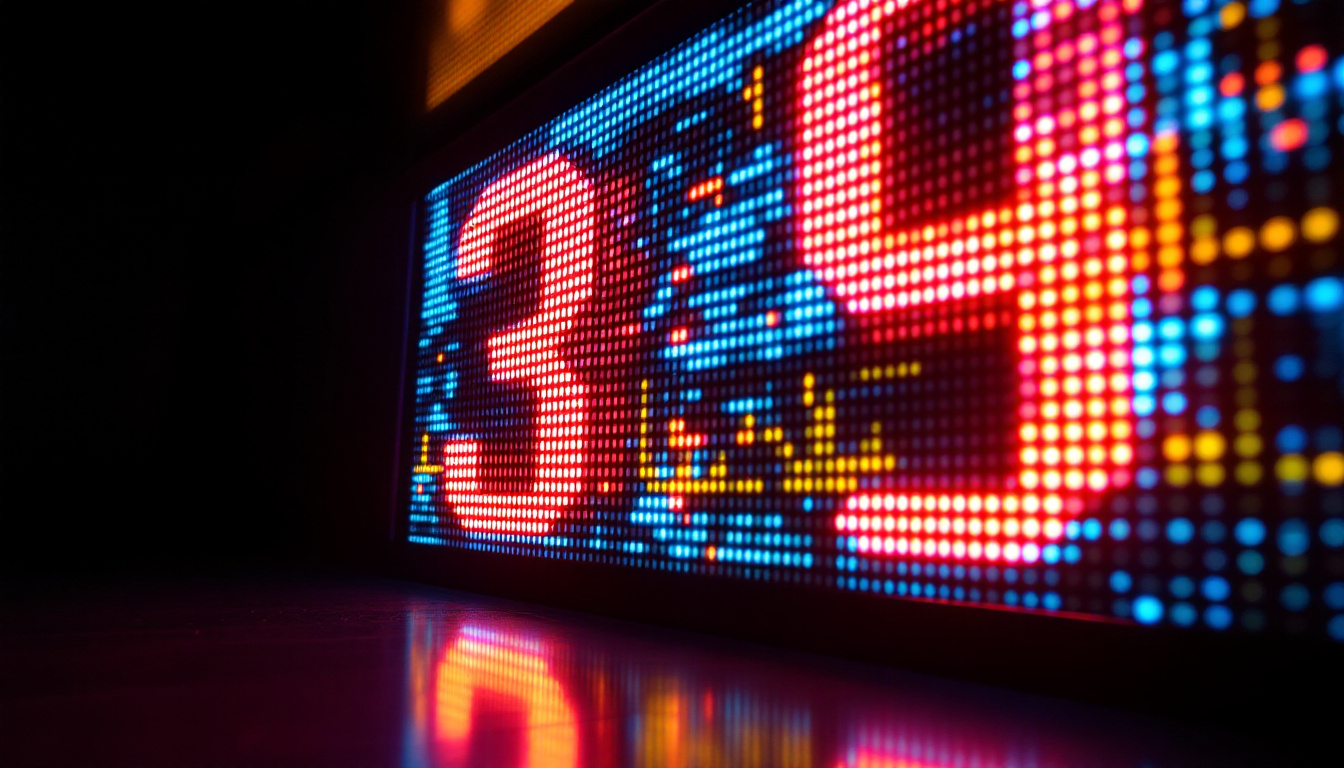
LED displays are composed of thousands to millions of tiny diodes arranged in a grid pattern. Each diode acts as a pixel or part of a pixel, and by controlling the intensity and color of these diodes, the display can render detailed and vibrant images. Modern LED displays often use red, green, and blue (RGB) diodes in combination to produce a full spectrum of colors.
Types of LED Displays
There are several types of LED displays, each suited for different applications:
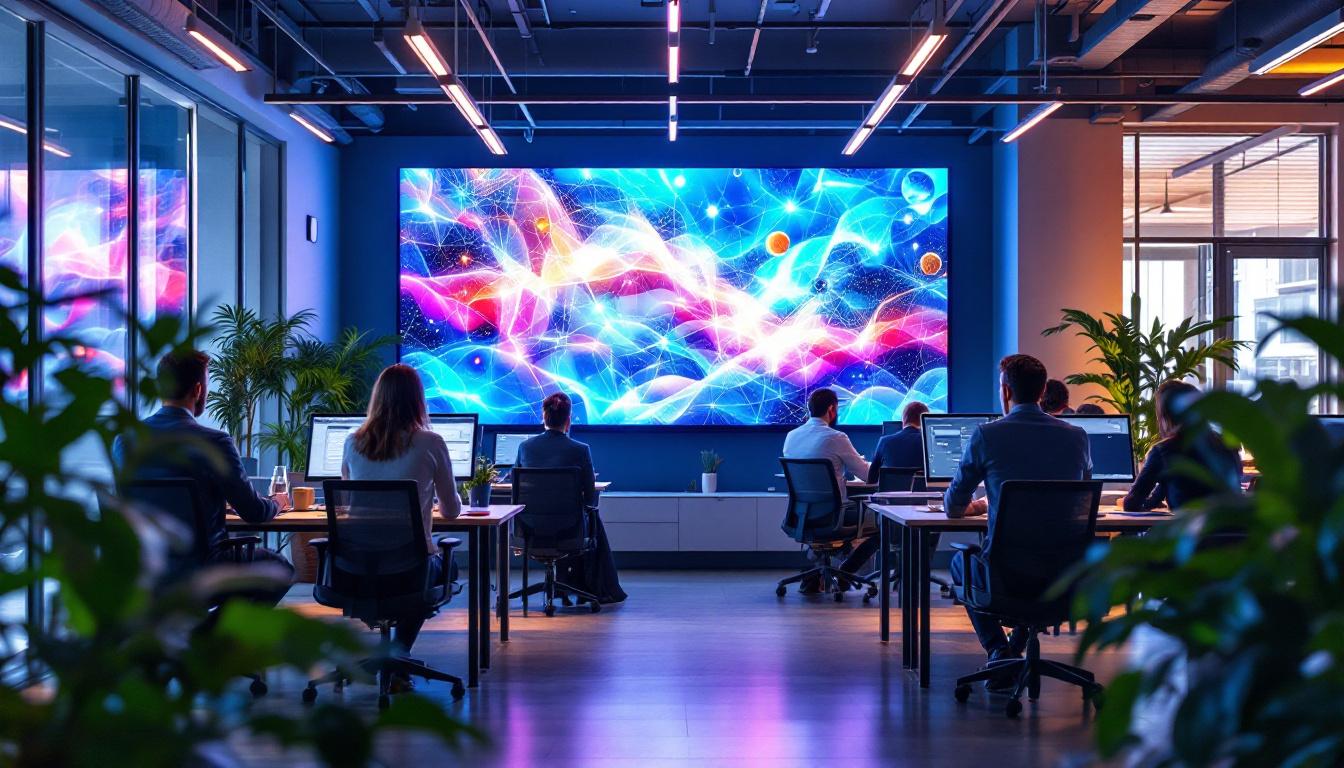
- Indoor LED Displays: Designed for close viewing distances, these displays have a higher pixel density, meaning the diodes are packed more tightly together. They are commonly used in retail stores, conference rooms, and indoor advertising.
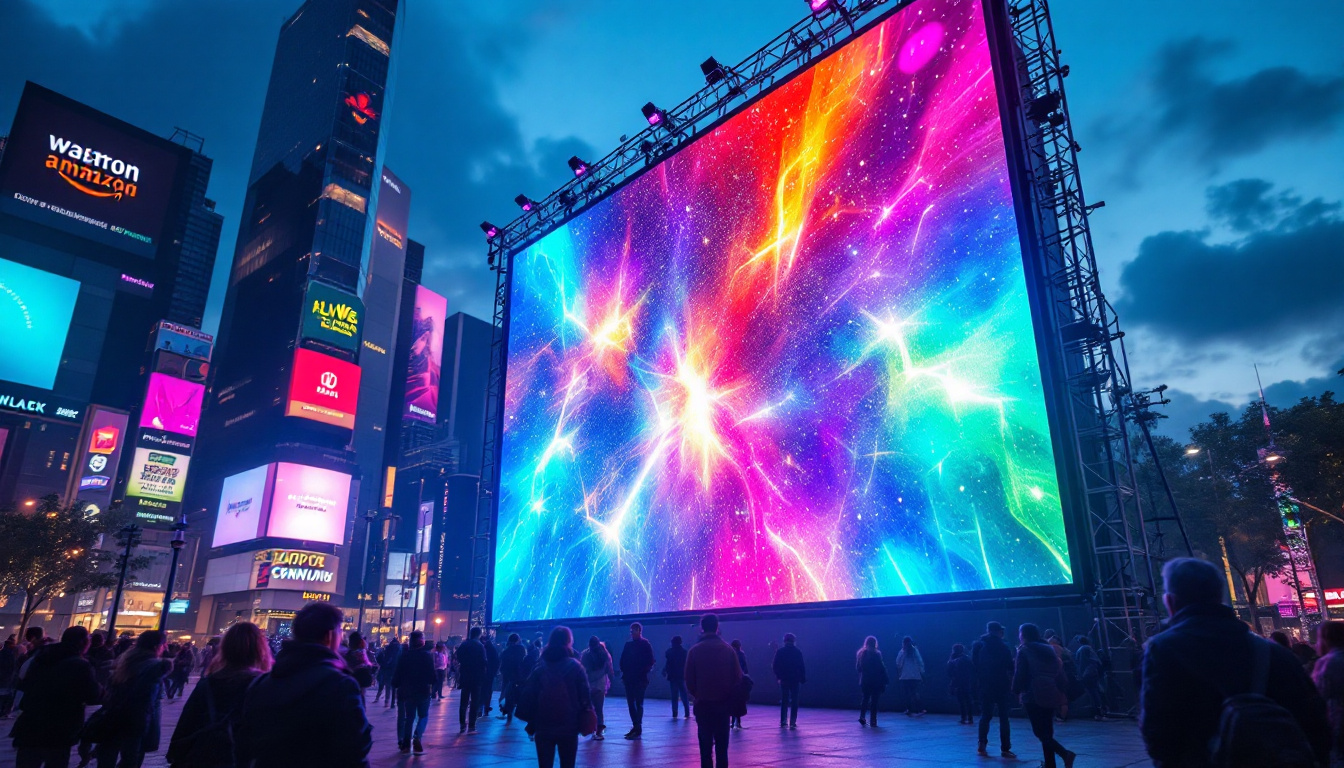
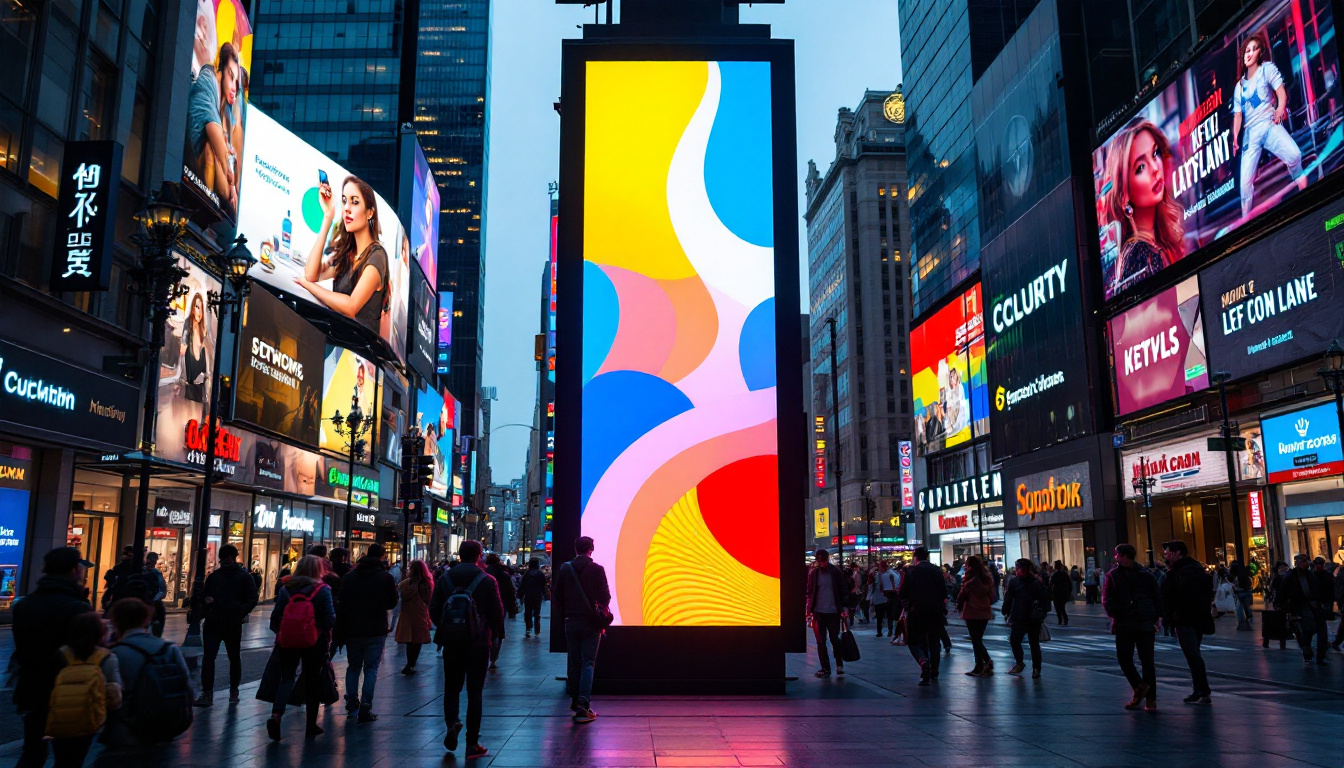
- Outdoor LED Displays: Built to withstand weather conditions, these displays have higher brightness levels to combat sunlight glare. They are typically used for billboards, stadium screens, and public information displays.
- Flexible and Transparent LED Displays: These innovative displays can bend or allow light to pass through, enabling creative architectural integrations and novel design possibilities.
Advantages of LED Displays
LED technology offers several benefits over other display types:
- Brightness and Visibility: LEDs can achieve brightness levels exceeding 5,000 nits, making them visible even in direct sunlight.
- Energy Efficiency: LEDs consume less power compared to LCD or plasma screens, which is crucial for large-scale installations.
- Longevity: With lifespans often exceeding 100,000 hours, LED displays offer durability and reduced maintenance costs.
- Color Accuracy and Contrast: The ability to control each diode individually results in superior color reproduction and deep blacks.
What Makes LED Lights Interactive?
Defining Interactivity in LED Displays
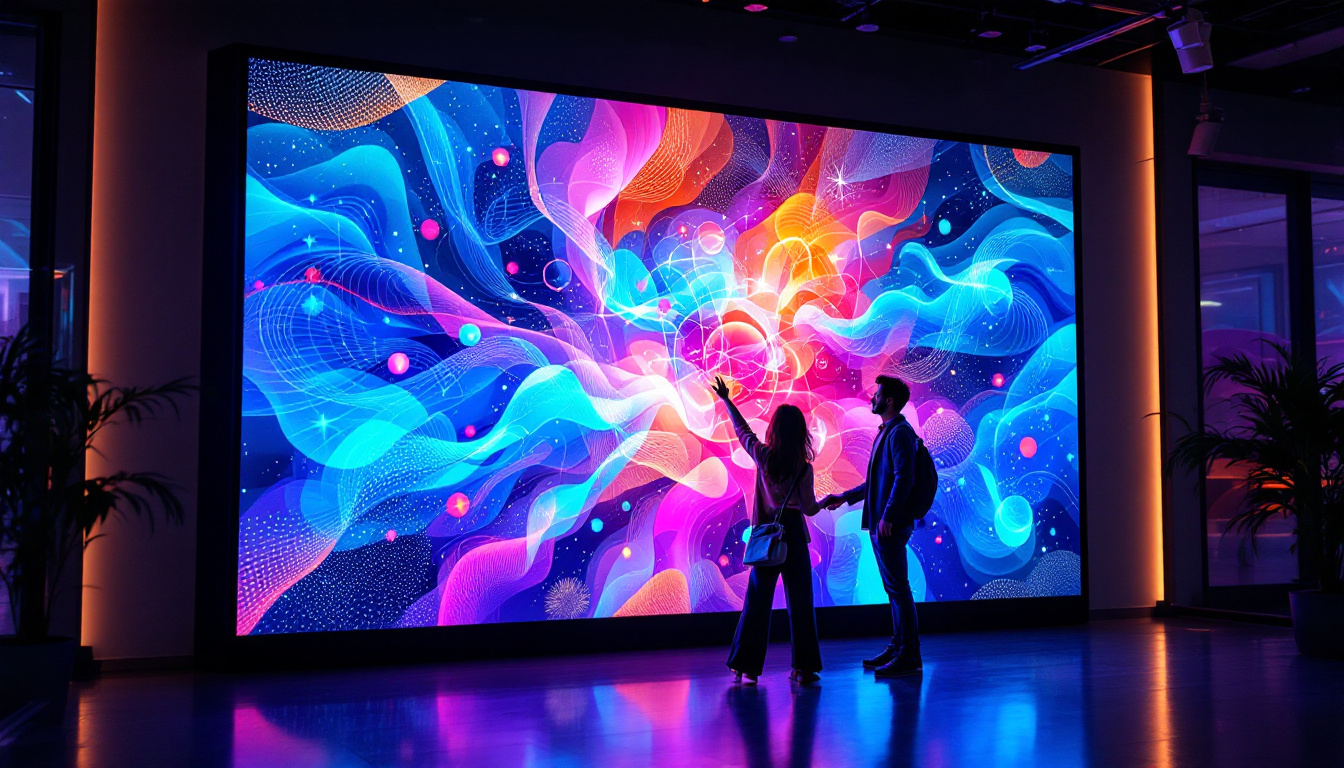
Interactivity in LED displays refers to the ability of the display to respond to user inputs or environmental stimuli in real-time. Unlike traditional passive displays, interactive LED lights engage viewers by altering content or behavior based on touch, motion, sound, or other sensor data.
This interactivity can range from simple touch-sensitive panels to complex systems integrating cameras, motion detectors, and artificial intelligence. The goal is to create a dynamic user experience that fosters engagement, enhances communication, and adds value beyond static visuals.
Technologies Enabling Interactivity
Several technologies underpin interactive LED displays:
- Touch Sensors: Capacitive or infrared touch sensors enable users to interact directly with the display by tapping or swiping. This is common in kiosks, information boards, and retail displays.
- Motion Detection: Using cameras or infrared sensors, displays can detect the presence and movement of people nearby, triggering animations or content changes.
- Proximity Sensors: These sensors detect when someone approaches the display, allowing it to activate or personalize content accordingly.
- Sound Recognition: Microphones and audio processing can enable voice commands or reactive visuals based on ambient sound levels.
- Gesture Recognition: Advanced systems use cameras and AI to interpret hand or body gestures, providing touchless interaction.
Software and Content Management
Interactivity is not just about hardware; software plays a critical role in managing inputs and delivering responsive content. Content management systems (CMS) designed for interactive LED displays allow operators to program triggers, design user interfaces, and analyze interaction data.
Artificial intelligence and machine learning are increasingly integrated to personalize experiences based on user behavior, preferences, or demographic data. For example, an interactive LED display in a shopping mall might change advertisements based on the age or gender of passersby detected by cameras.
Applications of Interactive LED Lights
Retail and Advertising
Interactive LED displays have revolutionized retail environments by transforming passive advertisements into engaging experiences. Stores use interactive window displays that respond to movement, inviting customers to explore products virtually or access promotions. Interactive fitting rooms with LED mirrors provide personalized recommendations and lighting adjustments based on customer preferences.
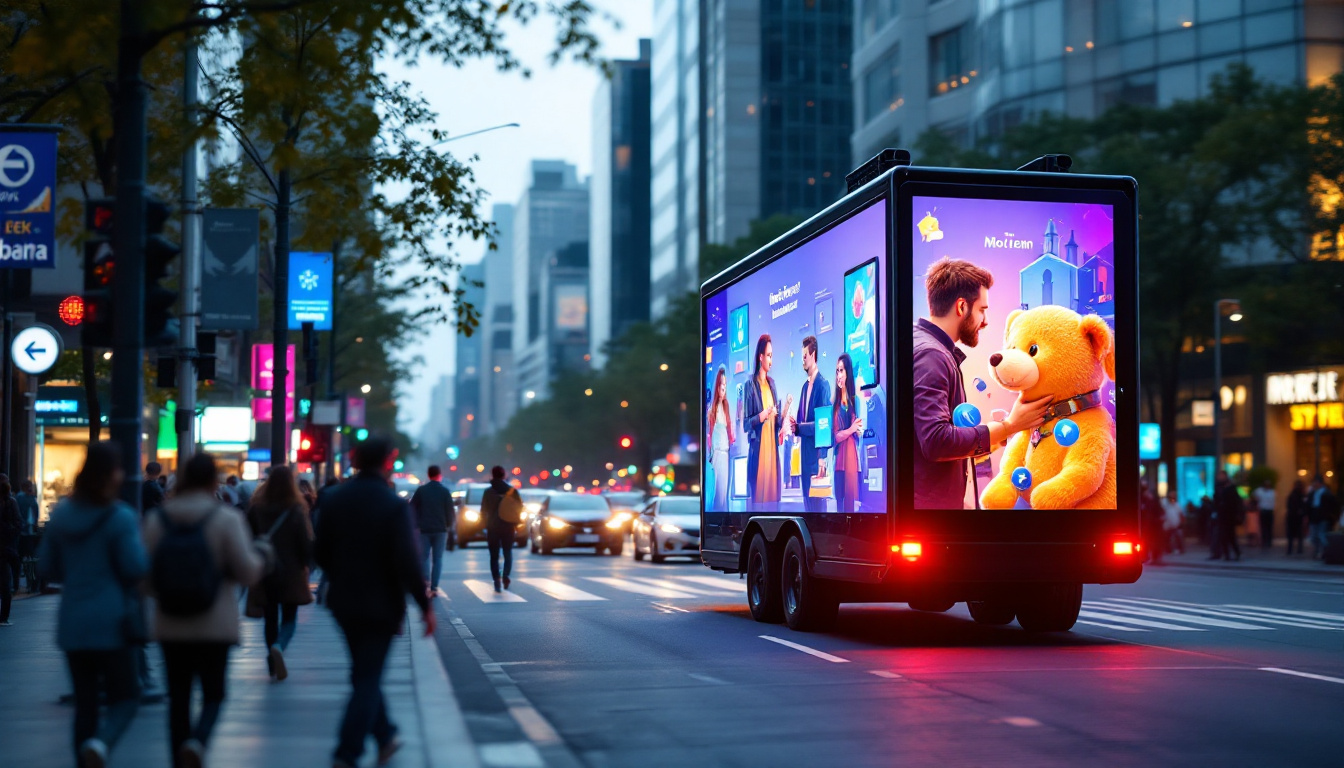
In outdoor advertising, interactive billboards can change content based on the time of day, weather, or audience demographics, increasing relevance and effectiveness. For example, a billboard might promote cold beverages on hot days or adjust messaging during special events.
Entertainment and Events
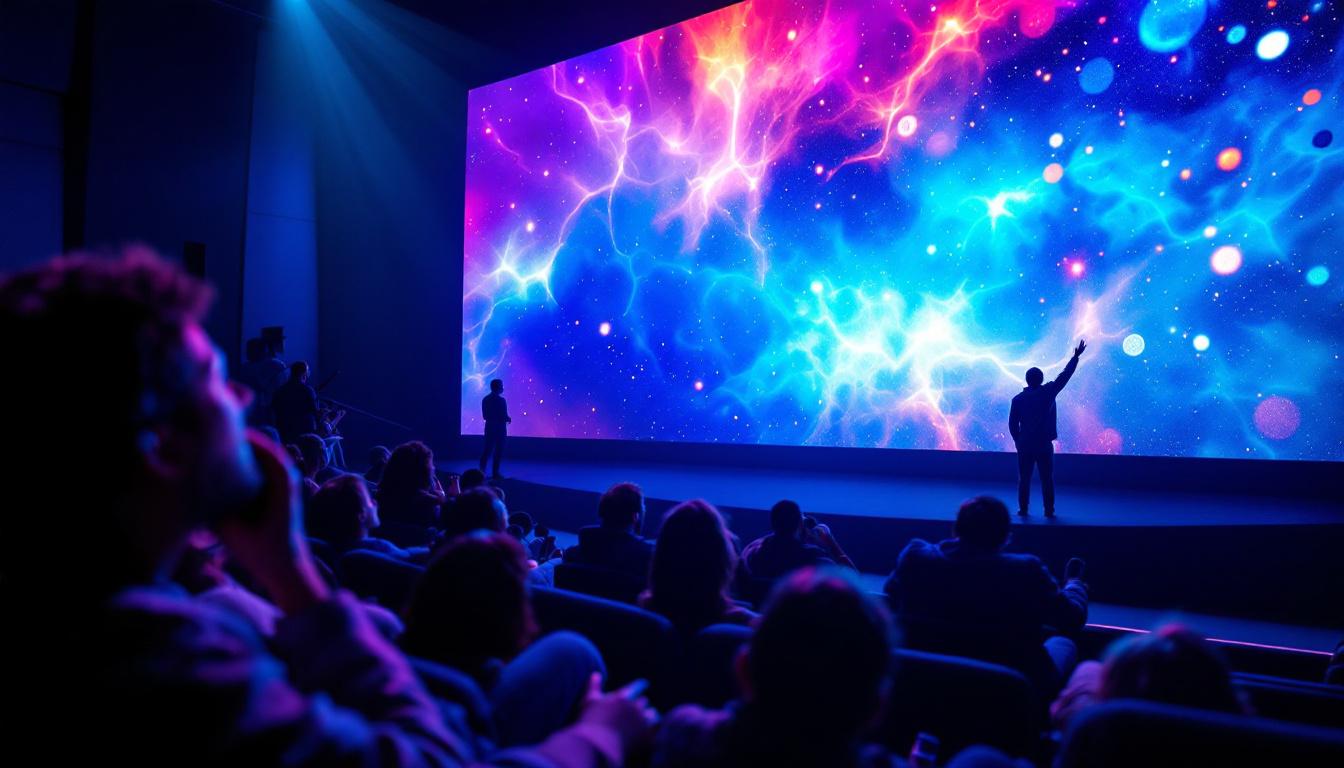
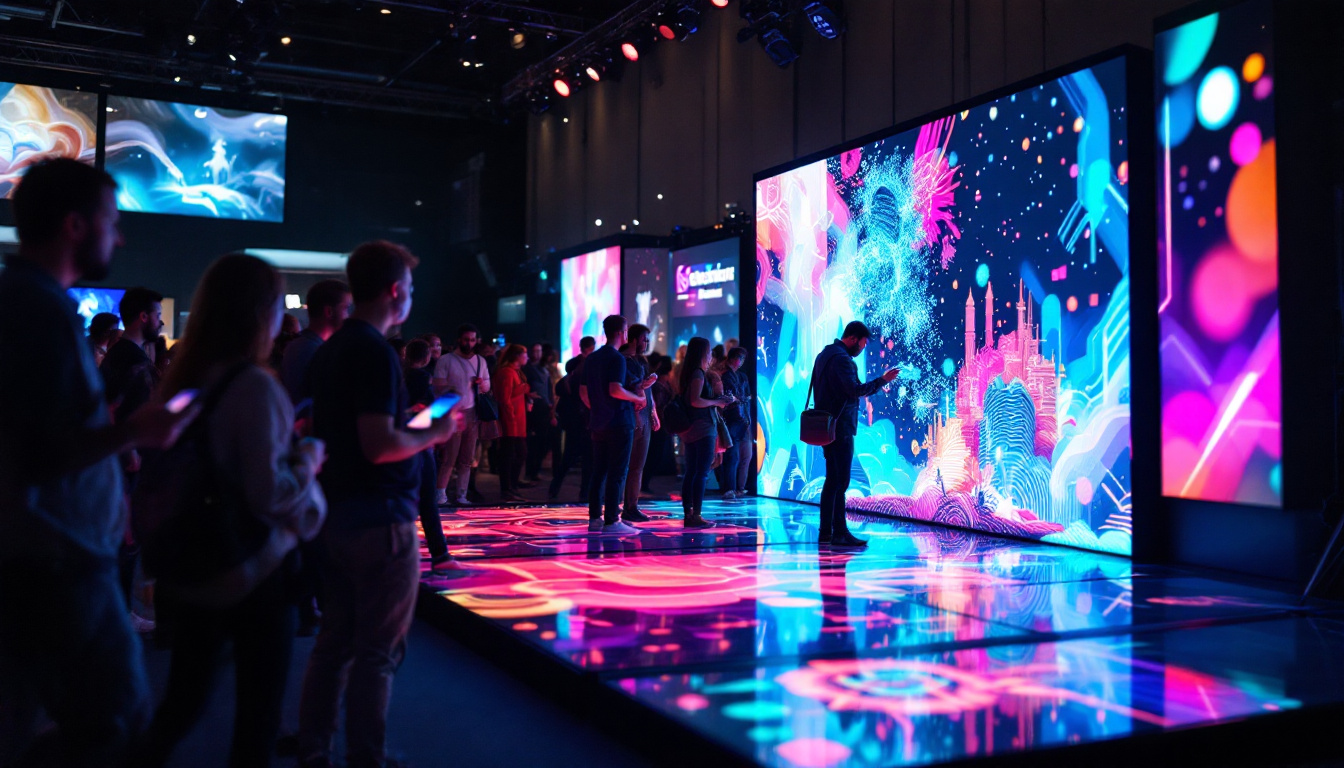
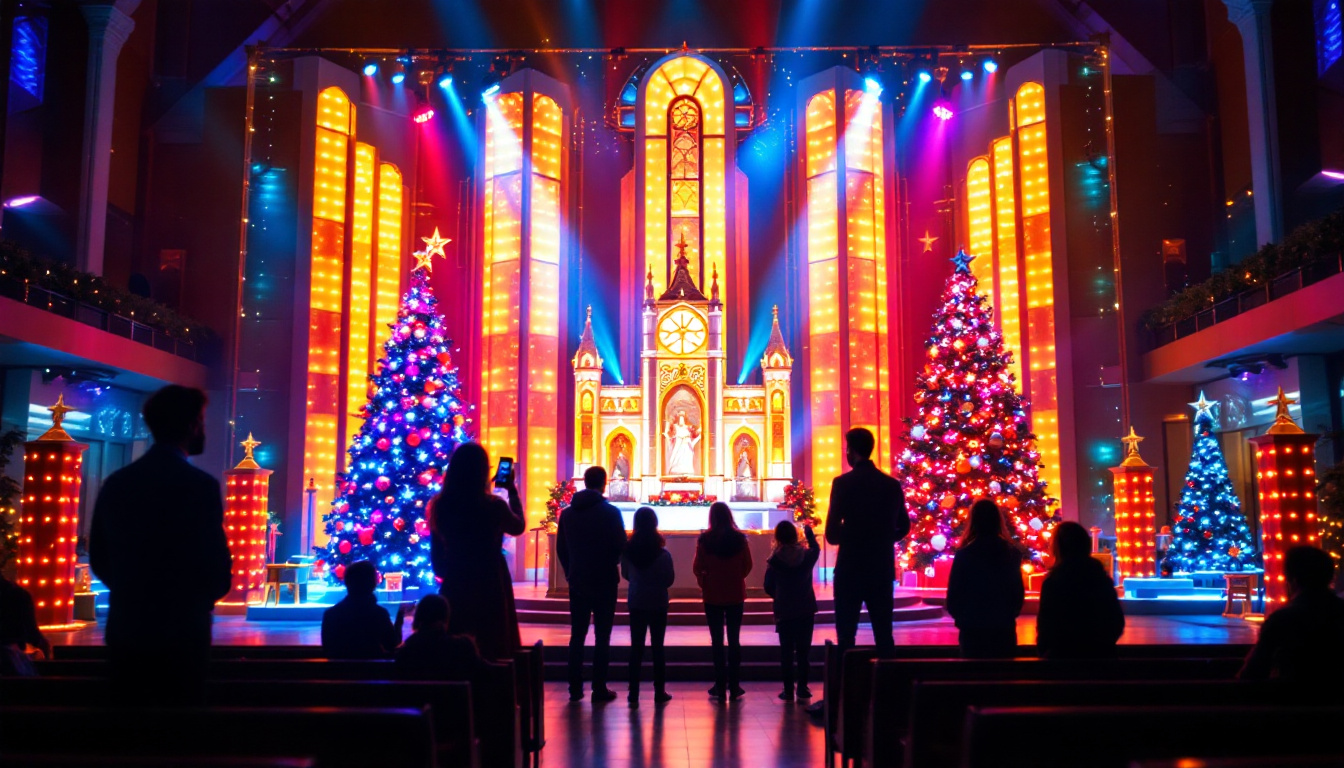
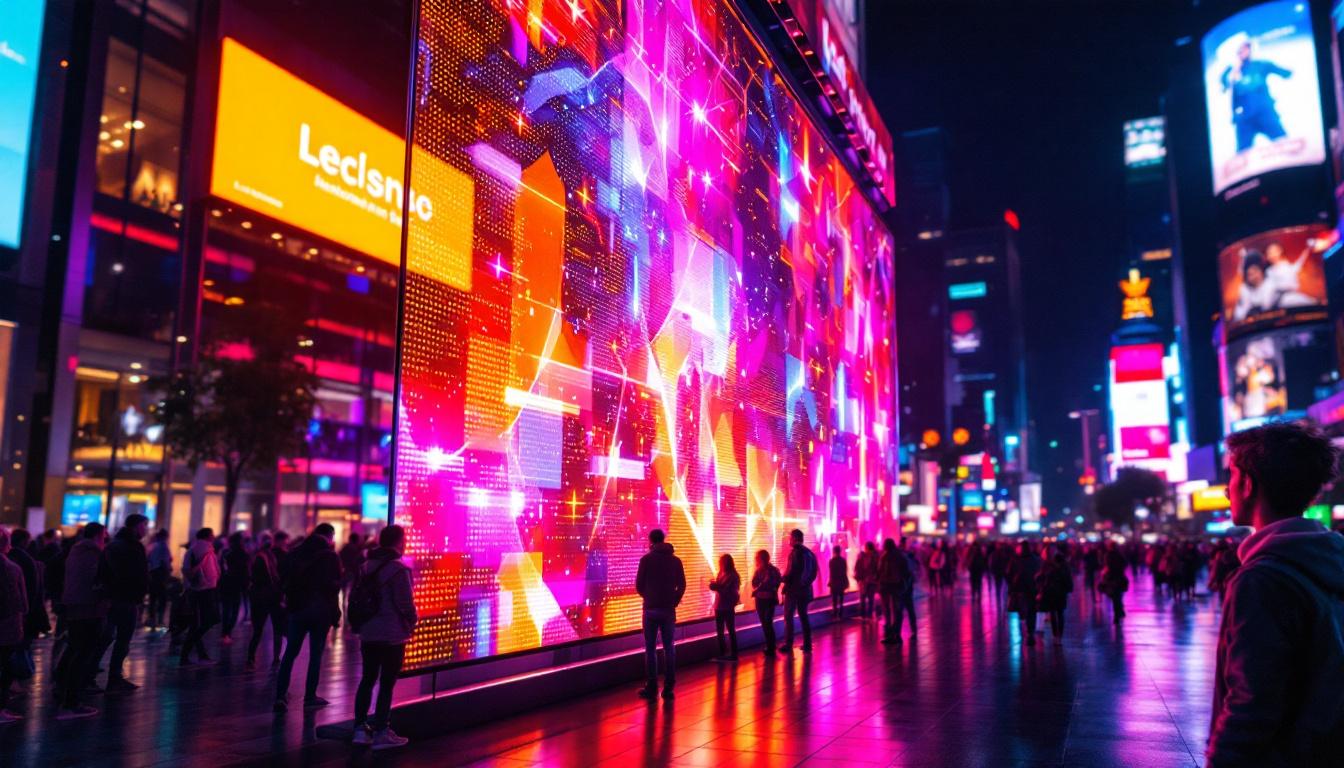
Concerts, festivals, and sports events leverage interactive LED displays to enhance audience participation. Large-scale LED walls respond to crowd noise or movements, creating immersive environments that amplify the energy of live performances. Interactive dance floors with embedded LED lights react to footsteps, turning the floor into a dynamic visual instrument.
Theme parks and museums use interactive LED installations to create educational and entertaining exhibits. Visitors can manipulate light patterns or access information through touch or gestures, making learning more engaging.
Architecture and Interior Design
Architects and designers incorporate interactive LED lights into building facades and interior spaces to create adaptive environments. Smart walls with LED panels can change colors or display patterns in response to environmental conditions or occupant interactions, enhancing ambiance and functionality.
Hotels and offices use interactive LED installations in lobbies and conference rooms to provide wayfinding, information, or branding in a visually appealing manner. These displays can also adjust lighting to support wellness by simulating natural light cycles.
Healthcare and Education
In healthcare, interactive LED displays assist in patient engagement and wayfinding within hospitals. They can provide real-time information, entertainment, or therapeutic light environments tailored to patient needs.
Educational institutions utilize interactive LED walls and tables to facilitate collaborative learning. These displays support multi-user interaction, enabling students to explore content hands-on and teachers to deliver dynamic lessons.
Design Considerations for Interactive LED Displays
Pixel Pitch and Resolution
Pixel pitch, the distance between adjacent LEDs, determines the resolution and viewing distance of a display. For interactive applications where users are close to the screen, a smaller pixel pitch (e.g., 1.5mm to 4mm) ensures crisp images and smooth touch interactions. Larger pixel pitches are suitable for displays viewed from a distance, such as outdoor billboards.
Brightness and Contrast
Brightness must be sufficient to ensure visibility under ambient lighting conditions. Interactive displays in outdoor or brightly lit indoor environments require higher brightness levels, often exceeding 3,000 nits. Contrast ratio is equally important to maintain image clarity and depth.
Durability and Maintenance
Interactive LED displays often experience more physical interaction than passive screens, so durability is critical. Protective glass or coatings can prevent damage from touch or environmental factors. Additionally, modular designs facilitate easier maintenance and repair, minimizing downtime.
User Interface and Experience
The success of an interactive LED display depends heavily on the user interface (UI) design. The UI should be intuitive, responsive, and accessible to diverse audiences. Considerations include touch target sizes, feedback mechanisms, and content layout. Accessibility features such as audio cues or adjustable contrast can enhance usability for people with disabilities.
Future Trends in Interactive LED Lighting
Integration with IoT and Smart Environments
The Internet of Things (IoT) is enabling LED displays to become part of interconnected smart environments. Interactive LED lights can communicate with other devices, such as smartphones, sensors, and building management systems, to deliver personalized, context-aware content.
Advancements in AI and Machine Learning
Artificial intelligence is enhancing the capabilities of interactive LED displays by enabling real-time content adaptation based on complex data inputs. Machine learning algorithms analyze user interactions to optimize content delivery and predict user preferences, creating more engaging and efficient experiences.
Energy Harvesting and Sustainability
As sustainability becomes a priority, innovations in energy harvesting and low-power LED technology are emerging. Interactive LED displays may incorporate solar panels or kinetic energy capture to reduce their environmental footprint, aligning with green building standards and corporate social responsibility goals.
Augmented Reality (AR) Integration
Combining interactive LED displays with augmented reality technologies opens new dimensions for user engagement. For instance, AR glasses can overlay digital information onto LED displays, enriching the interaction with contextual data or virtual objects.
Conclusion
Interactive LED lights represent a powerful fusion of advanced display technology and user-centric design. By transforming static visuals into dynamic, responsive experiences, they are reshaping how people interact with digital content across retail, entertainment, architecture, healthcare, and education. Understanding the underlying technology, design considerations, and emerging trends is essential for anyone looking to harness the full potential of interactive LED displays.
As LED technology continues to advance, the possibilities for creating immersive, personalized, and sustainable interactive environments will only expand, illuminating the future of digital interaction in vibrant new ways.
Discover the Future of Interactive LED Displays with LumenMatrix
Ready to elevate your space with the latest in LED display technology? LumenMatrix is at the forefront of creating immersive and interactive visual experiences that captivate and engage. From vibrant Indoor and Outdoor LED Wall Displays to innovative solutions like Vehicle LED Displays, LED Posters, and Transparent LED Displays, our products are designed to revolutionize visual communication. Embrace the future of digital interaction and check out LumenMatrix LED Display Solutions today to see how we can transform your message into an unforgettable visual journey.