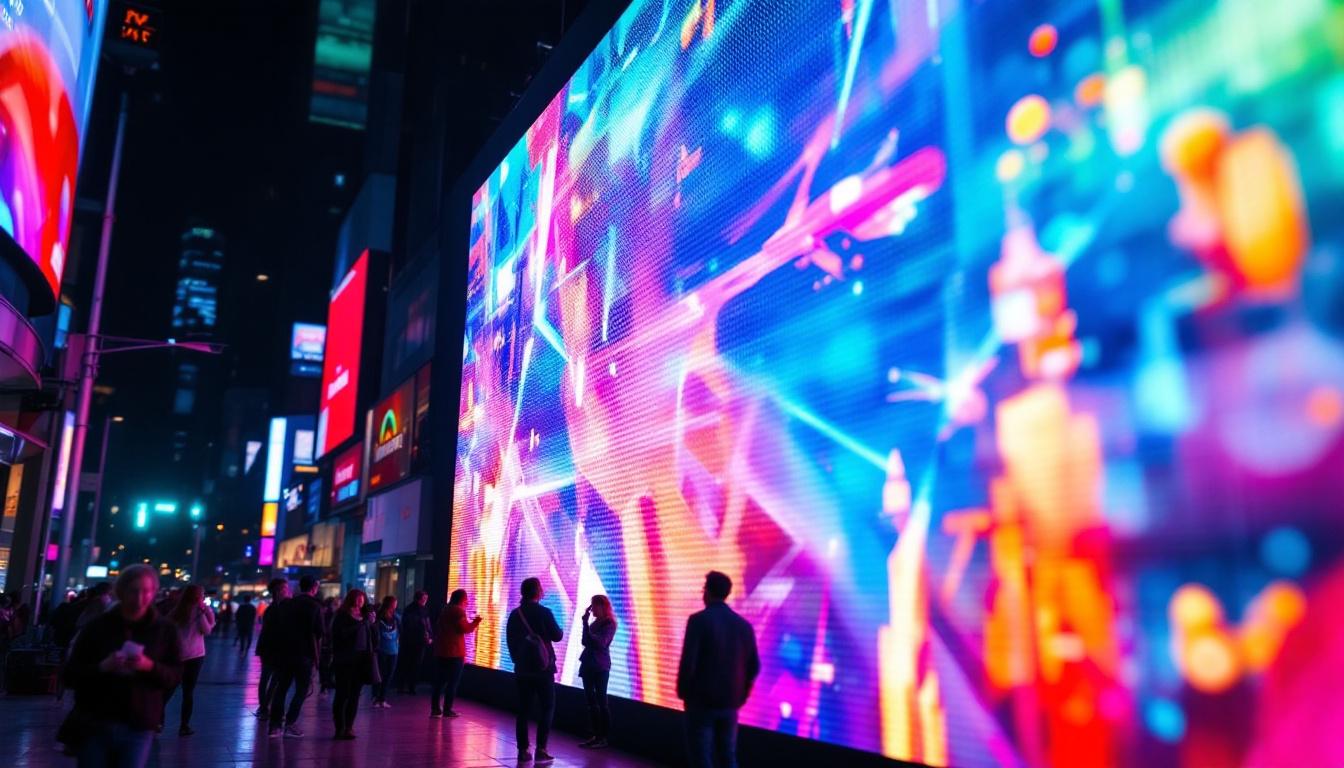
In the rapidly evolving world of digital displays, LED technology continues to dominate due to its vibrant colors, energy efficiency, and versatility. Among the numerous formats and configurations available, the “32 9 video” LED display has emerged as a notable format, especially in professional and commercial settings. This article dives deep into what a 32 9 video LED display is, how it works, its applications, and why it matters in today’s visual communication landscape.
Understanding the 32 9 Video LED Display Format
What Does “32 9” Mean?
The term “32 9” refers to an aspect ratio that is wider than the traditional widescreen formats. Specifically, it describes a display with a width-to-height ratio of 32 units wide to 9 units tall. This ultra-wide format is often used to create panoramic video walls or displays that can showcase expansive visual content without the black bars or cropping that occur with standard 16:9 or 21:9 screens.
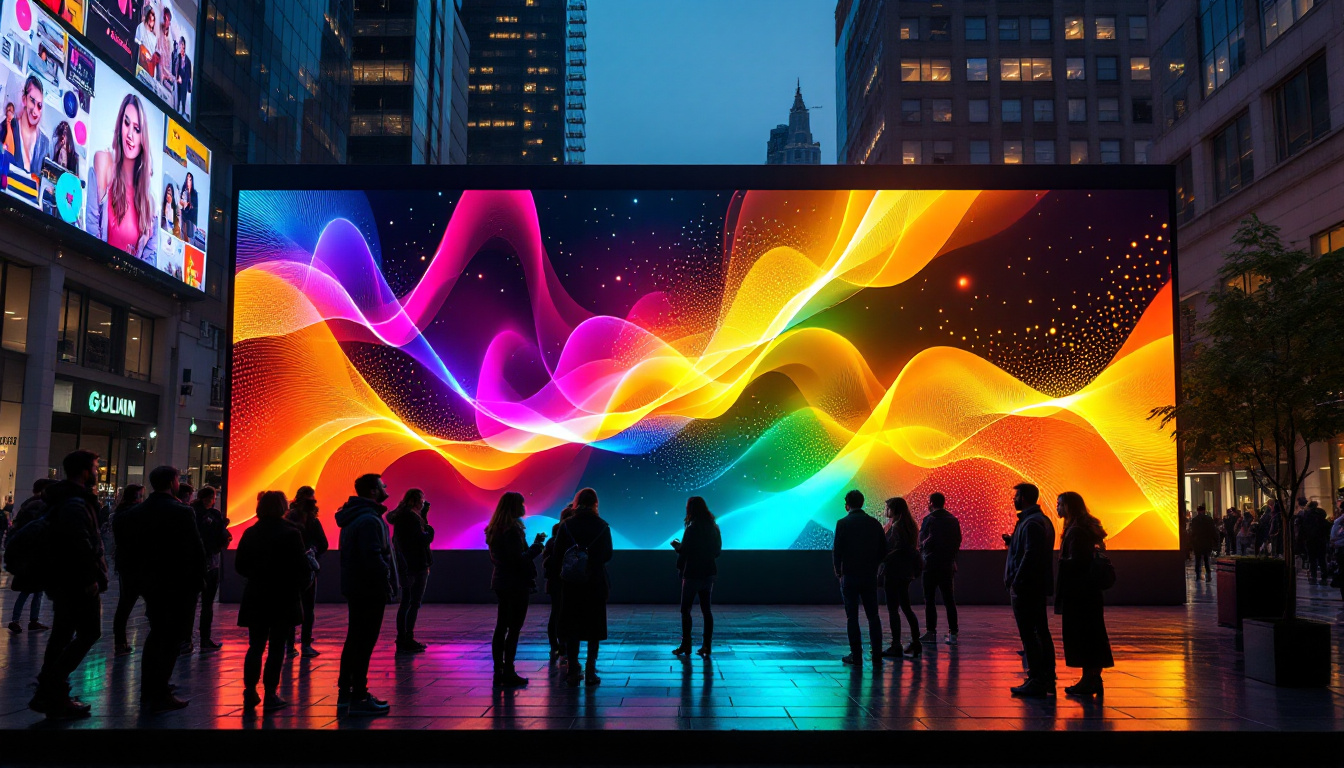
To put it into perspective, a 32 9 aspect ratio is approximately 3.56 times wider than it is tall. This makes it ideal for environments requiring broad, immersive visuals such as control rooms, stadium scoreboards, and large-scale advertising billboards. The ability to fill a viewer’s peripheral vision with continuous imagery can significantly enhance the impact of the displayed content, making it particularly effective for engaging audiences in both commercial and entertainment settings.
Moreover, the 32 9 format allows for creative storytelling and presentations that can unfold across the entire width of the screen. This capability is not only beneficial for displaying static images but also for dynamic video content that requires seamless transitions across a wide visual field. As a result, users can create captivating narratives that draw viewers in, making the experience more memorable and immersive.
How Does It Compare to Other Aspect Ratios?
Common aspect ratios include 16:9 (standard HDTV), 21:9 (ultra-wide monitors), and 4:3 (older TV and computer monitors). The 32 9 format significantly expands the horizontal viewing area, enabling content creators to display more information side-by-side without compromising image quality.
For example, while a 16:9 screen is perfect for movies and television, a 32 9 display can simultaneously show multiple video feeds, dashboards, or panoramic scenes, making it highly functional in professional settings. This wider canvas enhances multitasking and data visualization, which is why it’s favored in industries like broadcasting, security monitoring, and live events. In a control room, for instance, operators can monitor several camera feeds and data analytics in real-time, allowing for quicker decision-making and more efficient operations.
Additionally, the 32 9 format is increasingly popular in the gaming community, where players benefit from a broader field of view. This aspect ratio can enhance the gaming experience by allowing players to see more of the game environment at once, providing a tactical advantage in competitive scenarios. As game developers continue to optimize their titles for ultra-wide displays, the immersive quality of gameplay is expected to reach new heights, further solidifying the 32 9 format’s place in both entertainment and professional applications.
How LED Technology Powers the 32 9 Video Display
The Basics of LED Displays
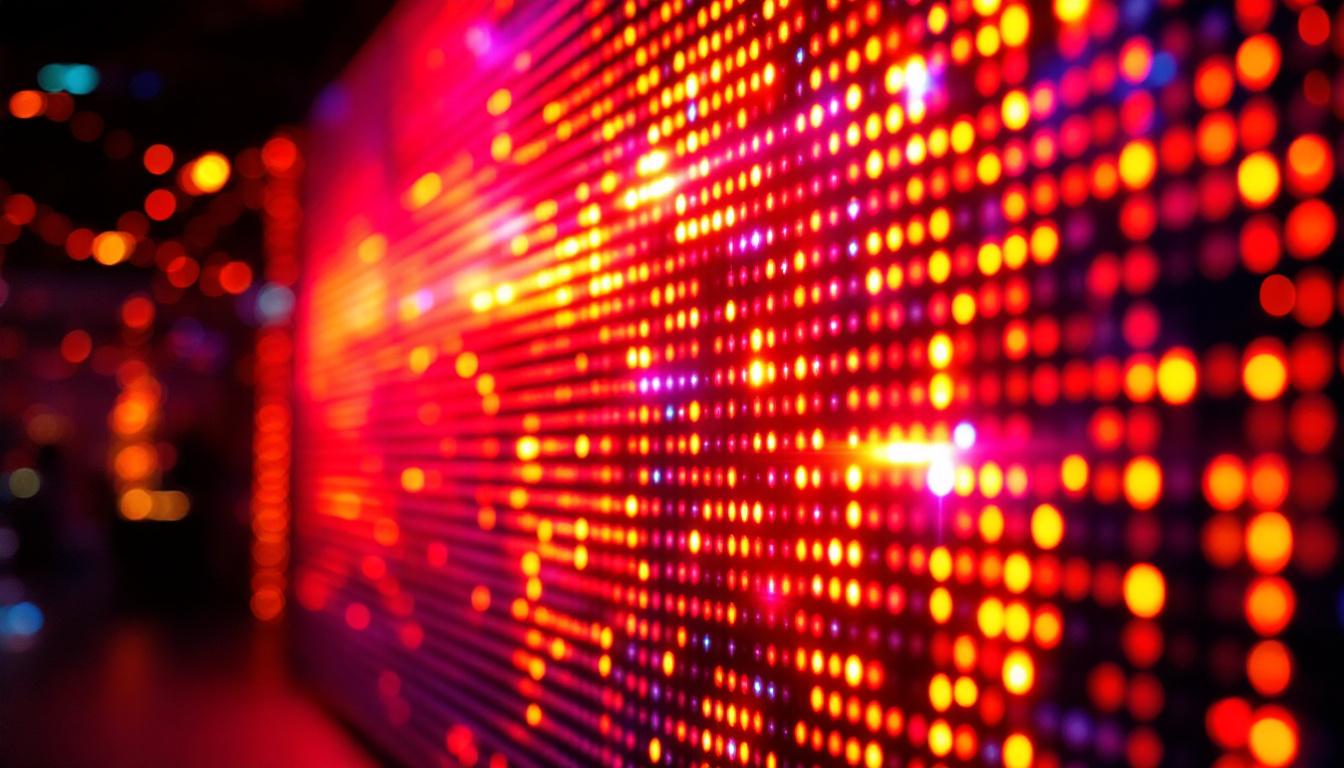
LED (Light Emitting Diode) displays use an array of tiny diodes that emit light when an electric current passes through them. Unlike LCDs, which rely on backlighting, LEDs produce their own light, resulting in brighter images and better contrast ratios. This makes LED displays particularly effective for large-format and outdoor applications.
LED panels are composed of thousands or millions of these diodes arranged in a grid. Each diode can be controlled individually to produce precise colors and brightness levels, allowing for high-resolution images with vibrant color accuracy.
Modular Construction for Large-Scale Displays
One of the key advantages of LED technology is its modularity. Large 32 9 video LED displays are typically constructed from multiple smaller LED panels seamlessly joined together. This modular approach allows for flexible sizing and aspect ratios, making it possible to create ultra-wide screens tailored to specific environments.
The modular panels are designed to align perfectly with minimal gaps, ensuring a continuous image across the entire display. Advanced calibration systems correct for color and brightness variations between panels, resulting in a uniform viewing experience.
Resolution and Pixel Pitch Considerations
Resolution in LED displays is determined by the number of pixels horizontally and vertically. For a 32 9 video display, the resolution must be carefully balanced to maintain image clarity across the wide format. Pixel pitch—the distance between the centers of two adjacent pixels—is a critical factor in this balance.
A smaller pixel pitch means higher resolution and sharper images, but it also increases the cost and complexity of the display. For indoor 32 9 LED video walls, pixel pitches typically range from 1.2mm to 2.5mm, providing crisp visuals even at close viewing distances. Outdoor displays usually have larger pixel pitches (4mm to 10mm) to accommodate longer viewing distances and environmental durability.
Applications of 32 9 Video LED Displays
Broadcast and Control Rooms
Broadcast studios and control rooms benefit immensely from 32 9 video LED displays. The ultra-wide format allows operators to monitor multiple video feeds, data streams, and control interfaces simultaneously. This comprehensive view improves situational awareness and decision-making speed.
For example, newsrooms can display live feeds from various locations, social media updates, and real-time analytics all on one continuous screen. Similarly, security operations centers use these displays to monitor surveillance footage and sensor data, enhancing their ability to respond to incidents promptly.
Sports Arenas and Entertainment Venues
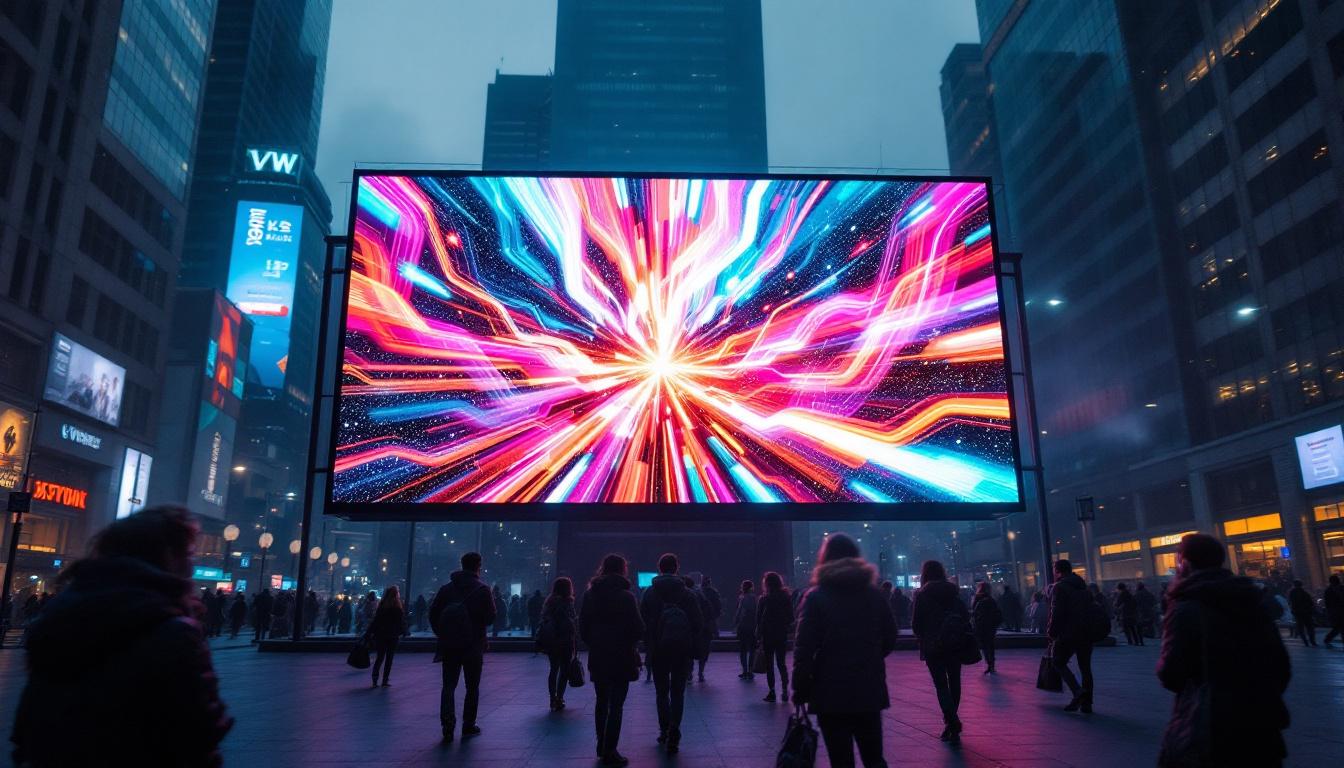
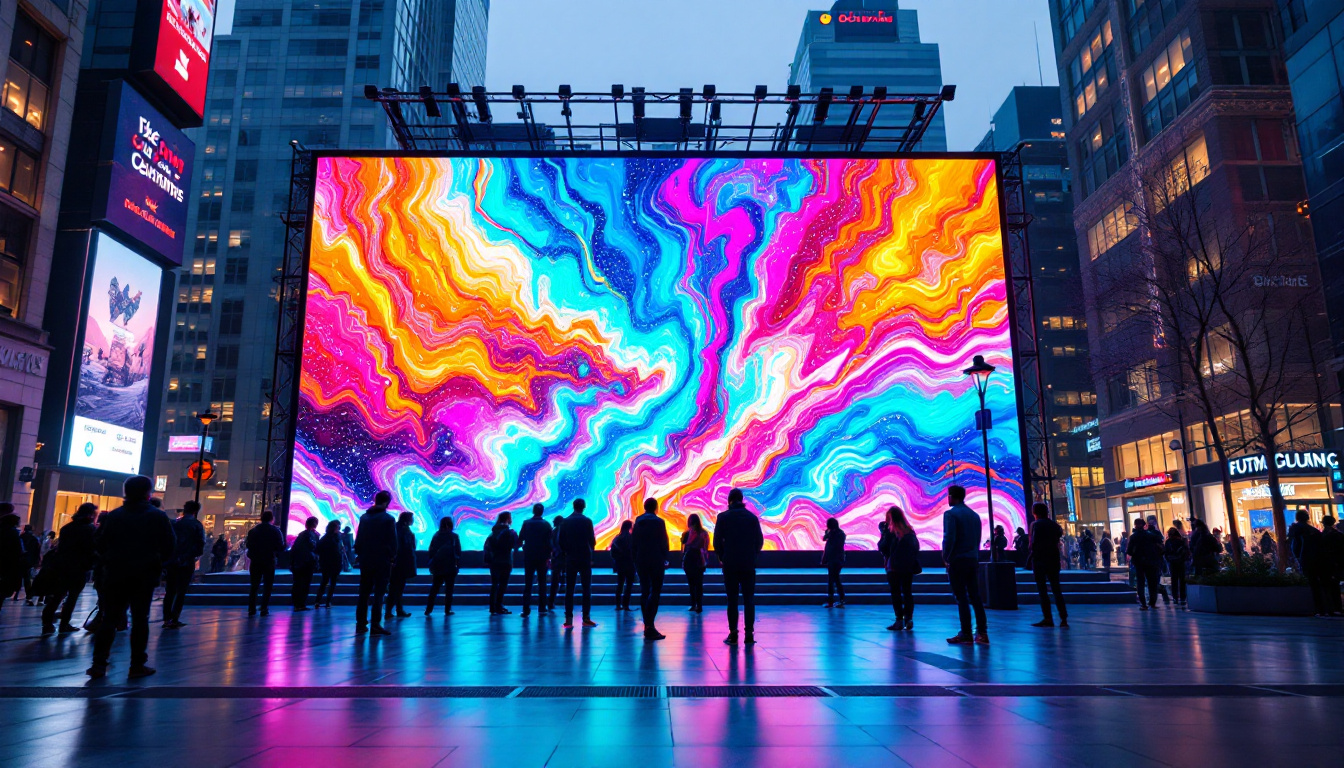
Sports arenas increasingly adopt 32 9 video LED displays to deliver immersive experiences to spectators. These ultra-wide screens can wrap around sections of the stadium, showing live game footage, instant replays, advertisements, and interactive content.
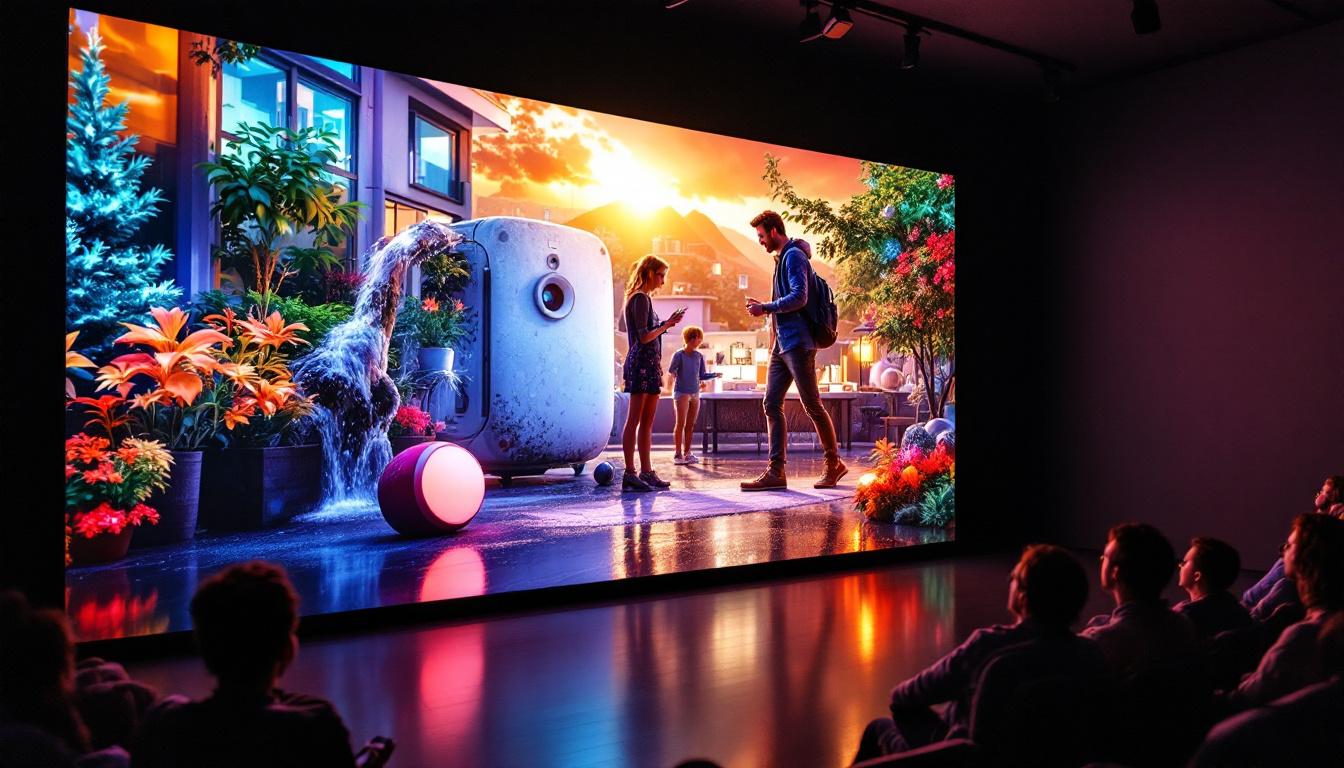
Entertainment venues also use these displays for concerts and events, creating dynamic backdrops that enhance performances with panoramic visuals. The high brightness and contrast of LED technology ensure visibility even in bright daylight or large, open spaces.
Retail and Advertising
In retail environments, 32 9 video LED displays serve as eye-catching digital signage that can showcase promotional content, product information, and brand storytelling in a visually compelling way. Their wide format allows for creative layouts that combine video, graphics, and text seamlessly.
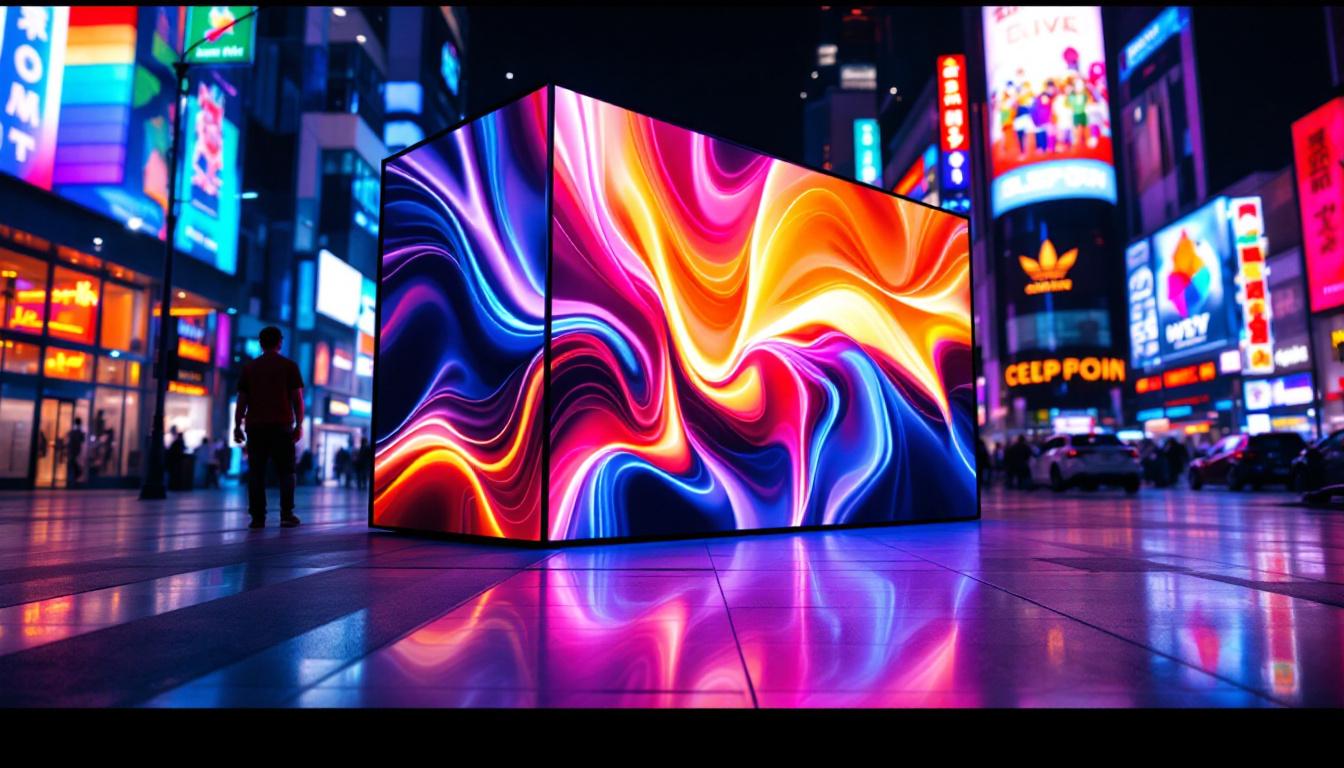
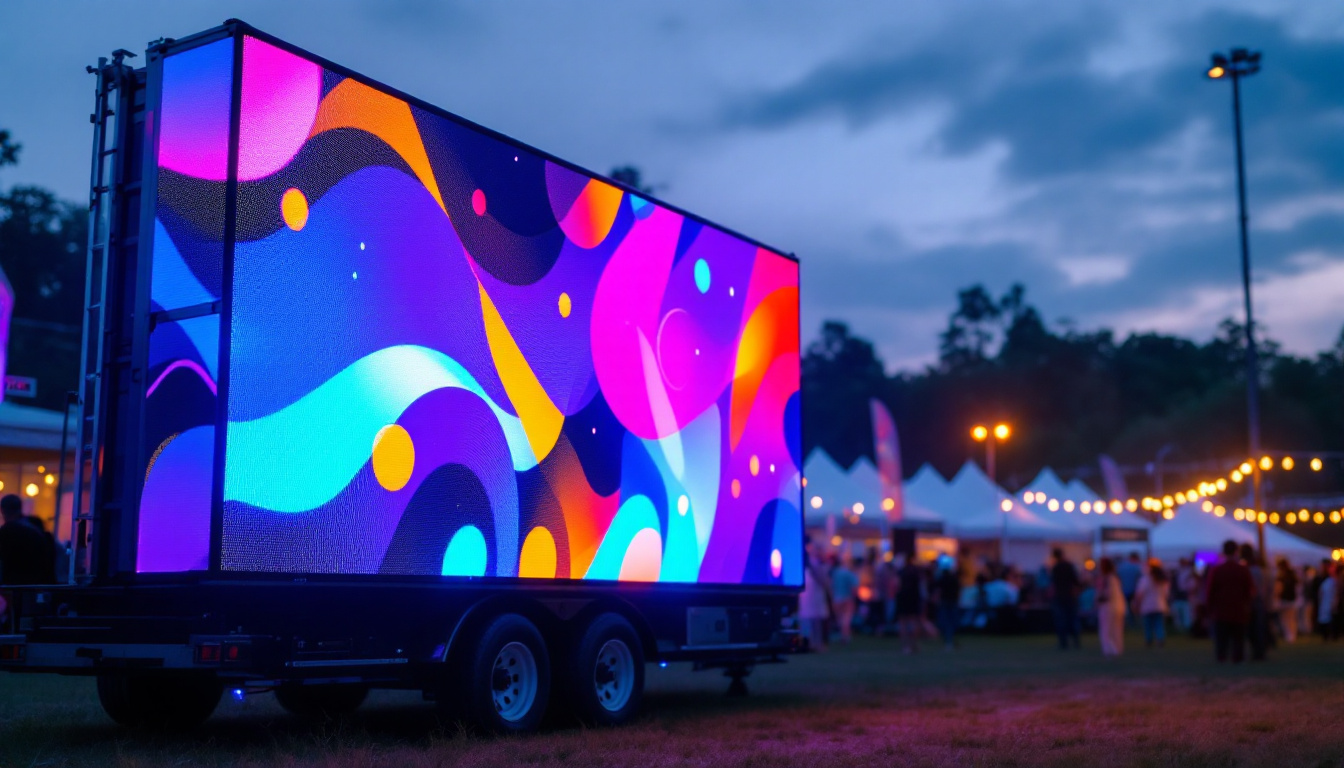
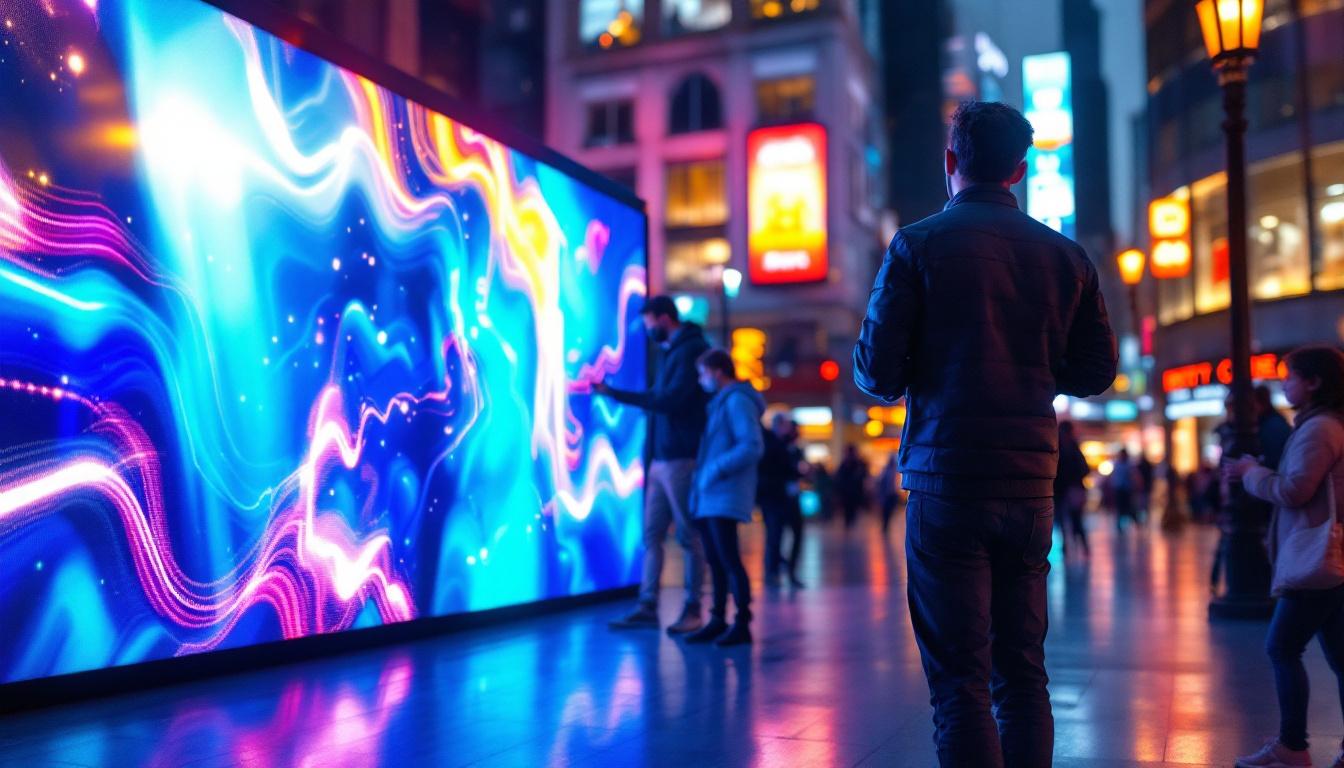
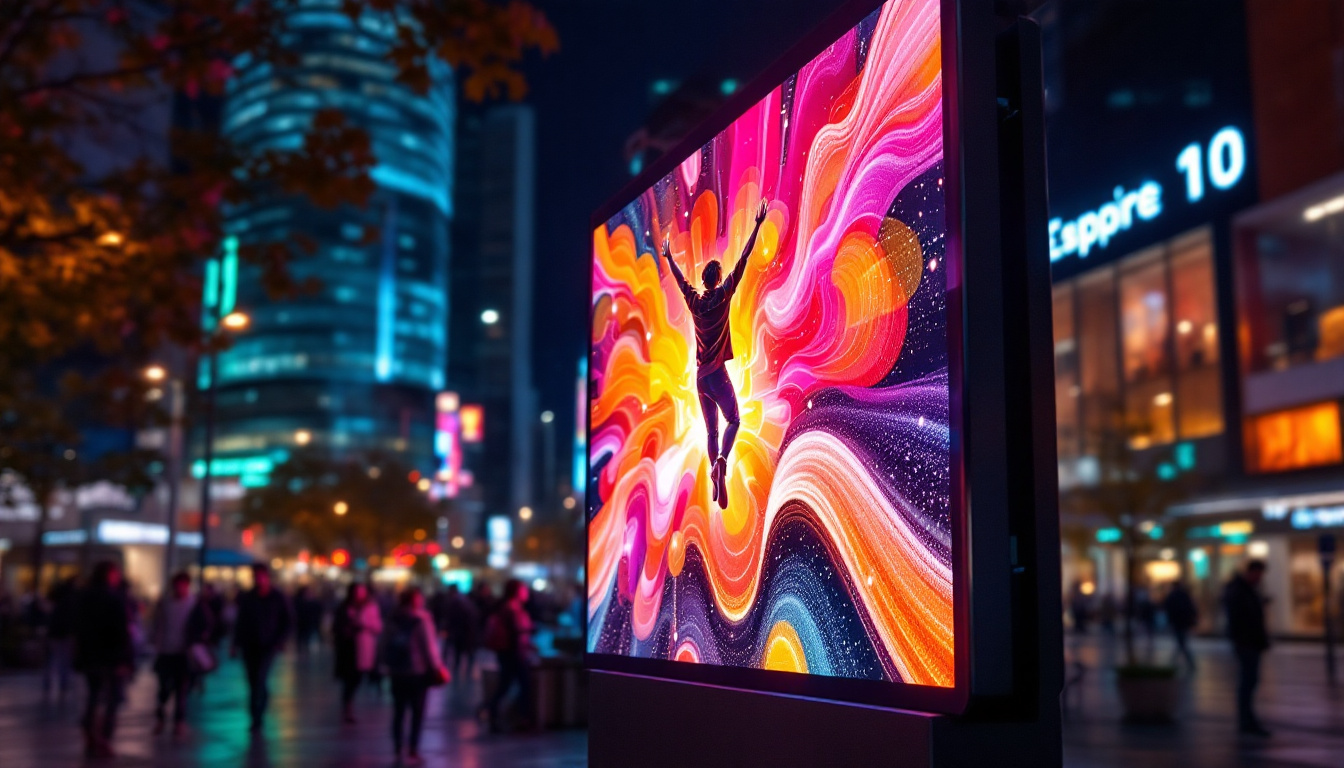
Outdoor advertising benefits from the durability and brightness of LED displays. Billboards using the 32 9 format stand out on highways and urban centers, capturing the attention of pedestrians and drivers alike. The ability to update content remotely and instantly adds flexibility to marketing campaigns.
Technical Challenges and Solutions
Ensuring Uniform Brightness and Color
One of the main challenges with large 32 9 LED video displays is maintaining uniform brightness and color across all panels. Variations in manufacturing, aging of LEDs, and environmental factors can cause inconsistencies that detract from the viewing experience.
To address this, manufacturers employ advanced calibration techniques using sensors and software that adjust the output of each panel in real-time. This process, known as color calibration or color matching, ensures that the entire display appears seamless and consistent.
Heat Management and Power Efficiency
Large LED displays generate significant heat, which can impact performance and lifespan if not properly managed. Effective heat dissipation systems, including heat sinks and ventilation, are integrated into the design to keep the panels operating within safe temperature ranges.
Power efficiency is another consideration, especially for outdoor or 24/7 installations. Modern LED displays incorporate energy-saving technologies such as dynamic brightness adjustment based on ambient light, which reduces power consumption without compromising image quality.
Installation and Maintenance Considerations
Installing a 32 9 video LED display requires precise engineering and coordination. Structural support must accommodate the weight and dimensions of the display, while electrical and data connections need to be robust and reliable.
Maintenance is simplified by the modular design, allowing technicians to replace individual panels without dismantling the entire display. Additionally, remote monitoring systems can detect faults early, minimizing downtime and ensuring continuous operation.
The Future of 32 9 Video LED Displays
Integration with Advanced Content Management Systems
As LED display technology evolves, integration with sophisticated content management systems (CMS) is becoming standard. These platforms enable dynamic content scheduling, real-time data integration, and interactive features, enhancing the functionality of 32 9 video LED displays.
For instance, in retail, CMS can tailor advertisements based on time of day, audience demographics, or weather conditions. In control rooms, real-time analytics can be overlaid on video feeds to provide actionable insights instantly.
Emerging Technologies: MicroLED and Beyond
While traditional LED displays are highly effective, emerging technologies such as MicroLED promise even greater performance. MicroLEDs are smaller, more energy-efficient, and capable of higher brightness and contrast ratios, potentially revolutionizing ultra-wide video displays in the near future.
These advancements could lead to thinner, lighter, and more flexible 32 9 video LED displays, opening new possibilities for design and application. However, current MicroLED technology remains expensive and complex, so widespread adoption may take several years.
Environmental Sustainability
With increasing focus on sustainability, manufacturers are developing LED displays with eco-friendly materials and improved recyclability. Energy efficiency improvements also contribute to reducing the carbon footprint of large-scale digital signage installations.
Additionally, LED displays have a longer lifespan compared to other display technologies, which reduces waste and replacement frequency. As businesses prioritize green initiatives, choosing sustainable LED solutions becomes a critical factor in procurement decisions.
Conclusion
The 32 9 video LED display format represents a powerful tool for delivering expansive, high-impact visual content across a variety of industries. Its ultra-wide aspect ratio combined with the inherent advantages of LED technology—brightness, color accuracy, modularity, and energy efficiency—makes it an ideal choice for environments demanding immersive and versatile displays.
From broadcast control rooms to sports arenas and retail advertising, the 32 9 video LED display enhances communication, engagement, and operational efficiency. As technology continues to advance, these displays will become even more sophisticated, integrating smarter content management and emerging innovations like MicroLED.
Understanding the technical aspects, applications, and future trends of 32 9 video LED displays is essential for businesses and professionals looking to leverage digital signage for competitive advantage. With careful planning and expert implementation, these displays can transform visual experiences and deliver measurable value in today’s digital age.
Discover LumenMatrix’s Advanced LED Display Solutions
Ready to elevate your visual communication with the expansive and immersive 32 9 video LED display format? LumenMatrix is at the forefront of LED display innovation, offering a diverse range of solutions tailored to your unique needs. From vibrant Indoor and Outdoor LED Wall Displays to dynamic Sports and Custom LED Displays, our technology is designed to captivate and engage your audience. Experience the future of digital signage with LumenMatrix and transform your space into a visual spectacle. Check out LumenMatrix LED Display Solutions today and see the difference for yourself.