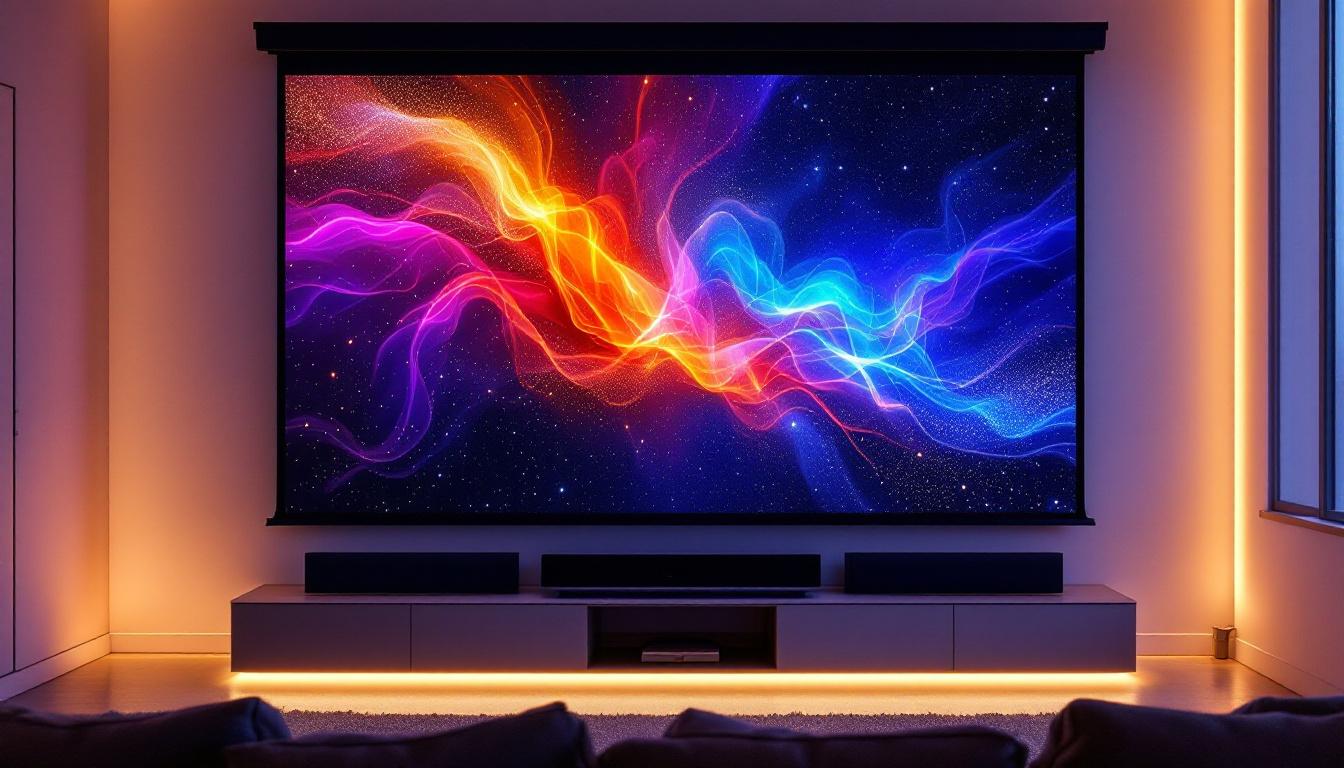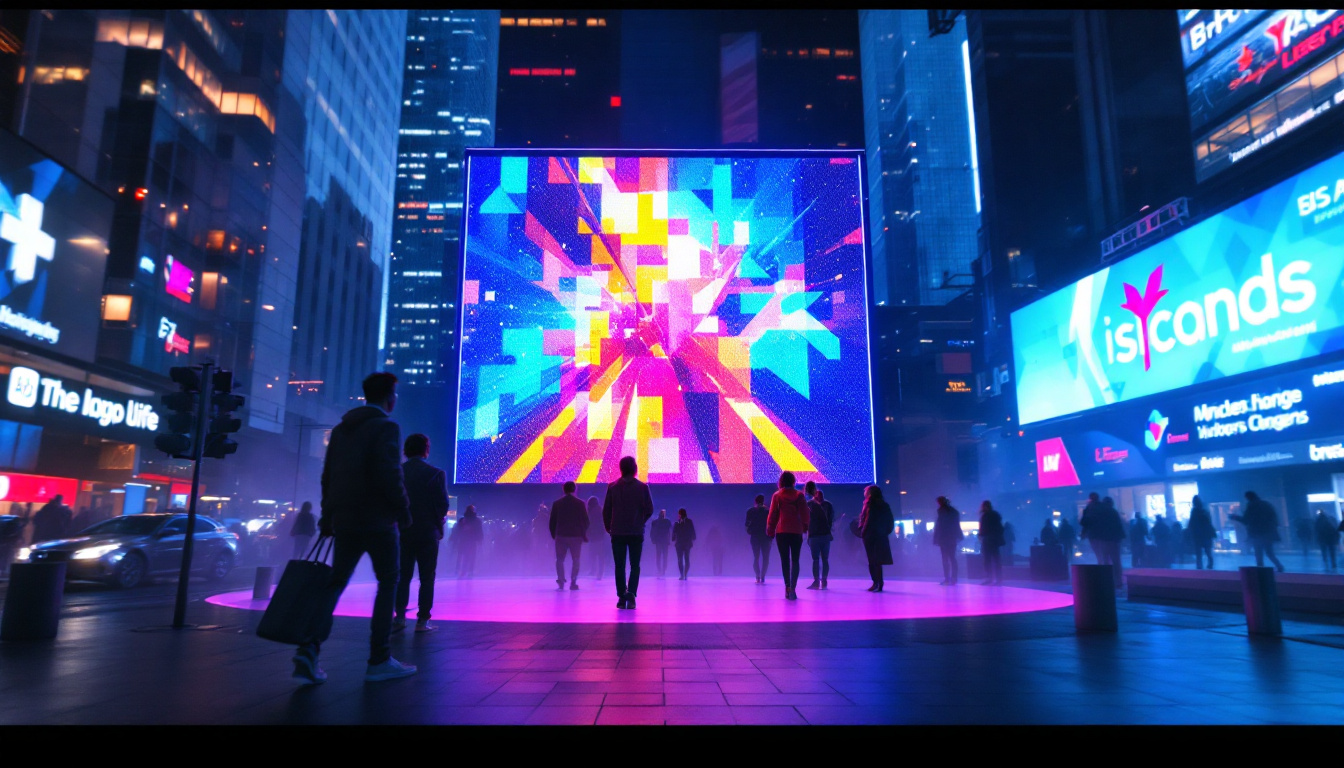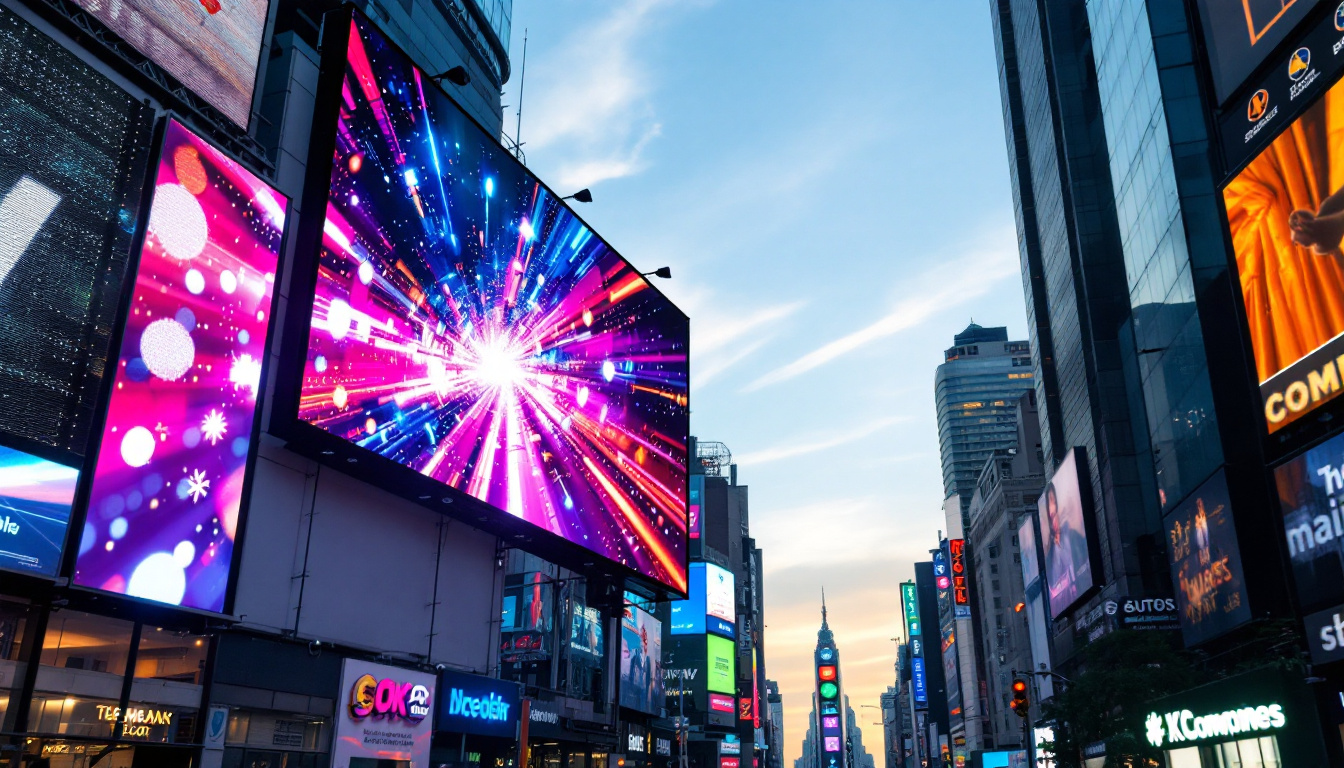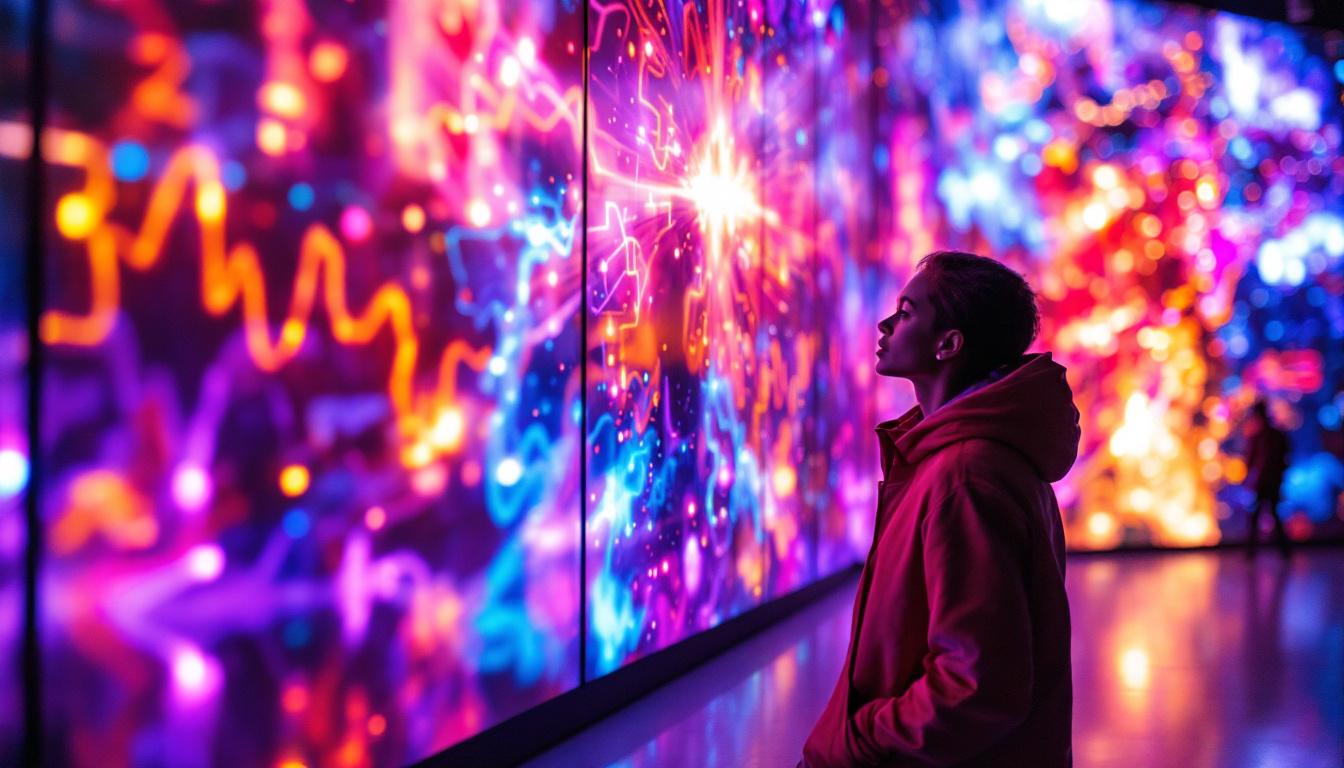
In the evolving world of visual art and event production, LED display technology has emerged as a transformative medium for showcasing fine art backdrops. From gallery exhibitions to large-scale events, LED displays offer unparalleled vibrancy, flexibility, and immersion. This article explores the intricacies of LED displays in the context of fine art backdrops, explaining the technology, its benefits, applications, and considerations for artists, curators, and event professionals.
Understanding LED Display Technology
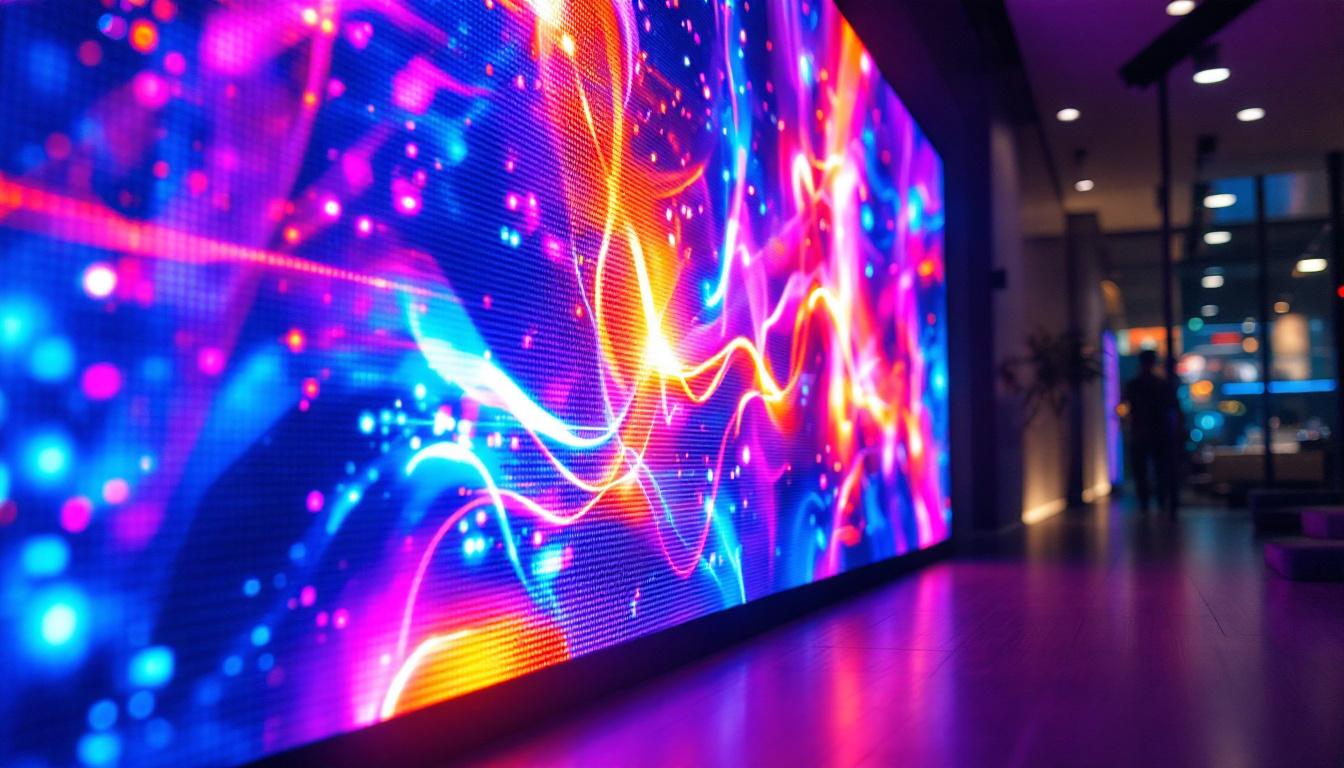
LED, or Light Emitting Diode, technology forms the backbone of modern digital displays. Unlike traditional screens that rely on backlighting, LED displays consist of tiny diodes that emit light directly, resulting in brighter images and better contrast. This fundamental difference makes LED displays particularly suited for environments where vivid color reproduction and high visibility are critical. The energy efficiency of LED technology also contributes to its popularity, as it consumes significantly less power compared to conventional display technologies, making it a more sustainable choice for both commercial and artistic applications.
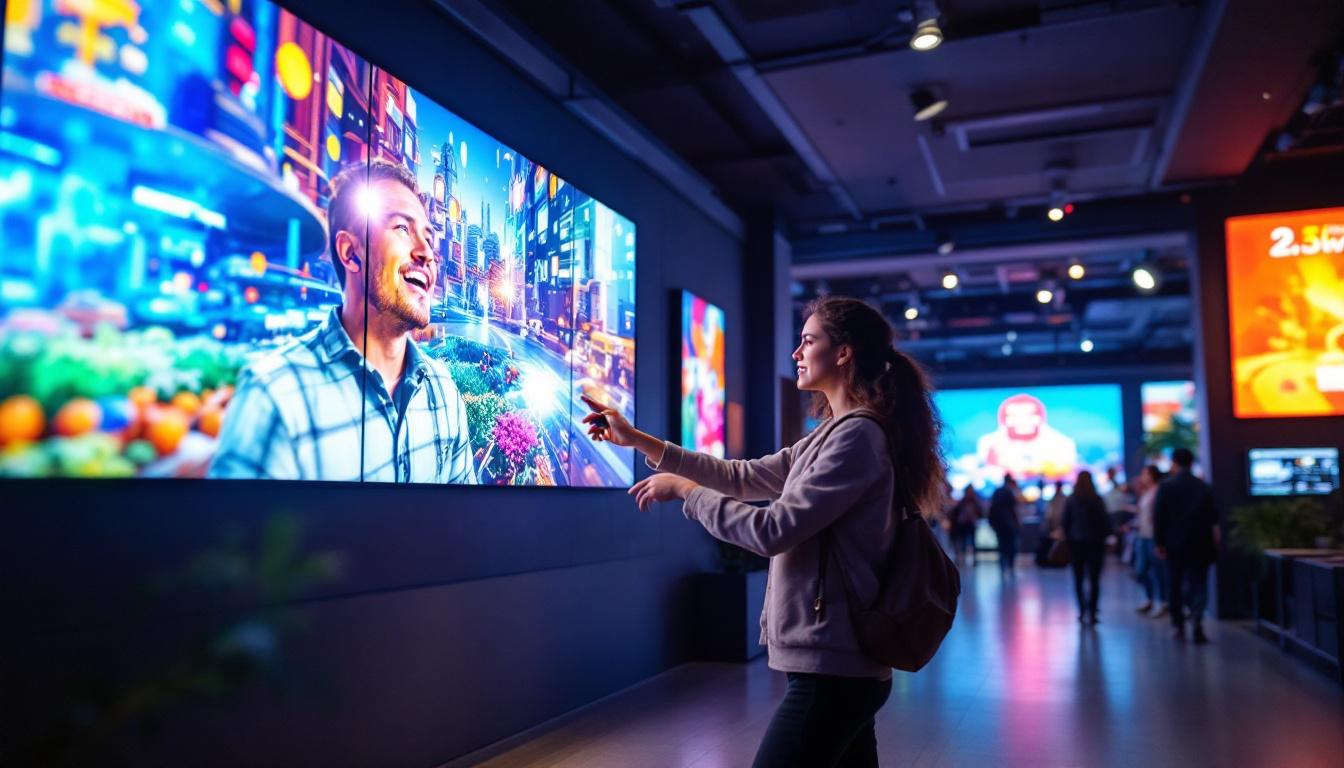
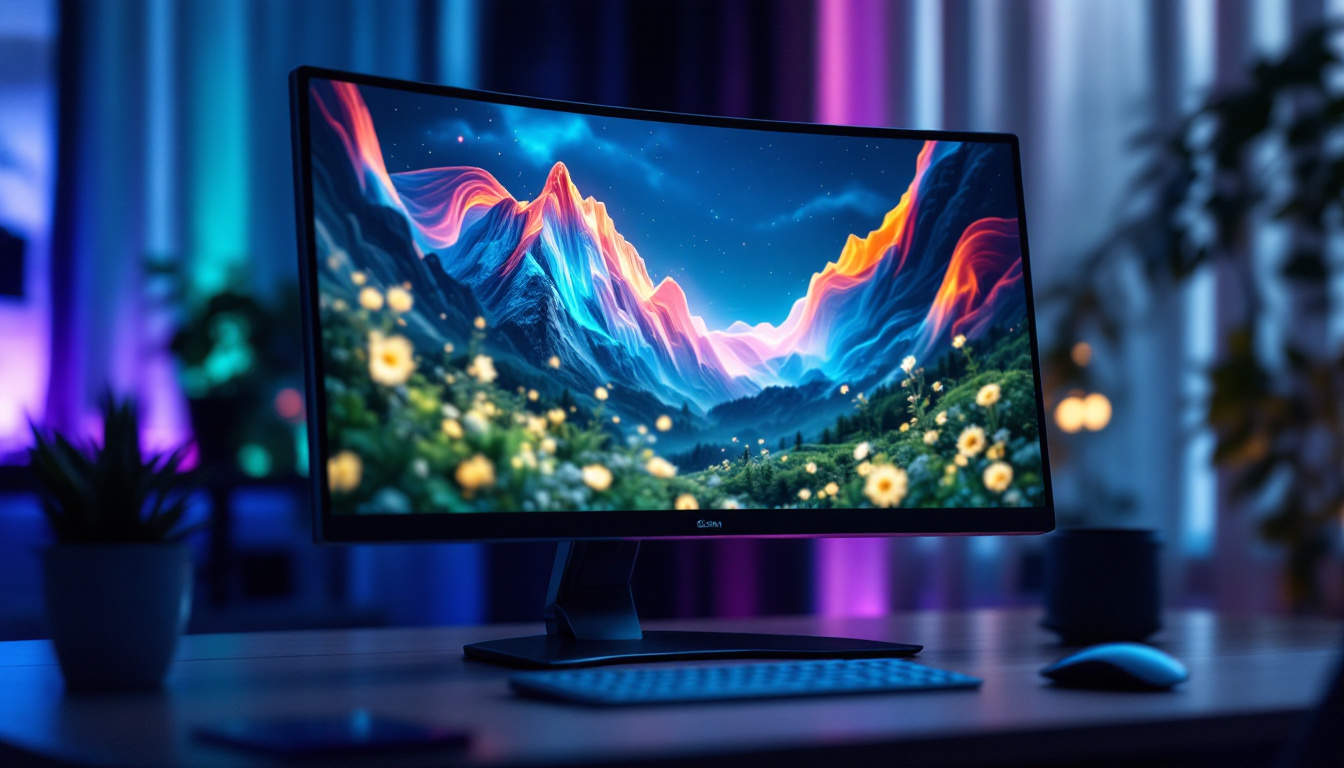
Fine art backdrops rendered on LED displays benefit from this technology by achieving a dynamic range and color accuracy that closely mimic or even enhance traditional media. The ability to control brightness and color at the pixel level enables artists and curators to present their work in ways previously impossible with static prints or projection. Furthermore, the integration of interactive elements, such as touch sensors or motion tracking, can transform a static art piece into an immersive experience, allowing viewers to engage with the artwork in real-time and enhancing their overall appreciation of the piece.
Types of LED Displays Used in Fine Art
There are several types of LED displays commonly used for fine art backdrops, each with unique characteristics:
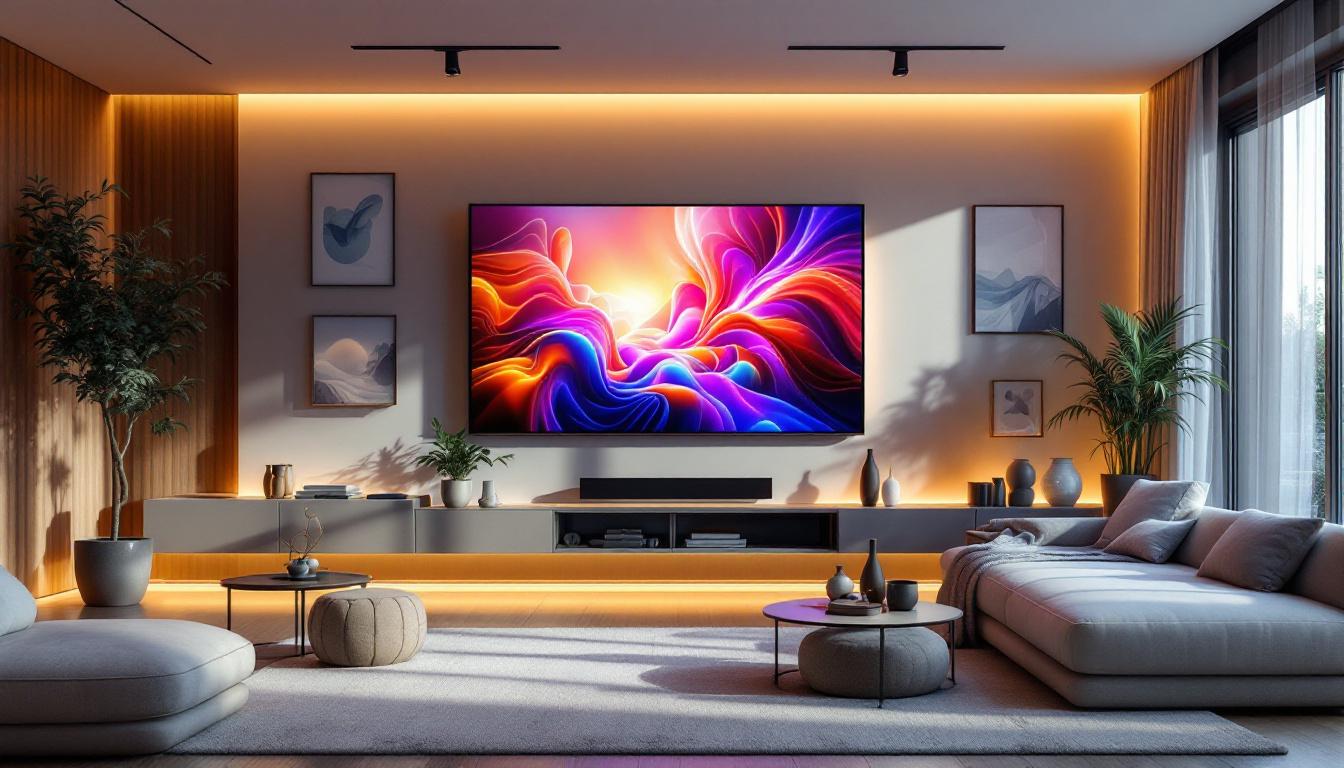
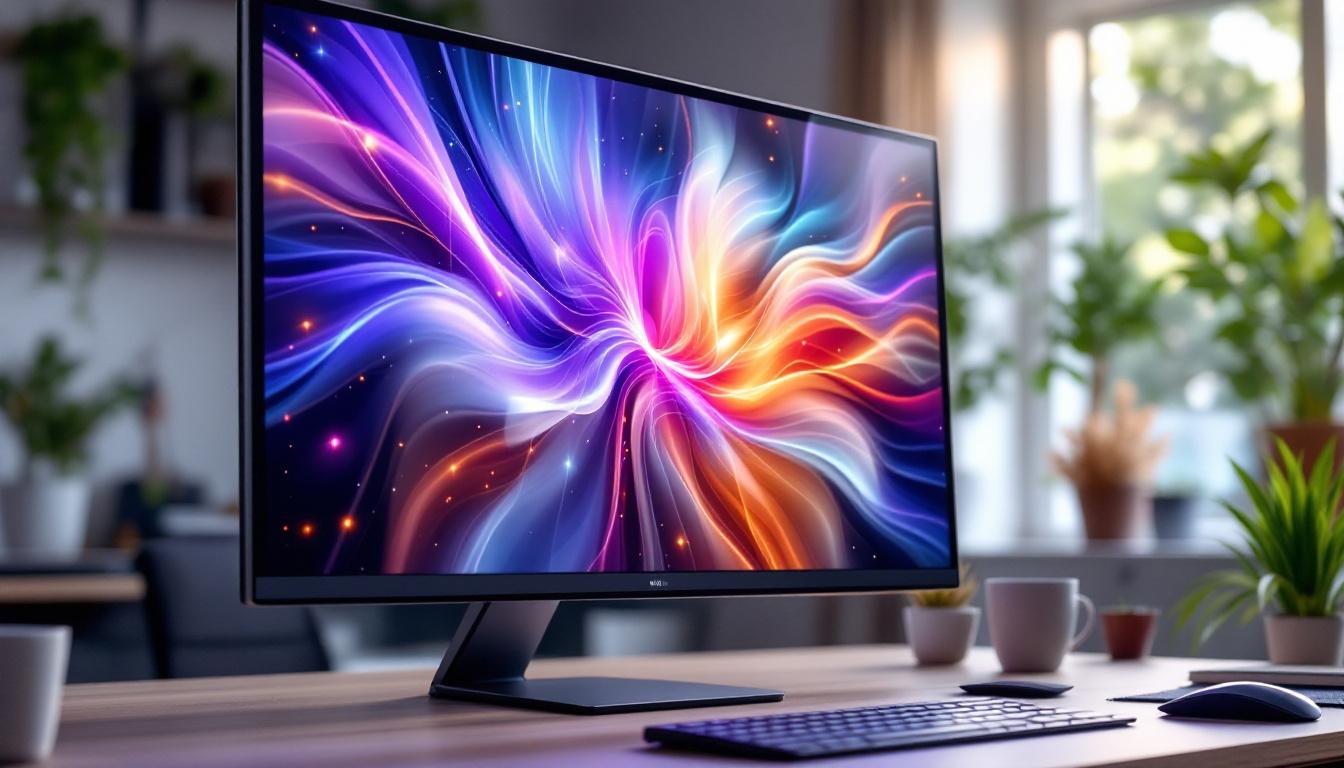
- Indoor LED Panels: Designed for controlled lighting environments, these panels offer high resolution and fine pixel pitch, making them ideal for gallery settings. Their ability to produce deep blacks and vibrant colors ensures that the artwork is displayed with the utmost fidelity, capturing the artist’s original intent.
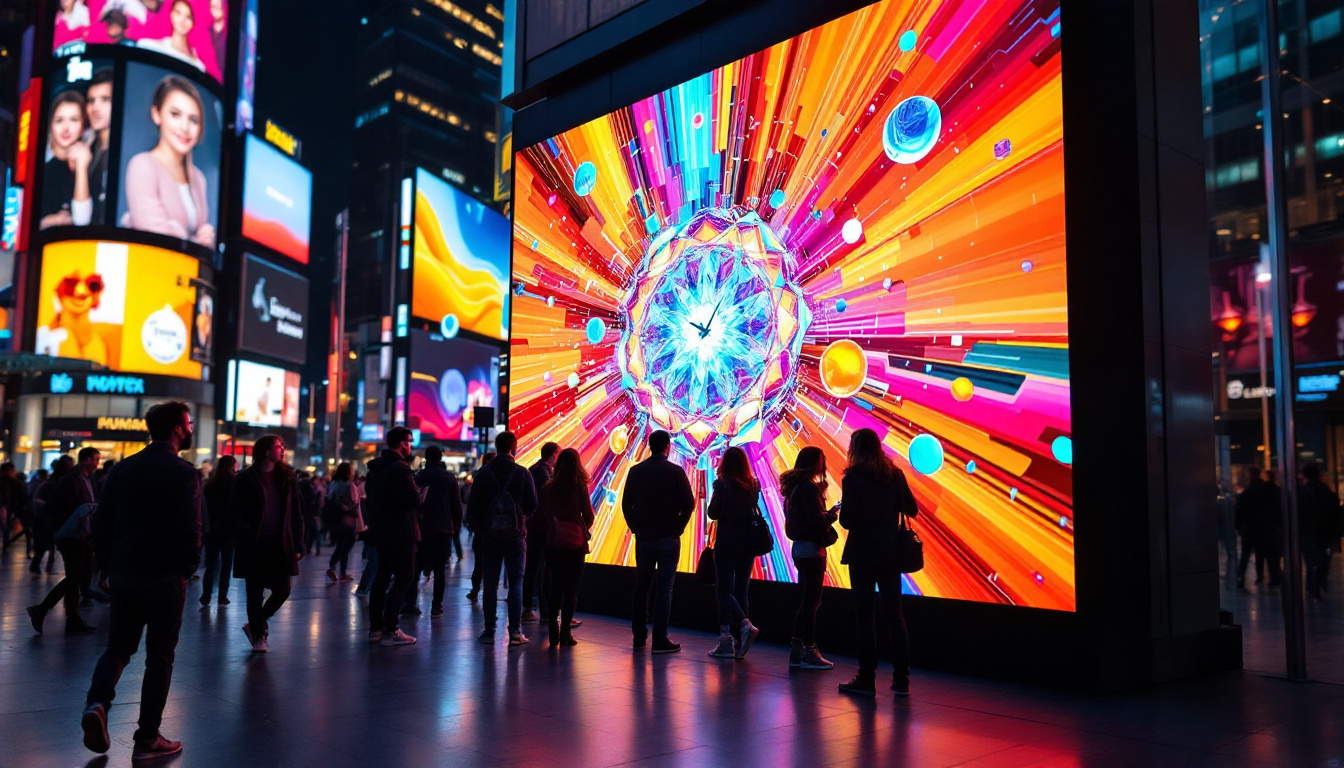
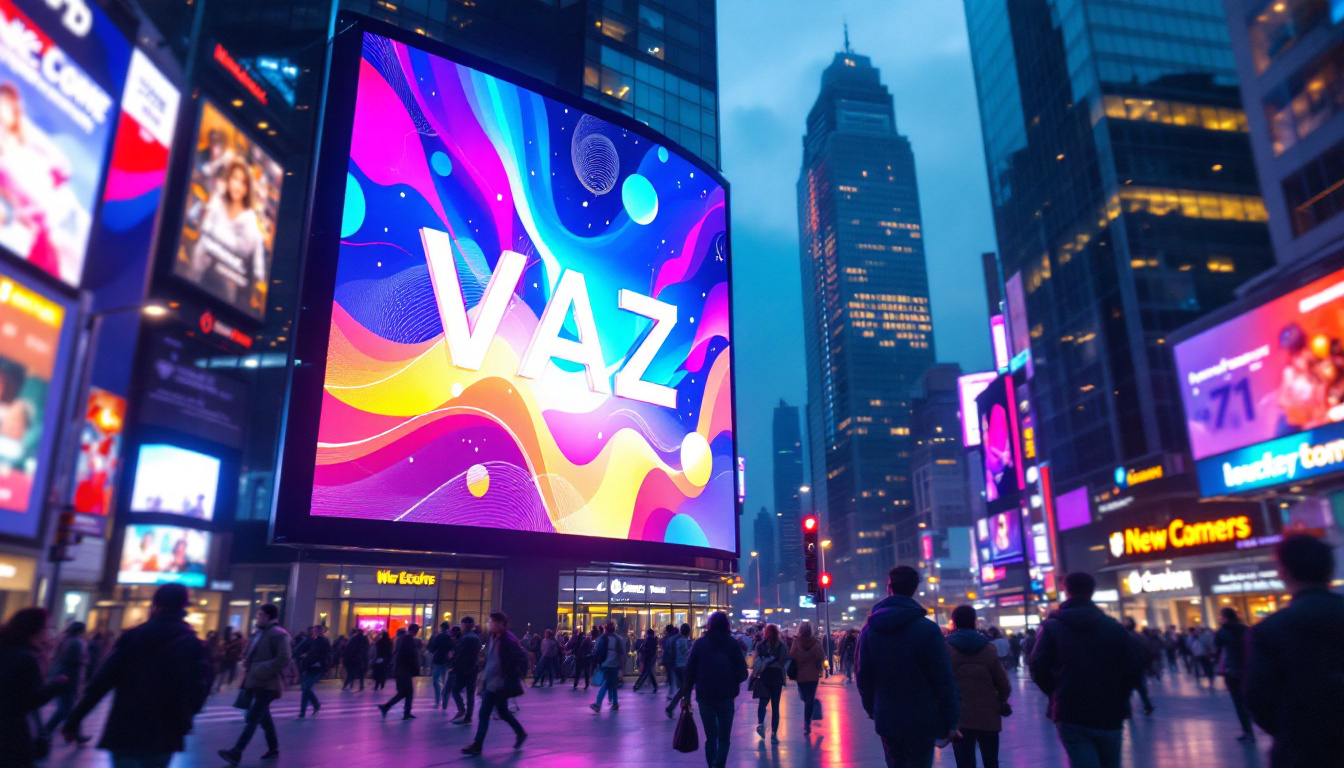
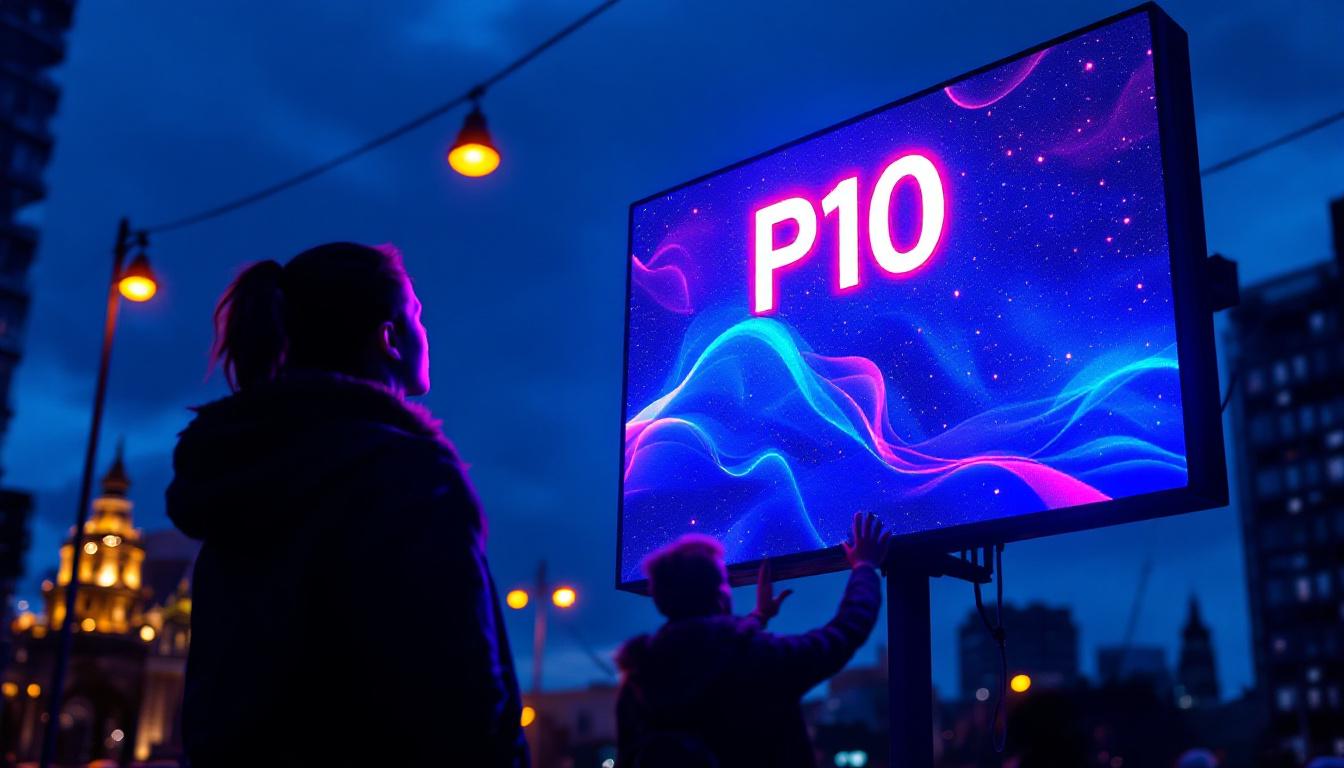
- Outdoor LED Screens: Built to withstand weather and ambient light, these are used for large-scale public art installations or events. Their robust construction and high brightness levels allow them to stand out even in direct sunlight, making them perfect for festivals, outdoor exhibitions, and public displays that aim to attract a wide audience.
- Flexible and Transparent LED Displays: Innovative forms that allow for creative installations, such as wrapping around architectural elements or layering with other media. These displays can create stunning visual effects, blurring the lines between digital and physical art, and offering artists a new canvas to explore their creativity.
Choosing the right type depends on the venue, the nature of the artwork, and the desired audience experience. Additionally, considerations such as installation logistics, maintenance requirements, and technological compatibility with existing systems play a crucial role in the decision-making process. As the technology continues to evolve, artists and curators are increasingly exploring the potential of LED displays to push the boundaries of traditional art forms, creating a dialogue between the digital and the tangible that captivates and inspires viewers.
The Advantages of LED Displays for Fine Art Backdrops
LED displays bring a host of advantages that make them increasingly popular for fine art applications. These benefits extend beyond mere visual appeal, influencing how art is experienced and interacted with.
Superior Color Accuracy and Brightness
One of the most significant advantages of LED displays is their ability to produce vivid and accurate colors. Advances in LED technology have led to displays capable of covering over 90% of the DCI-P3 color space, which is the industry standard for digital cinema and high-end visual content. This wide color gamut ensures that fine art backdrops retain their intended hues and tonal subtleties, crucial for works where color plays a central role.
Additionally, LED displays can reach brightness levels exceeding 1,000 nits, allowing artworks to stand out even in brightly lit environments. This is especially important for exhibitions held in venues with natural light or outdoor settings.
Dynamic and Interactive Capabilities
Unlike static backdrops, LED displays can be programmed to change dynamically, enabling artists to incorporate motion, transitions, or interactive elements into their work. This opens up new creative possibilities, such as time-based art or responsive installations that react to viewer presence.
For example, an LED backdrop might shift colors or patterns throughout an exhibition, offering a fresh perspective each time a visitor returns. This dynamic quality enhances engagement and can deepen the emotional impact of the artwork.
Durability and Longevity
LED displays are known for their durability and long operational life, often rated for over 100,000 hours of use. This longevity makes them a cost-effective choice for permanent or semi-permanent art installations. Unlike printed backdrops that may fade or degrade over time, LED displays maintain consistent image quality with minimal maintenance.
Applications of LED Displays in Fine Art Backdrops
The versatility of LED displays has led to their adoption across various fine art contexts, each leveraging the technology’s strengths to enhance the audience experience.
Gallery and Museum Exhibitions
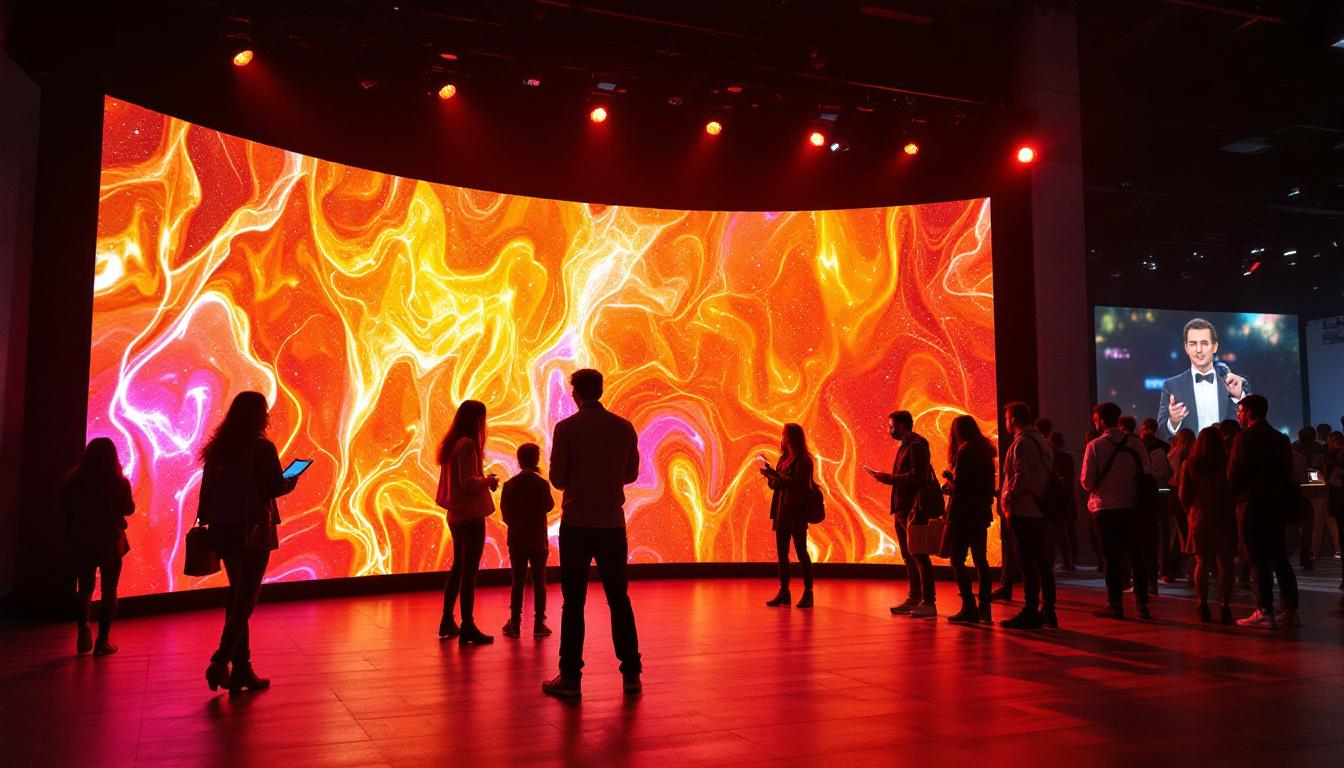
Many contemporary galleries and museums now incorporate LED backdrops as part of their exhibition design. These displays allow curators to present digital reproductions of artworks with exceptional fidelity or to showcase multimedia art pieces that combine video, animation, and sound.
For instance, the Tate Modern in London has utilized LED walls to complement traditional paintings with immersive digital environments, creating a multisensory experience that attracts diverse audiences.
Performing Arts and Event Productions
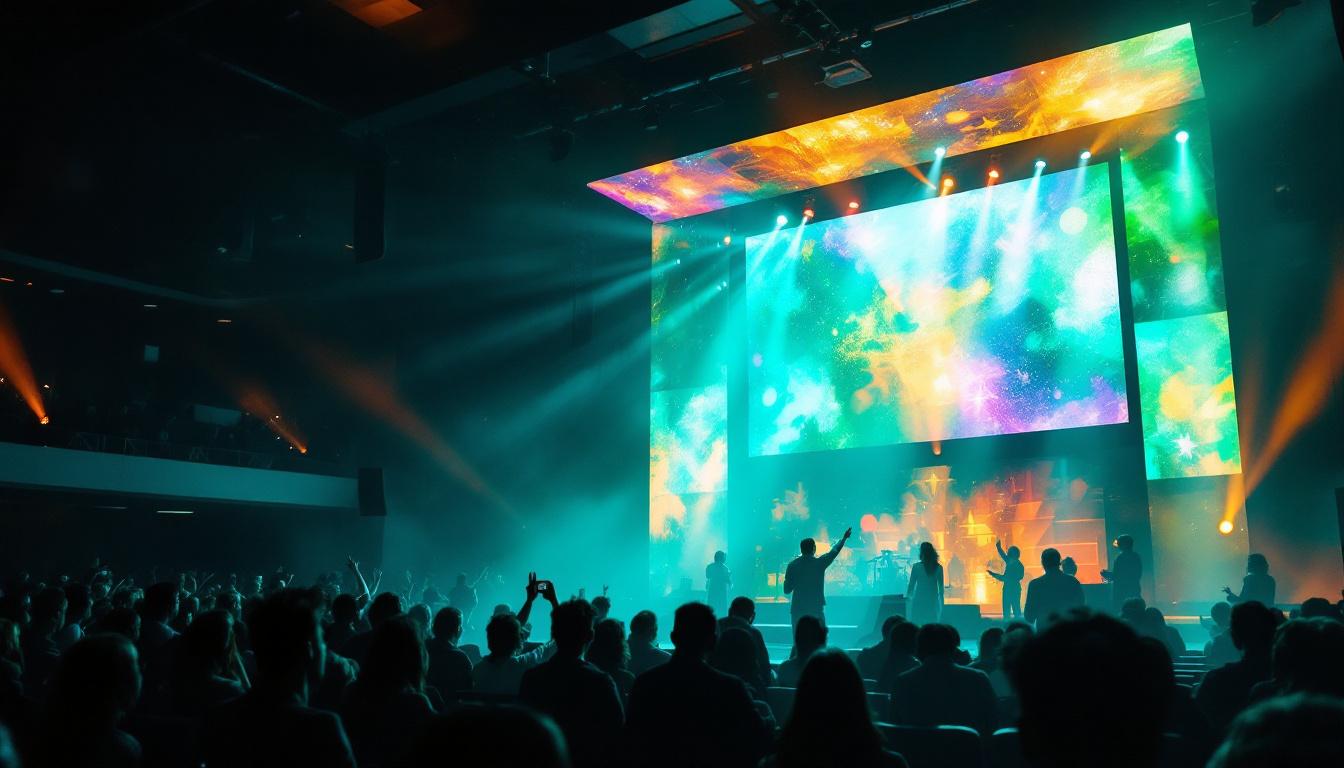
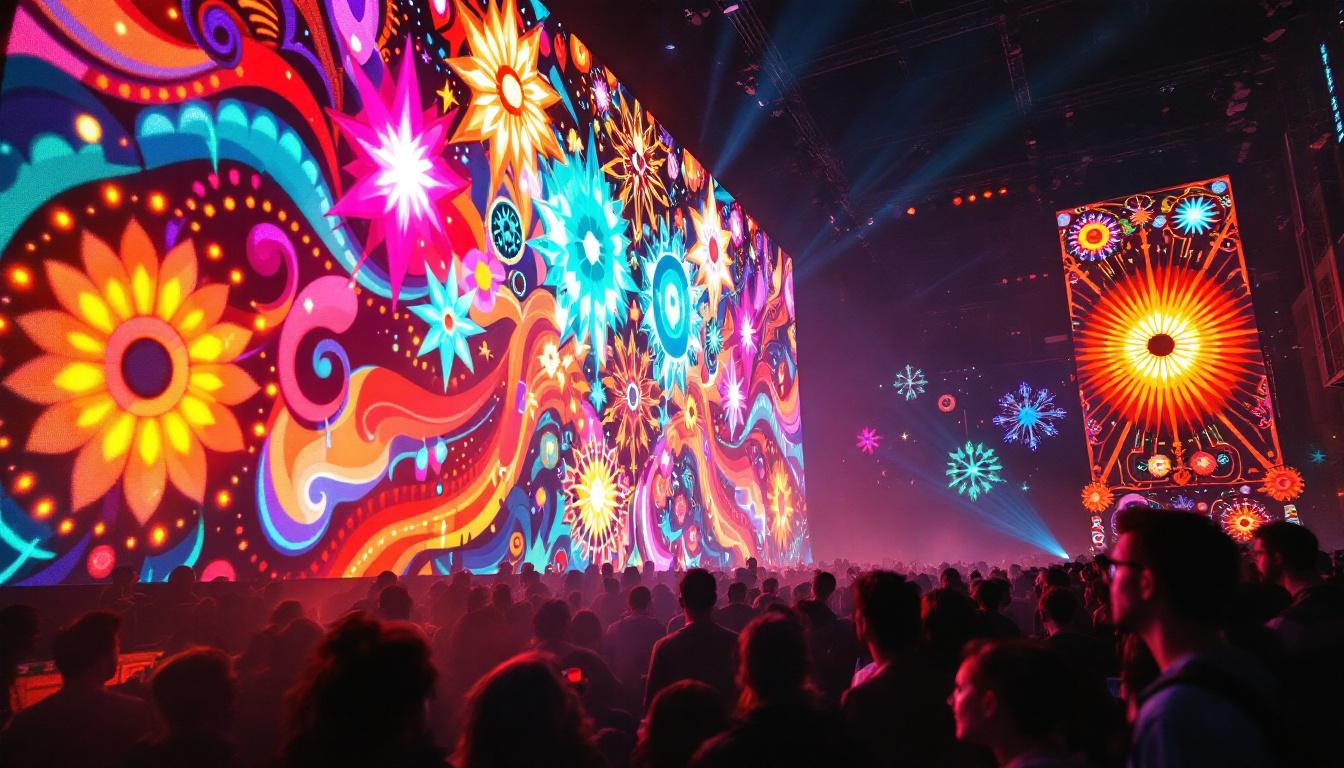
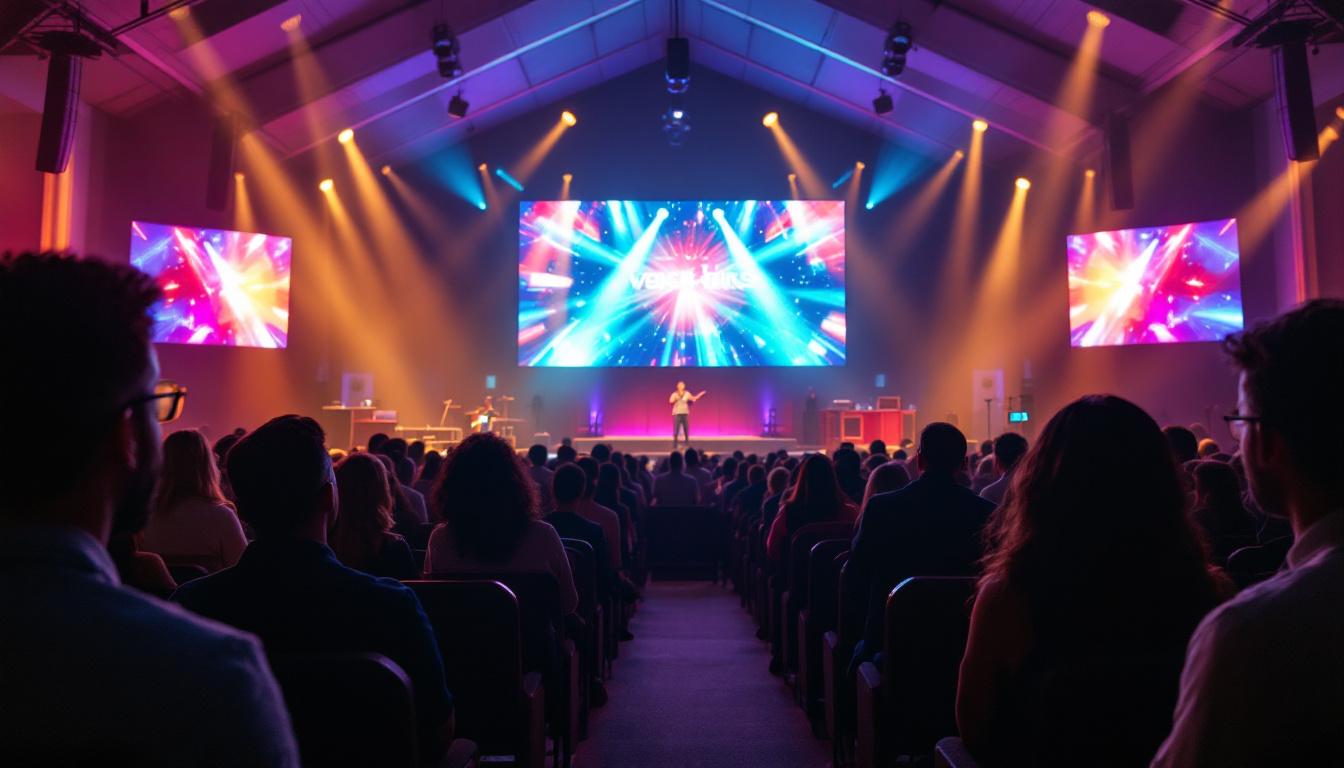
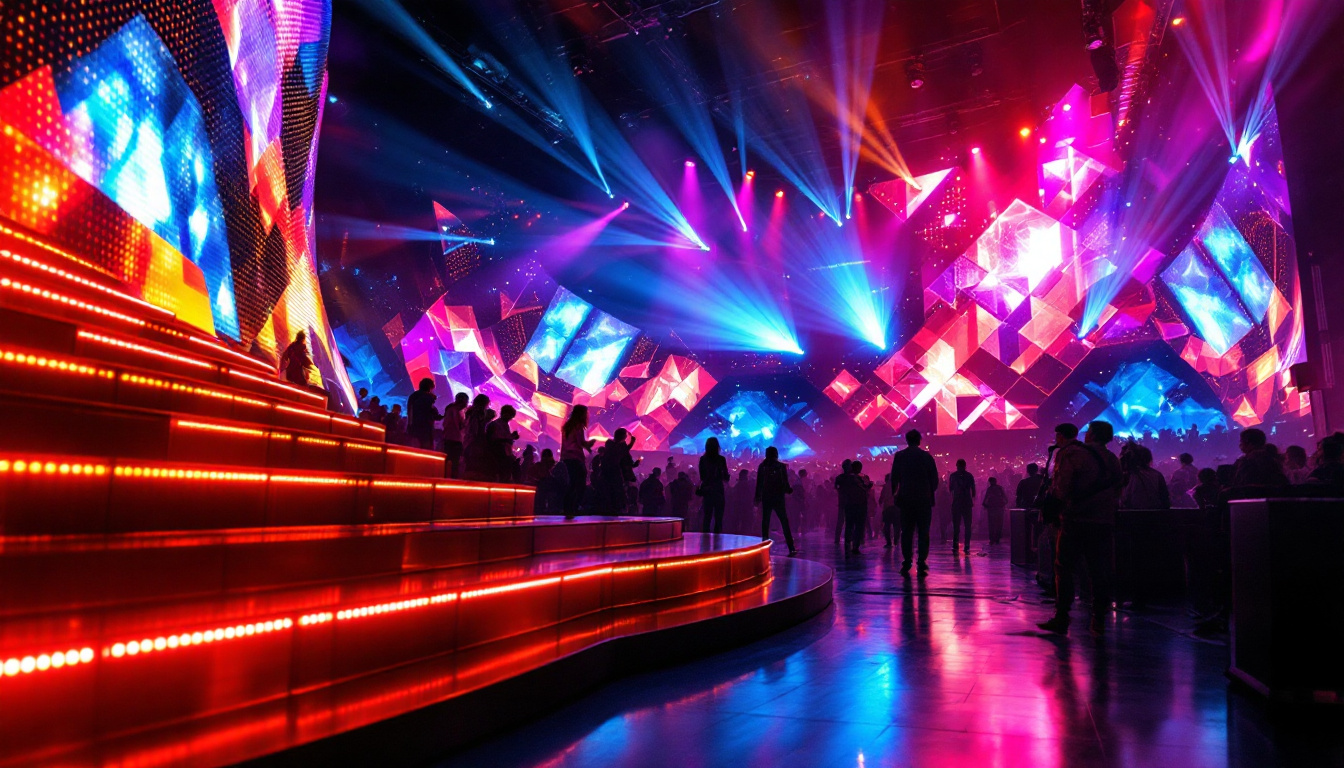
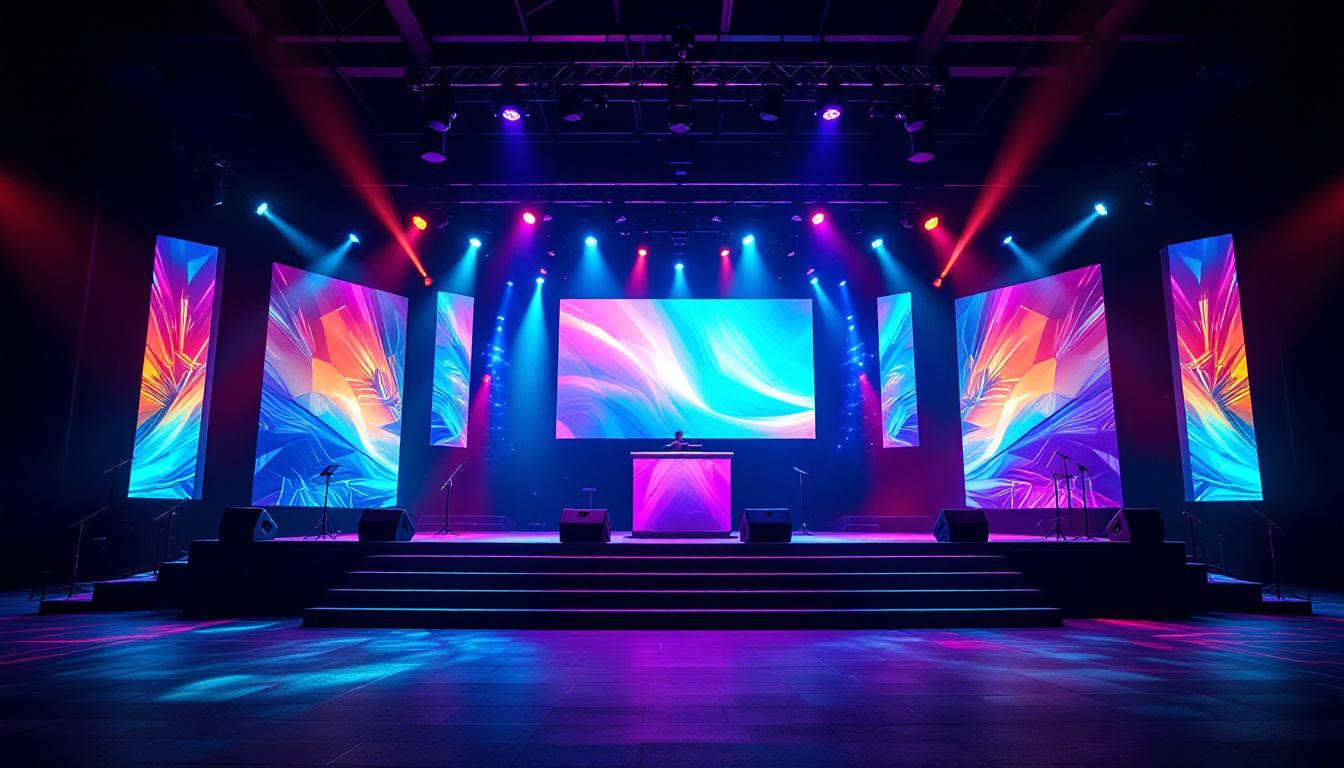
The performing arts sector has embraced LED backdrops for their ability to transform stage environments instantly. From theater productions to concerts, LED displays provide dynamic scenic elements that can be tailored to different scenes or moods without the need for physical set changes.
Events such as the Met Gala and major music festivals often feature LED backdrops that serve both aesthetic and functional roles, enhancing visual storytelling and audience immersion.
Public Art Installations
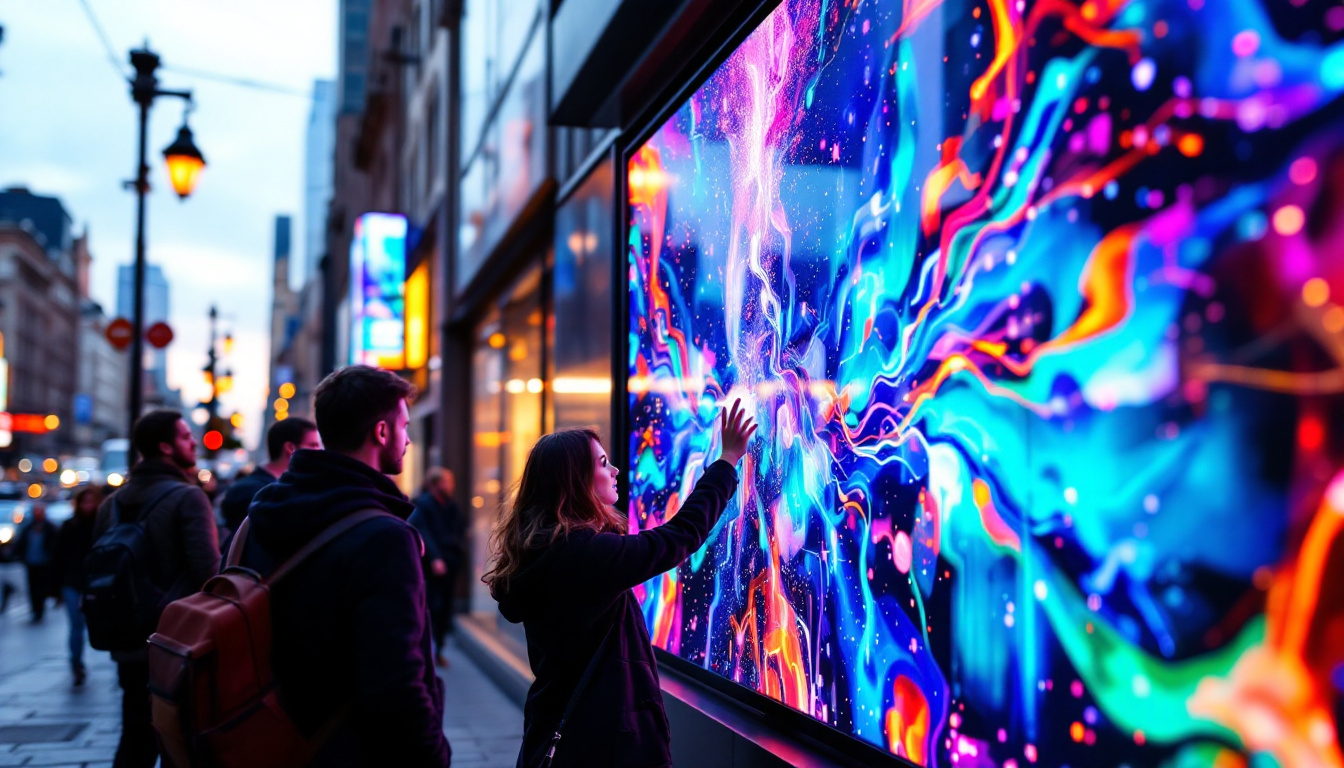
Urban spaces and public art projects have increasingly incorporated large-scale LED installations. These projects leverage the technology’s brightness and weather resistance to create engaging artworks that interact with cityscapes and communities.
Notable examples include LED murals that respond to environmental data or social media inputs, fostering a sense of connection between the artwork and its audience.
Key Considerations When Using LED Displays for Fine Art Backdrops
While LED displays offer many benefits, there are important factors to consider to ensure successful implementation and preservation of artistic intent.
Resolution and Pixel Pitch
The resolution of an LED display is determined by its pixel pitch—the distance between individual LED clusters. For fine art backdrops, a smaller pixel pitch (e.g., 1.2 mm to 2.5 mm) is preferable to achieve high detail and smooth gradients. Larger pixel pitches may result in visible pixelation, detracting from the artwork’s quality.
Choosing the appropriate resolution depends on the viewing distance and the size of the display. For close-up gallery viewing, higher resolution is essential, whereas larger outdoor installations can tolerate coarser pixel pitches.
Color Calibration and Consistency
Maintaining color accuracy across the entire display surface requires professional calibration. Factors such as temperature changes, aging of LEDs, and installation conditions can affect color consistency. Regular calibration ensures that the displayed artwork remains true to the artist’s vision over time.
Installation and Environmental Factors
Proper installation is critical to optimize the display’s performance and longevity. This includes considerations of mounting, ventilation, and protection from dust or moisture. For outdoor installations, weatherproofing and sunlight readability are paramount.
Additionally, the ambient lighting conditions of the venue should be assessed to adjust brightness and contrast settings accordingly, ensuring the artwork is visible without causing glare or eye strain.
Content Management and Playback Systems
LED displays require compatible media players and content management systems to handle the playback of high-resolution images and videos. Selecting reliable hardware and software that support color profiles and dynamic content is essential for seamless presentations.
Many LED display providers offer integrated solutions that simplify content scheduling, remote monitoring, and troubleshooting, which can be valuable for complex exhibitions or events.
Future Trends in LED Displays for Fine Art
The intersection of technology and art continues to evolve rapidly, with LED displays playing a central role in this transformation.
Higher Resolution and Miniaturization
Advancements in micro-LED technology promise even higher resolutions and thinner, more flexible displays. These developments will enable artists to create ultra-detailed backdrops that blend seamlessly with physical environments, pushing the boundaries of digital art.
Augmented Reality and Interactivity
Integration of LED displays with augmented reality (AR) and sensor technologies is opening new avenues for interactive art. Viewers may soon experience backdrops that change based on their movements, gestures, or biometric data, creating personalized and immersive encounters.
Sustainability and Energy Efficiency
As environmental concerns grow, manufacturers are focusing on making LED displays more energy-efficient and recyclable. Sustainable practices in production and operation will become increasingly important for art institutions aiming to reduce their ecological footprint.
Conclusion
LED display technology has revolutionized the way fine art backdrops are created and experienced. Its superior color accuracy, dynamic capabilities, and durability make it an invaluable tool for artists, curators, and event professionals seeking to engage audiences in innovative ways. By understanding the technical aspects and practical considerations, stakeholders can harness the full potential of LED displays to elevate the presentation of fine art in diverse settings.
As technology advances, the fusion of LED displays with emerging digital trends promises to further enrich the cultural landscape, offering exciting possibilities for the future of fine art backdrops.
Discover the Future of Fine Art Backdrops with LumenMatrix
Embrace the future of fine art display with LumenMatrix’s cutting-edge LED technology. As a leader in innovative LED solutions, LumenMatrix offers a diverse range of products tailored to create stunning visual experiences that captivate and engage. From the immersive Indoor LED Wall Display to the dynamic Outdoor LED Wall Display, and from the versatile LED Poster Display to the interactive Floor LED Display, our mission is to revolutionize your visual storytelling. Elevate your artistic and commercial presentations with our state-of-the-art LED displays. Check out LumenMatrix LED Display Solutions and transform your space into a vibrant canvas of light and color.