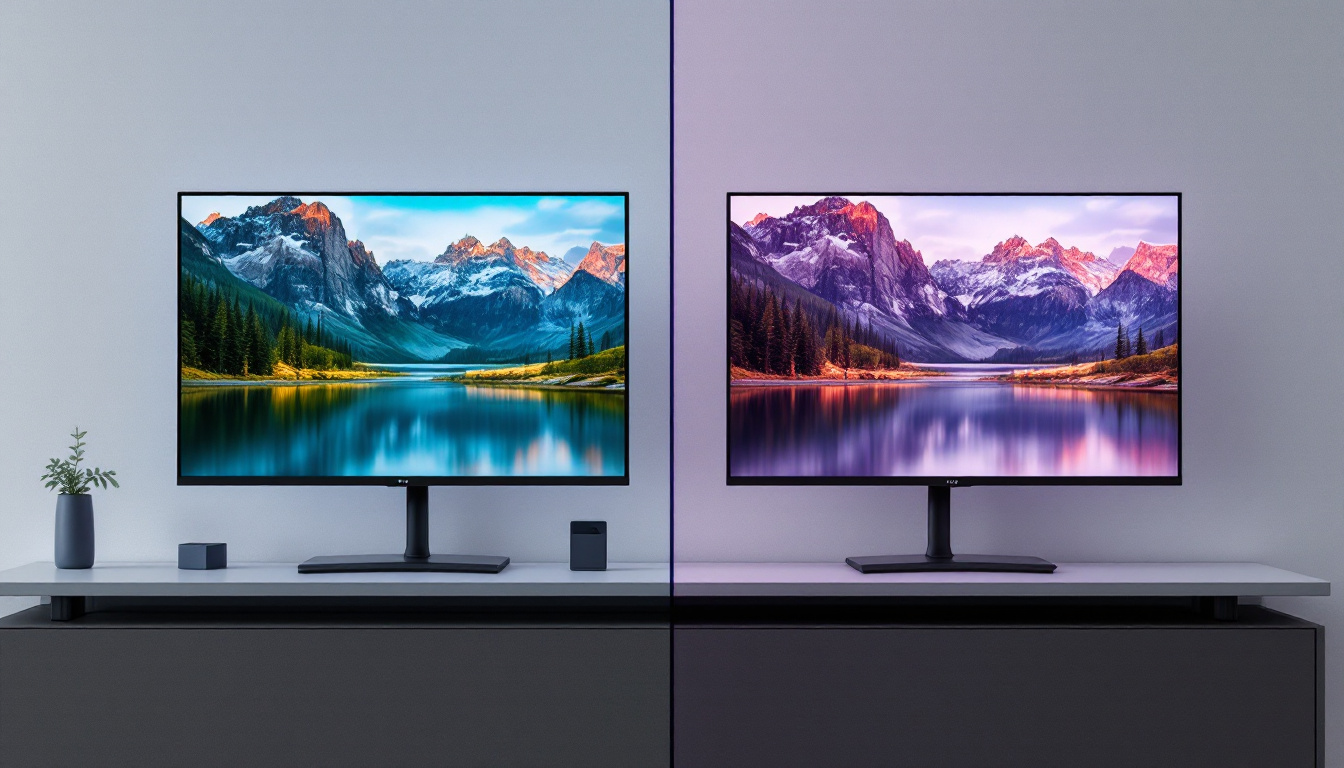
In today’s rapidly evolving world of television technology, the integration of smart touch screens with LED displays is transforming how users interact with their TVs. These innovations not only enhance visual quality but also redefine user experience by blending intuitive touch controls with vibrant, energy-efficient displays. This article delves into the intricacies of TV smart touch screens and LED displays, exploring their technology, benefits, and what consumers should consider when choosing their next television.
Understanding LED Display Technology in TVs
What is an LED Display?
LED, or Light Emitting Diode, displays have become the standard in modern television screens. Unlike traditional LCDs that use cold cathode fluorescent lamps (CCFLs) for backlighting, LED TVs utilize arrays of tiny LEDs to illuminate the screen. This shift has allowed for thinner, more energy-efficient panels with superior brightness and contrast.
LED displays work by controlling the light emitted from these diodes to create images. The LEDs can be arranged in different configurations, such as edge-lit or full-array backlighting, each impacting the display’s performance characteristics like contrast ratio and uniformity. The precision with which these LEDs can be controlled also plays a crucial role in enhancing the viewing experience, as they can adjust brightness levels dynamically based on the content being displayed, ensuring that dark scenes remain rich and detailed without losing important visual information.
Types of LED Backlighting
There are primarily two types of LED backlighting used in TVs: edge-lit and full-array. Edge-lit LED TVs position LEDs along the edges of the screen, which then distribute light across the display using light guides. This design allows for ultra-thin screens but can sometimes lead to uneven brightness or “clouding” effects. While edge-lit models are often more affordable and aesthetically pleasing due to their slim profiles, they may not deliver the same level of picture quality as their full-array counterparts.
Full-array LED TVs, on the other hand, place LEDs directly behind the screen in a grid pattern. This setup enables local dimming, where specific zones of LEDs can be dimmed or brightened independently, resulting in deeper blacks and enhanced contrast. This technology is particularly beneficial for viewing high dynamic range (HDR) content, which demands precise brightness control. Furthermore, some full-array models incorporate advanced features like mini-LED technology, which uses smaller LEDs for even greater precision in local dimming, allowing for a more immersive viewing experience with stunning detail in both bright and dark scenes.
Advantages of LED Displays
LED TVs offer several advantages over older display technologies. They consume less power, contributing to energy savings and environmental benefits. The lifespan of LED panels is generally longer, often exceeding 60,000 hours of use. Additionally, LED displays provide sharper images with higher brightness levels, making them suitable for viewing in well-lit rooms. This is particularly advantageous for families who enjoy watching movies or sports during the day, as the enhanced brightness ensures that the picture remains clear and vibrant even in sunlight.
Another key benefit is the improved color accuracy and wider color gamut supported by many modern LED TVs, especially those incorporating quantum dot technology. This enhancement allows for richer, more vibrant colors, elevating the overall viewing experience. Furthermore, advancements in processing technology have led to better upscaling capabilities, allowing lower-resolution content to be displayed with remarkable clarity. As a result, viewers can enjoy their favorite shows and movies in stunning detail, regardless of the original source quality. With the continuous evolution of LED technology, consumers can expect even more innovations that will further enhance their home entertainment experience.
The Rise of Smart Touch Screen TVs
What Defines a Smart Touch Screen TV?
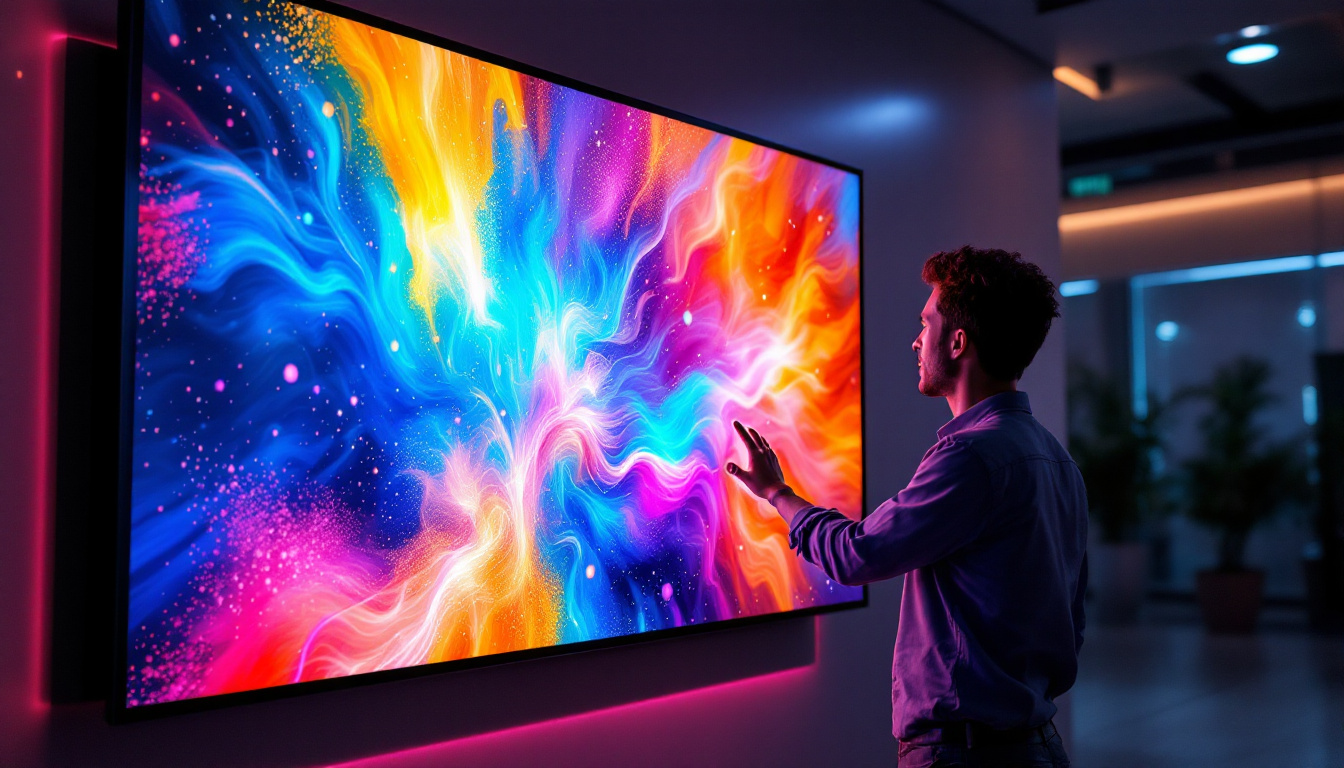
A smart touch screen TV combines the functionality of a traditional television with interactive touch capabilities, similar to those found on smartphones and tablets. This integration allows users to navigate menus, control settings, and access apps directly on the screen through touch gestures, eliminating the need for a remote control in many cases.
Smart TVs are equipped with internet connectivity and operating systems that support streaming services, web browsing, and app installations. When combined with touch screen technology, these features become more accessible and user-friendly, especially for individuals who prefer direct interaction over remote navigation.
Benefits of Touch Screen Integration
The inclusion of touch screens in TVs offers several practical advantages. For one, it simplifies user interaction by enabling intuitive gestures such as swiping, tapping, and pinching to zoom. This can be particularly helpful for navigating complex menus or typing using an on-screen keyboard.
Touch screens also enhance accessibility for users with mobility challenges who may find traditional remote controls cumbersome. Moreover, touch-enabled smart TVs can support multi-user profiles and personalized settings, making it easier for households to share a single device while maintaining individual preferences.
Applications Beyond Entertainment
Beyond streaming and gaming, smart touch screen TVs are increasingly used in educational and professional settings. Interactive lessons, video conferencing, and collaborative presentations benefit from the touch interface, turning the TV into a versatile tool for communication and learning.
In smart homes, these TVs can serve as control hubs for connected devices, allowing users to manage lighting, security cameras, and thermostats directly from the screen. This convergence of entertainment and home automation underscores the growing importance of smart touch screen TVs in daily life.
How LED Displays Enhance Smart Touch Screen TVs
Optimizing Display Quality for Touch Interaction
Integrating touch technology with LED displays requires careful consideration of display quality to ensure responsiveness and clarity. LED panels provide the brightness and color accuracy necessary for clear visibility of touch elements, even in brightly lit environments.
High refresh rates and low latency are critical to delivering a smooth touch experience. Modern LED TVs often feature refresh rates of 120Hz or higher, reducing motion blur and improving the responsiveness of touch inputs, which is essential for applications like gaming or real-time navigation.
Durability and Screen Protection
Touch screens are subject to frequent physical interaction, making durability a key factor. Many smart touch screen TVs employ reinforced glass or specialized coatings to resist scratches and fingerprints, preserving image quality over time.
Additionally, some models incorporate anti-glare and anti-reflective treatments, which are particularly important for touch screens to minimize distractions and improve visibility under various lighting conditions.
Energy Efficiency Considerations
LED technology inherently supports energy-efficient operation, which is beneficial given the increased power demands of touch screen components. Manufacturers often optimize power management to balance brightness and touch functionality without significantly increasing energy consumption.
Energy Star ratings and other certifications can guide consumers toward models that maintain high performance while minimizing environmental impact, an important consideration for eco-conscious buyers.
Choosing the Right TV Smart Touch Screen with LED Display
Key Features to Evaluate
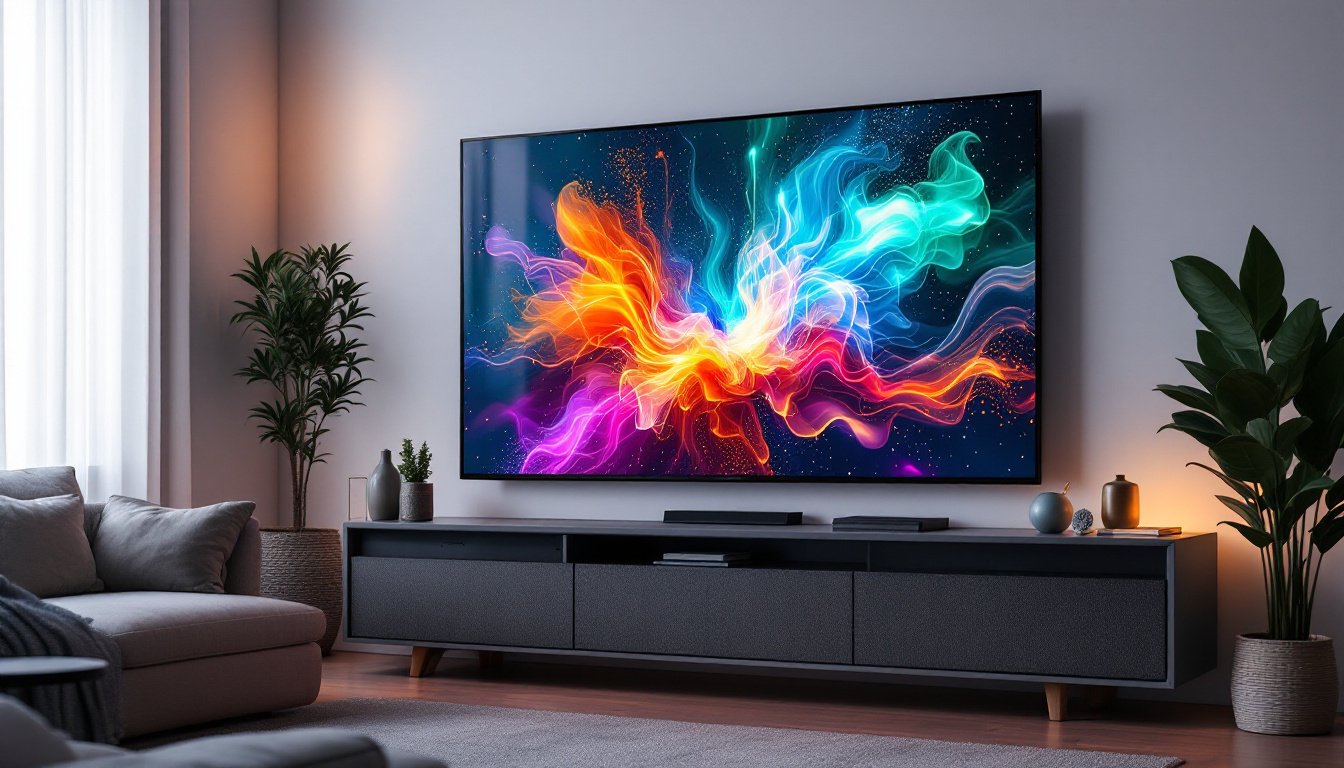
When selecting a smart touch screen TV with an LED display, several factors should be considered to ensure the device meets individual needs. Screen size and resolution are fundamental, with 4K UHD becoming the standard for sharp, detailed images.
Touch sensitivity and accuracy vary between models, so testing or researching user reviews can provide insights into the responsiveness of the touch interface. The operating system and app ecosystem are also crucial, as they determine the range of available content and services.
Connectivity and Compatibility
Robust connectivity options, including Wi-Fi, Bluetooth, and multiple HDMI ports, enhance the TV’s versatility. Compatibility with voice assistants and integration with other smart home devices can further enrich the user experience.
For households with multiple users, support for multi-touch gestures and user profiles can make the TV more adaptable to different preferences and usage scenarios.
Budget and Brand Considerations
Smart touch screen TVs with LED displays are available across a wide price range. While premium models offer advanced features like OLED hybrid panels or extensive local dimming zones, mid-range options often provide excellent value with solid performance.
Reputable brands with strong customer support and warranty policies can offer peace of mind, especially for devices with complex technology. Evaluating after-sales service and software update frequency is advisable to ensure long-term satisfaction.
Future Trends in Smart Touch Screen LED TVs
Advancements in Display Technology
The future of LED displays in smart touch screen TVs is promising, with ongoing research focused on improving brightness, contrast, and color reproduction. Quantum dot and mini-LED technologies are pushing the boundaries of what LED panels can achieve, delivering near-OLED levels of picture quality with enhanced durability.
Flexible and rollable LED displays are also emerging, potentially enabling new form factors and applications for smart TVs, such as wall-mounted or portable units that adapt to different environments.
Enhanced Interactivity and AI Integration
Artificial intelligence (AI) is set to play a larger role in smart TVs, enabling more personalized content recommendations, voice and gesture controls, and adaptive display settings that respond to ambient lighting and user habits.
Touch screen interfaces may evolve to include haptic feedback and multi-modal interaction, combining touch with voice and gesture recognition for a seamless user experience.
Eco-Friendly Innovations
As sustainability becomes a priority, manufacturers are exploring eco-friendly materials and manufacturing processes for LED displays and touch components. Energy-efficient designs and recyclable materials will likely become standard features, aligning with global efforts to reduce electronic waste and carbon footprints.
Conclusion
The integration of smart touch screens with LED display technology represents a significant leap forward in television innovation. These TVs offer not only stunning visual performance but also intuitive, interactive user experiences that cater to diverse needs, from entertainment to education and home automation.
Understanding the underlying LED technology, the benefits of touch integration, and the key factors to consider when purchasing can empower consumers to make informed decisions. As technology continues to advance, smart touch screen LED TVs will undoubtedly become even more versatile, immersive, and environmentally responsible, shaping the future of home entertainment.
Discover the Future of Visual Experience with LumenMatrix
Ready to elevate your viewing experience with the latest in smart touch screen and LED display technology? Look no further than LumenMatrix, a pioneer in crafting immersive visual displays that bring your content to life. From the comfort of your home to the vibrancy of outdoor advertising, our extensive range of solutions, including Indoor and Outdoor LED Wall Displays, Vehicle LED Displays, and more, are designed to meet your every need. Embrace the future of digital storytelling and check out LumenMatrix LED Display Solutions today to see how we can transform your space with unparalleled clarity and impact.