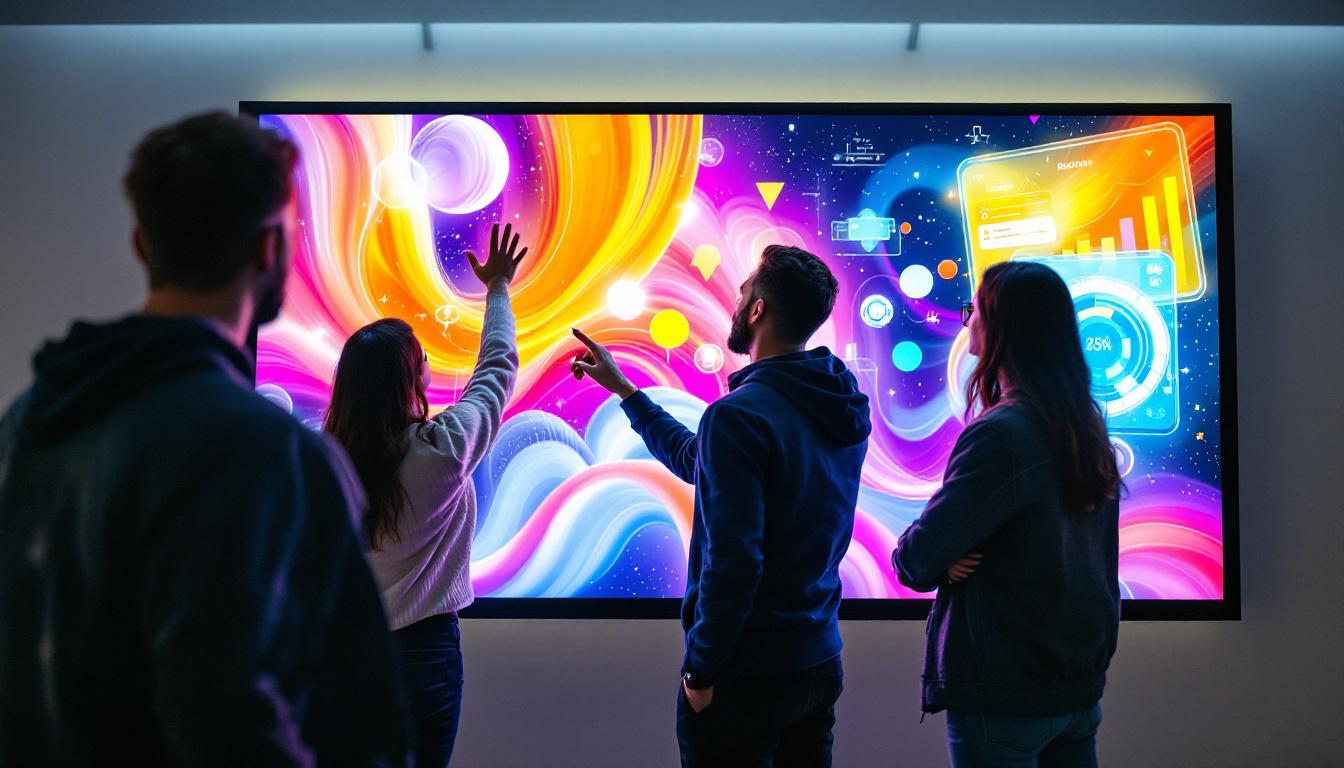
In the rapidly evolving landscape of digital technology, interactive touch walls equipped with LED displays have emerged as a transformative medium for communication, engagement, and information sharing. These large-scale, dynamic surfaces combine the visual brilliance of LED technology with intuitive touch interactivity, creating immersive experiences across retail, education, corporate environments, and public spaces.
This article delves into the fundamentals of interactive touch walls powered by LED displays, exploring their technology, applications, benefits, and future trends. By the end, readers will have a comprehensive understanding of how these innovative systems work and why they are becoming indispensable tools in modern digital interaction.
Understanding LED Technology in Interactive Touch Walls
What is an LED Display?
LED, or Light Emitting Diode, displays consist of an array of tiny light sources that emit light when an electric current passes through them. Unlike traditional LCD screens that rely on backlighting, LED displays produce their own light, resulting in brighter images, deeper blacks, and superior contrast ratios.
LED technology can be categorized mainly into two types used in interactive walls: direct-view LED and LED-backlit LCD. Direct-view LED displays are composed of individual LEDs arranged in a grid, allowing for large-scale, high-resolution visuals that are visible even under bright ambient light conditions. This makes them ideal for expansive interactive walls in public or well-lit environments. The versatility of LED displays also extends to their ability to be configured in various shapes and sizes, making them suitable for creative installations that can captivate audiences in museums, trade shows, and corporate spaces.
Furthermore, advancements in LED technology have led to the development of microLED and miniLED displays, which offer even finer pixel pitches and improved energy efficiency. These innovations allow for ultra-high-definition visuals with stunning clarity and color accuracy, enhancing the overall user experience in interactive applications. As a result, businesses and organizations are increasingly adopting LED technology to create immersive environments that engage users and convey information effectively.
How Does the Touch Function Integrate with LED Displays?
Integrating touch capabilities into LED walls involves sophisticated sensor technology layered over or embedded within the display. Common touch sensing methods include infrared (IR) touch frames, capacitive touch sensors, and optical cameras.
Infrared touch frames, for instance, create an invisible grid of IR light beams across the display surface. When a finger or object interrupts these beams, the system detects the precise location of the touch. Capacitive sensors, similar to those in smartphones, detect changes in electrical charge caused by a conductive object like a finger. Optical systems use cameras and image recognition to track touch points.
Each method has its advantages: IR frames are scalable and work well on large surfaces, capacitive sensors offer high accuracy and multi-touch support, and optical systems provide flexibility in detecting various touch types without physical contact. Additionally, the integration of haptic feedback technology can enhance the tactile experience, allowing users to feel a response when they interact with the display. This combination of visual and tactile feedback can significantly improve user engagement, making interactive touch walls not only functional but also enjoyable to use.
Moreover, the software that powers these interactive systems plays a crucial role in their effectiveness. Advanced gesture recognition algorithms can interpret a wide range of user inputs, from simple taps to complex swipes and pinches. This capability allows for intuitive navigation and interaction, transforming the way users engage with content. As interactive touch walls continue to evolve, the synergy between LED technology and touch functionality will pave the way for innovative applications across various industries, from education to entertainment and beyond.
Key Components of an Interactive Touch Wall
LED Panel
The LED panel is the heart of the interactive touch wall, responsible for rendering vivid images and videos. Modern LED panels boast pixel pitches as fine as 0.9mm, enabling ultra-high-definition displays suitable for close viewing distances. The choice of pixel pitch depends on the installation environment and intended use, balancing resolution, cost, and viewing distance.
Touch Sensor Layer
The touch sensor layer is integrated with the LED panel to capture user input. In large-format walls, this layer must be robust and responsive to support multiple simultaneous touch points. Advanced systems support up to 20 or more touch points, enabling collaborative interactions such as multi-user drawing, gaming, or data manipulation.
Processing Unit and Software
The processing unit interprets touch inputs and manages the display content. This includes powerful embedded processors or external computers running specialized software that supports gesture recognition, multi-touch interactions, and seamless content playback. Software platforms often provide customizable interfaces, allowing businesses to tailor the interactive experience to their specific needs.
Connectivity and Integration
Interactive touch walls are typically equipped with multiple connectivity options such as HDMI, USB, Ethernet, and wireless protocols. This facilitates integration with other systems like digital signage networks, content management systems, and IoT devices, expanding the functionality and reach of the interactive wall.
Applications of Interactive Touch Walls with LED Displays
Retail and Advertising
Retailers leverage interactive touch walls to create engaging brand experiences that attract and retain customers. For example, fashion stores use touch walls to showcase product catalogs where customers can browse, customize, and visualize apparel in real time. According to a 2023 report by Grand View Research, interactive digital signage in retail is expected to grow at a CAGR of over 8% through 2028, driven by consumer demand for personalized shopping experiences.
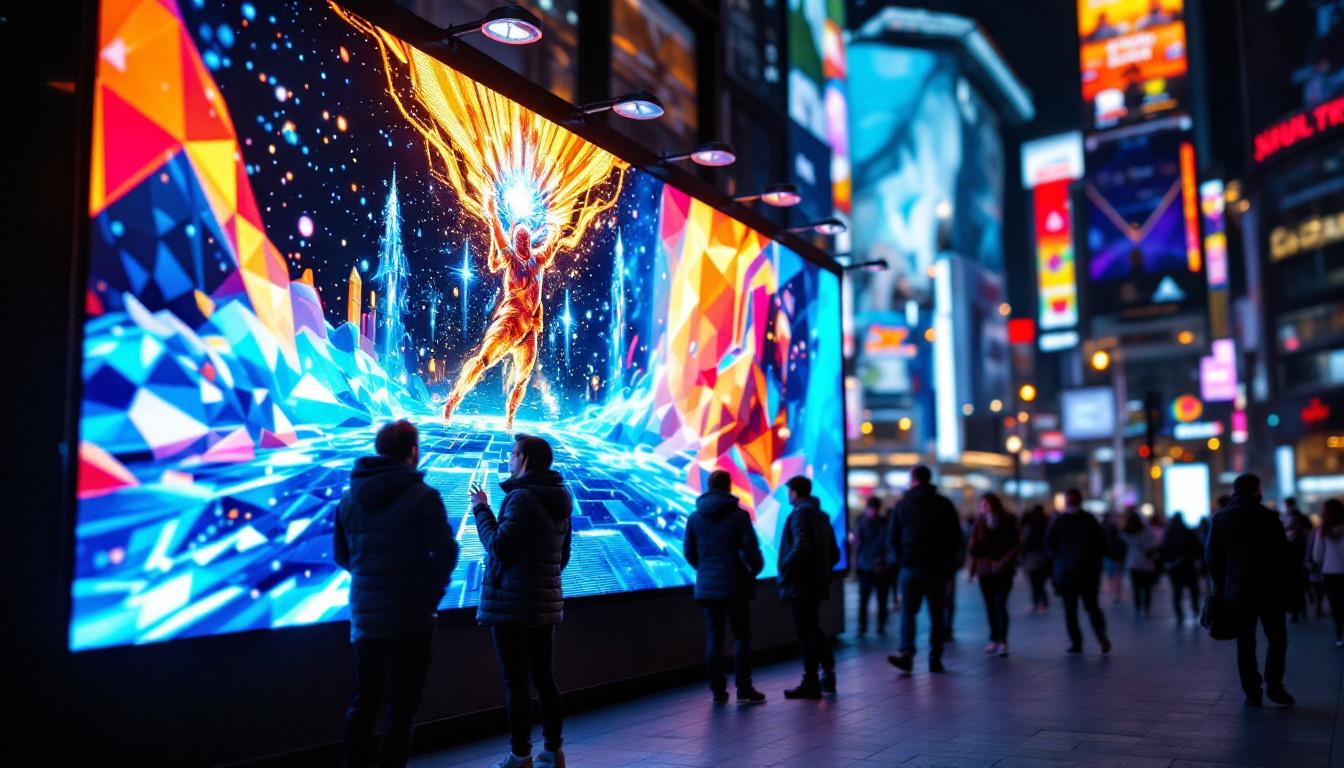
Advertising agencies utilize these walls for dynamic campaigns that combine motion graphics with touch interactivity, increasing viewer engagement and dwell time in high-traffic areas such as malls and airports.
Education and Training
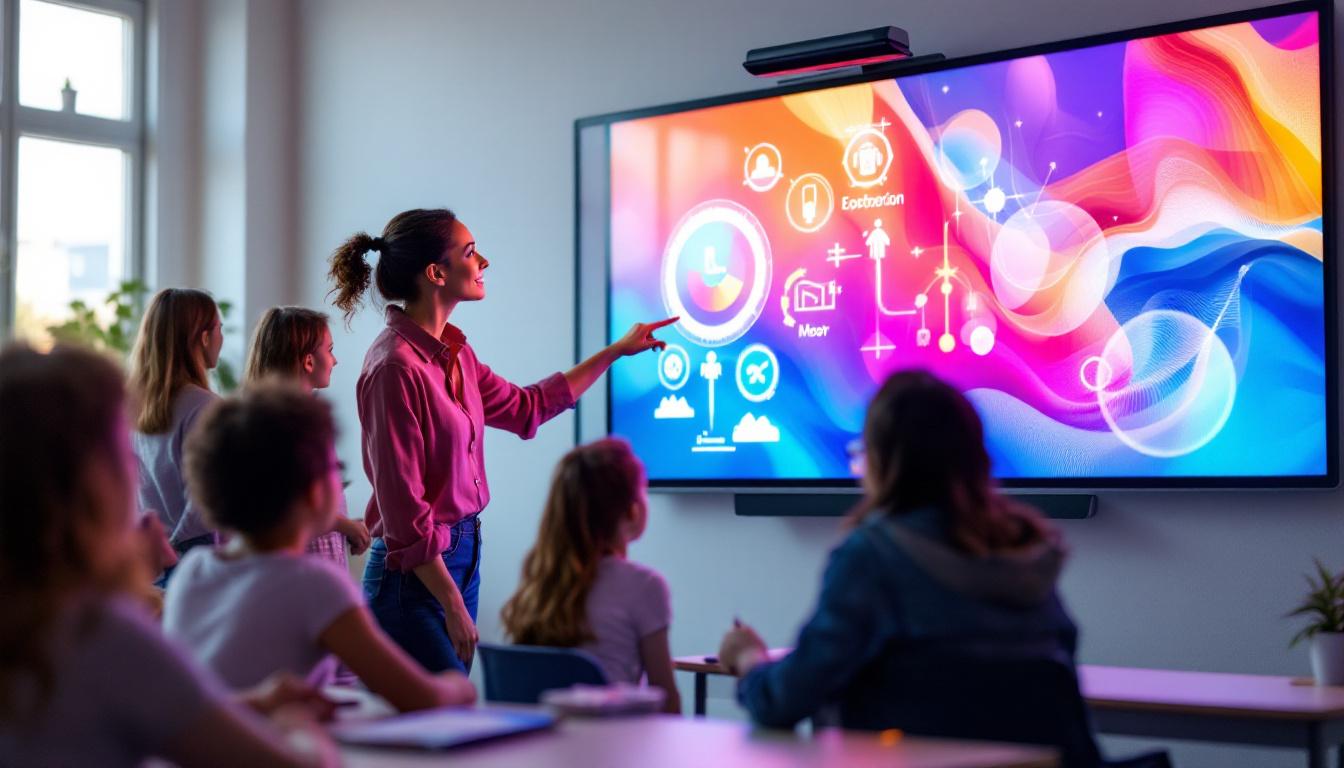
Interactive touch walls transform traditional classrooms and training centers by fostering collaborative learning environments. Educators can display complex diagrams, videos, and interactive quizzes that respond to touch, making lessons more engaging and accessible. Studies show that interactive learning tools improve knowledge retention by up to 25% compared to conventional teaching methods.
Corporate training programs also benefit from interactive walls by enabling hands-on simulations and real-time feedback, enhancing skill development and learner participation.
Corporate and Conference Environments
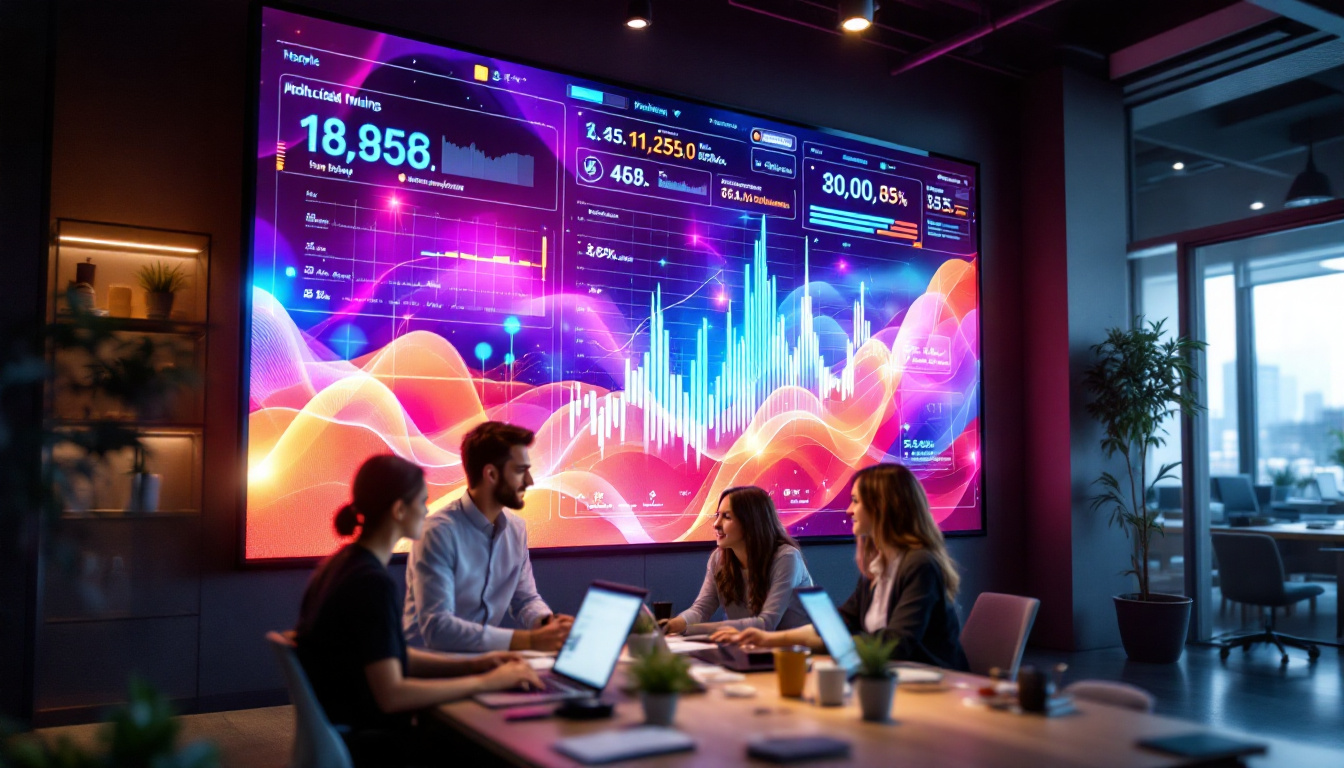
In corporate settings, interactive touch walls serve as powerful tools for presentations, brainstorming sessions, and data visualization. Teams can manipulate charts, annotate documents, and collaborate on projects in real time, regardless of physical location when combined with remote conferencing technologies.
Large enterprises report increased meeting efficiency and decision-making speed after integrating interactive walls into their conference rooms, highlighting the technology’s impact on productivity.
Public Spaces and Museums
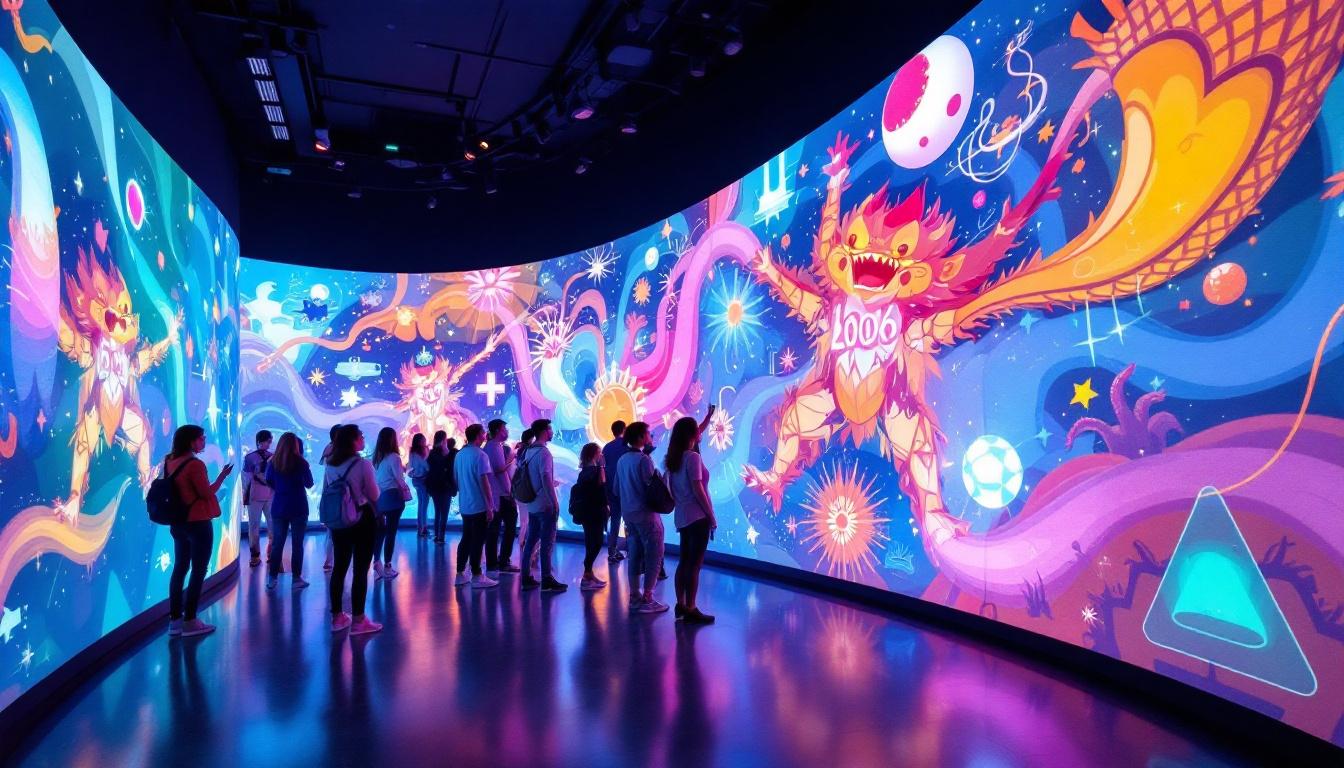
Museums, galleries, and public venues use interactive touch walls to enhance visitor engagement. These walls can display high-resolution images, videos, and interactive maps that visitors navigate intuitively. For example, a natural history museum might feature a touch wall that allows visitors to explore detailed 3D models of fossils or ecosystems.
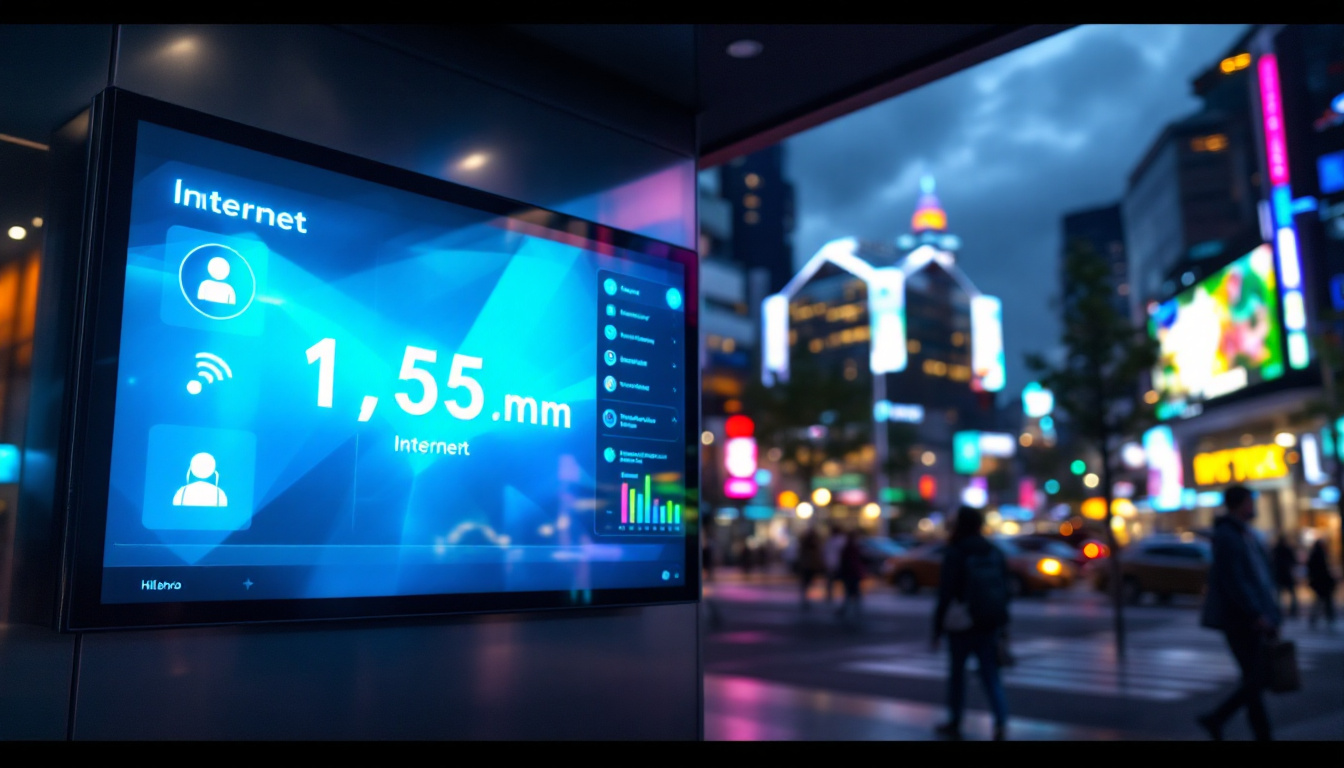
Public information kiosks equipped with LED touch walls provide accessible, up-to-date information in transit stations, city centers, and event venues, improving user experience and operational efficiency.
Advantages of Interactive Touch Walls with LED Displays
Enhanced Visual Impact
LED displays offer unparalleled brightness, color accuracy, and contrast, making content visually striking even in brightly lit environments. This visual impact is crucial for capturing attention and conveying messages effectively in competitive spaces such as retail or public advertising.
Multi-Touch and Multi-User Capability
Interactive touch walls support multiple simultaneous touch points, enabling collaborative interactions that foster teamwork and creativity. This is particularly valuable in educational and corporate contexts where group participation enhances outcomes.
Scalability and Customization
LED walls can be customized in size and shape to fit diverse spaces and design requirements. Modular LED panels allow for scalable installations, from small interactive kiosks to entire building facades, offering flexibility for various applications.
Durability and Low Maintenance
LED technology is known for its longevity and energy efficiency. Interactive touch walls built with high-quality LEDs and robust touch sensors require minimal maintenance, reducing total cost of ownership over time.
Real-Time Content Updates
Connected to content management systems, interactive walls can receive real-time updates, enabling dynamic content changes based on time, audience, or environmental factors. This adaptability enhances relevance and engagement.
Challenges and Considerations
Cost and Installation Complexity
High-resolution LED touch walls represent a significant investment, including hardware, software, and installation costs. Professional installation is often required to ensure proper calibration and integration, which can extend project timelines.
Environmental Factors
While LED displays perform well in various lighting conditions, extreme temperatures, humidity, or direct sunlight exposure can affect performance and lifespan. Proper environmental controls and protective enclosures are necessary for outdoor or harsh environment installations.
Content Development
Creating compelling, interactive content tailored to the touch wall’s capabilities requires specialized skills in graphic design, UX/UI, and software development. Organizations must invest in content strategy and production to maximize the technology’s potential.
Future Trends in Interactive Touch Walls and LED Displays
Advancements in MicroLED and MiniLED Technology
Emerging microLED and miniLED technologies promise even higher resolution, improved energy efficiency, and thinner form factors. These advancements will enable more seamless and immersive interactive walls with enhanced visual fidelity.
Integration with Artificial Intelligence
AI-powered interactive walls will offer personalized user experiences by recognizing user behavior, preferences, and context. For instance, retail walls might adapt product recommendations based on customer interactions, while educational walls could adjust difficulty levels dynamically.
Augmented Reality (AR) and Mixed Reality (MR) Integration
Combining interactive LED walls with AR and MR technologies will create hybrid experiences where digital content blends with physical environments. This integration will open new possibilities for storytelling, training, and entertainment.
Increased Connectivity and IoT Integration
Future interactive walls will be more deeply integrated into the Internet of Things ecosystem, allowing seamless communication with other smart devices and systems. This connectivity will enable context-aware content delivery and enhanced operational management.
Conclusion
Interactive touch walls with LED displays represent a convergence of cutting-edge visual and interactive technologies that are reshaping how people engage with digital content in public and private spaces. Their ability to deliver vibrant visuals combined with intuitive touch interactivity makes them powerful tools for communication, collaboration, and entertainment.
As LED technology continues to evolve and integrate with AI, AR, and IoT, the potential applications and impact of interactive touch walls will expand dramatically. For organizations considering adopting this technology, understanding its components, benefits, and challenges is essential for making informed decisions that maximize return on investment and user engagement.
Whether enhancing customer experiences in retail, transforming educational environments, or revolutionizing corporate collaboration, interactive touch walls with LED displays are poised to become a cornerstone of digital interaction in the years ahead.
Discover LumenMatrix LED Display Solutions
Ready to elevate your space with the latest in interactive touch wall technology? Look no further than LumenMatrix, where innovation meets visual excellence. Our extensive range of LED display solutions, from Indoor and Outdoor LED Wall Displays to Custom and All-in-One LED Displays, is designed to captivate your audience and amplify your message. Embrace the future of digital interaction and Check out LumenMatrix LED Display Solutions today to transform your communication and engagement strategies.