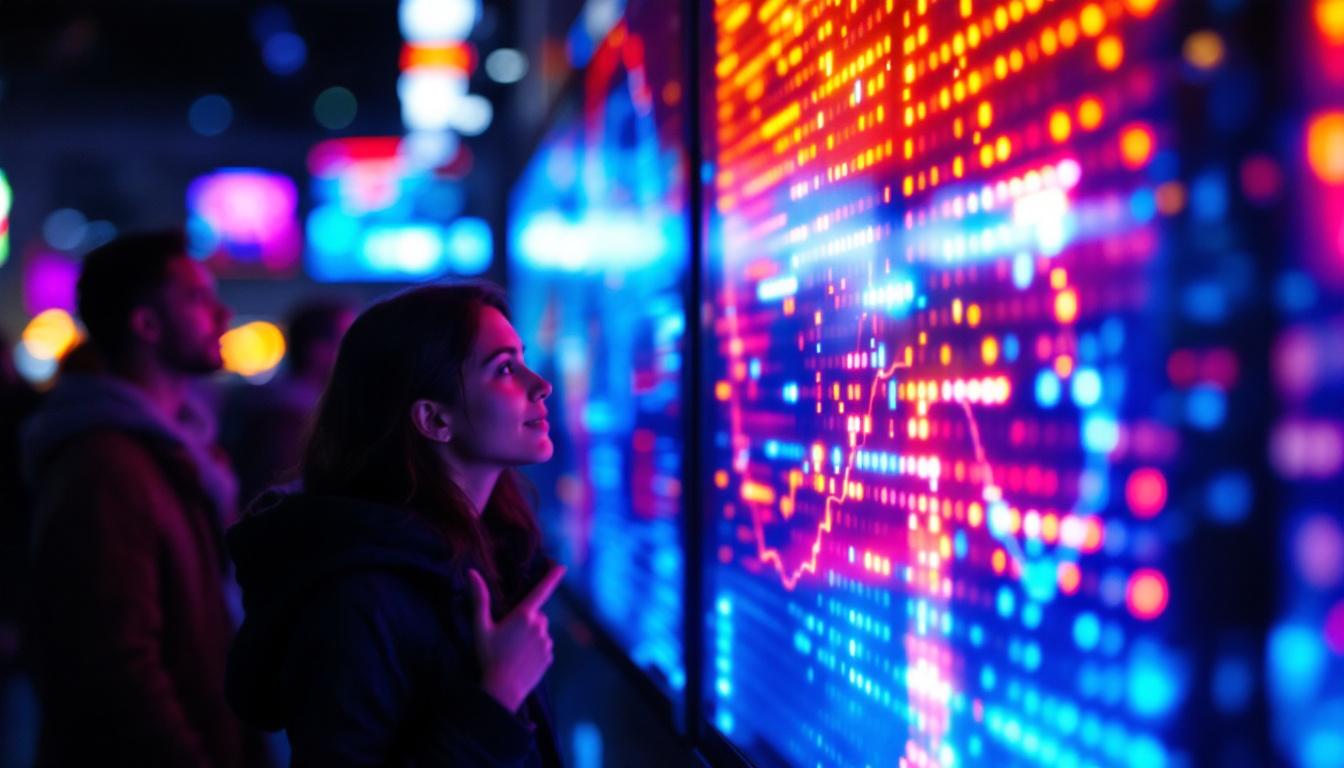
In today’s digital age, LED displays have become a cornerstone technology for visual communication, from outdoor advertising billboards to indoor digital signage and massive stadium screens. Despite their ubiquity, many people remain curious about what LED displays truly are, how they work, and why they are preferred over other display technologies. This article aims to demystify LED displays by exploring their technology, applications, advantages, and future trends.
Understanding LED Display Technology
What is an LED Display?
LED stands for Light Emitting Diode, a semiconductor device that emits light when an electric current passes through it. An LED display is a flat panel display that uses an array of these tiny LEDs as pixels to produce images and videos. Unlike traditional LCD or plasma screens, LED displays generate their own light, which contributes to their brightness and clarity.
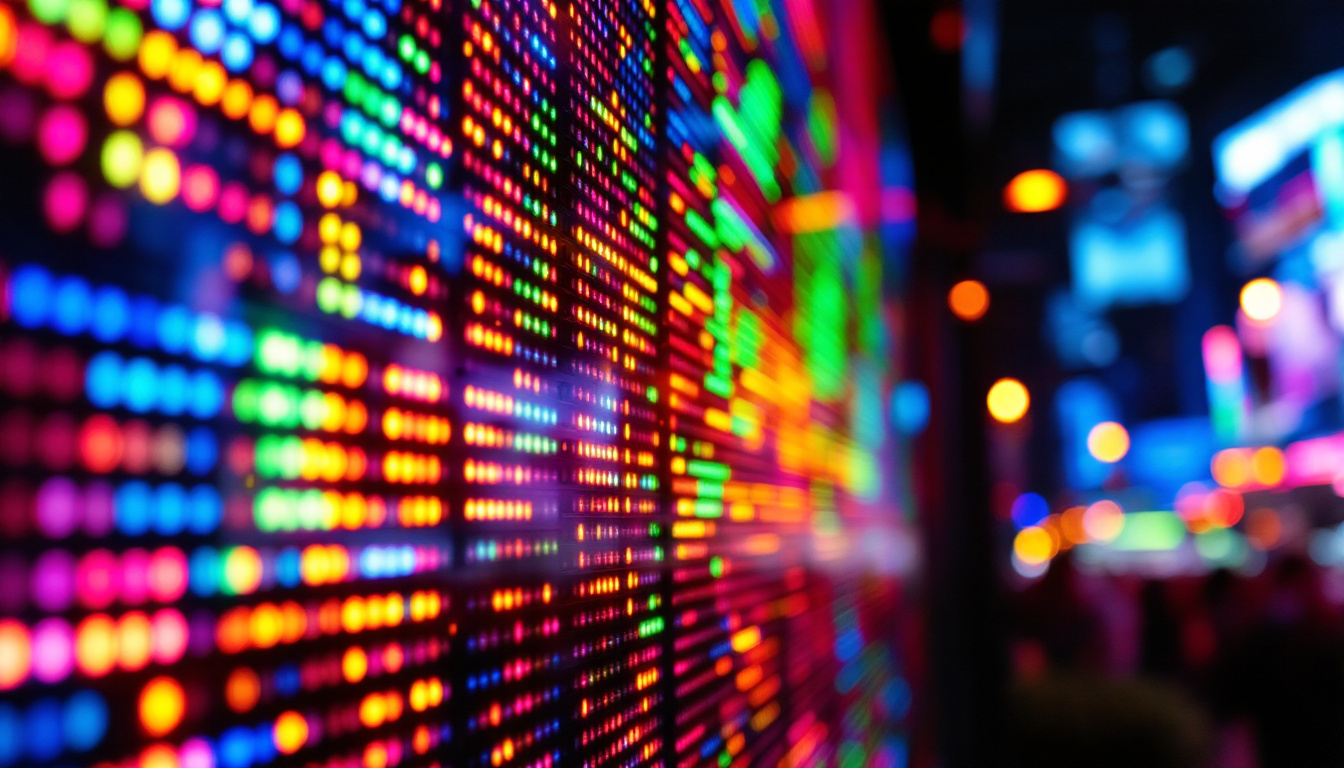
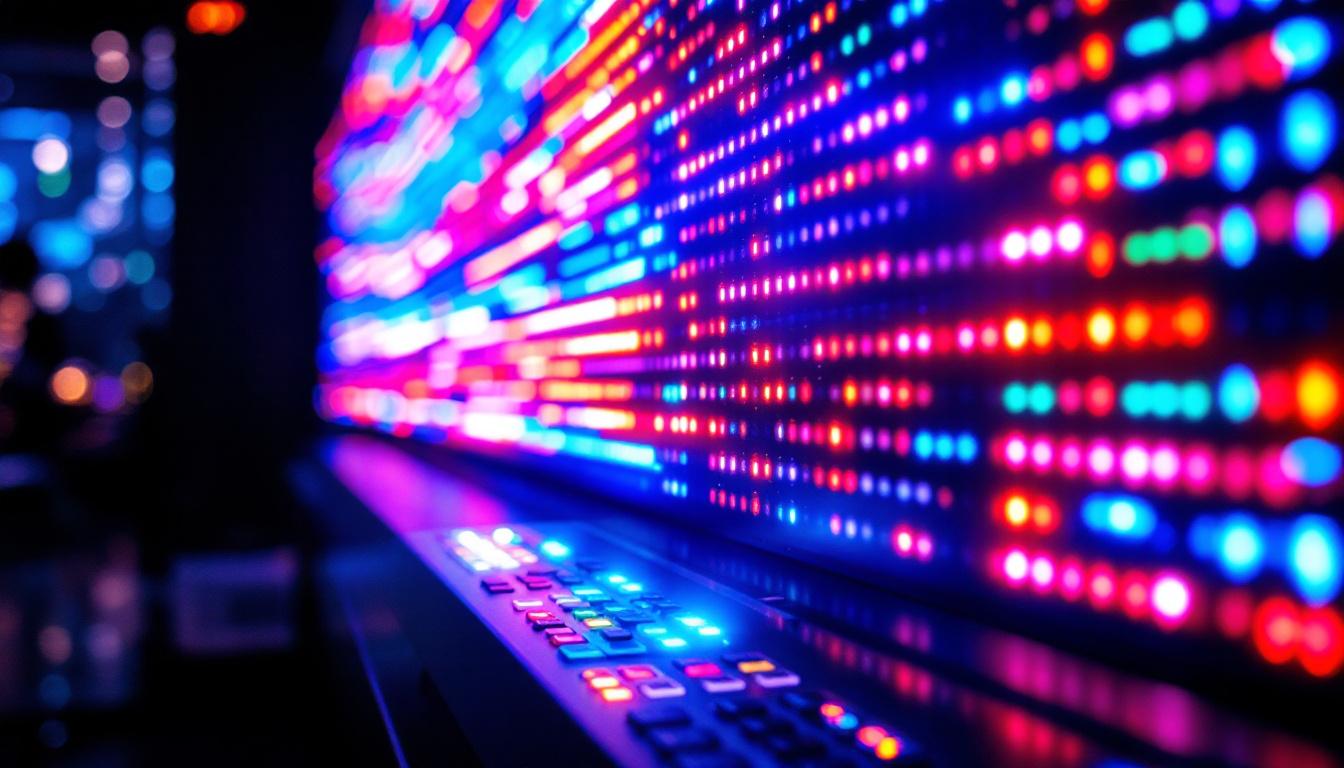
The basic building block of an LED display is the pixel, which consists of one or more LEDs. In full-color LED displays, each pixel typically contains three LEDs: red, green, and blue. By varying the intensity of each LED, the display can produce a wide spectrum of colors. This RGB combination enables vibrant, high-contrast images that are visible even in bright daylight conditions. The ability to adjust brightness and color dynamically makes LED displays particularly appealing for applications ranging from advertising to live event broadcasting, where visual impact is paramount.
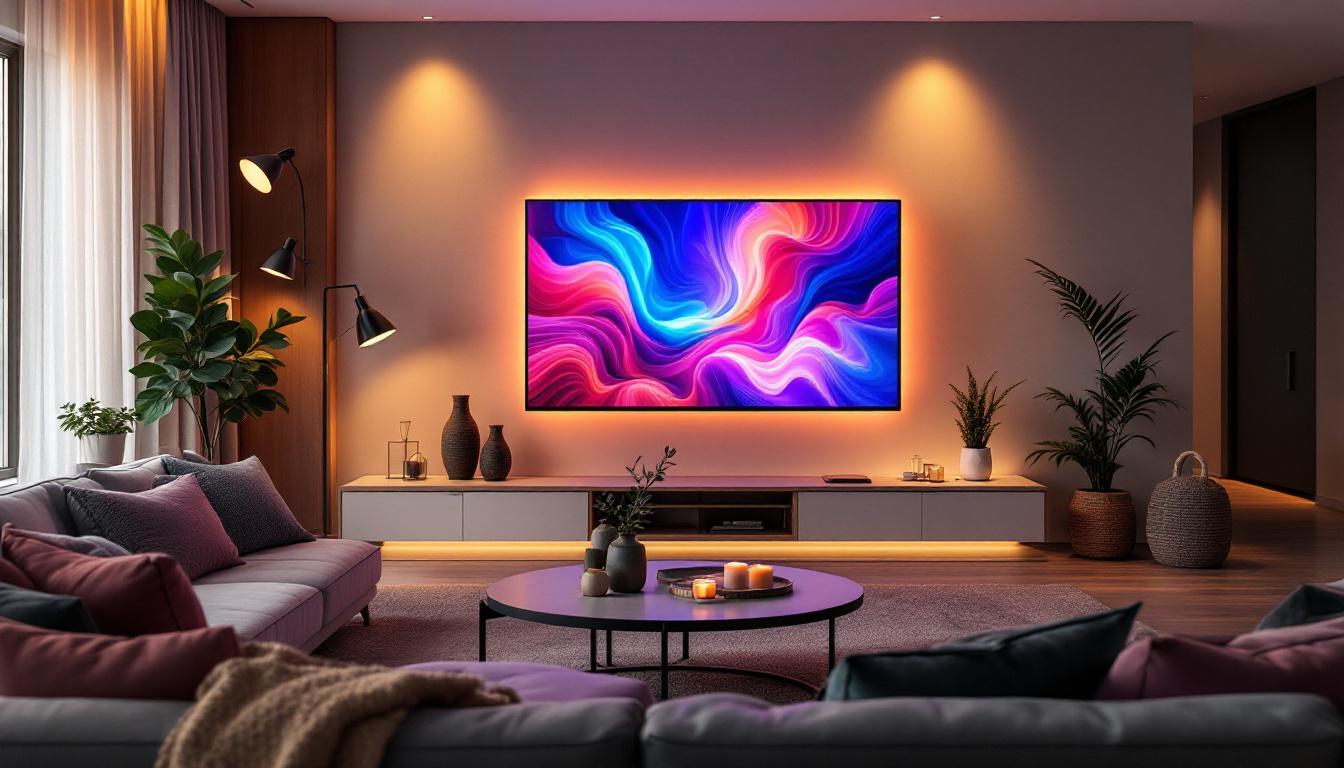
Moreover, LED technology has advanced significantly, allowing for finer pixel pitch and higher resolutions. This means that LED displays can now be used in smaller formats, such as indoor venues, where close viewing distances are common. The result is a stunning visual experience that captivates audiences and enhances engagement, making LED displays a preferred choice for modern digital signage solutions.
Types of LED Displays
LED displays come in various forms, each suited for different environments and purposes. The two primary types are:
- Direct View LED Displays: These are composed of individual LEDs arranged in a grid to form the image directly. They are often used for large-scale outdoor screens, such as stadium scoreboards and billboards.
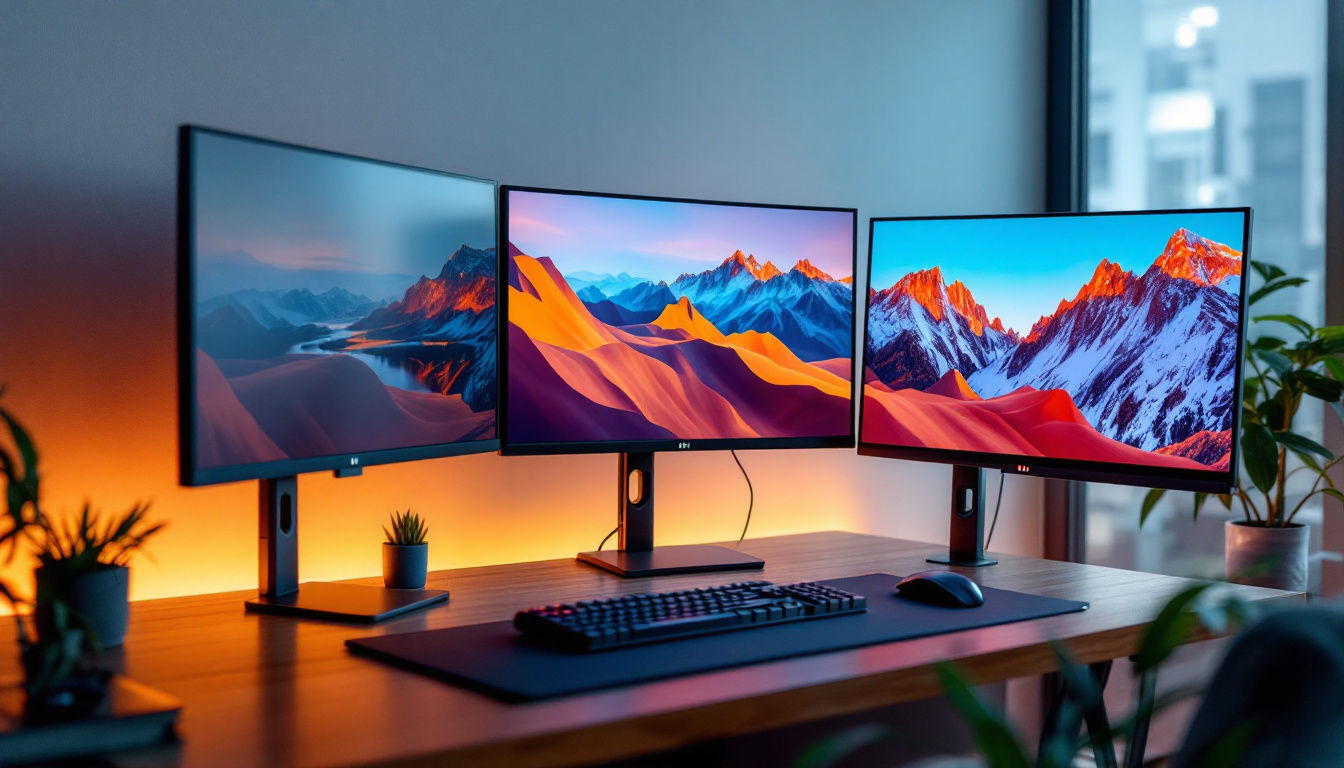
- LED-backlit LCD Displays: These displays use LEDs as a backlight source behind an LCD panel. This technology is common in televisions, computer monitors, and smartphones, offering improved brightness and energy efficiency compared to traditional fluorescent backlighting.
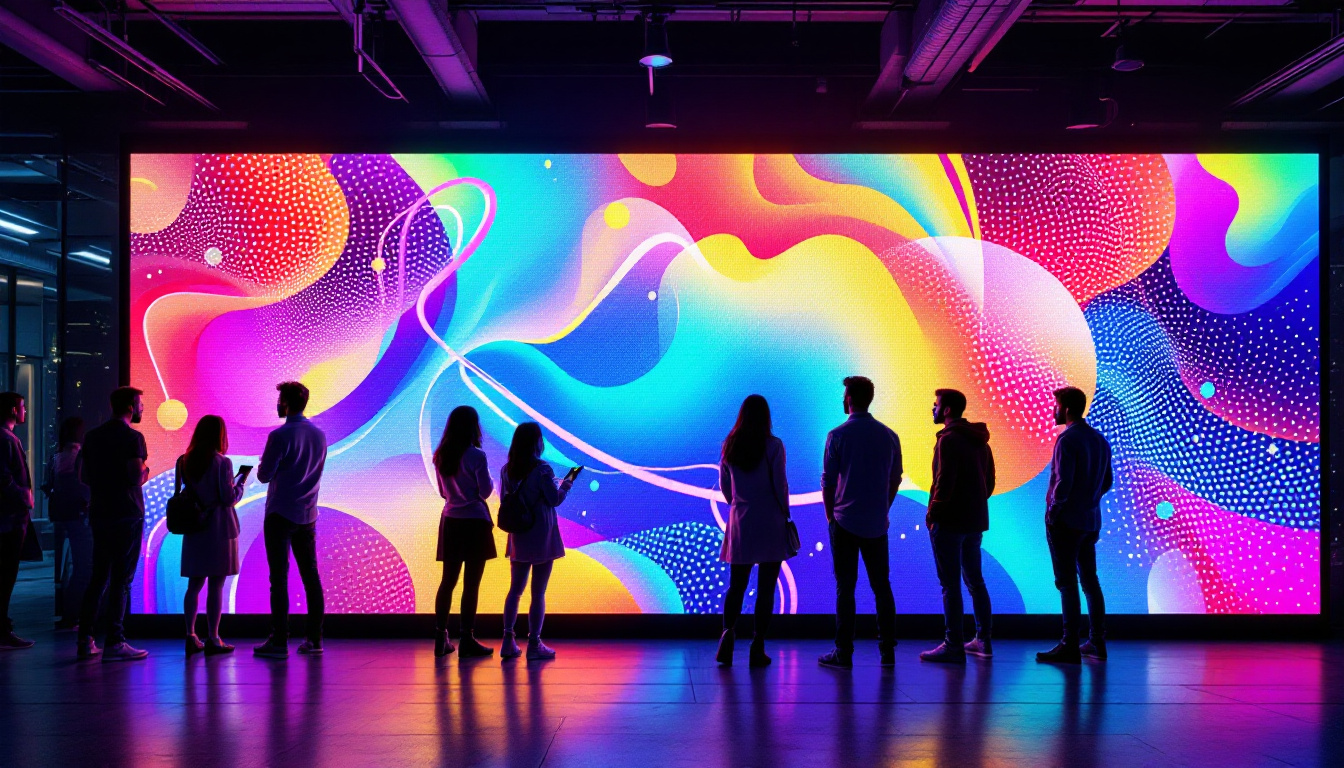
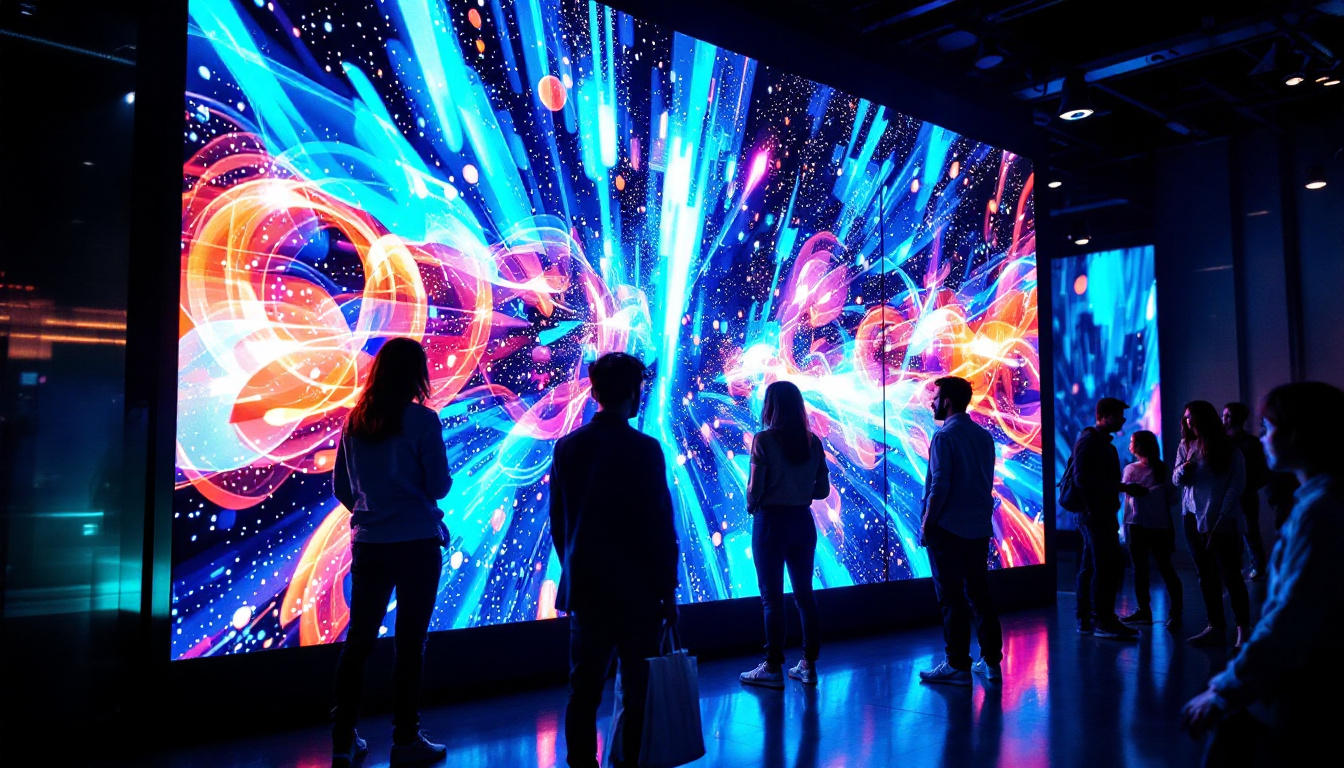
Direct view LED displays are generally more scalable and brighter, making them ideal for large venues and outdoor use. LED-backlit LCDs, on the other hand, are more common in consumer electronics due to their thinner profiles and lower cost. Additionally, the versatility of LED displays allows for creative applications such as video walls, where multiple screens are tiled together to create a larger unified display. This setup is particularly popular in retail environments, trade shows, and corporate events, where dynamic content can be showcased in a visually striking manner.
Furthermore, advancements in LED technology have led to the development of flexible and transparent displays, opening new avenues for design and functionality. Flexible LED displays can be bent or curved to fit unique spaces, while transparent displays allow for the integration of digital content into windows and glass surfaces, merging the physical and digital worlds seamlessly. As technology continues to evolve, the potential applications for LED displays are virtually limitless, pushing the boundaries of how we interact with visual media.
How LED Displays Work
Pixel Composition and Color Generation
Each pixel in an LED display is made up of sub-pixels that emit red, green, and blue light. By adjusting the intensity of these sub-pixels, the display can produce millions of colors through a process called additive color mixing. This is similar to how computer screens and televisions create color but with the added advantage that LEDs emit their own light, enhancing brightness and contrast.
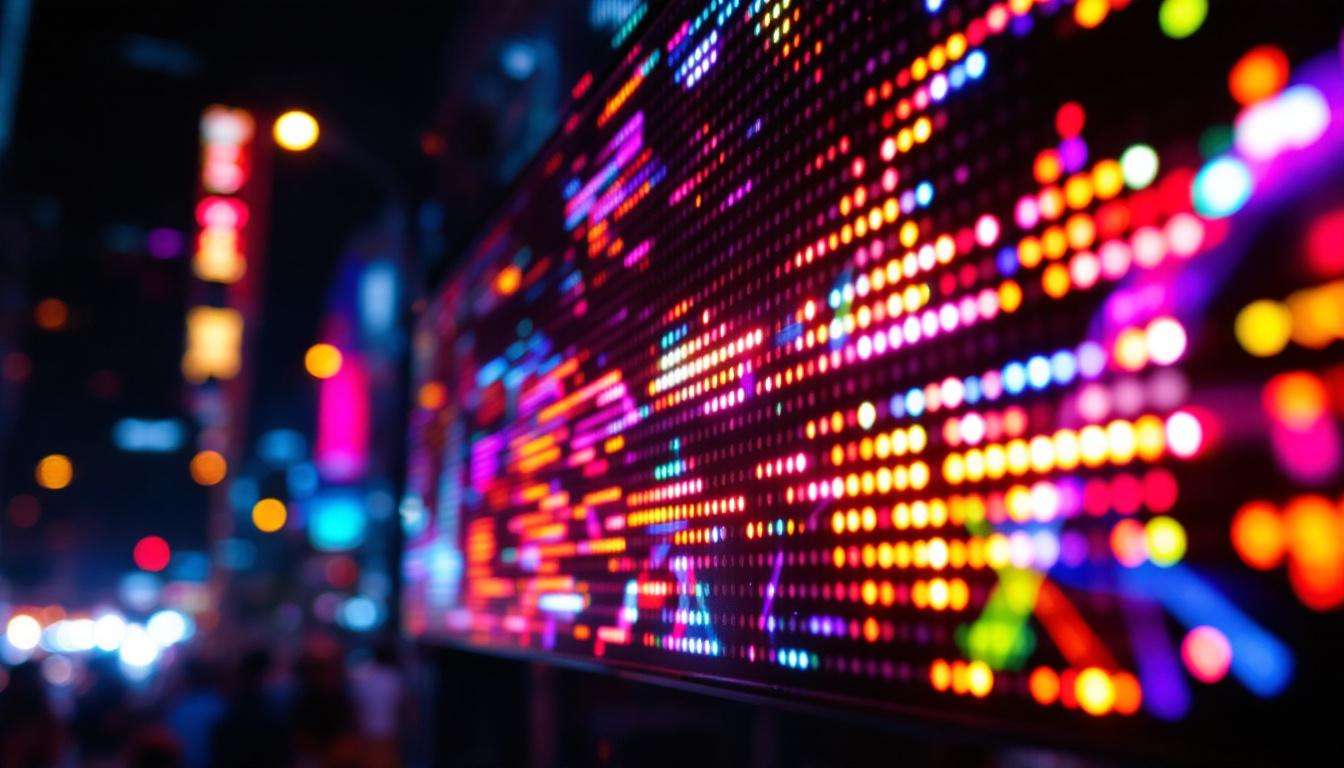
In direct view LED displays, the LEDs are physically spaced apart, and the distance between them is known as the pixel pitch. A smaller pixel pitch means the LEDs are closer together, resulting in higher resolution and sharper images. For example, a pixel pitch of 1.5 mm is common in high-resolution indoor displays, while outdoor displays might have pixel pitches ranging from 4 mm to 20 mm or more, depending on viewing distance.
Brightness and Contrast
One of the key advantages of LED displays is their exceptional brightness. Outdoor LED billboards can reach brightness levels exceeding 5,000 nits, which ensures visibility even under direct sunlight. In comparison, typical LCD screens have brightness levels around 300 to 500 nits.
Contrast ratio, the difference between the darkest black and the brightest white, is also superior in LED displays. Because LEDs emit light individually, they can be turned off completely to display true black, unlike LCDs that rely on backlighting and may suffer from light bleed. This results in more vivid images and better overall picture quality.
Applications of LED Displays
Outdoor Advertising and Digital Billboards
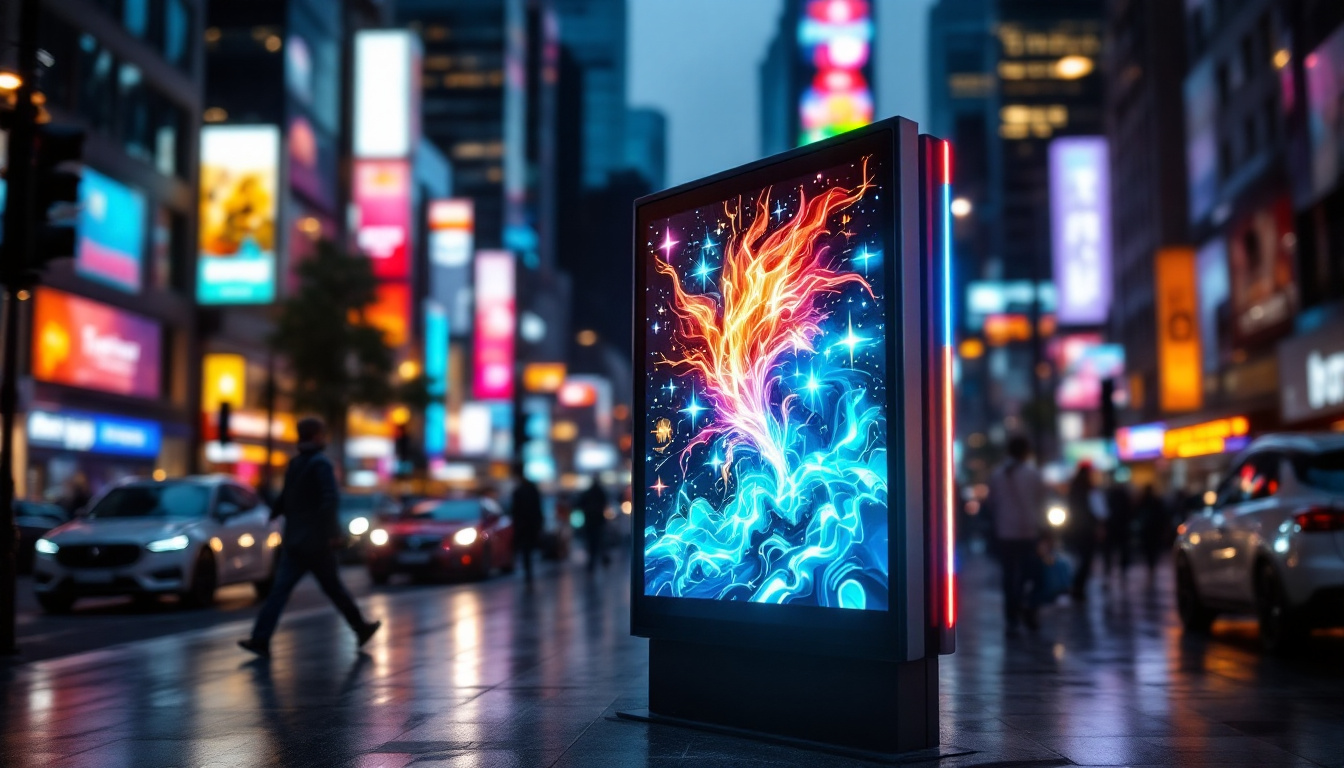
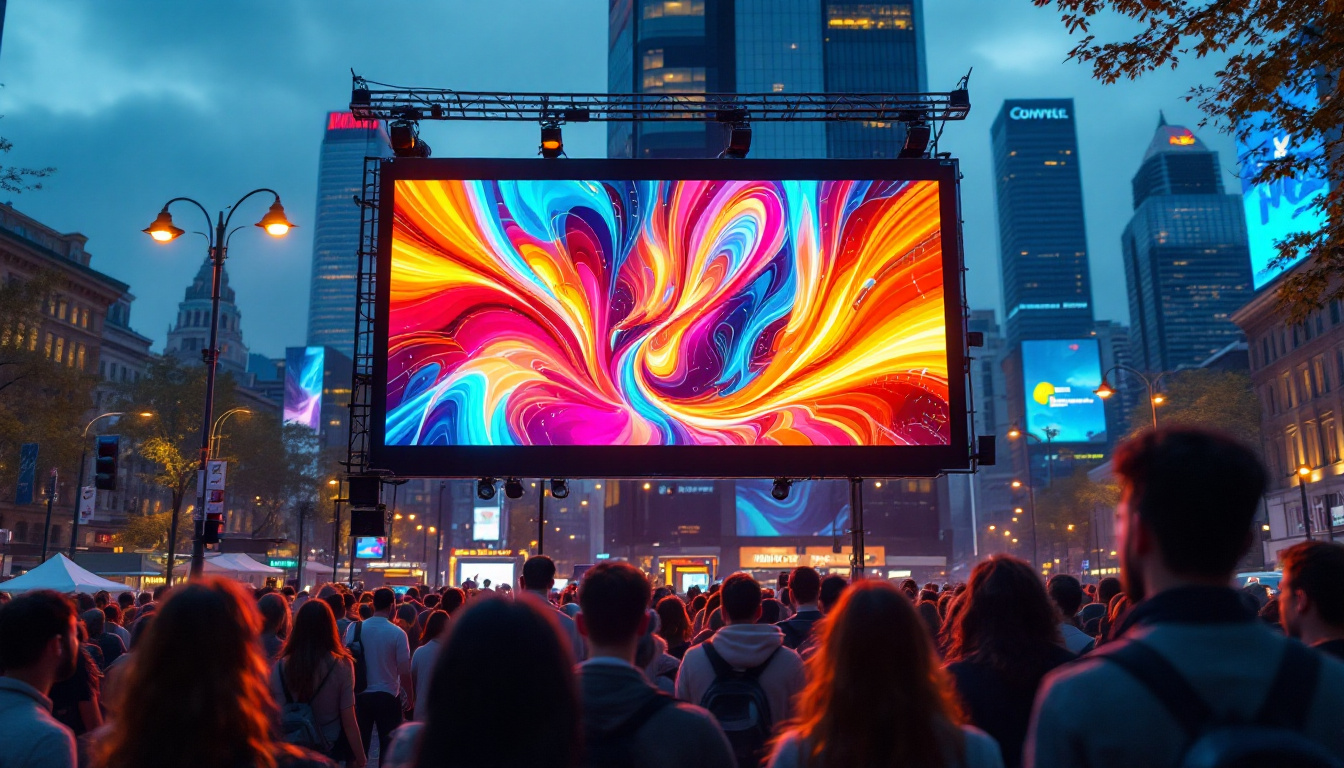
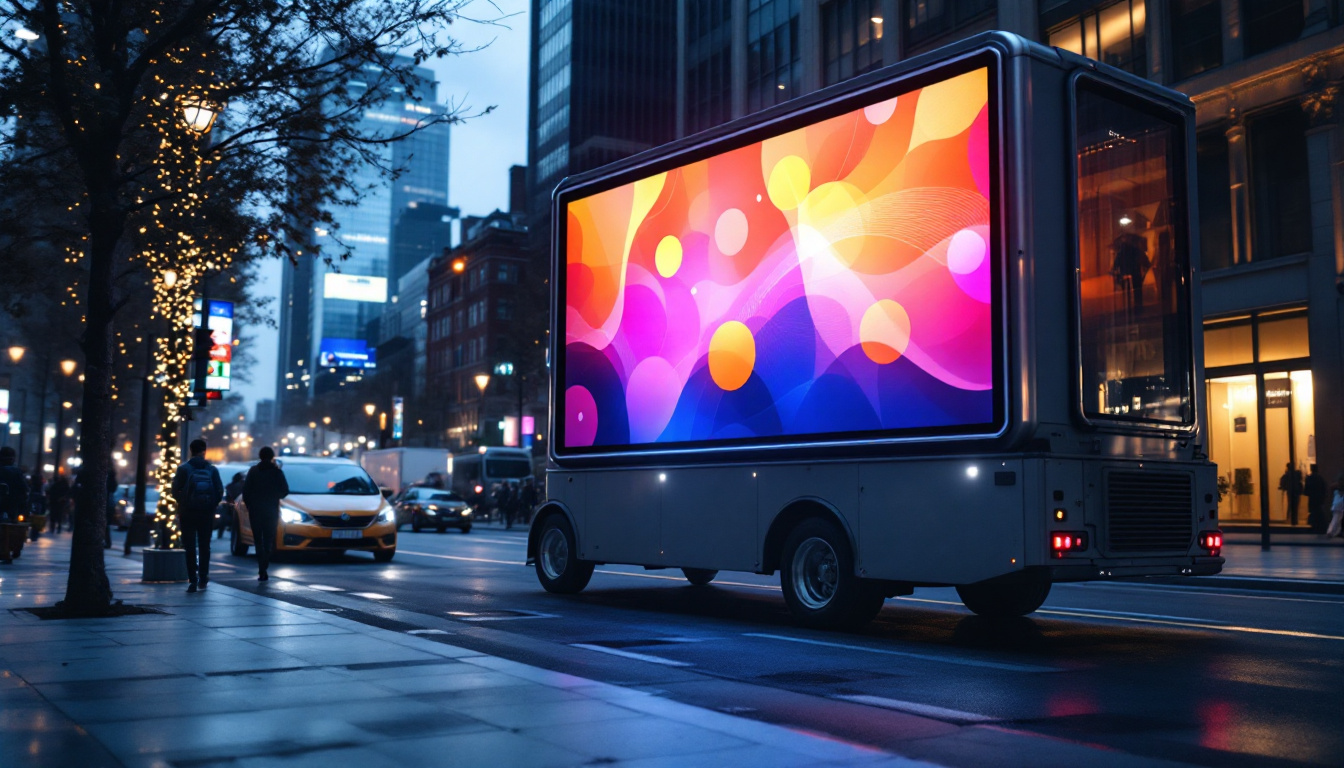
LED displays have revolutionized outdoor advertising by enabling dynamic, eye-catching content that can be updated remotely and in real-time. According to a 2023 report by the Outdoor Advertising Association of America, digital billboards now account for over 30% of all billboard revenue in the United States, reflecting their growing popularity and effectiveness.
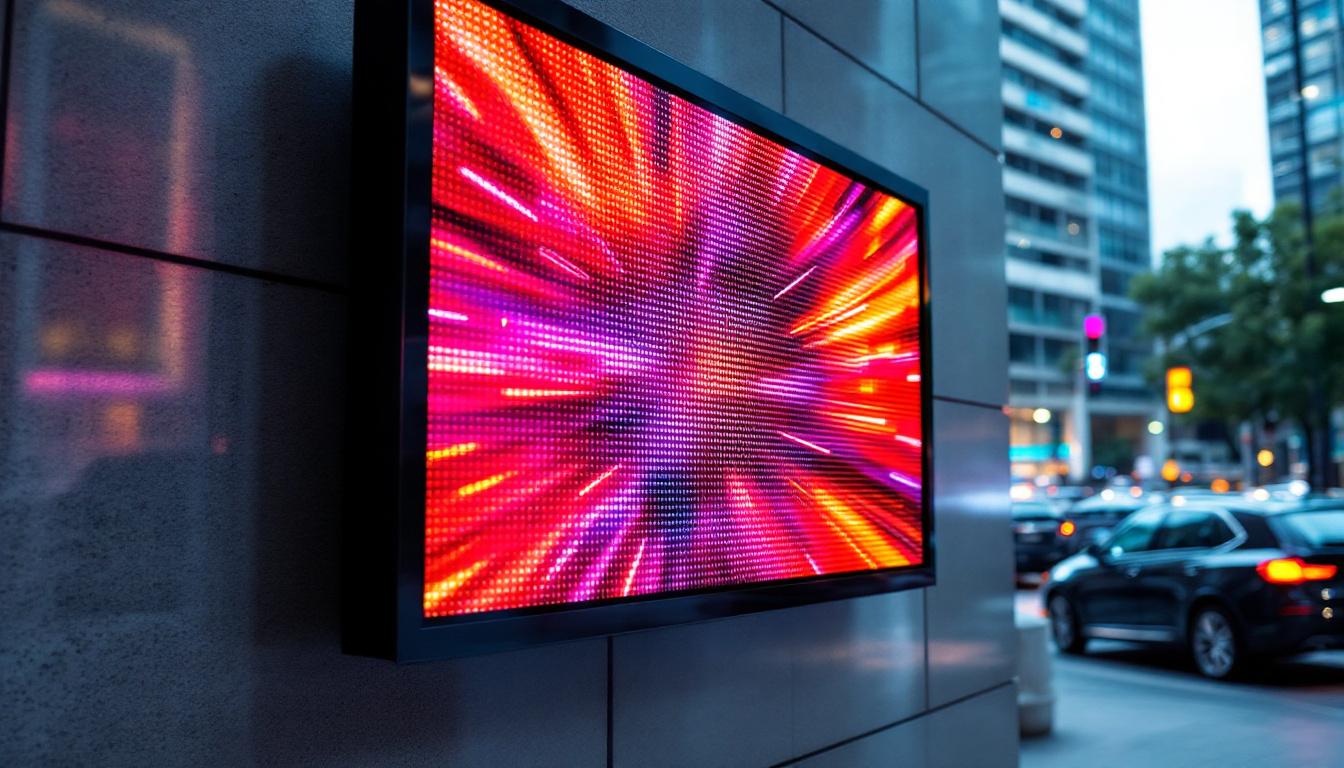
These displays are durable, weather-resistant, and capable of producing bright, colorful images visible from hundreds of feet away. This makes them ideal for high-traffic areas such as highways, city centers, and sports arenas.
Indoor Signage and Retail
In retail environments, LED displays are used for digital signage to attract customers, promote products, and enhance the shopping experience. Their high resolution and brightness make them suitable for close-up viewing, and their ability to display video and animations adds dynamic appeal.
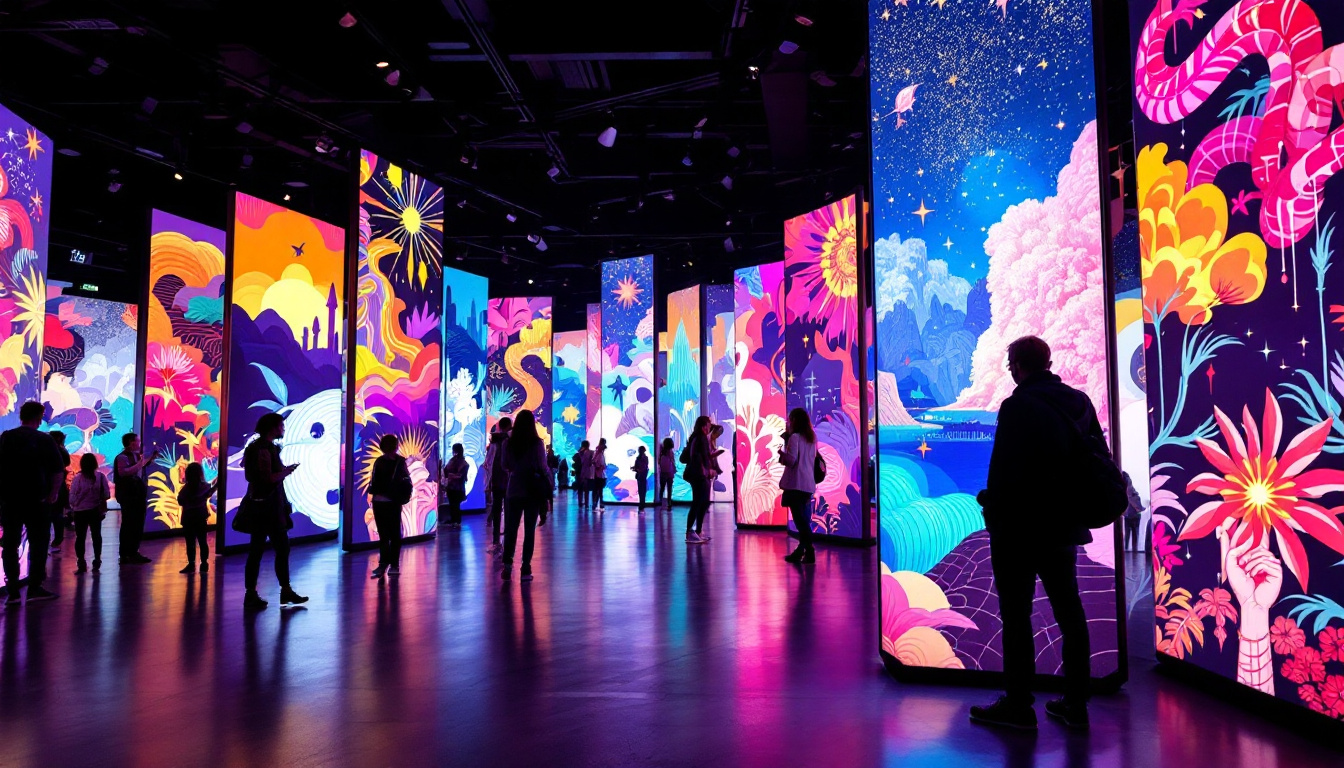
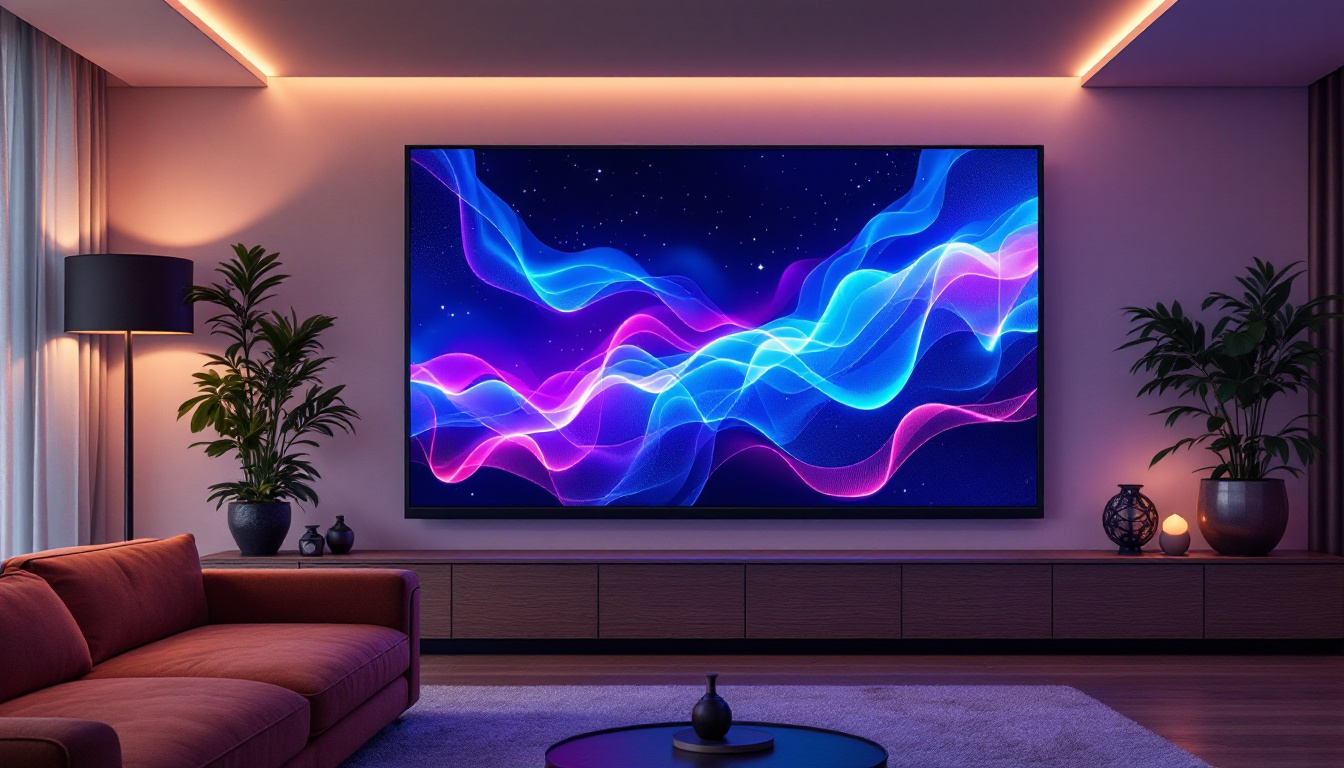
Additionally, LED walls are increasingly used in corporate settings for presentations, video conferencing, and immersive environments. Their scalability allows them to cover entire walls, creating impactful visual experiences.
Entertainment and Events
Concerts, theaters, and live events frequently employ LED displays for backdrops and stage visuals. Their flexibility in size and shape allows designers to create custom installations that enhance performances. For example, the Super Bowl halftime shows often feature massive LED screens that deliver stunning visual effects to millions of viewers worldwide.
Advantages of LED Displays Over Other Technologies
Energy Efficiency and Longevity
LED displays are known for their energy efficiency compared to older technologies like plasma or fluorescent backlighting. LEDs consume less power while delivering higher brightness, which translates to lower operational costs, especially for large installations running 24/7.
Moreover, LEDs have a longer lifespan, often exceeding 100,000 hours of usage. This durability reduces maintenance and replacement costs, making LED displays a cost-effective choice over the long term.
Flexibility and Scalability
LED displays can be manufactured in virtually any size and shape, from small digital price tags to massive outdoor video walls. This flexibility allows businesses and event organizers to tailor displays to specific needs.
Modular LED panels can be combined seamlessly, enabling easy expansion or reconfiguration. This scalability is particularly valuable for venues that require adaptable visual solutions.
Superior Visual Performance
Thanks to their high brightness, contrast, and color accuracy, LED displays deliver superior image quality in a wide range of lighting conditions. Their fast refresh rates and response times also make them ideal for displaying fast-moving content without motion blur.
Challenges and Considerations When Choosing LED Displays
Initial Investment and Installation
While LED displays offer many benefits, their upfront cost can be significant, especially for high-resolution, large-format installations. The price depends on factors such as pixel pitch, panel size, and additional features like weatherproofing or advanced control systems.
Installation requires careful planning to ensure structural support, power supply, and data connectivity. Professional installation is often necessary to optimize performance and longevity.
Maintenance and Environmental Factors
Outdoor LED displays must withstand harsh weather conditions, including rain, wind, and temperature fluctuations. High-quality enclosures and protective coatings are essential to prevent damage and maintain performance.
Regular maintenance, such as cleaning and periodic calibration, helps preserve image quality and extend the display’s lifespan. Some LED panels include self-diagnostic features to alert operators to potential issues.
Future Trends in LED Display Technology
MicroLED and MiniLED Innovations
Emerging technologies like MicroLED and MiniLED are pushing the boundaries of LED display performance. MicroLEDs are microscopic LEDs that enable even higher resolution and better energy efficiency, with potential applications in next-generation TVs, smartphones, and augmented reality devices.
MiniLED backlighting enhances LCD displays by using thousands of small LEDs to improve contrast and brightness, bridging the gap between traditional LCDs and full direct view LED displays.
Integration with Smart Technologies
LED displays are increasingly integrated with IoT and AI technologies to enable smarter content management and interactivity. For example, digital signage can now adjust content based on audience demographics, weather conditions, or real-time events.
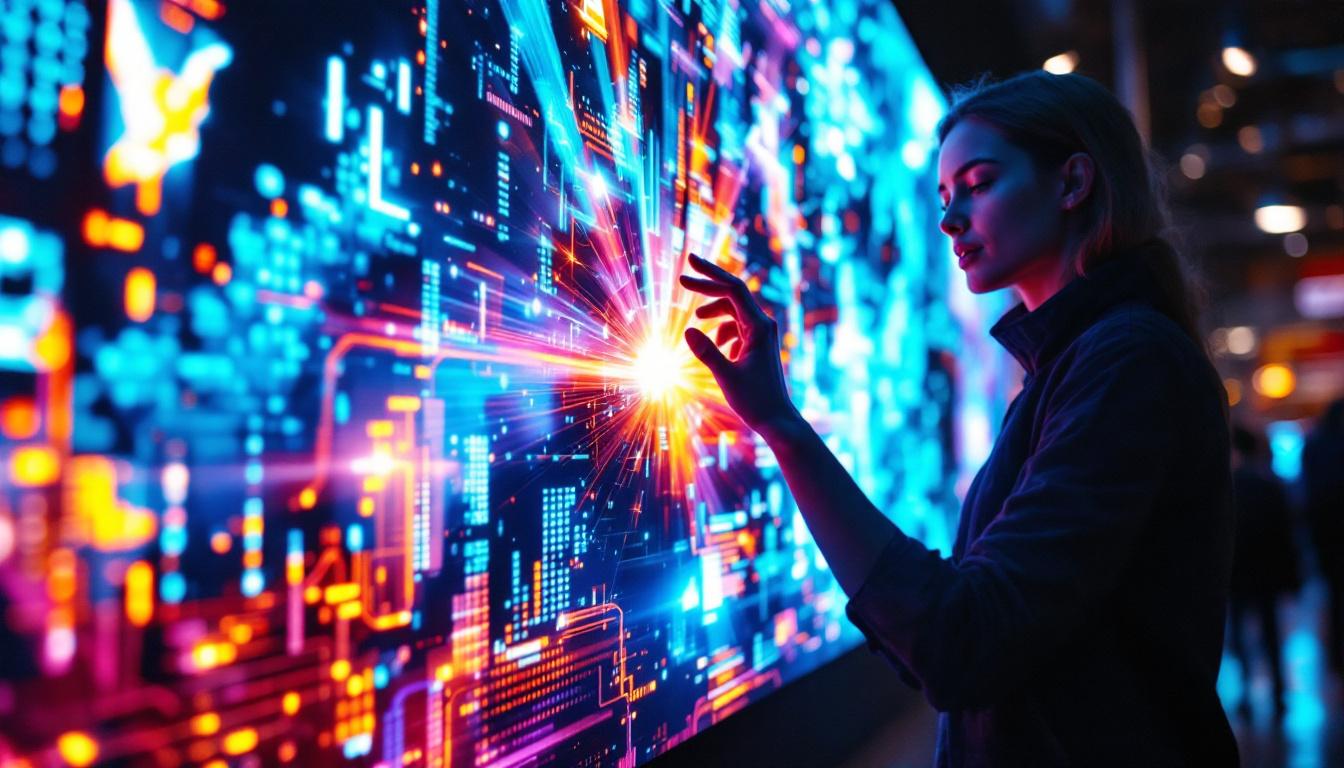
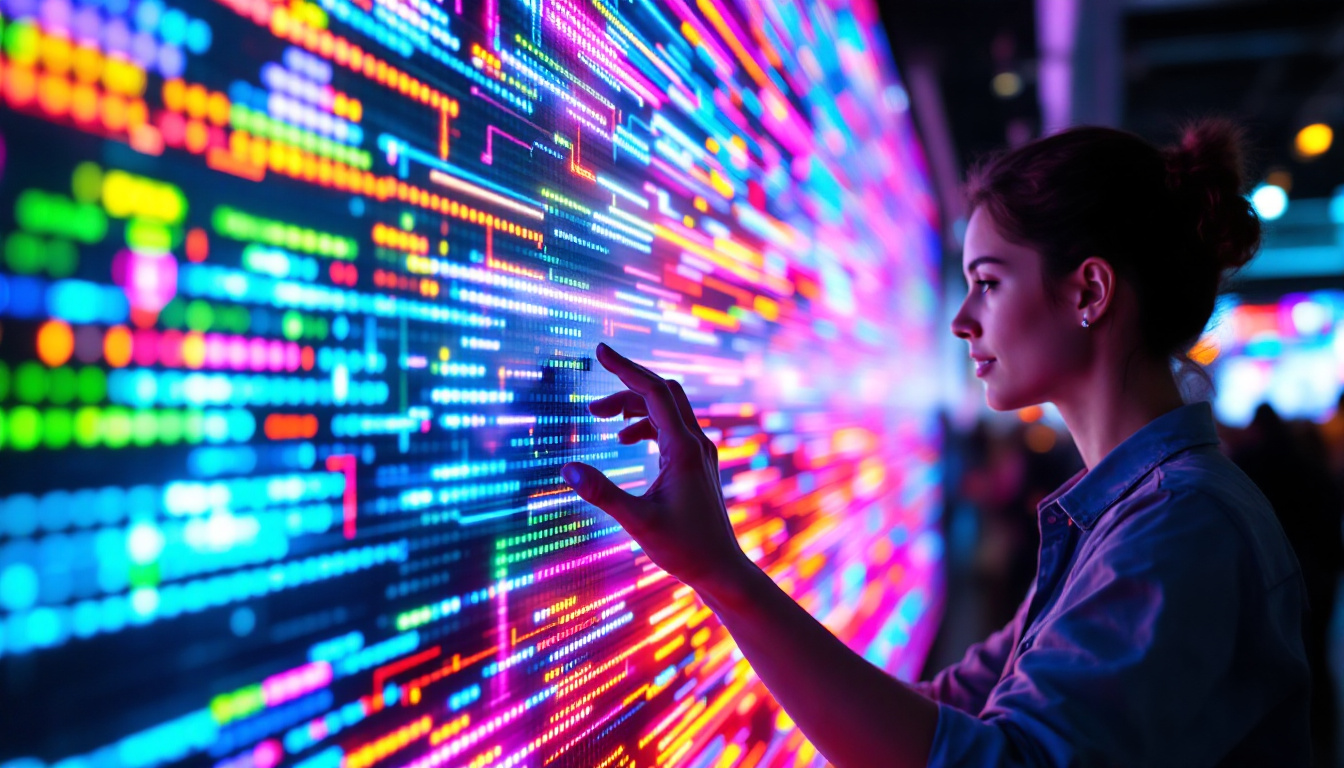
Interactive LED walls equipped with touch sensors and cameras are also gaining traction in retail and entertainment, offering immersive and personalized experiences.
Sustainability and Eco-Friendly Design
As environmental concerns grow, manufacturers are focusing on making LED displays more sustainable. This includes using recyclable materials, reducing power consumption, and designing for easier repair and component replacement to minimize electronic waste.
Conclusion
LED displays represent a versatile and powerful technology that has transformed visual communication across industries. Their brightness, energy efficiency, and flexibility make them the preferred choice for applications ranging from outdoor advertising to immersive entertainment. Understanding the fundamentals of LED technology, its advantages, and the considerations involved in deployment can help businesses and organizations make informed decisions when investing in digital display solutions.
With ongoing advancements such as MicroLED and smart integration, the future of LED displays promises even more impressive capabilities, ensuring they will remain at the forefront of digital visualization for years to come.
Explore Cutting-Edge LED Display Solutions with LumenMatrix
Ready to elevate your visual communication with the latest in LED technology? LumenMatrix is at the forefront of innovation, offering a diverse range of LED display solutions tailored to your needs. From vibrant Indoor and Outdoor LED Wall Displays to dynamic Vehicle and Sports LED Displays, our products are designed to captivate and engage your audience. Discover the transformative power of LED Poster Displays, Floor LED Displays, Custom LED Displays, All-in-One LED Displays, and LED Transparent Displays. Experience the future of digital signage with LumenMatrix and make a lasting impression. Check out LumenMatrix LED Display Solutions and join the revolution in visual storytelling.