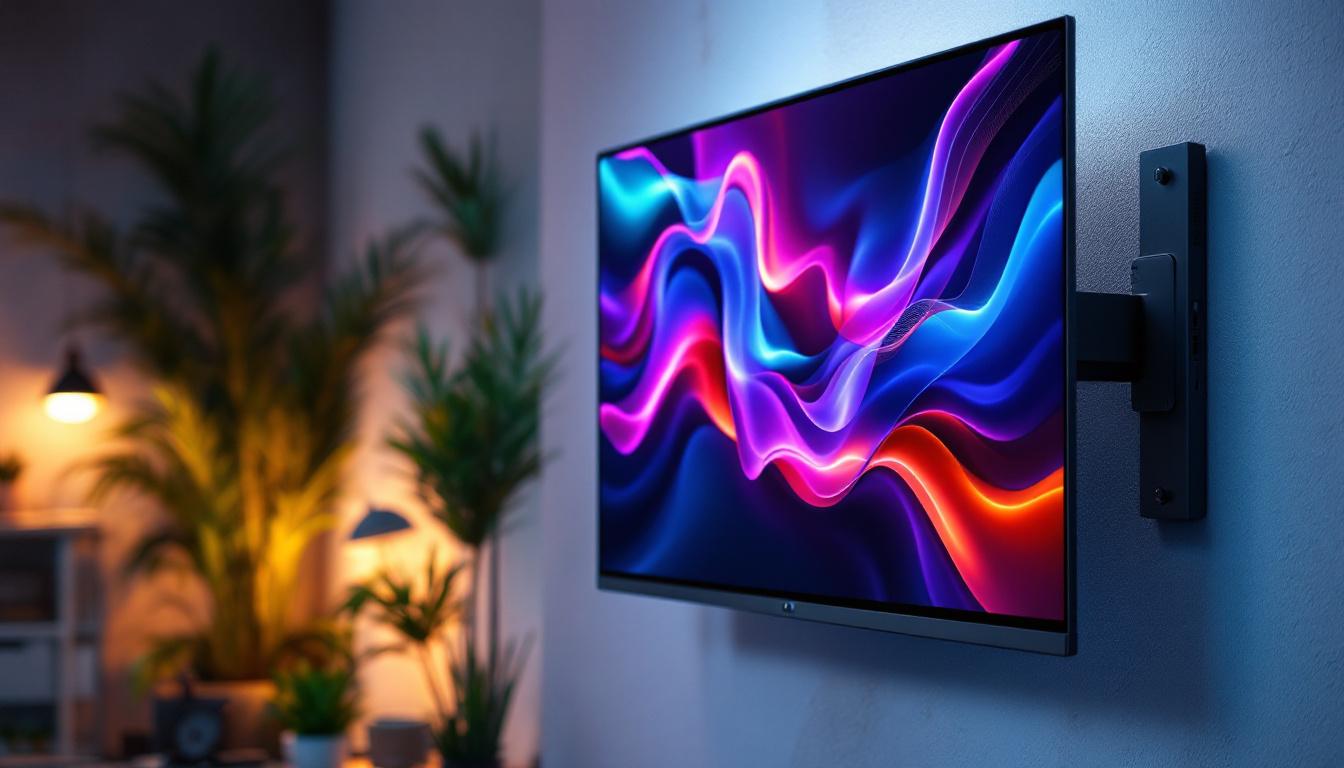
In today’s fast-paced digital environment, the way we interact with computer displays has evolved dramatically. From sleek home office setups to complex corporate control rooms, the demand for versatile, space-saving, and visually impressive display solutions is higher than ever. One of the most popular innovations in this realm is the computer display wall mount, particularly those designed for LED displays. This article delves into the essentials of computer display wall mounts, explains the technology behind LED displays, and explores why combining these two can transform your workspace or entertainment area.
Understanding Computer Display Wall Mounts
What Is a Computer Display Wall Mount?
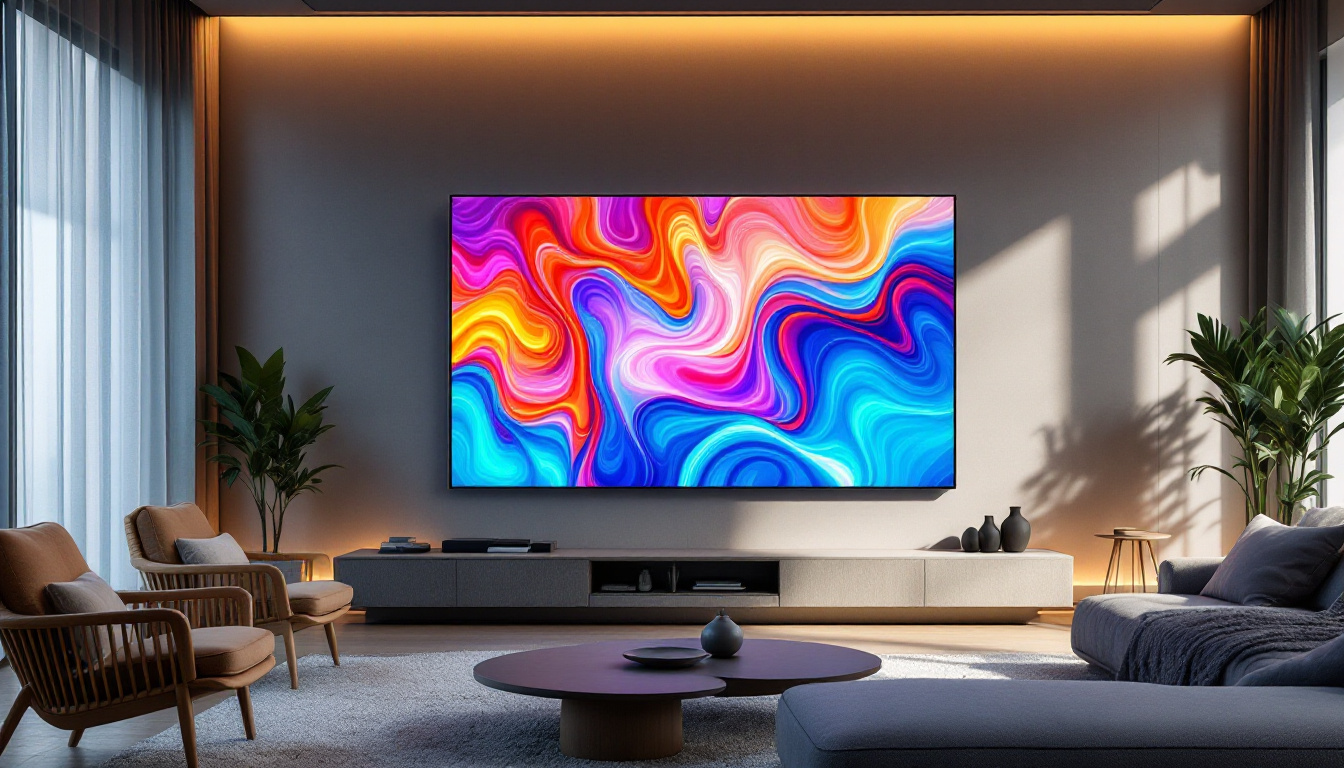
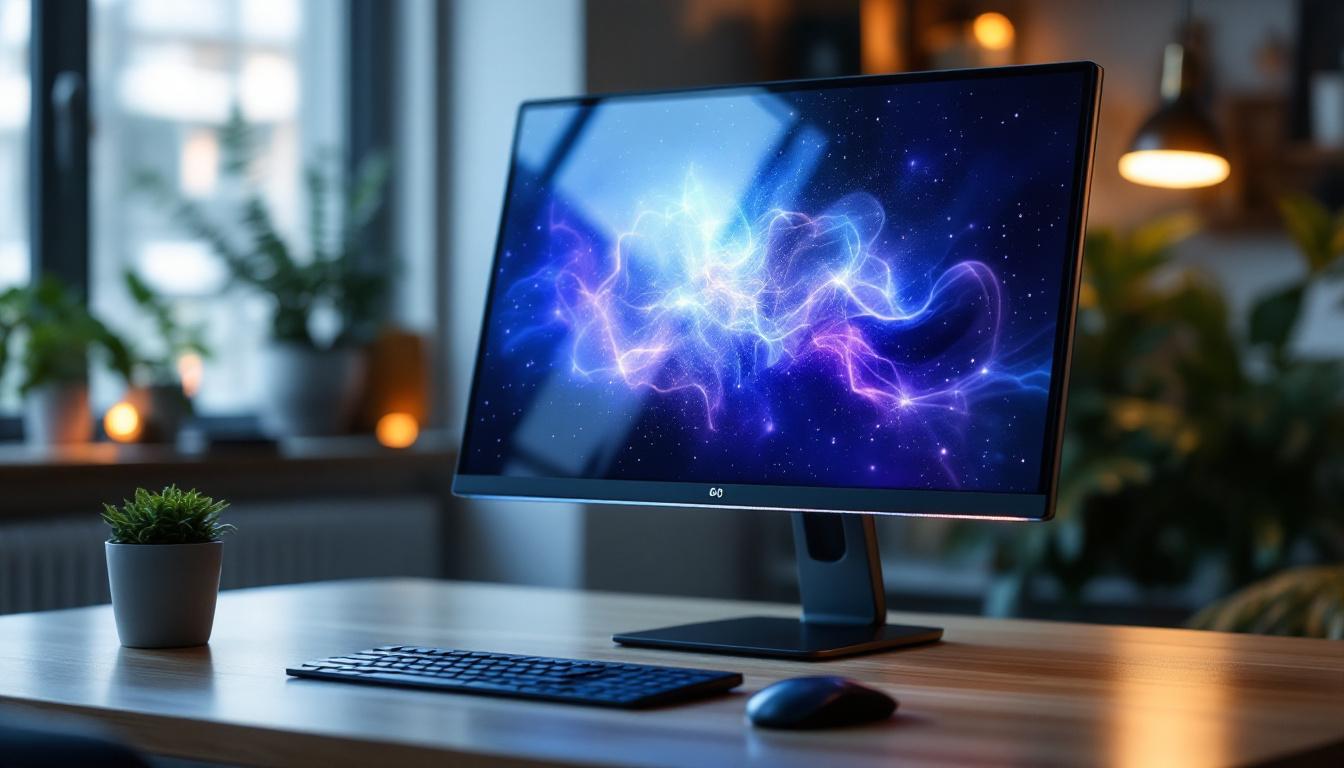
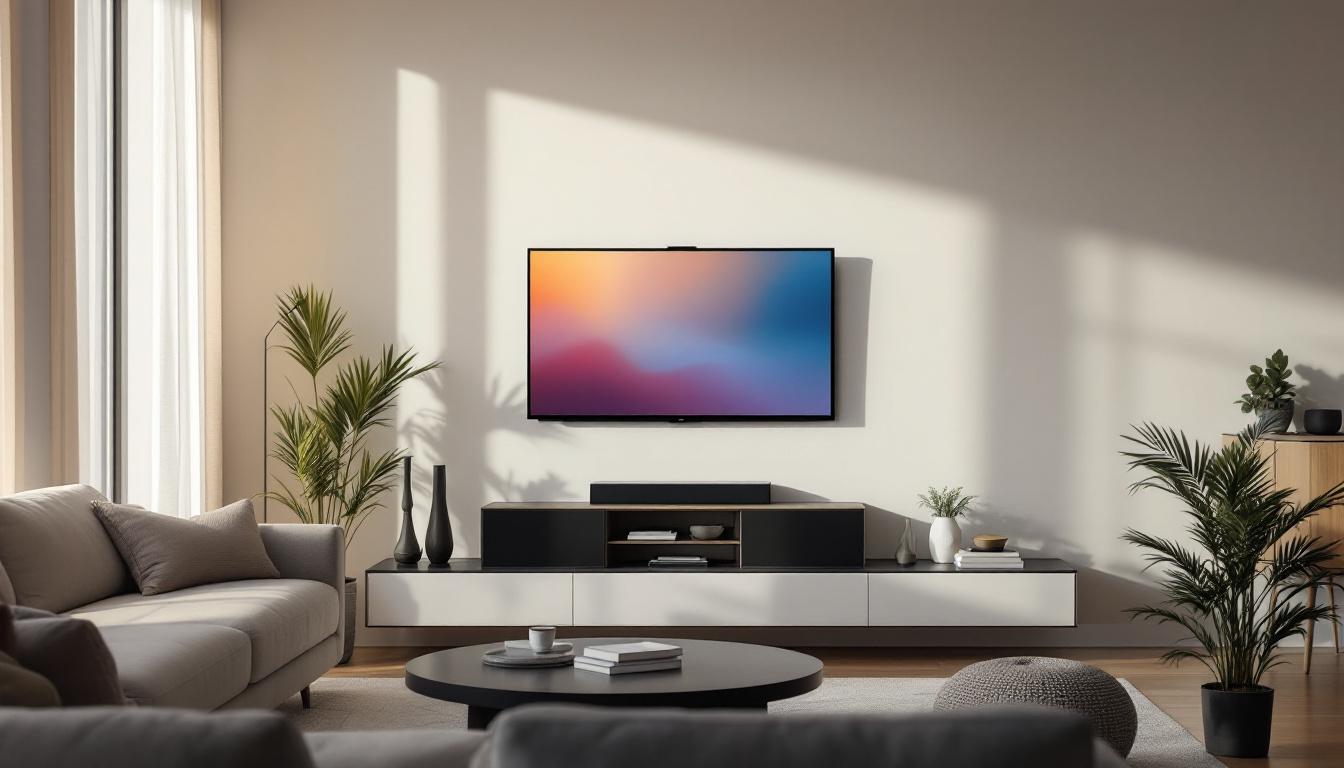
A computer display wall mount is a hardware accessory designed to securely attach a computer monitor or screen to a wall. Unlike traditional stands that occupy desk space, wall mounts free up valuable surface area, creating a cleaner and more ergonomic workspace. They come in various styles, including fixed mounts, tilting mounts, full-motion mounts, and multi-display mounts, each catering to different needs and preferences.
Wall mounts are especially popular in environments where multiple screens are used simultaneously, such as trading floors, security monitoring centers, and multimedia production studios. By mounting displays on the wall, users can achieve optimal viewing angles, reduce glare, and improve posture, which contributes to overall comfort and productivity.
Key Benefits of Using Wall Mounts for Computer Displays
One of the most immediate advantages of wall mounting a computer display is space efficiency. Desks become less cluttered, allowing for better organization and a more streamlined work environment. This is particularly important in smaller offices or home setups where desk space is limited.
Another significant benefit is ergonomic improvement. Wall mounts allow users to position displays at eye level, reducing neck strain and encouraging better posture. This can prevent common workplace ailments such as repetitive strain injuries and chronic back pain.
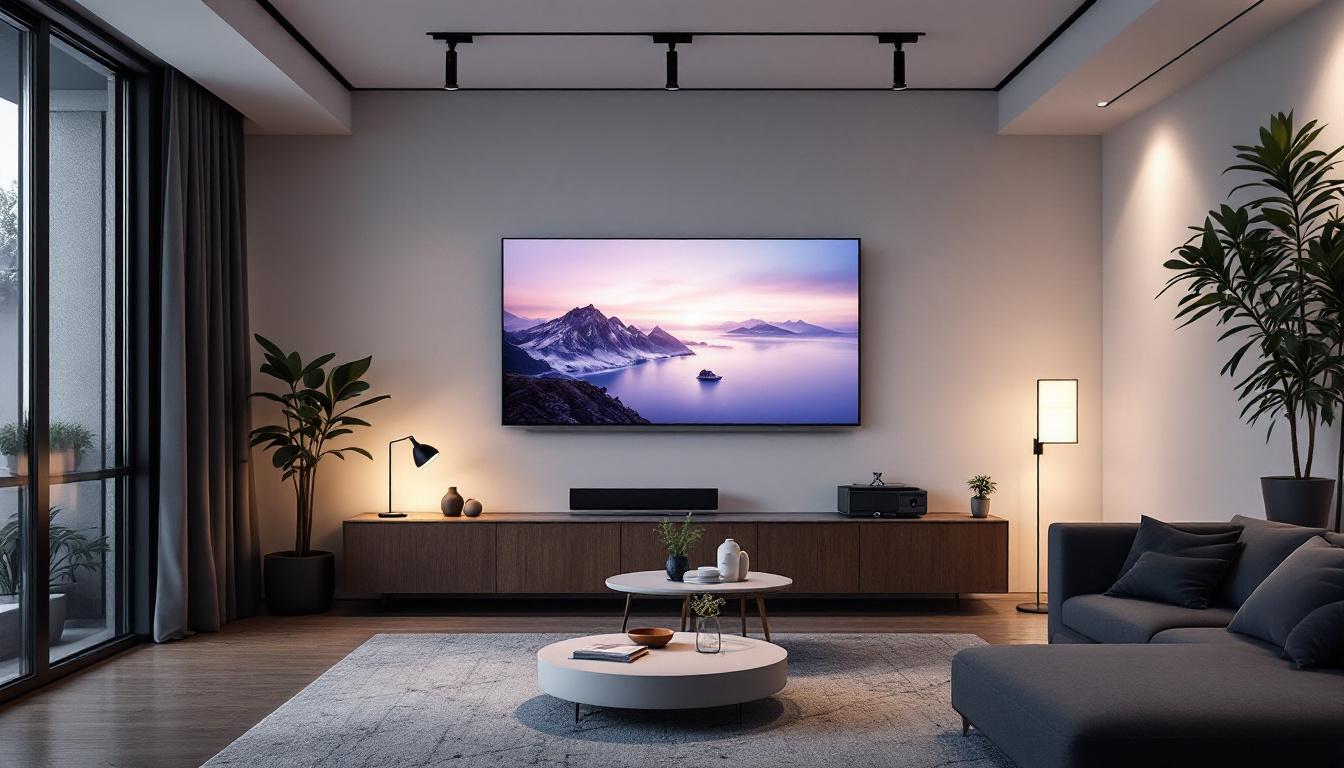
Additionally, wall mounts enhance the aesthetic appeal of a room. A neatly mounted display looks modern and professional, which can positively influence client impressions in business settings or create a more immersive entertainment experience at home.
The Technology Behind LED Displays
What Is an LED Display?
LED stands for Light Emitting Diode, a semiconductor device that emits light when an electric current passes through it. LED displays use these diodes as pixels to create images and videos. Unlike traditional LCD screens that rely on backlighting, LED displays either use LEDs for backlighting (LED-backlit LCDs) or are composed entirely of LEDs (OLED and microLED displays).
The key advantage of LED technology is its ability to produce brighter images with higher contrast ratios and deeper blacks. This results in vivid and sharp visuals, making LED displays ideal for both professional and entertainment purposes.
Types of LED Displays Commonly Used with Computer Monitors
There are several types of LED displays, each with unique characteristics:
- LED-Backlit LCD: The most common type in computer monitors, these displays use LEDs to illuminate an LCD panel. They offer good brightness and color accuracy at a reasonable cost.
- OLED (Organic LED): OLED displays feature self-emissive pixels that produce their own light, enabling perfect blacks and exceptional contrast. They are thinner and more flexible but tend to be more expensive.
- MicroLED: An emerging technology, microLEDs are even smaller than OLEDs and promise higher brightness and longer lifespan without burn-in issues. They are currently used in high-end commercial displays and are gradually entering the consumer market.
Advantages of LED Displays Over Other Technologies
LED displays outperform older technologies such as CCFL-backlit LCDs and plasma screens in several ways. They consume less power, produce less heat, and offer longer lifespans. Their brightness and color reproduction capabilities make them suitable for diverse lighting conditions, from dimly lit rooms to bright office spaces.
Moreover, LED displays support higher refresh rates and faster response times, which are crucial for gaming, video editing, and other graphics-intensive applications. Their slim profiles also contribute to lighter and more aesthetically pleasing monitor designs.
Why Combine Computer Display Wall Mounts with LED Displays?
Optimizing Space and Visual Performance
Combining a computer display wall mount with an LED display maximizes both physical space and visual quality. LED displays, with their slim design and lightweight build, are easier to mount securely on walls without requiring bulky support structures. This synergy allows users to create multi-display setups that are sleek and efficient.
For example, in a stock trading environment, multiple LED monitors mounted on a wall can provide traders with comprehensive market data at a glance, improving decision-making speed. Similarly, graphic designers and video editors benefit from wall-mounted LED displays that offer accurate color representation and ample screen real estate.
Improving Ergonomics and User Comfort
Wall mounting LED displays enables precise adjustment of height, tilt, and rotation, which is essential for reducing physical strain during prolonged computer use. LED displays’ superior brightness and contrast also reduce eye fatigue, especially when combined with an ergonomic setup.
In office environments where employees spend hours in front of screens, these ergonomic benefits contribute to better health outcomes and increased productivity. In home offices, they enhance comfort and create a more enjoyable working atmosphere.
Enhancing Aesthetic Appeal and Modernizing Spaces
The combination of wall mounts and LED displays creates a minimalist and futuristic look. This is especially appealing in modern office designs that emphasize clean lines and uncluttered spaces. LED displays’ thin bezels and vibrant visuals complement the sleekness of wall mounts, making the entire setup a design feature rather than just functional equipment.
Retail stores, museums, and conference rooms frequently use wall-mounted LED displays to attract attention and convey information dynamically. The visual impact of these displays can influence customer engagement and brand perception positively.
Choosing the Right Wall Mount for Your LED Display
Factors to Consider When Selecting a Wall Mount
Not all wall mounts are created equal, and selecting the right one depends on several factors:
- Display Size and Weight: Ensure the mount supports the dimensions and weight of your LED display. Manufacturers typically provide weight limits and VESA compatibility standards to help with this.
- Mounting Style: Decide whether you need a fixed mount, tilting mount, full-motion mount, or a multi-display mount based on your usage and space constraints.
- Wall Type: The type of wall (drywall, concrete, brick) affects the mounting hardware required. Proper anchors and screws are essential for secure installation.
- Cable Management: Some mounts include integrated cable management systems to keep cords organized and hidden, enhancing the clean look.
Installation Tips for Optimal Results
Professional installation is recommended for heavier or larger LED displays to ensure safety and stability. When installing, use a stud finder to locate wall studs for secure anchoring. Follow the manufacturer’s instructions carefully, and consider the viewing height and angle before finalizing the mount position.
For multi-display setups, plan the layout to minimize bezel gaps and achieve a seamless visual experience. Cable routing should be planned in advance to avoid clutter and potential damage.
Maintenance and Care for Wall-Mounted LED Displays
Regular Cleaning and Inspection
Maintaining your wall-mounted LED display involves regular cleaning to prevent dust buildup, which can affect image quality and ventilation. Use a microfiber cloth and appropriate screen cleaning solutions, avoiding harsh chemicals that can damage the screen surface.
Periodic inspection of the mount’s hardware is also important to ensure screws and anchors remain tight and secure. This prevents accidental falls or damage to the display.
Troubleshooting Common Issues
Common problems with wall-mounted LED displays include loose mounts, connectivity issues, and image quality degradation. If the display wobbles or feels unstable, tighten the mounting screws or consult a professional. For connectivity problems, check cables and ports for damage or loose connections.
If image quality deteriorates, consider recalibrating the display or checking for firmware updates from the manufacturer. LED displays generally have long lifespans, but proper care extends their usability even further.
The Future of Computer Display Wall Mounts and LED Technology
Emerging Trends in Display Mounting Solutions
As display technology advances, wall mounts are becoming more sophisticated. Innovations include motorized mounts that adjust screen position automatically based on user preferences or environmental conditions. Smart mounts integrated with IoT technology can monitor display health and usage patterns, offering predictive maintenance alerts.
Flexible and curved LED displays are also influencing mount design, requiring adaptable and robust mounting solutions that can accommodate unconventional shapes and sizes.
Advancements in LED Display Technology
The LED display industry continues to innovate with microLED and quantum dot technologies pushing the boundaries of brightness, color accuracy, and energy efficiency. These advancements will make LED displays even more appealing for wall-mounted applications, especially in professional and commercial contexts.
Furthermore, the integration of touch capabilities and augmented reality features into LED displays is set to redefine user interaction, making wall-mounted displays not just passive screens but interactive hubs.
Conclusion
Computer display wall mounts combined with LED display technology represent a powerful solution for modern workspaces and entertainment setups. They offer unparalleled benefits in terms of space optimization, ergonomic comfort, and visual performance. Understanding the types of LED displays and selecting the right wall mount ensures a secure, functional, and aesthetically pleasing installation.
As technology evolves, the synergy between display hardware and mounting solutions will continue to enhance how users engage with digital content. Whether for professional environments or personal use, investing in quality LED displays and compatible wall mounts is a step toward a more efficient and visually captivating digital experience.
Discover LumenMatrix’s Innovative LED Display Solutions
Ready to elevate your space with the latest in LED display technology? Look no further than LumenMatrix, where innovation meets visual excellence. Our extensive range of LED display modules, from Indoor and Outdoor LED Walls to Custom and All-in-One LED Displays, is designed to transform your environment and captivate your audience. Experience the future of digital engagement and make a lasting impression with our cutting-edge solutions. Check out LumenMatrix LED Display Solutions today and see your vision come to life.