In the rapidly evolving world of video production and photography, lighting plays a pivotal role in determining the quality and mood of the final output. Among the various lighting solutions available today, LED video light kits have emerged as a popular choice for professionals and enthusiasts alike. This article delves deep into the intricacies of LED video lights, focusing particularly on the LED display technology that powers these kits. Understanding the components, benefits, and applications of LED displays in video lighting can help users make informed decisions and optimize their creative projects.
Understanding LED Video Light Kits
LED video light kits are comprehensive lighting solutions designed to provide consistent, adjustable illumination for video shoots, photography sessions, and live streaming setups. Unlike traditional incandescent or fluorescent lights, LED lights use light-emitting diodes (LEDs) to produce bright, energy-efficient, and long-lasting light.
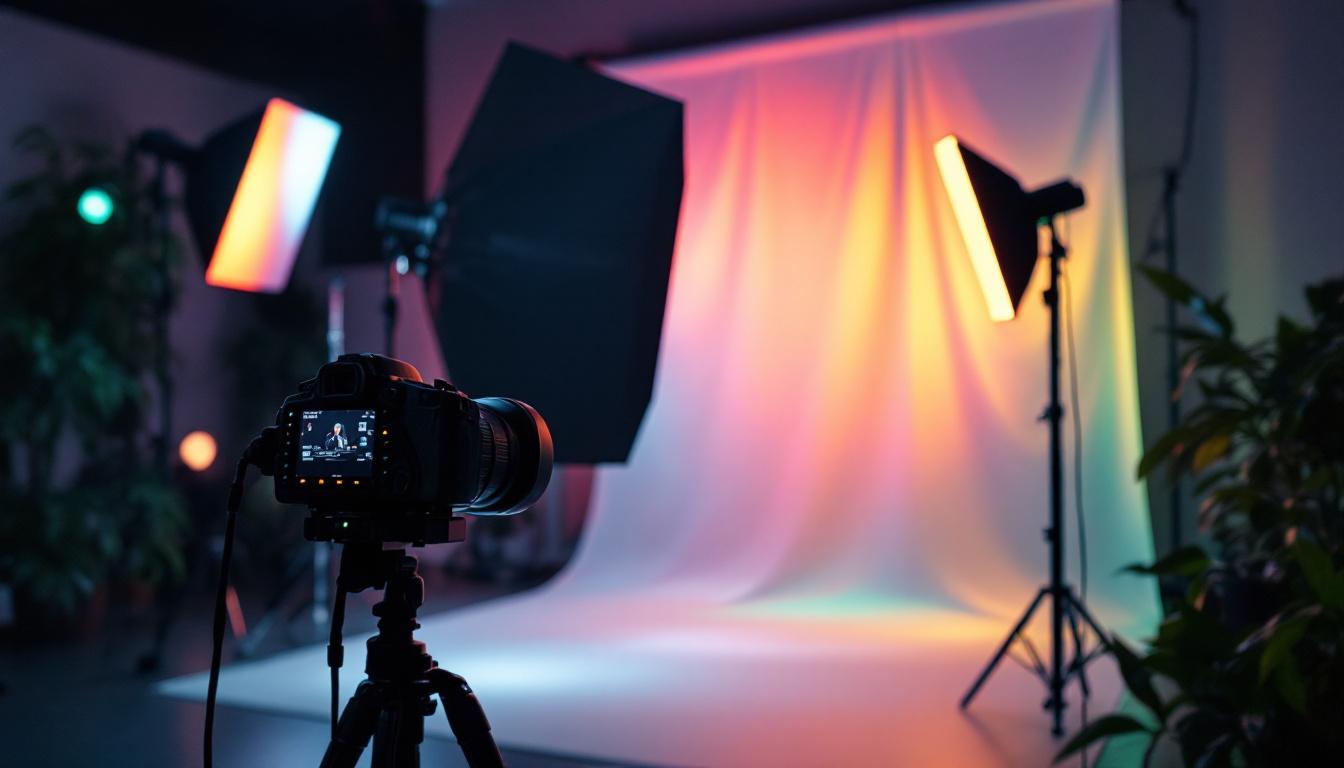
Typically, a complete LED video light kit includes one or more LED panels, adjustable stands, power adapters or batteries, diffusers, and sometimes remote controls. These components work together to offer versatile lighting options that can be tailored to different shooting environments and creative needs. The portability of these kits makes them ideal for on-location shoots, as they can easily be packed and transported without the bulkiness associated with older lighting technologies.
Moreover, many modern LED kits come equipped with advanced features such as wireless connectivity, allowing users to control multiple lights from a smartphone or tablet. This capability not only enhances convenience but also streamlines the workflow during production, enabling quick adjustments to lighting setups without interrupting the creative process. Additionally, some kits include built-in effects like flicker or color transitions, which can add a dynamic element to video projects, making them more visually engaging.
Why Choose LED Video Lights?
LED video lights have several advantages over conventional lighting options:
- Energy Efficiency: LEDs consume significantly less power, making them cost-effective and environmentally friendly.
- Longevity: LED bulbs can last up to 50,000 hours or more, reducing the need for frequent replacements.
- Low Heat Emission: Unlike tungsten or halogen lights, LEDs emit minimal heat, ensuring comfort during long shoots and safety for sensitive equipment.
- Color Accuracy and Control: Many LED kits offer adjustable color temperature and brightness, allowing precise control over lighting conditions.
Furthermore, the versatility of LED video lights extends beyond just their technical specifications. They are available in various shapes and sizes, from compact on-camera lights to large softboxes, catering to different shooting styles and preferences. This adaptability makes them suitable for a wide range of applications, from intimate interviews to expansive outdoor scenes. Additionally, the ability to use accessories like barn doors, grids, and gels allows creators to shape and modify the light further, providing endless possibilities for artistic expression. As the demand for high-quality video content continues to grow, investing in a reliable LED video light kit can significantly enhance the production value of any project.
The Technology Behind LED Displays in Video Lights
At the heart of every LED video light kit lies the LED display technology. Understanding how these displays function provides insight into their performance and versatility.
What is an LED Display?
An LED display is a flat panel that uses an array of tiny light-emitting diodes to produce images or light. In the context of video lighting, the LED panel serves as a source of uniform illumination rather than displaying images. These panels are composed of numerous LEDs arranged in a grid, which collectively emit light when powered.
The quality of an LED display in a video light kit depends on several factors, including the type of LEDs used, their density on the panel, and the technology employed to control the light output.
Types of LEDs Used in Video Light Kits
There are primarily two types of LEDs used in video lighting:
- Surface-Mounted Device (SMD) LEDs: These are compact, efficient LEDs mounted directly onto the circuit board surface. They offer high brightness and can be densely packed for uniform light distribution.
- Chip-on-Board (COB) LEDs: COB technology involves mounting multiple LED chips closely together as a single module. This results in a brighter, more intense light source with excellent color rendering and reduced hotspots.
COB LEDs have gained popularity in professional video lighting due to their superior light quality and efficiency, although SMD LEDs remain widely used in more affordable kits.
Color Temperature and CRI in LED Displays
Two critical parameters that define the quality of light from LED video lights are color temperature and Color Rendering Index (CRI).
- Color Temperature: Measured in Kelvin (K), color temperature describes the hue of the light emitted. LED video lights often offer adjustable color temperatures ranging from warm (around 3200K) to daylight (5600K) or even higher. This flexibility allows users to match ambient lighting conditions or create specific moods.
- Color Rendering Index (CRI): CRI measures how accurately a light source reveals the colors of objects compared to natural light. A CRI of 90 or above is considered excellent for video and photography, ensuring true-to-life color reproduction.
Key Features of Modern LED Video Light Kits
Modern LED video light kits come equipped with a variety of features designed to enhance usability, flexibility, and performance.
Adjustable Brightness and Color Temperature
Most LED video light kits allow users to finely tune brightness levels and color temperature. This adjustability is crucial for adapting to different shooting scenarios, whether indoors under artificial light or outdoors in natural sunlight. Dimming capabilities without flicker ensure smooth lighting transitions and professional-quality footage.
Portability and Power Options
Portability is a significant consideration for videographers and photographers on the move. Many LED kits are lightweight and compact, making them easy to transport. Additionally, dual power options—AC adapters for studio use and rechargeable batteries for location shoots—offer flexibility and extended usage times.
Diffusers and Light Modifiers
To soften and evenly distribute light, LED video light kits often include diffusers or softboxes. These accessories help minimize harsh shadows and create a flattering, natural look. Some advanced kits also support additional modifiers like barn doors, grids, and gels for creative lighting effects.
Control Interfaces
Remote controls, smartphone apps, and onboard control panels provide convenient ways to adjust lighting settings without interrupting the shoot. Wireless control options are particularly valuable in multi-light setups or when lights are mounted in hard-to-reach locations.
Practical Applications of LED Video Light Kits
LED video light kits are versatile tools used across various fields and scenarios.
Film and Video Production
From independent filmmakers to large studios, LED video lights are essential for illuminating scenes with precision. Their adjustable color temperature and brightness help create the desired atmosphere, whether it’s a warm indoor setting or a cool outdoor scene. The low heat emission also prevents discomfort during long shoots.
Photography
Portrait, product, and event photographers rely on LED lighting for consistent, high-quality illumination. The ability to control light intensity and color temperature ensures that subjects are rendered accurately and attractively.
Live Streaming and Content Creation
With the rise of live streaming and online content creation, LED video light kits have become indispensable. Streamers, vloggers, and educators use these lights to enhance their on-camera appearance, reduce shadows, and maintain viewer engagement through professional visuals.
Corporate and Educational Use
Webinars, virtual meetings, and online classes benefit from improved lighting that LED kits provide. Clear, well-lit video enhances communication and professionalism.
Choosing the Right LED Video Light Kit
Selecting the ideal LED video light kit depends on individual needs, budget, and intended use.
Assessing Your Lighting Needs
Consider the typical shooting environments, subjects, and desired effects. For example, product photographers may prioritize color accuracy and soft light, while filmmakers might require powerful lights with adjustable color temperature and multiple modifiers.
Evaluating Kit Components
Look for kits that include sturdy stands, reliable power options, and useful accessories like diffusers and remote controls. The build quality of the LED panels themselves is crucial for durability and consistent performance.
Budget Considerations
While high-end LED kits offer advanced features and superior light quality, there are many affordable options that deliver excellent results for beginners and hobbyists. Balancing cost with essential features ensures the best value.
Brand Reputation and Reviews
Researching brands and reading user reviews can provide insights into product reliability and customer support. Established manufacturers often offer better warranties and service.
Future Trends in LED Video Lighting
The LED lighting industry continues to innovate, with emerging technologies promising even greater capabilities.
Smart Lighting Integration
Integration with smart home and studio automation systems allows for seamless control and synchronization of multiple lights. Voice commands and AI-driven lighting adjustments are becoming more common.
Improved Energy Efficiency and Durability
Advancements in LED materials and design are leading to brighter lights with lower power consumption and longer lifespans, further reducing environmental impact.
Enhanced Color Accuracy and Spectrum Control
Future LED video lights may offer even finer control over light spectrum, enabling creators to replicate natural lighting conditions more precisely or experiment with new artistic effects.
Conclusion
LED video light kits, powered by advanced LED display technology, have revolutionized the way lighting is approached in video production, photography, and content creation. Their energy efficiency, versatility, and superior light quality make them indispensable tools for professionals and amateurs alike. By understanding the technology behind LED displays and the features of modern kits, users can select the right equipment to elevate their creative work. As LED technology continues to evolve, the future holds exciting possibilities for even more innovative and user-friendly lighting solutions.
Illuminate Your Vision with LumenMatrix
Ready to bring your video production and photography to the next level? Discover the unparalleled performance and innovation of LumenMatrix’s LED display technology. Whether you’re looking for an Indoor LED Wall Display to captivate your audience, an Outdoor LED Wall Display to withstand the elements, or specialized solutions like Vehicle LED Displays and LED Sports Displays, LumenMatrix has you covered. Embrace the future of visual communication with our diverse range of LED display modules, designed to create mesmerizing visual experiences and enhance brand visibility. Don’t just take our word for it; experience the transformative power of LumenMatrix LED Display Solutions for yourself. Check out LumenMatrix LED Display Solutions today and see your creative vision come to life.