In the rapidly evolving world of digital displays, LED technology stands out as a cornerstone for delivering vibrant, high-resolution visuals across a variety of applications. Among the many specifications that define LED displays, the term “1 inch visual” often emerges, particularly in professional and commercial contexts. This article delves into what “1 inch visual” means in the realm of LED displays, exploring the technology behind it, its practical implications, and why it matters for industries ranging from advertising to event production.
Understanding LED Display Technology
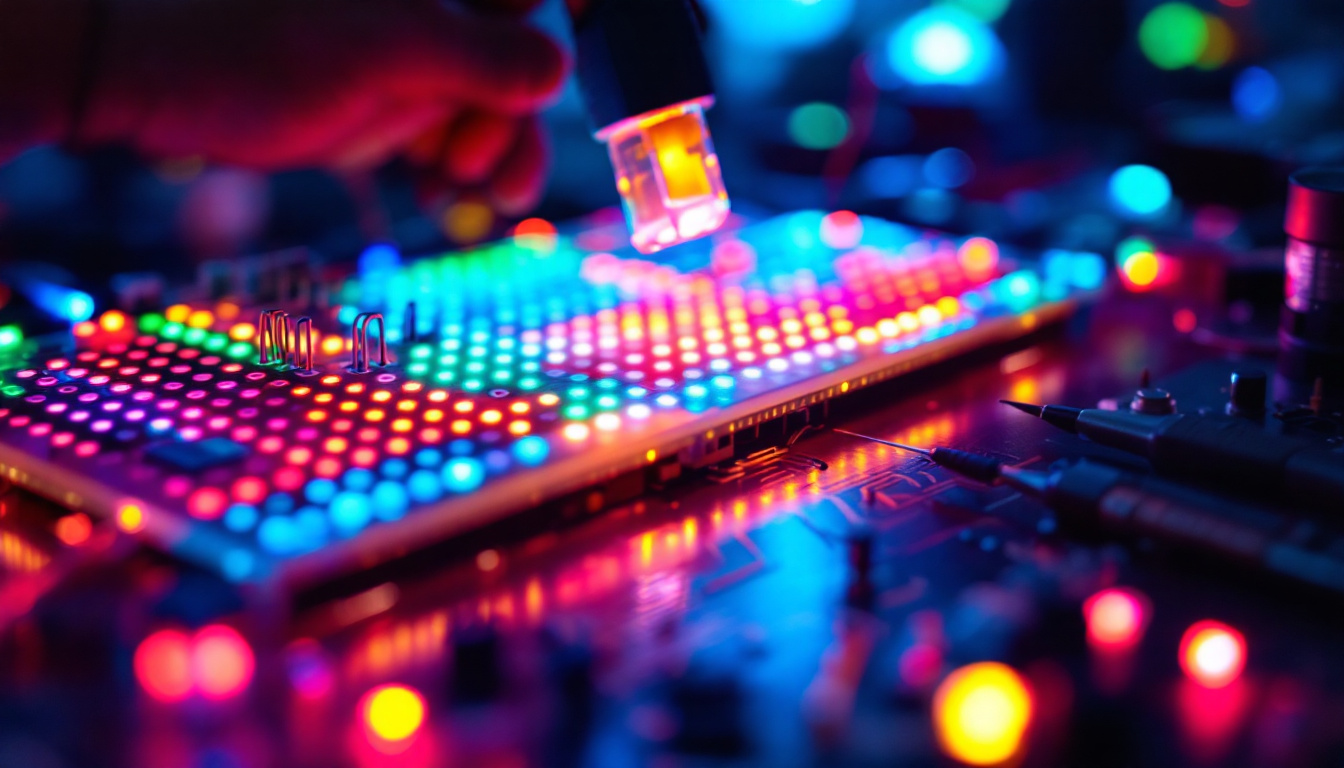
Light Emitting Diode (LED) displays have revolutionized how images and videos are presented in both indoor and outdoor environments. Unlike traditional LCD or plasma screens, LED displays use an array of tiny light-emitting diodes to produce images. These diodes can be individually controlled to emit different colors and intensities, resulting in bright, sharp, and energy-efficient displays.
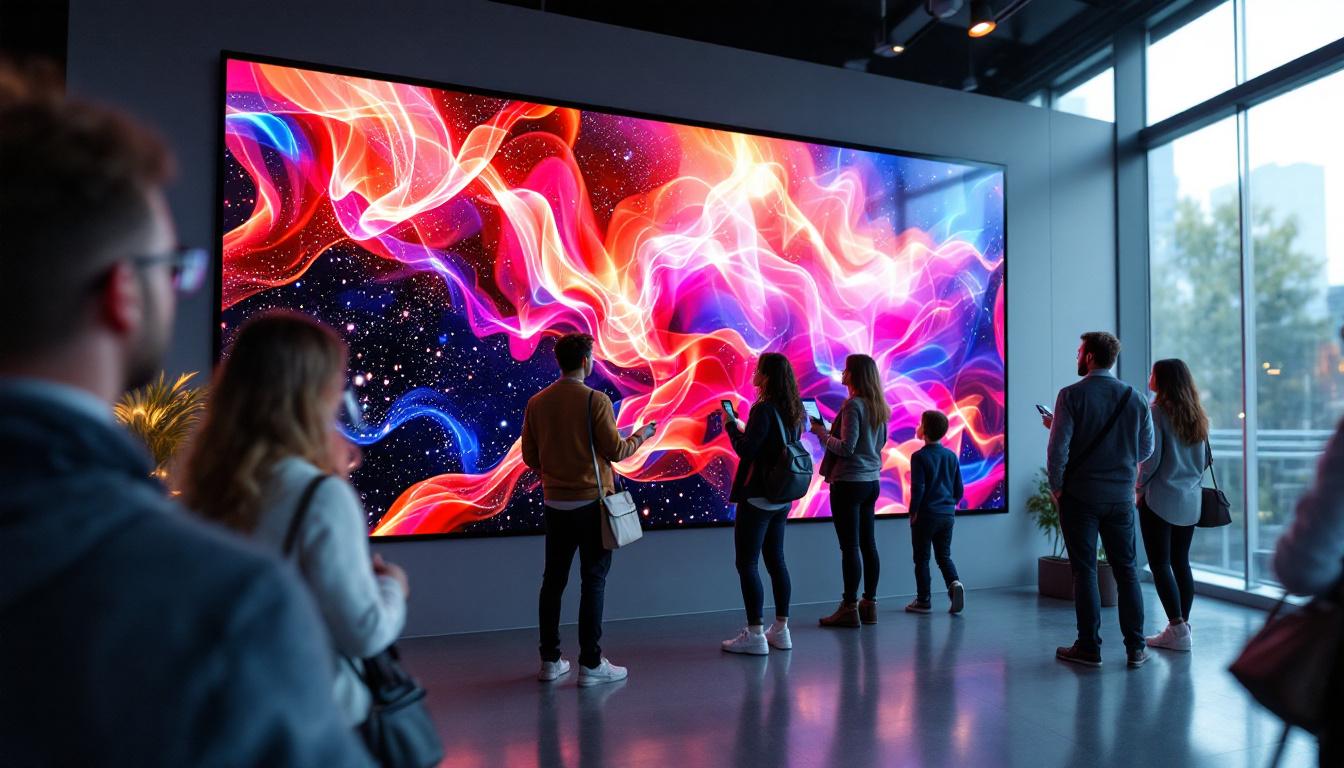
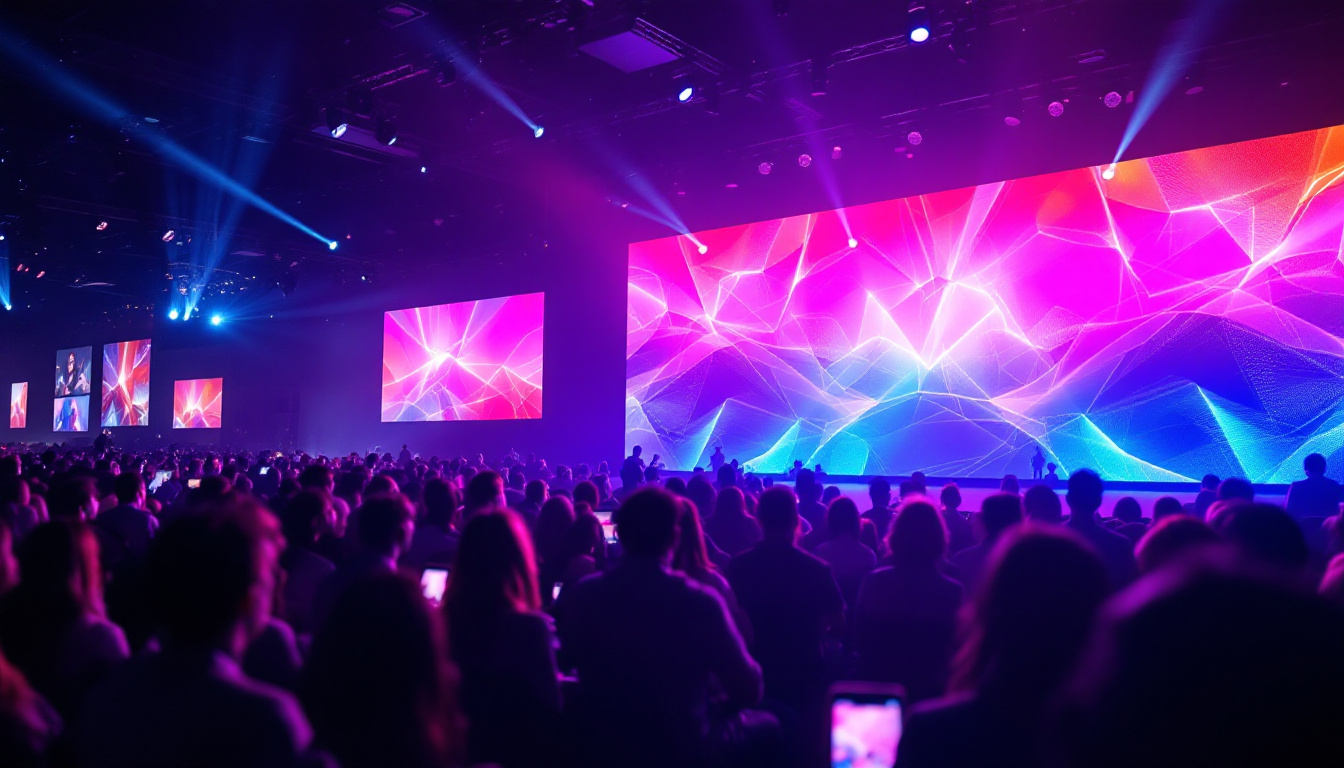
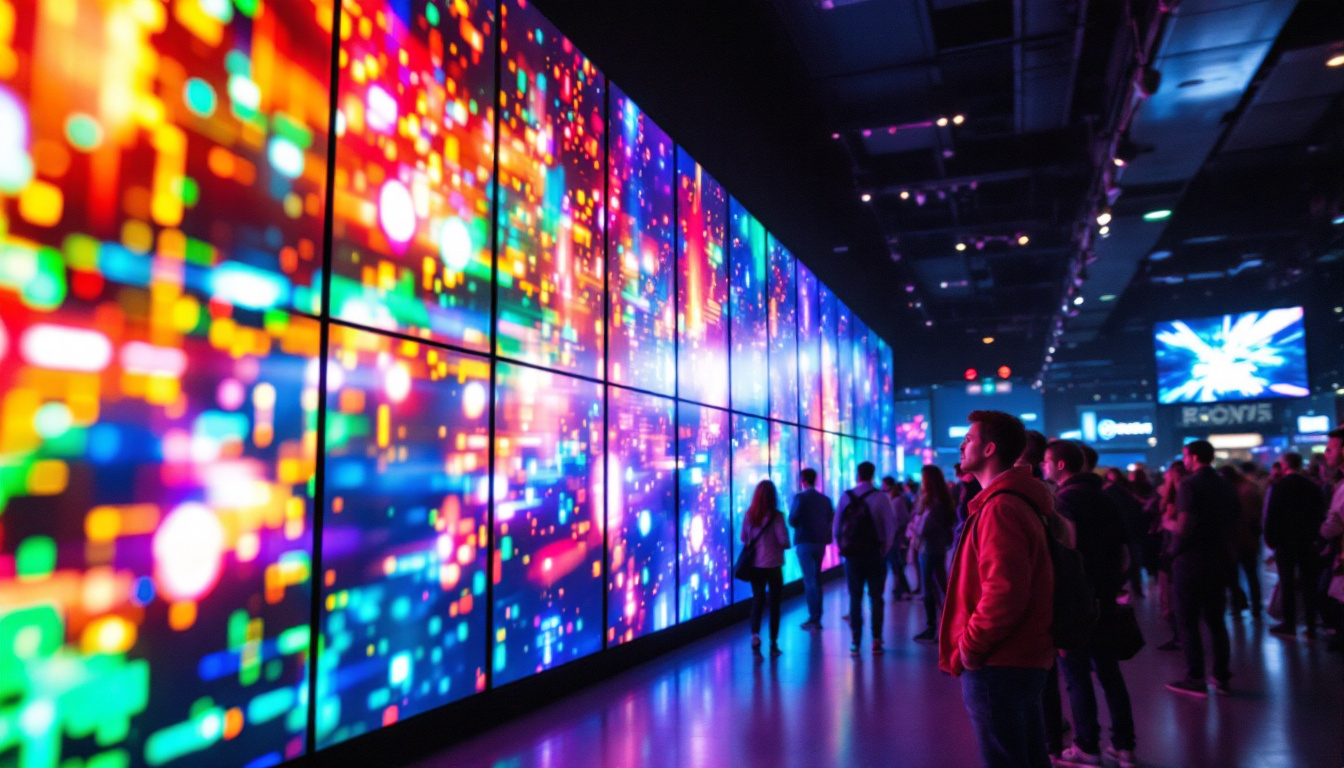
The core advantage of LED technology lies in its modularity and scalability. LED panels can be combined seamlessly to create screens of virtually any size, from small digital signage to massive stadium displays. This flexibility has made LED displays the preferred choice for applications requiring high visibility and durability. Furthermore, advancements in LED technology have led to the development of flexible and transparent displays, opening new avenues for creative advertising and architectural design. These innovative forms can be integrated into various surfaces, allowing for a more immersive experience in retail environments and public spaces.
What Does “1 Inch Visual” Mean?
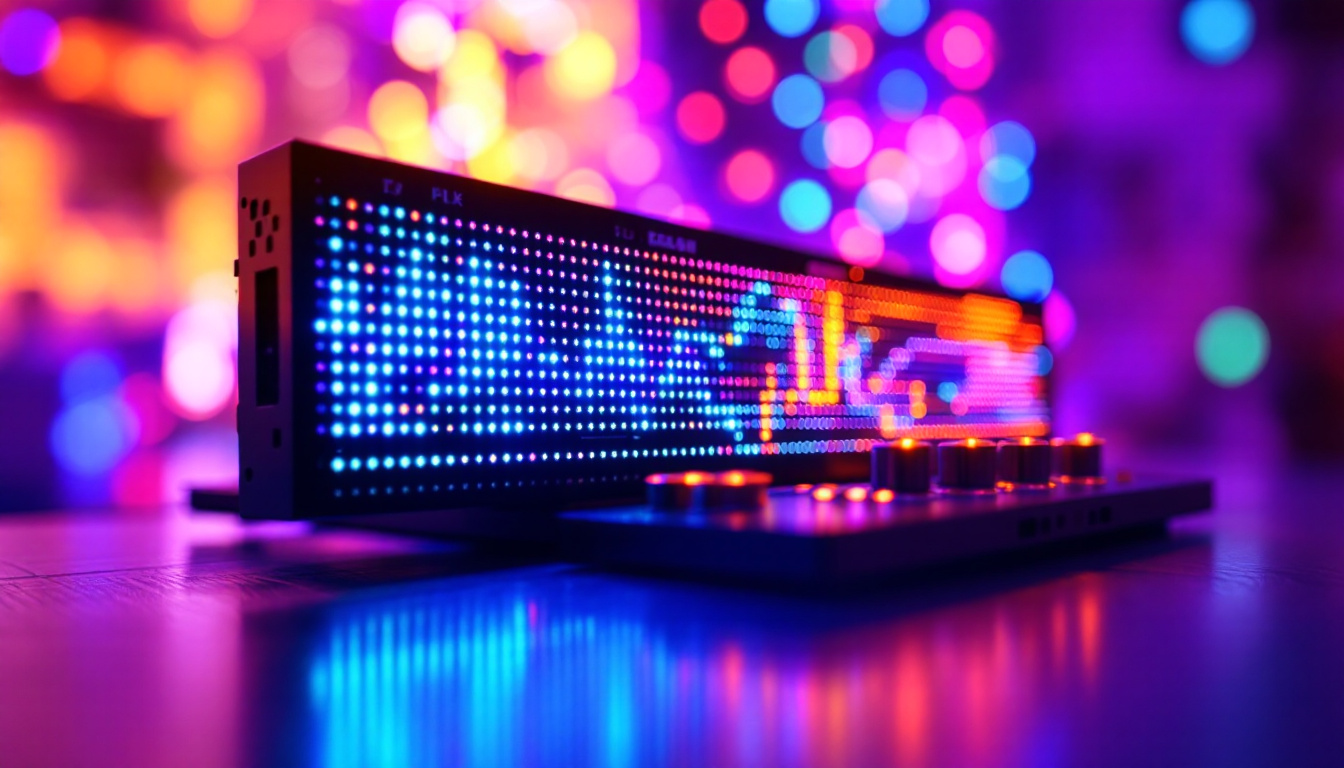
The phrase “1 inch visual” in the context of LED displays typically refers to the physical size of the individual LED modules or pixels that make up the display. More specifically, it often denotes the pixel pitch or the distance between the centers of two adjacent pixels, measured in millimeters or inches.
For example, a 1-inch pixel pitch means that each pixel is spaced approximately one inch apart. This spacing directly influences the display’s resolution and viewing distance. The smaller the pixel pitch, the higher the resolution and the closer a viewer can stand without noticing pixelation. In practical terms, a display with a 1-inch pixel pitch is ideal for environments where viewers are likely to be close to the screen, such as in retail stores or control rooms. Additionally, as technology continues to evolve, manufacturers are pushing the boundaries of pixel pitch even further, with some displays achieving pitches as small as 0.5 mm, allowing for ultra-high-definition visuals that captivate audiences in ways previously thought impossible. This evolution not only enhances the visual experience but also drives innovation in content creation, as designers can now produce more intricate and detailed graphics tailored to these advanced displays.
The Importance of Pixel Pitch in LED Displays
Pixel pitch is arguably the most critical specification when evaluating LED displays. It determines the clarity, sharpness, and overall quality of the image. Understanding pixel pitch helps businesses and event organizers select the right display for their needs, balancing cost, image quality, and viewing distance.
Pixel Pitch and Resolution
Resolution is the total number of pixels in a display, often expressed as width × height (e.g., 1920×1080). Pixel pitch affects resolution because it dictates how many pixels can fit into a given area. A smaller pixel pitch allows for more pixels per inch, resulting in a higher resolution and finer detail.
For instance, a 1-inch pixel pitch is relatively large compared to modern indoor LED displays, which often feature pixel pitches as small as 1.2mm (approximately 0.047 inches). Displays with a 1-inch pixel pitch are typically used in large outdoor environments where viewers are farther away, such as billboards or sports arenas.
Viewing Distance Considerations
The optimal viewing distance is closely tied to pixel pitch. Larger pixel pitches require viewers to be farther away to perceive a clear, cohesive image. Conversely, smaller pixel pitches enable close-up viewing without visible pixelation.
As a rule of thumb, the minimum viewing distance in feet is roughly equal to the pixel pitch in millimeters. For a 1-inch pixel pitch (about 25.4mm), the ideal viewing distance would be around 25 feet or more. This makes 1-inch pixel pitch LED displays suitable for large venues where audiences view the screen from a distance.
Applications of 1 Inch Pixel Pitch LED Displays
LED displays with a 1-inch pixel pitch find their niche primarily in outdoor and large-scale environments. Their design caters to scenarios where visibility over long distances is paramount, and ultra-high resolution is less critical due to the viewing distance.
Outdoor Advertising and Billboards
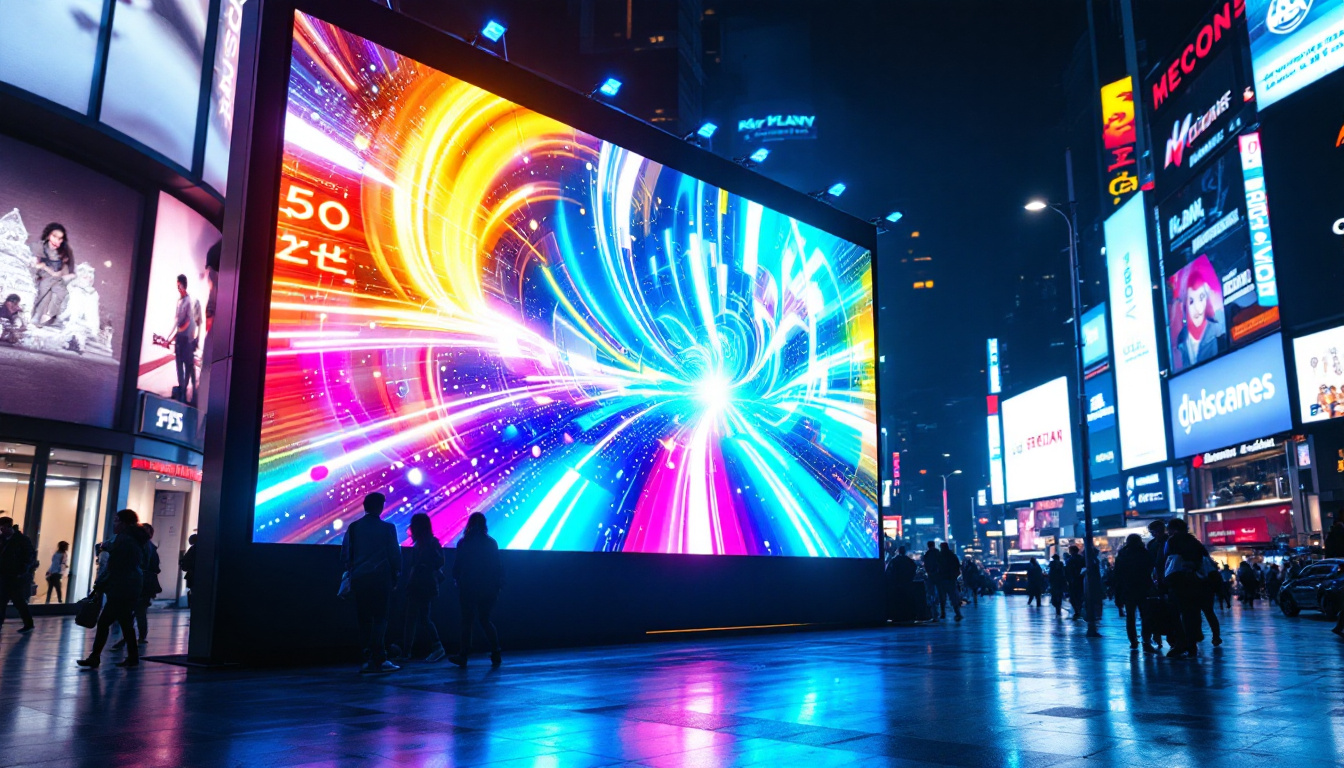
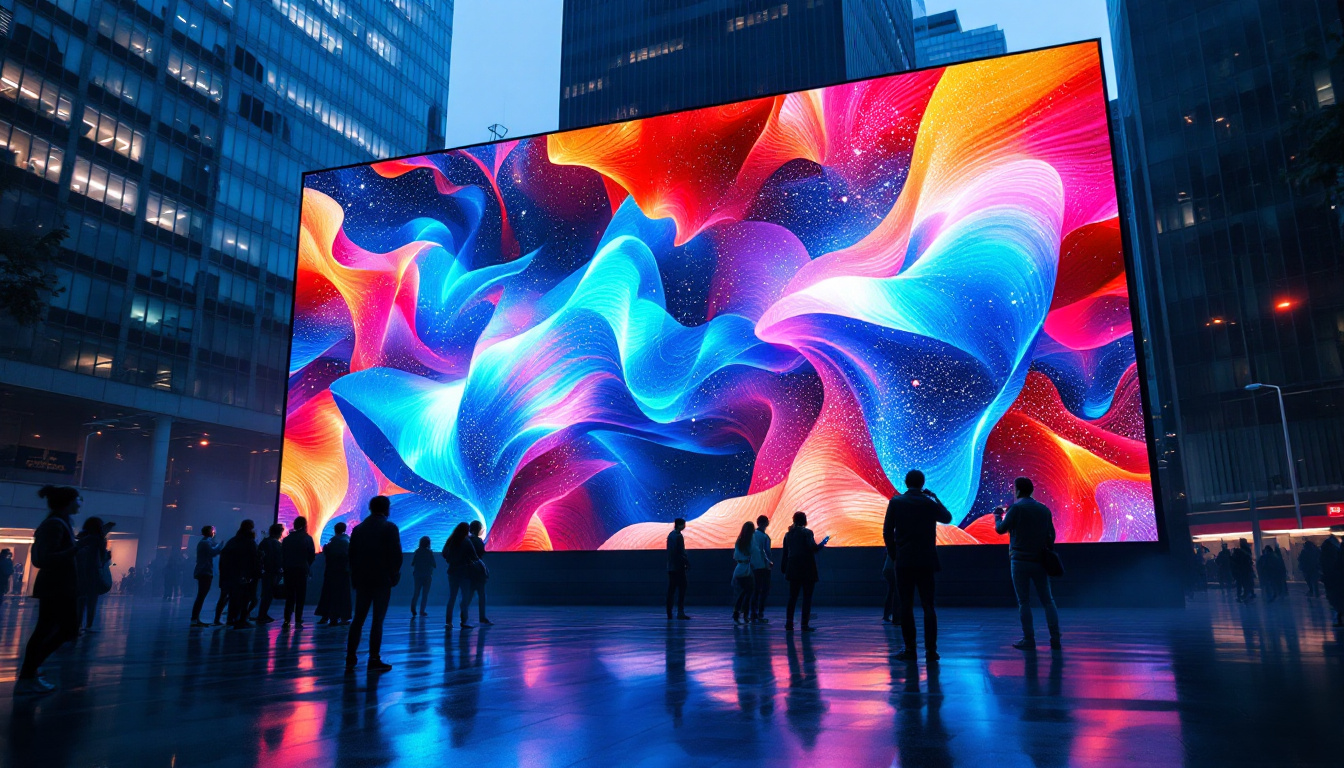
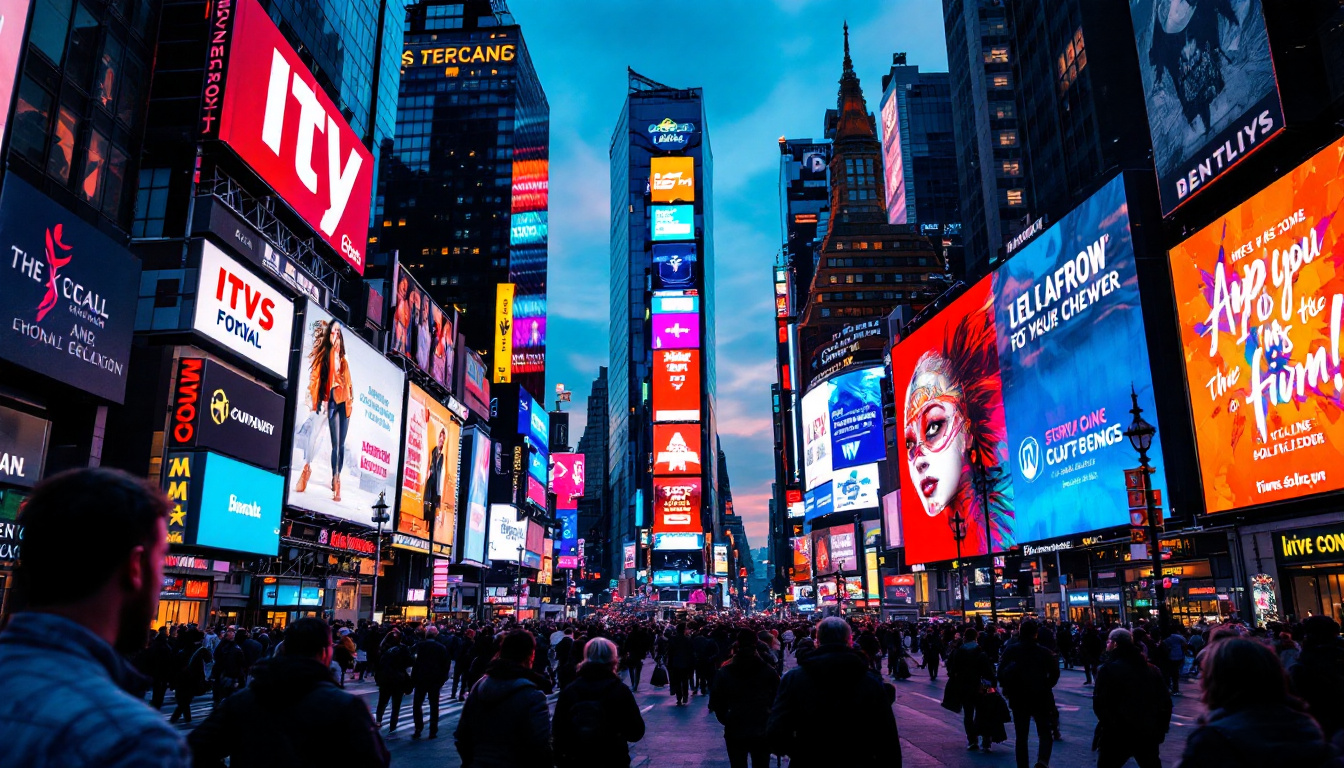
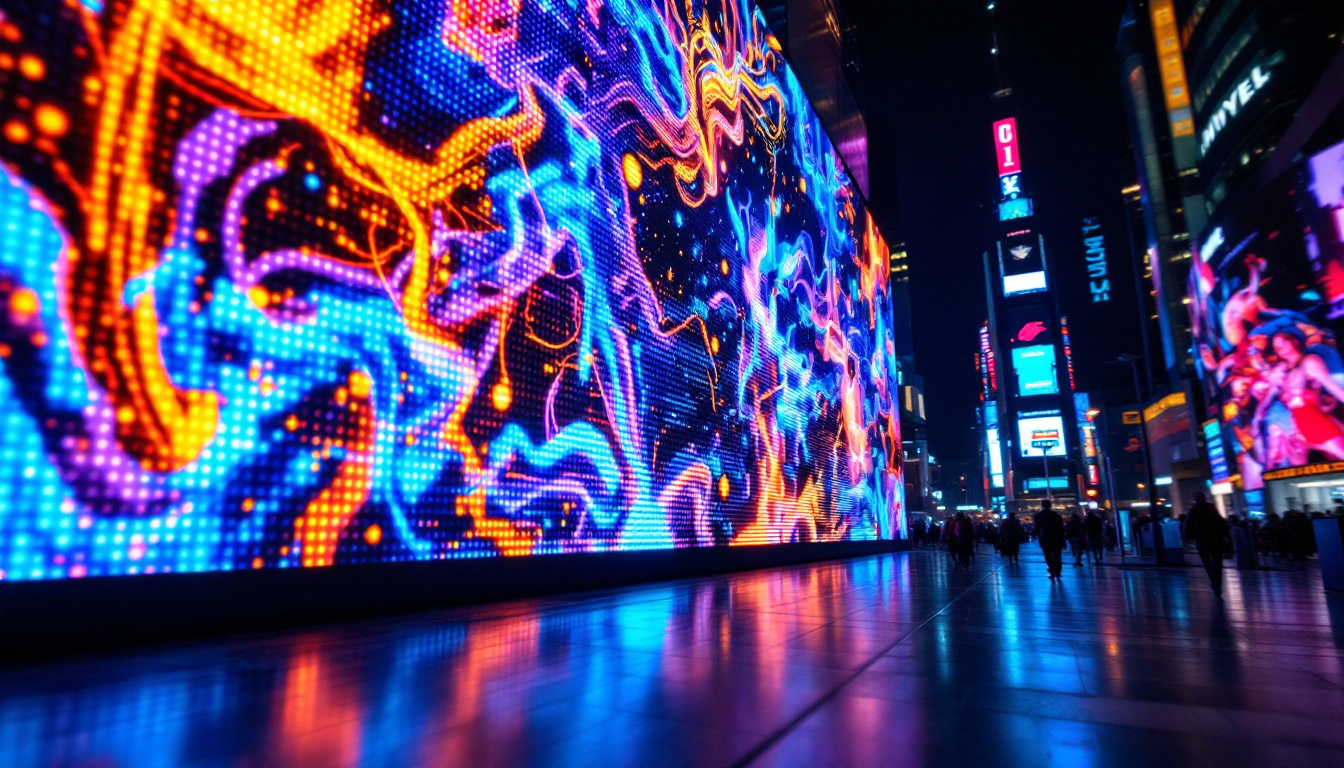
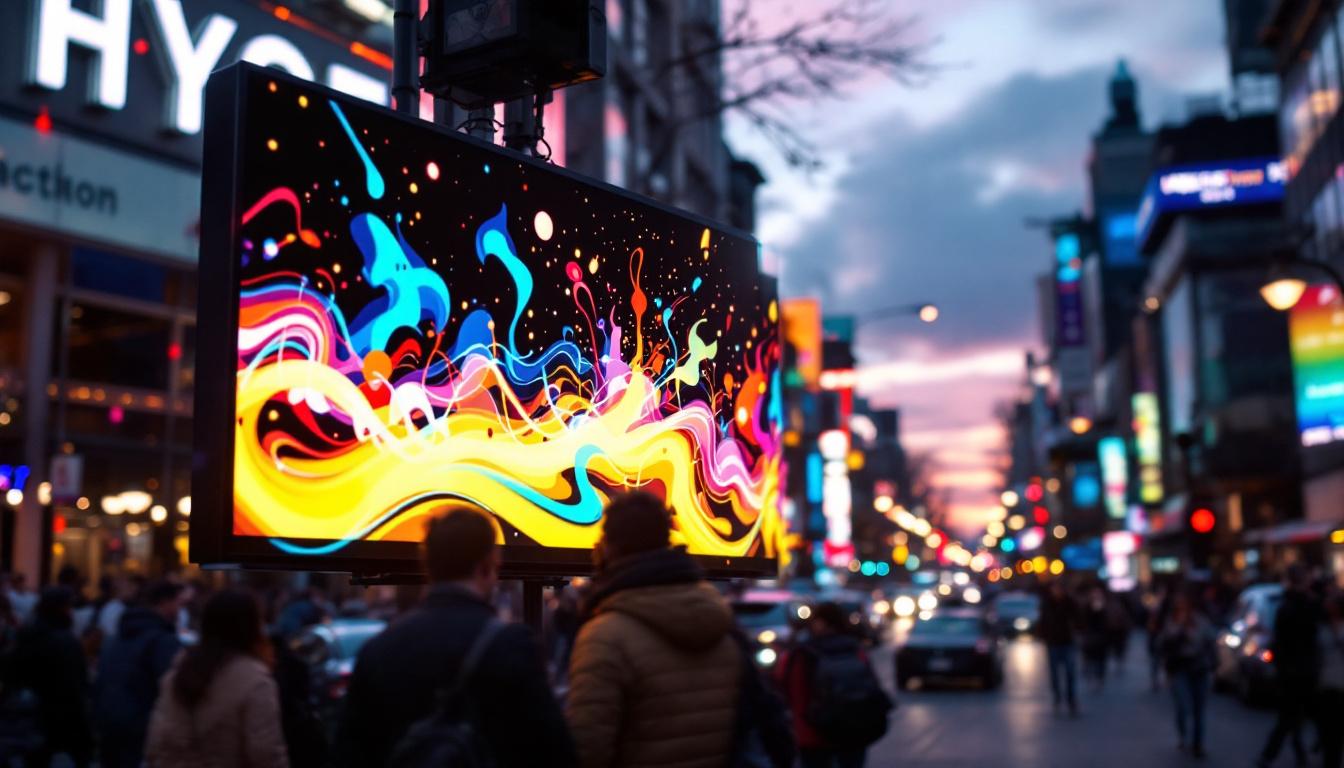
One of the most common uses for 1-inch pixel pitch LED displays is in digital billboards. These displays are installed on highways, urban centers, and commercial areas to capture the attention of motorists and pedestrians from afar.
The large pixel pitch ensures that the display remains bright and visible even in direct sunlight, while the size and modularity allow for eye-catching, dynamic content. According to industry data, digital billboard advertising has seen a growth rate of over 10% annually, driven by the effectiveness of LED technology in engaging audiences.
Sports Arenas and Event Venues
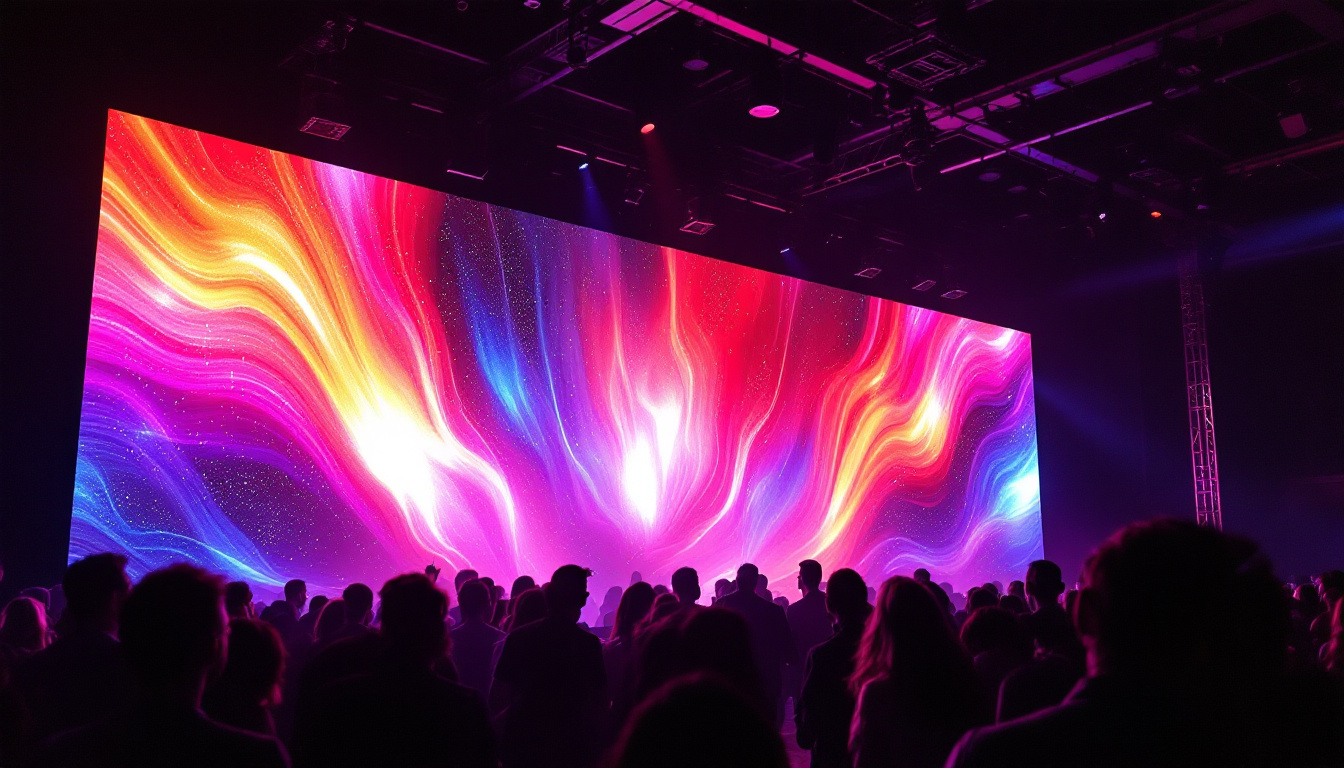
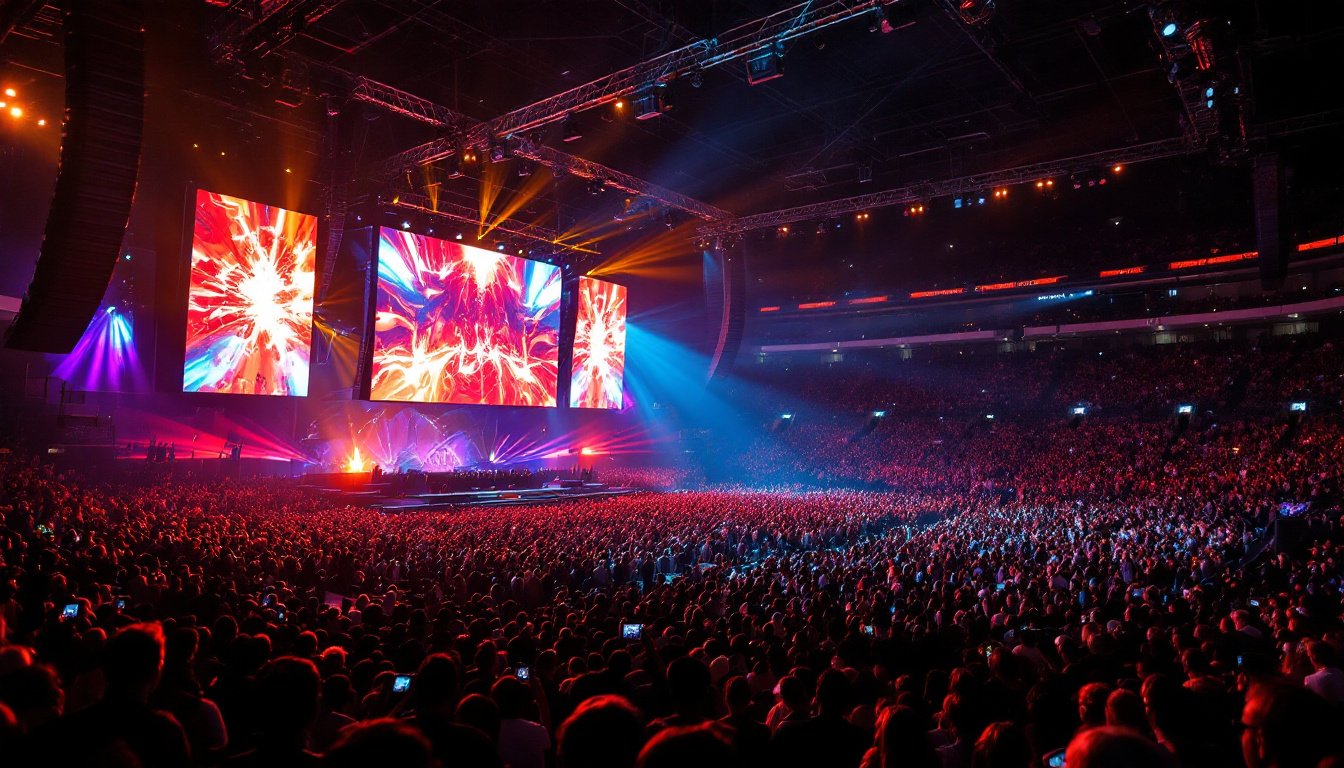
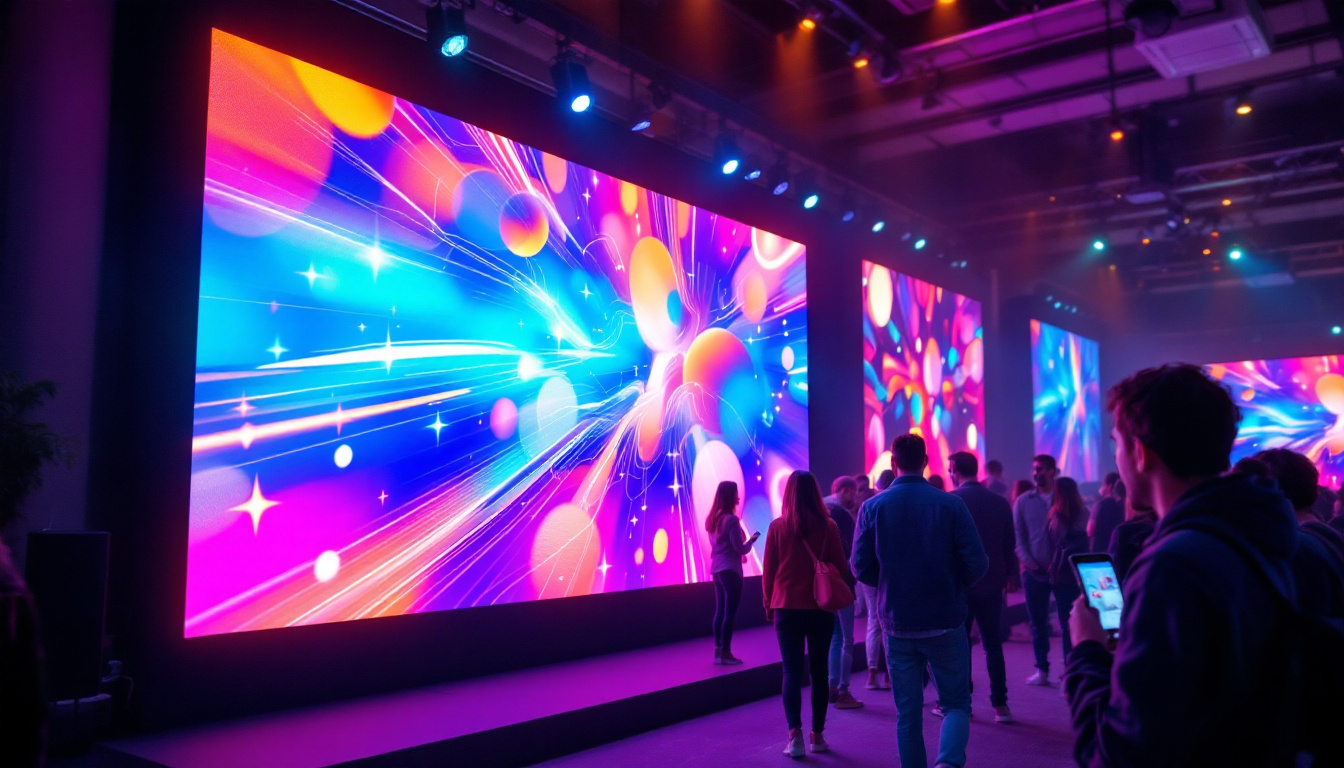
In stadiums and large event venues, 1-inch pixel pitch LED displays are often used for scoreboards, advertising panels, and large video walls. Their ability to produce vivid images visible from the stands enhances the spectator experience.
These displays also support live video feeds, replays, and interactive content, making them versatile tools for event organizers. The durability of LED technology ensures that these installations withstand various weather conditions and continuous operation.
Transportation Hubs and Public Spaces
Airports, train stations, and public squares utilize 1-inch pixel pitch LED displays for informational signage and advertising. The high brightness and durability of these displays make them ideal for environments with high ambient light and heavy foot traffic.
Technical Considerations and Innovations
While 1-inch pixel pitch LED displays serve specific purposes, technological advancements continue to push the boundaries of what LED technology can achieve. Understanding these innovations helps stakeholders make informed decisions about their display investments.
Brightness and Energy Efficiency
Brightness is a key factor for outdoor LED displays. Modern 1-inch pixel pitch LEDs can achieve brightness levels exceeding 5,000 nits, ensuring clear visibility even in direct sunlight. Advances in LED chip technology and power management have also improved energy efficiency, reducing operating costs and environmental impact.
Color Accuracy and Refresh Rates
Color accuracy is essential for delivering compelling visuals. Contemporary LED displays incorporate sophisticated calibration techniques and high refresh rates (often above 3,000 Hz) to minimize flicker and provide smooth motion, especially important for video content and live broadcasts.
Durability and Maintenance
Outdoor LED displays must withstand harsh weather conditions, including rain, wind, and temperature fluctuations. 1-inch pixel pitch displays are typically rated with high ingress protection (IP65 or higher) to ensure longevity. Modular design also facilitates easier maintenance and repairs, minimizing downtime.
Choosing the Right LED Display: Factors to Consider
Selecting an LED display with a 1-inch pixel pitch involves evaluating multiple factors to ensure it aligns with the intended use case and budget.
Viewing Distance and Audience Size
As discussed, pixel pitch should match the typical viewing distance. For large audiences spread over wide areas, a 1-inch pixel pitch is appropriate. For closer viewing, smaller pixel pitches are preferable.
Environmental Conditions
Consider the installation environment. Outdoor locations demand displays with high brightness, weather resistance, and robust construction. Indoor environments can accommodate smaller pixel pitches with lower brightness requirements.
Content Type and Resolution Needs
The nature of the content—whether static images, video, or dynamic animations—affects the choice of display. Higher resolution displays are necessary for detailed content, while simpler messaging can be effectively conveyed with larger pixel pitches.
Budget and Total Cost of Ownership
While 1-inch pixel pitch displays are generally more cost-effective than ultra-fine pitch alternatives, it’s important to factor in installation, maintenance, and energy costs over the display’s lifespan. Investing in quality components can reduce long-term expenses.
The Future of LED Displays and Pixel Pitch Trends
LED display technology continues to evolve rapidly. Trends indicate a move toward smaller pixel pitches, higher resolutions, and enhanced integration with digital ecosystems.
MicroLED and Fine Pitch Innovations
MicroLED technology promises even greater pixel density and color accuracy, potentially surpassing traditional LED displays. While microLEDs currently target premium indoor applications, their development may influence outdoor display standards in the coming years.
Integration with Smart Technologies
Smart LED displays equipped with sensors, AI-driven content management, and connectivity options are becoming more common. These features enable dynamic content adaptation based on audience demographics, weather conditions, or time of day, maximizing engagement and advertising effectiveness.
Sustainability and Eco-Friendly Designs
Manufacturers are increasingly focusing on sustainable materials, energy-efficient designs, and recyclability. As environmental concerns grow, these factors will play a larger role in display selection and deployment.
Conclusion
The term “1 inch visual” in LED displays primarily relates to pixel pitch, a fundamental specification that influences resolution, viewing distance, and overall display performance. LED displays with a 1-inch pixel pitch are well-suited for large-scale outdoor applications where visibility from a distance is essential.
Understanding the technical aspects of pixel pitch, brightness, durability, and environmental suitability is crucial for selecting the right LED display. As technology advances, the capabilities and applications of LED displays will continue to expand, offering exciting possibilities for advertisers, event organizers, and public space managers alike.
Whether considering a digital billboard, stadium screen, or public information display, the 1-inch pixel pitch LED display remains a reliable and effective choice for delivering impactful visual communication.
Discover LumenMatrix’s Advanced LED Solutions
Ready to elevate your visual impact? Explore LumenMatrix’s comprehensive range of LED display solutions, meticulously designed to meet the diverse needs of any application. From vibrant Indoor and Outdoor LED Wall Displays to dynamic Vehicle and Sports LED Displays, our offerings are tailored to maximize your brand’s visibility. Experience the future of visual communication with our innovative LED Poster Displays, immersive Floor LED Displays, and the sleek All-in-One LED Display options. For a truly unique presentation, delve into our Custom LED and Transparent LED Displays. Embrace the LumenMatrix mission to transform your visual storytelling. Check out LumenMatrix LED Display Solutions today and see your message come to life with unparalleled clarity and engagement.