In the realm of woodworking and carpentry, precision and clarity are paramount. The square planer, a tool designed to smooth and level wood surfaces, has evolved significantly over the years. One of the most notable advancements is the integration of LED displays, which enhance usability and accuracy. This article delves into the technology behind LED displays on square planers, exploring their benefits, functionality, and why they are becoming an essential feature for both professionals and hobbyists alike.
Understanding the Square Planer: A Brief Overview
A square planer, often referred to simply as a planer, is a power tool used to trim and flatten wooden boards to a uniform thickness. Traditionally, these tools relied on manual settings and analog gauges to adjust the depth of cut. While effective, these methods required experience and a keen eye to achieve precise results.
The introduction of digital components, particularly LED displays, has transformed how users interact with planers. By providing real-time feedback and precise measurements, LED displays help reduce errors and improve efficiency during woodworking projects.
Moreover, modern square planers often come equipped with advanced features such as automatic feed systems and adjustable cutting speeds. These innovations allow for greater versatility, enabling woodworkers to tackle a variety of materials and thicknesses with ease. For instance, a slower feed rate can be beneficial when working with harder woods, as it allows for a smoother finish and reduces the risk of tear-out. Additionally, some models now include built-in dust collection systems, which not only keep the workspace cleaner but also enhance visibility and safety during operation.
Another significant advancement in square planers is the incorporation of ergonomic designs. Many manufacturers have recognized the importance of user comfort, leading to the development of lightweight models with better grip and balance. This focus on ergonomics is particularly beneficial for those who spend extended periods using the tool, as it helps to minimize fatigue and strain on the hands and arms. Furthermore, the availability of various blade types, including carbide-tipped and high-speed steel options, allows woodworkers to select the best cutting tool for their specific project needs, ensuring optimal results every time.
The Role of LED Displays in Modern Square Planers
What is an LED Display?
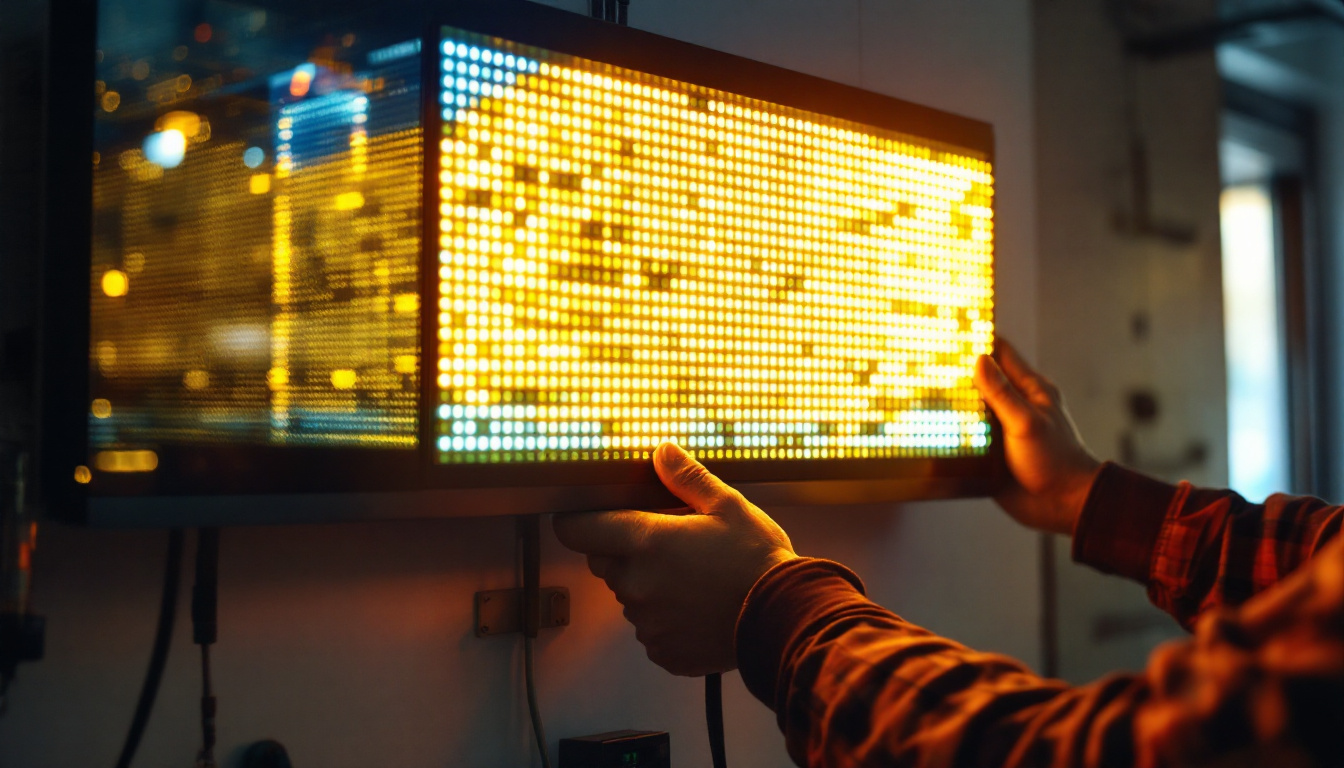
LED (Light Emitting Diode) displays are electronic visual indicators that use light to present numerical or graphical information. On square planers, these displays typically show critical data such as cutting depth, feed speed, and sometimes even blade status. The bright, clear illumination of LEDs ensures visibility in various lighting conditions, which is crucial in workshop environments. Their compact size and energy efficiency also make them an ideal choice for integration into power tools, allowing manufacturers to create sleek, modern designs without sacrificing functionality.
How LED Displays Enhance Planer Functionality
Incorporating an LED display into a square planer offers several advantages:
- Precision Adjustment: Users can set the cutting depth with exact measurements, often down to fractions of a millimeter, ensuring consistent thickness across boards.
- Real-Time Monitoring: The display can show current operational parameters, allowing users to make immediate adjustments without stopping the tool.
- User-Friendly Interface: Digital readouts reduce the learning curve for beginners, making it easier to achieve professional results.
- Error Reduction: Clear numerical feedback minimizes guesswork and reduces the likelihood of costly mistakes.
Furthermore, LED displays can also integrate advanced features such as programmable settings for different types of wood or materials. This allows users to save preferred configurations, streamlining the setup process for recurring tasks. As a result, woodworkers can switch between projects with ease, knowing that their settings are just a button press away. Additionally, some modern square planers equipped with LED displays come with diagnostic capabilities, alerting users to potential maintenance needs or operational issues before they escalate into more significant problems.
Moreover, the aesthetic appeal of LED displays cannot be overlooked. Many users appreciate the modern look that these displays bring to traditional woodworking tools. The vibrant colors and sleek design not only enhance the functionality of the square planer but also contribute to a more enjoyable working environment. This combination of form and function is increasingly important in today’s market, where both performance and user experience are paramount. As technology continues to evolve, we can expect even more innovative features to emerge in the realm of LED displays for woodworking tools.
Key Features of LED Displays on Square Planers
Depth Measurement and Control
The primary function of an LED display on a square planer is to indicate the cutting depth. Unlike traditional mechanical dials, digital depth gauges provide precise readings that can be adjusted with fine control. Some advanced models allow users to save preset depths for repetitive tasks, streamlining workflow. This feature is particularly beneficial in production environments where consistency is key, as it minimizes the risk of human error and ensures that each pass is uniform. Additionally, many LED displays incorporate intuitive interfaces that allow operators to quickly switch between different depth settings, making it easier to adapt to various materials and project requirements.
Speed and Feed Rate Indicators
While less common, certain planers include LED displays that monitor feed rate or blade speed. Maintaining optimal speeds is essential for achieving smooth finishes and prolonging blade life. Visual feedback helps operators adjust their technique or settings accordingly. Some models even provide real-time data analytics, allowing users to track performance over time and make informed adjustments based on historical data. This capability can lead to improved efficiency and reduced waste, as operators can fine-tune their approach based on the specific characteristics of the wood being processed, such as density and moisture content.
Maintenance Alerts and Diagnostics
Modern LED displays can also serve as diagnostic tools. They may alert users to blade wear, motor issues, or the need for lubrication. This proactive maintenance support helps reduce downtime and extends the lifespan of the planer. Furthermore, some systems are equipped with advanced sensors that can detect anomalies in operation, such as unusual vibrations or temperature fluctuations, which may indicate underlying problems. By providing timely alerts, these displays empower users to address issues before they escalate, thereby enhancing overall machine reliability and performance. Additionally, many LED displays offer user-friendly interfaces that guide operators through troubleshooting processes, making it easier to resolve minor issues without the need for professional assistance.
Benefits of Using LED Displays in Woodworking
Improved Accuracy and Consistency
One of the most significant benefits of LED displays is the enhanced accuracy they provide. Woodworkers can achieve uniform thickness across multiple boards, which is critical for cabinetry, furniture making, and other precision-dependent projects. Consistency not only improves the quality of the final product but also reduces material waste.
Enhanced Efficiency and Productivity
By providing instant feedback and simplifying adjustments, LED displays help users work faster and with greater confidence. This efficiency is particularly valuable in professional settings where time is money. Faster setups and fewer errors translate to increased throughput and profitability.
Accessibility for Beginners
For those new to woodworking, traditional planers can be intimidating due to the skill required to interpret analog gauges and make precise adjustments. LED displays demystify this process, making it easier for novices to learn and produce high-quality work early in their woodworking journey.
Choosing a Square Planer with an LED Display: What to Consider
Display Clarity and Size
Not all LED displays are created equal. When selecting a planer, consider the size and brightness of the display. A larger, well-lit screen is easier to read, especially in dimly lit workshops. Some models offer adjustable brightness settings to accommodate different environments.
Measurement Units and Precision
Check whether the display allows switching between metric and imperial units, depending on your preference or project requirements. Additionally, look for displays that offer fine resolution, such as 0.1 mm or 0.01 inch increments, for maximum control.
Durability and Integration
Since woodworking environments can be dusty and rough, the LED display should be rugged and well-protected. Integration with other planer features, such as digital controls or preset memory functions, can further enhance usability.
Real-World Applications and Examples
Professional woodshops have widely adopted square planers with LED displays due to their reliability and precision. For example, furniture manufacturers report a 20% reduction in material waste after switching to digital planers, thanks to improved thickness consistency. Similarly, custom cabinetry shops benefit from faster turnaround times and fewer reworks.
Hobbyists and small-scale woodworkers also appreciate the ease of use and accuracy these displays provide. Online woodworking communities frequently highlight LED-equipped planers as excellent tools for achieving professional results without extensive experience.
The Future of Square Planers and LED Technology
As digital technology continues to advance, LED displays on square planers are expected to become even more sophisticated. Integration with smart devices, such as smartphones or tablets, could allow for remote monitoring, data logging, and even AI-assisted adjustments. Such innovations promise to further enhance precision, efficiency, and user experience.
Moreover, the development of OLED and other advanced display technologies may offer even clearer, more energy-efficient readouts, improving visibility and reducing power consumption.
Conclusion
The integration of LED displays into square planers represents a significant step forward in woodworking technology. By providing precise, real-time information, these displays improve accuracy, efficiency, and accessibility for users of all skill levels. Whether in a professional workshop or a home garage, planers equipped with LED displays empower woodworkers to produce higher-quality work with greater confidence and less waste.
As the woodworking industry embraces digital innovation, understanding the benefits and functionalities of LED displays on square planers is essential for anyone looking to enhance their craft. Investing in a planer with a well-designed LED display can make a tangible difference in both the process and outcome of woodworking projects.
Enhance Your Woodworking Projects with LumenMatrix
Ready to take your woodworking precision to the next level? Discover the unparalleled clarity and innovation of LumenMatrix’s LED display technology. With solutions ranging from Indoor and Outdoor LED Wall Displays to specialized options like Vehicle, Sports, and Floor LED Displays, LumenMatrix is at the forefront of revolutionizing visual communication. Whether you’re looking to create engaging digital signage or seeking a custom LED display for your workshop, LumenMatrix has the tools to transform your craft. Check out LumenMatrix LED Display Solutions today and experience the future of woodworking accuracy and efficiency.